
家族の安心について、丁寧に考えました。
お子様、ティーン、ご高齢のご家族、ペット、そして家族をそっと近づける技術について、同意を大切にした視点で綴っています。
現在、ガイドは英語で公開しております。順次、他言語版もご用意する予定です。
日本語のガイド
日本の家族向けに書き下ろした記事です。
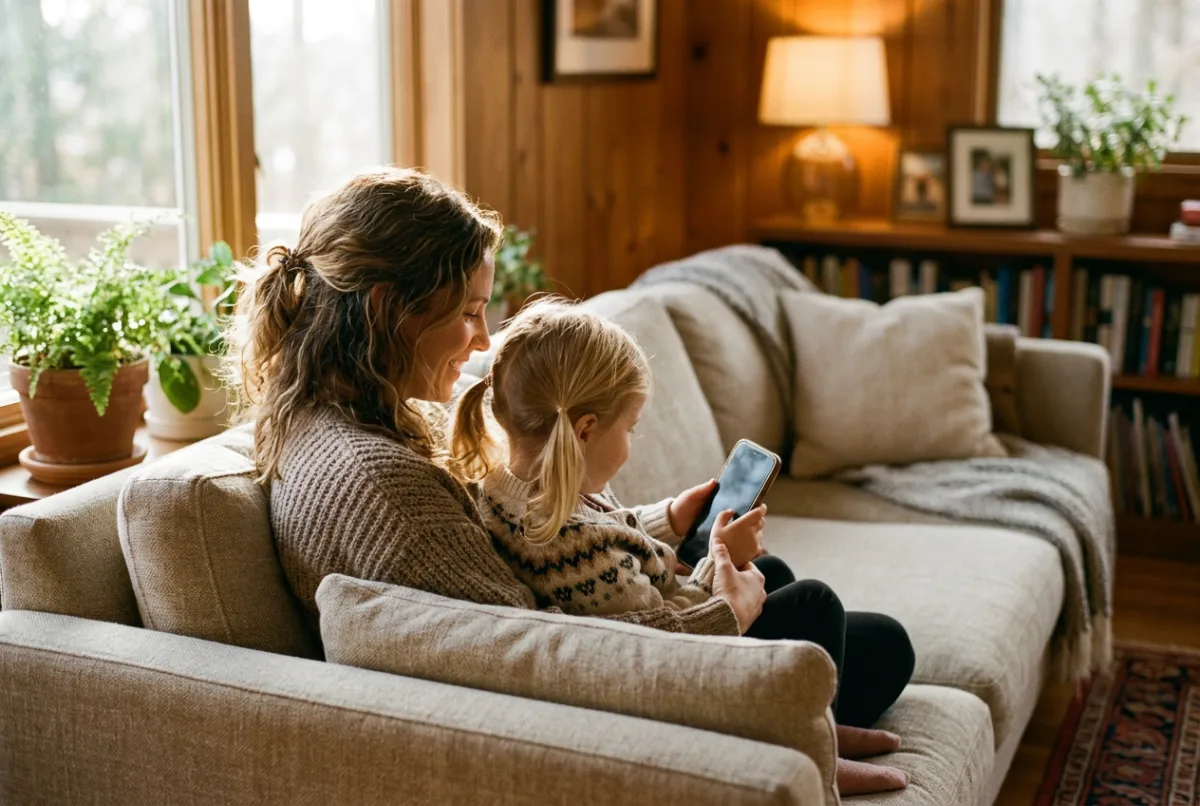
子どもの位置情報、共有すべき?「見守り」から考える家族の距離感
「監視」ではなく「見守り」。子どもに黙って居場所を追うのではなく、家族みんなで位置情報を共有し合う。そのほうが、結局は子どもも親も安心できます。
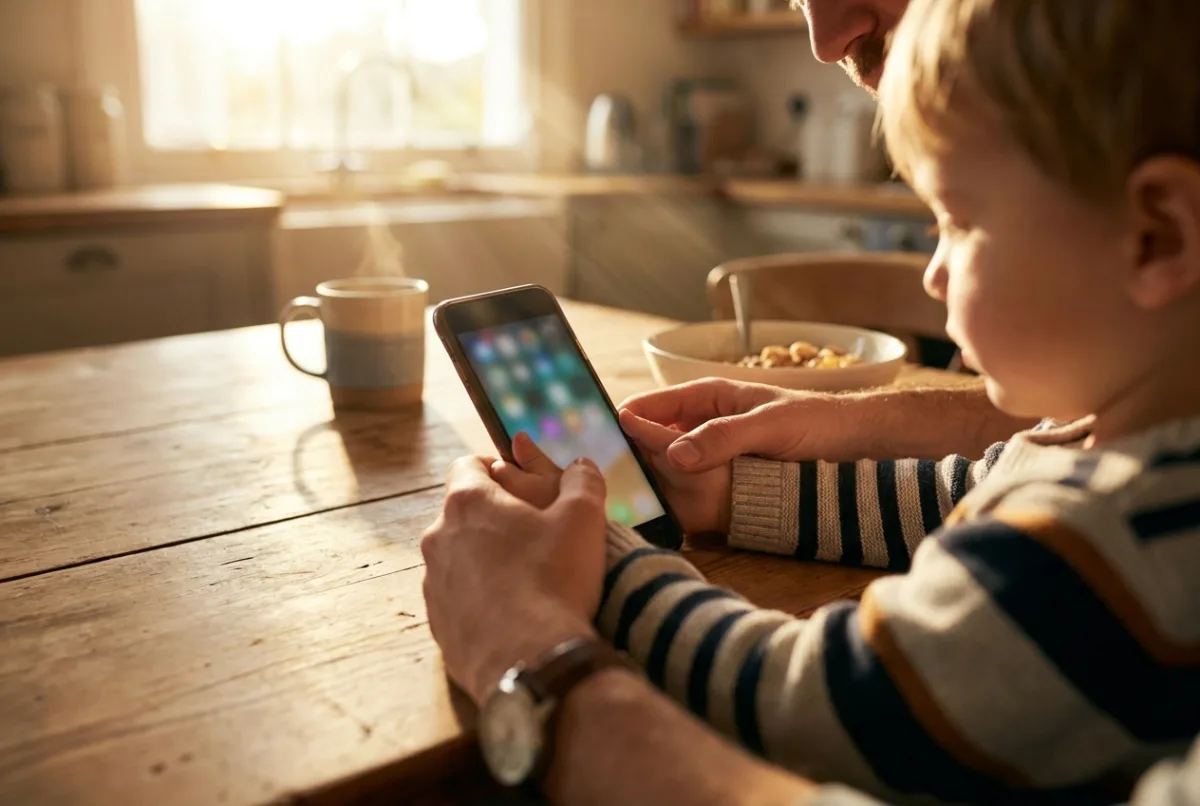
初めてのスマホ、うちの子はもう大丈夫?年齢よりも見るべきこと
正解の学年はありません。あるのは、そろそろ大丈夫かもしれないというサインです。塾通いの帰り道、学校の持ち込みルール、キッズケータイという選択肢まで、順を追って考えます。
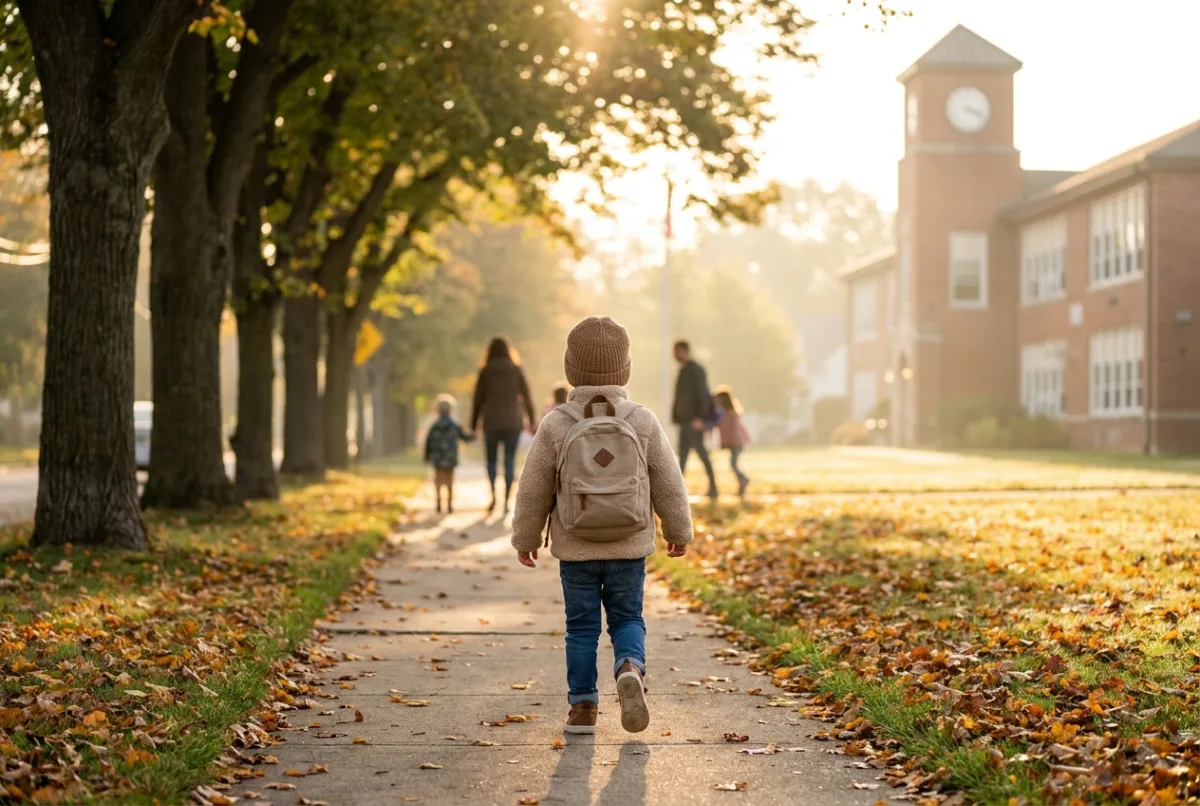
一人で通学、いつから大丈夫?ランドセルデビューの節目を考える
小学校に上がれば、多くの子が集団登校から始め、やがて一人で歩き出します。年齢だけでは測れないその準備を、段階を踏んで見ていきましょう。地域の目とアプリの静かな安心感、その両方を味方につける方法です。
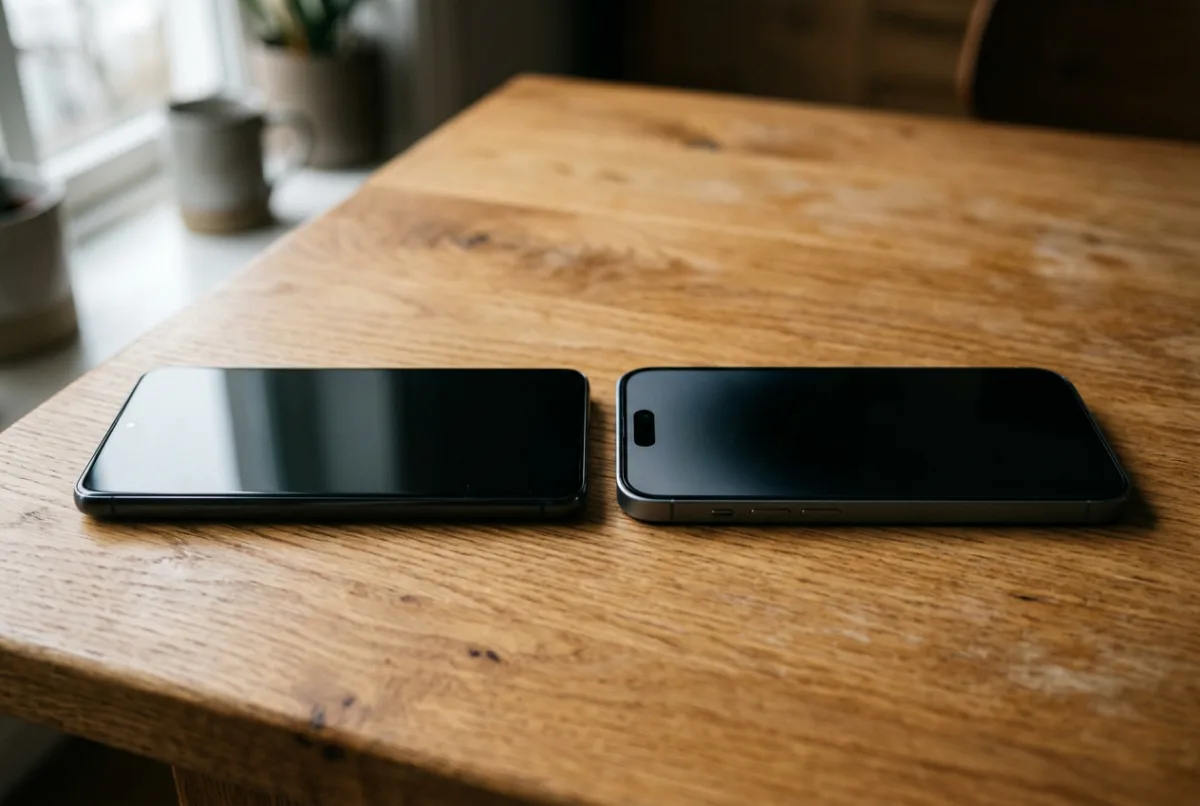
iPhoneとAndroid、見守りはどちらが向いている?機種の壁を正直に見る
どちらの陣営が勝っているという話ではありません。AppleとGoogle、それぞれの標準機能が本当にできること、機種が混ざる家庭で必ずつまずく境目、そして機種名より大事な選び方の軸を整理しました。

スマホをなくした、盗まれたかもしれない。最初の1時間にすべきこと
焦りは順番を狂わせます。ここでは、実際に被害を抑えられる手順、事前に用意しておくべきこと、そしてなぜ端末そのものよりメールアカウントのほうが先なのかをお伝えします。

GPS、Wi-Fi、電波塔。スマホが「今どこにいるか」を知る本当の仕組み
家族の地図に映る点は、一つの信号ではなく三つの推測から成り立っています。衛星、Wi-Fiルーター、電波塔がそれぞれどう貢献し、なぜその推測が自信満々に間違うことがあるのかをお伝えします。

「はぐれたときの約束」、どの家庭にも必要な小さな計画
「知らない人について行かないように」という説教は要りません。必要なのは合流場所と、「動かずに待つ」という感覚、そしてスーパーでの30秒の練習です。それを、お祭りや空港や海に行く前にやっておくだけです。
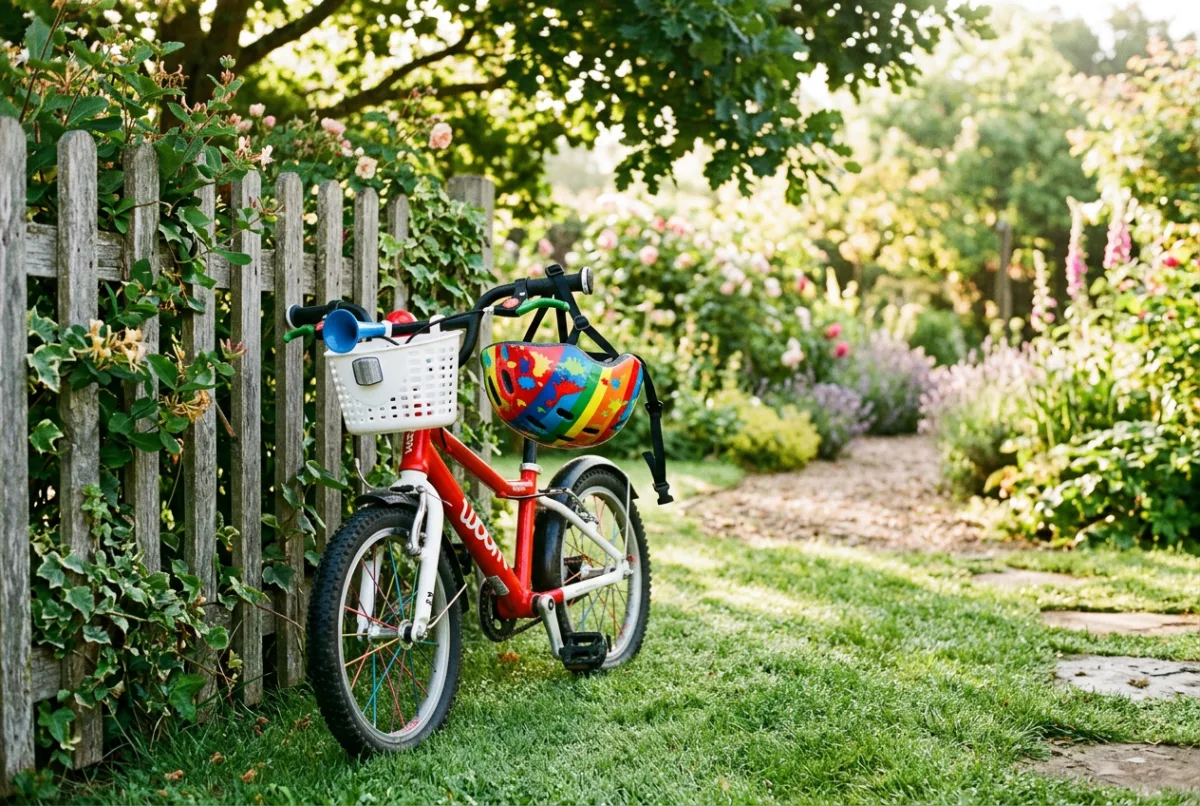
自転車通学、いつから?決めるのは年齢ではなく「道」です
友だちが何歳で自転車通学を始めたかは関係ありません。うちの子が実際に通る道の交差点や見通し、暗さを見て、目に見える形で段階を踏んでいく。それだけです。

お泊まり会の前に聞いておきたいこと。角を立てずに確かめる方法
お泊まり会の前にいくつか確認しても、それは「うるさい親」ではありません。角を立てずに聞ける言い回しと、楽しい夜が続かなくなったときにお迎えを頼める合言葉を紹介します。

青いお椀の話。鍵や財布の小さな置き忘れについて
父は玄関のそばに置いた青いお椀に三十年間、鍵を入れ続けてきました。それでもうまくいかないことがあります。ありふれた置き忘れと、小さな仕組み、そして見守りタグという静かな備えについての話です。
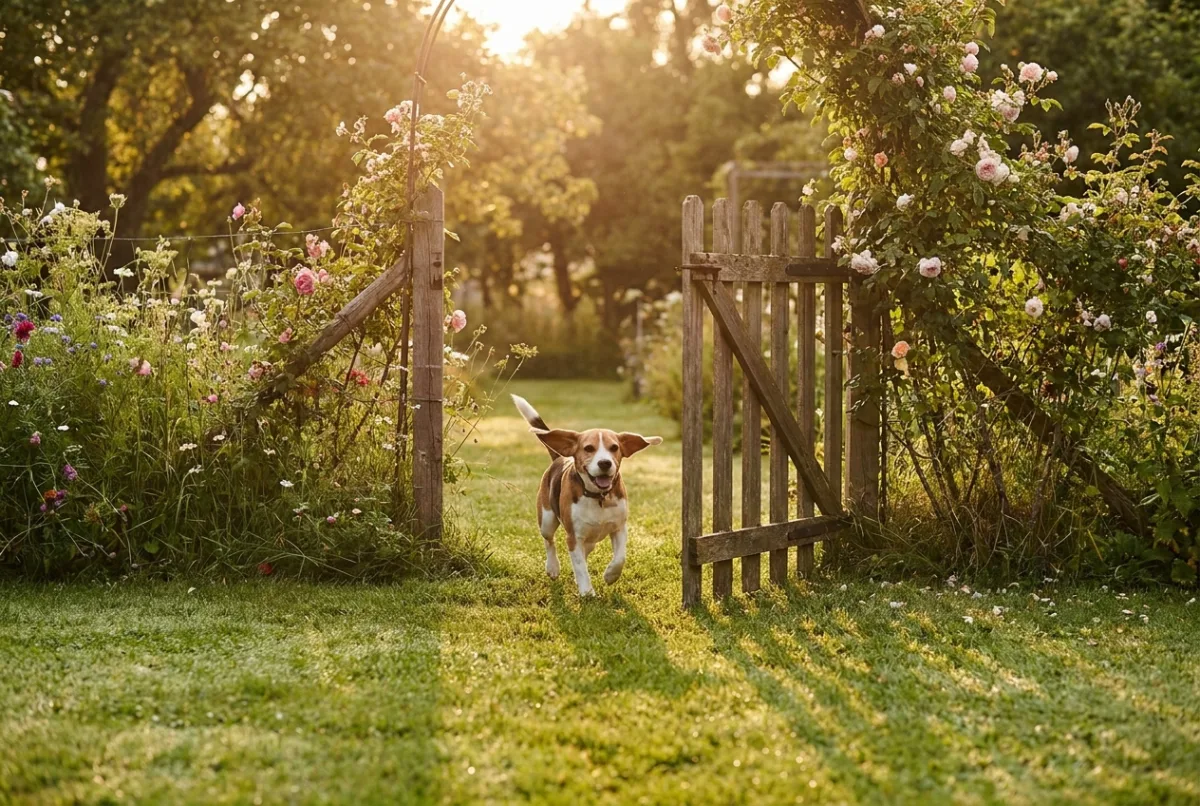
犬が脱走する理由、そして本当に効く対策
ゴミ収集車、開いたままの門扉、道の向こうを横切るリス。脱走のほとんどには三つの原因と、決まった瞬間があります。庭の点検の仕方と、実際に脱走してしまったときにすべきことをまとめました。
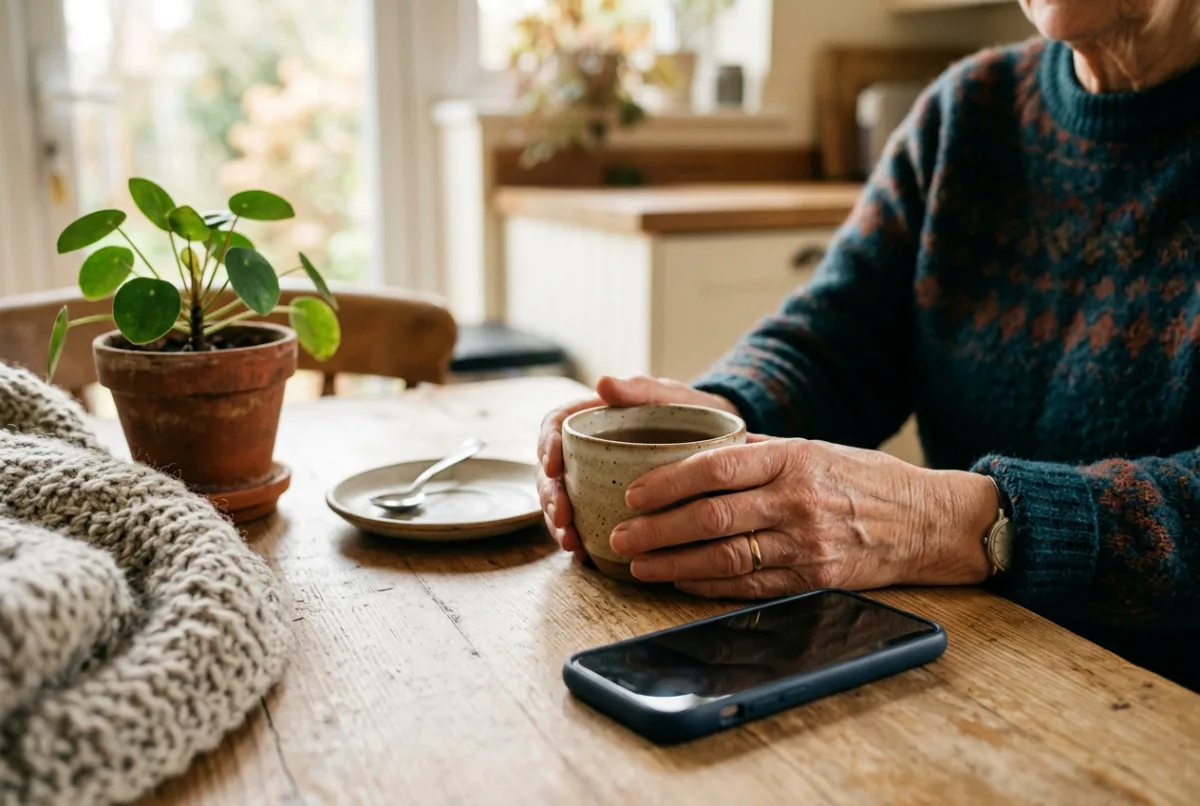
「監視」に見えない、毎日の安否確認の作り方
湯気の立つお茶、ひとことのLINE、共有地図への一瞥。いちばん心地よい安否確認は、確認していることにすら気づかせません。監視に見えない、続けられる習慣の作り方です。
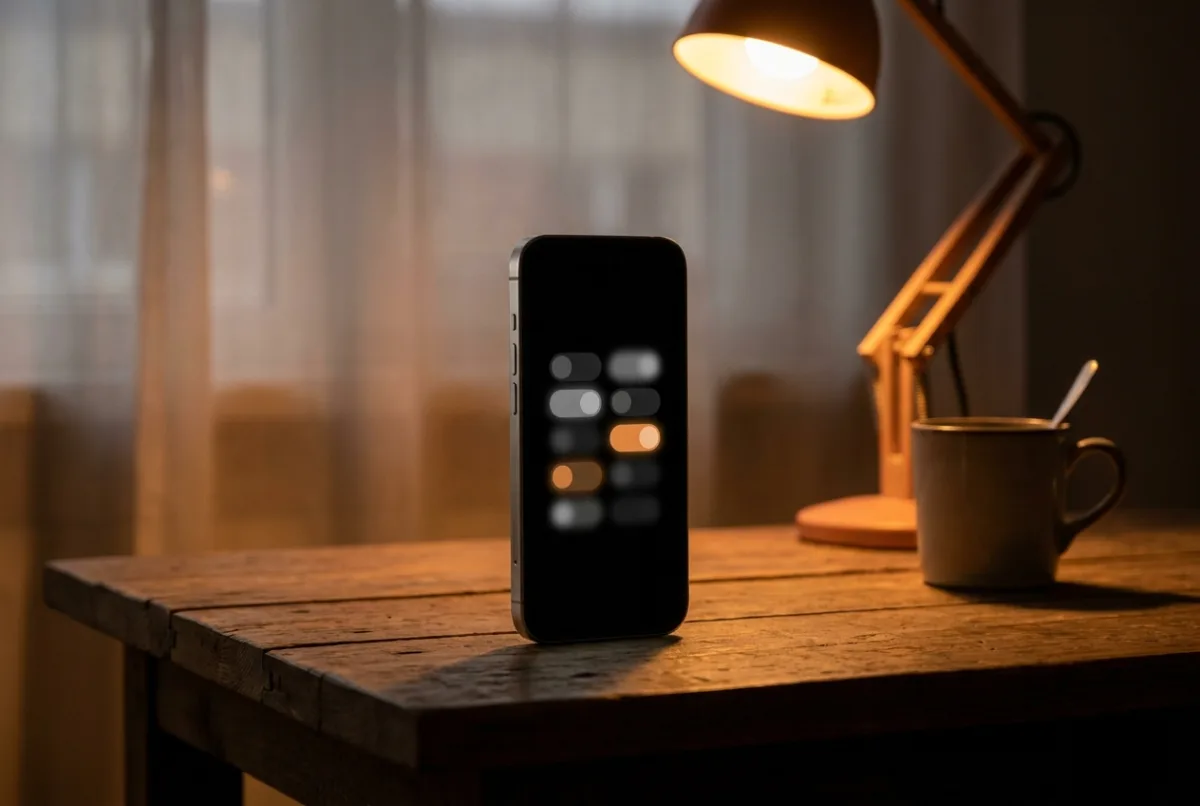
家族見守りアプリは、あなたの何を知っているのか
位置情報の履歴は、人がつくり出すデータの中でも特に多くを語るものです。見守りアプリが実際に何を集めているのか、導入前に何を確認すべきか、プライバシー表示をどう読むかをまとめました。
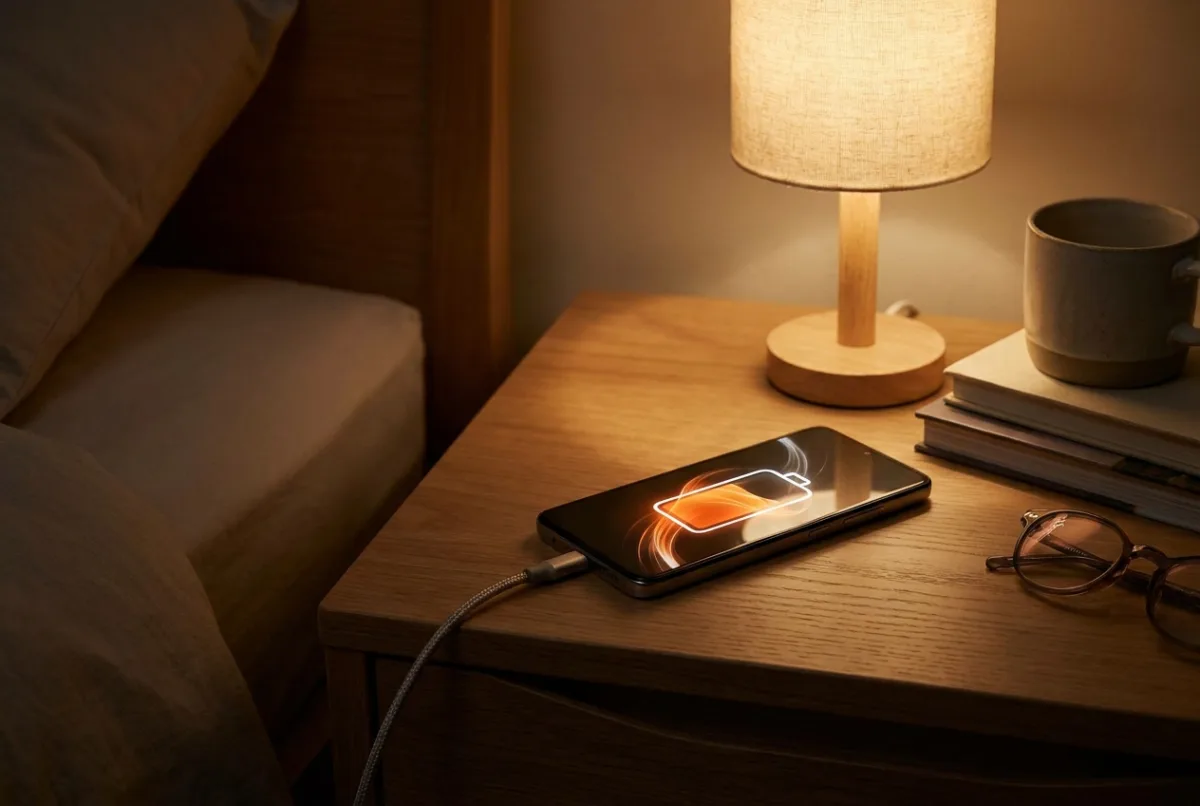
位置情報の共有はなぜバッテリーを減らすのか、実際に効く対策
バッテリーに関する苦情のほとんどは、ある設定と別の設定がぶつかり合って起きています。それぞれのモードが実際にどれだけ電力を使うか、省電力機能が何を壊すか、変える価値のある設定をまとめました。
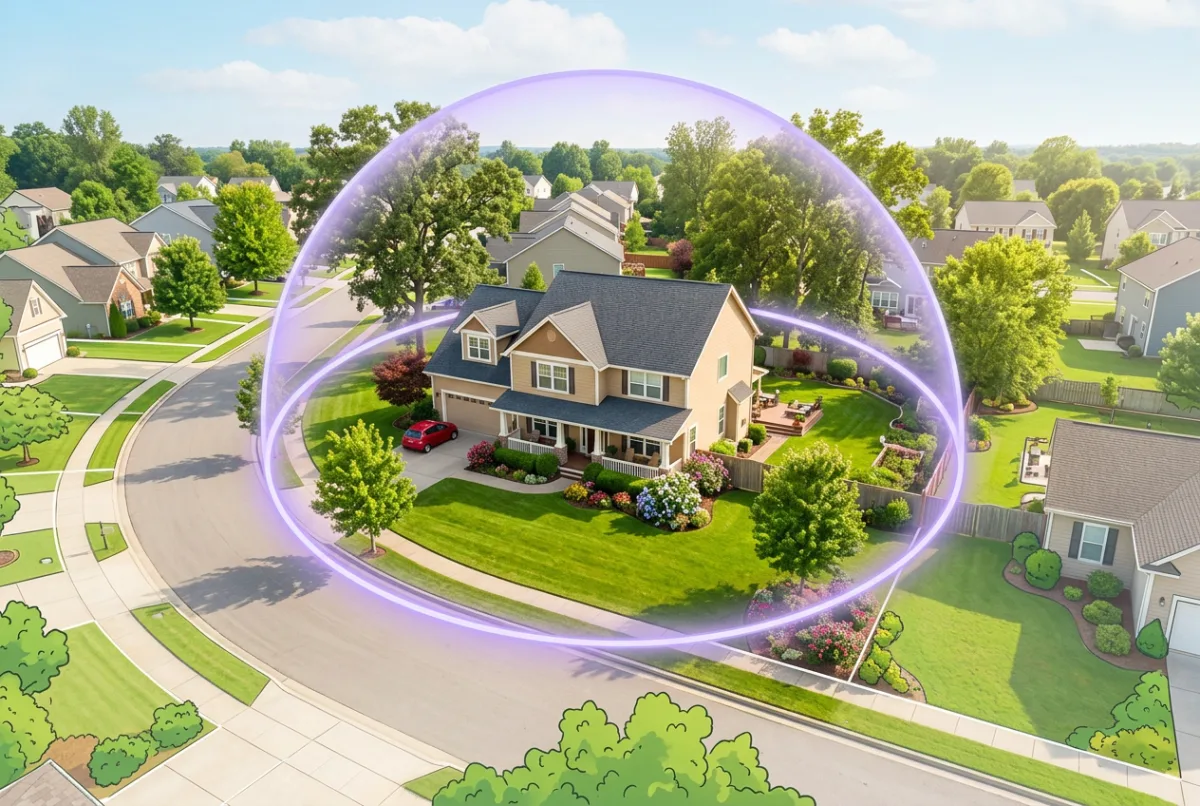
ジオフェンスとは何か、忙しい親のためのやさしい解説
ジオフェンスとは、地図上に描いた円で、誰かがその境界を越えるとお知らせが届く仕組みです。実際にどう動くのか、なぜ時々遅れるのか、最初に設定すべき三つの場所をまとめました。
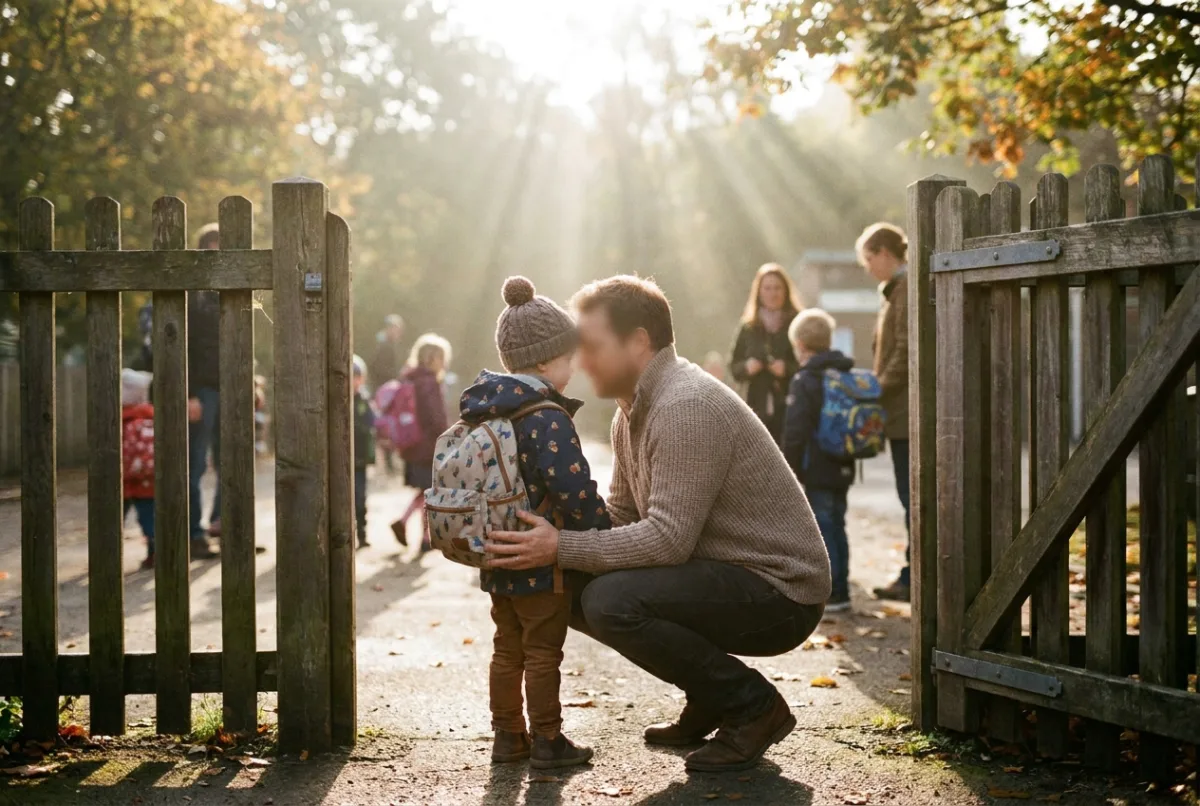
家族の合言葉、五分で決める「お迎え」の安心ルール
五分と、ちょっとふざけた単語ひとつ。それだけで、一週間のうちで一番迷いやすい瞬間に、はっきりした答えが用意できます。決め方と、怖がらせない練習の仕方、もしもの備えまでを紹介します。
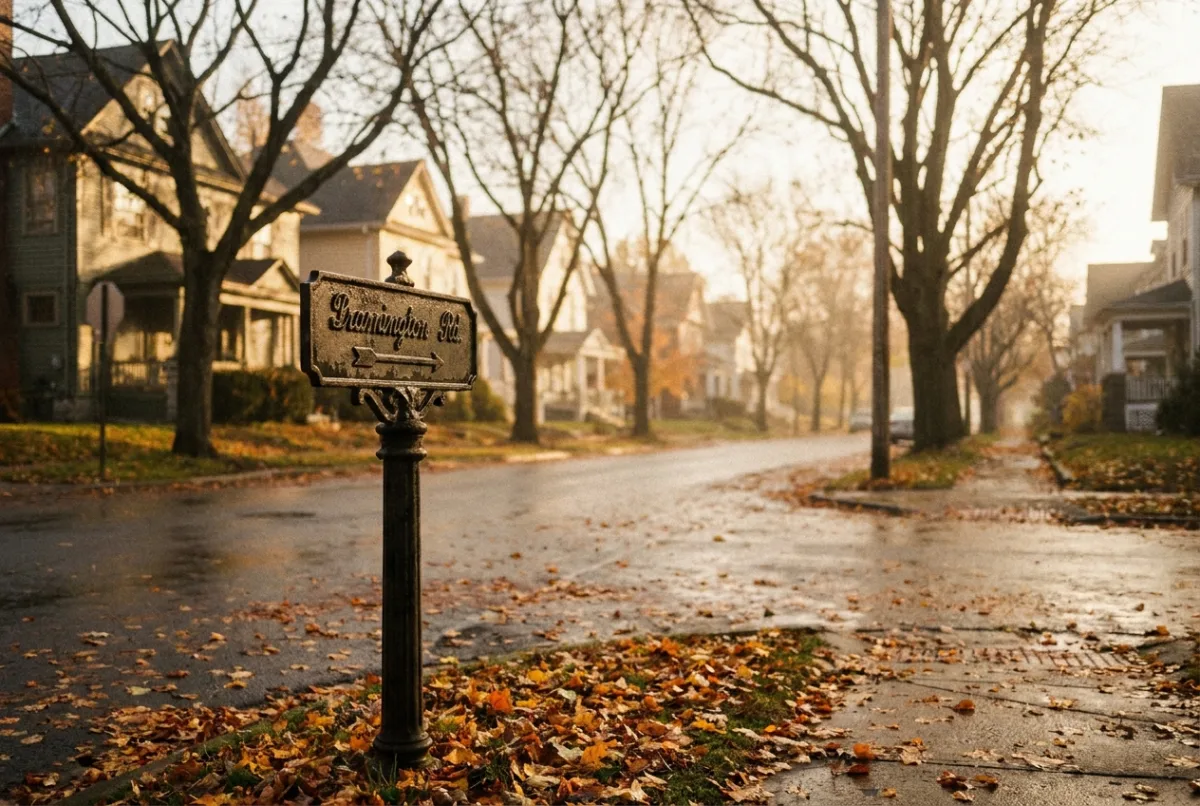
バス停から一人で歩いて帰る、最後の四百メートルを乗り越える計画
たった四百メートル、歩いて五分。それなのに、一日のうちで一番気をもむ時間になります。両者に自信をつけていく三段階の進め方と、もしもの練習、留守番のルールを紹介します。
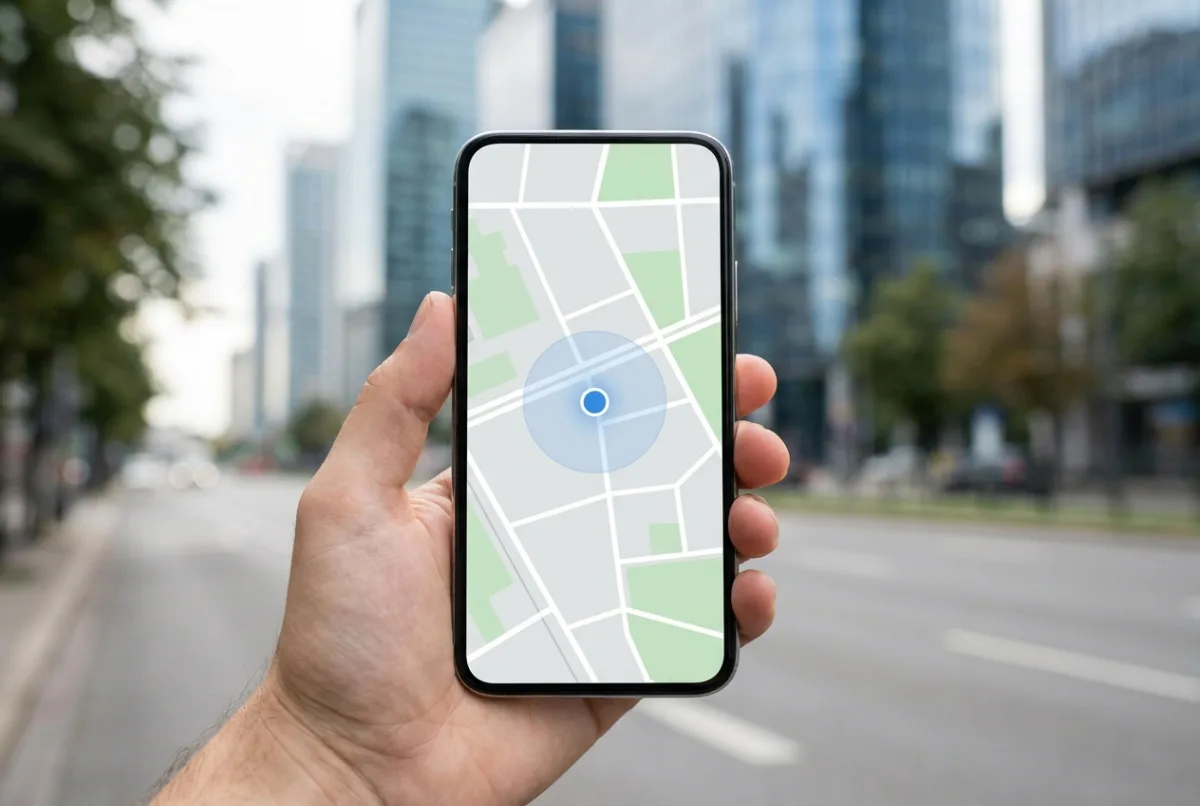
スマホのGPSの精度は実際どれくらいなのか
屋外でおよそ3〜5メートル、屋内では数十メートル、ときには道の向こうに一瞬で「ワープ」することもあります。実際に何が起きているのか、家族の地図に何を期待していいのかを説明します。
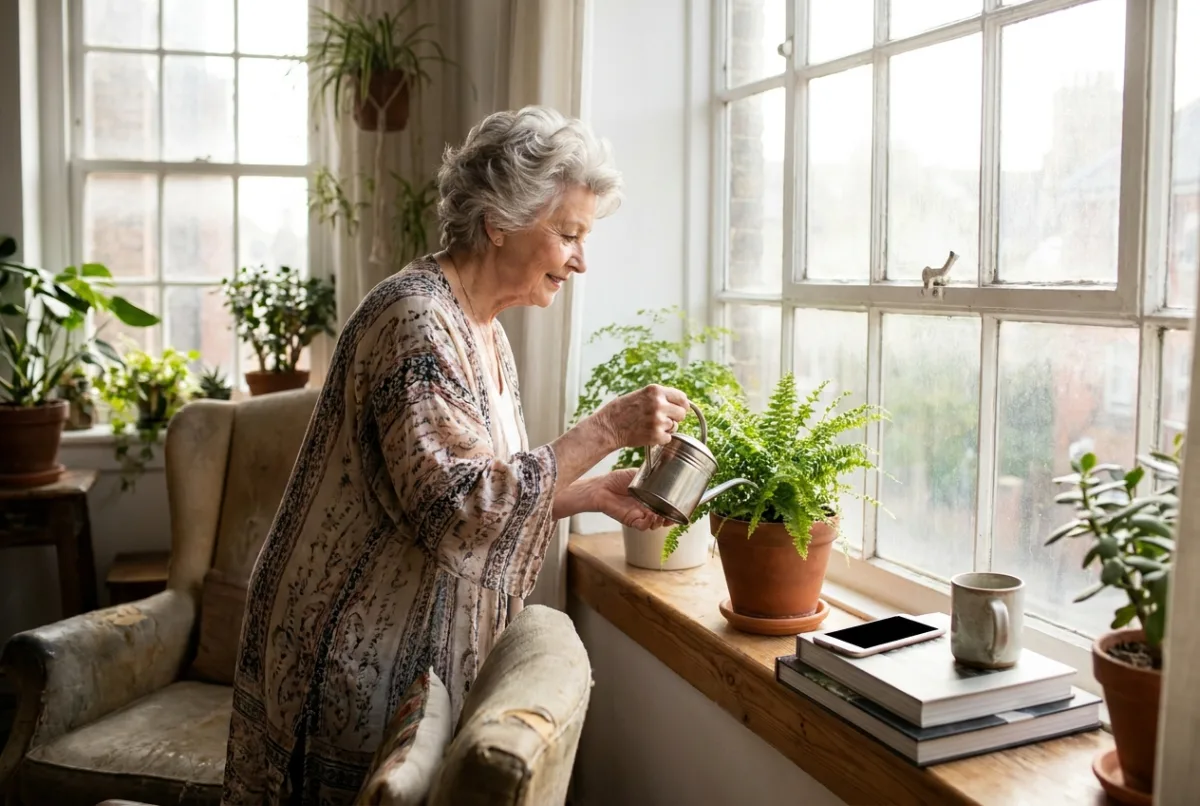
一人暮らしの親を思いやる、やさしい見守りの始め方
目的は親を監視することではなく、一人暮らしをもう少し長く続けてもらうことです。押しつけがましくない伝え方と、最小限で始める見守りの型をご紹介します。
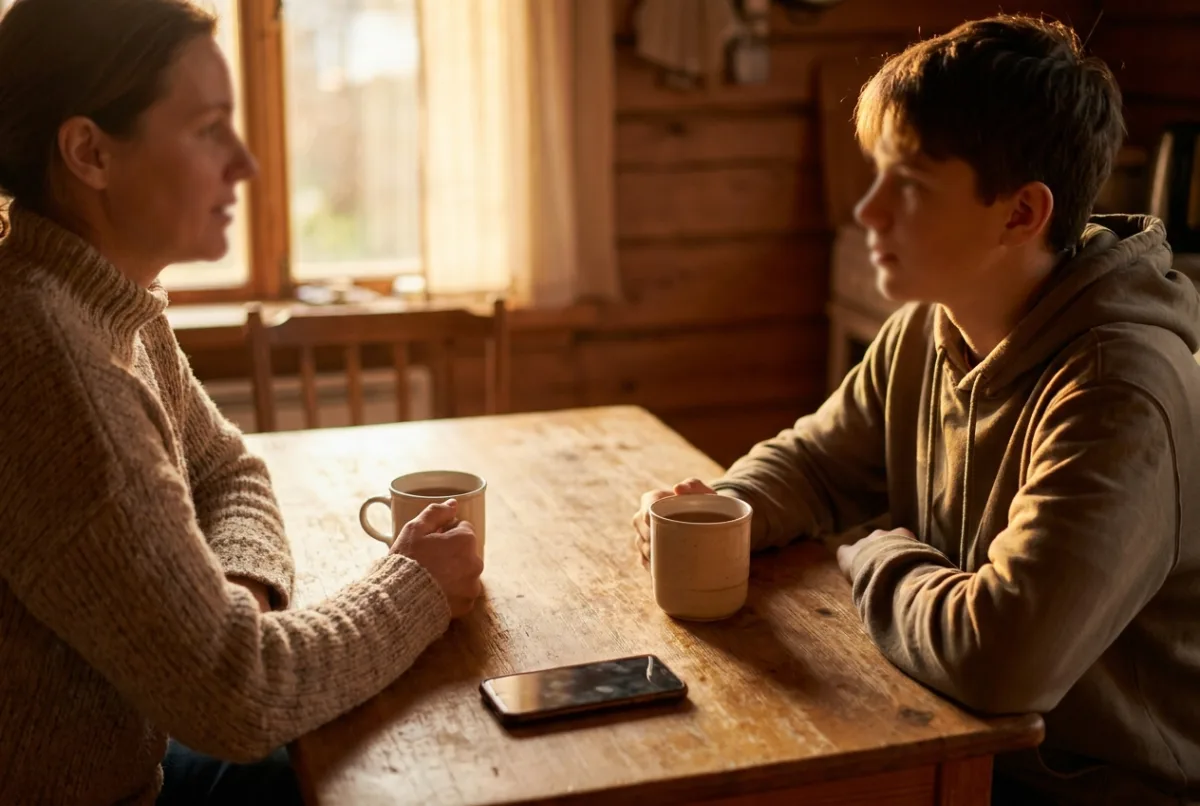
中高生と位置情報の話をする、けんかにならない伝え方
中高生が嫌がるのは位置情報の共有ではなく、「監視されること」です。その違いと、実際に効果のある伝え方、一年間続く約束の作り方をご紹介します。
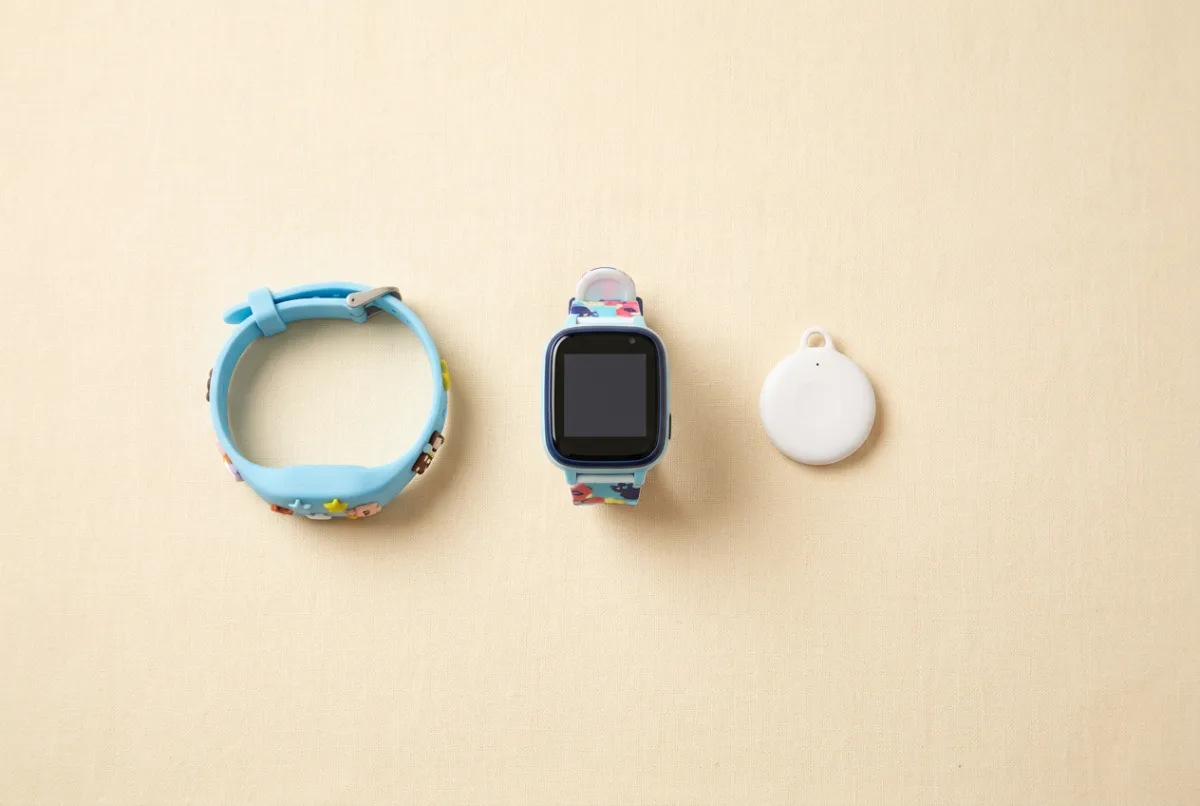
GPS端末・キッズケータイ・AirTag、子どもにはどれが向いている?
まったく違う三つの技術が、同じもののように売られています。それぞれ実際に何ができて、どこで頼りなくなるのか、6歳の子どもと12歳の子どもとで、何を選ぶべきかをまとめました。
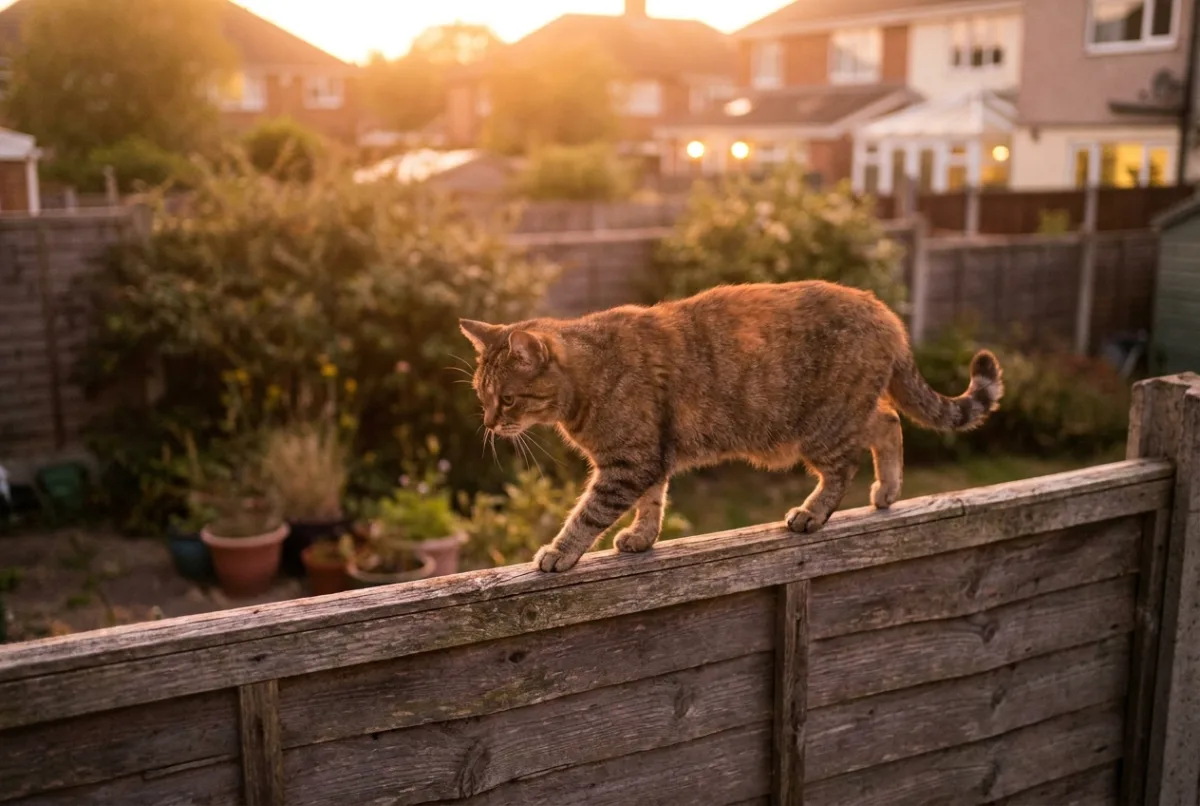
外に出る猫と暮らす。自分の時間割で生きる相手を見守るということ
うちの猫は夕方六時ごろに姿を消し、真夜中前に帰ってきます。どこへ行っているのかは、長いあいだ何も分かりませんでした。猫の縄張りと時間帯、そしてトラッカーが教えてくれることと教えてくれないことの話です。
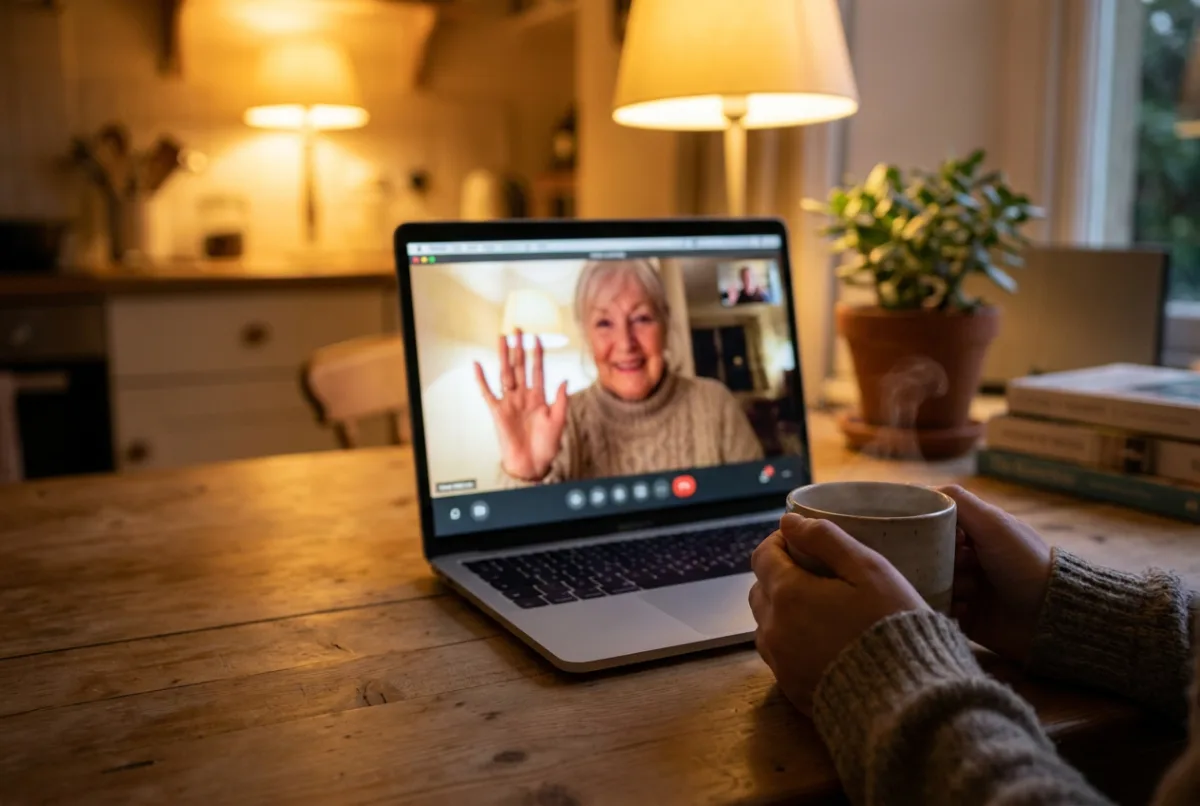
遠距離の見守り。離れて暮らす親のそばに、どうやって居続けるか
母の家までは新幹線と在来線で四時間ほどです。その距離への後ろめたさが問題のすべてだと思っていました。そうではありませんでした。本当の仕事は段取りのほうで、そちらは後ろめたさが思わせるよりずっと解ける問題です。
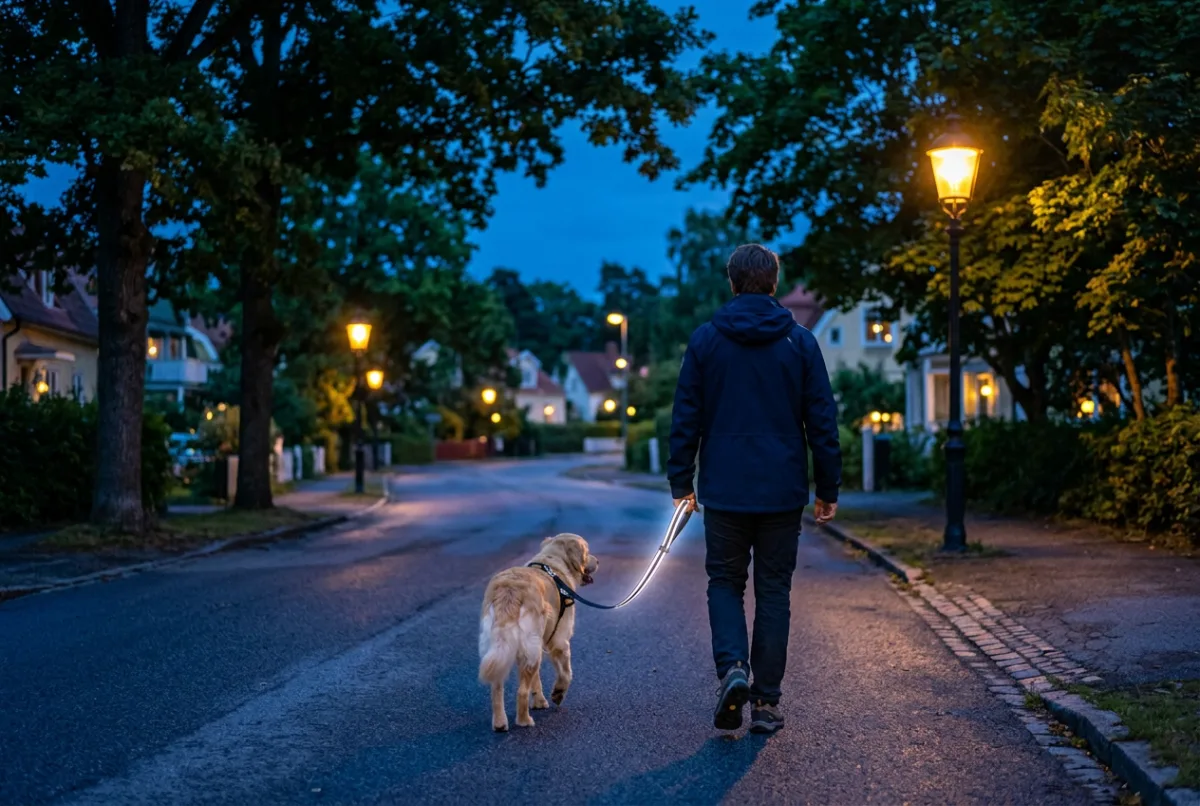
暗くなってからの犬の散歩。いつもどおりに戻すための小さな習慣
夏には気楽だった夕方の散歩が、十一月になると少し違って感じられます。暗い時間の散歩をふつうのことに戻してくれるのは、安くて地味な、いくつかの習慣です。
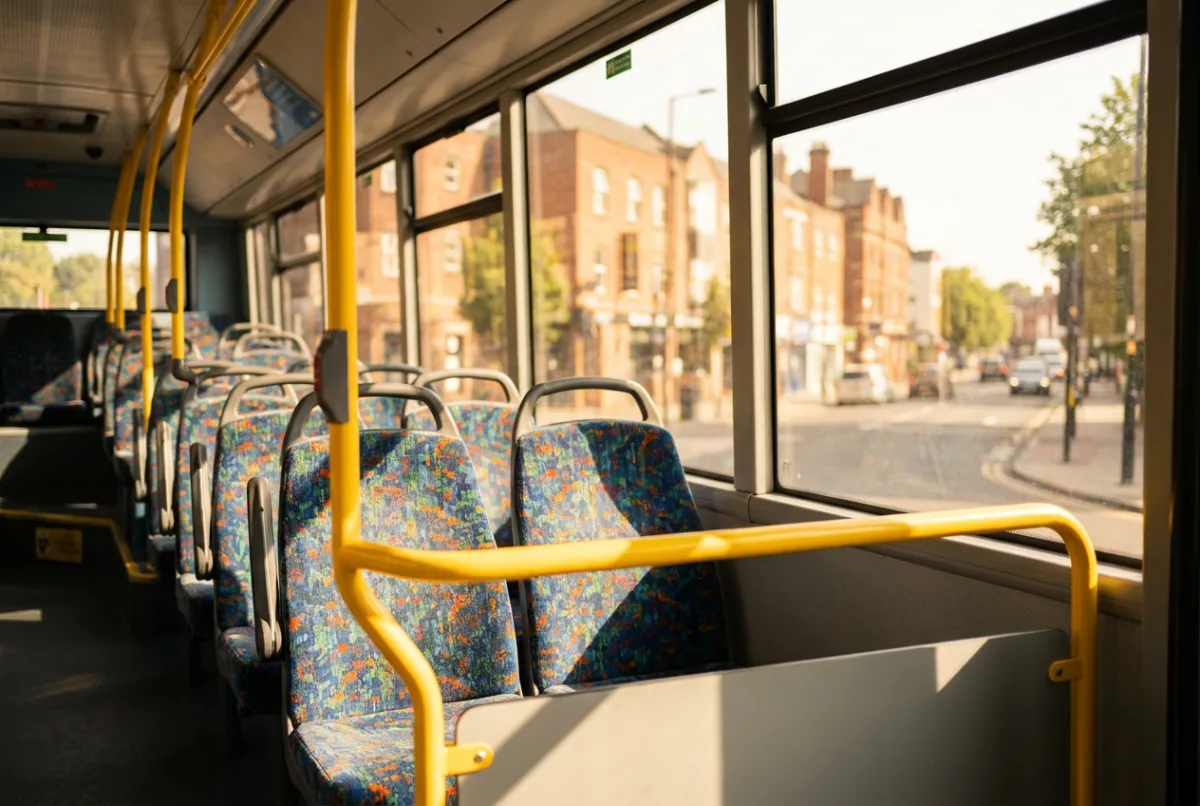
はじめてのひとりバス通学。安心して送り出すための練習計画
はじめてのひとりバスで大切なのは、バスに乗ることそのものではなく、少しうまくいかなかったときにどうするかです。そこをあらかじめ練習しておけば、当日はむしろ拍子抜けするほど平穏に済みます。
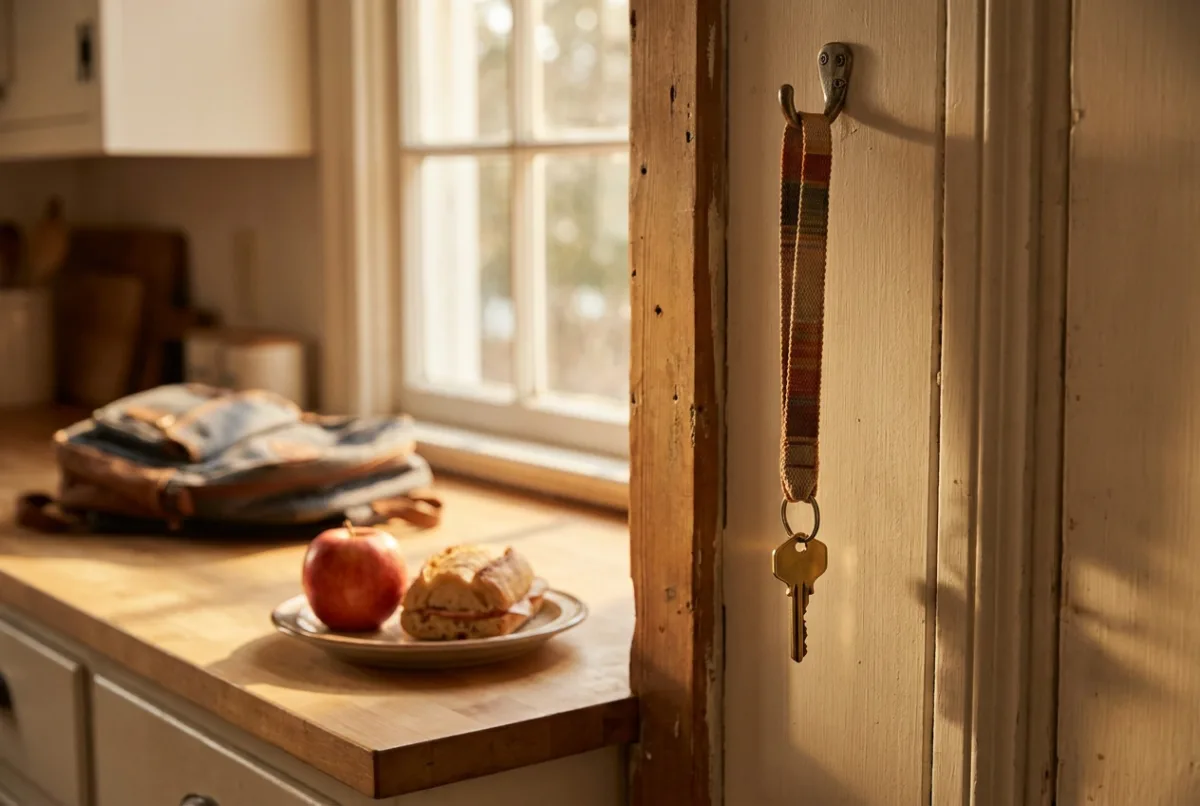
放課後ひとりの時間を穏やかに過ごすために
留守番時間の危険は、たいてい玄関ではありません。退屈と、誰も見ていない四十分、そしてきちんと説明されなかったコンロです。この三つを整えれば、あとは自然とうまくいきます。
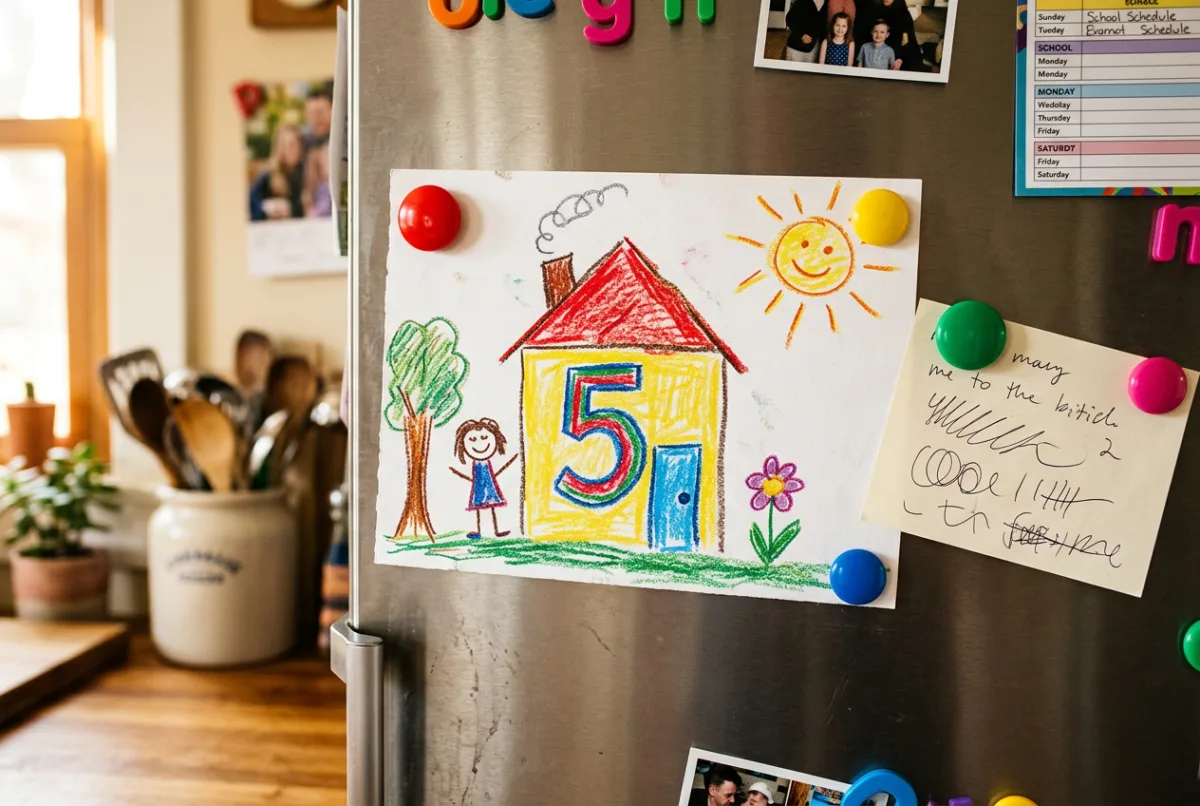
子どもに住所と電話番号を覚えてもらう方法(ちゃんと身につく)
食卓で一度唱えただけでは身につきません。歌にする、絵に描く、遊びにする。そうすれば身につきますし、誰に伝えるべきかを知っておくことは、覚えること自体と同じくらい大切です。

位置情報の履歴は、どれくらいの期間残すべきでしょうか
履歴は長ければ役に立つというものではなく、長いほど安全になるわけでもありません。保存期間の考え方、アプリに預ける前に確認したいこと、家族で無理なく決められる目安をお話しします。
ひとことで覚えられる、家族のプライバシーの約束
家庭のプライバシーの決まりごとが機能しない理由はいつも同じで、肝心なときに誰も覚えていないからです。ここでは、迷った瞬間にも思い出せるくらい短い十の約束をご紹介します。
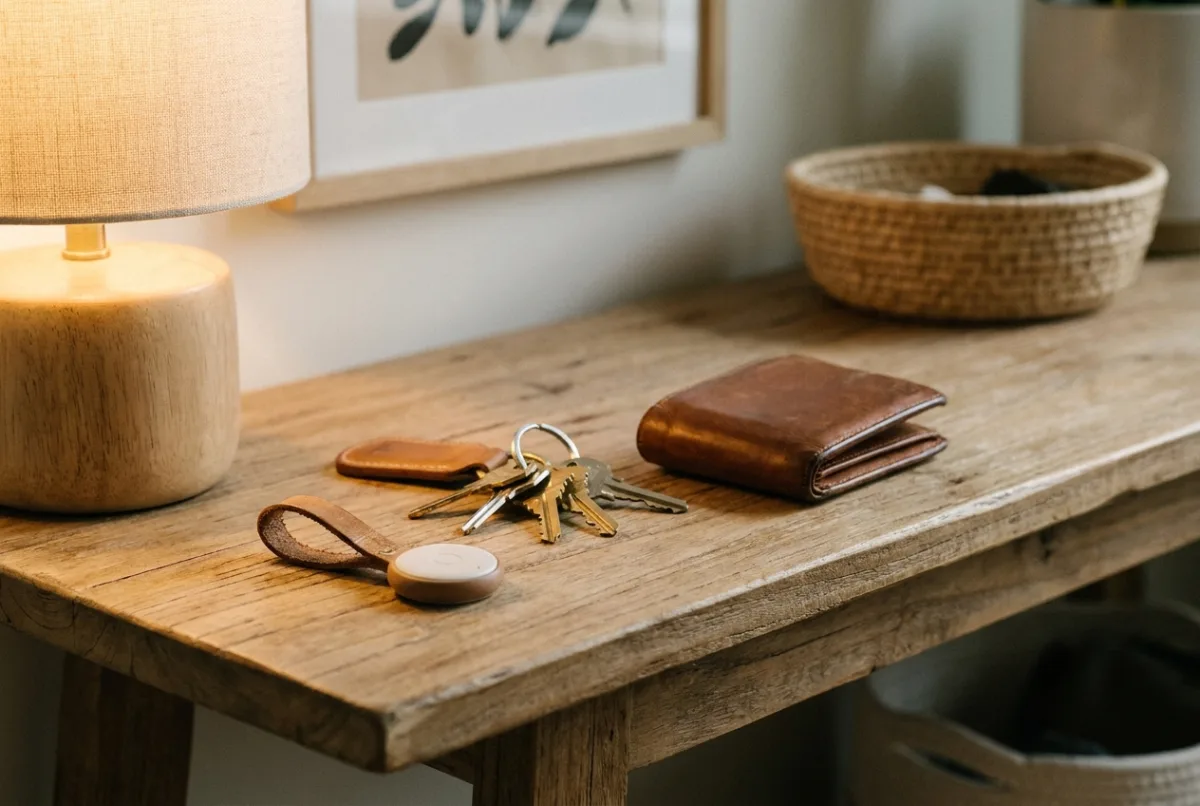
AirTagと望まない追跡について、保護者が知っておきたいこと
紛失防止タグは本当に便利で、ときに悪用もされます。仕組み、スマホがすでに備えている保護、そして家族の見守りがそれとは別物である理由をお話しします。
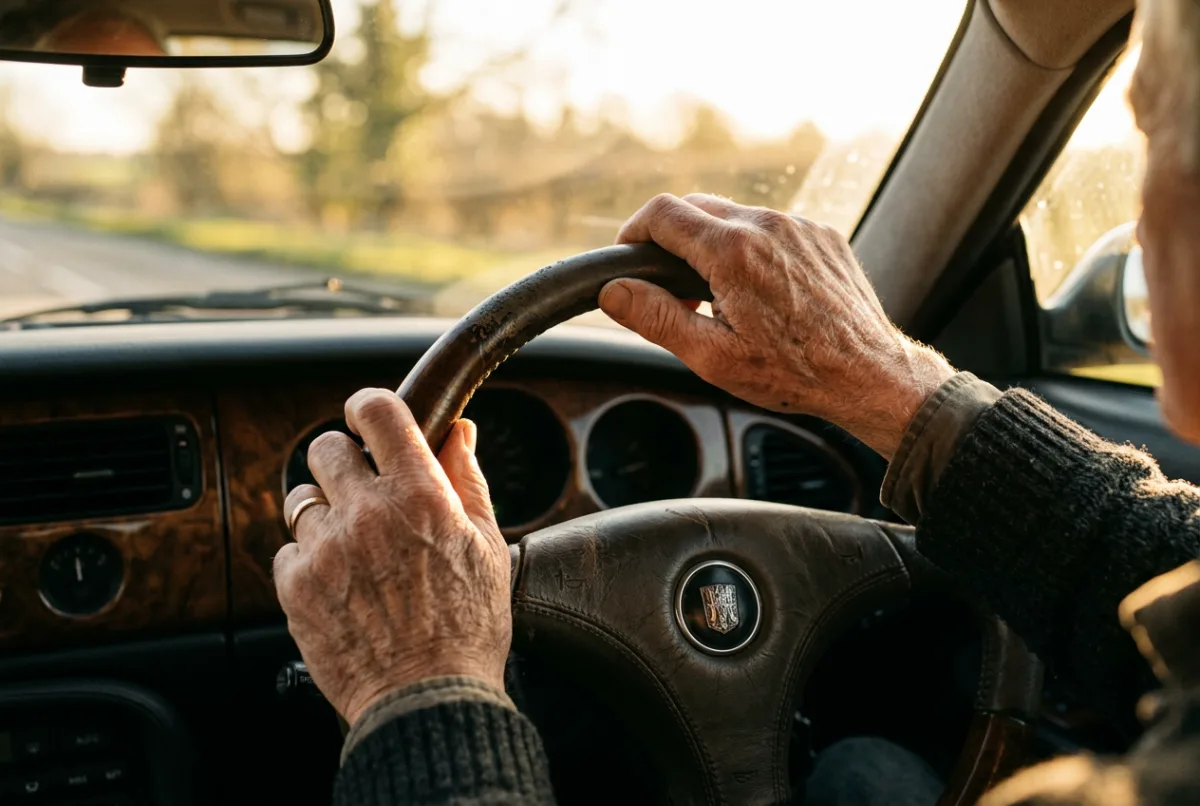
父はまだ運転します。家族としてどう折り合いをつけたか
父は同じ道を五十年運転してきました。運転をどうするかをようやく口にしたとき、答えそのものより、その話し方のほうが大切だったと気づきました。
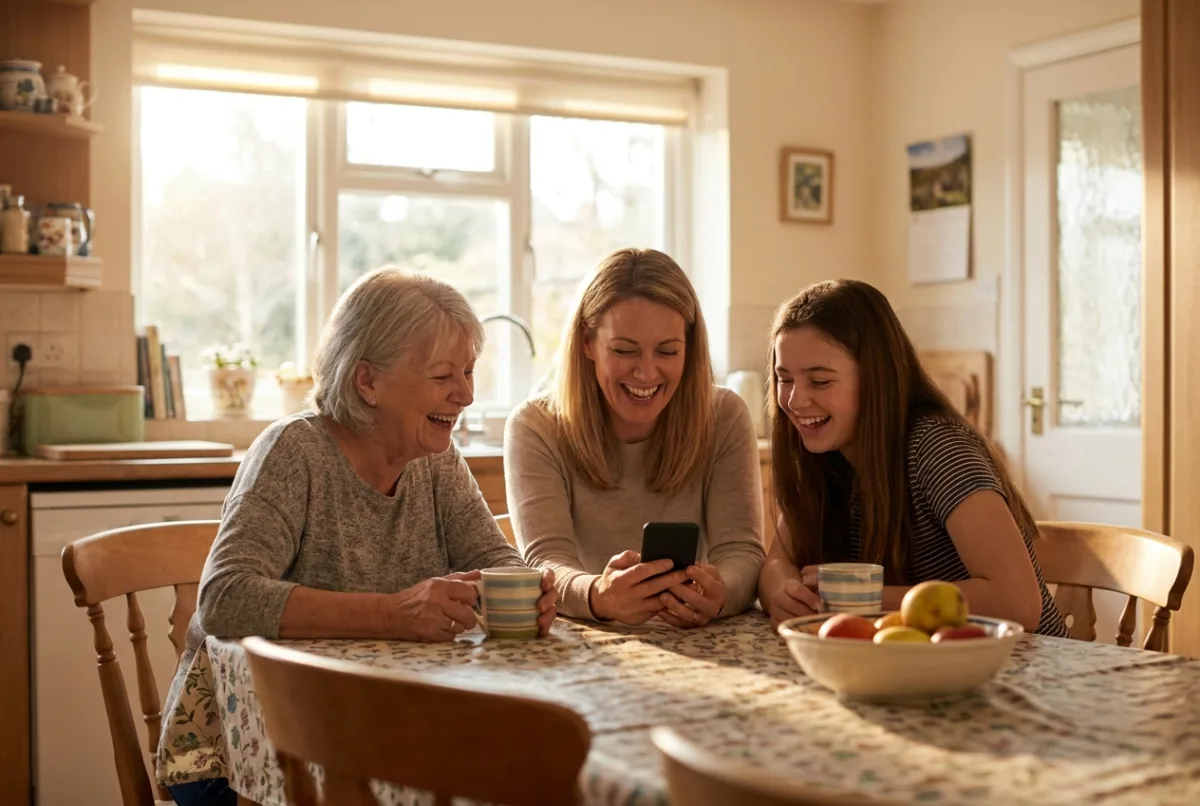
家族のLINEグループ。三世代が無理なく話し続けるために
うちの家族のLINEグループには、ボイスメッセージを送る祖母と、スタンプ一つで返す高校生と、そのあいだで何とかつないでいる母、つまり私がいます。三世代が話し続けるために効いたことをまとめました。
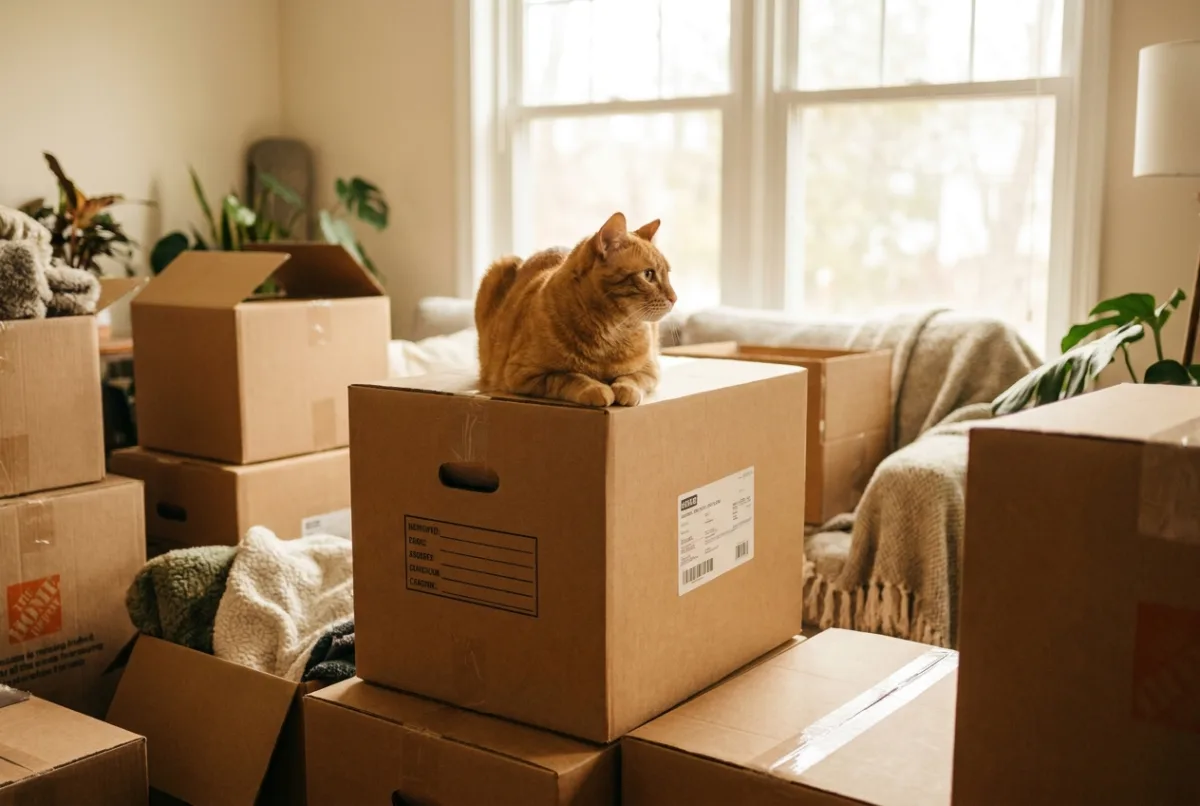
ペットとの引っ越し。最初の二週間がいちばん大切な理由
引っ越した日、猫は六時間ほど洗濯機の裏に入り込み、犬はごはんに口をつけませんでした。新しい家での最初の二週間が、その子の一生でいちばん逃げやすい時期だとは誰も教えてくれませんでした。
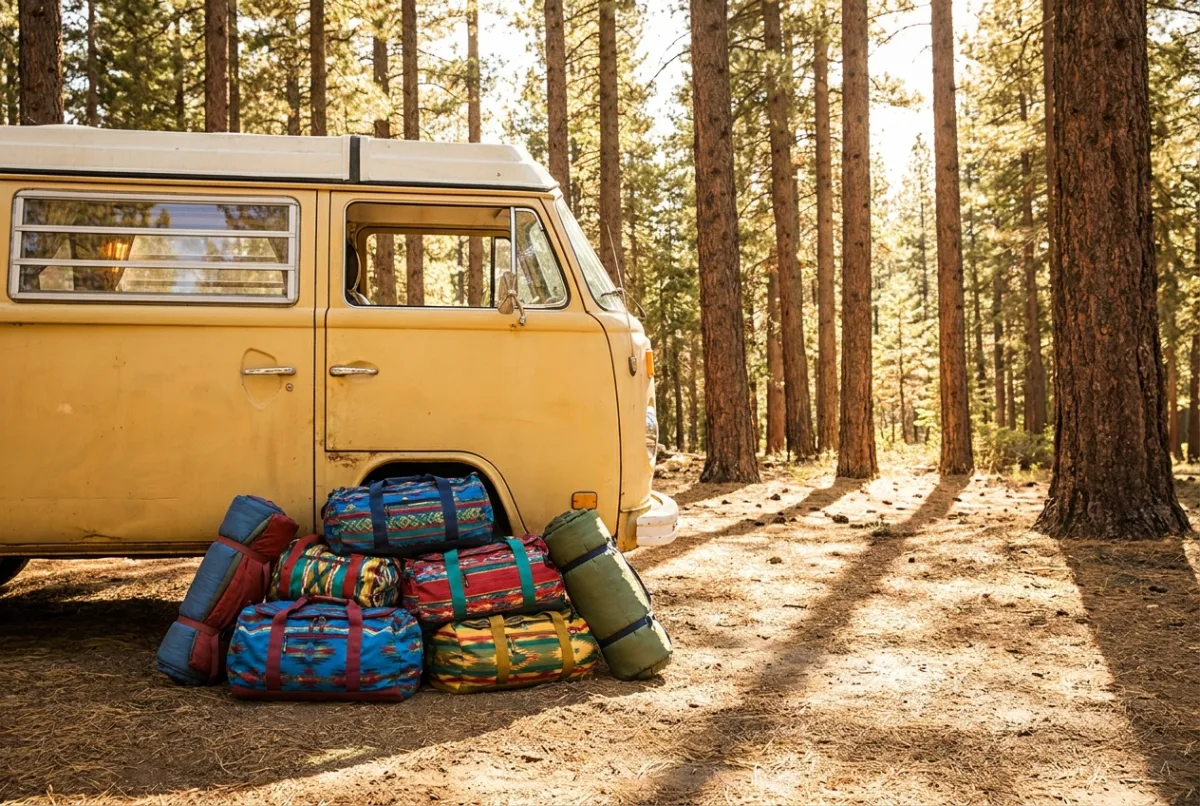
サマーキャンプの見送りの日。泣くのはたいてい親のほうです
荷物は詰め終わり、バスは出発を待っています。堂々としているのは子どものほうで、車に戻って一息つきたいのは親のほうです。見送りの日のための実務的な手引きです。
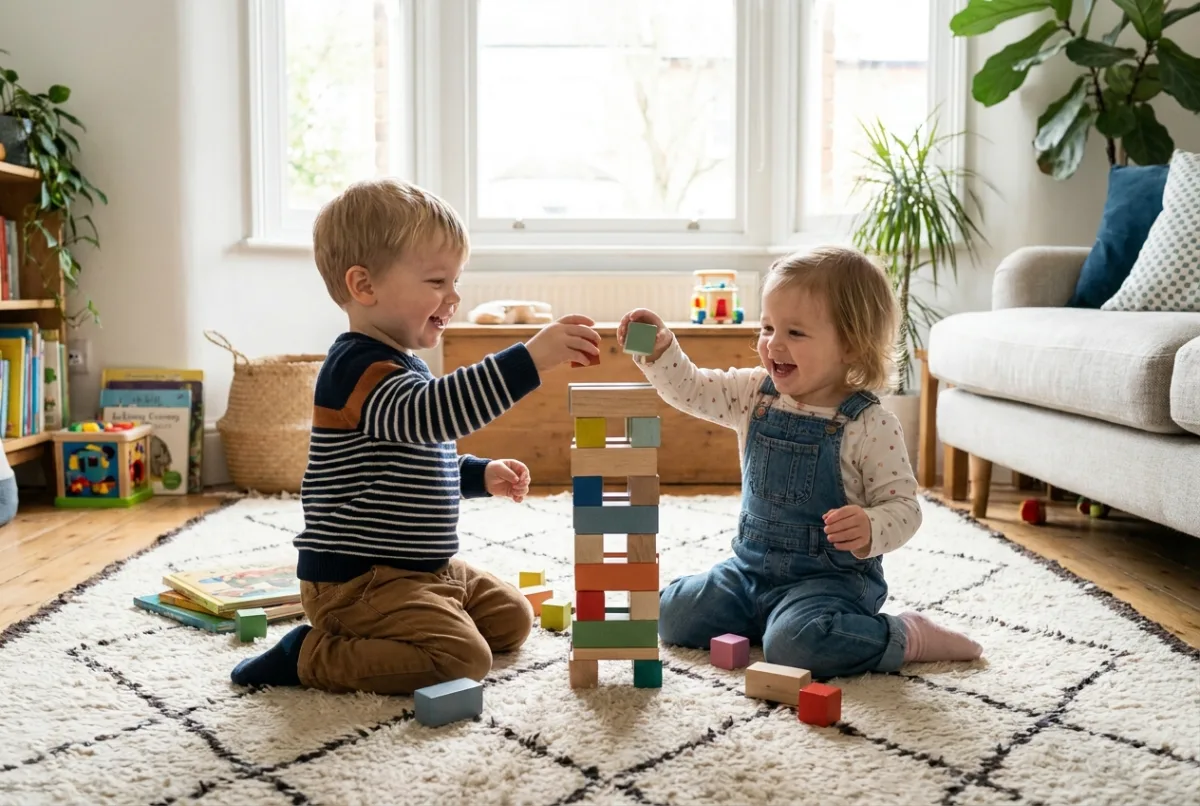
はじめて行くお友達の家。聞いておきたいことの伝え方
アレルギーのことなら、ためらわずに聞けます。同じ調子で聞いておきたいことが、あといくつかあります。相手に構えさせない伝え方を考えました。
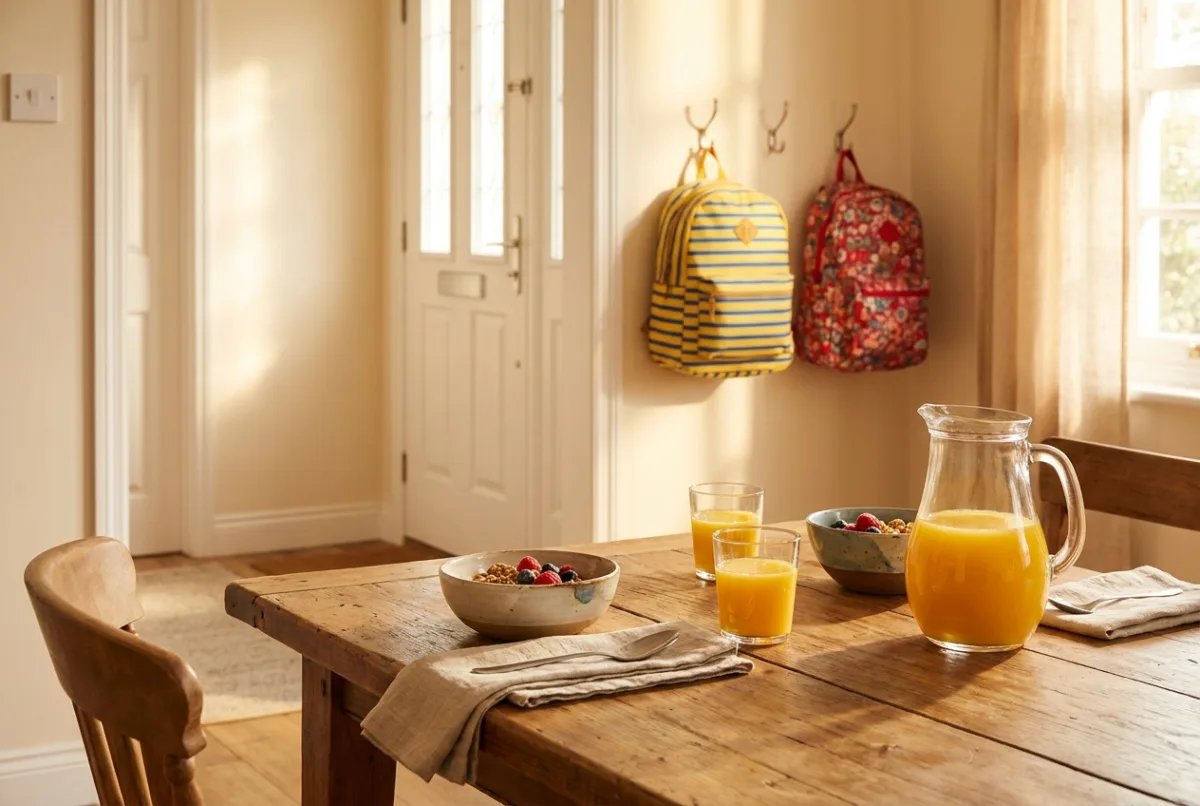
朝七時四十分。登校前の時間を落ち着かせる仕組み
朝のつまずきは、たいてい同じ五か所で起きています。仕組みを一度作っておけば、七時四十分は小さな非常事態ではなくなります。
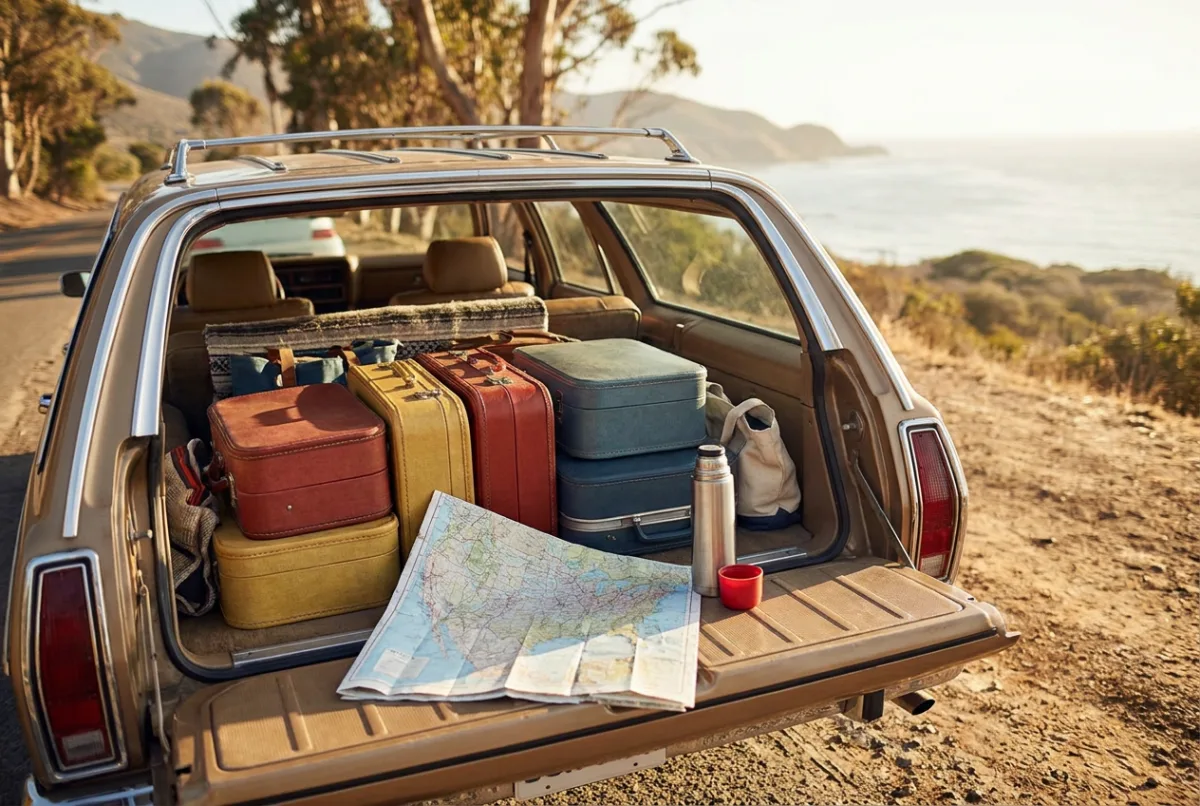
家族の長距離ドライブ。充電器の先にある準備のこと
充電器はたいてい誰かが覚えています。忘れられがちなのは、電波が消える区間の地図と、二台に分かれたときの取り決めと、サービスエリアで端末の電池が切れた場合の合流の仕方です。
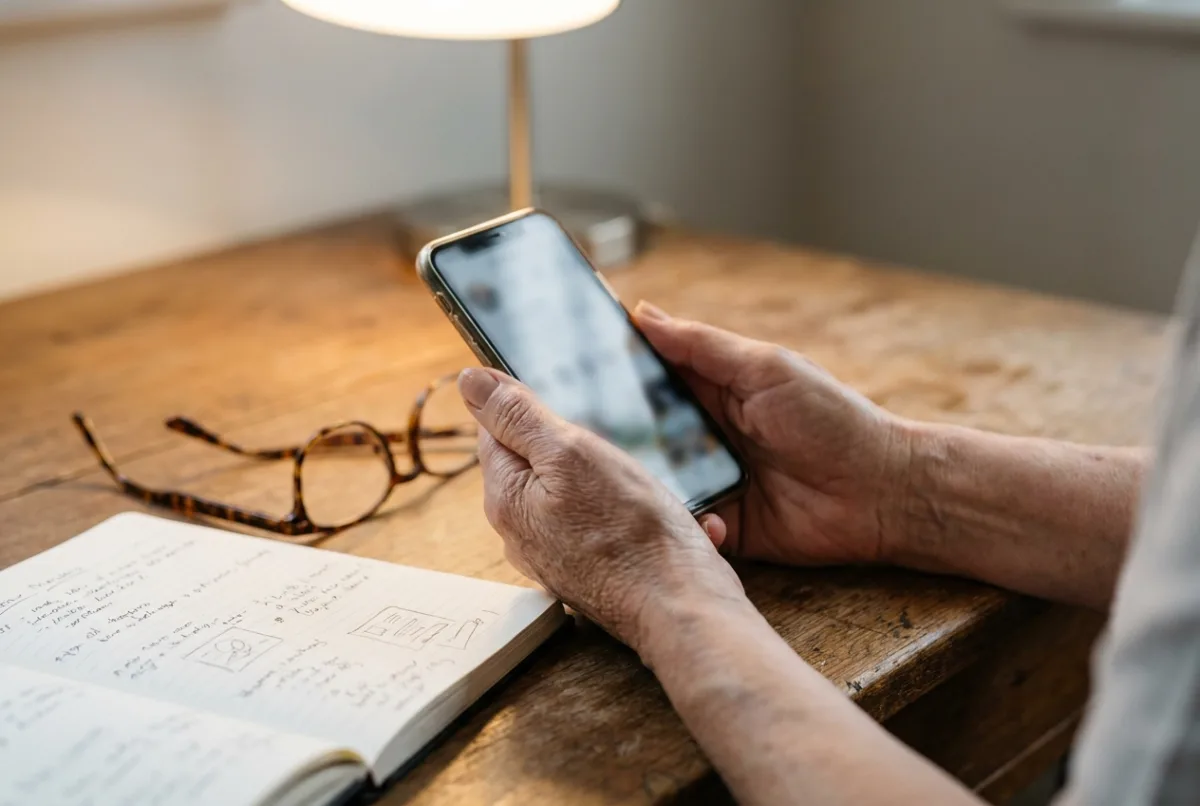
アプリのプライバシー表示を三分で読む方法
インストールする前に、そのアプリが何を集めるかは公開されています。ほとんど誰も開かない場所にあるだけです。三分と三つの問いで、必要なことはだいたい分かります。
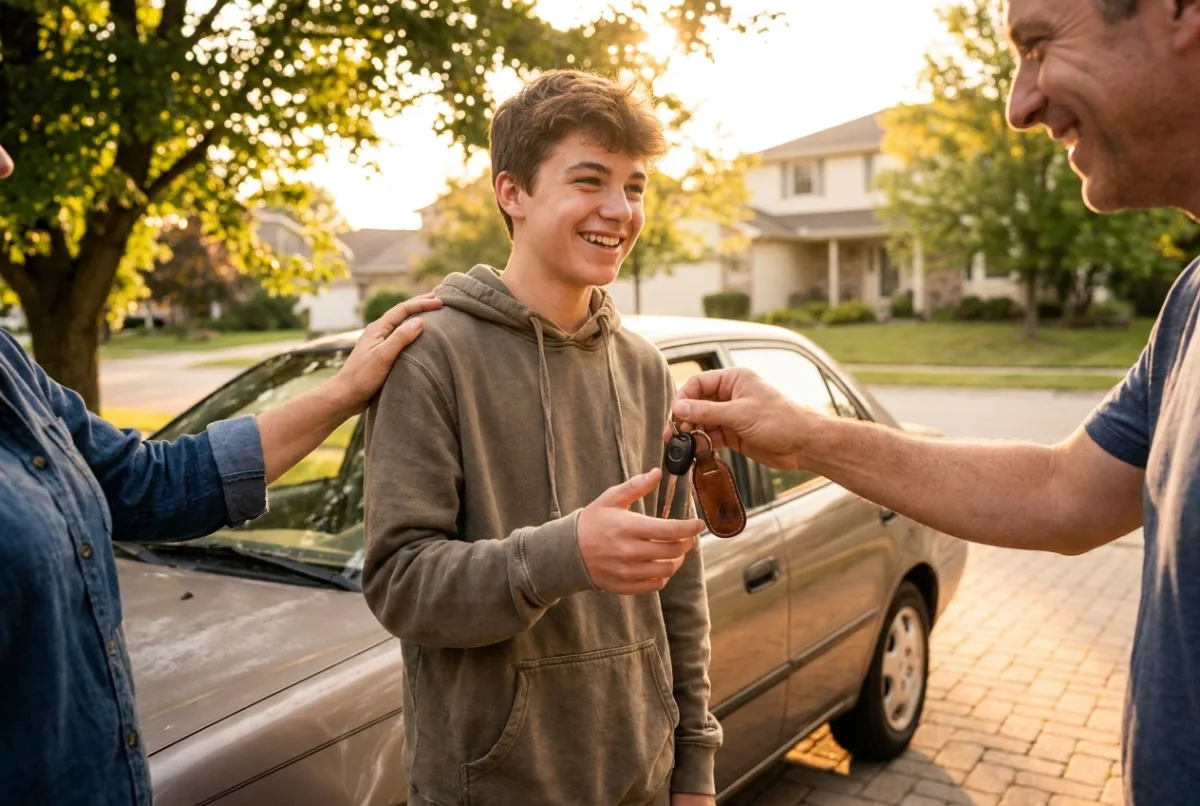
はじめてのひとり運転。段階を決めておくという考え方
はじめてひとりで車を出す日は、本人よりも見送るほうが落ち着きません。段階を決めた取り決めと、相手を尊重した確認の形と、いつか必ず起きる小さな接触への備えをまとめました。
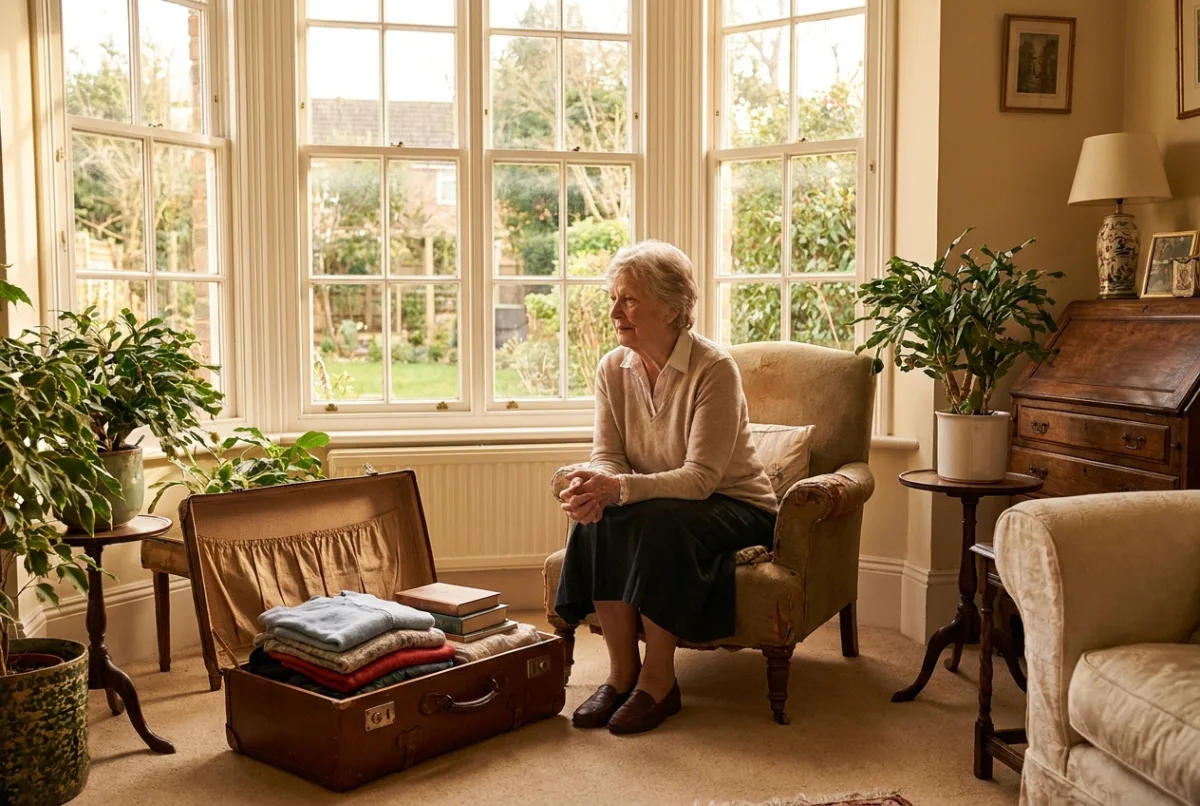
親を呼び寄せるか、実家に残る暮らしを支えるか
母の椅子のそばに旅行かばんが三日間置かれたままでした。近くに来てもらうのか、実家での暮らしを支えるのか。どちらが正解かではなく、どう決めるかの話です。

父が亡くなったあとの半年。ひとりになった親を支えるということ
父の座っていた椅子は、しばらくそのままでした。母は動かさず、私も動かそうとは言いませんでした。ひとりになった親と過ごした最初の半年の記録です。
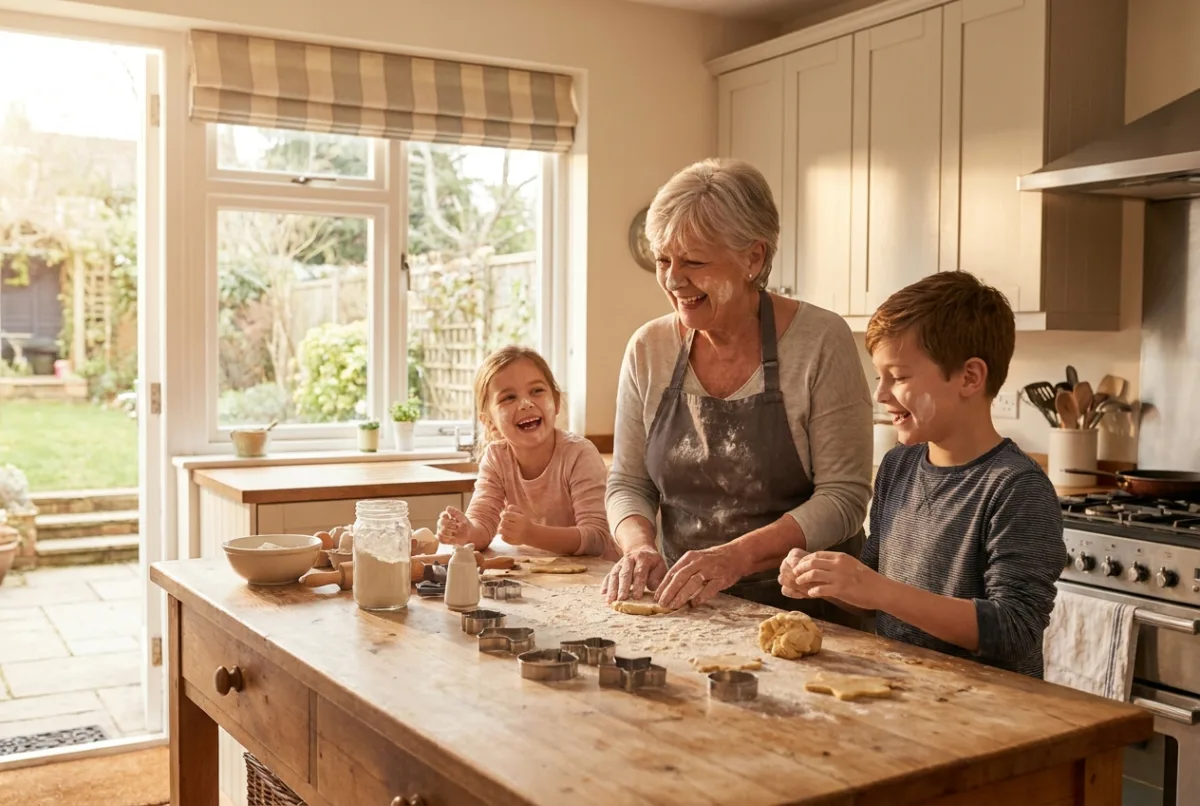
祖父母に孫を預ける日。段取りは短く、任せるところは任せる
母は夕飯の前にアイスを出します。私はそれを受け入れました。祖父母に子どもを預ける日の段取りと、それが厚意であることを忘れないための工夫です。
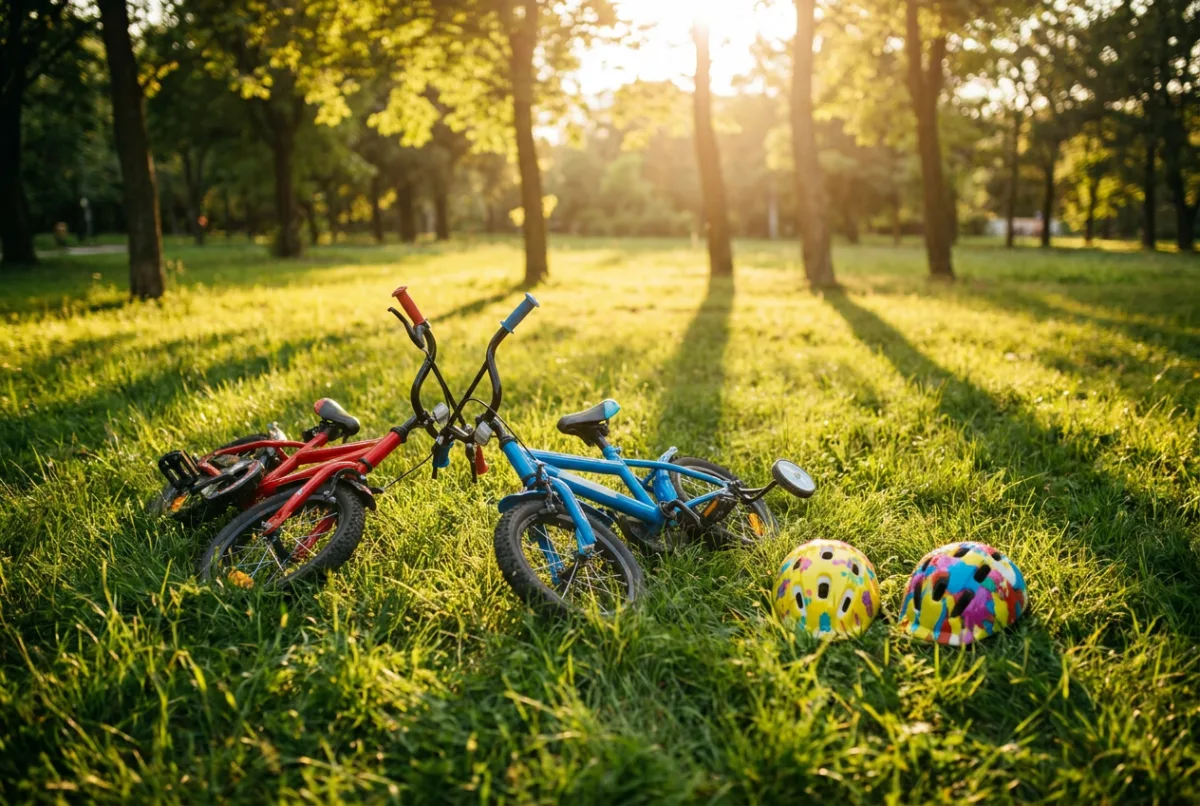
スマホを持たせる前に。画面なしで連絡がつく方法
持たせないか、小学生でスマホか。その間には広い中間地帯があり、その多くは画面を持ちません。見守りの段階を一段ずつ整理します。
上の子に下の子を任せられるのはいつからか。留守番の見きわめ表
上の子に下の子を任せるのは、はっきりとした節目です。しっかりしているから大丈夫、で済ませるより、少しだけ準備をしたほうがうまくいきます。

子どもだけで行く初めてのハロウィン。付き添いをやめる日の整え方
後ろから付いてこないでと言われた年から、ハロウィンははっきりとした自立の節目になります。袋を渡して、それでも落ち着いていられる準備の話です。
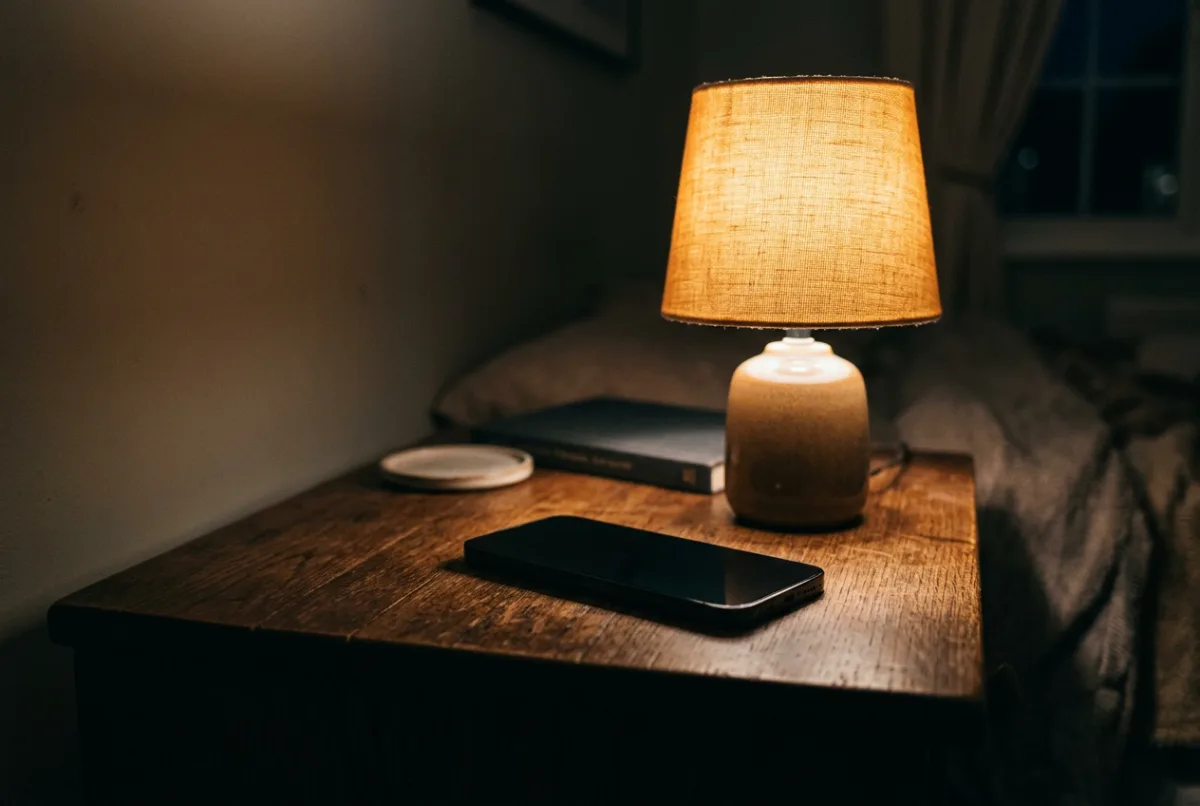
電源が切れたスマホは探せるのか。よくある誤解と実際
電力のない端末は何も送信しません。アプリでも回線でもそれは変わりません。大切なのは、その直前の数分に何が残っていたかです。
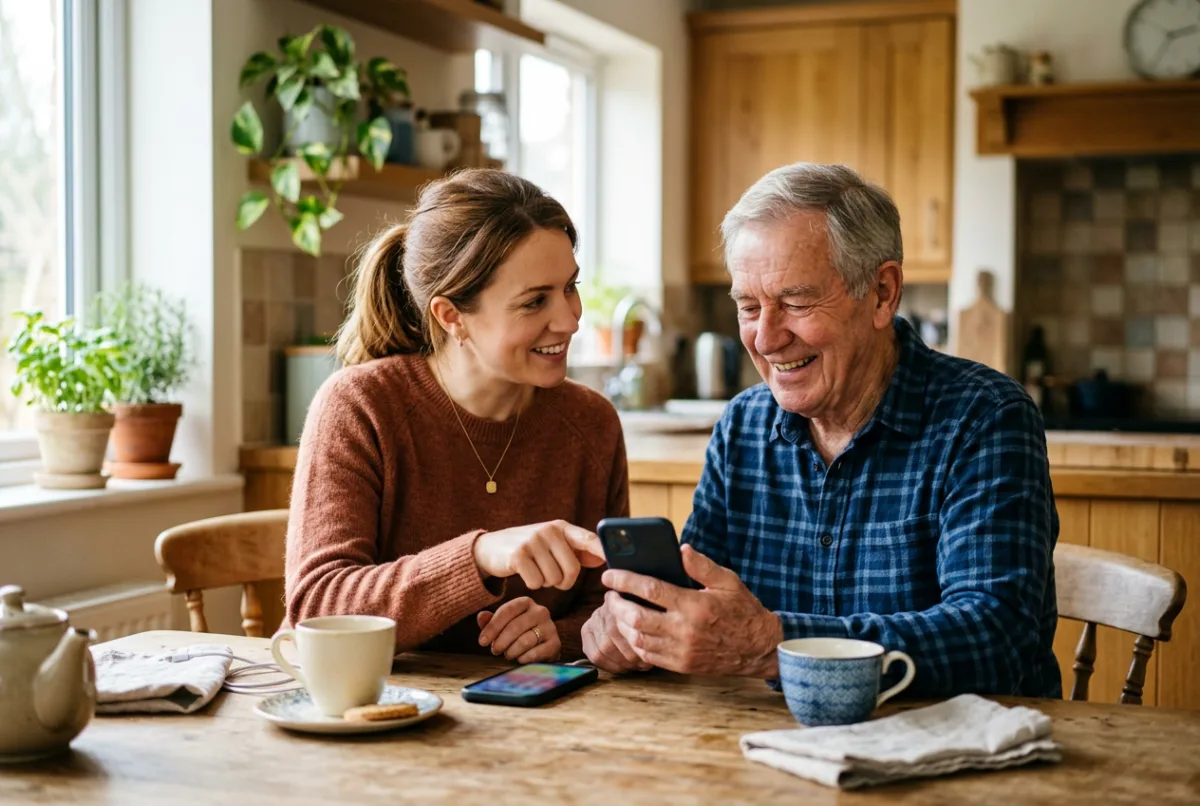
祖父母と位置情報を共有する。無理のない設定の進め方
その場で一度、落ち着いて設定しておくと、なぜか見えなくなったという電話が何か月も続くのを防げます。二十分で終わる進め方を紹介します。
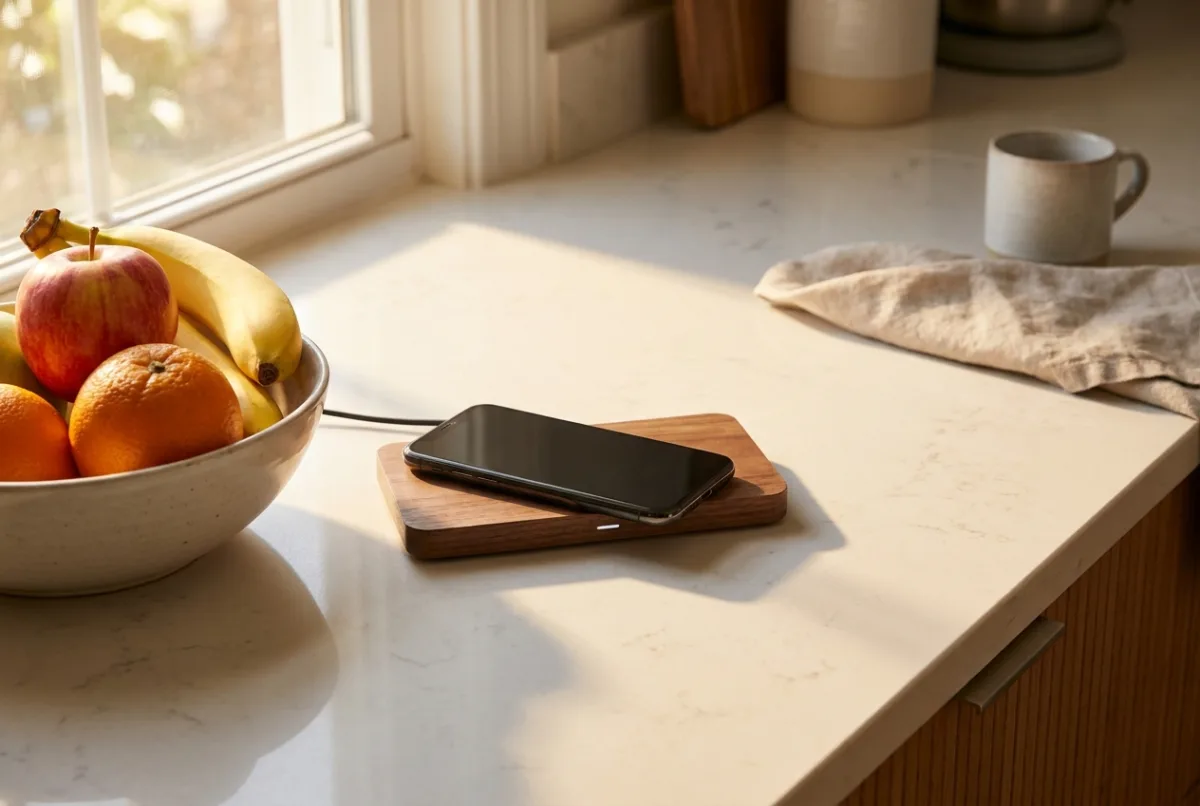
位置情報の共有で電池は減るのか。正直な答え
位置情報の共有は電池を使います。ただし一様にではなく、多くの人が想像している理由とも違います。仕組みと、本当に効く対策をまとめます。
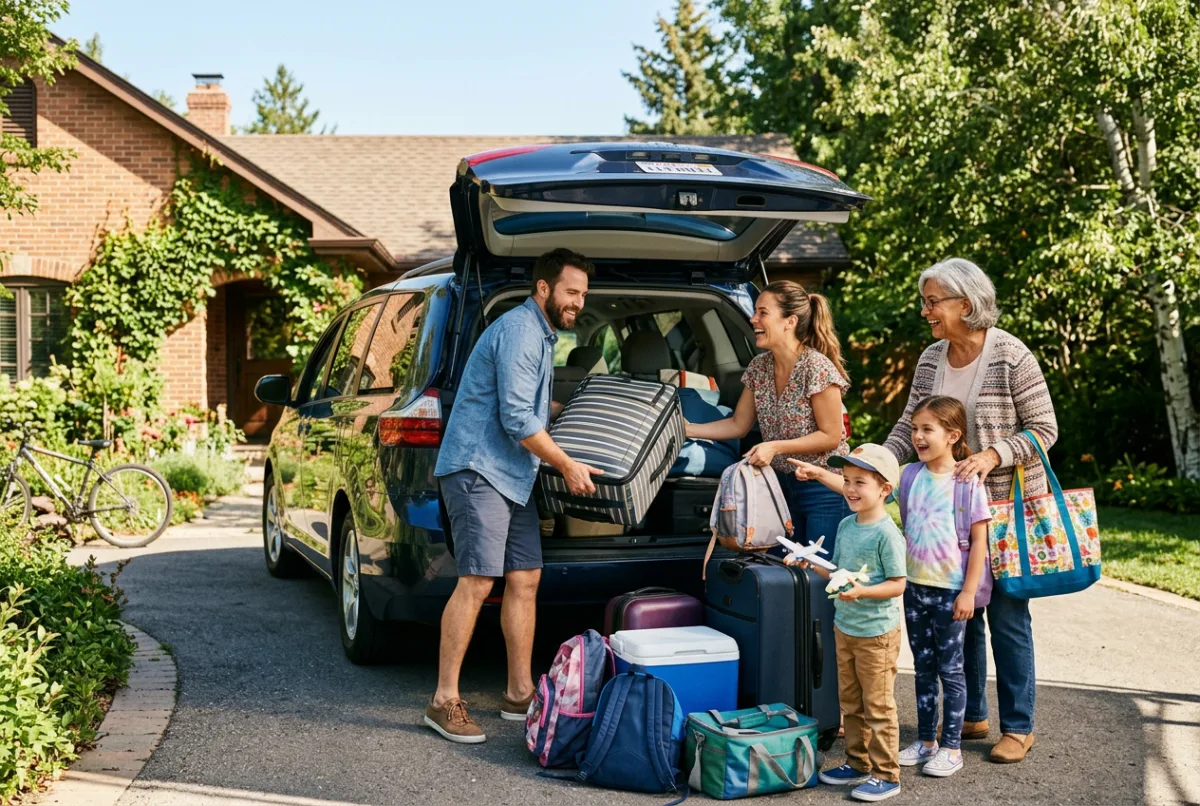
祖父母と孫と、三世代での帰省旅行の進め方
義父は自分の歩幅でターミナルを歩き、息子は自分の速さで先を走っていきます。三世代を一つの群れのように動かそうとするのをやめた年の話です。
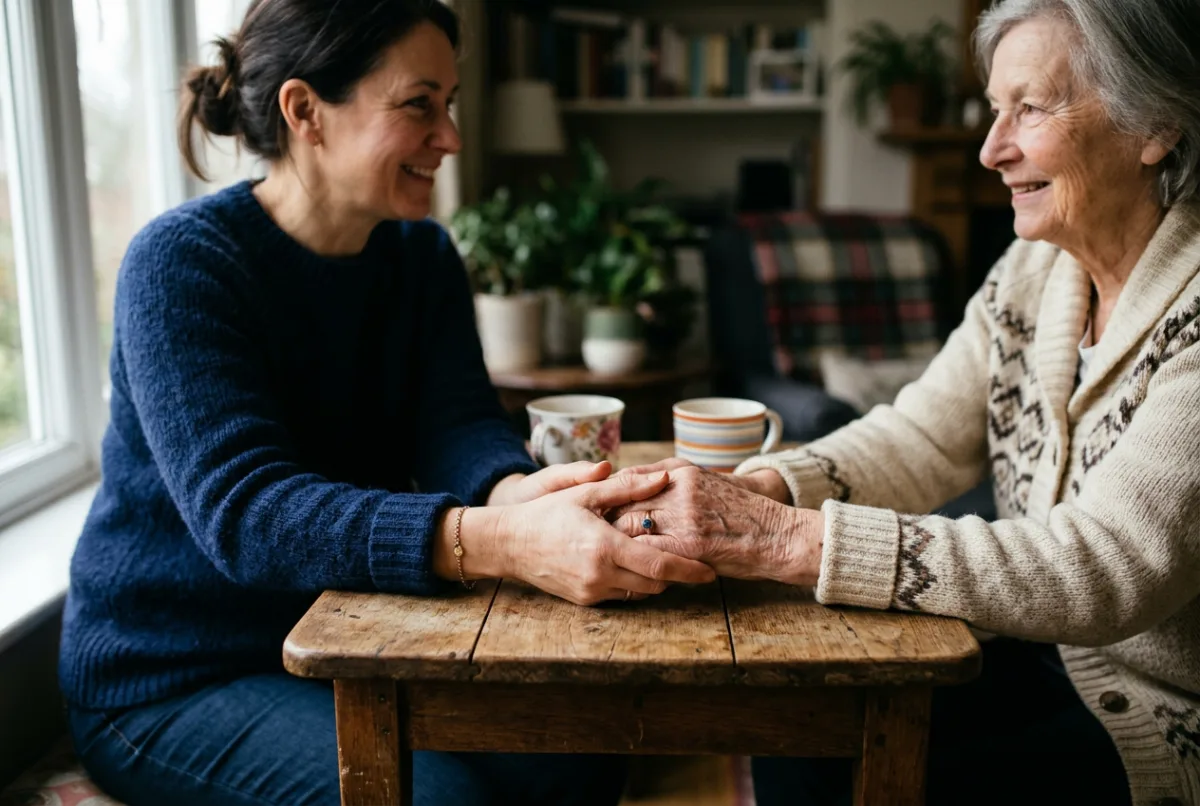
尊厳を守るチェックリスト。年老いた親を支えながら奪わないために
母はある日、そっと私に言いました。「また私の言葉を先に言ってしまったわね」。それ以来私たちが作った、母の側から見たチェックリストです。
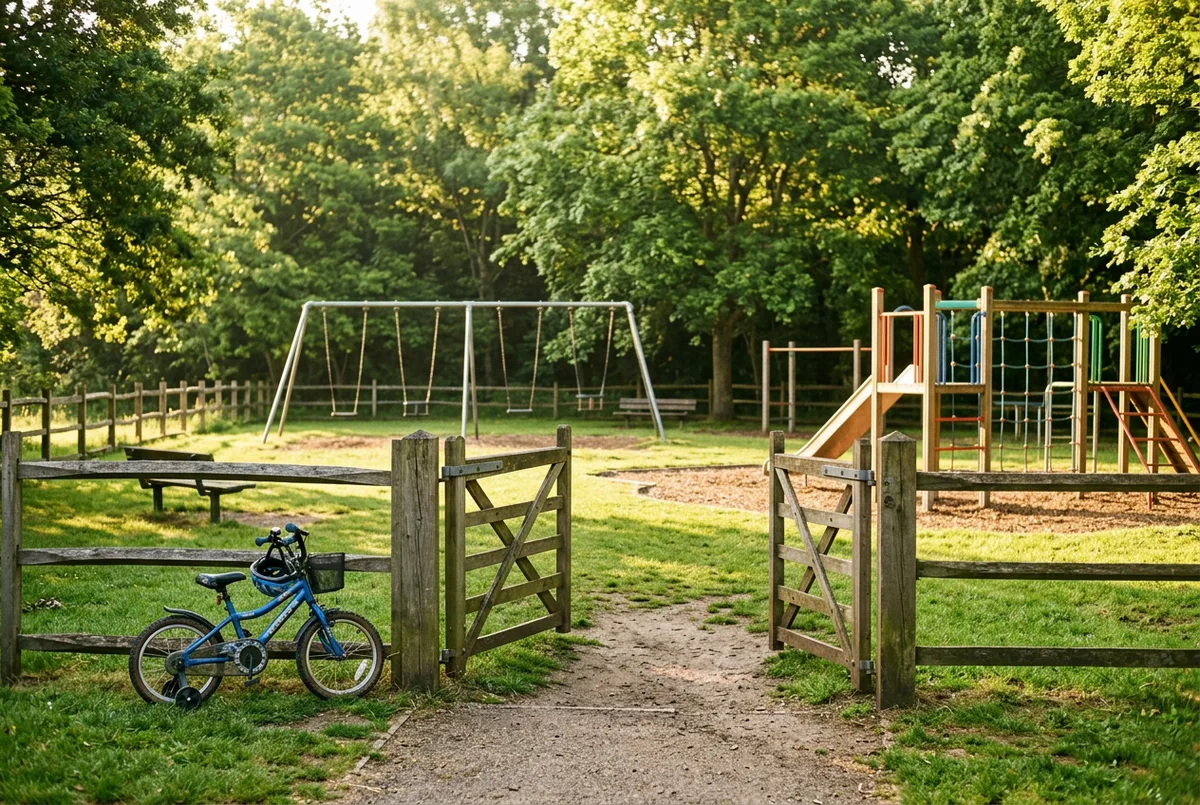
子どもが一人で公園に行けるのはいつからか。準備を見極めるガイド
この問いに答えてくれる魔法の誕生日はありません。準備ができているかどうかは、その公園、その道、その子ども次第です。三つの見極め方をまとめました。
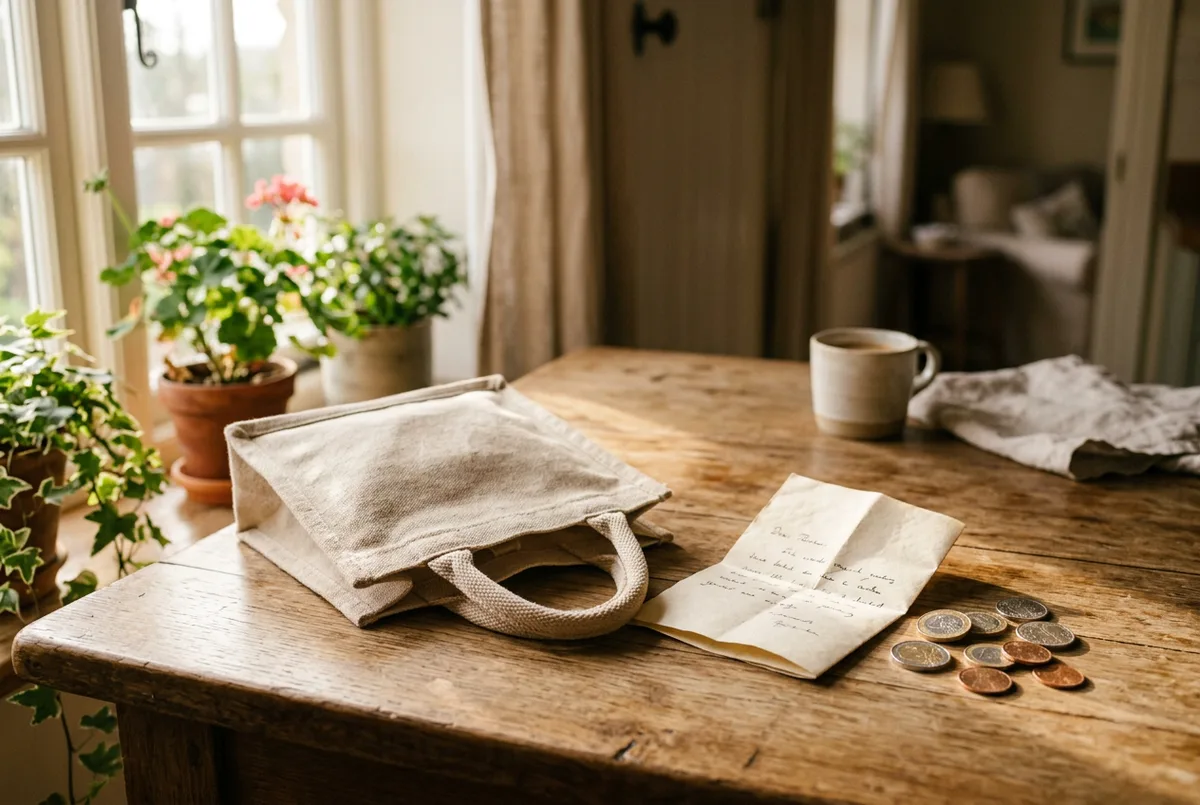
はじめてのおつかい。牛乳とお金と、自信という大きな贈り物
近所のお店で買うパンひとつ分は、子どもが手に入れられる中でもいちばん安くつく自信の贈り物です。うまくいくための整え方をまとめました。
「知らない人」ではなく「あやしい行動」を教える。子どもの安全教育の見直し
ほとんどの知らない人は安全で、時にはその知らない人こそ、子どもが助けを求めるべき相手になります。「知らない人には気をつけて」の代わりに教えたいことです。
自分の位置情報は誰に見られているのか。10分でできる家族のプライバシー点検
自分の位置がどれだけ静かに共有されているか、正確に把握している人はほとんどいません。しかも心配すべきはたいてい、思っているアプリではないものです。四つの層に分けた点検を、順を追って紹介します。
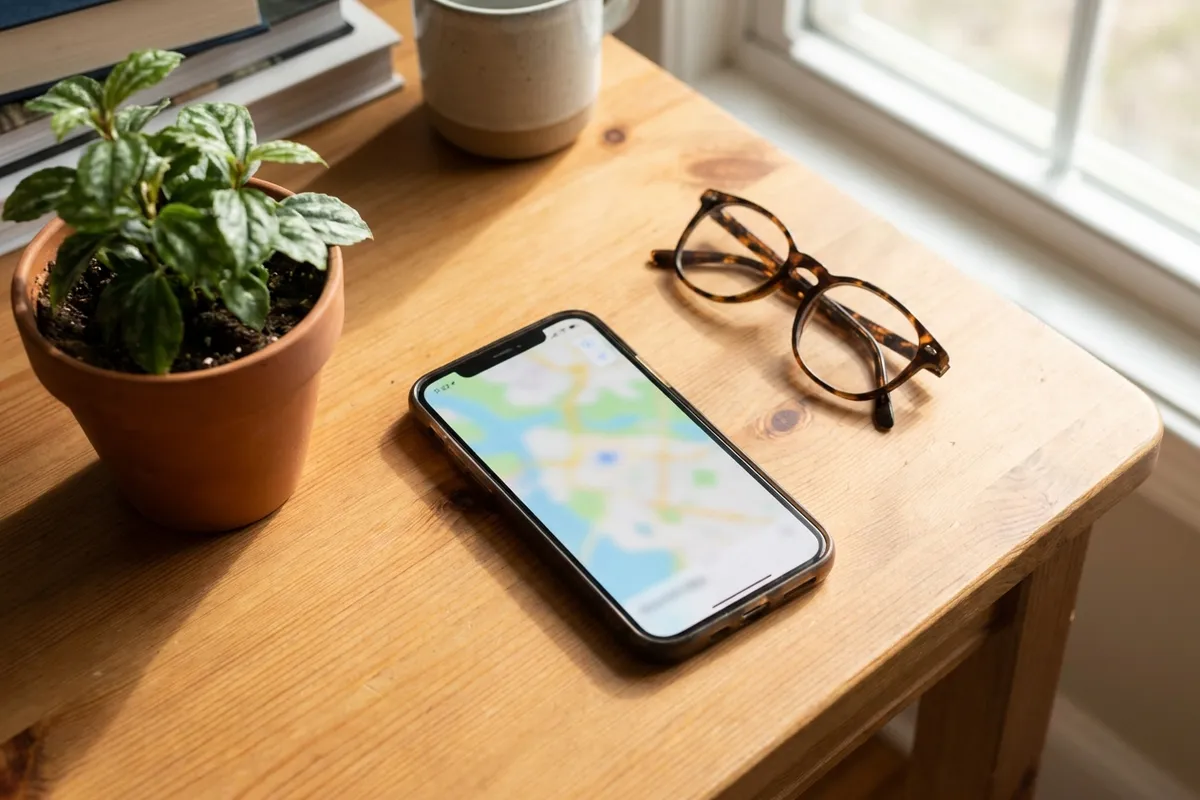
位置がずれているのはなぜか。GPSの不正確さを直す手順
地図を見ると、娘が川の真ん中にいることになっている。実際にはそこにいません。位置がずれる本当の理由、最初に確認すべきこと、ただの不具合と連絡すべき事態の見分け方を説明します。
運転の見守り通知はどう機能するのか、そして何が分からないのか
運転の見守り通知は、スマートフォンの加速度センサーとジャイロセンサー、位置情報から作られています。驚くほど多くのことが分かる一方で、親が一番知りたい一つのことだけは教えてくれません。
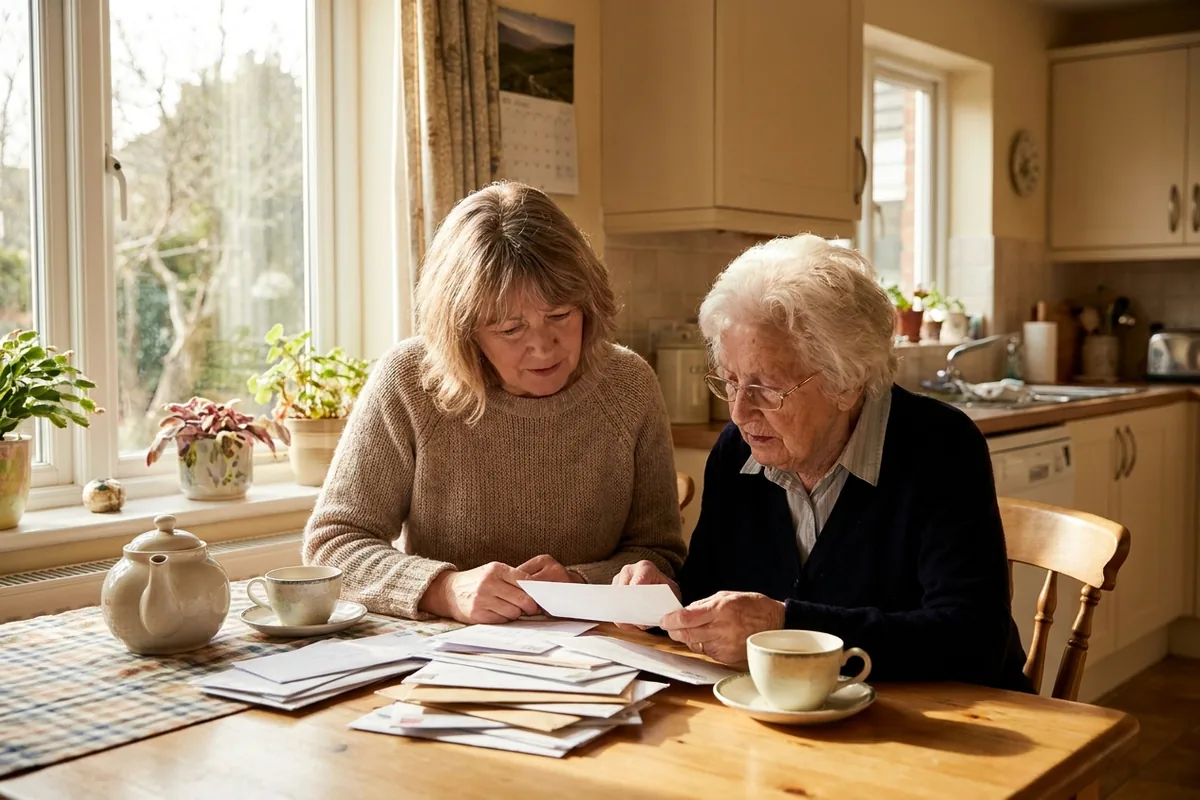
静かなサインに気づく。高齢の親がもう少し助けを必要としているとき
劇的な出来事は、めったに起きません。開けられていない郵便物の山、静かになった冷蔵庫、一日に二度語られる同じ話。そういう小さな変化に、どう優しく気づき、どう相手を傷つけずに言葉にするかをまとめました。
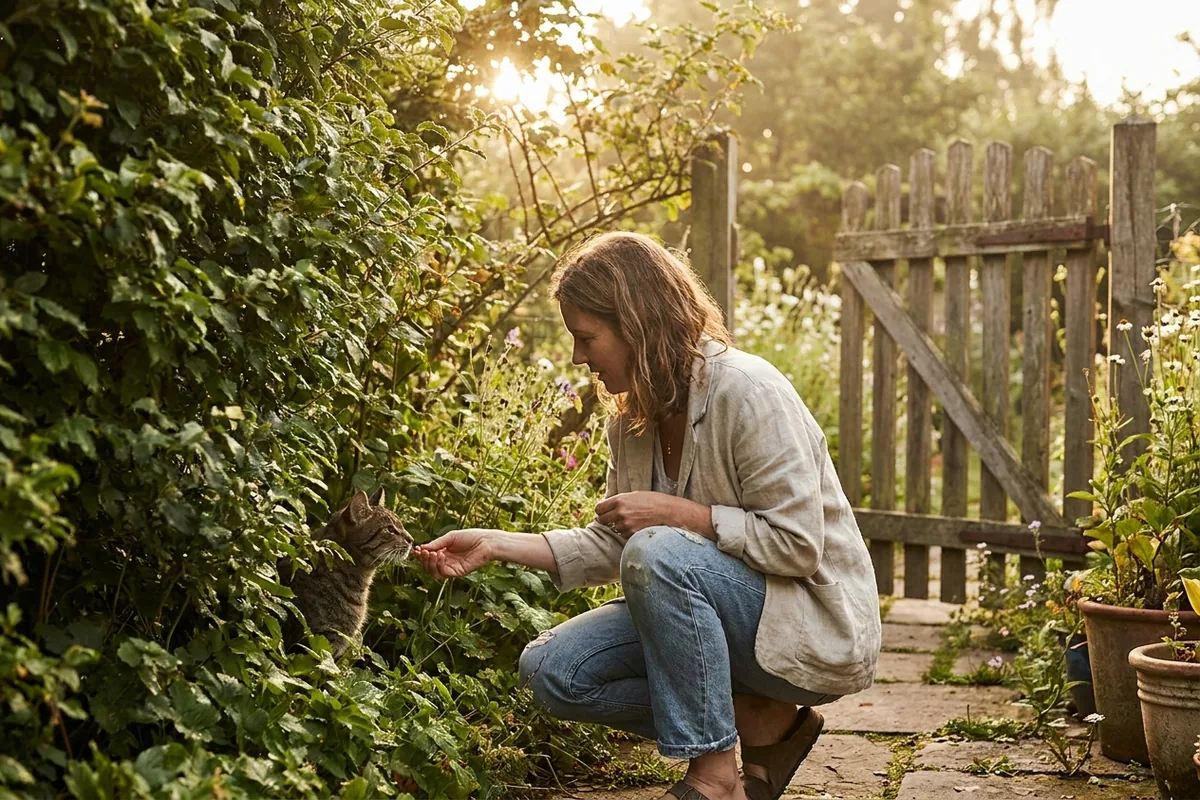
ペットが行方不明になったら。最初の24時間、時間ごとの動き方
一番大事なのは最初の一日ですが、パニックはその一日を無駄に使ってしまいます。猫や犬が行方不明になった、まさに今夜のための、時間ごとの落ち着いた動き方をまとめました。
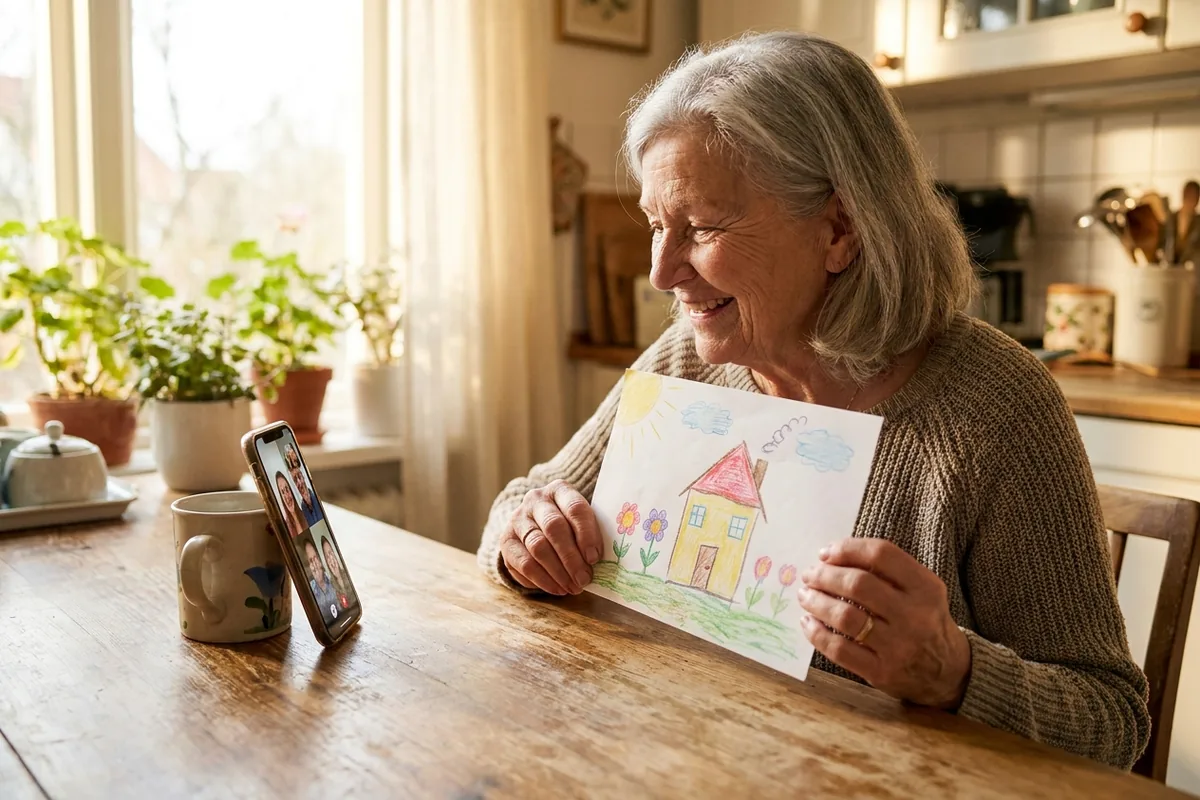
離れて暮らす祖父母と。距離があっても続く小さな習慣
大きなイベントは、忙しい一年の中で続きません。続くのは小さく繰り返される習慣です。離れて暮らす祖父母と本当に近しくいるための方法と、誰も気まずくならない形でのテクノロジーの橋渡しをまとめました。
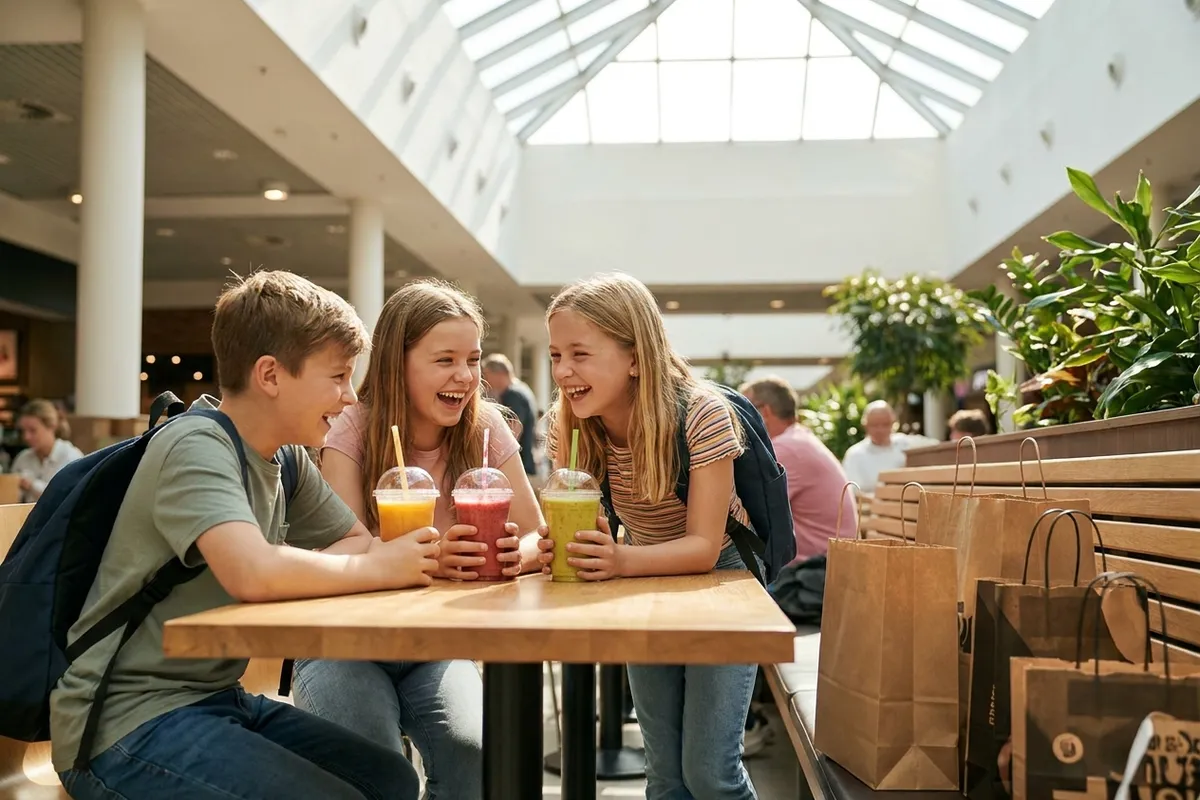
友だちだけでショッピングモールへ。何歳からではなく、何ができるかで決める
屋内で、店員も警備員もいて、終わりの時間がはっきりしている。ショッピングモールは自立の練習として、実はとても扱いやすい場所です。何を見て準備を判断し、最初の一回をどう組み立てるかをまとめました。
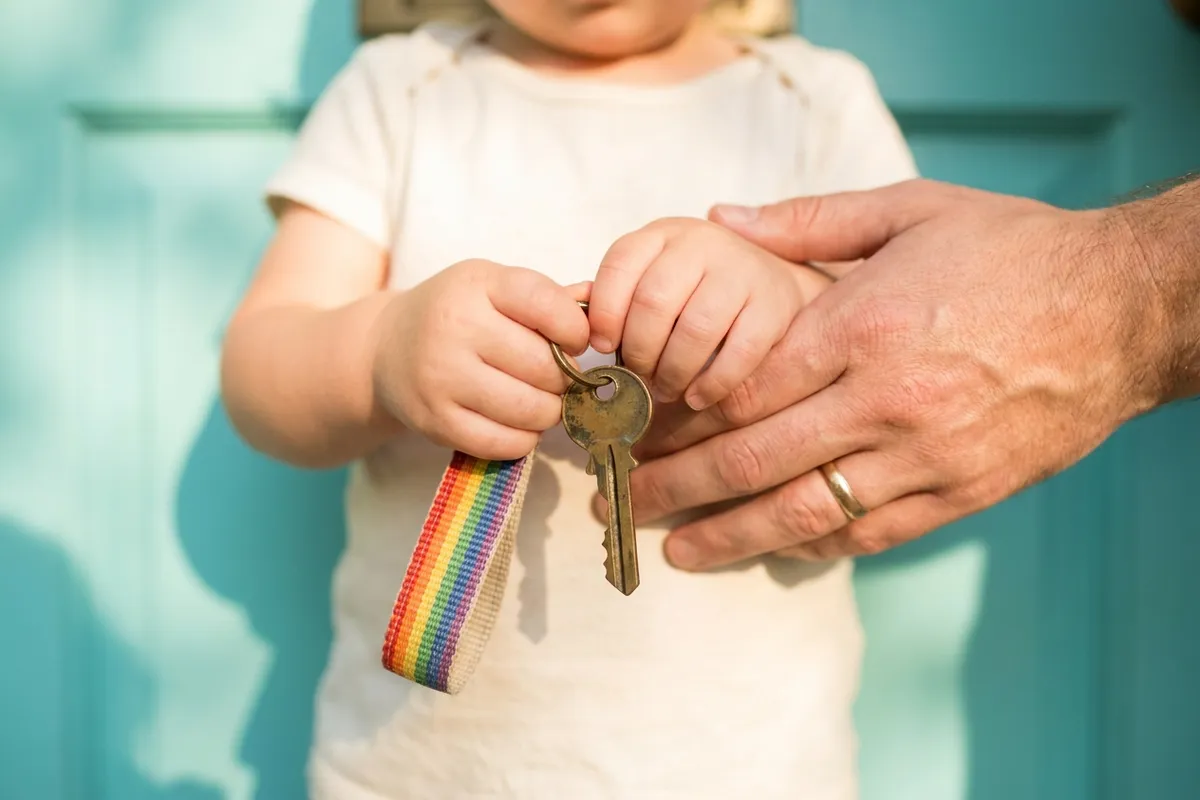
初めての家の鍵。小さな道具にこめる、大きな一歩
鍵は自立の話の中で一番小さな道具でありながら、一番重みのある存在です。渡す時期の見極め方と、日々の心配の種にならないための整え方をまとめました。
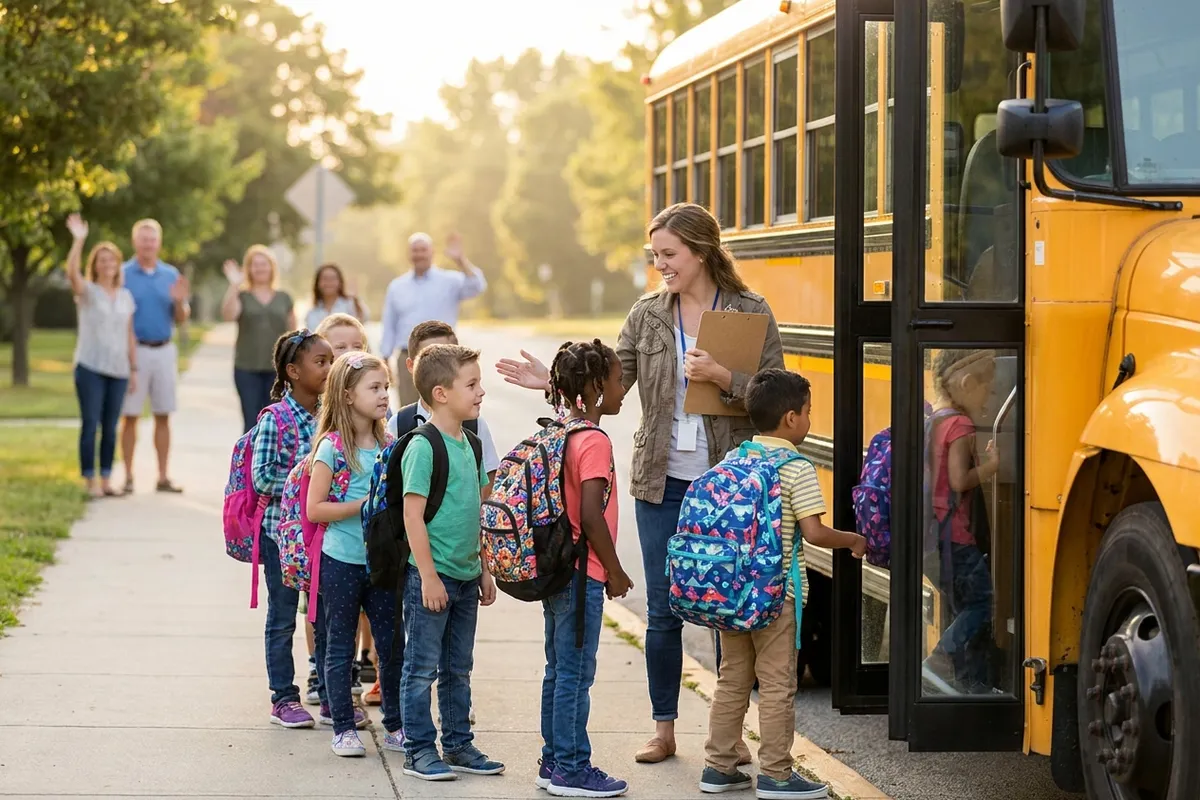
遠足や修学旅行の当日を、落ち着いて迎えるための準備リスト
遠足や修学旅行は、子ども本人よりも保護者のほうがそわそわしてしまうものです。前日の準備リスト、安心につながる伝え方、そして帰宅後の四分間の振り返りをまとめました。
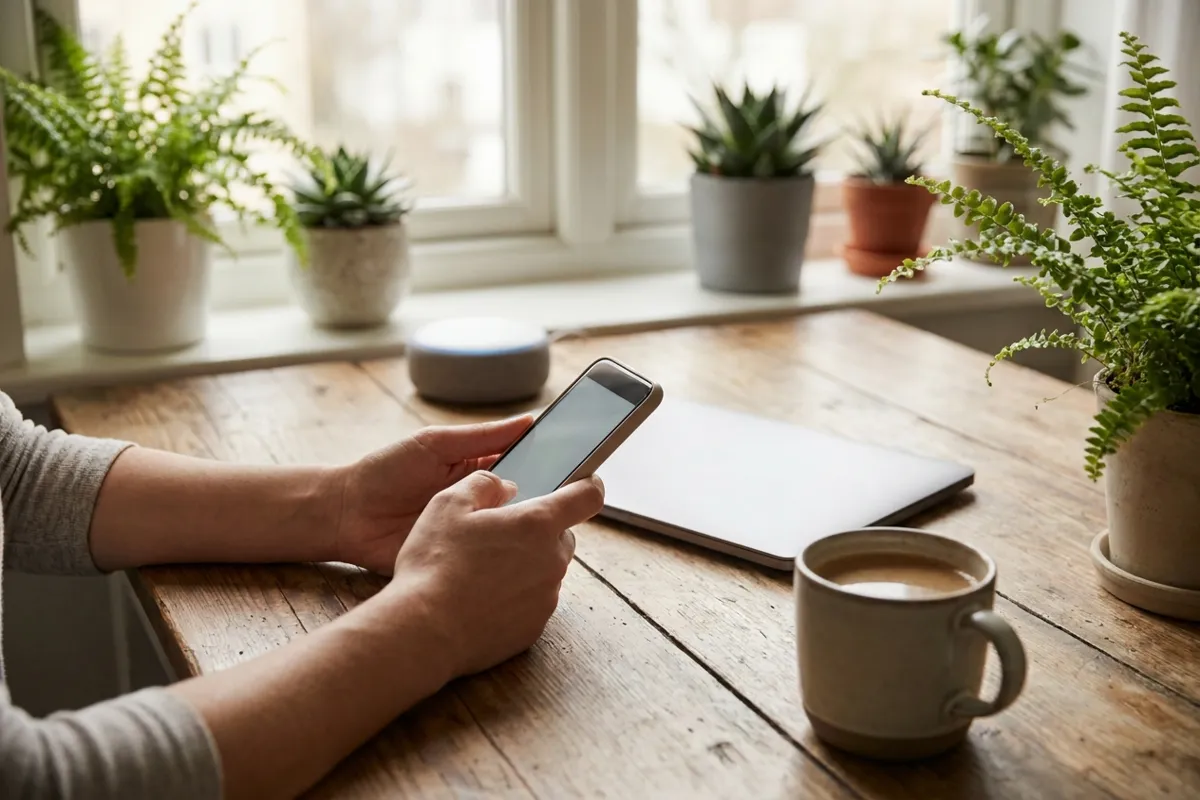
VPNを使えば家族アプリから現在地を隠せるのか、正直な答え
VPNは一方の意味での現在地を隠し、もう一方にはまったく触れません。この違いを知っておくと、家庭内の余計な言い争いを減らせます。
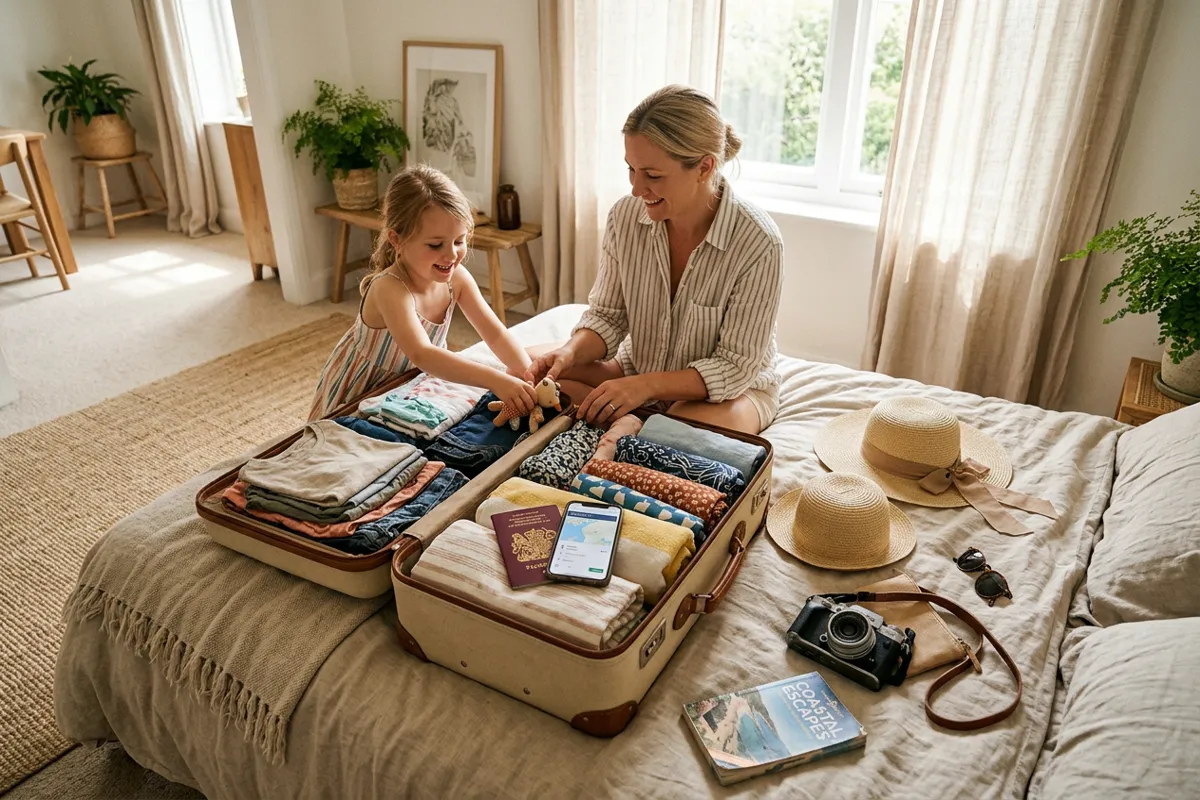
海外でも位置情報の共有は使えるのか、出発前の落ち着いた確認リスト
使えます。条件は一つ、スマホが何らかの通信につながっていることです。渡航前に整える手順と、通信がない時間のための約束をまとめました。
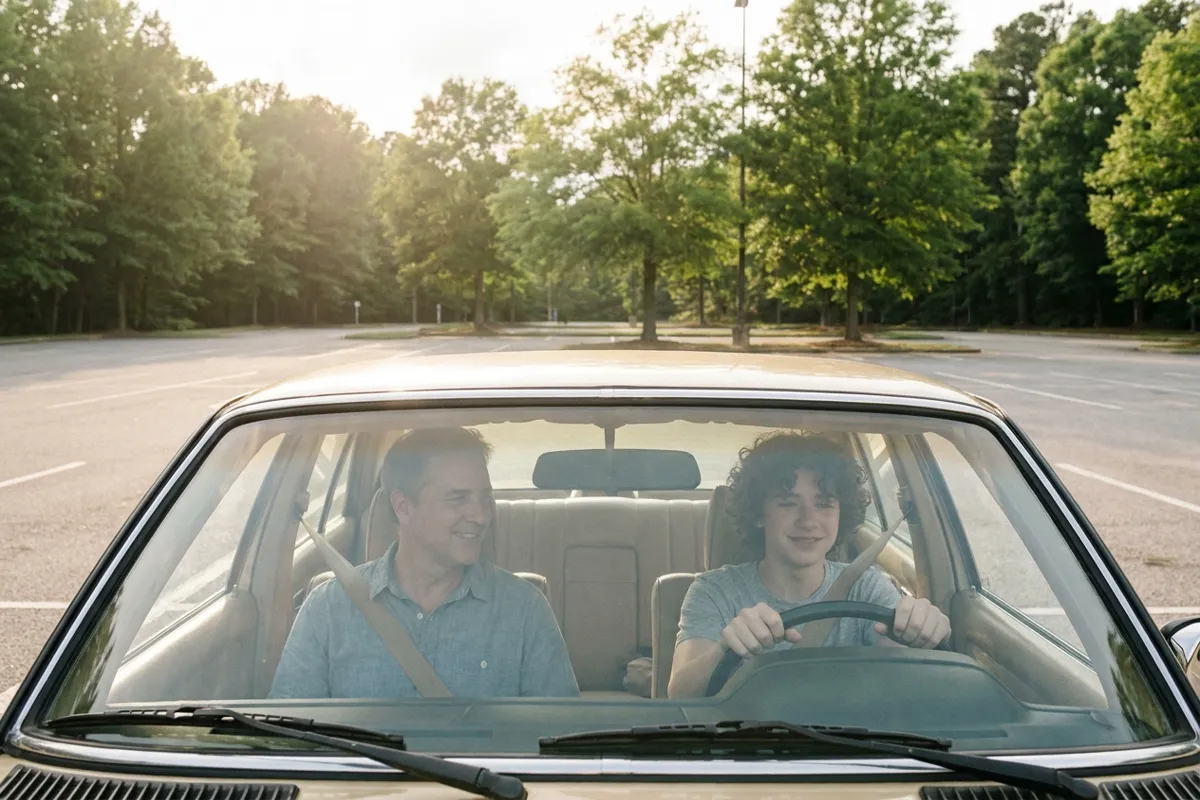
家族での練習運転を落ち着いて続けるための組み立て方
行き当たりばったりの練習では、その日の交通が用意したものしか身につきません。段階のあるコース、助手席の短い原則、五分の振り返りが、教えたかったことを教えてくれます。
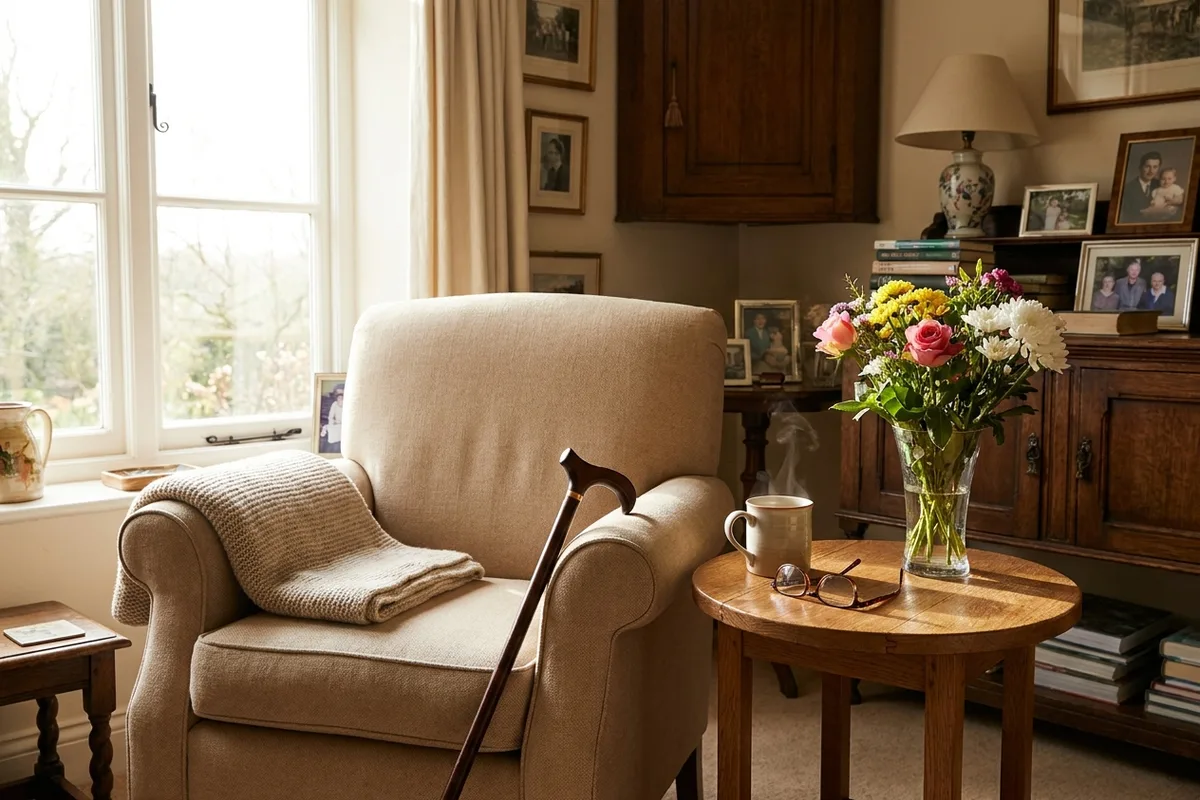
親が退院して家に帰る日、最初の二週間の穏やかな段取り
病院で書類の束を渡された瞬間から、段取りをするのは家族になります。監視されていると感じさせずに安全を守る、二週間分の穏やかな設計図です。
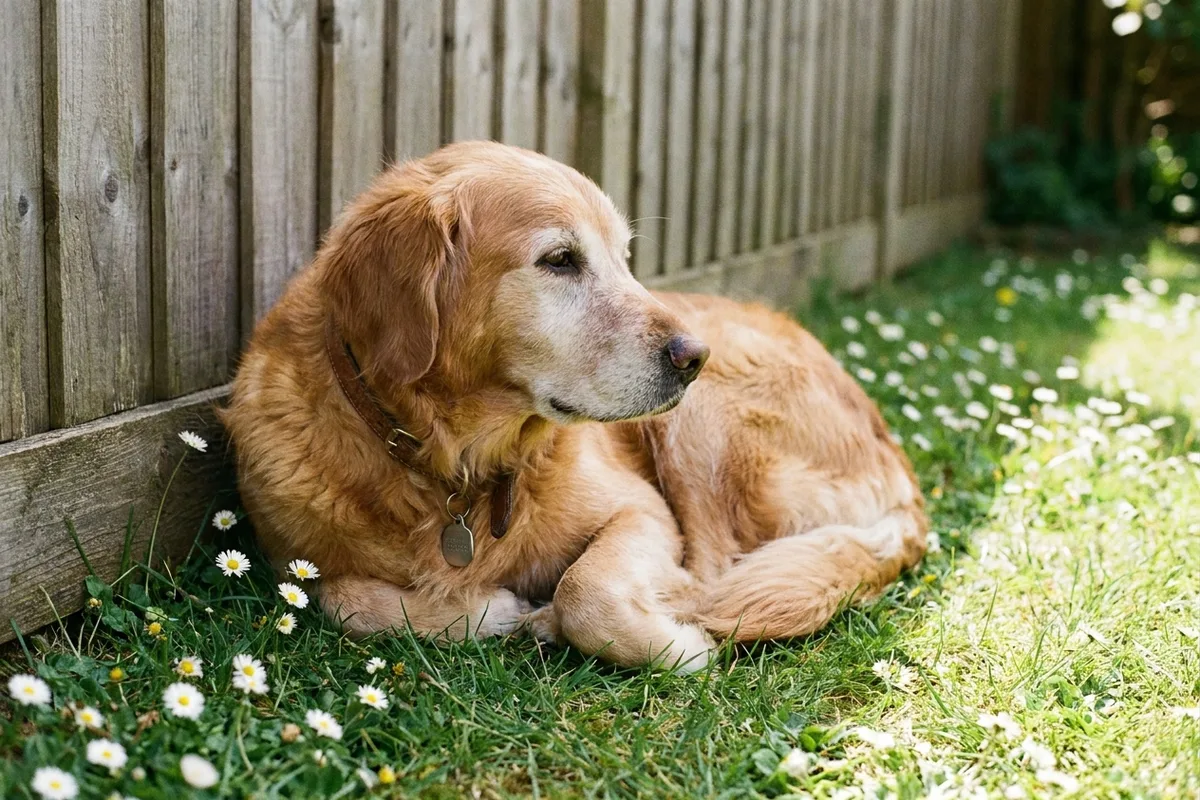
年老いた犬が迷いはじめたら、霧の中の日々に寄り添う
若い犬は世界が面白いから出ていきます。年老いた犬は、世界が静かで見慣れないものになったから迷います。対処も、必要なやさしさも別のものです。
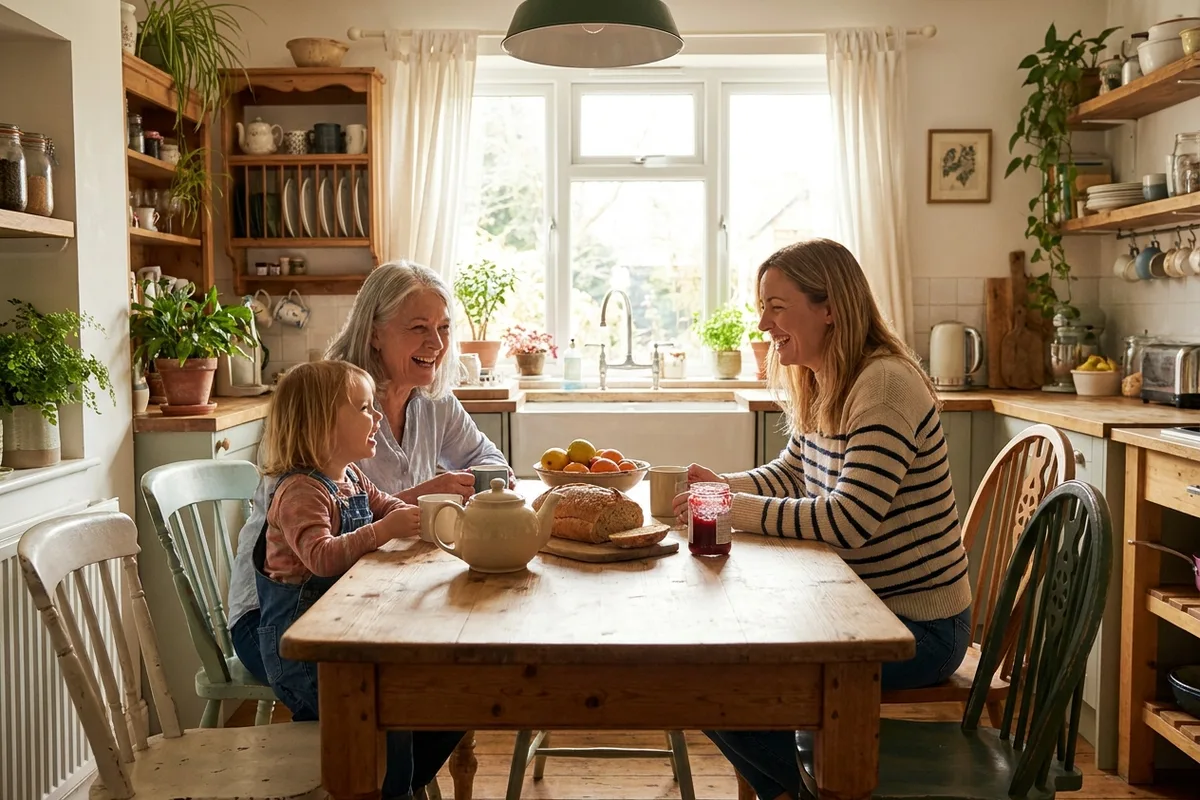
親と同居するとき、三世代の暮らしを誰にとっても心地よくする
三世代がひとつ屋根の下で暮らすことは、いちばん温かい形にも、いちばん静かに消耗する形にもなります。その差の大半は、荷物が届く前の会話で決まります。
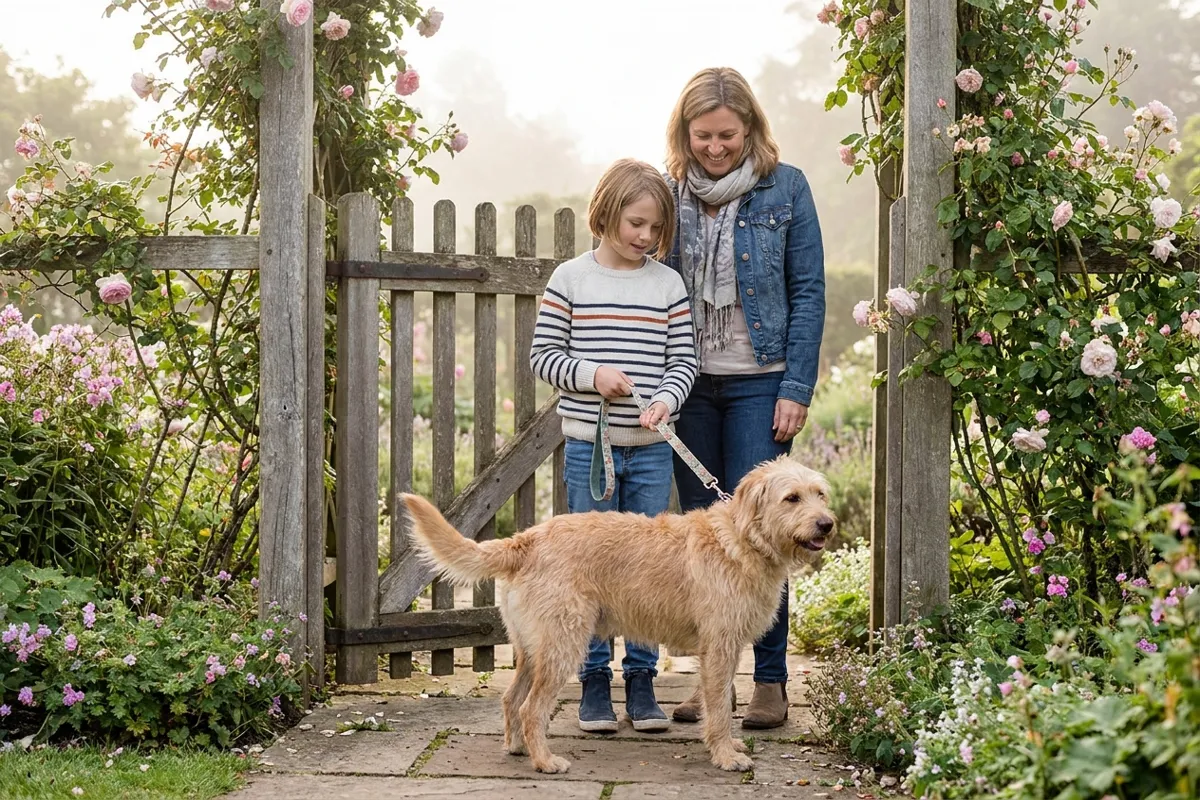
子どもに犬の散歩を一人で任せてよいか、見極めのチェックリスト
準備が整うのは誕生日ではありません。この犬と、この道と、この子どもの組み合わせが合っているかどうかで、二週間ほどの練習散歩で確かめられます。
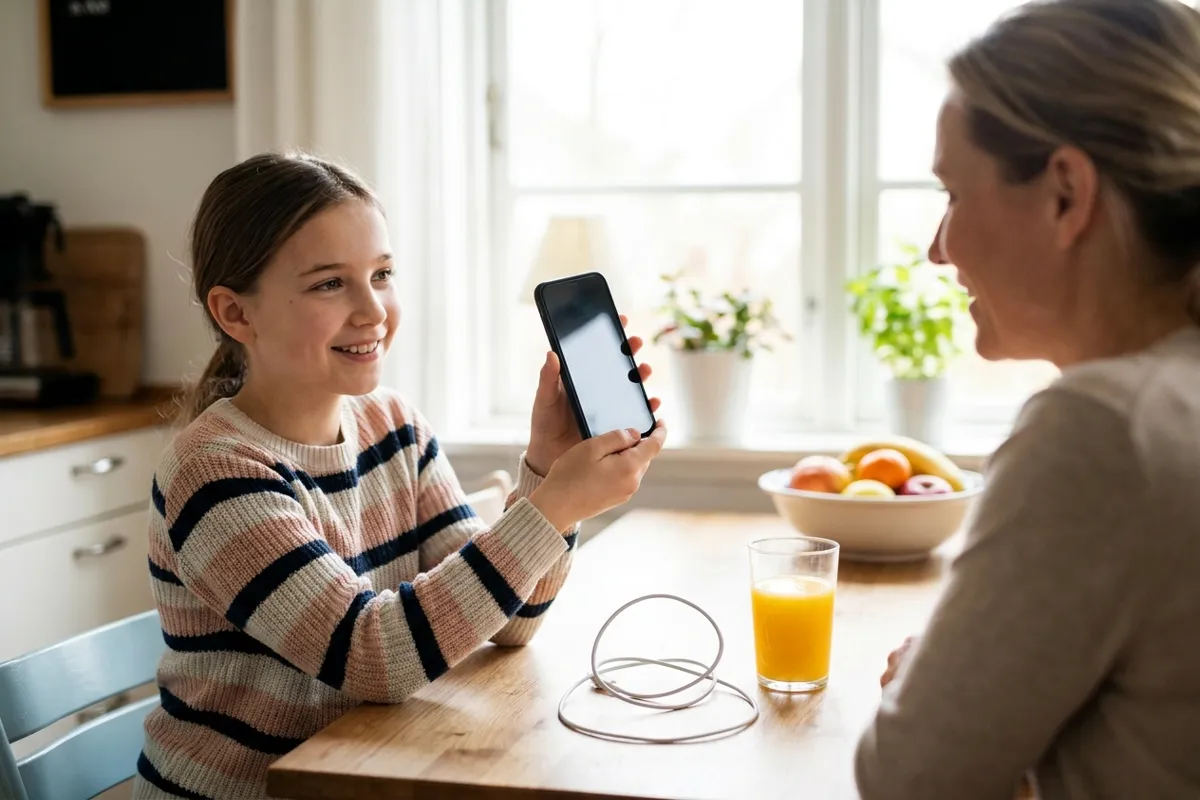
子どものスマホの電池が切れたとき、慌てないための備え
スマホの電池は一番困るときに切れます。それでも大丈夫です。子どもがすでに段取りを知っていて、その段取りがスマホに頼らないものであれば。
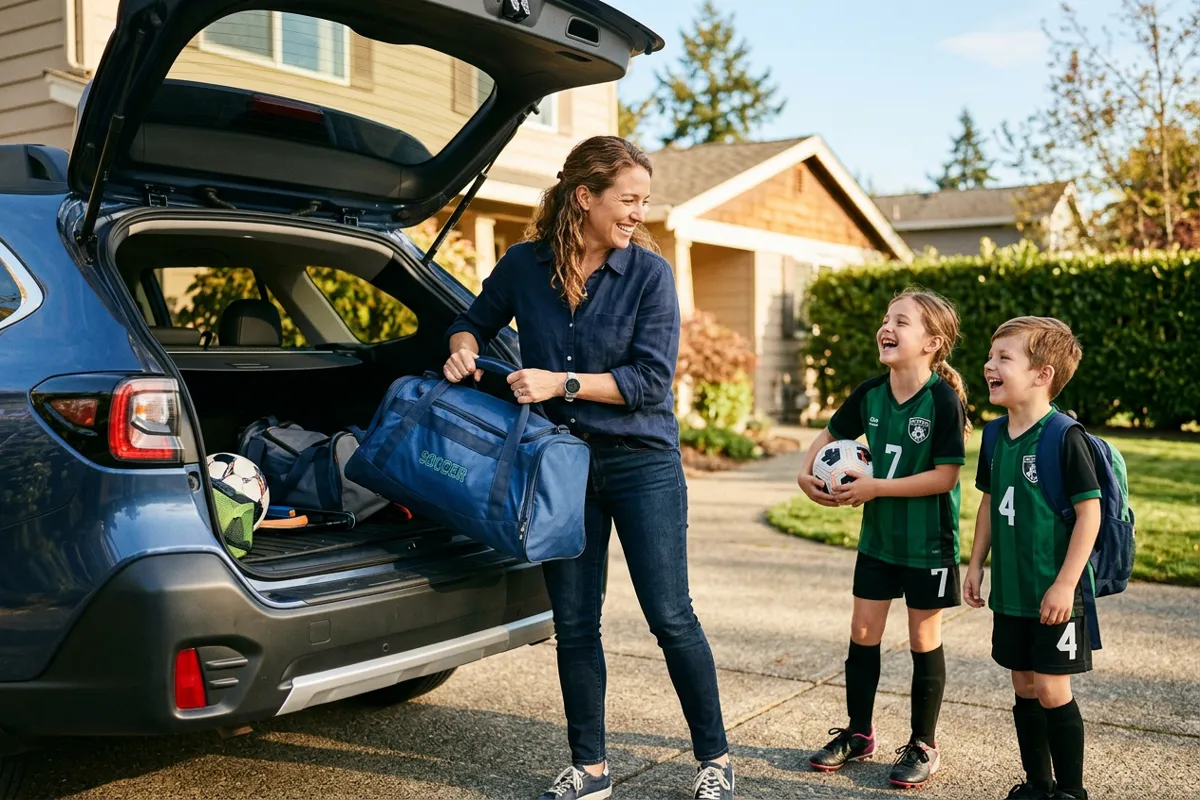
習い事のお迎えに追われる家族のための、忙しい一週間の段取り
子ども三人、習い事五つ、大人二人、車一台。解決策は頭の中でもっと段取り上手になることではなく、一週間の予定を全員が見える形で書き出すことです。

夫婦やカップルは位置情報を共有すべきか、信頼と同意についての率直な考え方
位置情報の共有は、日々のちょっとした思いやりにもなれば、関係を静かにすり減らすものにもなります。違いはアプリの機能ではなく、二人ともが自分の意志で選び、どちらも揉め事なくやめられるかどうかにあります。
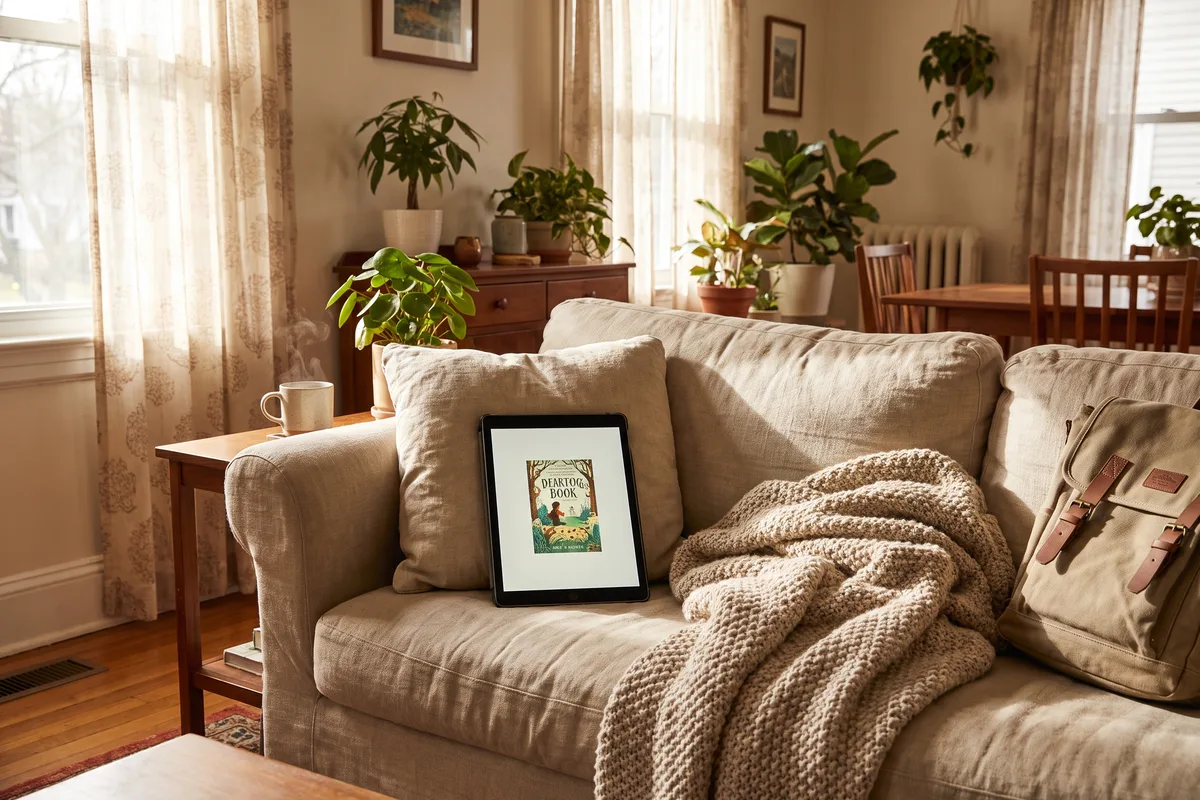
SIMなしのタブレットでも位置がわかるか、Wi-Fi専用端末にできることとできないこと
SIMの入っていないタブレットは、思っている以上に見つかることもあれば、期待したほど確実には見つからないこともあります。仕組みを知り、一番見つかりやすい設定にしておきましょう。
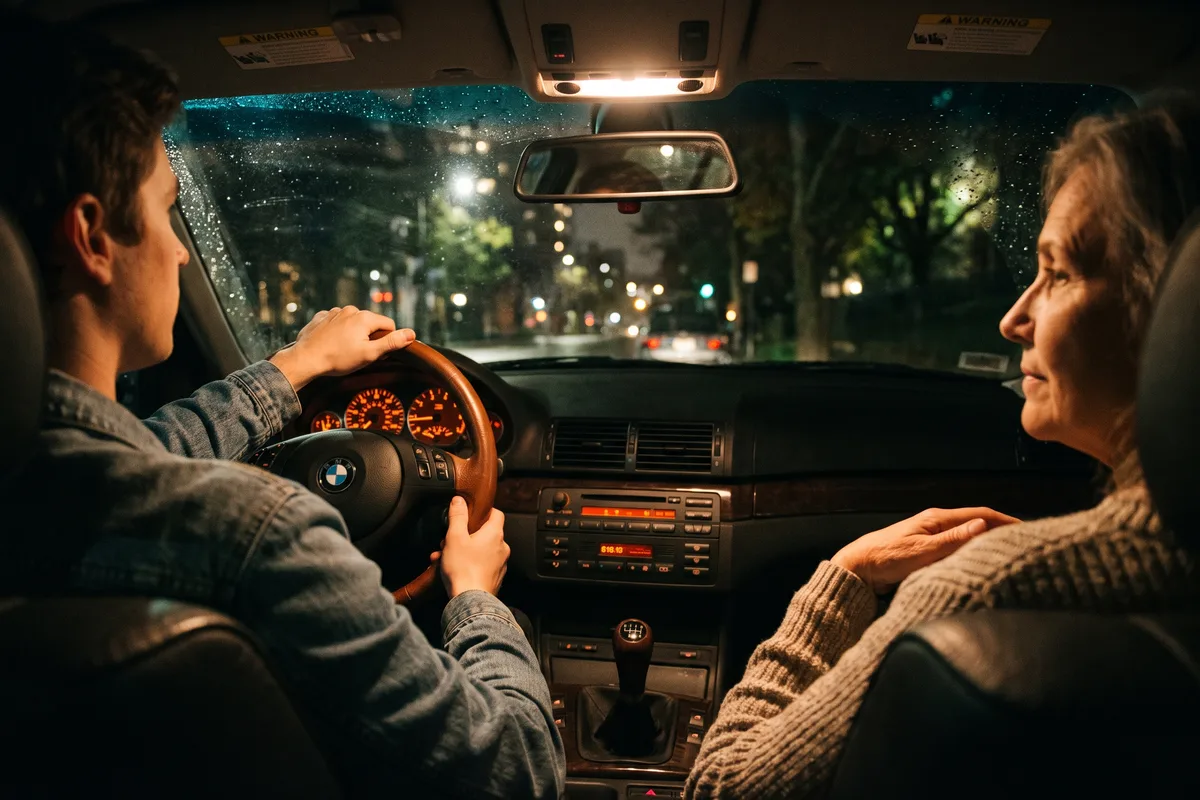
十代の夜間運転、危うさの高い時間帯を穏やかに乗り越える家族のルール
暗くなると、新しい運転手が頼りにしていた情報のほとんどが消えてしまいます。一緒に決めた少しのルールと、保護者同伴での夜間練習は、注意しなさいという言葉よりもずっと効果があります。
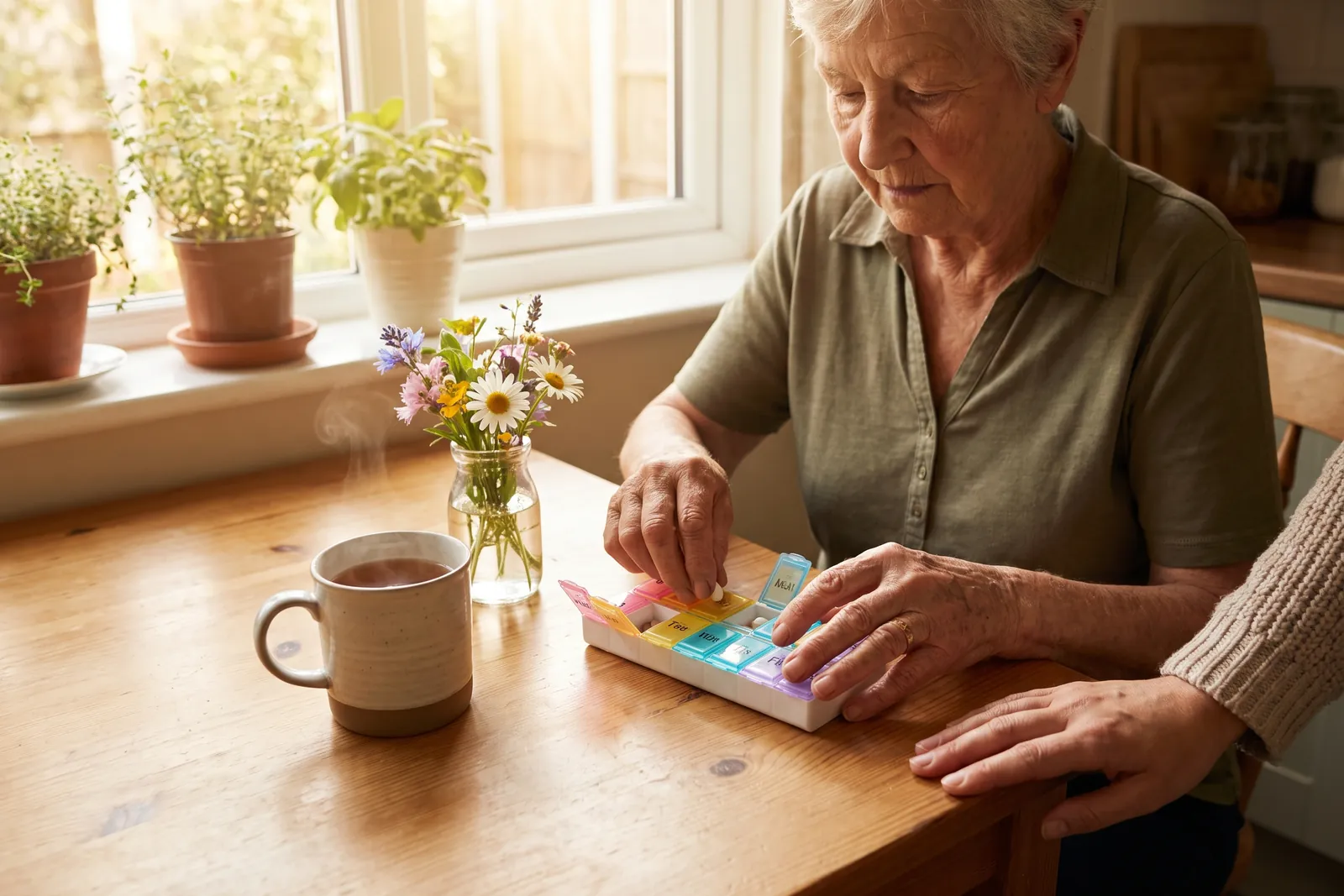
親の薬の飲み忘れを防ぐには、監視ではなく仕組みで支える方法
薬の飲み忘れは、たいてい不注意のせいではありません。生活のリズムが少し変わっただけだったり、包装が開けにくかったり、もう一度聞かれたくないと思う気持ちだったりします。毎日の電話を取り調べにしないための考え方をまとめました。
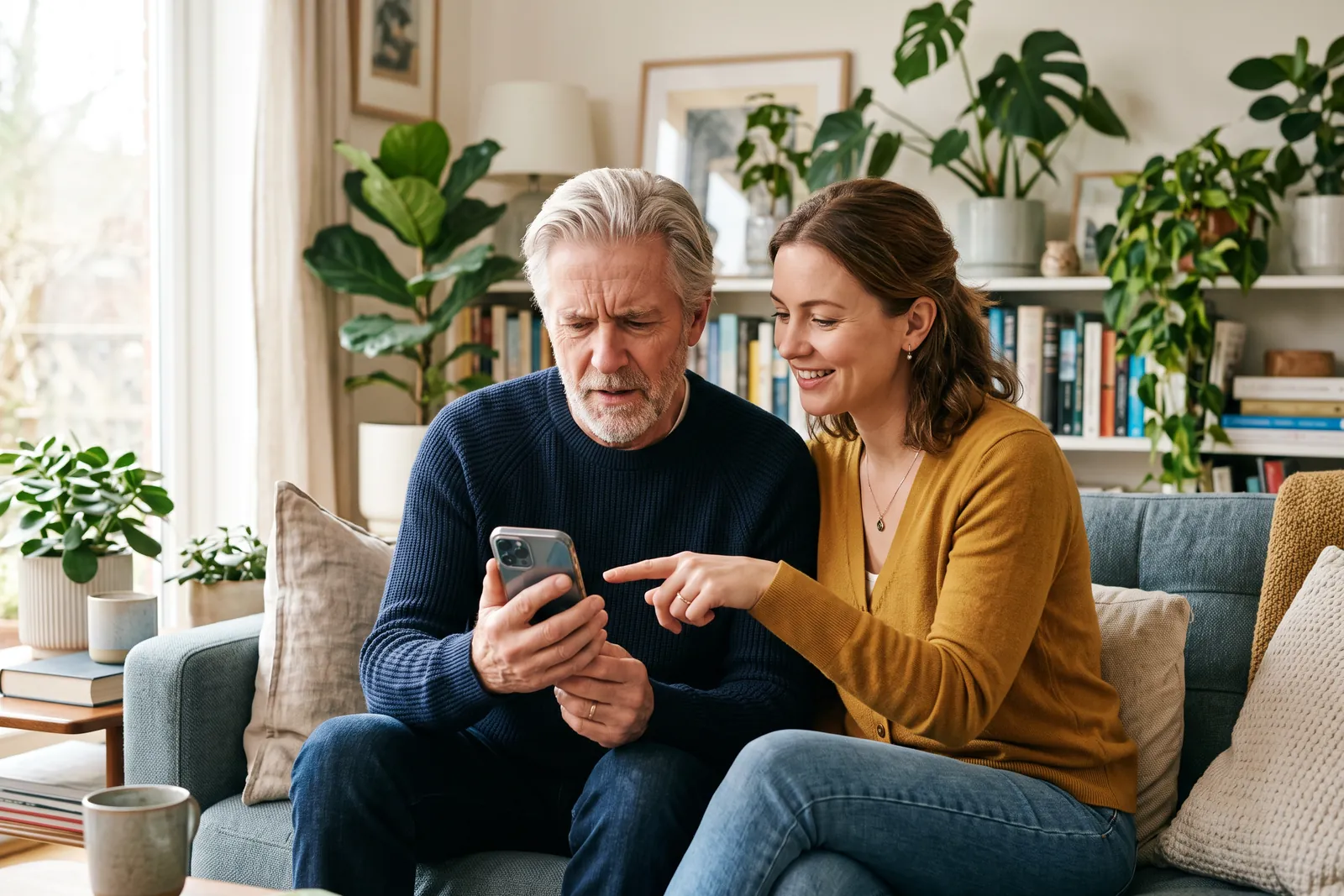
オレオレ詐欺から親を守るには、怖がらせずに備える家族の作戦
詐欺は相手が高齢だから、うっかりしているから成功するのではありません。悪いタイミングに、急かされて、愛する人の声をまとって届くから成功するのです。注意を促す一言よりも、家族の作戦のほうがずっと強いです。
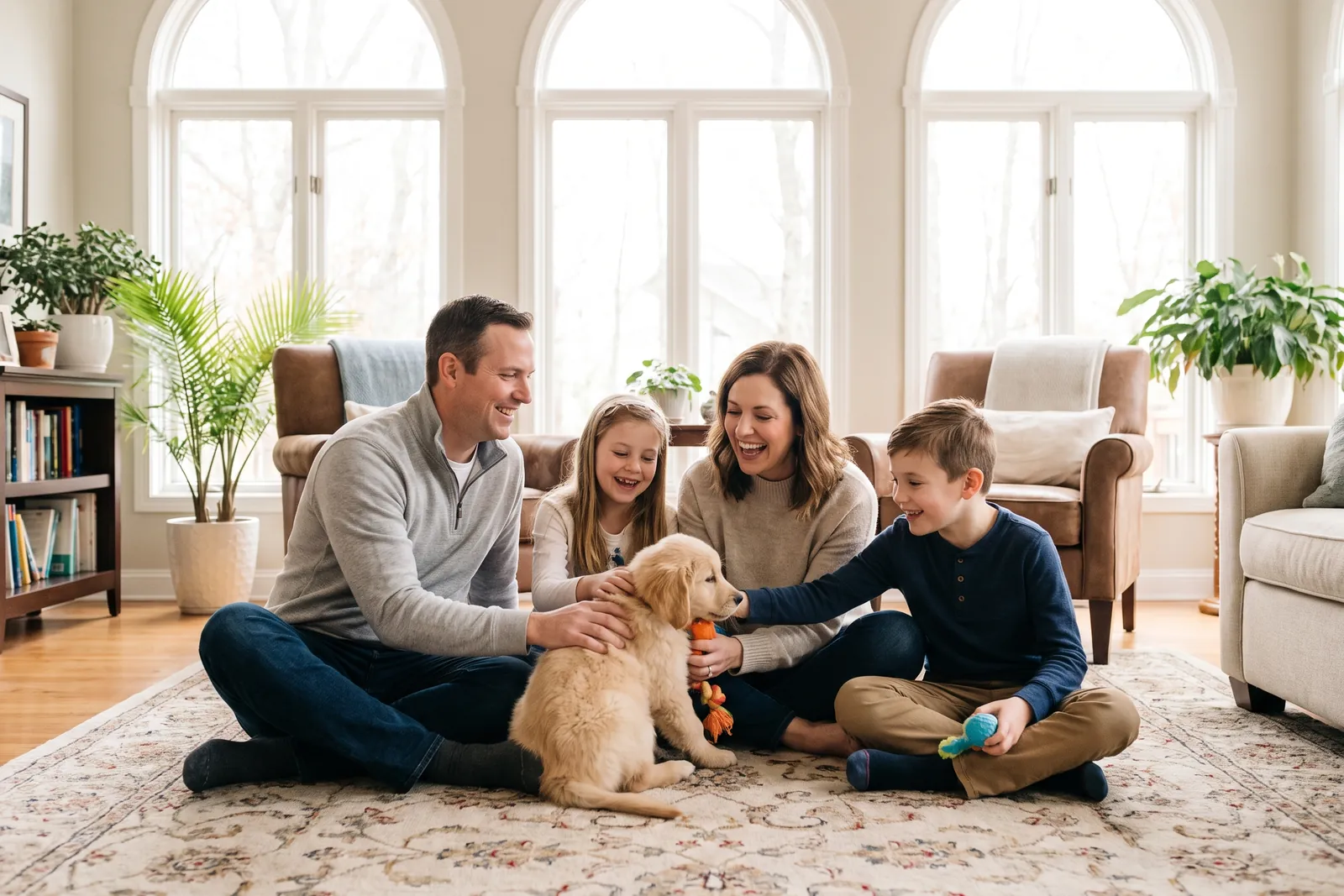
わが家は犬を迎える準備ができているか、先に済ませておきたい率直な話し合い
子どもたちは全部やると約束します。本気でそう思っていますが、実際には続きません。犬を家族に迎える前にしておきたい率直な話し合いを、いつまでも断り続けるのではなく、きちんと迎え入れたい親のためにまとめました。
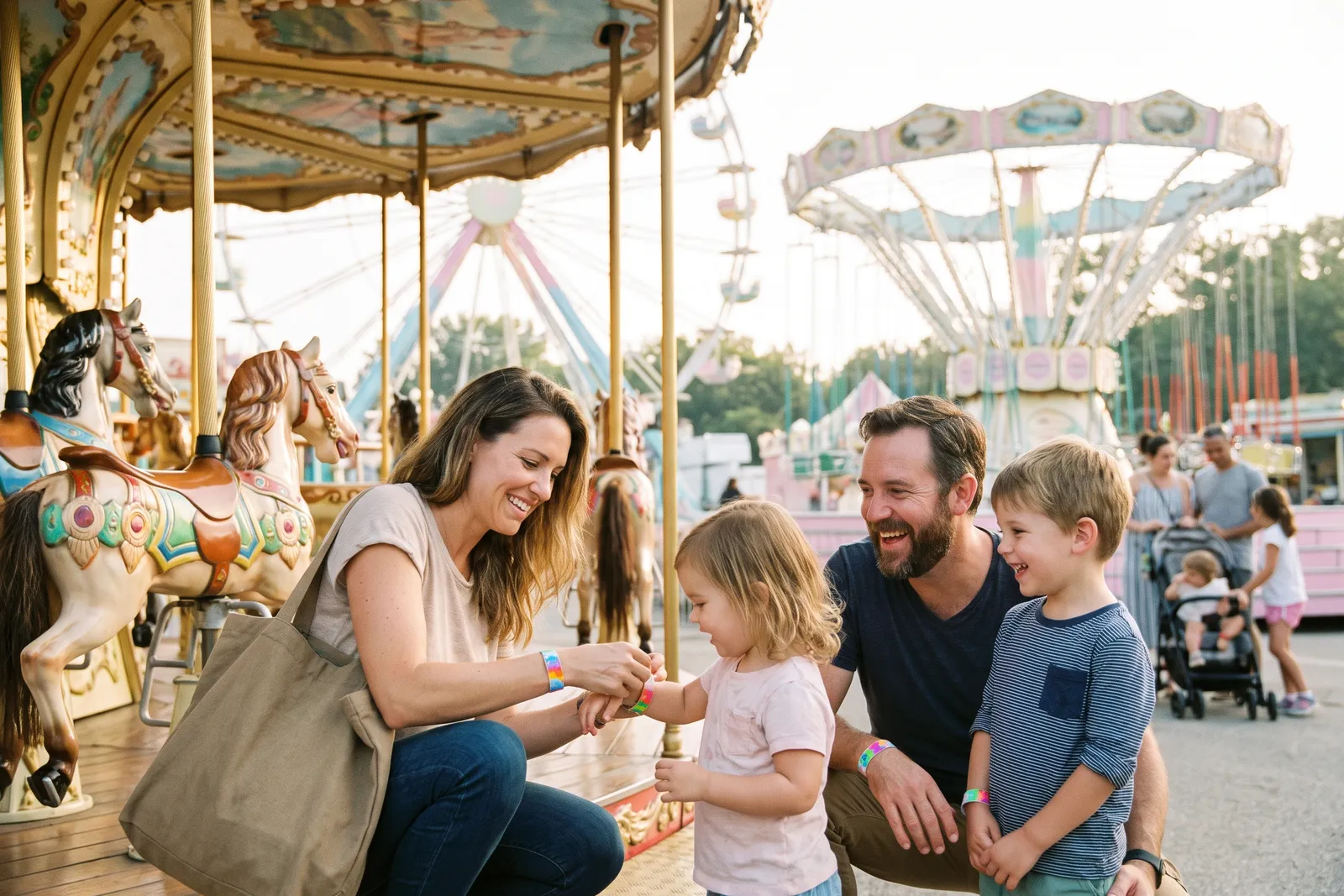
テーマパークの一日、手をつなぎ続けなくても大丈夫な計画
混雑した会場で一日中三人の手を握り続けることはできません。できるのは、疲れて甘いものを食べすぎた六歳児でも思い出せるくらい単純な計画をつくっておくことです。

子どものはじめてのアルバイト、自立と裏方の仕事を分けて考える
シフトも、エプロンも、店長との気まずいやり取りも本人のものです。あなたが担うのは、夜十時の送り迎えと、誰も口にしない安全網です。この分担さえ間違えなければ、はじめてのアルバイトはその年いちばん良い出来事になります。
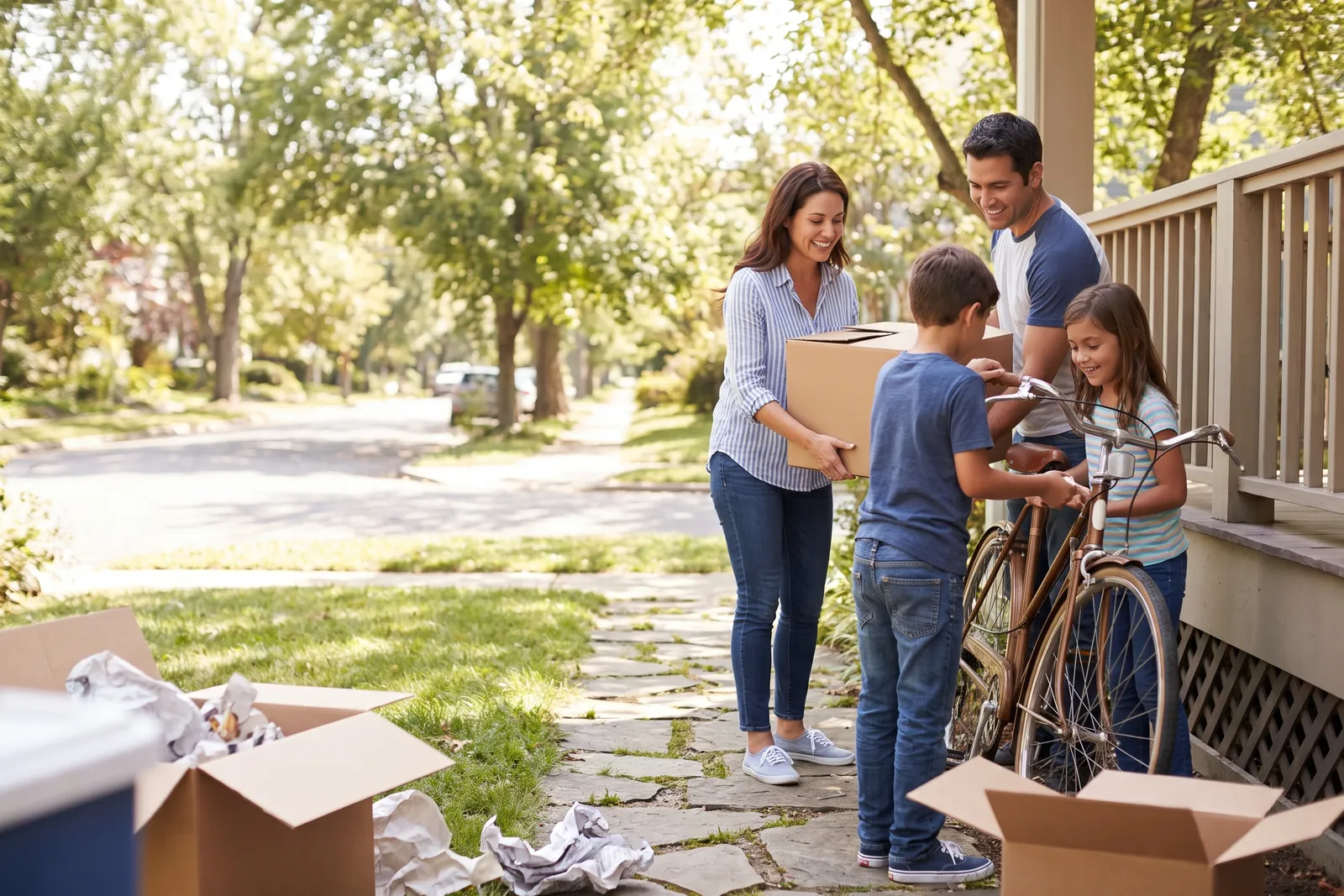
新しい町、新しい不安。引っ越し後に子どもが自分の足で歩けるようになるまで
引っ越しは一晩で子どもの頭の中の地図を消してしまいます。地図を作り直すには、何度かの散歩と、新しい住所をきちんと覚え直すこと、そして自由を一つずつ返していく根気が必要です。
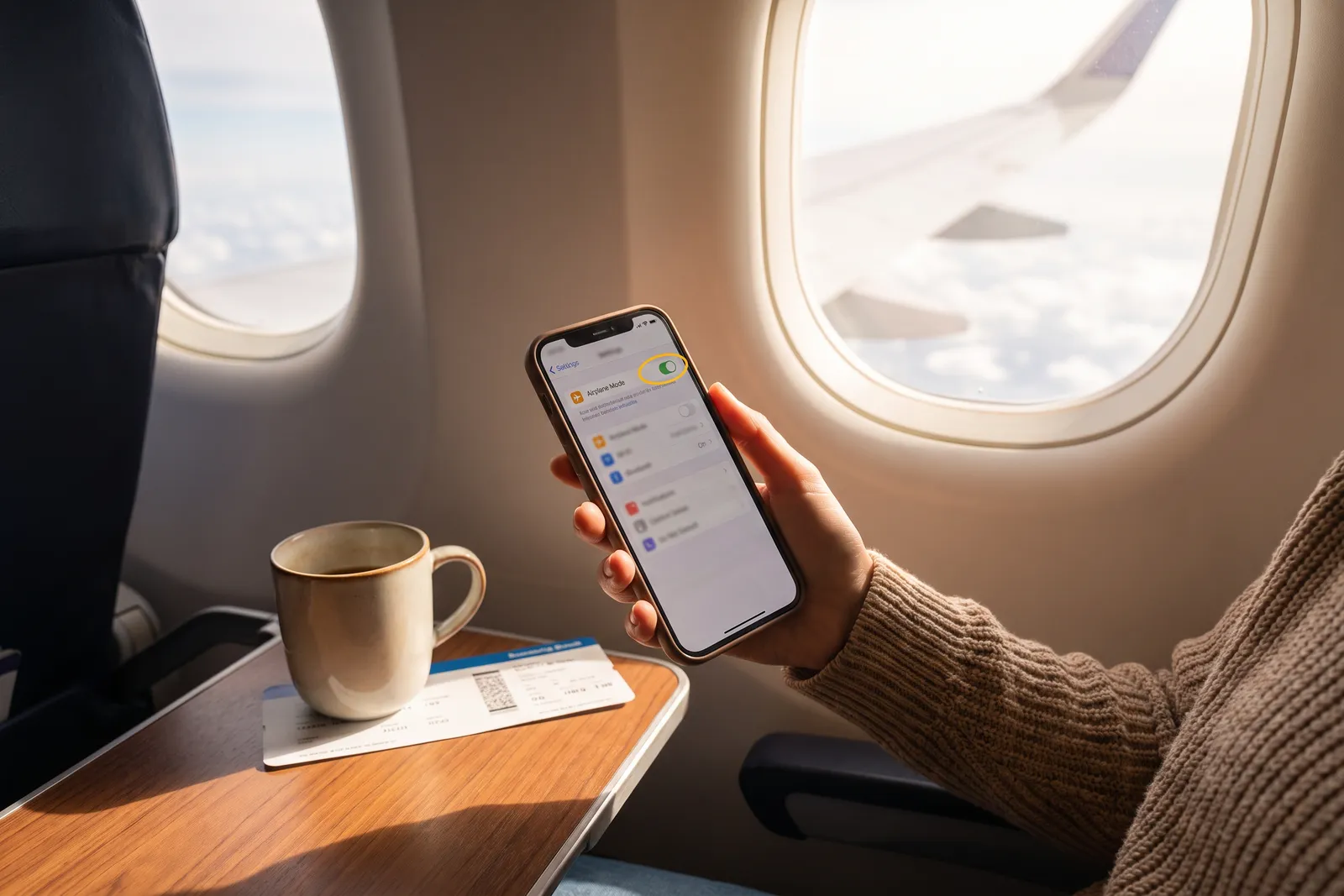
機内モードにすると位置情報は隠れるのか、実際に起きていること
機内モードは透明マントではありません。電話が何も送信できなくなるだけなので、地図には最後にわかった場所が時刻つきで残ります。
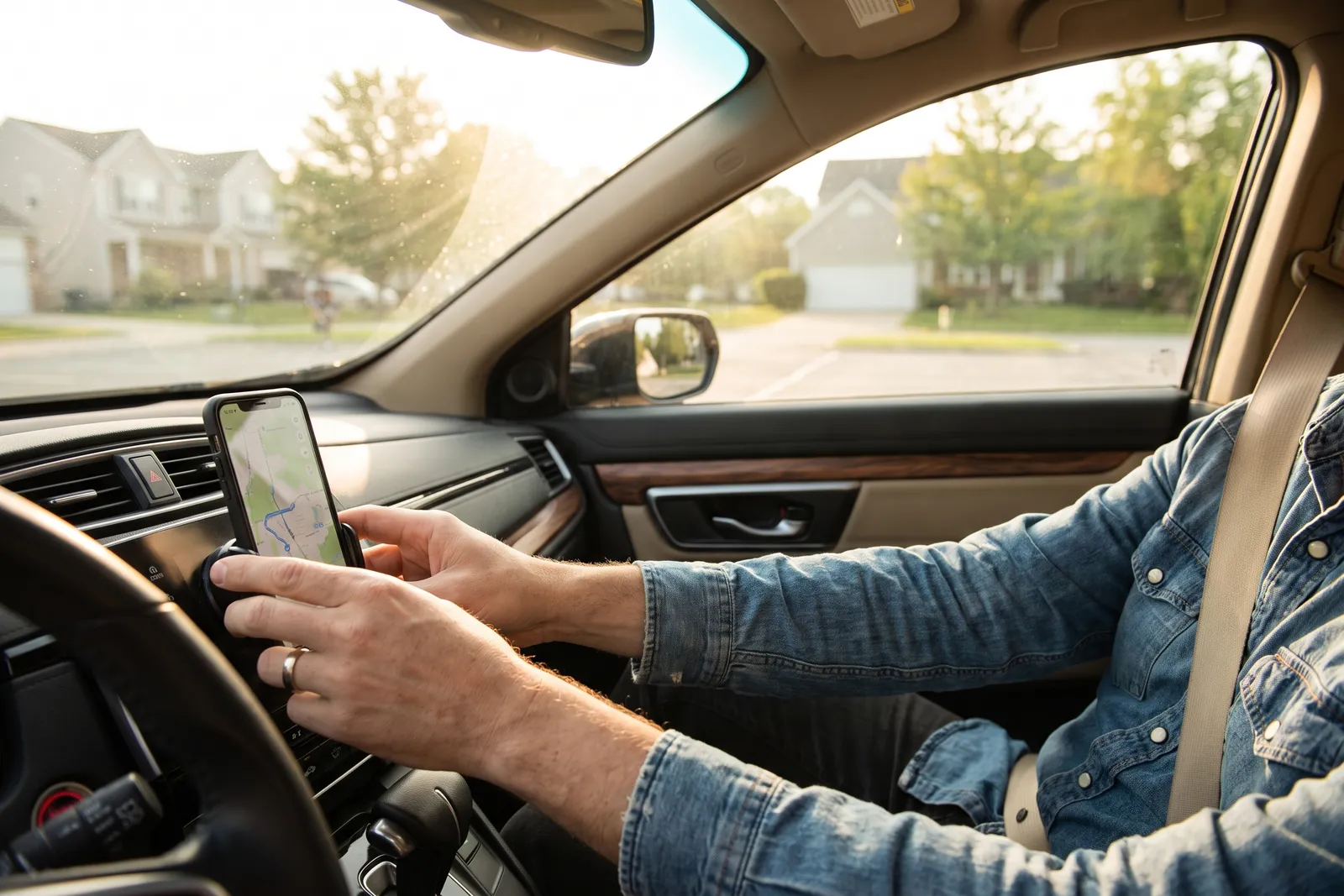
スマートフォンの事故検知、仕組みとうまくいかないとき
事故検知は頼りになる保険であって、確実な保証ではありません。どのセンサーが作動の引き金になり、どんな衝突を見逃すのかを知っておくと、この機能への信頼の置き方が変わります。
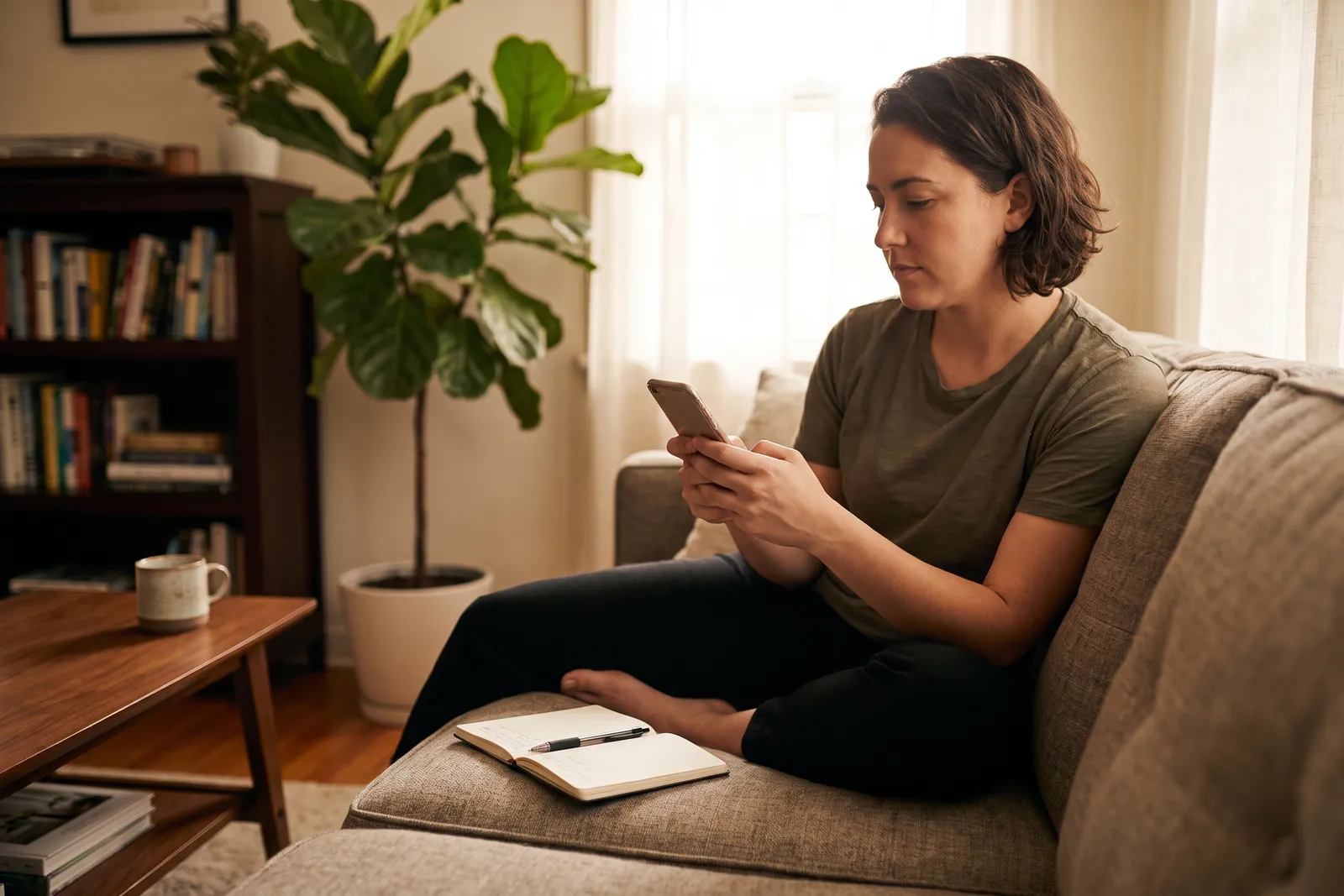
どのアプリが位置情報を見ているか、十分でできる家族の点検
たいていのスマートフォンは、持ち主が覚えている以上に多くのアプリへ位置情報を渡しています。直すのは設定画面ひとつと十分間、そしてそれを季節ごとに繰り返す習慣です。
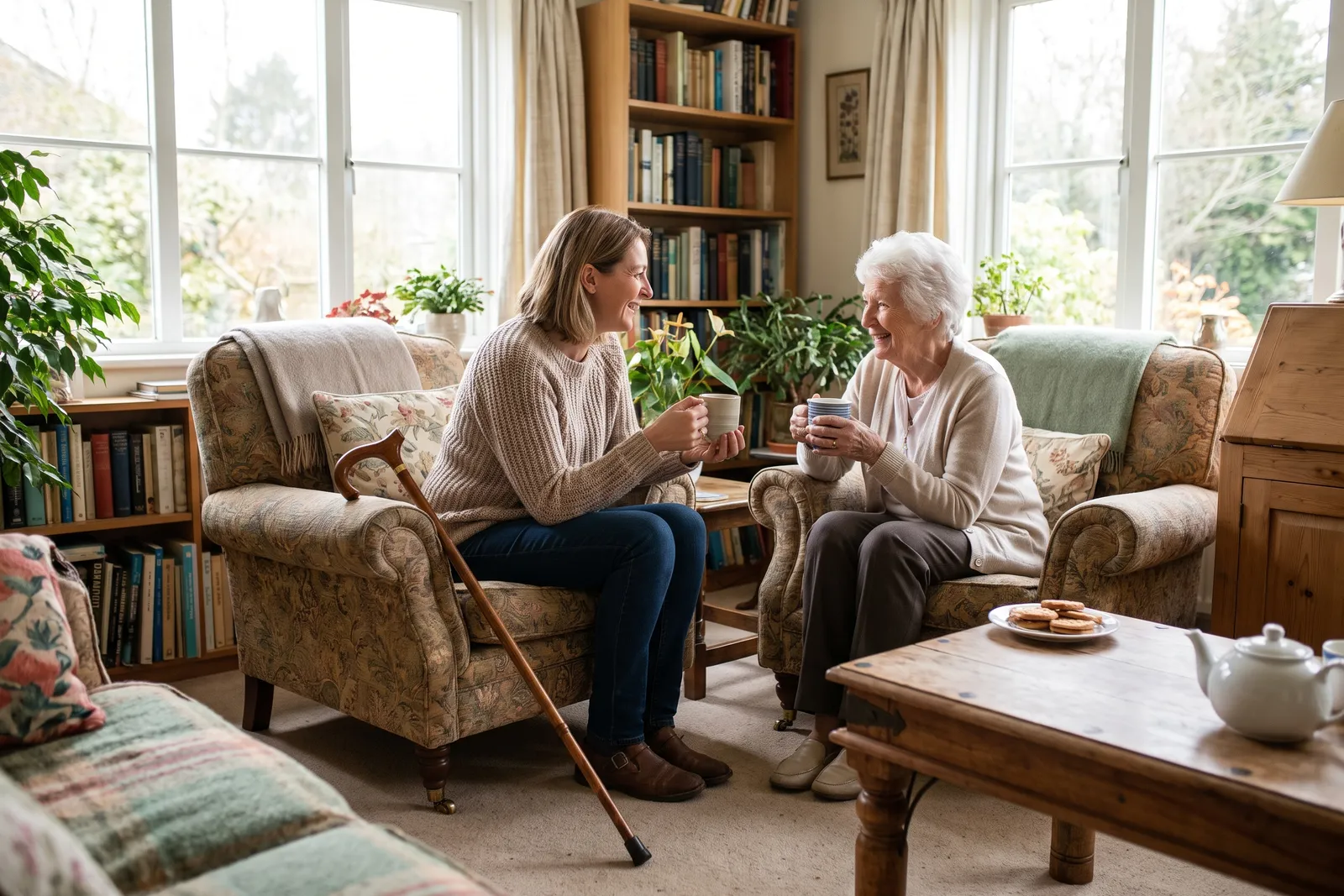
転倒のあと、親が自信を取り戻すまでに寄り添う方法
打ち身は二週間で治ります。恐怖は、誰かが手を貸さなければ何年も残ります。自立を奪わずに親の自信を取り戻す道筋を紹介します。
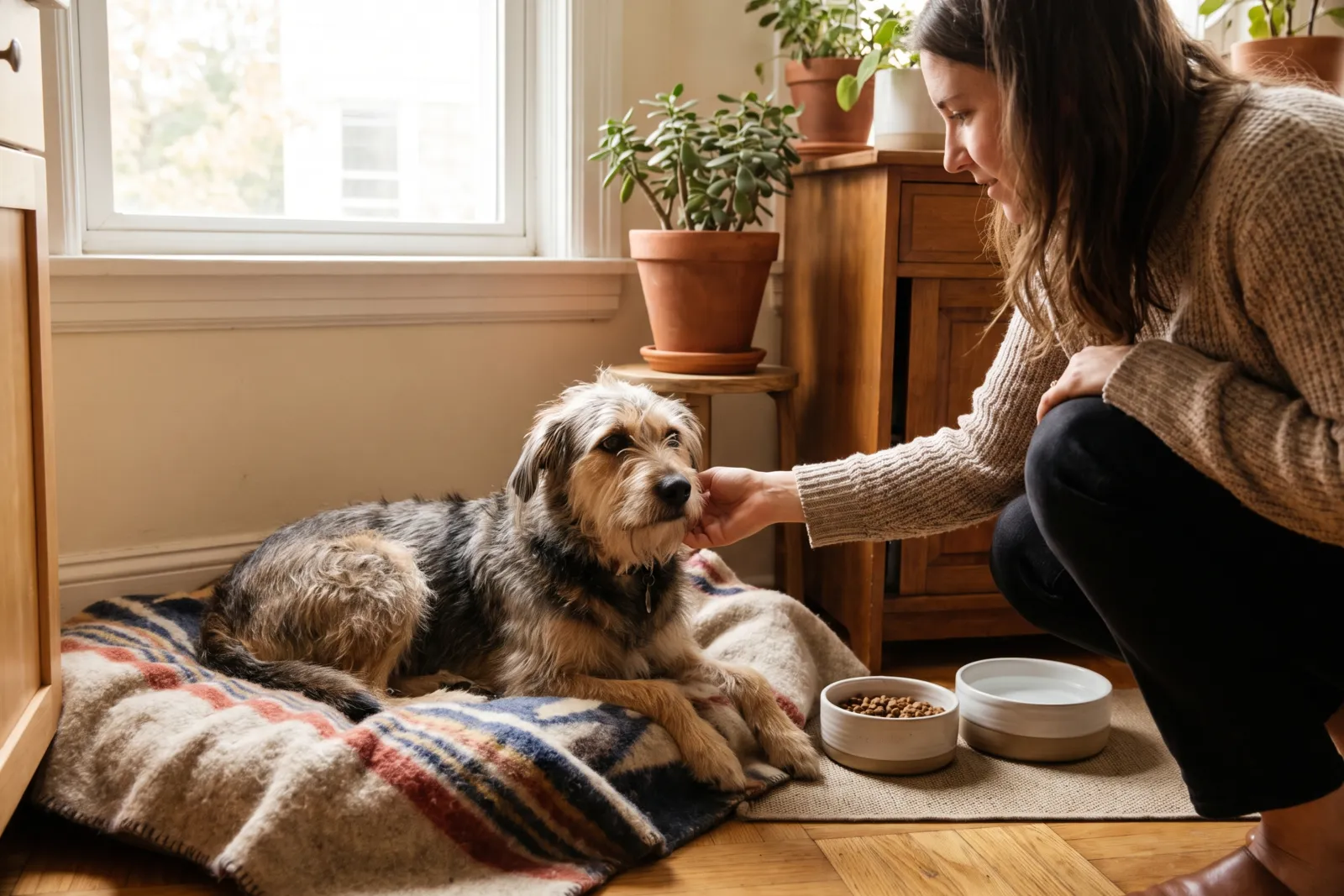
保護犬を迎えた最初の数週間、正直に書きます
保護犬は感謝しながらやって来るわけではありません。匂いの違う家に、まだ信じる理由のない人たちのもとに、戸惑いながらやって来ます。最初の数週間が本当に求めているものを紹介します。
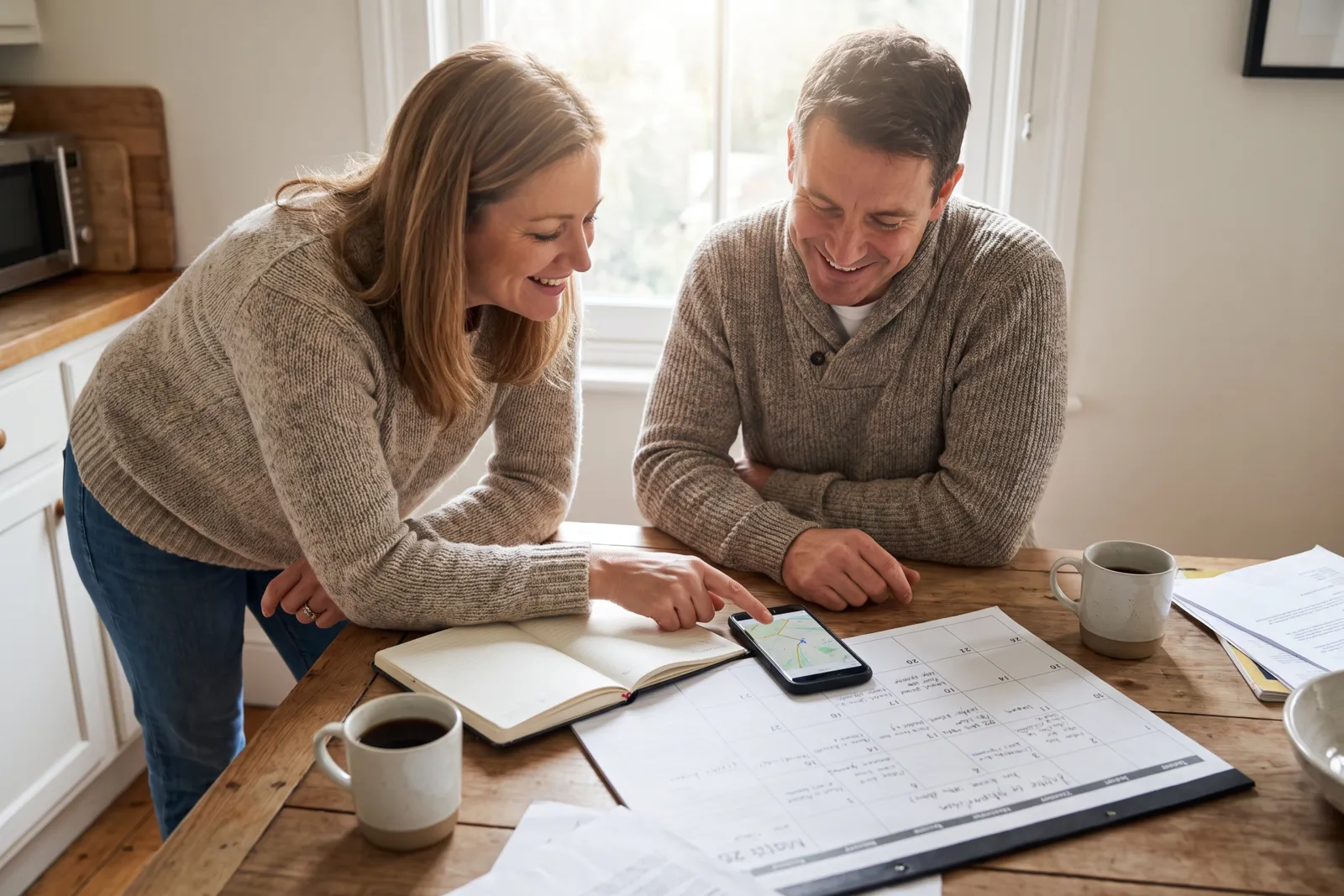
きょうだいで親の介護を分担するということ
誰も一人のきょうだいがすべてを担うと決めたわけではありません。それはただ、静かに、一年半ほどかけて、そうなっていくだけです。不満が代わりに分担を決めてしまう前に、仕事を分ける方法を紹介します。
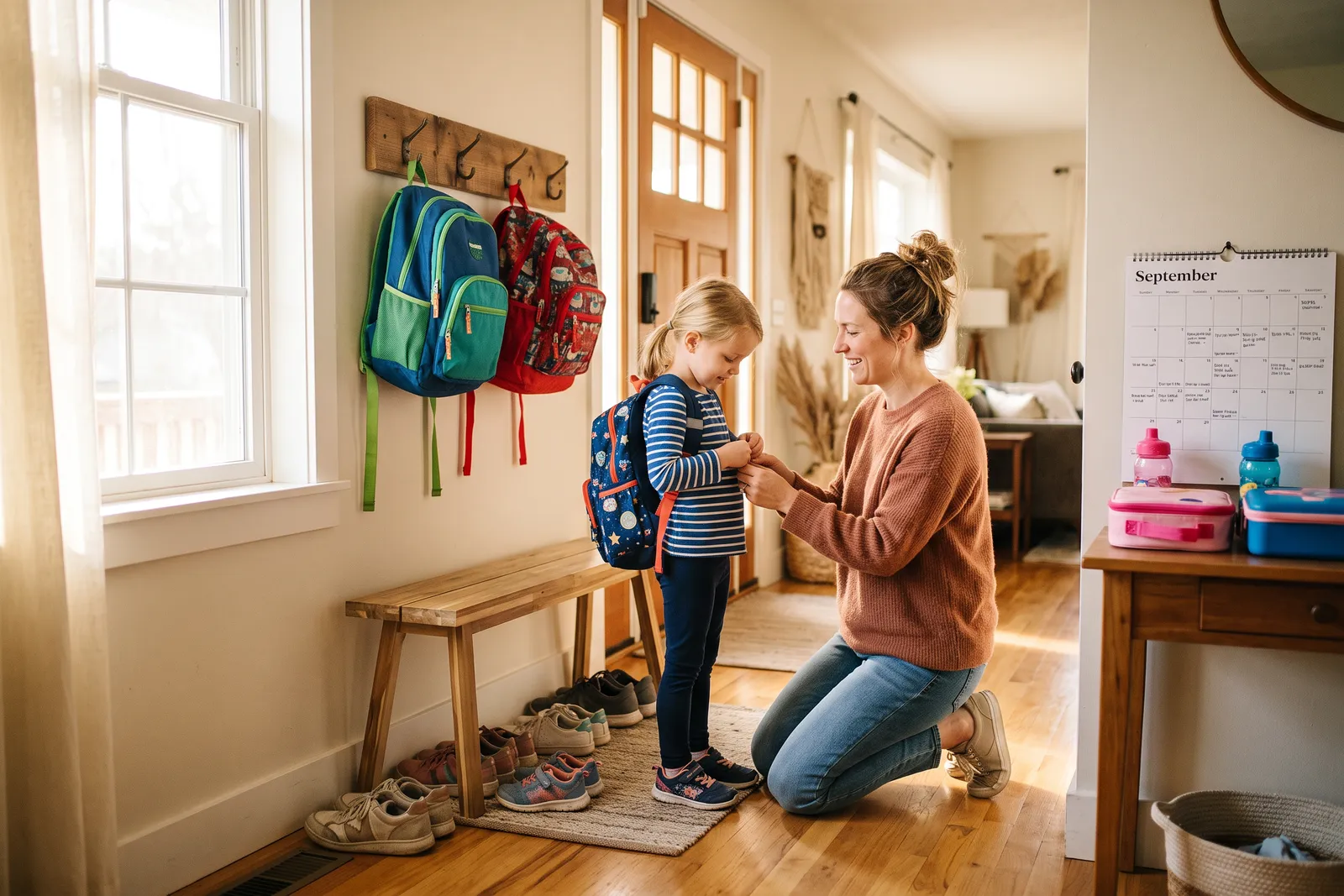
新学期リセット。家族の生活リズムを組み直す二週間
新学期の最初の二週間で、その学期の朝がどうなるかがほぼ決まります。毎年わが家がこの順番で行っているリセットと、多くの家庭が見落としがちな部分をまとめました。
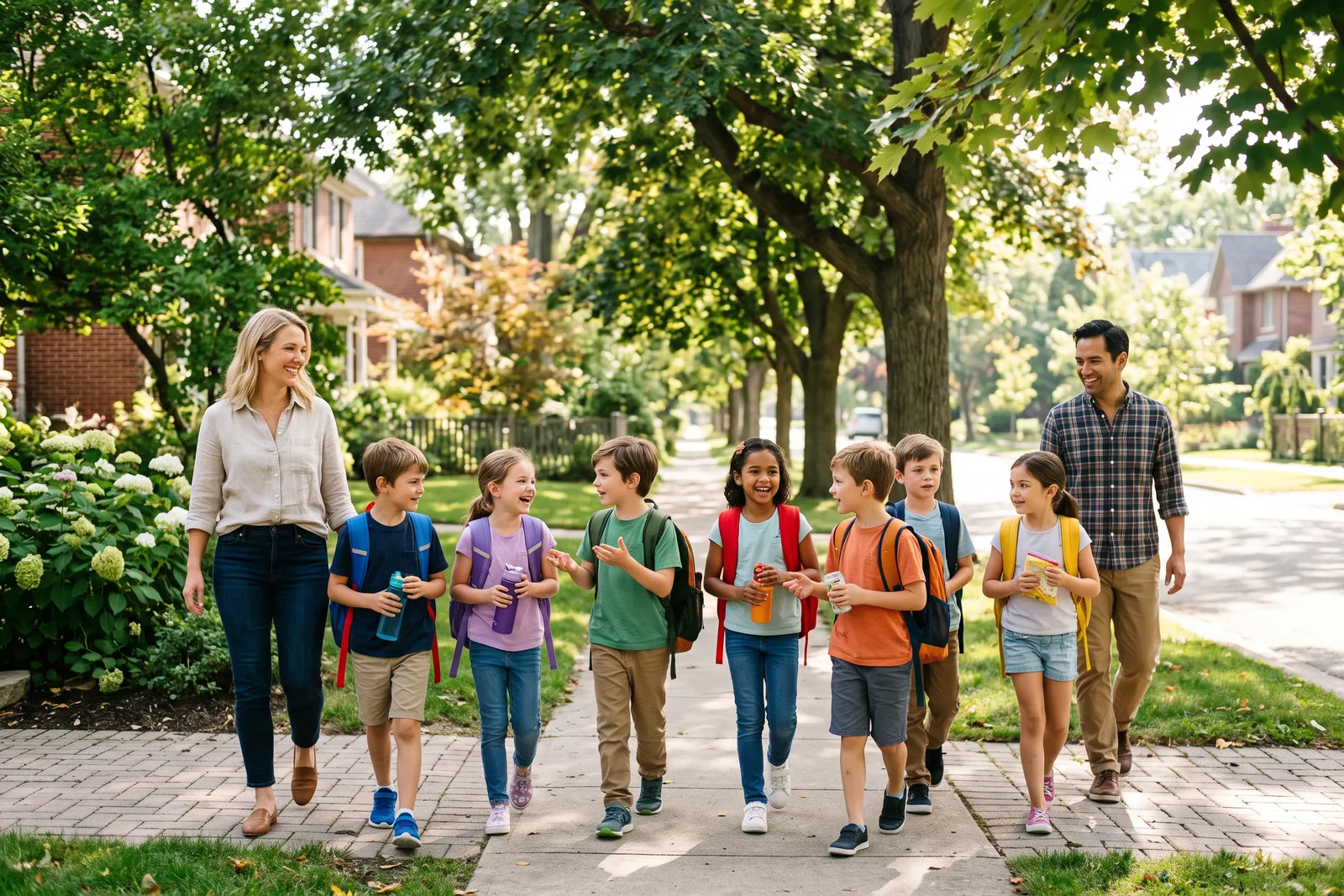
集団登校グループのつくり方と続け方
集団登校は、決まった経路と決まった集合場所、そして交代で付き添う大人で成り立ちます。秋を越えて続くグループのつくり方をまとめました。
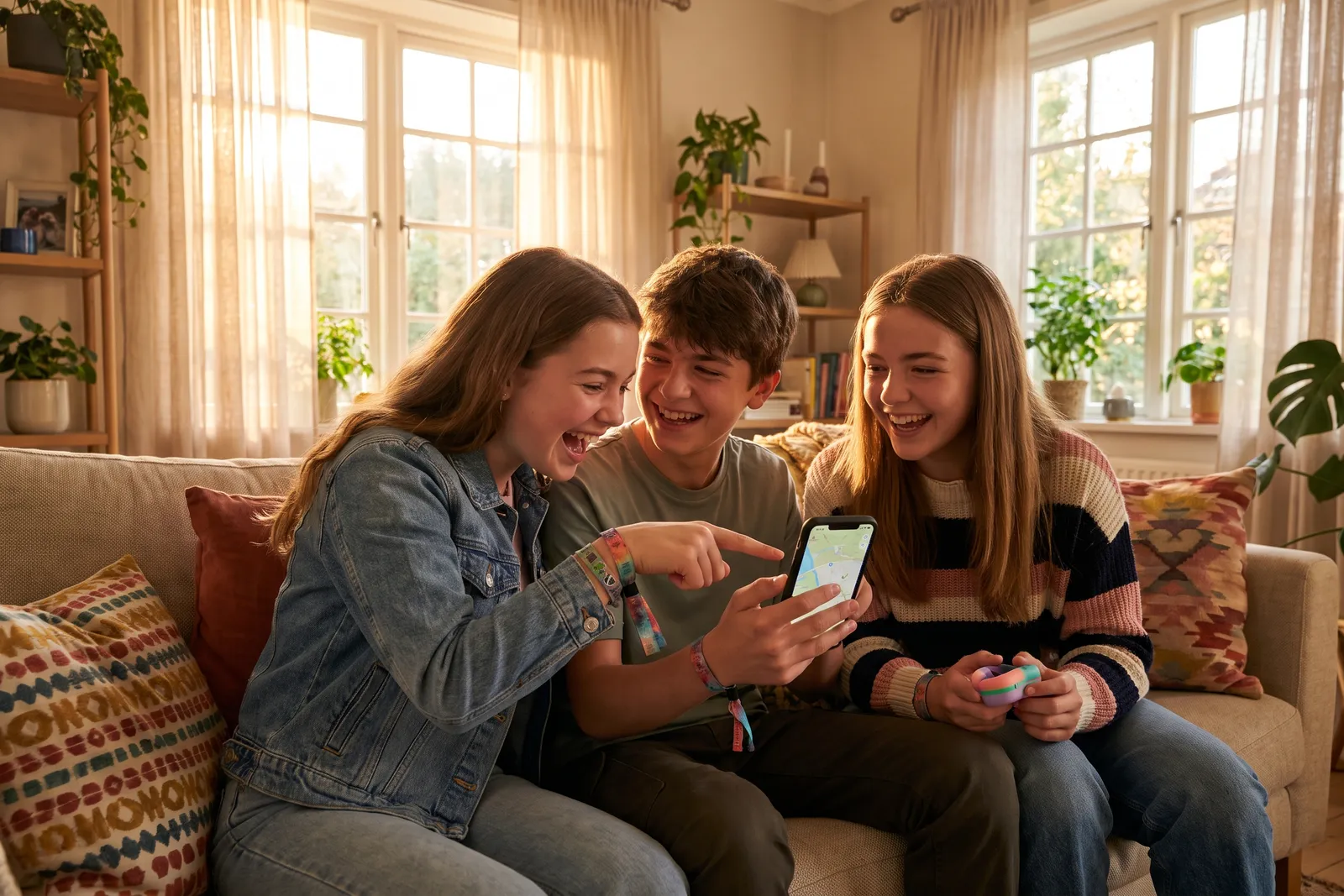
友だちだけで行く初めてのライブ、前の日までに決めておくこと
大きな会場、大人はいない、電池は40パーセント、そして一万人の人波。行く前に一緒に決めておく段取りと、次につながる翌日の振り返りをまとめました。
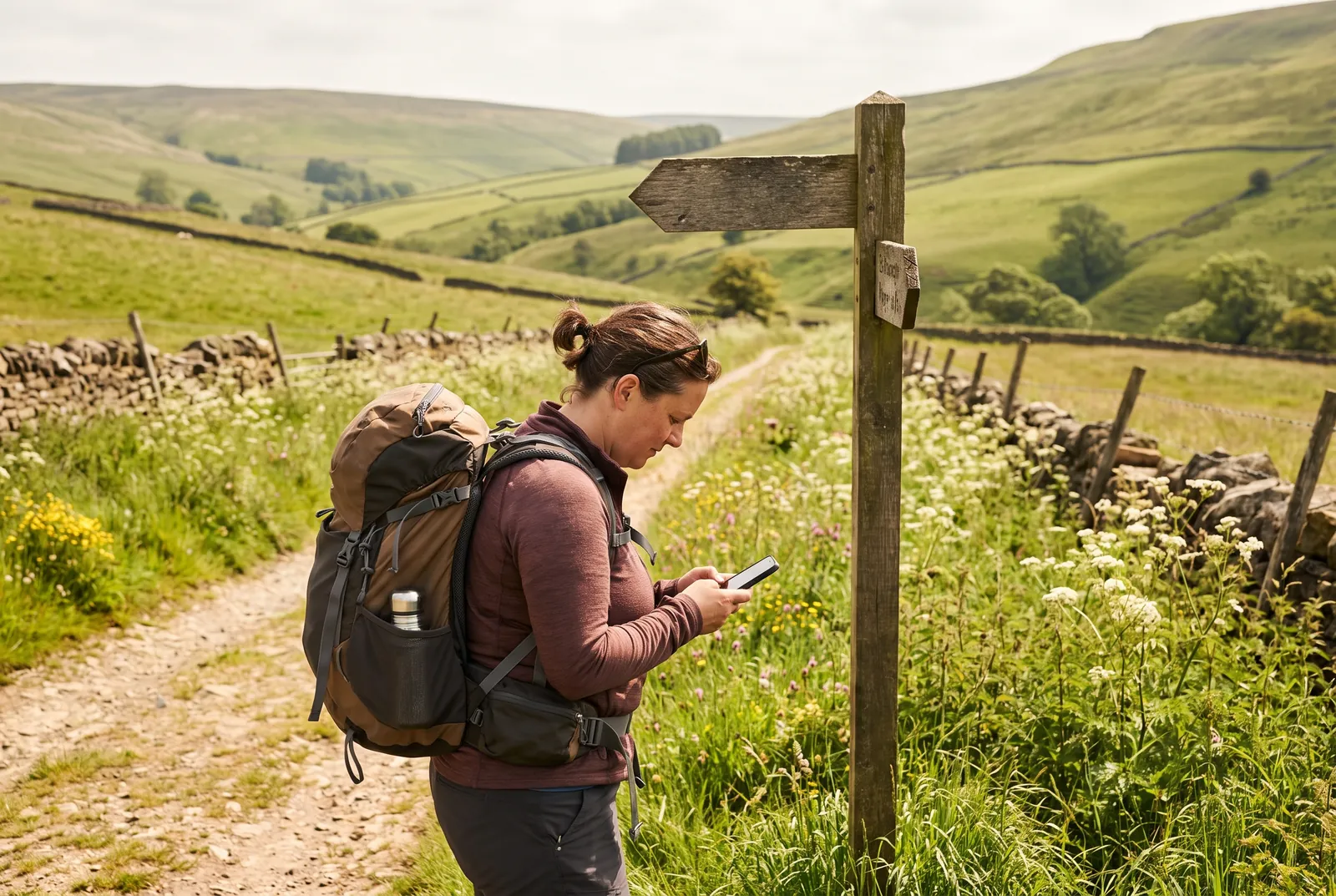
Wi-Fiがなくても位置情報は届くのか、地下鉄と山で起きていること
自分の位置を知ることと、それを人に伝えることは別の仕事です。片方はほぼどこでも働き、もう片方には通信が要ります。この違いを知っておくだけで、地図の点が止まって見える理由がわかります。
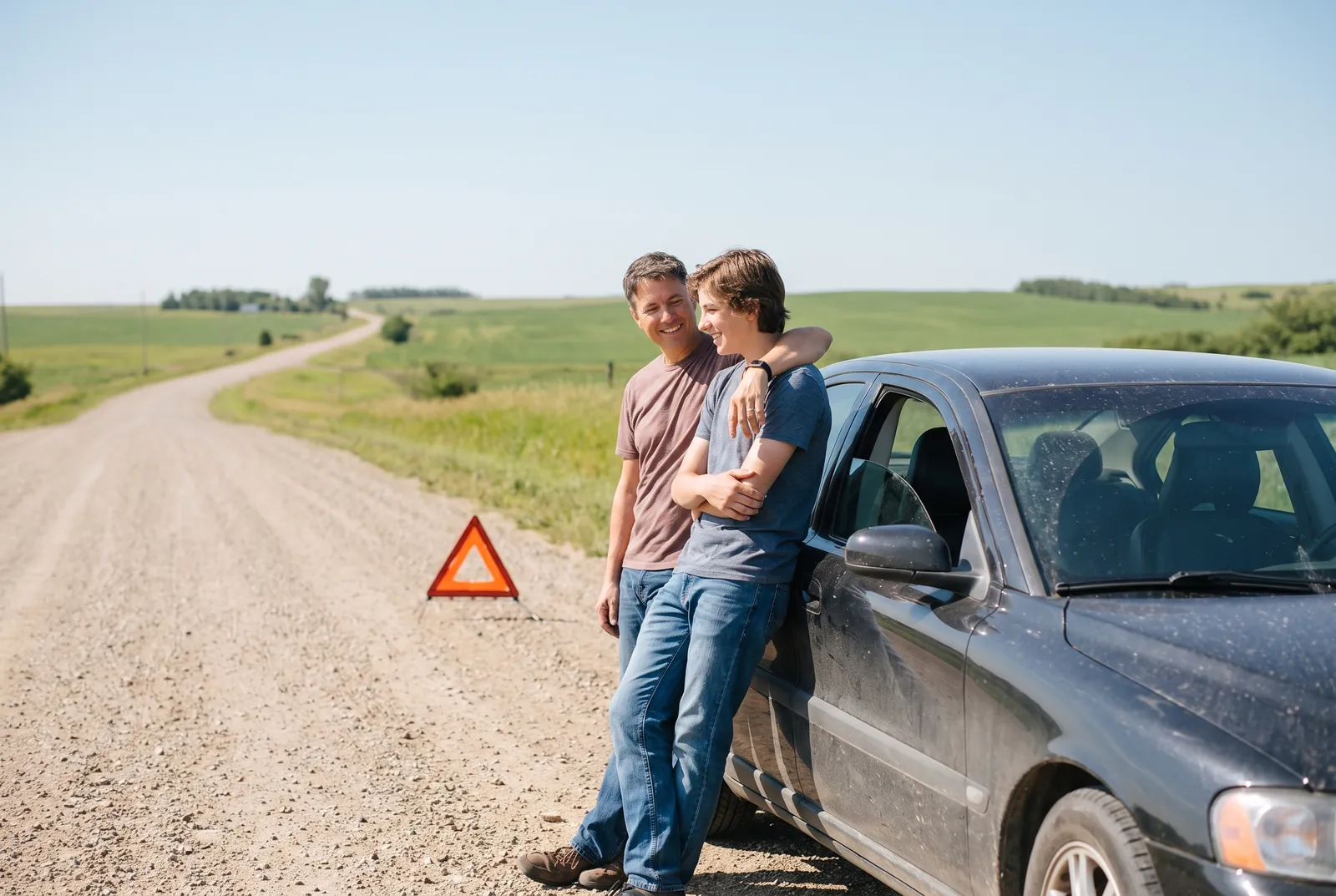
免許を取ったばかりの人のための、落ち着いた路肩トラブルの手順
路肩でのトラブルは、扱い方さえ間違わなければ緊急事態にはなりません。免許を取ったばかりの人が暗い路肩でも実際に思い出せる、短い手順をまとめました。
期間を区切った位置情報の共有、始め方と確実な止め方
常時の位置情報共有は関係についての判断です。期間を区切った共有はただの道具で、思っている以上に多くの場面で役に立ちます。ただし、止まったことを確認できる場合に限ります。
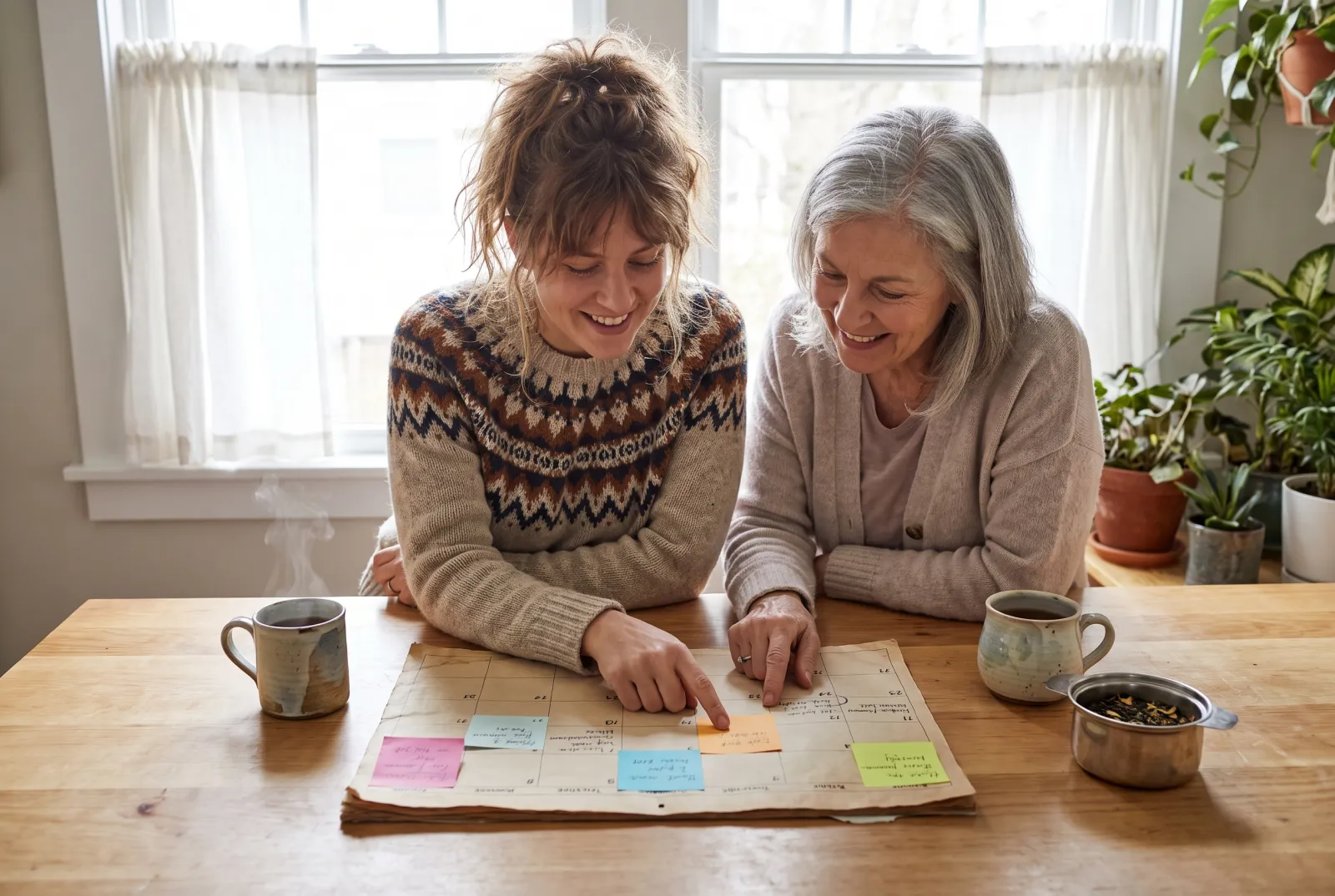
小さな物忘れに気づいた日、親をどう見守るか
薬の袋が花瓶に入っていた。同じ話を三度聞いた。それだけで何かが決まるわけではありませんが、見過ごしてよいわけでもありません。何も奪わずに支える方法です。
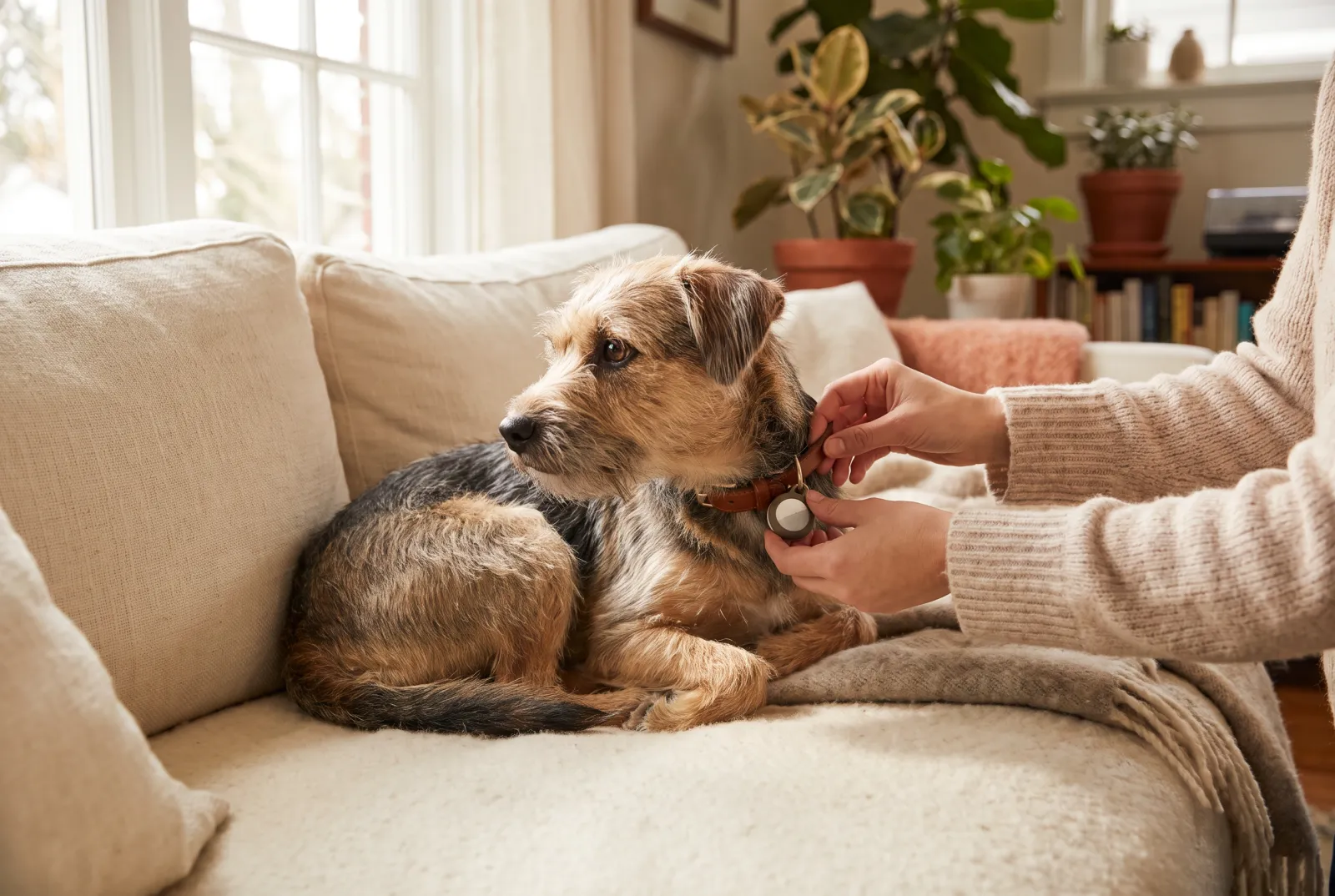
マイクロチップとGPSトラッカー、それぞれが実際にできること
片方は身元確認、もう片方は現在地の把握です。この二つを混同すると、真夜中に野原に立ち尽くして、動物病院から連絡が来るのをただ待つことになりかねません。
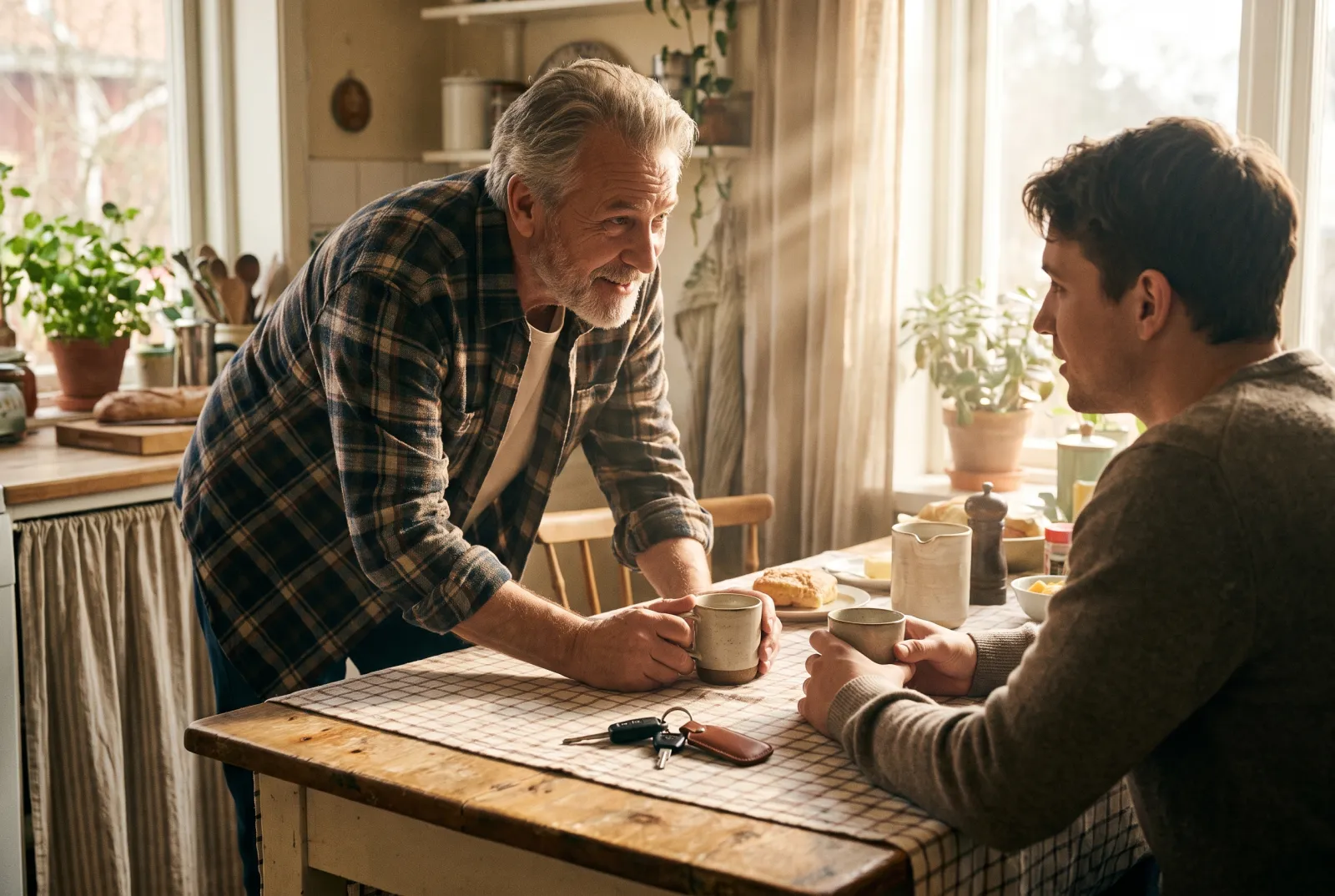
運転をやめる話、鍵を取り上げる前にできること
誰も鍵を取り上げる役にはなりたくありません。よい知らせは、鍵の話は実はほとんど最後の話だということです。そこにたどり着くまでには、もっと長く優しい道のりがあります。
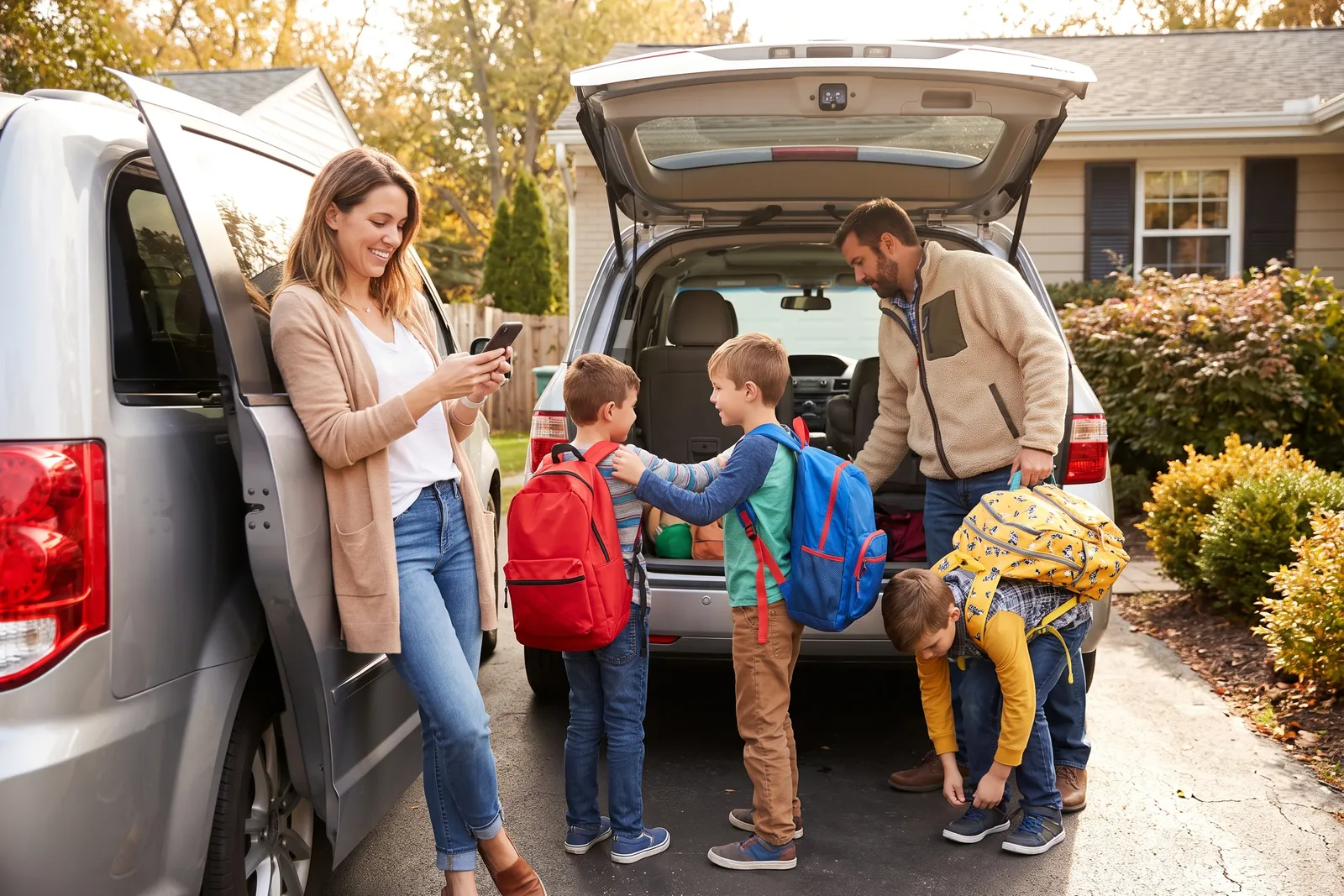
習い事とクラブの送迎を、他のご家庭と無理なく分け合う方法
日本では相乗りの習慣はあまり一般的ではありません。それでも、夜の習い事や遠征、雨の日の迎えなど、分け合えると助かる場面は確実にあります。その進め方をまとめました。
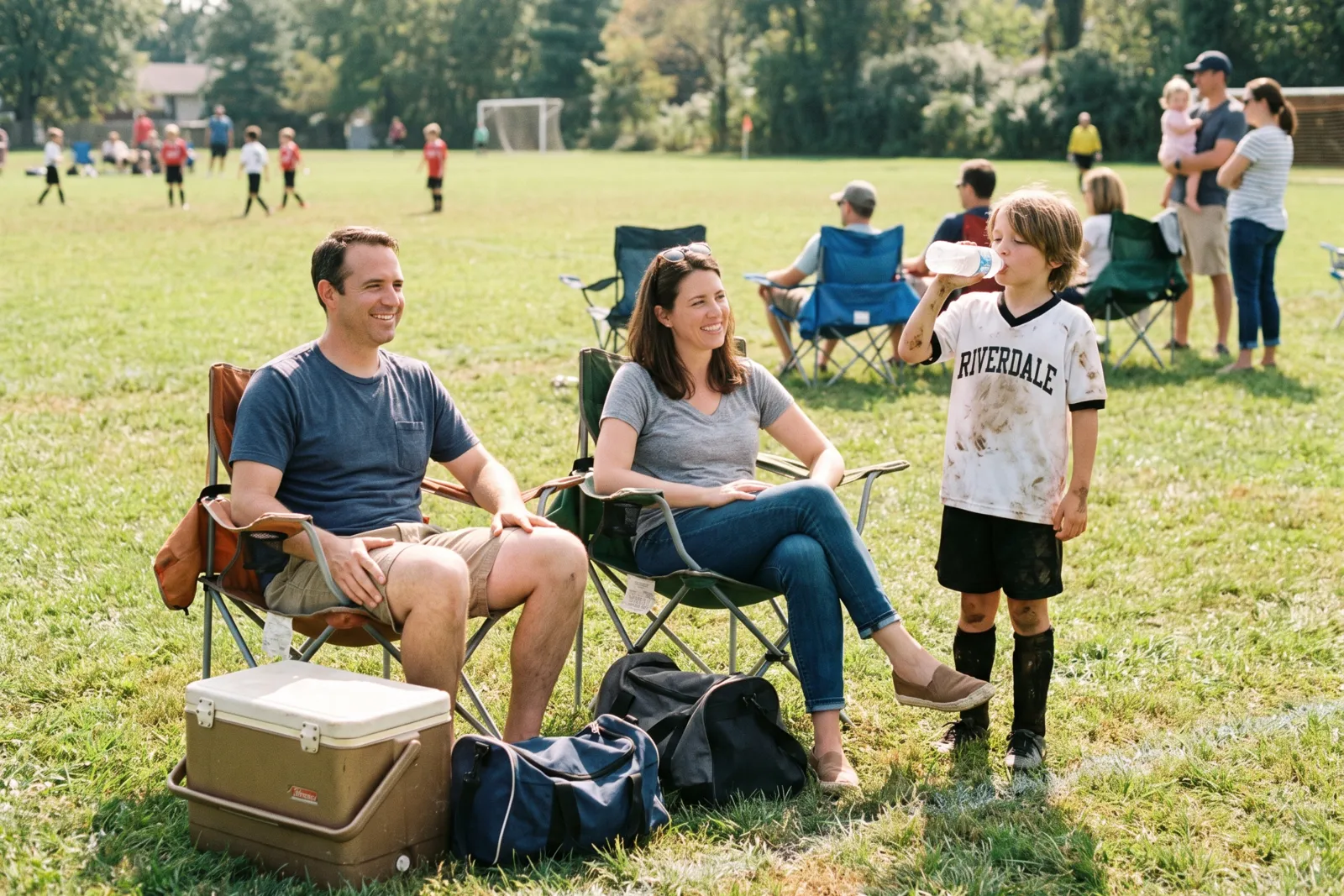
大会の日を穏やかに過ごすための、家族の段取り
同じユニフォームの子が何百人、コートはいくつも、売店はひとつ。一日がかりの大会を、耐える時間ではなく楽しめる時間に変える段取りをまとめました。
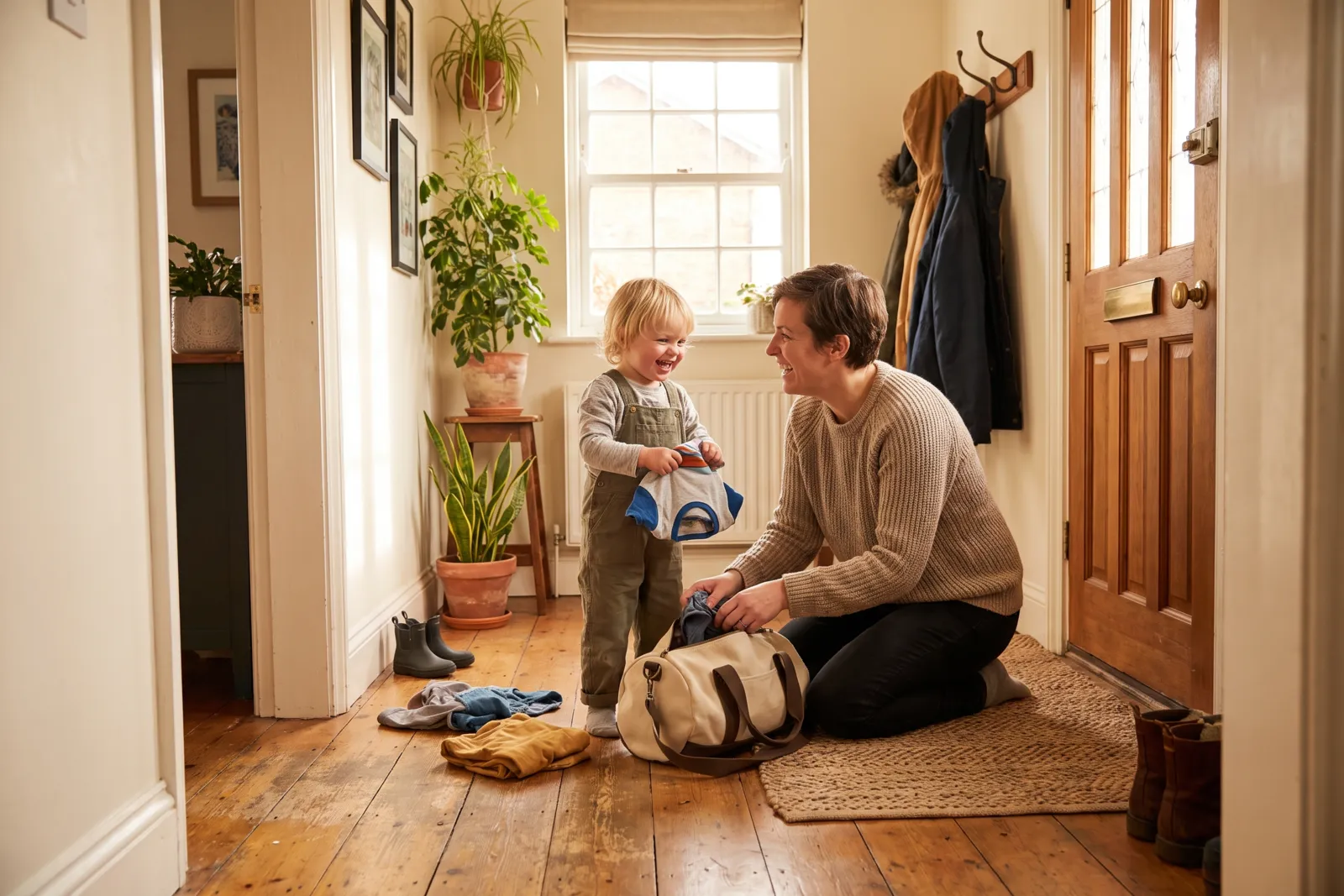
ふたつの家を行き来する子どもの、日々の整えかた
ふたつの家を行き来する子どもに必要なのは、完璧な仕組みではありません。見通しの立つ仕組みと、両方の家にある充電器です。
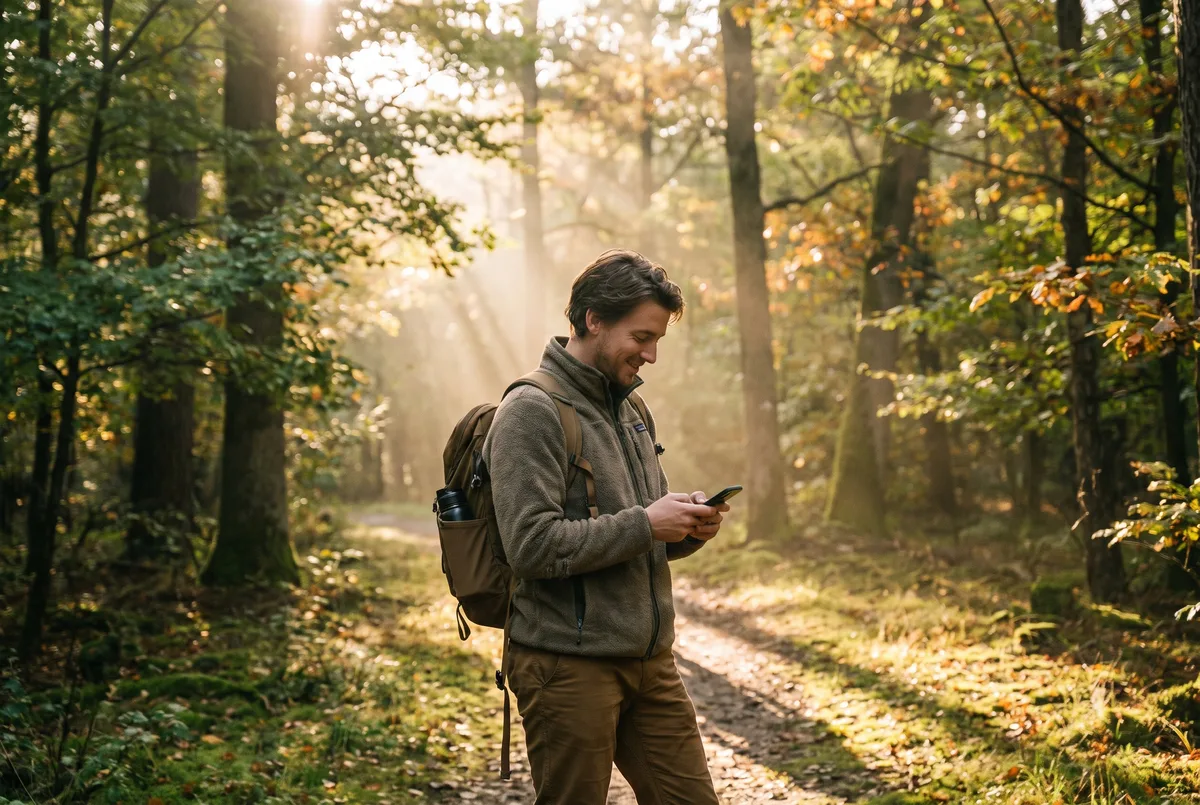
スマホの緊急SOS、できることとできないこと
緊急SOSは、誰も使いたくないけれど誰もが知っておくべき数少ない機能です。実際に何をしてくれるのか、静かに何ができないのか、そしてなぜそれが計画の代わりではなく最後の一枚であるのかを整理します。
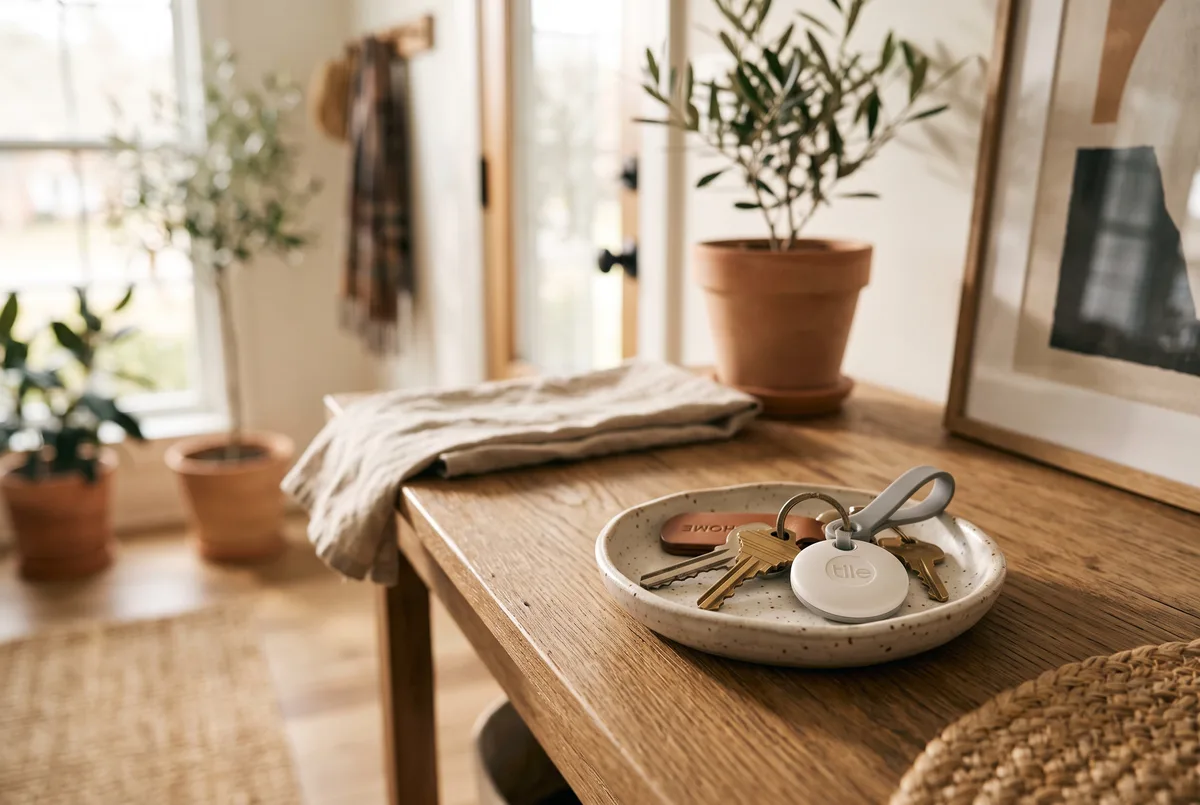
BluetoothタグとGPSトラッカー、探し方の違い
通販の写真ではほとんど同じに見える二つの機器ですが、仕組みはまったく別物です。仕組みを一文で説明できるようになると、買い間違いはなくなります。
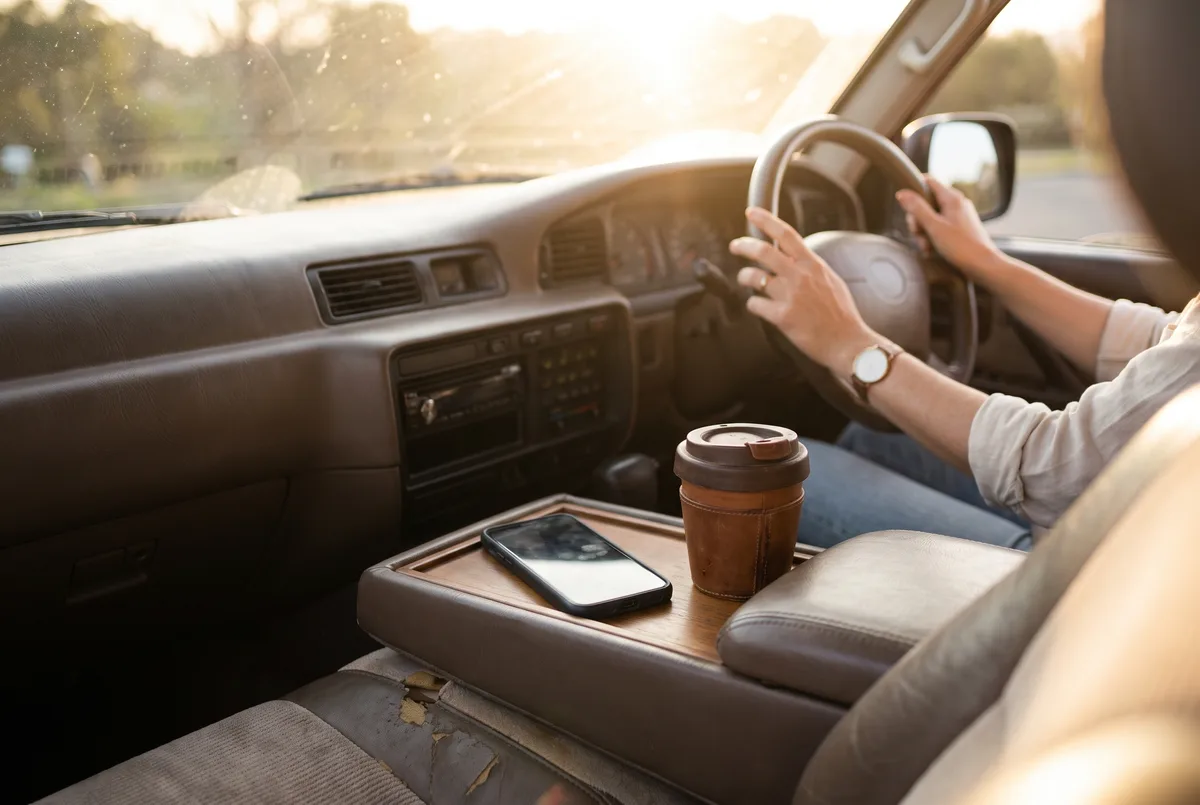
運転中のスマホ、家族で決める短いルール
運転中のスマホが危ないことは、どの家庭でも分かっています。足りないのは知識ではなく、火曜の午後に信号待ちで通知が鳴ったときにも守れる、短くて繰り返せるルールです。

実家の親にはどのくらい電話すればよいのか
誰もが数字を求めます。週に二回、毎晩、日曜の六時。正直に言えば、回数より大切なのはリズムであり、リズムより大切なのは、話しながら何に気づけるかです。
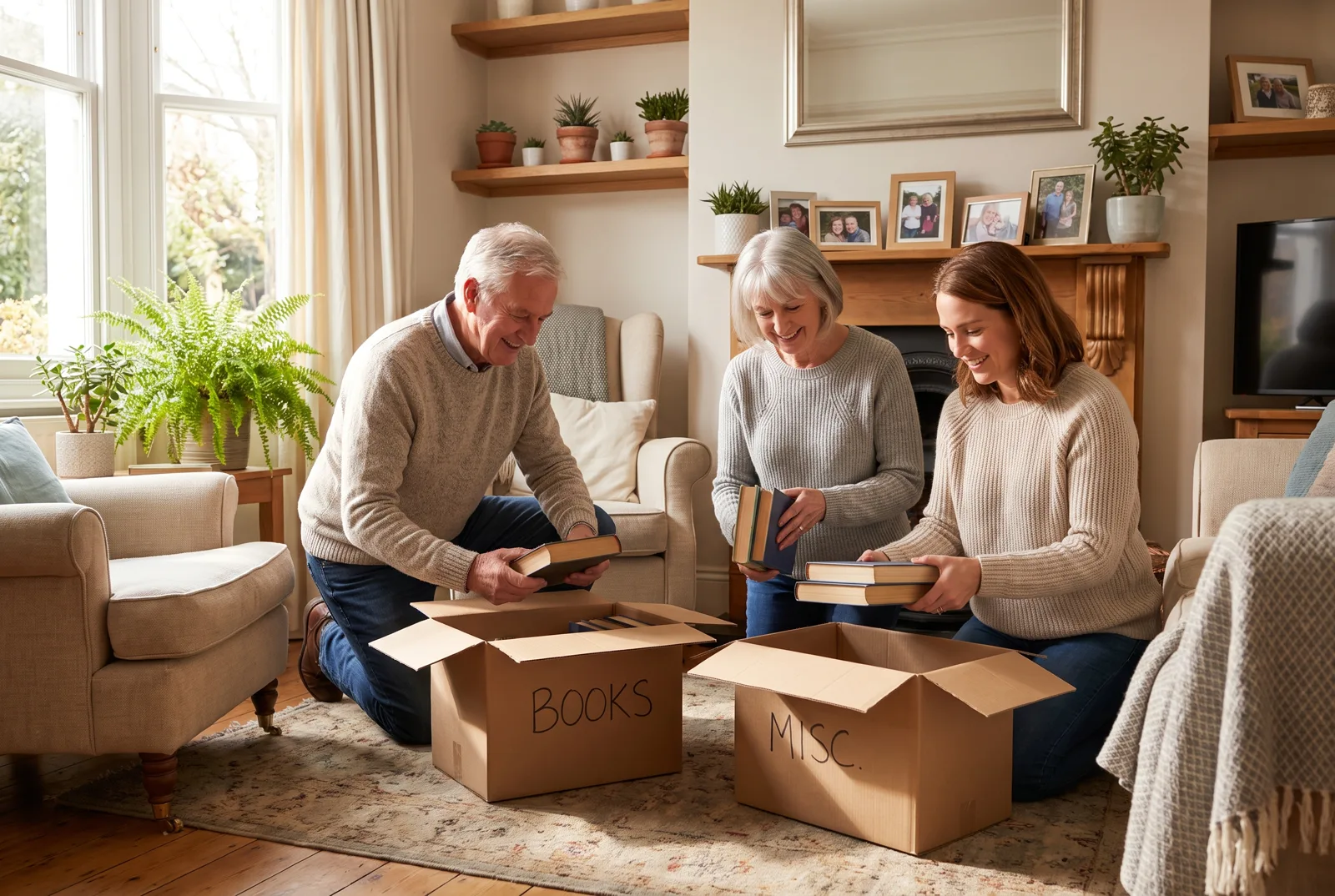
実家の片づけと住み替えを手伝うときに
段ボールは簡単なほうです。難しいのは、ひとつひとつの品物が、その人がどんな人であったかを決め直す作業になることです。そこへ子どもは、たいてい心の準備ではなく予定表を持って現れます。
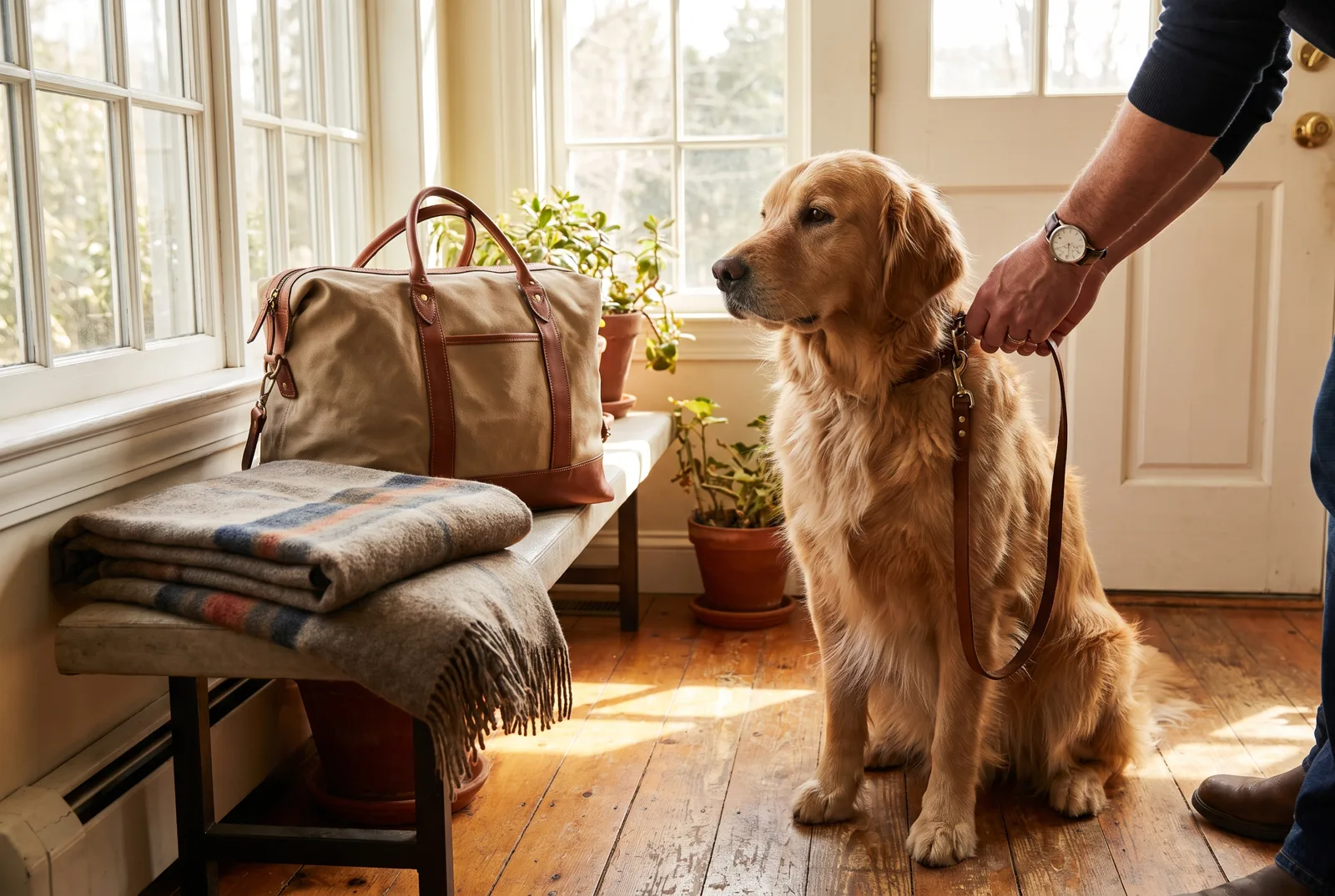
ペットホテルとペットシッター、うちの犬に合うのはどちらか
正解は、料金や口コミよりも、目の前にいる犬によって決まります。にぎやかな場所で生き生きする犬もいれば、自分のソファと自分のにおい、そして何も変わらないことを必要とする犬もいます。
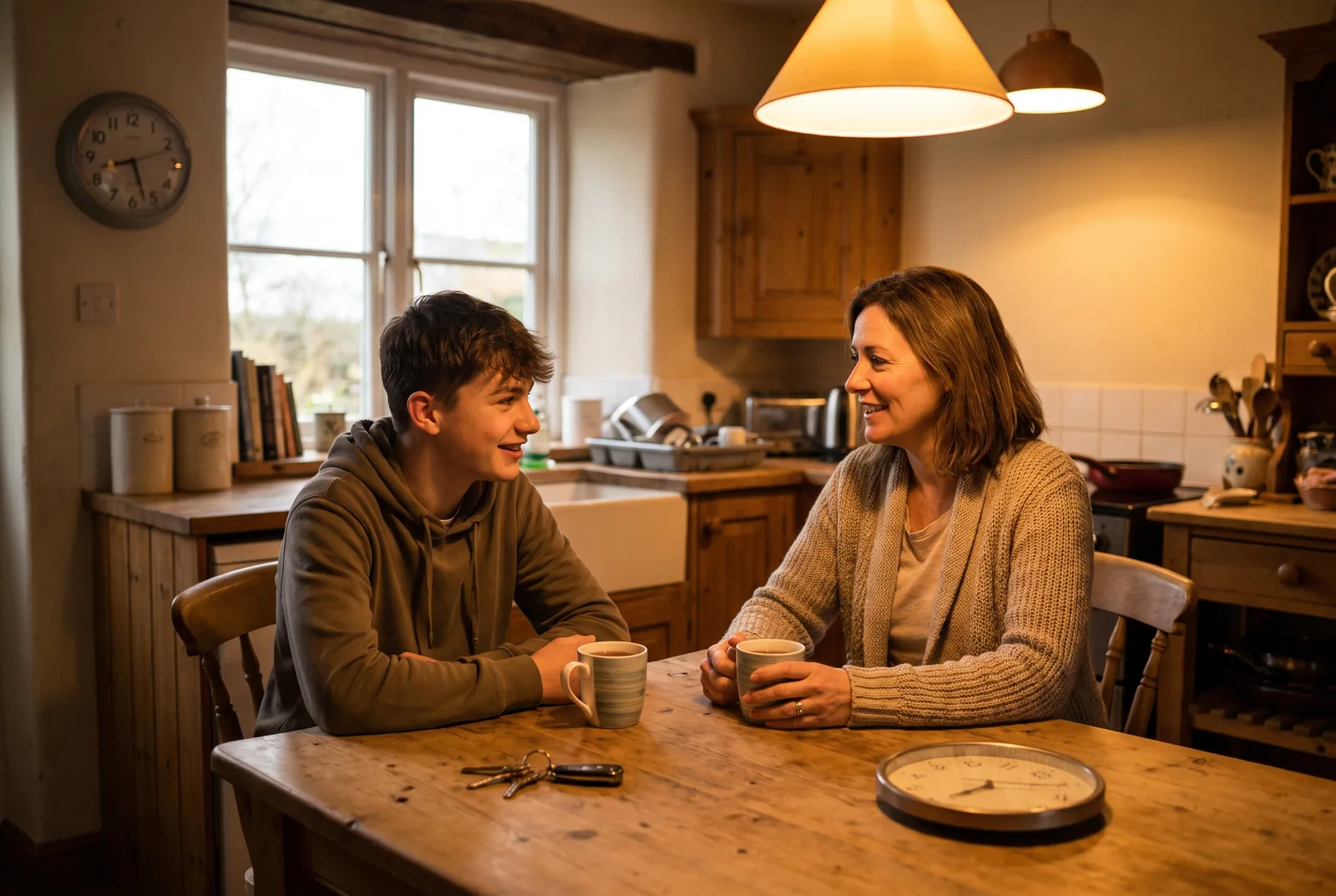
中高生の門限、けんかにならない決め方
毎週金曜に蒸し返される門限は、もはや門限ではなく、負け続ける交渉です。一緒に決めて、書き留めて、信頼が育つにつれて少しずつ広げていく方法をまとめました。
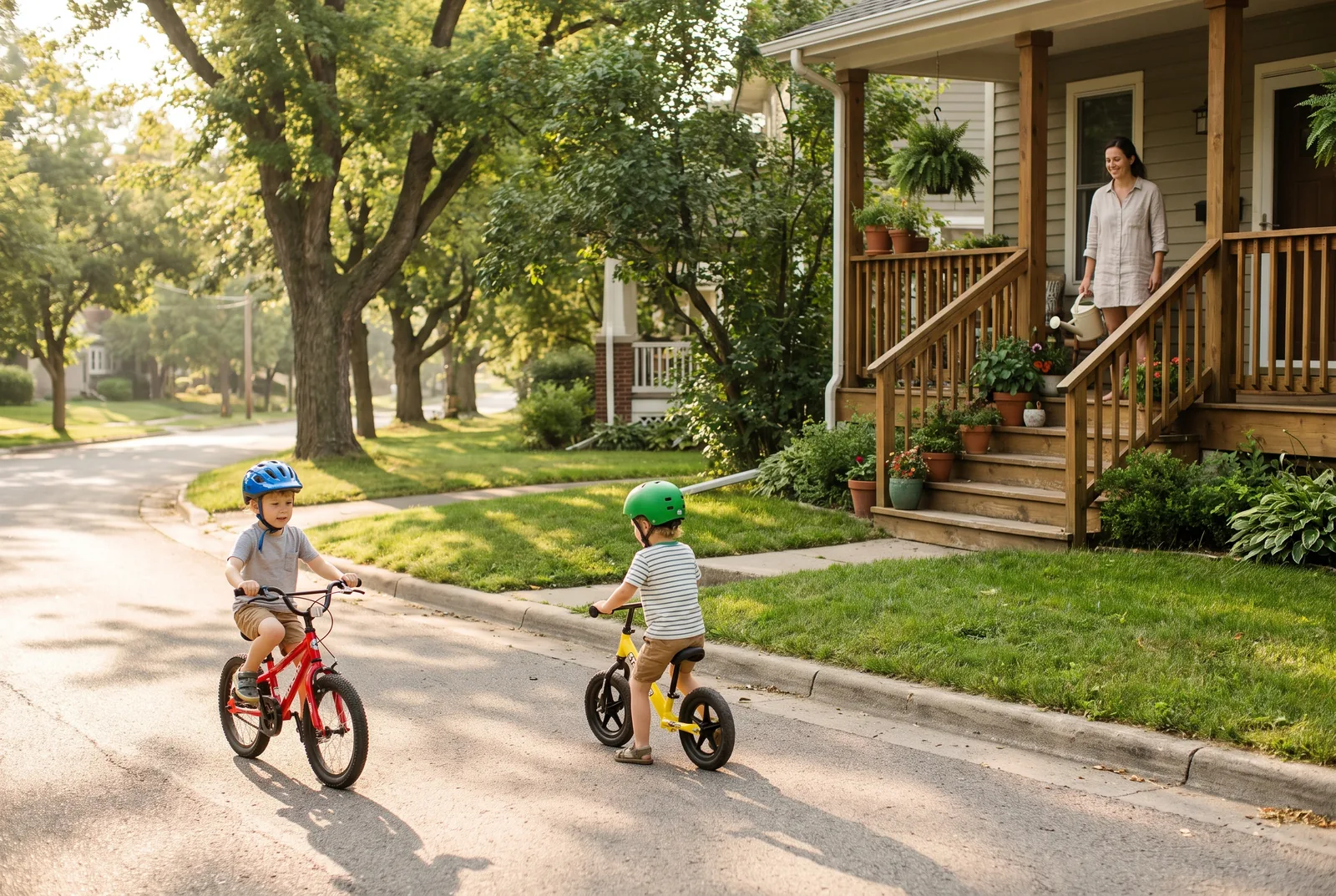
子どもが一人で行ける範囲、どこまで広げるか
本当の問いは「どこまで」ではありません。「どの道を」「どんな連絡と一緒に」「最初の範囲がうまくいったあと、どう広げるか」です。
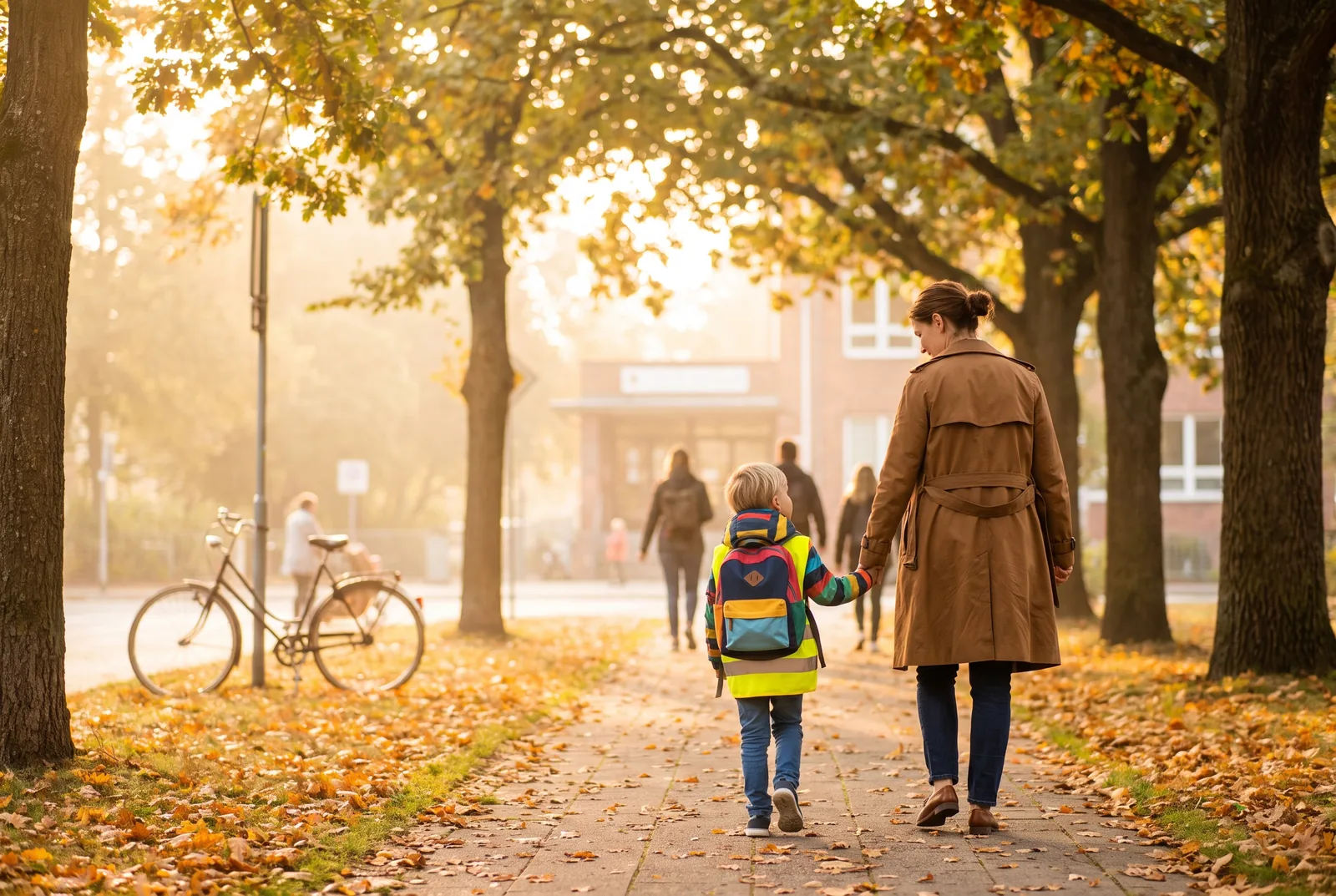
冬の暗い朝、子どもの登校をどう整えるか
何百回も歩いた通学路も、日が短くなる季節には表情を変えます。装備、道の下見、時間の調整、そして毎朝の確認の連絡をなくしてくれる通知を、季節ごとに整え直す方法です。
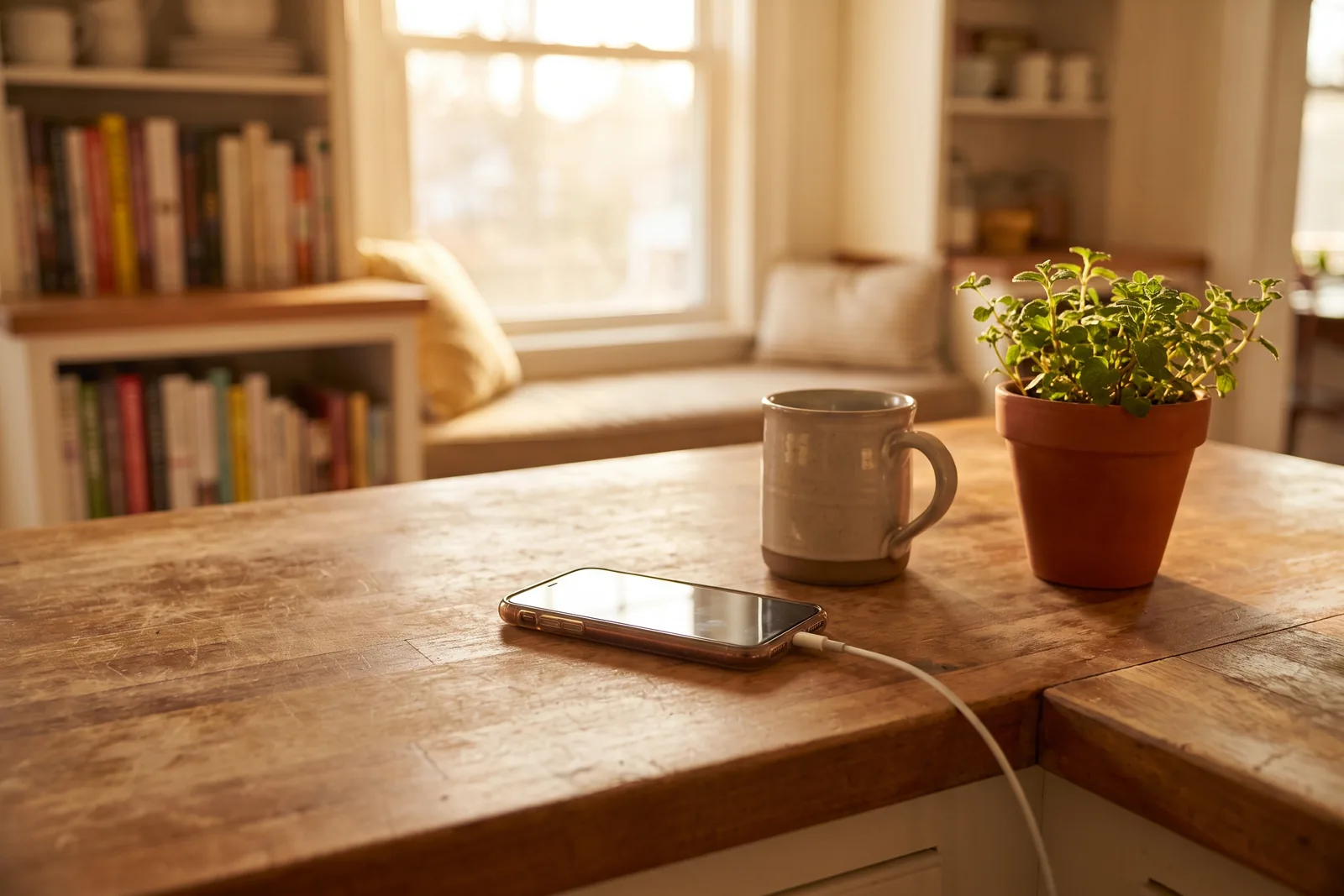
低電力モードは位置情報の共有に影響しますか
省電力モードが位置情報の共有そのものを止めることはほとんどありません。更新が遅くなるだけですが、家族の地図の上ではほぼ同じに見えるため、必要以上に心配されがちです。
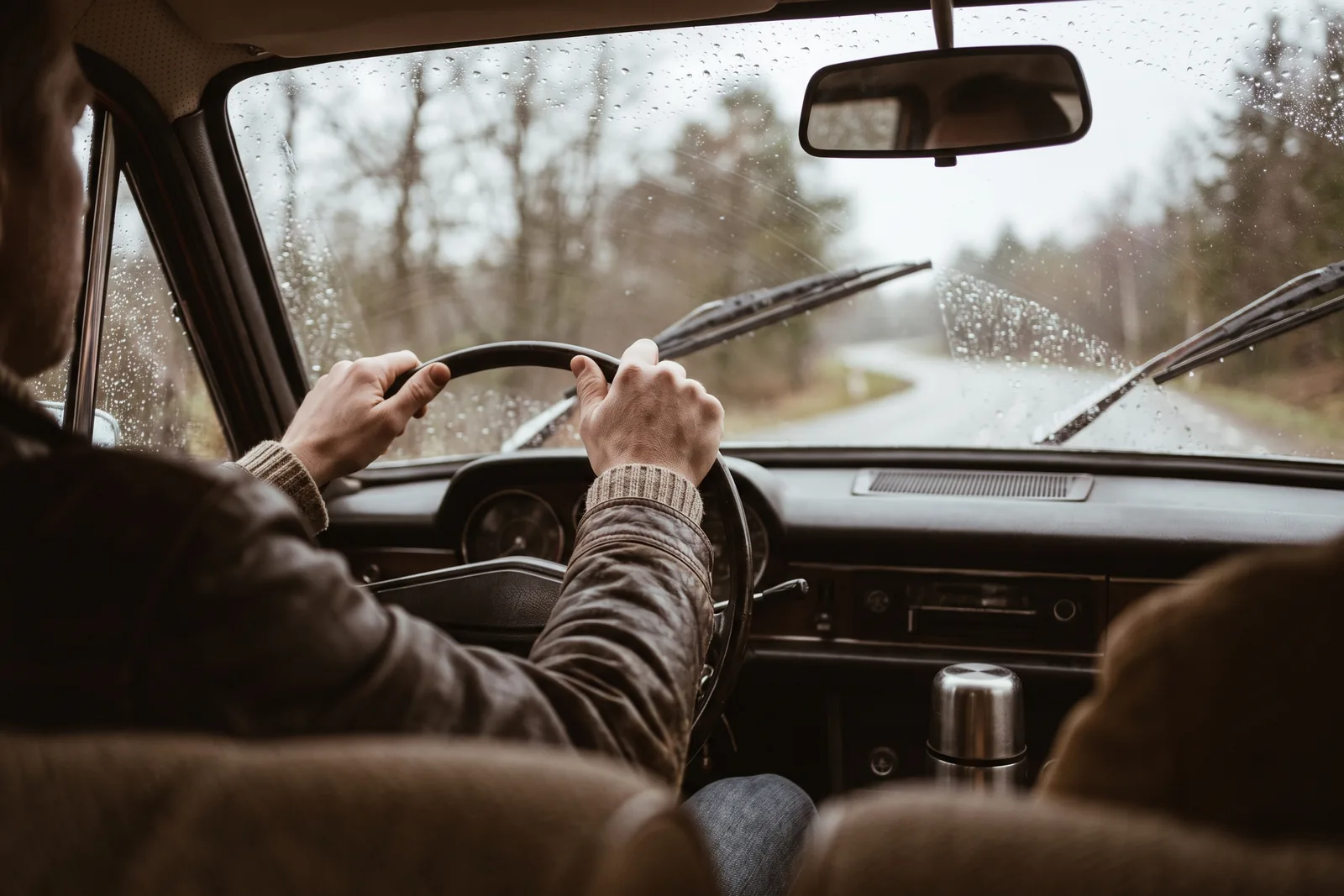
悪天候での若いドライバーの運転、家族で決めておく計画
運転を始めたばかりの人に足りないのは技術よりも、少しうまくいかない状況の経験です。悪天候はその差がいちばん早く表れる場面で、意図的に備えられる数少ない場面でもあります。

不安を招かずに位置情報の共有を一時停止する方法
位置情報の共有を一時停止する理由はいくらでもあります。困りごとになるのは一時停止そのものではなく、その周りの沈黙です。そこは十分に直せます。
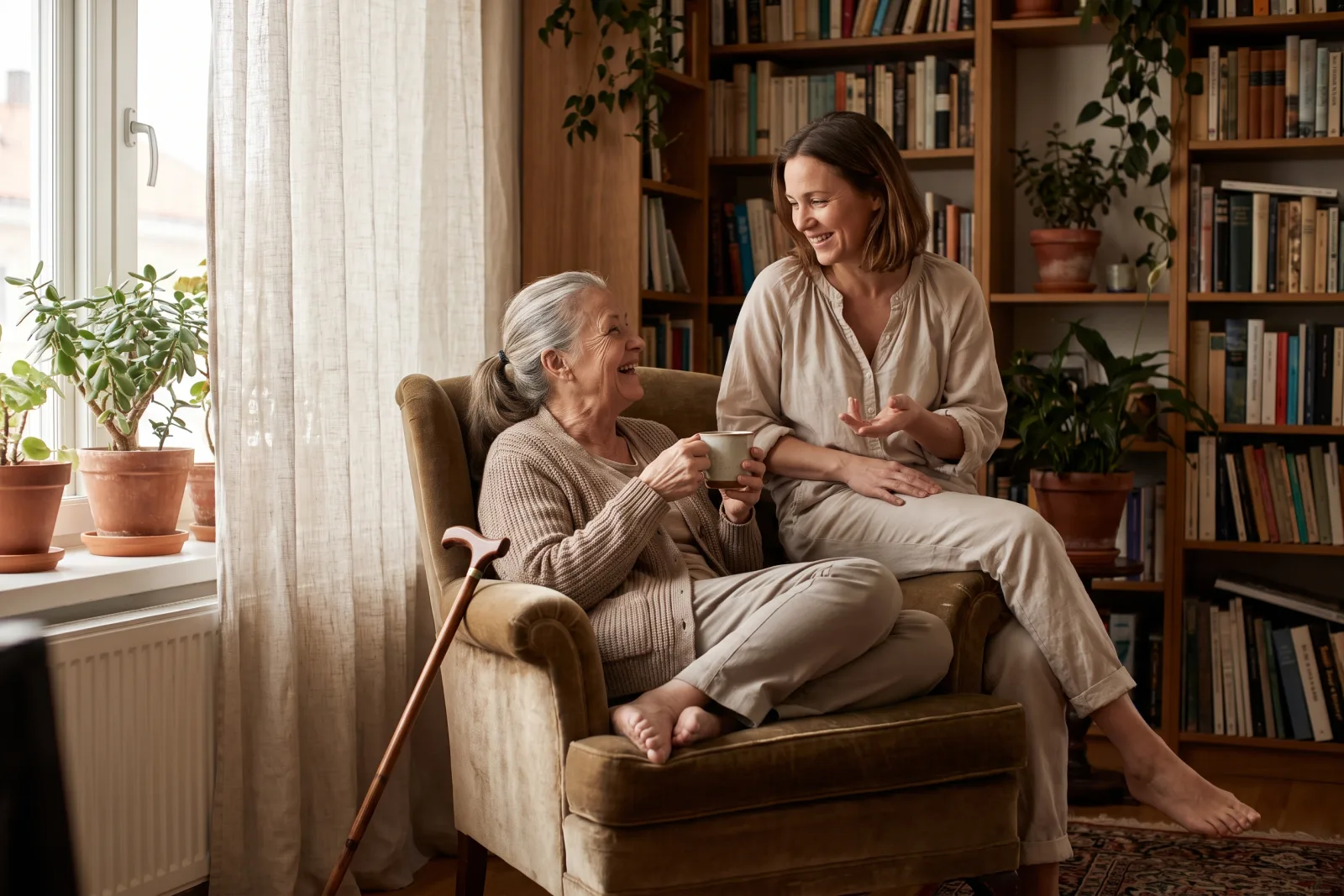
転倒のあと、親が自信を取り戻すまでに家族ができること
あざは二週間で消えます。こわさは一年かけて静かに暮らしを削ります。大きなけがではない転倒のあと、家族に何が求められるのか。手を出しすぎずに支える方法をまとめました。

親の家に人の手を入れる、うしろめたさを置いて
親の家に外の人を入れるのは、何かを認めることのように感じられます。実際はたいてい逆です。それこそが、親がその家に何年も長く住み続けられる理由になります。

家族のペットが亡くなったとき、子どもにどう寄り添うか
多くの子どもにとって、犬や猫の死は、間近で経験する最初の死になります。最初の一週間に伝えた言葉と、そこで許された気持ちは、驚くほど長く残ります。
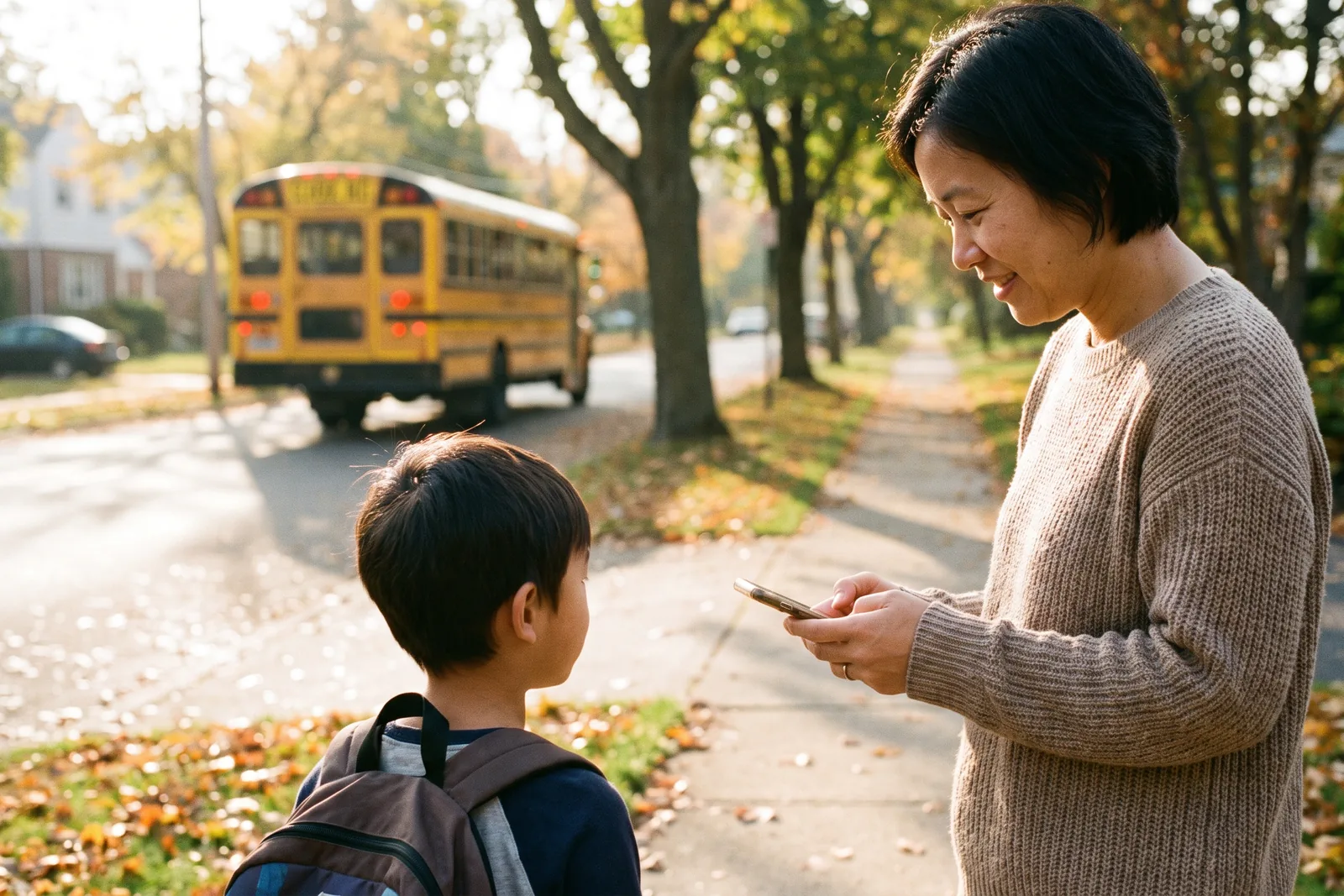
通学路でバスや電車に乗り遅れたとき、家族でどう動くか
乗り遅れは緊急事態ではありませんが、朝八時五分にはそう感じられます。ここでは、悪い一日ではなく五分で終わる出来事に変えるための、家族の段取りをご紹介します。
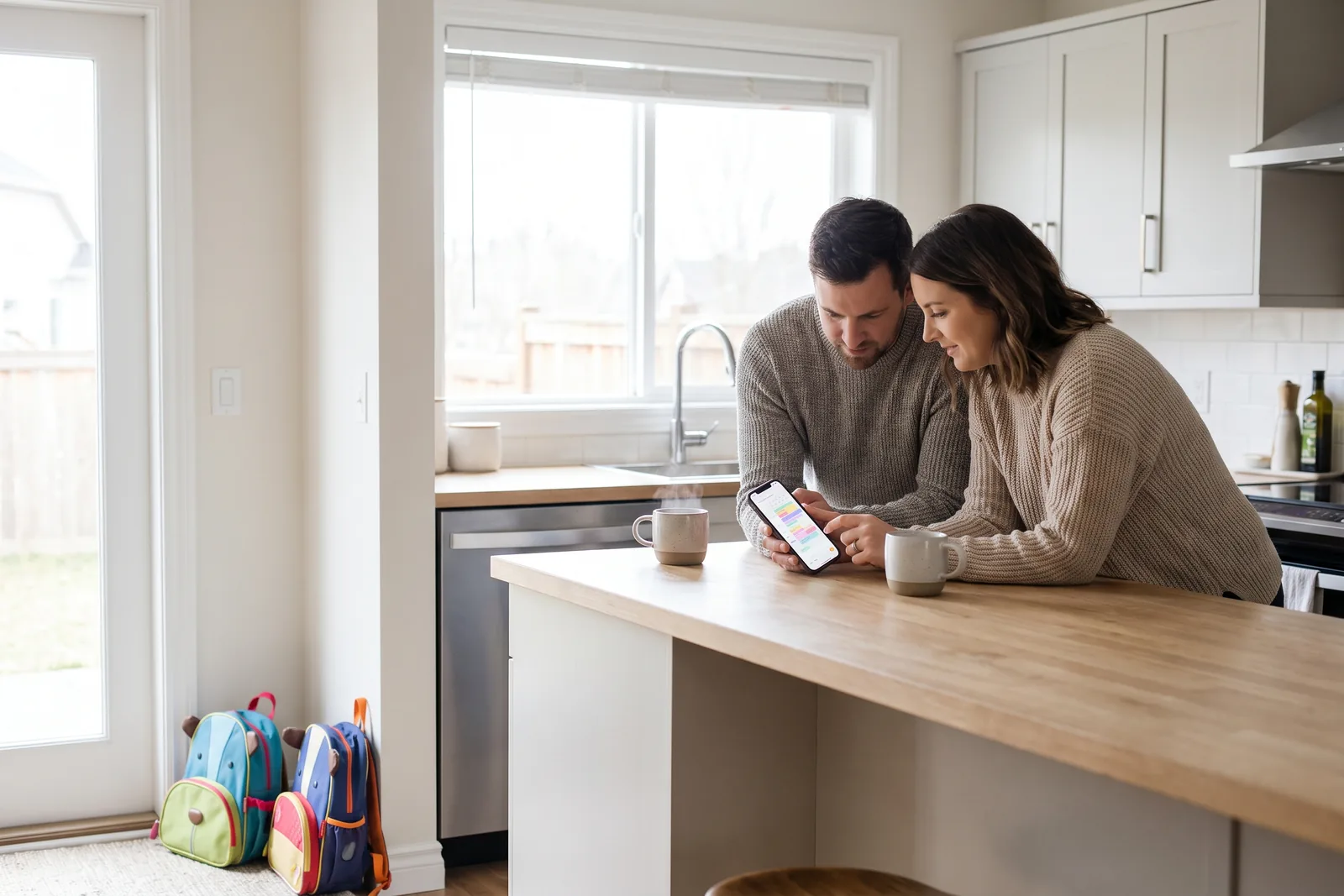
共働き家庭の放課後、お迎えをどう決めておくか
お迎えの慌ただしさは、時間の問題であることはあまりありません。同じ予定が二人の頭の中に別々にあることが原因です。それを頭から出して、一か所に置く方法です。
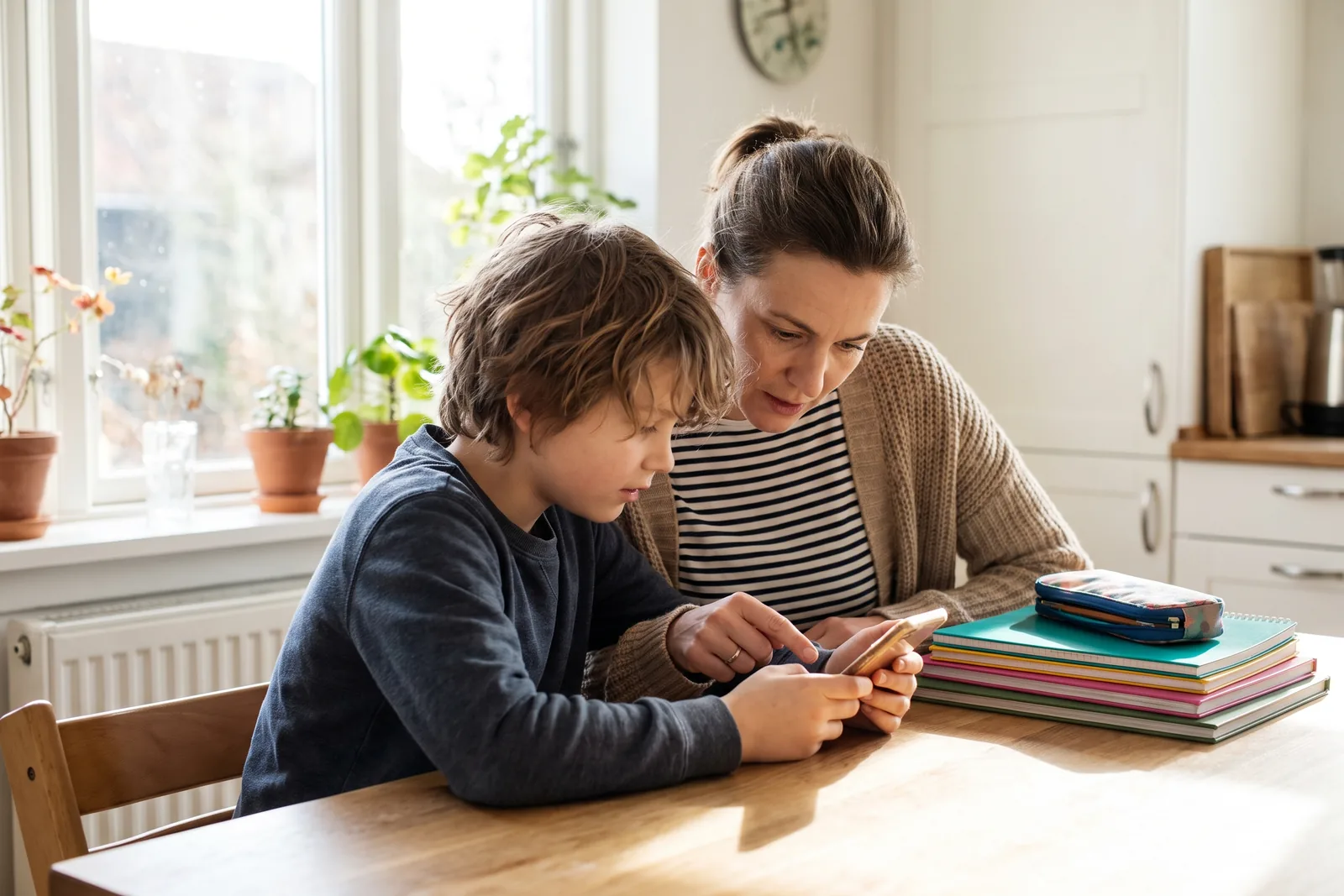
新学期に向けて、子どものスマホを一緒に設定する
学期の初めに一時間かけて子どものスマホを整えると、一学期分の言い合いがなくなります。順番どおりの手順と、そこに添える会話をまとめました。
位置情報の履歴は誰に見えるのか、落ち着いて整理する
位置情報の共有で最も気になり、最も誤解されているのが履歴です。何が保存され、誰に見え、どんな取り決めを先にしておくべきかを整理します。

知らないうちにスマホの位置を追われることはあるのか
こっそり追跡するには実際に何が必要なのか、自分の端末を十分で点検する方法、そして同意を前提にした共有がまったく別のものである理由を、落ち着いて整理します。
運転中の家族に連絡せずに、到着を知る方法
もうすぐ着くという確認の連絡は、もうすぐ着くかを知るいちばん危ない方法です。運転している人にまったく触れずに答えを得る仕組みをご紹介します。
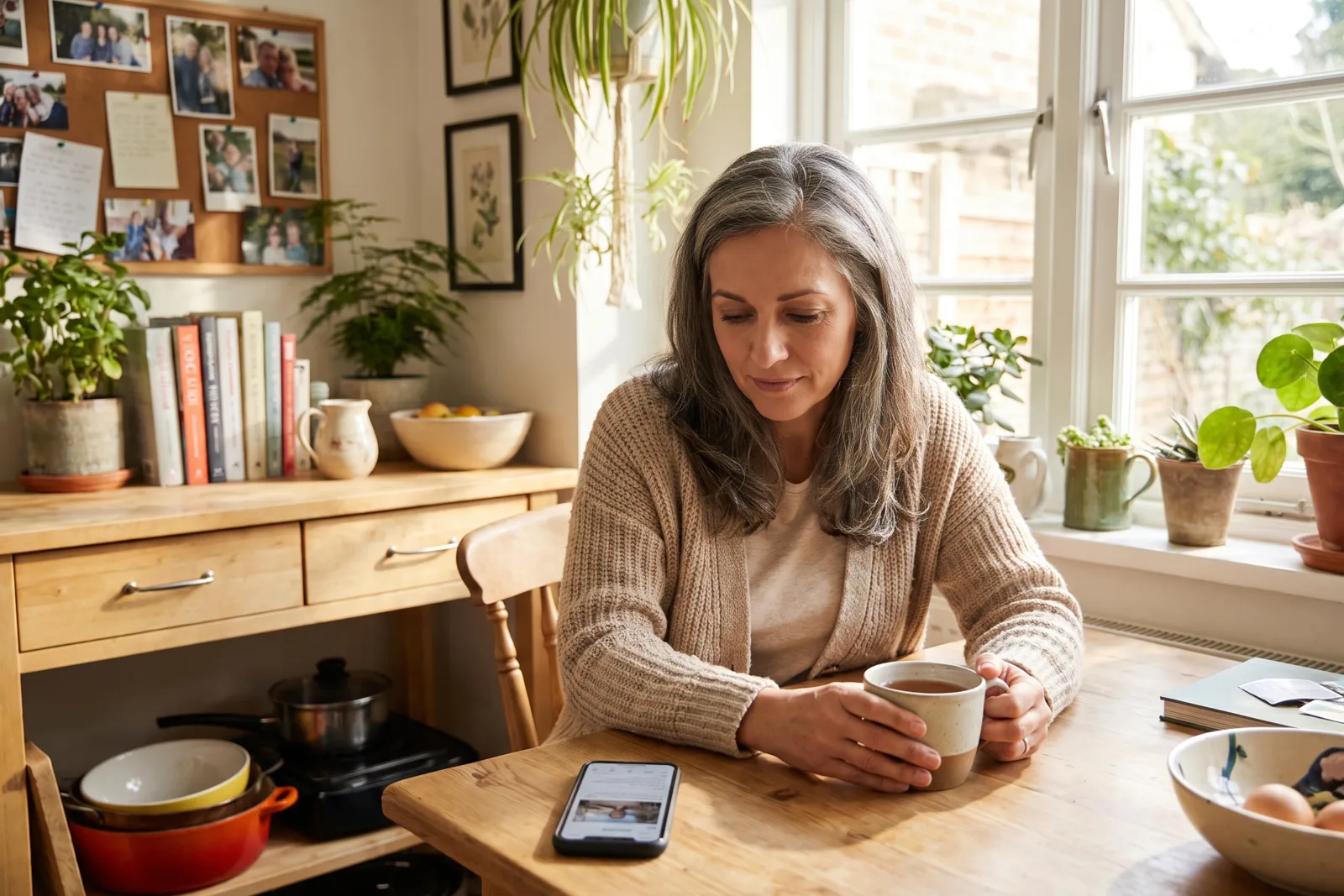
親が電話に出ないとき、落ち着いて進めるための手順
十回のうち九回は庭にいただけです。残りの一回があるから手が震えます。落ち着いているうちに決めておきたい段取りをまとめました。
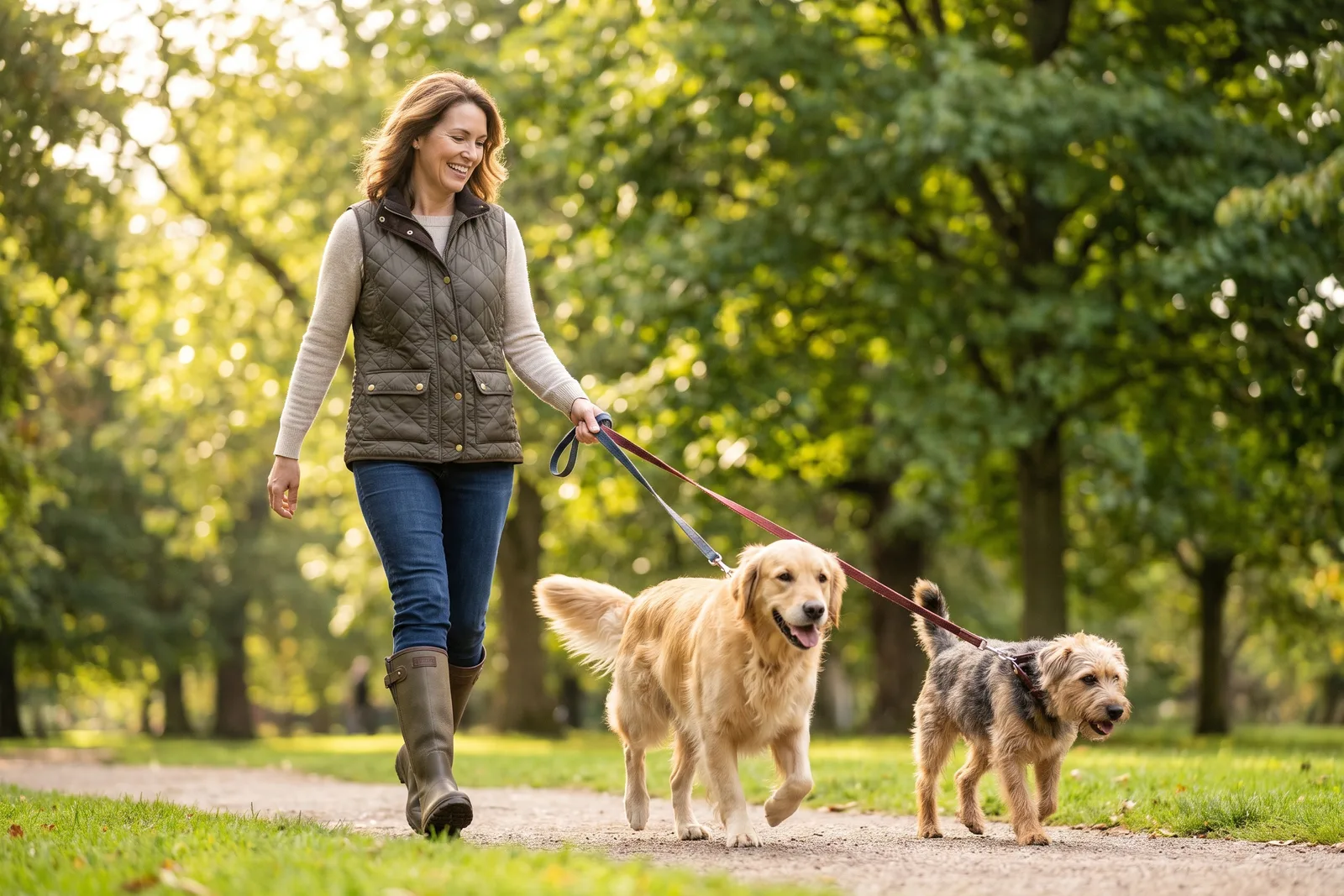
家族全員が安心できる散歩代行の選び方
ほとんど知らない相手に、自宅の鍵と、その日の出来事を話せない家族を預けます。この信頼は勘ではなく、いくつかの具体的な質問から生まれます。
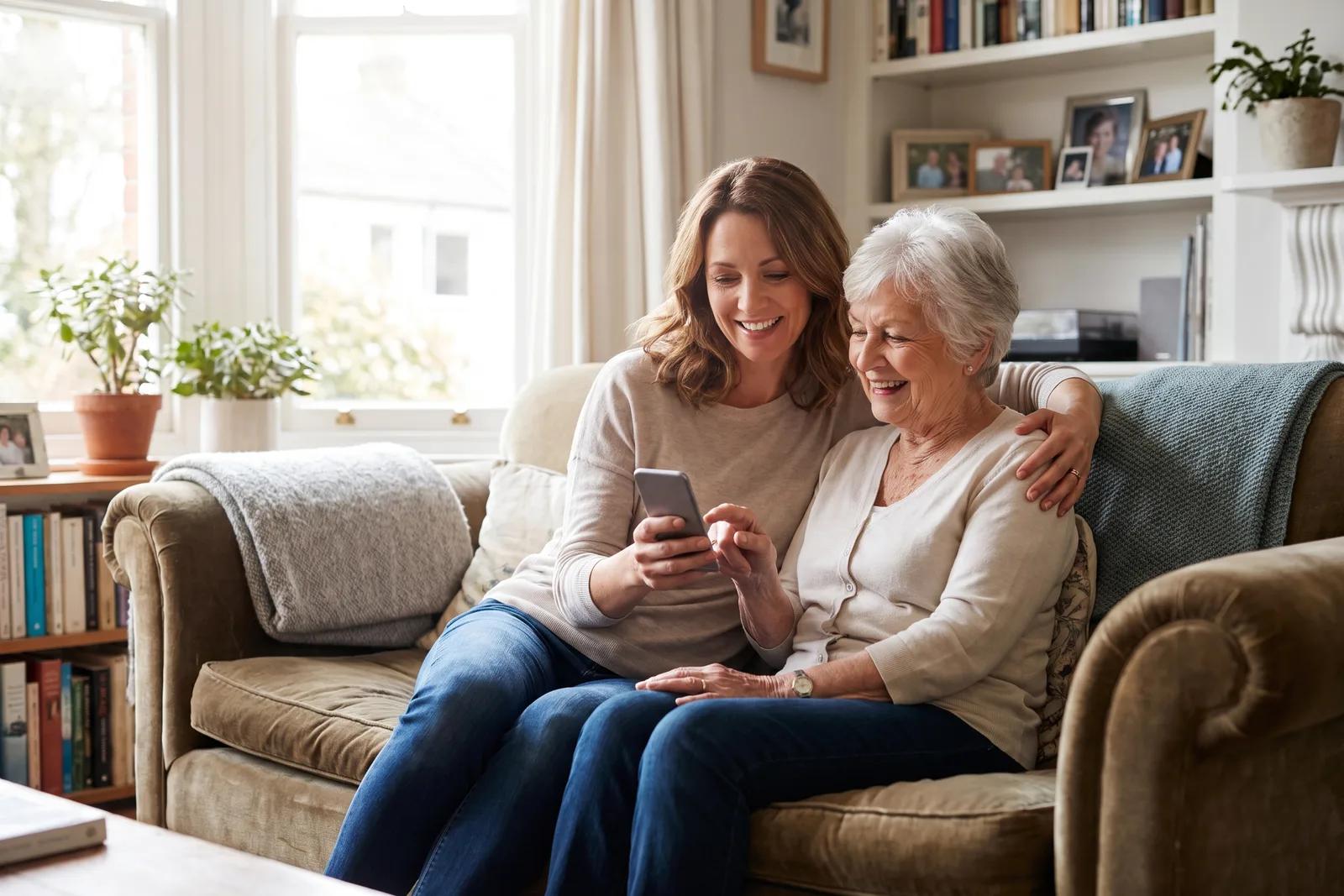
親にスマホを教える、お互いに苛立たない進め方
分からないことが問題であることは、実はほとんどありません。私たちが端末を取り上げて代わりにやってしまうことのほうが問題です。時間はかかりますが、確実に身につく進め方です。
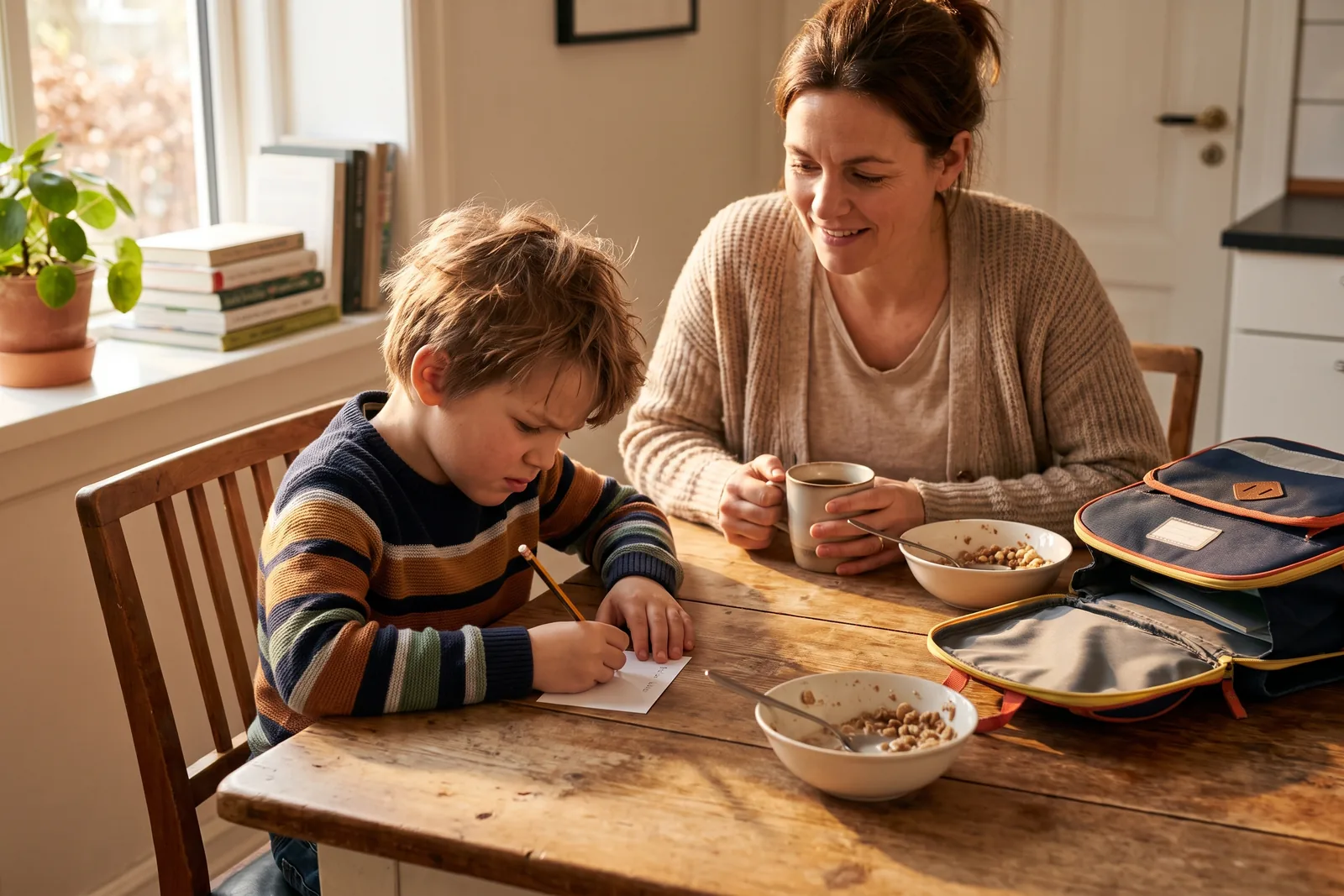
子どもに覚えてほしい電話番号と住所、本当に必要な四つのこと
スマホの電池が切れた日に、子どもの頭の中に残っているものが本当の備えです。覚える量を絞り、リズムで身につけ、紙のカードで補う方法です。
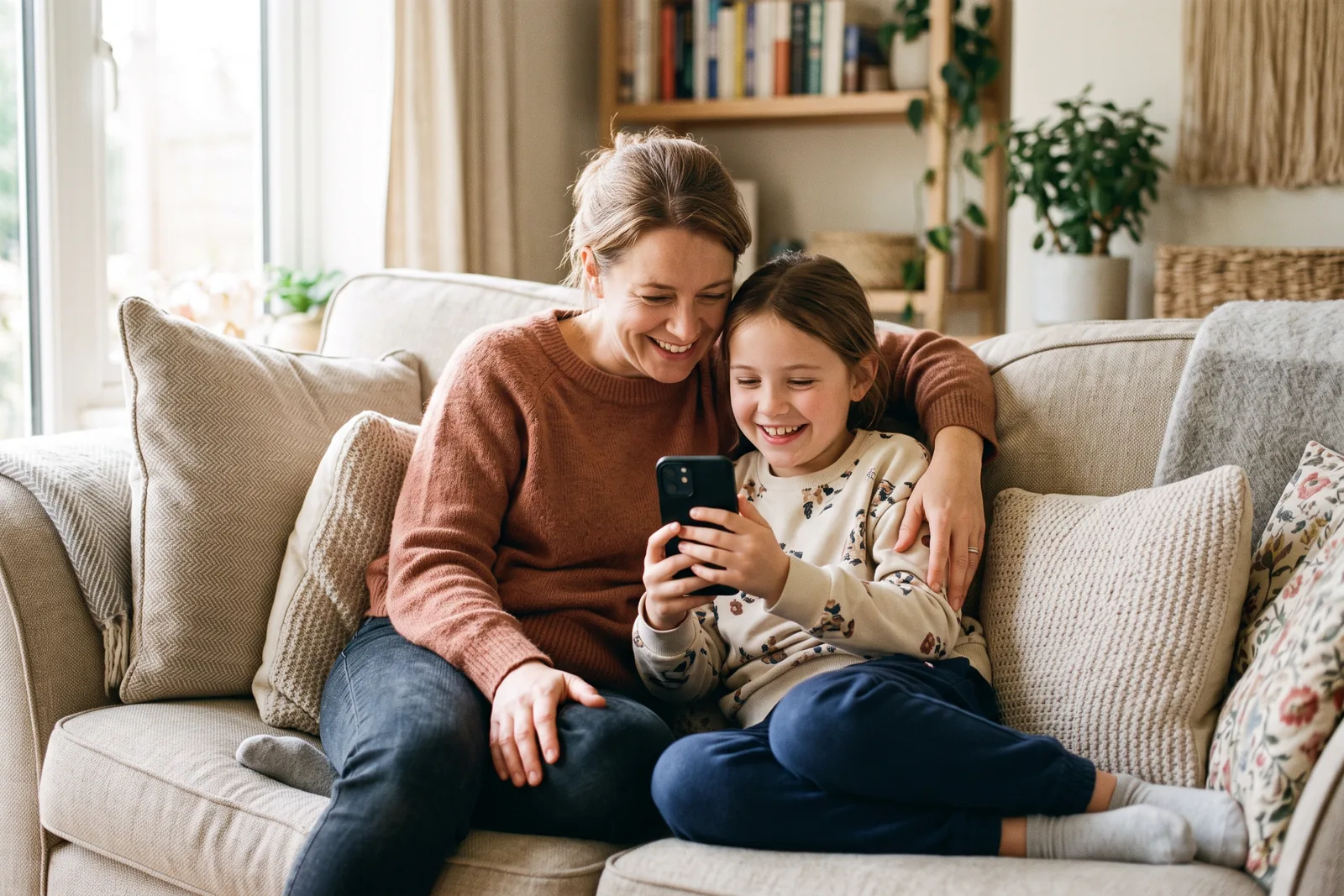
子どもの初めてのクラス LINE、親が知っておきたいこと
グループトークは、子どもにとって教室の続きです。見張るのではなく見守るために、入る前に話しておきたいことと、つらい夜の乗り越え方です。
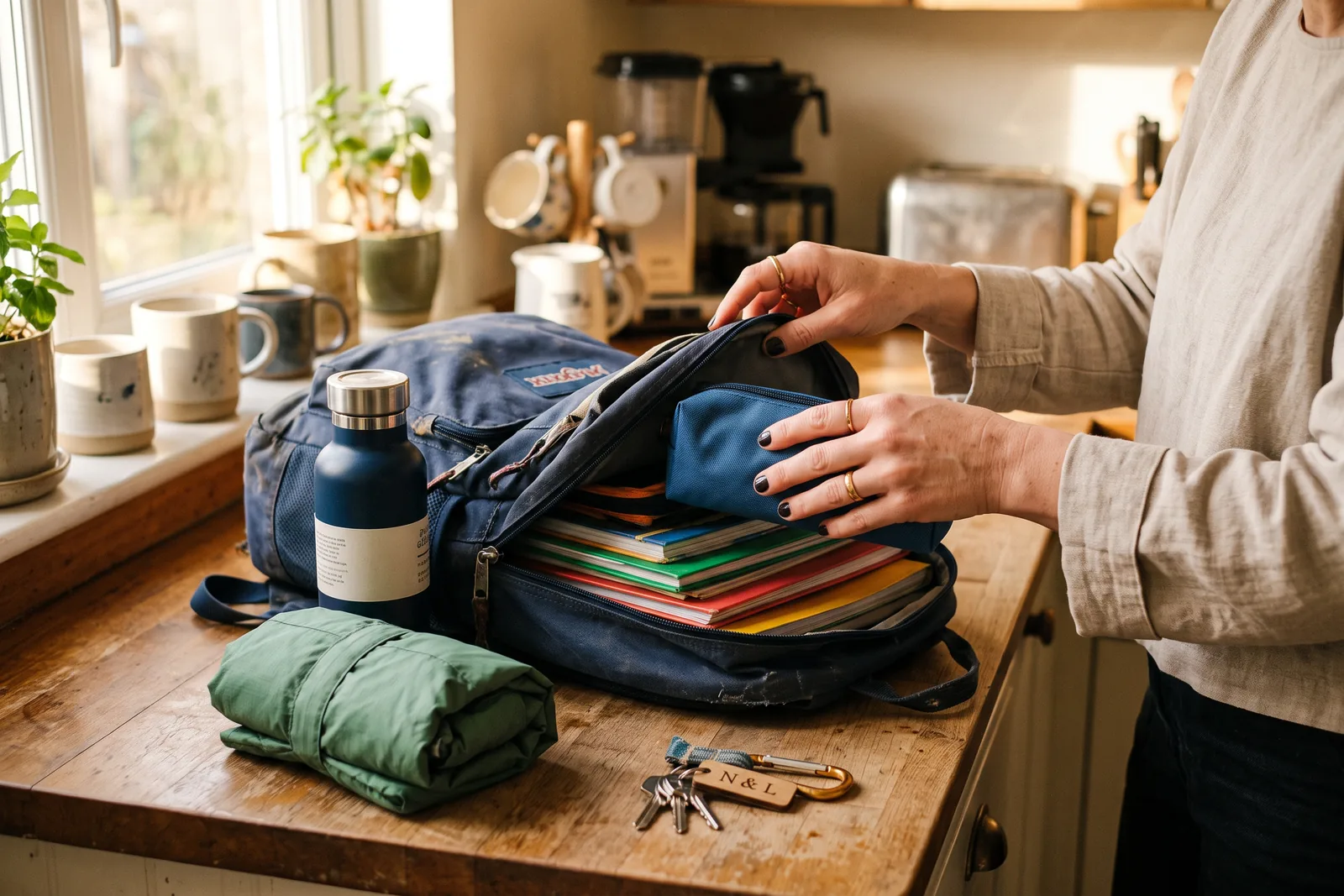
ランドセルに本当に入れておきたいもの、一人で通学する子のために
ランドセルは、子どもが一日中背負っている小さな備えです。重くせずに安心を入れるための、六つの必需品と週に一度の五分点検です。
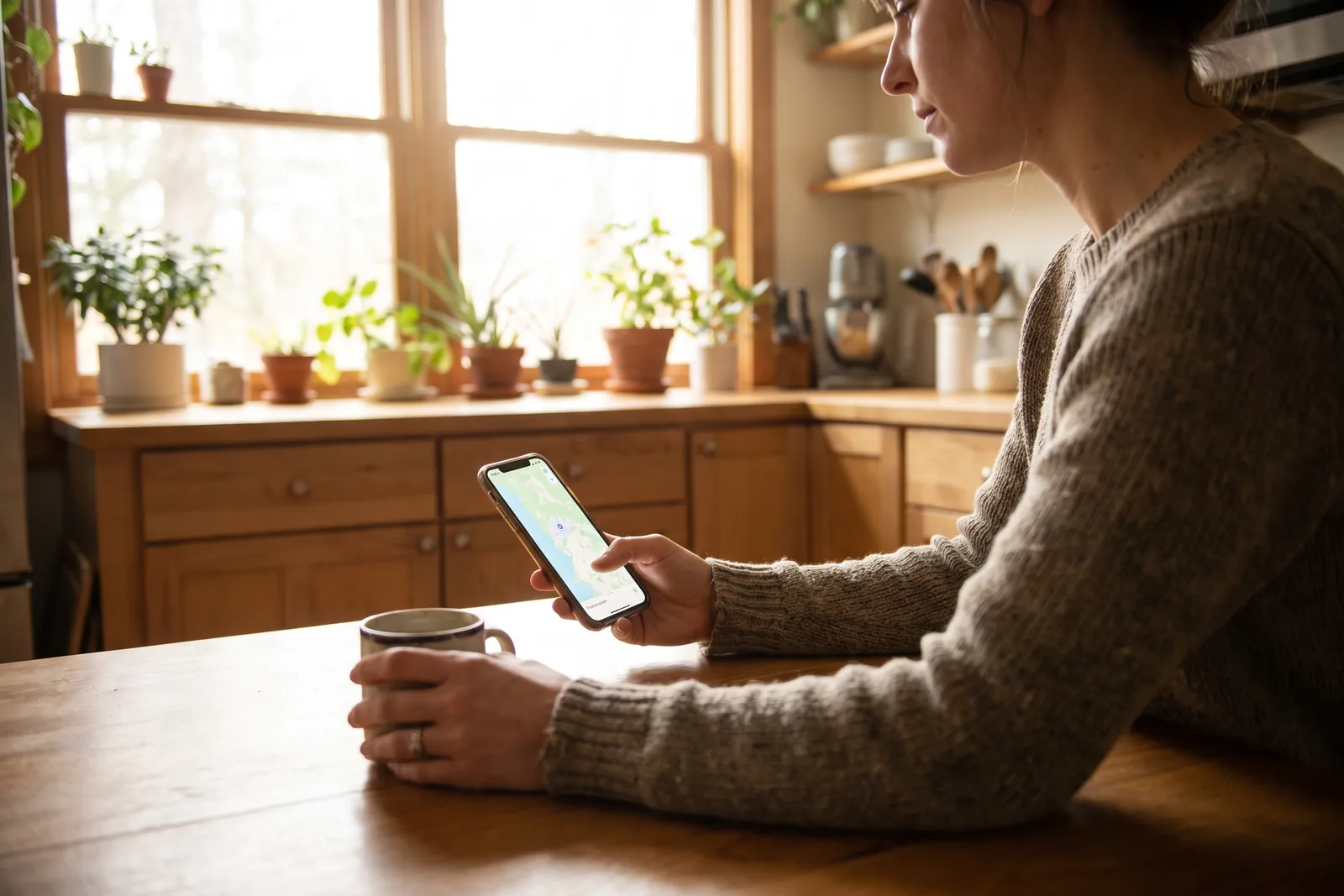
位置情報の共有でギガはどれくらい減るのでしょうか
高くつくと思われがちな常時の更新は、実はほとんど通信量を使いません。通信量がかさむのは、地図を開いてじっと眺めている時間のほうです。

位置が更新されないとき、家族の点が止まって見える理由
止まった点が伝えているのはスマートフォンの状態で、人の状態ではありません。確認する順番と、心配してよいタイミングをまとめました。
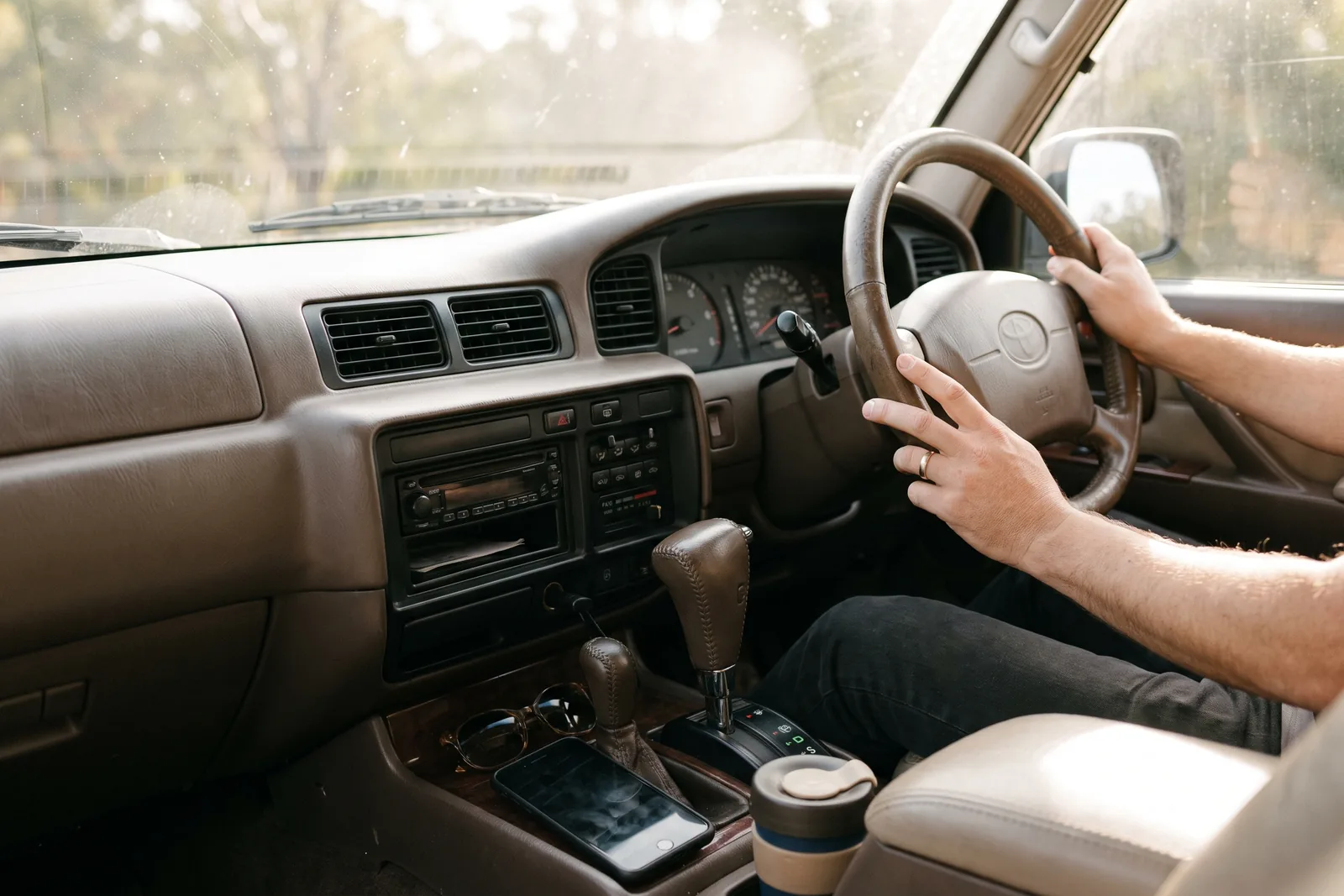
運転中の通知オフ設定、家族みんなで整える方法
通知を止めれば、割り込みはなくなります。そもそもなぜ運転中の人に連絡してしまうのか、その理由をなくすことが、多くのご家庭で見落とされている部分です。
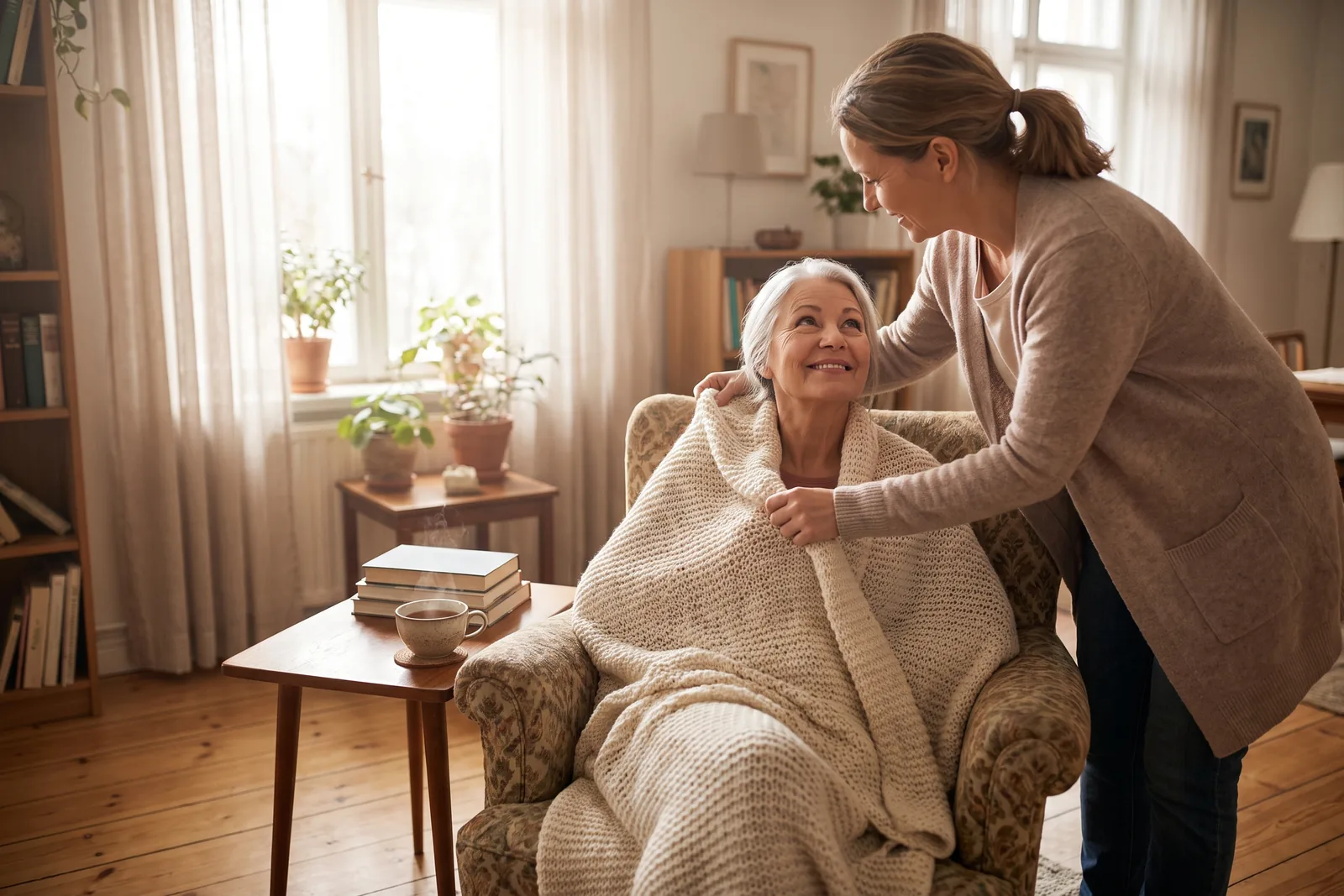
退院の前に:親が家に帰る前に確認しておきたい質問
退院は、いつも心の準備より先にやってきます。病棟のスタッフがまだ目の前にいるうちに聞いておきたい質問と、多くの家族が「聞いておけばよかった」と振り返る質問です。
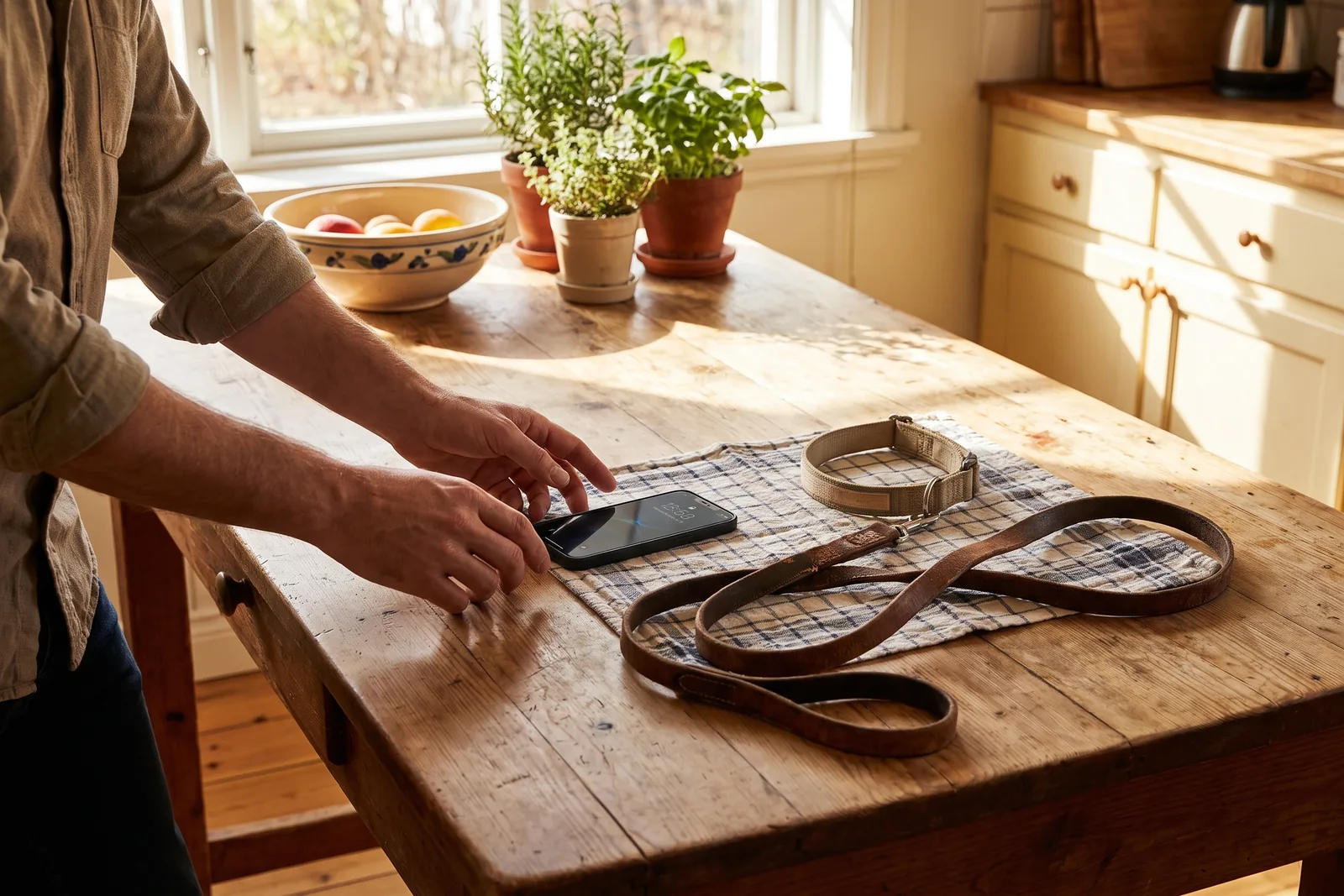
散歩中に犬が逃げたとき:最初の一時間の落ち着いた対処法
大きな音、猫、開いた門。気づけば手の中のリードの先には何もありません。そのあとの一時間のための落ち着いた実践的な手順と、どの道具にもある正直な限界をお伝えします。
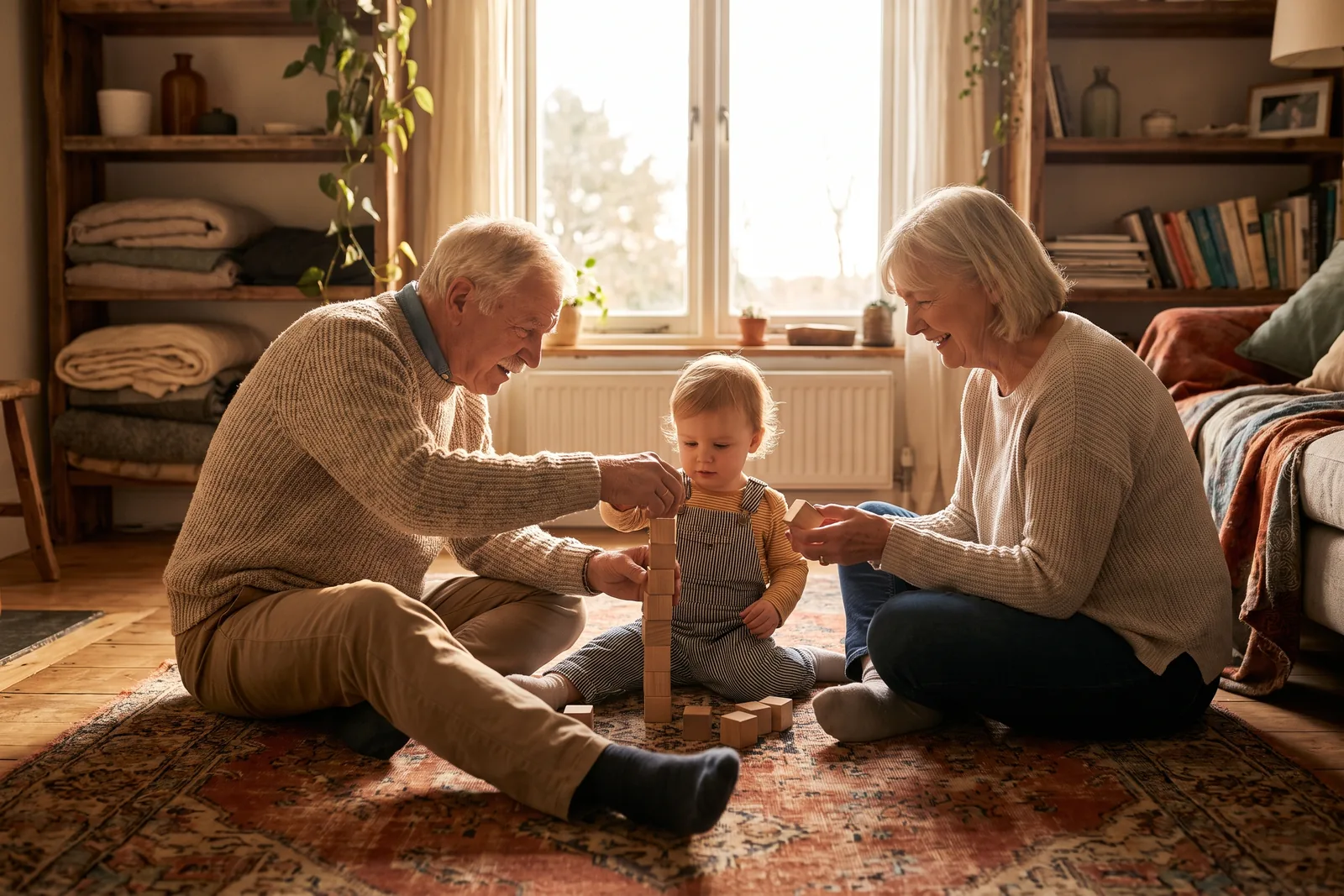
祖父母に子どもを預けるとき:両方の世代にやさしい引き継ぎ方
自分を育ててくれた人にわが子を託すのは、不思議な種類の信頼です。昔のやり方が間違っていたと言わずに、大切なことだけを伝える方法をまとめました。
英語の記事をもっと読む
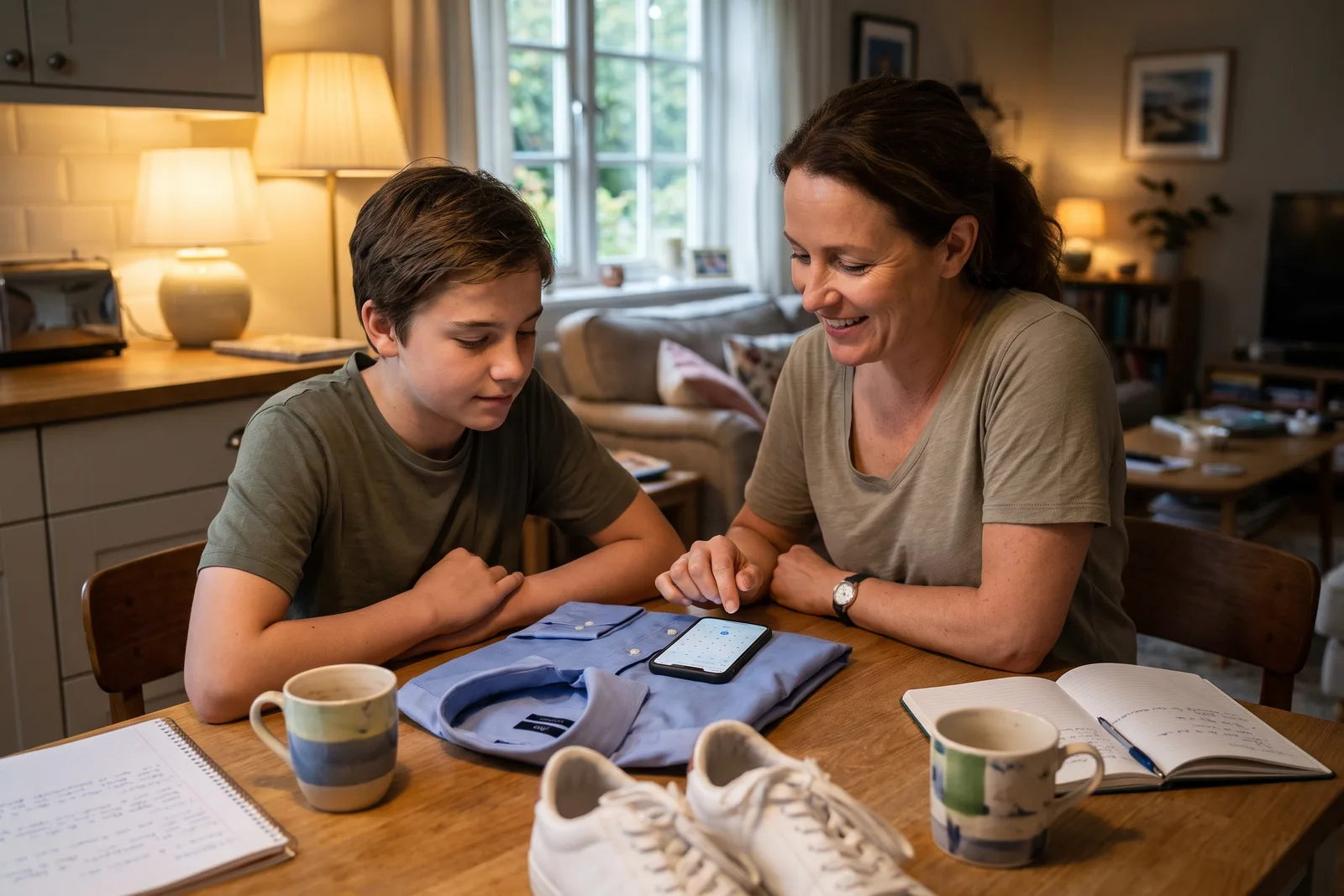
Your Child's First School Dance: A Parent's Drop-Off and Pickup Plan
The outfit took three weeks. The pickup plan took three minutes, and that was the part that actually mattered. Here is the plan I wish I had written down first.
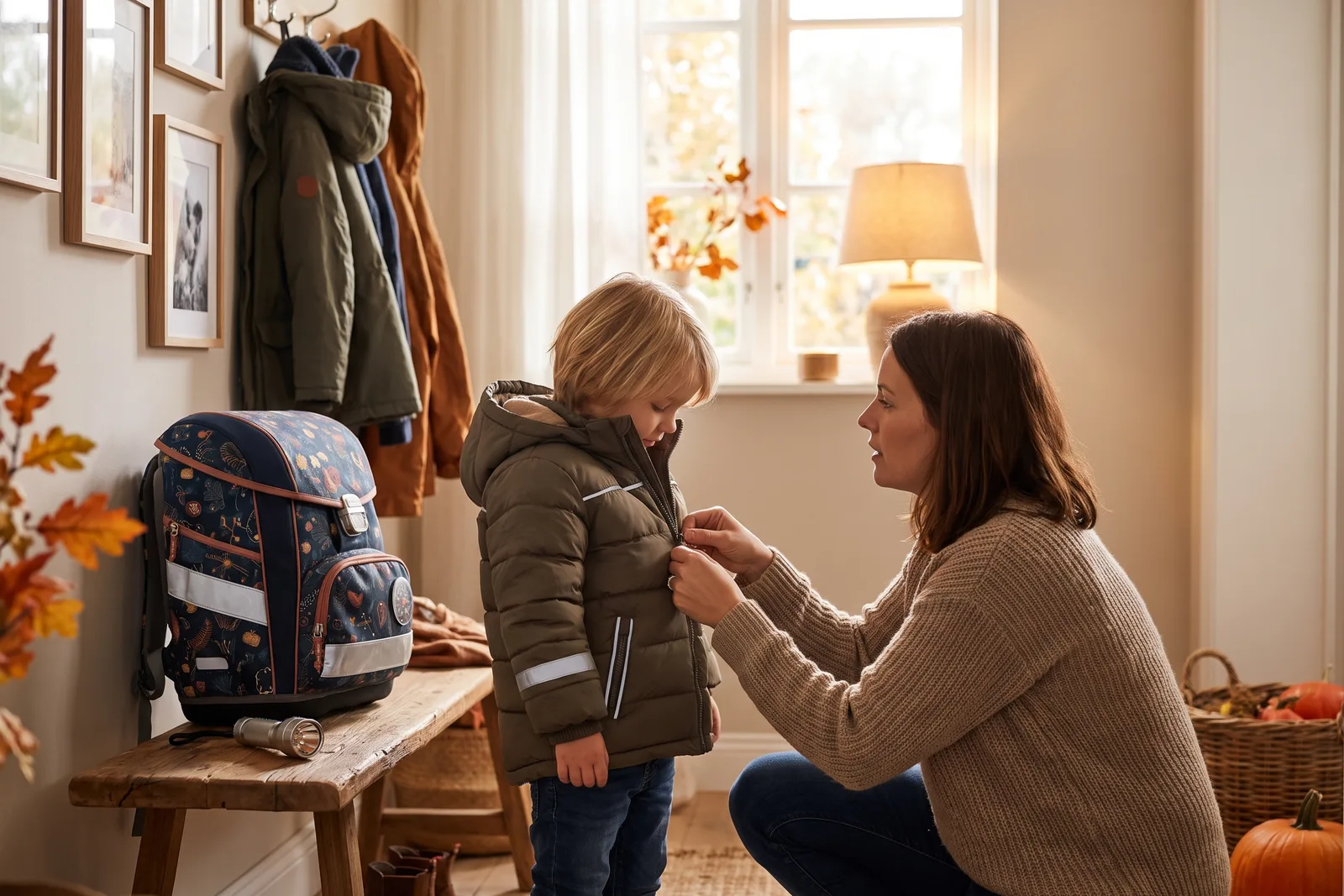
When It Gets Dark Earlier: A Family Routine for Shorter Days
Every autumn there is one evening when I look up from the stove and realise it is already dark and my son is not home yet. This is the routine that stopped that little jolt.
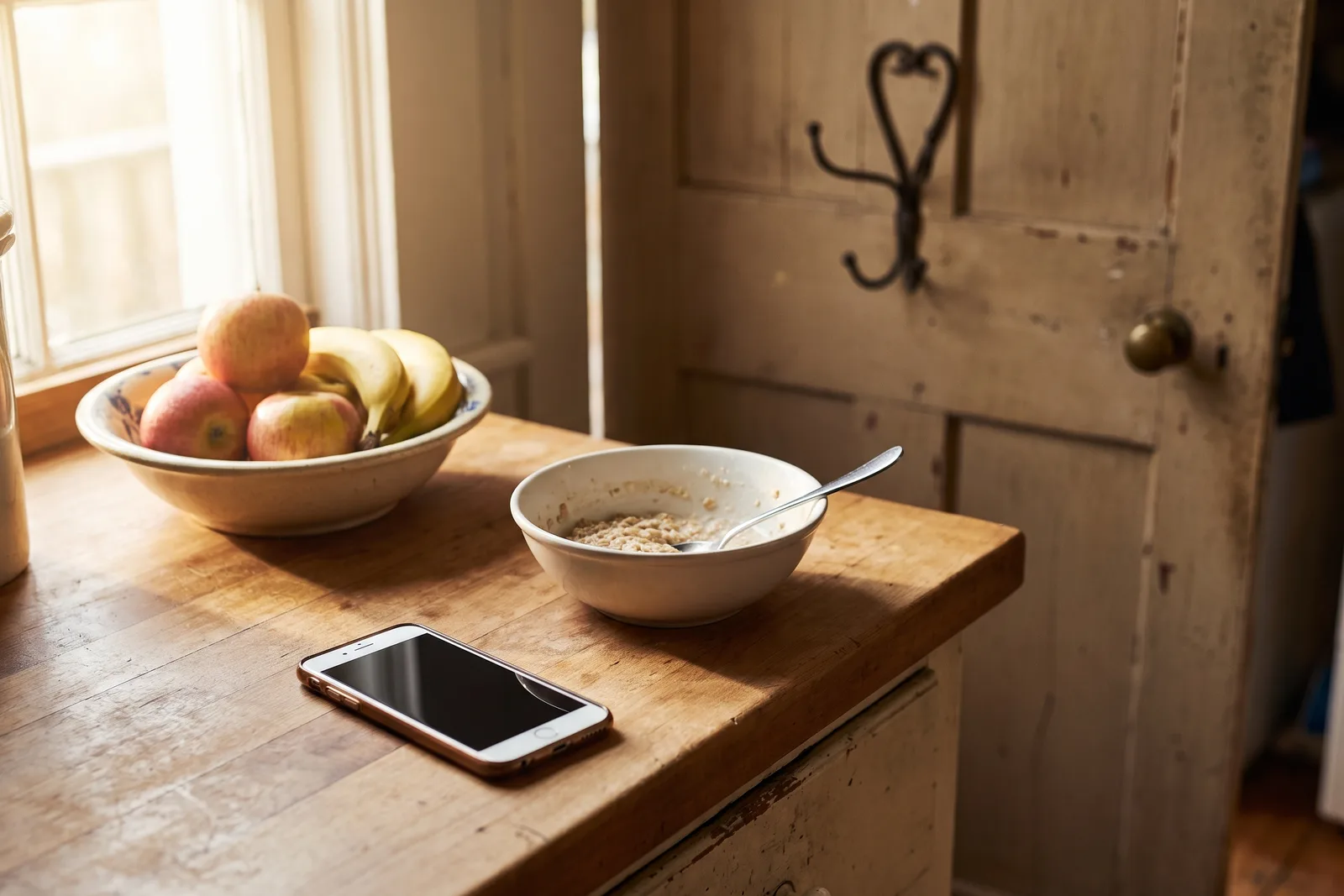
When Your Child Forgets Their Phone at Home: A No-Panic Plan
I found it buzzing on the bathroom windowsill at 8:15, next to a half-used tube of toothpaste. Here is what I did next, and what I stopped doing.
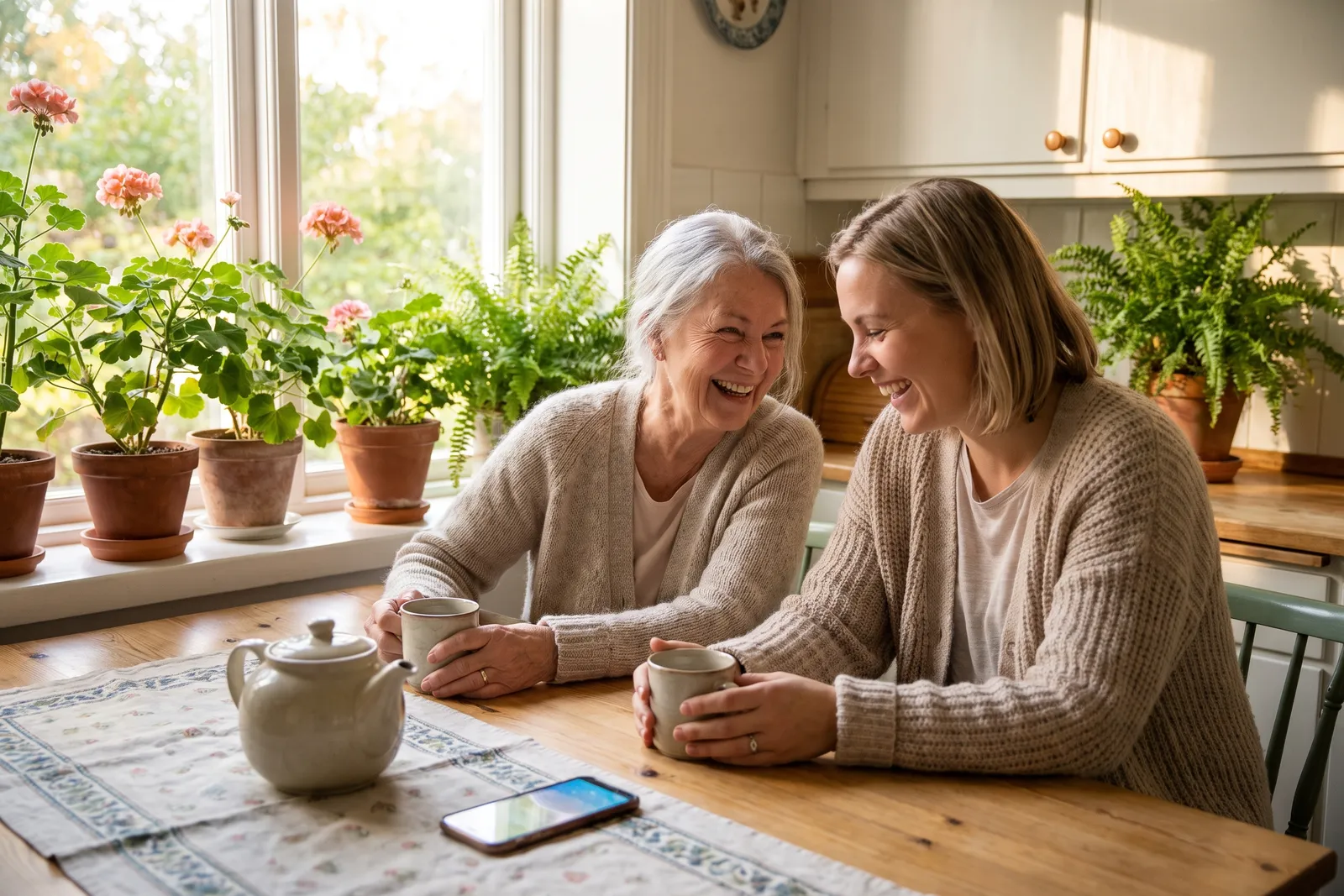
How to Help an Aging Parent Who Seems Lonely
My mother never once said she was lonely. She just started telling me what the neighbours' cat had been up to, in great detail, every single call. Here is what I learned about hearing what a parent is not saying.
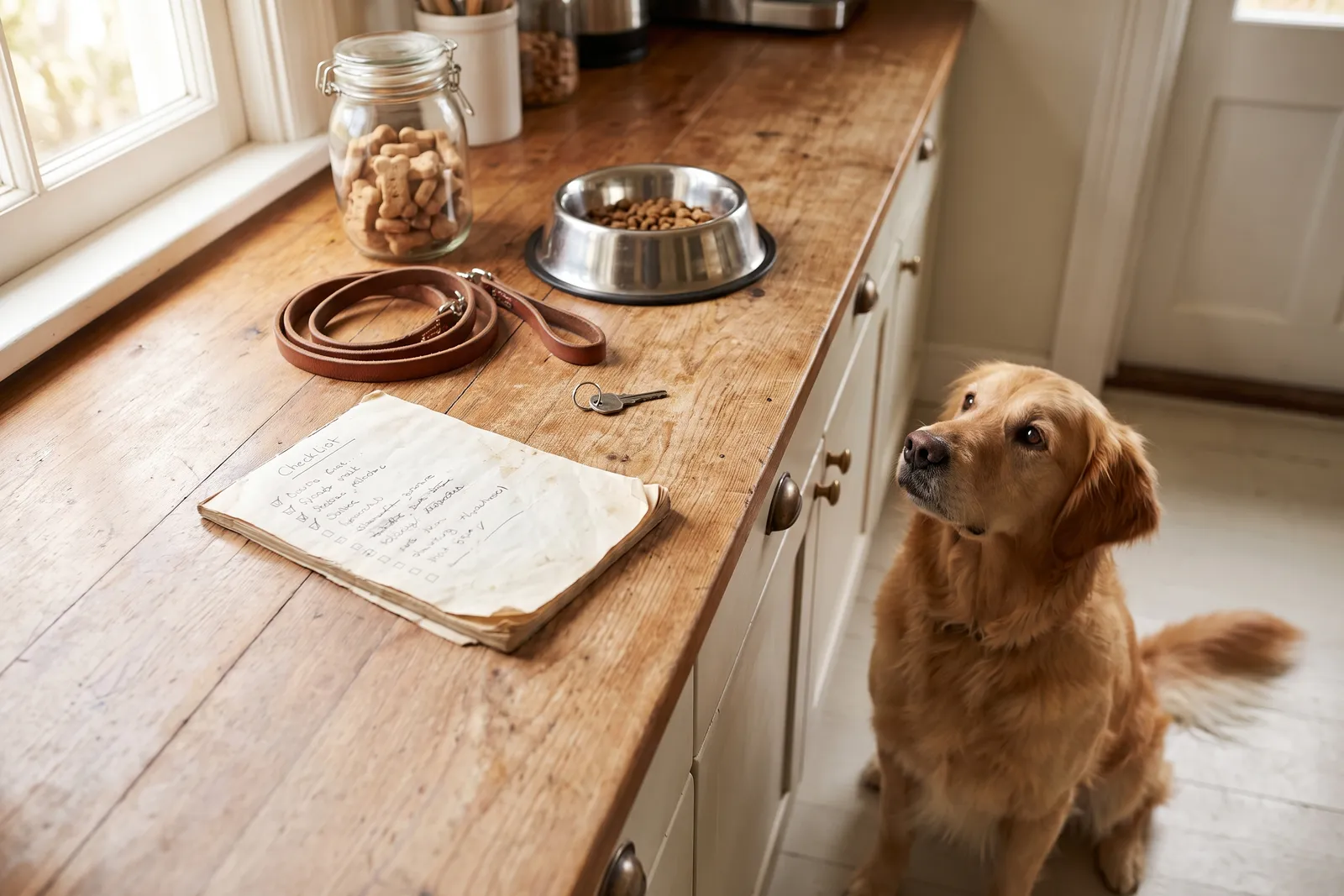
The Pet Sitter Checklist: What to Leave Before You Travel
The first time I left our dog with a sitter, I wrote four pages of notes and still forgot to mention that he can open the back gate. This is the checklist I wish I had written.
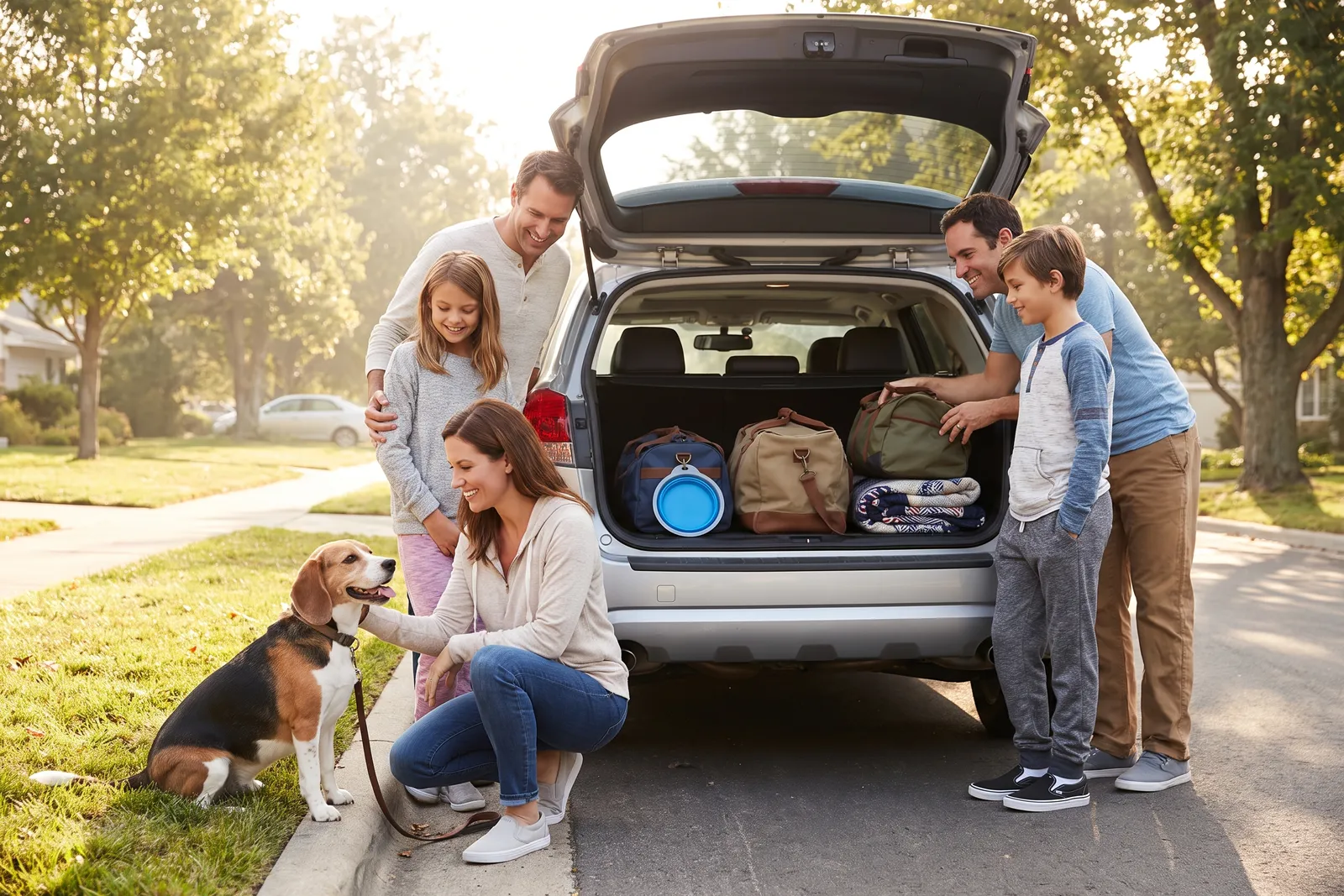
Traveling With Your Dog: A Calm Family Road Trip Guide
Our first road trip with the dog, we packed his bed, his toys and three kinds of treats, then nearly lost him at a motorway services because I opened the boot before clipping his lead. Here is the calmer way.
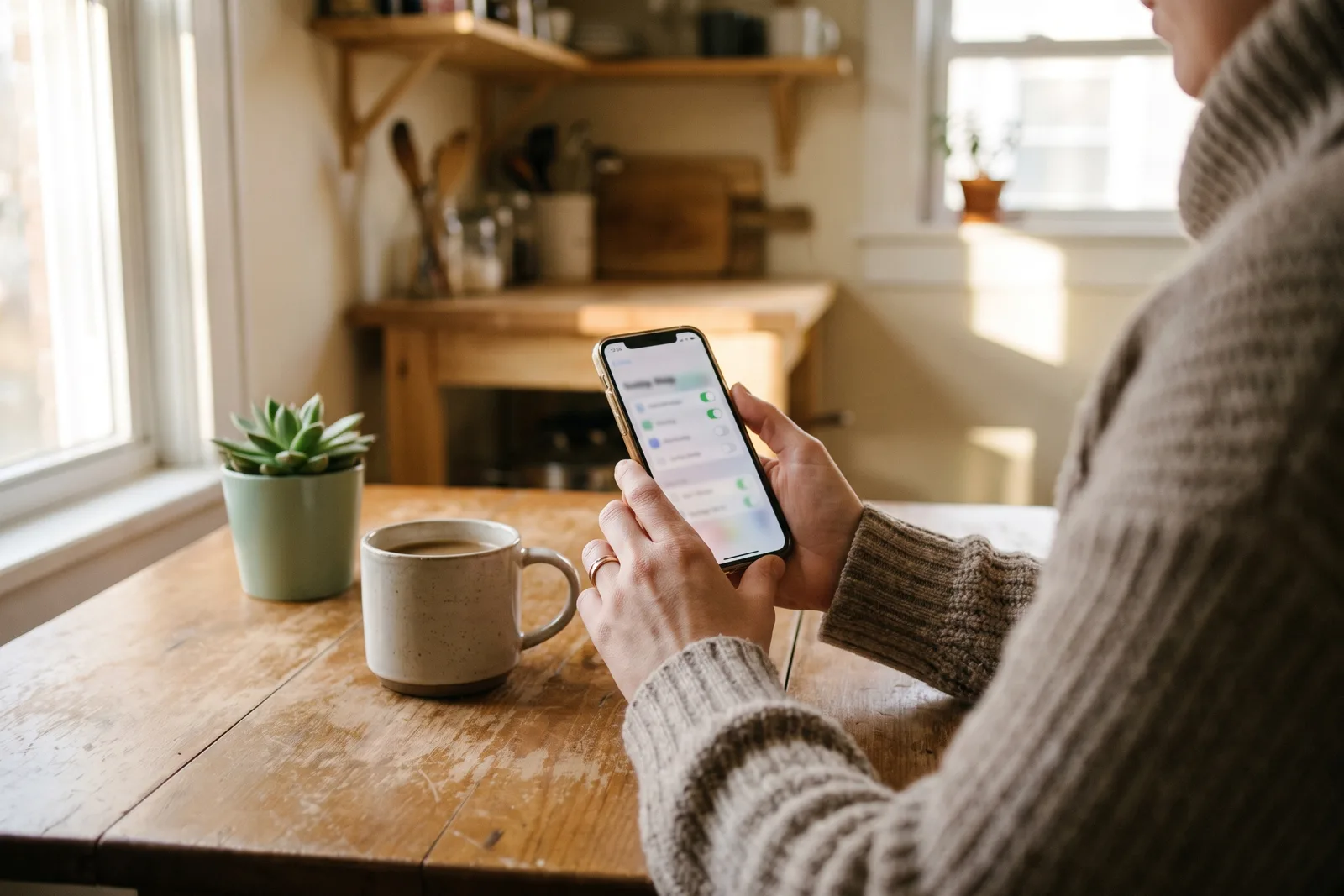
Always or While Using? Location Permissions, Explained
That permission popup is the most important privacy decision you make about an app, and most of us tap it in under a second. Here is what each option really grants, and which apps have earned which answer.

New Phone? Moving Family Location Sharing Without Gaps
Nothing breaks a family map as reliably as a new phone. The app transfers, the login works, and three days later someone notices the dot has been sitting at the shop since Tuesday. Here is the order that avoids all of it.
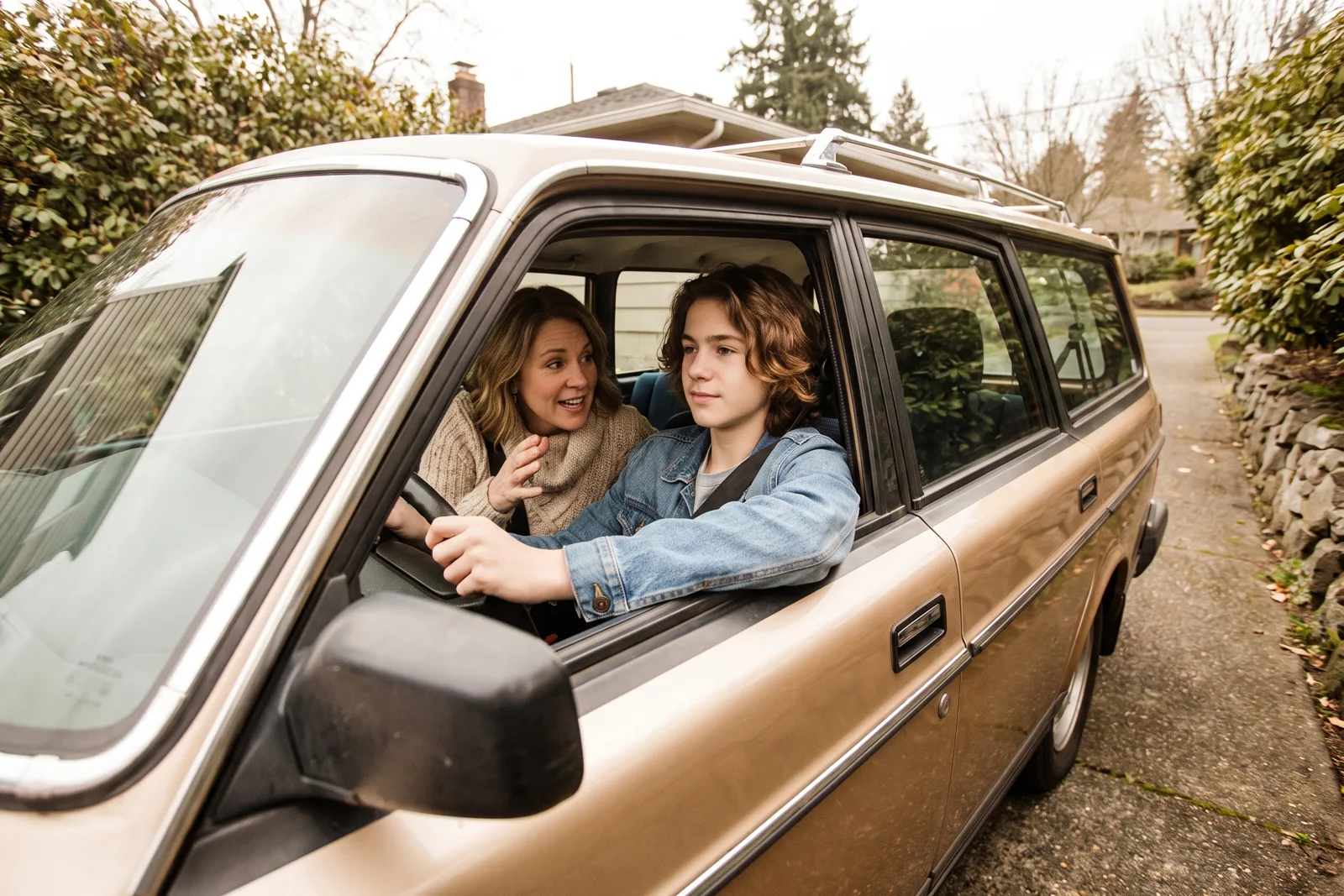
Teen Drivers and Passengers: First-Year Rules That Stick
A new driver with friends in the car is driving a different car. Here is a staged passenger plan for the first year, the agreement to write down, and the exact sentences that let your teen say no without losing face.
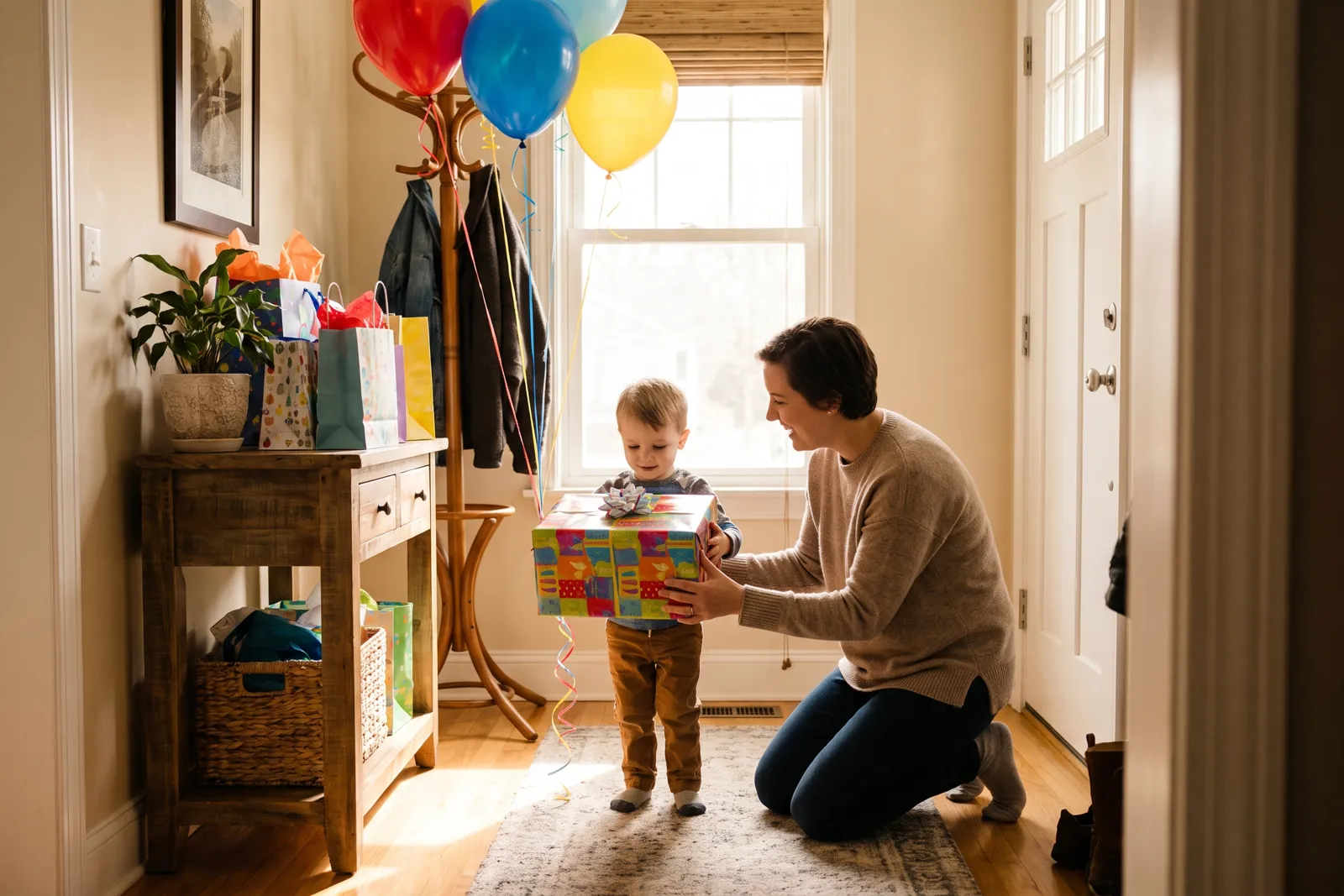
Birthday Party Drop-Offs: When to Stay and When to Go
The invitation says drop-off and your stomach does something odd. Here is the age ladder, the thirty second handover with the host parent, and the pickup plan that stops the whole thing feeling like a leap.
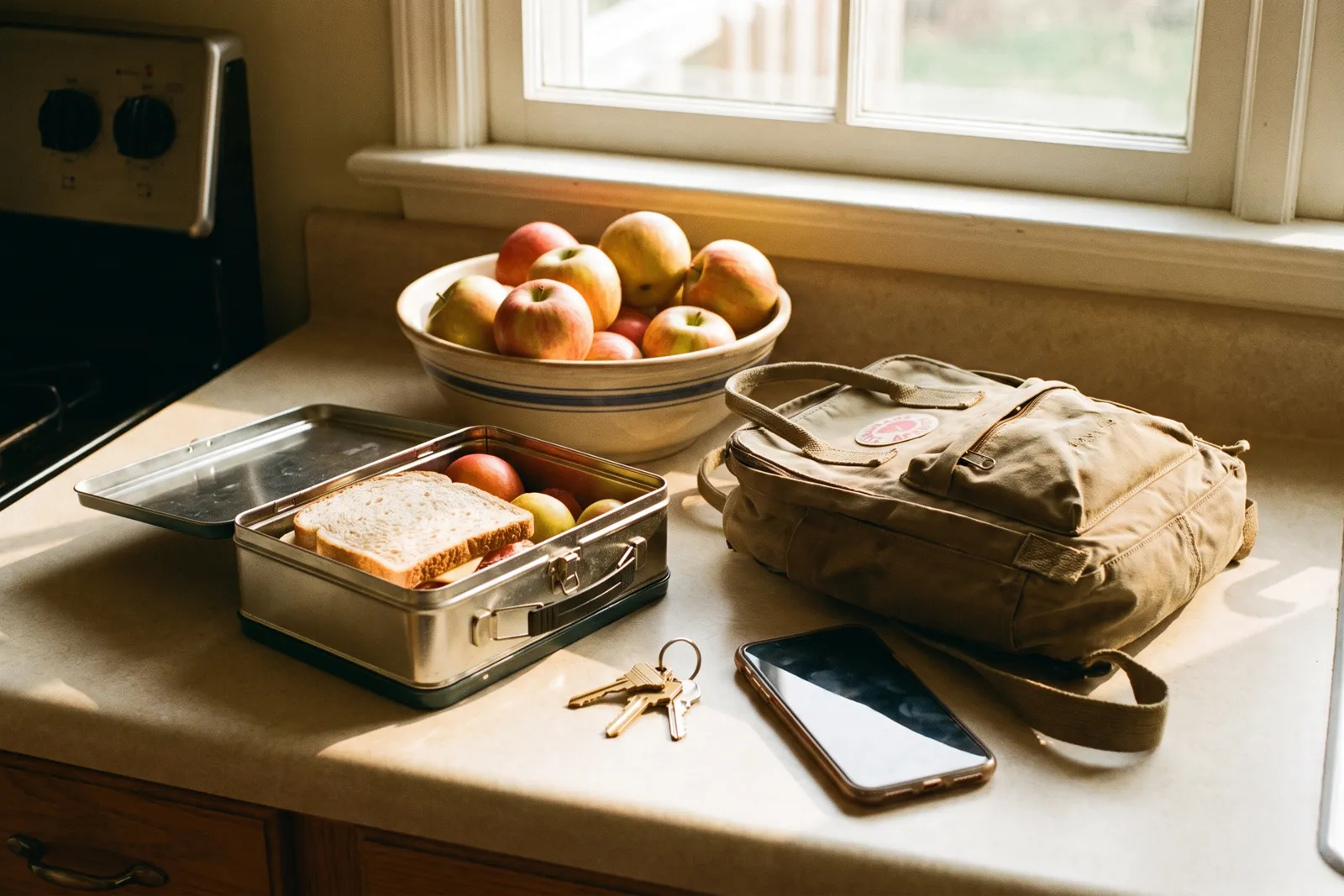
Early Dismissal Days: A Working Parent's Survival Plan
Half days are the small logistics earthquake nobody puts in the calendar properly. Here is the rotation, the backup list and the child's own script that turn a 12:30 dismissal into an ordinary Thursday.

When Your Teen Starts Babysitting: A First-Job Checklist
Babysitting is often a teenager's first real job, with real responsibility and no manager. Here is the readiness check, the information sheet they should ask for, and the getting home plan you sort out before the first booking.
大切な家族との距離を、少しだけ縮めましょう。
無料でダウンロードできます。1分ほどでサークルの設定が完了します。マップを見られるのは、あなたが招待した人だけです。