 Pets
PetsThe Pet Sitter Checklist: What to Leave Before You Travel
Leave your sitter one clear page covering feeding, routines and medication instructions from your vet, emergency contacts, your pet's quirks and escape habits, and house logistics. Agree on how often you will hear from them, and write down exactly what to do if your pet goes missing while you are away.
Our dog, Biscuit, is a gentle soul with one criminal talent. He can nose open the latch on our back gate, a trick he only performs when he thinks nobody is watching. We knew this. Our first sitter did not, because I had written four pages about his dinner and forgotten the gate entirely.
He was found twenty minutes later, sitting outside the bakery, looking pleased with himself. Nobody was hurt, but I learned something important. A sitter does not need everything you know about your pet. They need the right things, in the right order, on one page they can actually find in a hurry.
Whether you have chosen a sitter over boarding or are still deciding, [dog boarding vs pet sitter](/guides/dog-boarding-vs-pet-sitter) can help. This guide is for the moment after you have chosen, when you are packing and trying to remember everything.
Why one page beats four
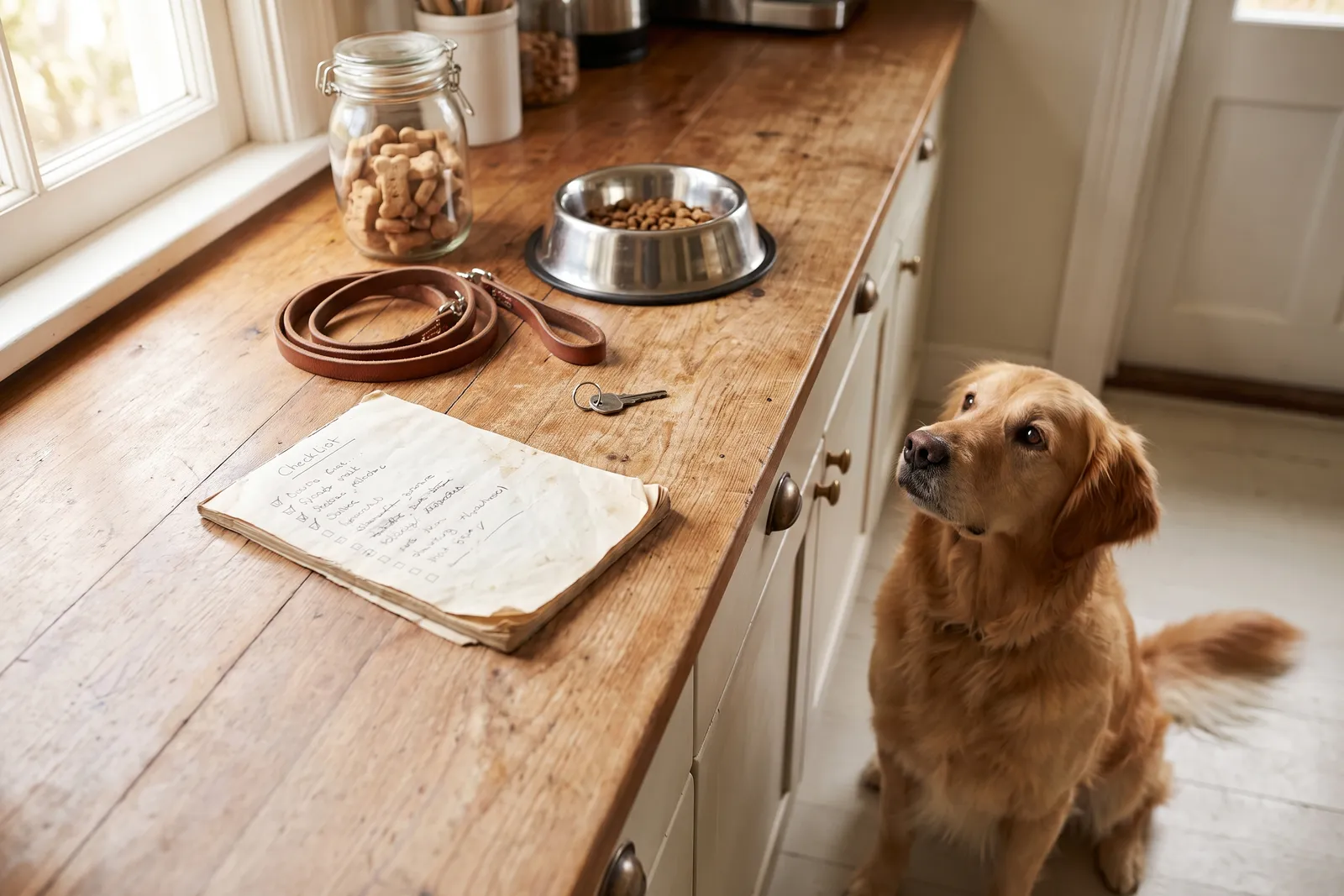
Long notes feel thorough, but in a stressful moment nobody reads paragraph six. A single page, stuck to the fridge and sent as a photo, puts the essentials where a sitter can see them at a glance. Put extra detail on a second sheet if you must, but keep the first one ruthless.
If it is not on the fridge, assume they will not find it. Everything urgent goes on the front page.
The front page: what to include
The one-page sheet
- Your contacts. Your mobile, where you are staying, and the best time to reach you across time zones.
- A backup person nearby. A neighbour or friend with a key who can step in if the sitter is ill or delayed.
- Your vet. Practice name, phone number, address, and the nearest out-of-hours emergency clinic.
- Feeding. What, how much, when, and where the food lives. A photo of the scoop filled to the right line helps.
- Medication. Exactly as your vet prescribed, with the label kept on the packet. Do not paraphrase dosages from memory.
- Escape habits. Gates, doors, fences, and any triggers such as fireworks, delivery drivers, or other dogs.
- Your pet's ID. Microchip number, tag details, a recent photo, and a clear description.
For medication, ask your vet to confirm the instructions before you go if anything has changed recently. Leave enough for the whole trip plus a few days, in case your return is delayed. If your pet needs something tricky, like tablets hidden in food, show the sitter how you do it rather than describing it.
Routines and quirks that matter
Pets settle best when their day looks familiar. A sitter who knows the rhythm of your household can keep that familiarity going, which makes everything calmer for your pet and easier for them.
- The daily rhythm. Wake up, walks, meals, quiet time, bedtime. Rough times are fine.
- Walk details. Usual routes, lead or off-lead rules, which dogs to avoid, and whether they pull.
- Comfort habits. Where they sleep, a favourite toy, the radio left on, a blanket that smells of you.
- Warning signs. What is normal for your pet and what would worry you, such as not eating for a day.
- House rules. Allowed on the sofa or not. Treats or not. Consistency helps them feel safe.
Escape habits deserve their own line in capital letters if necessary. Dogs often bolt when their routine changes and their people vanish, and why dogs escape and what works explains the common triggers. Walk your sitter around the garden and point to every weak spot.
Tell your sitter the thing you are slightly embarrassed about. That is usually the thing that matters.
House logistics
- Keys. Which key does what, and where the spare is kept.
- Alarm. The code and how to reset it if it goes off.
- Wi-Fi. Network name and password.
- Supplies. Where the food, poo bags, cleaning spray, towels, and first aid kit live.
- Bins and deliveries. Collection day, and whether to take in parcels.
- Heating and water. The thermostat, and where to turn off the water in an emergency.
How much access to give
Trust is the whole arrangement, so think about access as something you agree together rather than something you quietly set up. Give the sitter what they need to do the job well and nothing that makes them feel watched.
- Keys and codes. Only the doors they need. Change codes afterwards if that is your usual practice.
- Home cameras. If you have them, tell the sitter where they are and when they are on. Hidden recording is not a fair way to start a relationship.
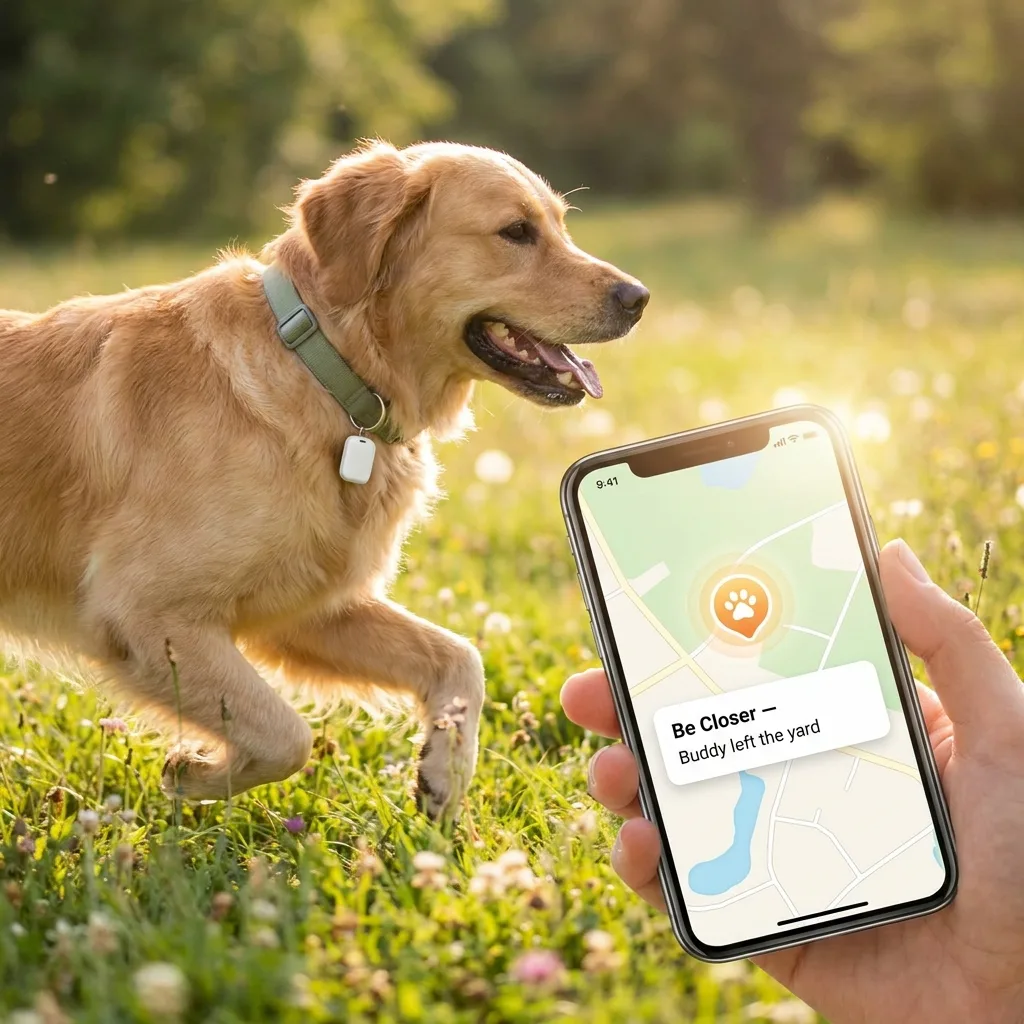
- A pet tracker. If your pet wears one, show the sitter how it works and add them to the app temporarily if they need to see the location on walks.
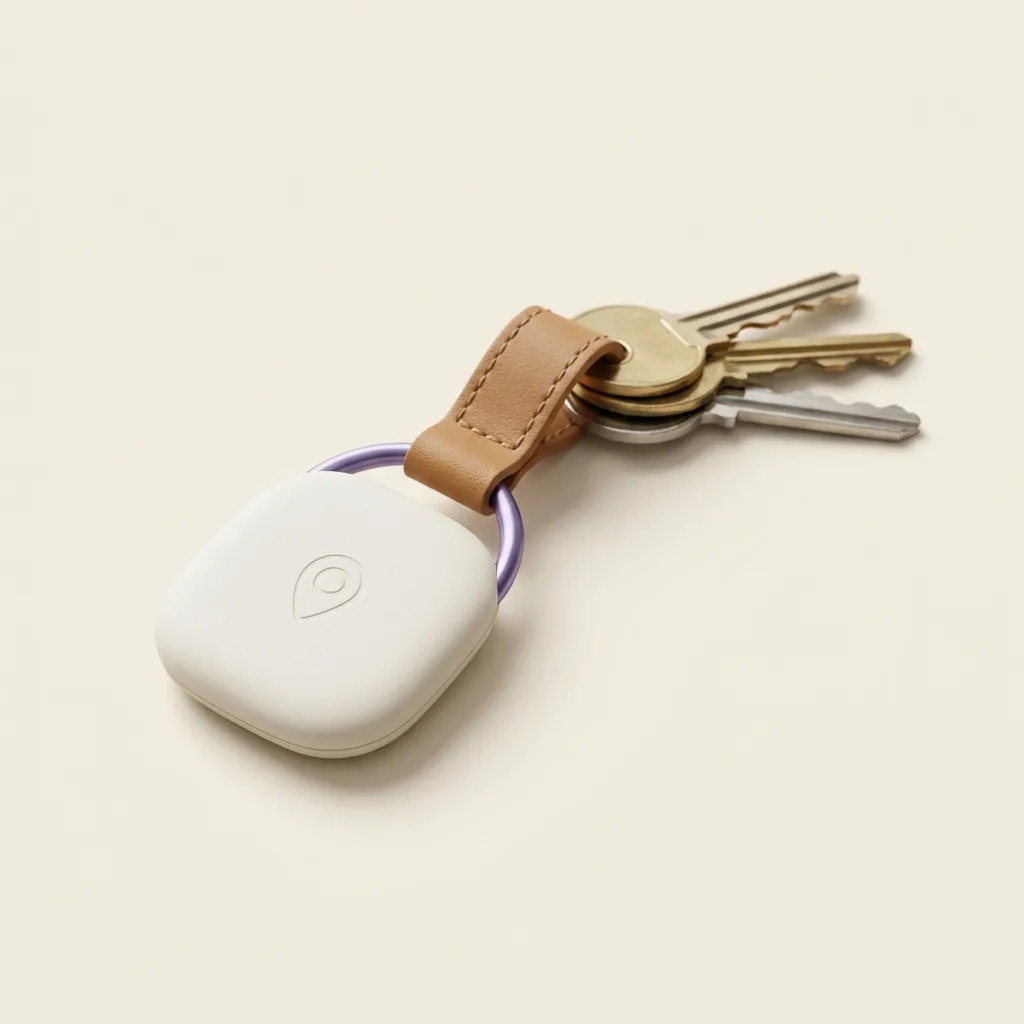
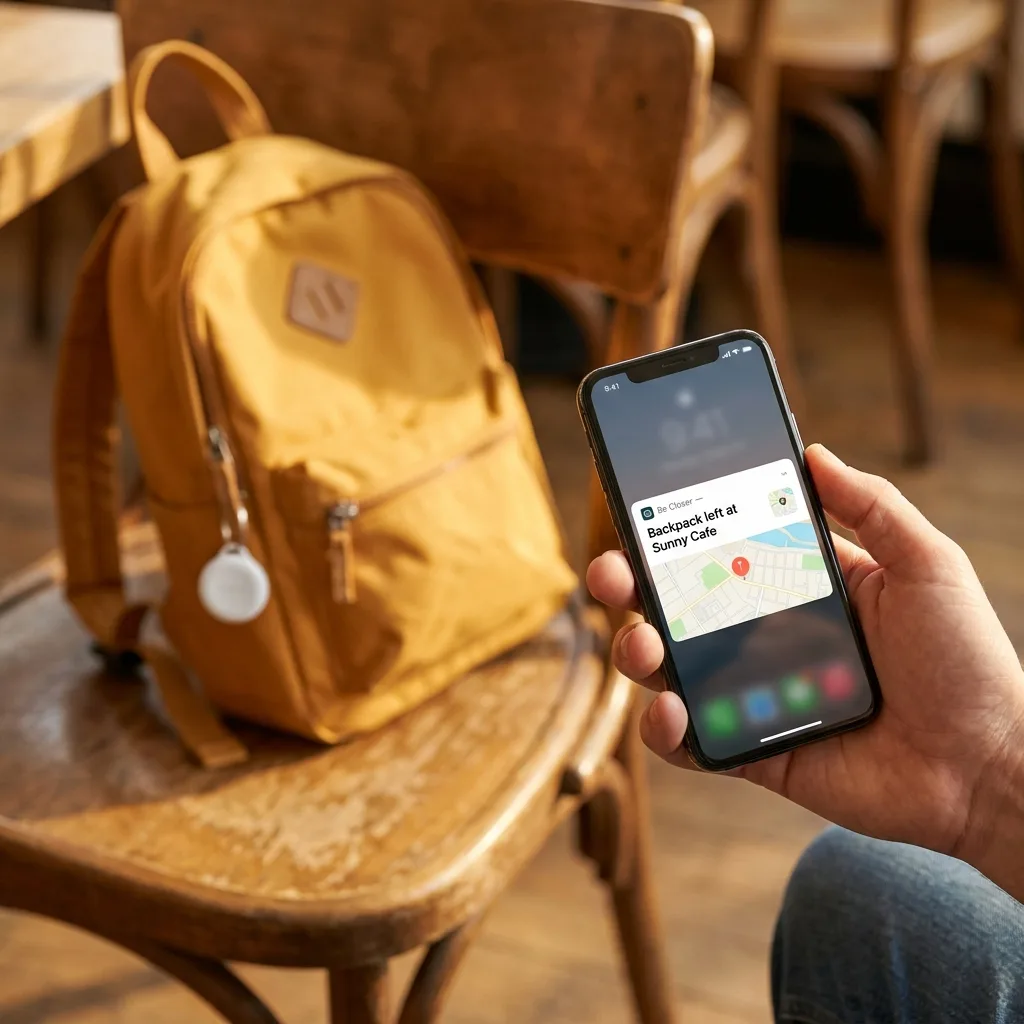
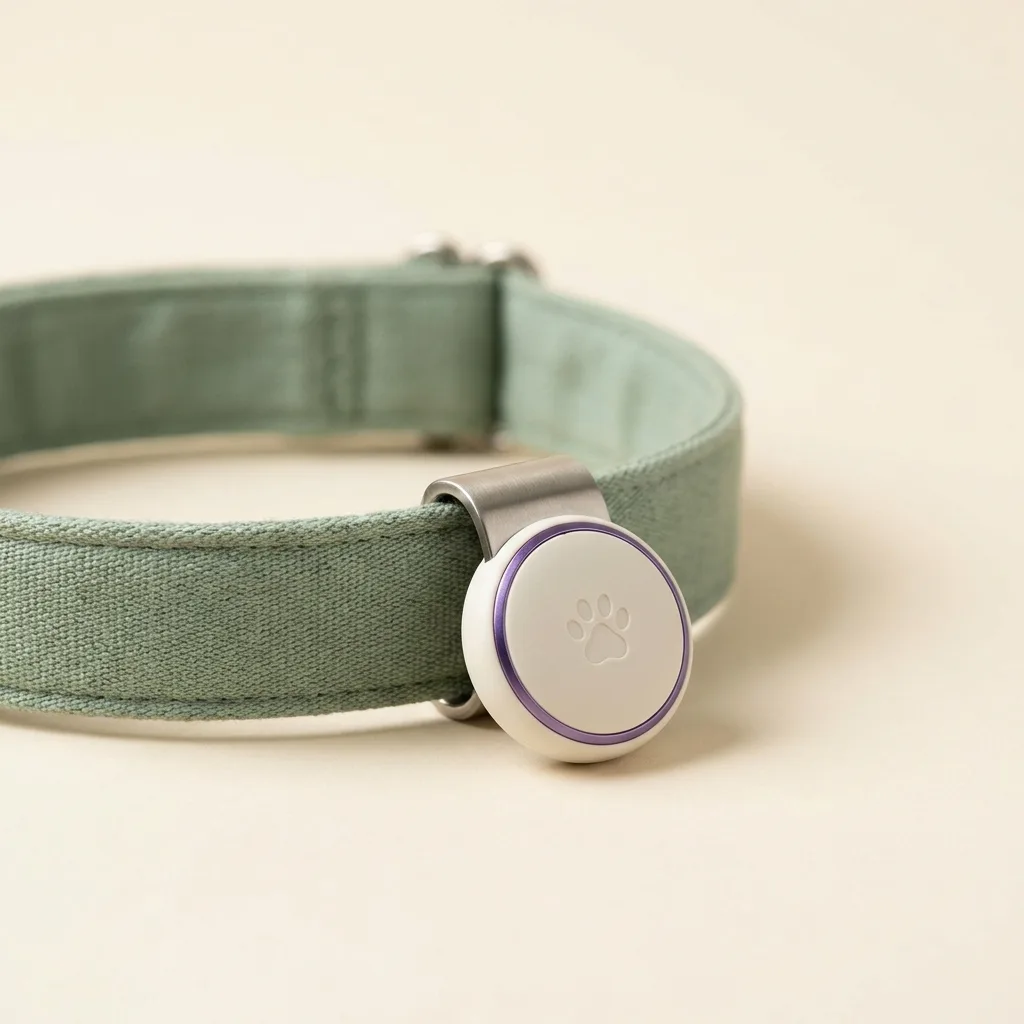
A tracker on the collar is one of the most useful things you can leave a sitter, because it turns a missing pet from a mystery into a map. With Be Closer's pet tag, you can see your pet's location on the family map, and you can share access for the length of the trip, then remove it when you get home. It is up to 95% accurate in good conditions and less precise indoors or among tall buildings, so it narrows the search rather than finishing it.
Be Closer shows your whole family on one private map, free to start.
Consent-first, never sold, and gentle on your battery. iOS and Android.
Agree the update rhythm before you leave
I used to spend holidays refreshing my messages, which was unfair to everyone. Now I agree the rhythm upfront. It lets me relax, and it lets the sitter get on with their day without feeling interrupted.
- 1Pick a regular check-in. A photo and a line each evening is plenty for most people.
- 2Agree what counts as urgent. Missing pet, injury, illness, or not eating. Anything urgent means a call, not a message.
- 3Say what you do not need. If you trust them, tell them you do not need hourly updates. It is a kindness.
- 4Share your schedule. Flights, time differences, and times you will be out of signal.
If your pet goes missing while you are away
This is the section nobody wants to write, which is exactly why it belongs on the page. When a pet disappears, the first hour matters, and a sitter who knows the plan will act instead of freezing. The full step-by-step is in lost pet first 24 hours.
The lost pet plan for your sitter
- Call you and your backup person immediately. Do not wait to see if they come back.
- Check the tracker if there is one. Head to the last location shown.
- Search close to home first. Many pets hide nearby, often in gardens or under cars.
- Leave something familiar outside. A blanket or an item of your clothing by the door.
- Contact the vet and local shelters. Give them the microchip number and photo.
- Post in local groups. You can do this from wherever you are, with the photo from the sheet.
A plan makes a scary moment manageable. Your sitter does not need to be brave. They just need to know the next step.
Preparing your pet, not just the sitter
It is easy to spend all your energy briefing the human and forget that your pet is about to have a strange week too. Animals notice suitcases. Biscuit starts following me from room to room the moment the big bag comes down from the loft, and he sulks under the table on departure morning.
- Keep the last days ordinary. Normal walks, normal meals, no dramatic goodbyes.
- Leave something that smells of you. An old jumper in their bed is a small comfort that costs nothing.
- Introduce the sitter early. Ideally more than once, so their arrival is a familiar face rather than a stranger with keys.
- Check the collar fits. Two fingers underneath, no more. A loose collar slips off at exactly the wrong moment.
- Top up the essentials. Food, medication, and poo bags for the full trip plus a margin.
A calm departure makes a calm first night. Your pet takes their cue from you, so keep the goodbye short and cheerful, and trust the person you chose.
Before you walk out the door
Do a short trial visit with the sitter while you are still home, even an hour. Watch them handle feeding and a walk, answer their questions, and let your pet get to know them. If you are still choosing someone, how to choose a dog walker covers the questions worth asking.
Then stick the page to the fridge, send a photo of it, and go. Biscuit, for the record, has not escaped since. The gate now has a clip, and the sheet says so in big letters.
Frequently asked questions

Priya writes about the family members we care for at every age, parents living alone, dogs that bolt at squirrels, and the quiet worry in between. She writes the way she checks in: gently, and always dignity first.
Our guides are written by Be Closer's editorial voices and reviewed by the team behind the app. Questions? support@becloser.com
Published · Updated