 Pets
PetsHow to Choose a Dog Walker Your Family Trusts
Choose a dog walker the way you would choose childcare: meet them with the dog present, ask direct questions about group size, routes, insurance and what happens in an emergency, and start with a paid trial walk you are home for. Sort out keys and access formally, and expect a short honest report after every walk. A tracker on the collar is for your own calm, not for checking up on a person you have decided to trust.
The first time I left a key for a dog walker, I sat in a meeting and thought about the front door for fifty minutes. Not about the dog exactly. About the hallway, and the fact that a person I had met twice would be standing in it at half past one, and that our anxious, lead reactive spaniel would be entirely in her hands for an hour with nobody to ask.
She turned out to be wonderful. She texted a photo of him lying in a puddle looking delighted, with the sentence he pulled hard past the school, we went the long way home instead. That was the moment I stopped worrying, and it is worth noticing why: not the photo, the honesty about the difficult bit.
Choosing a dog walker is a small hiring decision with a big emotional weight, and most people do it in a hurry when a job changes. This is the slower version: what to ask, what a trial should look like, how to handle keys, and how to use a tracker for peace of mind without turning yourself into someone who watches a dot for an hour.
Work out what your dog actually needs first
Before you interview anyone, write down two or three sentences about your dog as they really are, not as you would like them to be. A walker cannot match a dog they have been described inaccurately, and almost every bad placement I have heard about started with an owner being slightly optimistic.
- Sociability. Genuinely happy with strange dogs, tolerant, or better off alone. Be honest about the grumbling.
- Recall and lead manners. Off lead reliable, long line only, or strictly on lead in every situation.
- Triggers. Bikes, scooters, men in hats, other dogs across the road, children running. Whatever it is, name it.
- Health and age. Arthritis, heart conditions, a puppy's growth plates, a heat sensitive flat faced breed, medication timing.
- Home behaviour. How they are with a stranger entering an empty house, whether they guard the door, whether they are crated.
This list is also your filter. A reactive dog needs a solo walker who understands distance work, not a friendly person with six dogs in a van. A bouncy young labrador who adores other dogs may be much happier in a small group than alone. The right walker for your neighbour's dog can be the wrong walker for yours, and that is not a criticism of either.
The questions worth asking
Ask these plainly and listen to the shape of the answers as much as the content. You are looking for someone who has clearly thought about the hard parts before you asked, and who is comfortable telling you something you might not want to hear.
- 1How many dogs do you walk at once, and how do you group them? You want a specific number and a reason, not it depends.
- 2Where do you walk, and how do you get there? Local streets, the park, a drive to woods. If dogs travel in a van, ask how they are secured and how long they wait in it.
- 3Are you insured, and can I see it? A confident yes and an offer to send the document is the answer you want.
- 4What is your policy on off lead? The right answer for most new dogs is not yet, and only with your written permission after we know each other.
- 5What happens if my dog is hurt or another dog goes for mine? Listen for a plan: first aid, which vet, how they contact you, who decides.
- 6What happens if you are ill or on holiday? A named cover person you can also meet, or an honest we cancel and refund. Both are fine, a vague answer is not.
- 7Can you give me two references from current clients? Then actually ring them and ask what goes wrong occasionally, not whether they are nice.
- 8What would make you refuse to keep walking my dog? The best walkers have a clear answer, and it tells you they have boundaries.
The best sign in an interview is a walker who tells you something inconvenient. Anyone who says every dog is fine with them has not met enough dogs.
Watch how they greet your dog while you talk. Good walkers usually ignore the dog at first, let them approach, and read the room. Someone who leans over an anxious dog's head in the first thirty seconds, however warm they are with you, is telling you something about how the walk will go.
Group walks, solo walks, and what a trial should look like
Neither format is better in the abstract. A small group is enrichment for a sociable dog and a stress test for a nervous one. A solo walk is calmer, more expensive, and often the only sensible option for reactive dogs, seniors, and puppies still learning the world.
Group walks
Ask for the actual number and the actual dogs. Three or four is a walk. Eight is a management exercise, and even a skilled handler cannot watch eight dogs properly on a busy path. Ask whether the group is stable week to week, because a settled group of familiar dogs is a completely different thing from a rotating cast.
Solo walks
Worth the money for anxious, elderly, or reactive dogs, and for anyone whose dog needs medication, a specific pace, or training consistency. Ask what the walker actually does with the time, since a good solo walk usually includes some sniffing time and some gentle training rather than a brisk march.
The trial
- 1Meet at your home with the dog there. Twenty minutes, no lead, just talking while your dog decides about them.
- 2Do a paid walk together. You come along. You will learn more in thirty minutes of watching them handle a distraction than in any interview.
- 3Then a walk while you are home. They collect and return with you in the house. This is the first real test of the handover.
- 4Then a normal walk while you are out. Two weeks of these before you call it settled, and keep asking your dog: are they happy at the door, are they tired in a good way, has anything changed.
If your dog does not want to go with them after several walks, believe the dog. That is not stubbornness and it is not rudeness to the walker. It is the only opinion in this process from the person the arrangement is actually for.
Be Closer shows your whole family on one private map, free to start.
Consent-first, never sold, and gentle on your battery. iOS and Android.
Keys, access, and the boring paperwork that protects everyone
Handing over a key feels like the biggest step and is actually the easiest to make safe, because it is the part where being formal costs you nothing. Professional walkers expect this and the good ones will bring it up before you do.
- Put the arrangement in writing. Days, times, price, cancellation terms, what happens on bank holidays. A single page email is enough and it prevents almost every future disagreement.
- Label keys anonymously. No address, no name, just a code or a tag number. Ask how keys are stored between walks.
- Prefer a key safe or a code where you can. A code you can change when the arrangement ends is easier than trusting that every copy came back.
- Write the vet details down. Practice name, number, your dog's microchip number, any medication and allergies, and a signed note authorising emergency treatment up to an agreed amount.
- Give a second contact. A partner, neighbour or friend the walker can reach if you are in a meeting and the dog needs a decision made.
- Agree the alarm and the door. Which door, which lock, what to do if it is already unlocked when they arrive, and what to do if the dog is not where they expected.
If your dog has any history of slipping a collar or bolting, say so loudly and early, and make sure the walker knows exactly what to do in the first ten minutes. Our guide to the first 24 hours when a pet goes missing is worth reading now rather than later, and worth sending to your walker too.
Walk reports, trackers, and knowing when to stop watching
A good walk report is short and specific, and it tells you at least one true thing that is not flattering. Where they went, roughly how long, whether the dog did their business, water and weather if it is hot, one line about behaviour, and anything you should know about. A photo is a nice extra and not the point.
What you are looking for over a few weeks is consistency and candour. Reports that always say perfect walk, lovely boy are pleasant and tell you nothing. Reports that say he was worried by the roadworks so we cut through the churchyard instead are how you learn that someone is paying attention.
Signs it is working
- Your dog is pleased to see them at the door and settled afterwards rather than wired.
- Reports arrive without chasing and occasionally include something awkward.
- Routes make sense and match roughly what you would expect for the time.
- They ask you questions about training, food, or a limp they noticed.
- They say no sometimes. Too hot for the long walk, group is full today, your dog needs a solo slot. Boundaries are a good sign.
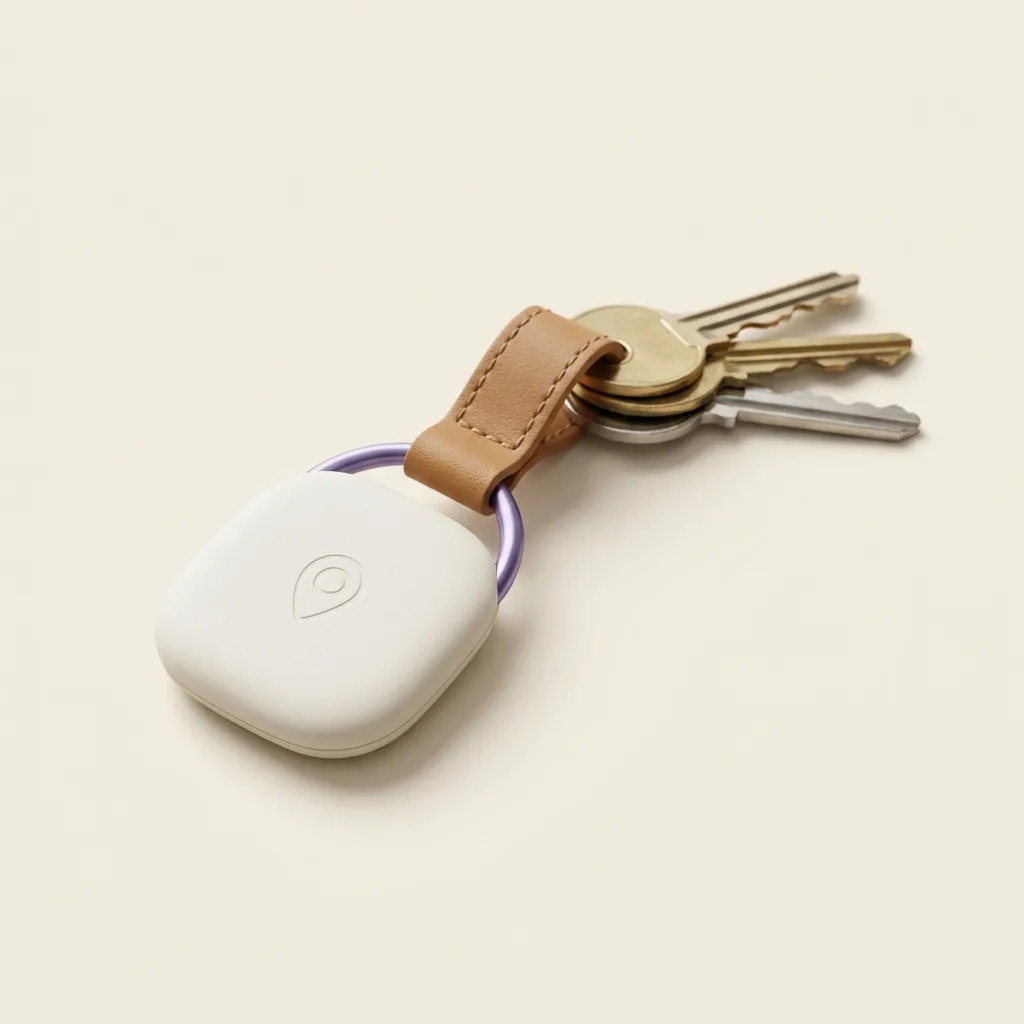
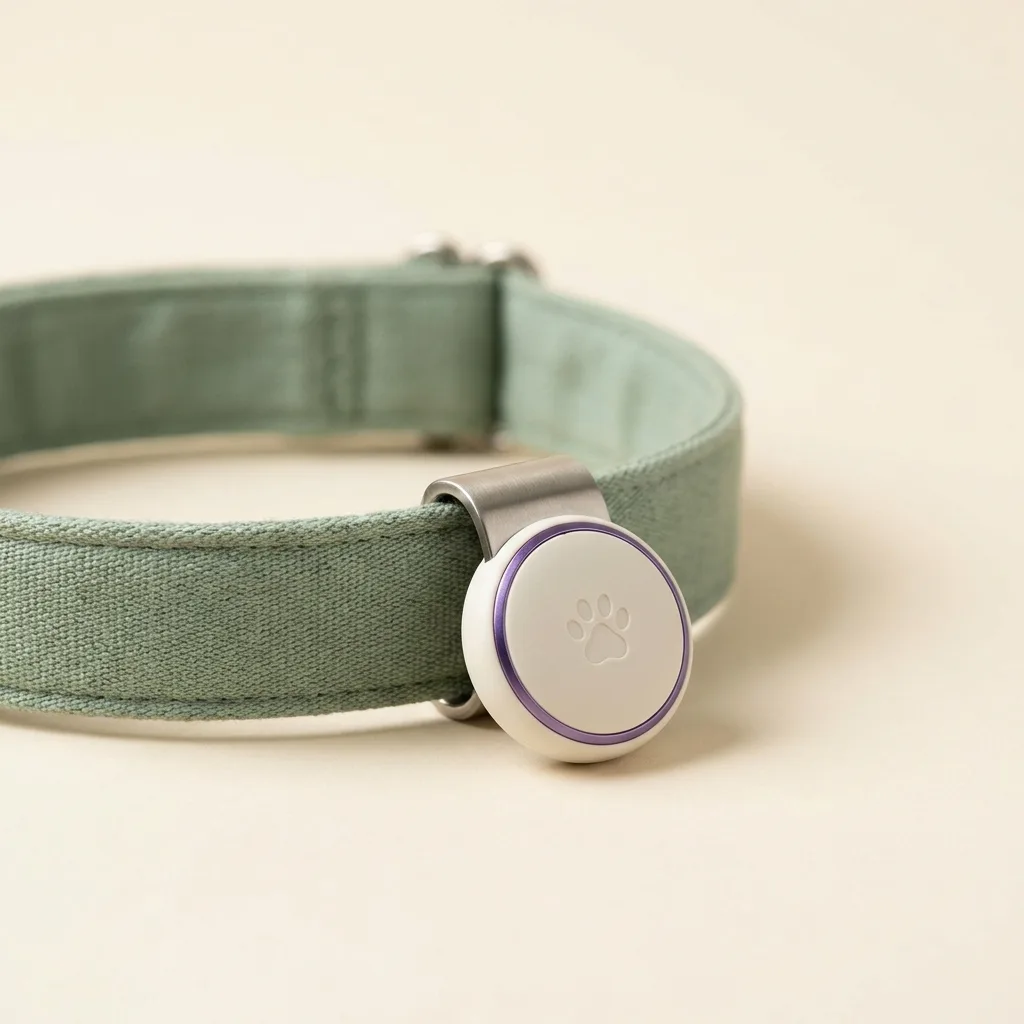
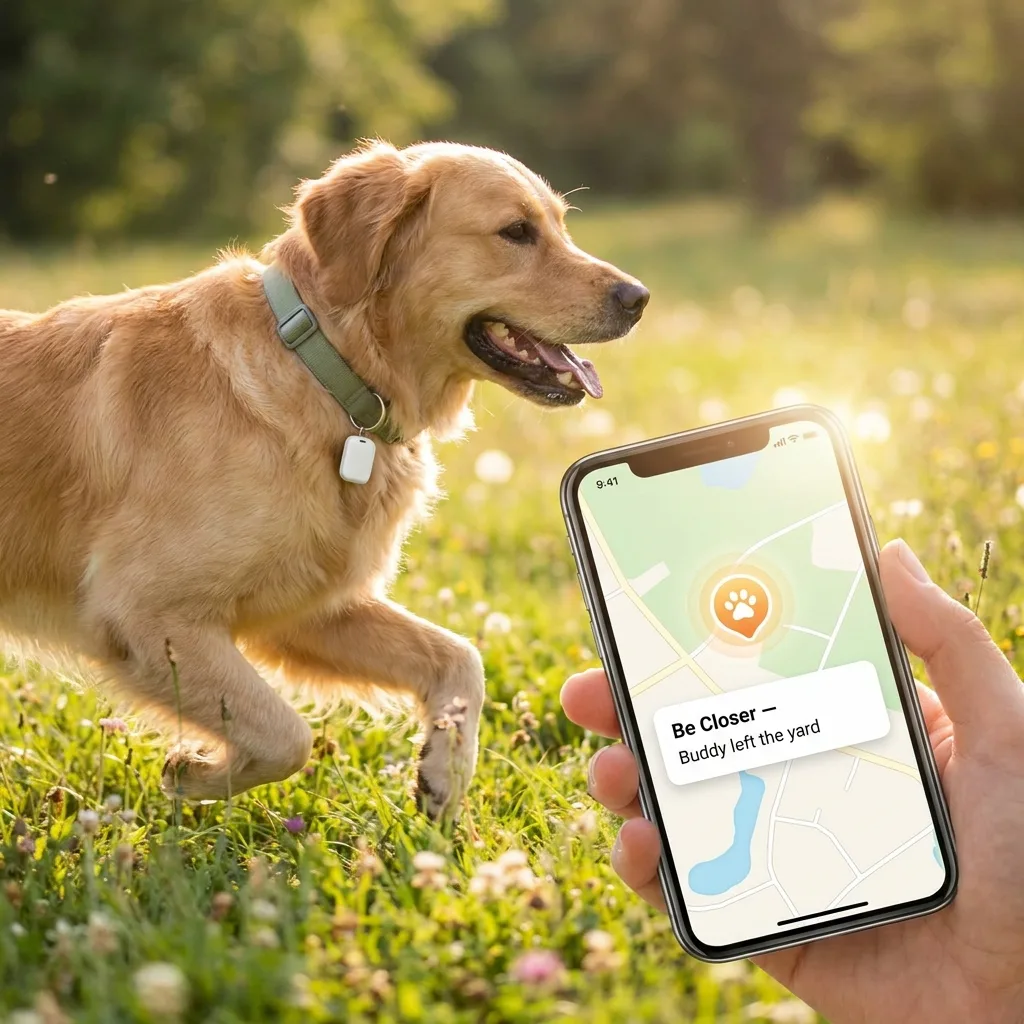
A tracker on the collar sits alongside all of this, and the framing matters. It is there so that you are calm and so that a lost dog can be found quickly, not so that you can audit a person you have already decided to trust. Tell the walker it is there, show them how it works, and be honest that it is for your nerves. Any decent professional will be relaxed about it, and some prefer it, because it protects them too if something goes wrong.
Then, genuinely, put the phone down. If you find yourself watching a dot move across a park for forty minutes, the problem you are solving is not the walker. Be Closer is free to download and shares location openly with the people in your circle, which is the same principle as everything else here: the tool works when everyone involved knows about it. If you want the honest comparison between a chip and a tracker before you buy anything, microchip or GPS tracker covers what each one can and cannot do.
Two more things worth saying out loud. First, if the arrangement is not working, end it kindly and quickly rather than letting it drift, because a dog notices tension in a hallway long before you do. Second, when it is working, say so. Dog walkers hear complaints far more often than thanks, and the person who has your key and your dog on a wet Tuesday in February deserves to know you noticed. If your evenings are the difficult part rather than your afternoons, dog walks after dark has some small habits that help.
Frequently asked questions

Priya writes about the family members we care for at every age, parents living alone, dogs that bolt at squirrels, and the quiet worry in between. She writes the way she checks in: gently, and always dignity first.
Our guides are written by Be Closer's editorial voices and reviewed by the team behind the app. Questions? support@becloser.com
Published · Updated