 Kids & Teens
When It Gets Dark Earlier: A Family Routine for Shorter Days
When the evenings draw in, adjust the routine rather than the rules: move check-in times earlier to match the light, add reflective gear and a small torch to school bags, walk the route together once in the dark, and brighten the spots where kids wait, like the driveway and the bus stop.
It happens every year, and every year it catches me out. One week my son wanders in from football practice with the sky still pink. The next, the clocks have gone back, I look up from the pasta, and the window is black. He is not late. The daylight is.
Shorter days do not change the route home, the friends, or the bus. They change how visible your child is, how easily they can see, and how the familiar walk feels. A routine built for September light needs a small refresh by late October.
This is our family's autumn reset. It takes one weekend to set up and about two minutes a day to keep going, and it has turned that evening jolt into a quiet nod at the front door.
Mark the clock change on the family calendar
In many countries the clocks go back in autumn, and the first week afterwards is when routines wobble most. Bodies are still on the old time, walks that used to finish in daylight suddenly finish in dusk, and nobody has updated the plan. Put the date on the family calendar, and treat the weekend before as your reset weekend.
Reset weekend checklist
- Look up this week's sunset time where you live, and note it on the fridge.
- Check every regular journey: school, clubs, friends' houses, the shop.
- Decide which ones now end in the dark.
- Adjust check-in times for those journeys.
- Kit out the school bags (see below).
The rule does not change. The clock does. If your child is allowed to walk home from the park, they still are. You are just moving the time they set off so it lines up with the light.
Move check-in times to match the light
Our summer rule was "home by six." In November, six o'clock is properly dark where we live. So the rule became "home by sunset, or text me before you leave." It is easier to remember than a new number each month, and it teaches kids to notice the sky, which is a useful habit in itself.
- Link the time to the light, not the clock. "Leave while it is still light" is easy to follow.
- Add a leaving text. A quick "setting off" means you know when to expect them.
- Agree what happens if they miss it. Call you for a lift, or wait somewhere indoors, not walk home in the dark on a sulk.
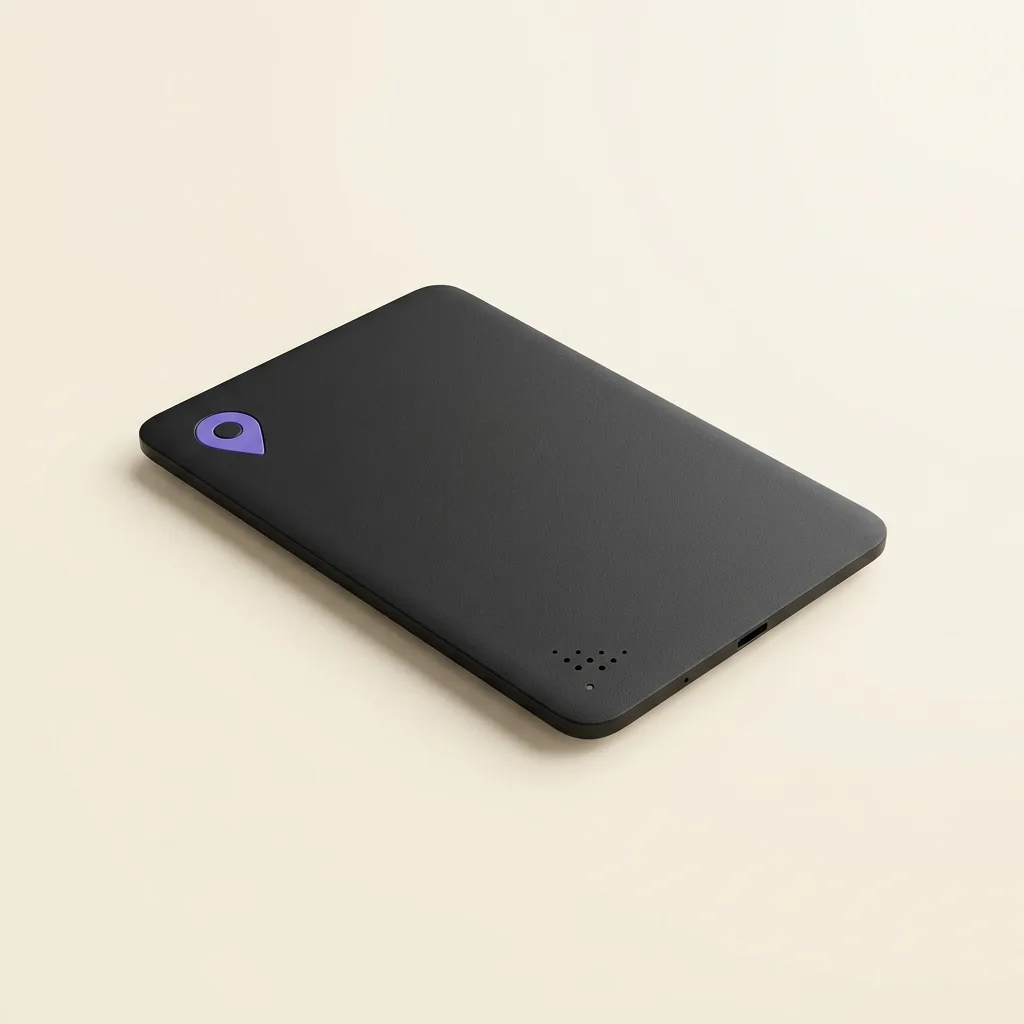
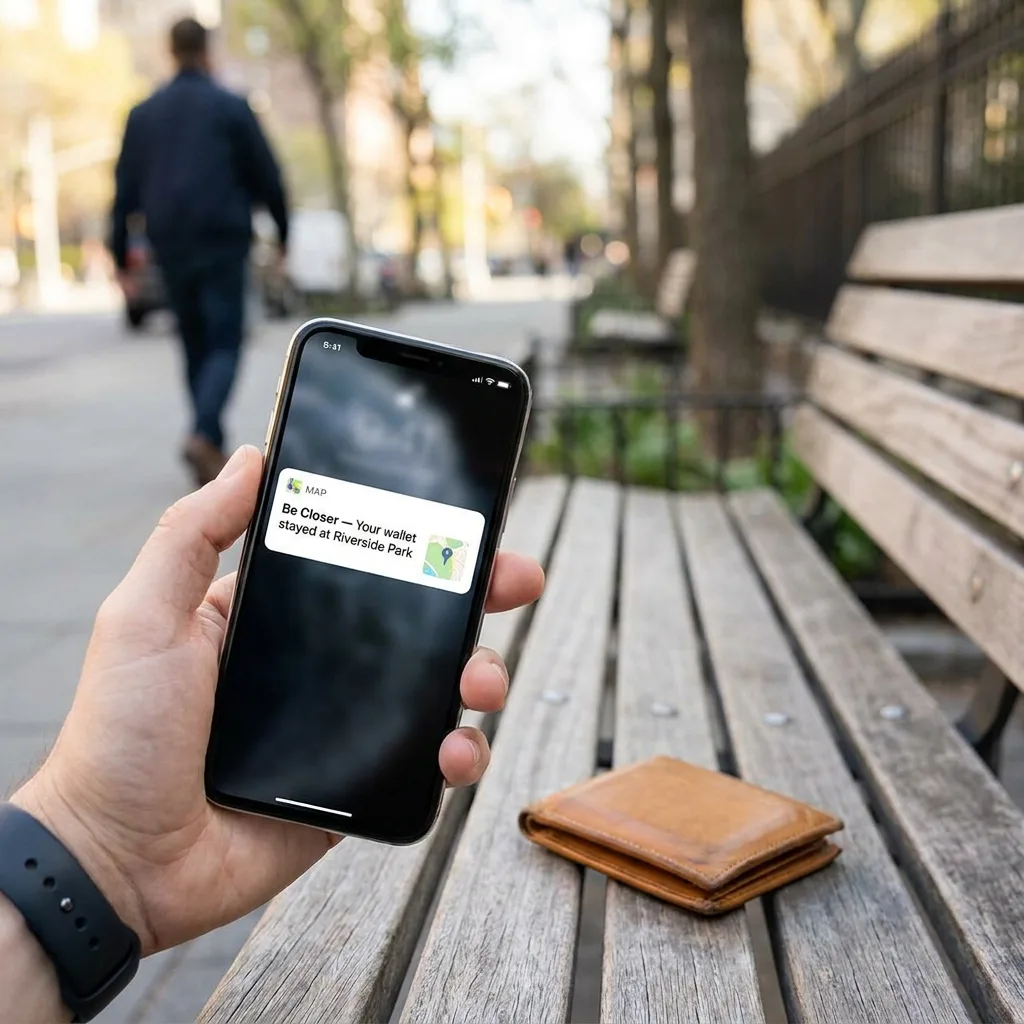
If your family uses Be Closer, arrival alerts can do some of the texting for you. A notification when they reach home means nobody has to remember to message, and our guide to knowing when family arrives without texting covers how to set that up together. It only works while their phone is charged and location is on, so the leaving text stays part of the routine.
Be seen: reflective gear that actually gets worn
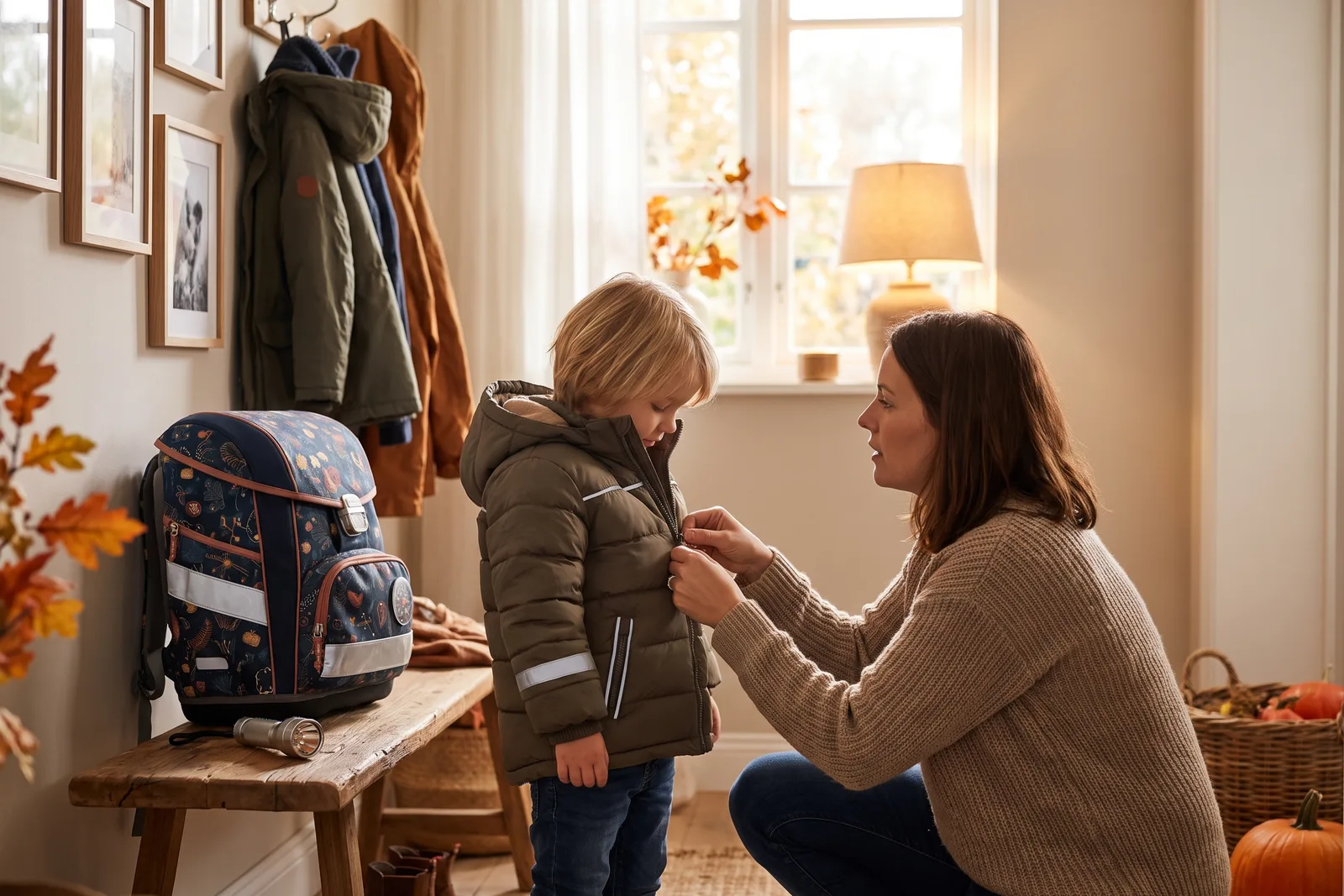
Dark coats and dark school bags are lovely until a driver is turning out of a side road at 5pm. The trick is not buying a hi-vis vest they refuse to wear. It is adding visibility to the things they already use.
- 1Reflective strips or stickers on the school bag. Out of sight, out of argument.
- 2A clip-on light or reflector on the bag strap or zip.
- 3A coat with reflective piping. Worth checking when you buy the winter one.
- 4Lights on bikes and scooters, front and back, charged every weekend.
- 5A small torch in the front pocket for dark paths and fumbling with keys.
Reflective gear is not about looking safe. It is about being seen a few seconds sooner.
Walk the route together once, in the dark
This is the single most useful thing we do. One evening in the first week of dark afternoons, we walk the usual route home together, at the time they would usually do it. Things look different. The shortcut through the park is pitch black. The streetlight by the corner is broken. The crossing that is easy in daylight is harder to judge with headlights in your eyes.
- Point out the well-lit alternatives, even if they take a few minutes longer.
- Agree which paths are daylight-only.
- Notice safe places along the way: a shop, a friend's house, a library.
- Practise crossing where they can see and be seen, away from parked cars.
For more on the walk itself, our guide to walking to school in the dark goes deeper on routes and road sense for winter mornings.
Brighten the waiting spots: driveway, doorstep, bus stop
Children spend a surprising amount of time waiting in the dark: at the bus stop in the morning, at the end of the drive for a lift, on the doorstep hunting for keys. Small fixes help a lot.
- A porch light on a timer or sensor, so nobody comes home to a black front door.
- Keys on a bright keyring, easy to find at the bottom of a bag.
- At the bus stop, stand back from the kerb and in the light, not tucked in a hedge. Our bus stop guide has more.
- For morning pickups, wait inside until you see the headlights, then walk out.
Be Closer shows your whole family on one private map, free to start.
Consent-first, never sold, and gentle on your battery. iOS and Android.
The after-school hour, adjusted
If your child comes home to an empty house, dark afternoons change that too. A lit house is more welcoming than a dark one, and a simple arrival routine keeps things calm.
Arriving home in the dark
- Leave a lamp on a timer so the house is lit when they arrive.
- Keys ready before they reach the door, not at the step.
- Door locked behind them, then a quick "home" message or arrival alert.
- Curtains closed and phone on charge.
Mornings in the dark, too
Autumn does not only darken the evenings. Depending on where you live, the walk or bus ride to school may start in gloom for part of the winter too. Mornings bring their own challenges: sleepy kids, rushing, and drivers heading to work who are not expecting small pedestrians.
- Put reflective gear on the night before, so it is not forgotten in the rush.
- Leave a few minutes earlier so there is no running across roads.
- Wait for the bus somewhere lit, and step back from the kerb as it pulls in.
- Keep headphones off, or at least one ear free, on dark walks so they can hear traffic.
If mornings feel especially rushed, it may be worth moving some of the routine to the evening before: bags packed, coats and gear by the door, lights charged. A calmer morning is a safer morning.
Clubs, sports, and late activities
Autumn is also when after-school clubs, sports practices, and rehearsals ramp up, and many of them finish well after dark. This is where plans most often need a rethink.
- 1List every regular late activity and how your child gets home from each.
- 2Swap walks for lifts or shared journeys where the route is dark or quiet.
- 3Set up a carpool rota with other families for the darkest months.
- 4Agree a waiting spot indoors for when a lift is running late.
- 5Check the schedule for dark-season changes, since some clubs move times or venues in winter.
Sharing the load with other parents makes winter far more manageable. A group chat with two or three families on the same team can turn a nightly worry into a once-a-week drive.
Bikes and scooters after the clocks change
Cycling and scooting are brilliant independence builders, and many families want to keep them going through winter. It just takes a little more preparation. Lights need to be on and charged, front and back, every single ride, and clothes need to be visible from the side as well as the front.
Winter bike check
- Front white light and rear red light, both charged.
- Reflectors on wheels or pedals.
- Brakes checked, since wet leaves make roads slippery.
- A bright or reflective layer on top.
- A route that sticks to lit roads and paths, agreed together.
If the route home becomes dark and busy, it is perfectly reasonable to switch to walking or a lift for a few months and return to the bike in spring. That is not taking away independence. It is matching the plan to the season.
Keep it light, literally and otherwise
None of this needs a big talk about danger. Most kids are more worried about looking silly than being unsafe, so frame it as practical kit and good habits, the same way you would with a raincoat. The winter routine becomes normal within a week or two, and in spring you get to enjoy the moment when the rules relax again.
Shorter days are a routine problem, not a trust problem. Adjust the times, add a bit of light, and let them keep the independence they have earned.
Frequently asked questions

Marta writes our Kids & Teens guides. Mother of two, professional over-preparer, firm believer that independence is a skill you practice, together first, then alone. She has road-tested every checklist in her own hallway at 7:40am.
Our guides are written by Be Closer's editorial voices and reviewed by the team behind the app. Questions? support@becloser.com
Published · Updated