 Kids & Teens
Home alone after school: making the latchkey hours calm
Age is a weak predictor of readiness, maturity and a trial run tell you more. Build a boring, predictable arrival routine (alert, snack, rules) so the risky first thirty minutes have nothing interesting happening in them. State door and stranger rules plainly, not fearfully, and plan for boredom directly, since that's the real risk, not the front door. Run a first week as a trial with a clear who-to-call ladder before calling it settled.
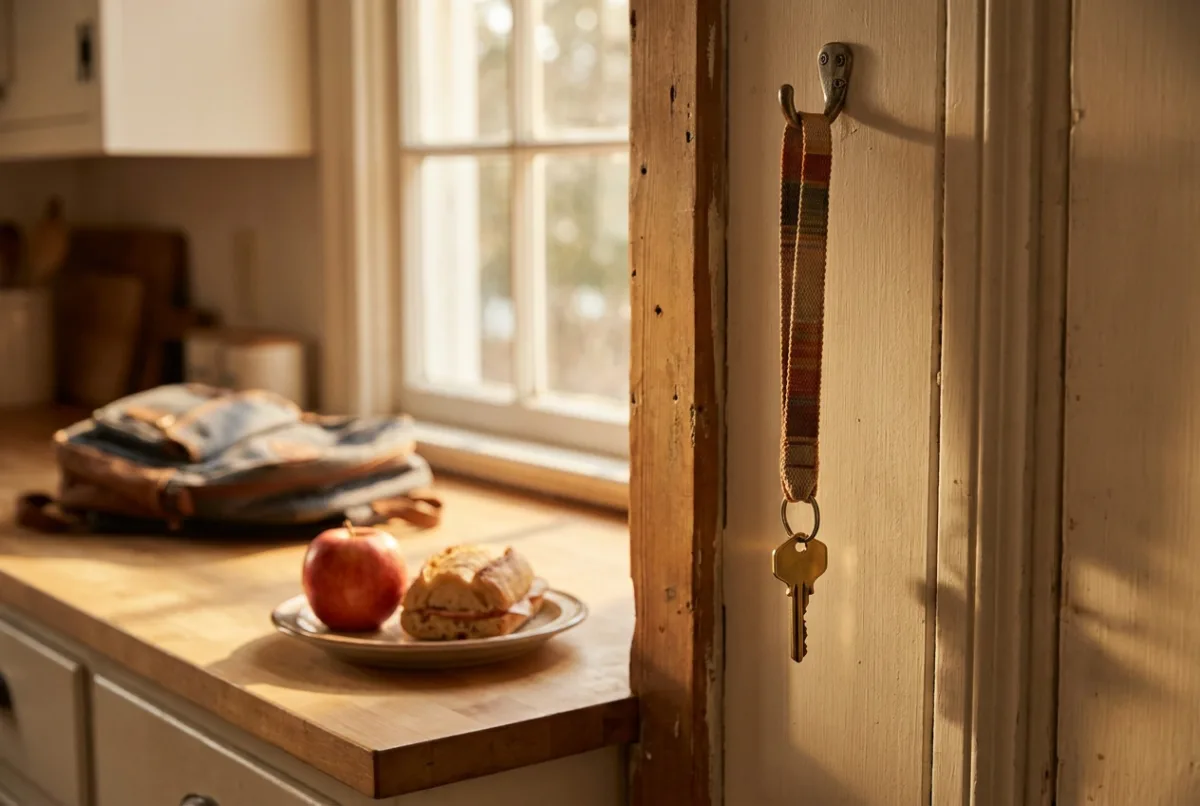
There's a specific stretch of the afternoon, roughly 3pm to 5:30pm, that accounts for a disproportionate amount of parental anxiety relative to how much actually goes wrong in it. Most of that gap is nothing: homework, a snack, a show, the dog. The trick is making sure it stays that way, and that comes down to routine, not supervision, since by definition nobody's supervising.
The instinct is to focus on the door, what if someone knocks, what if someone tries to get in. That's worth covering, briefly and calmly. But the more common risk in these hours is far less dramatic: boredom leading to a bad decision on the stove, a curious experiment with something in the garage, or a sibling squabble that escalates because nobody's there to referee it. Plan for that, and the door rules practically take care of themselves.
This covers how to judge readiness properly, the arrival routine that makes the first half hour uneventful, rules stated without scaring anyone, and a first-week trial that tells you what's actually working before you commit to the arrangement long-term.
How do you know if your child is actually ready?
Age is a genuinely weak predictor here, plenty of ten-year-olds handle an hour alone calmly, and plenty of twelve-year-olds don't, yet. What matters more is a cluster of specific behaviours you can actually observe rather than assume.
- Follows a short instruction reliably without needing it repeated three times.
- Can identify what counts as an emergency versus something that can wait for you to get home.
- Doesn't panic or freeze when something unexpected happens, like a loud noise or a call from an unknown number.
- Has shown they can be trusted with a smaller version of this, an hour on a Saturday while you're in the garden, say, before you try a full weekday stretch.
If in doubt, start smaller than feels necessary. A 20-minute solo stretch that goes well builds more genuine confidence, on both sides, than jumping straight to two hours and hoping for the best.
What makes the first thirty minutes boring in a good way?
The first half hour after arriving home alone is the highest-risk window, mostly because it's unstructured. A simple, repeated routine removes the decision-making that leads to bad choices, the same way a bedtime routine works by removing negotiation rather than by force.
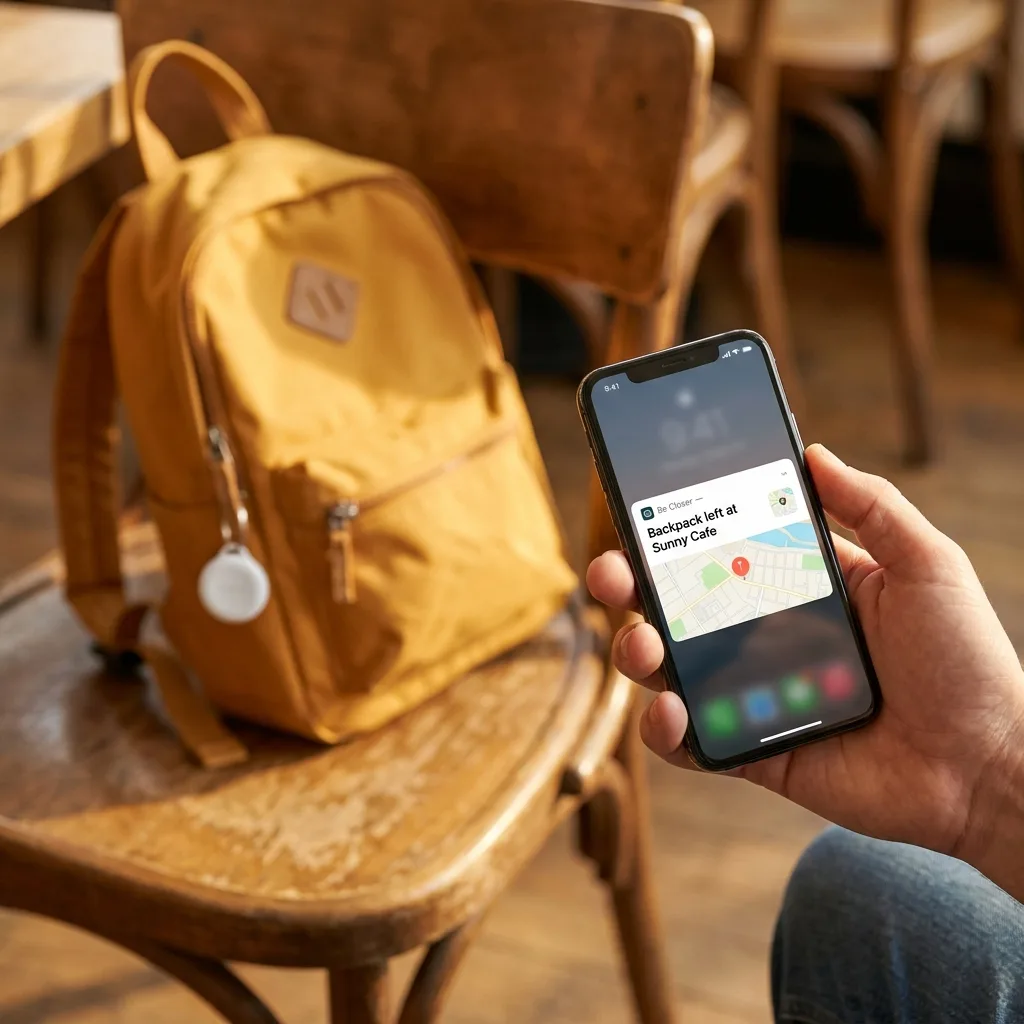
- 1Arrival alert. A message, or an automatic notification from a device, the moment they're through the door, so you know without having to ask, and they know you know.
- 2Snack. Pre-agreed, pre-approved, no stove involved. Removes the single most common cause of kitchen mishaps in these hours.
- 3Rules reminder. Not a lecture, a quick glance at a card on the fridge or a two-line text, reinforcing the same three or four things every day until they're automatic.
Why the arrival alert matters more than it sounds
- It replaces you calling to check, which can feel like surveillance to a kid who's trying to feel capable.
- It's the one piece of information that actually matters, that they're home safely, without needing a conversation.
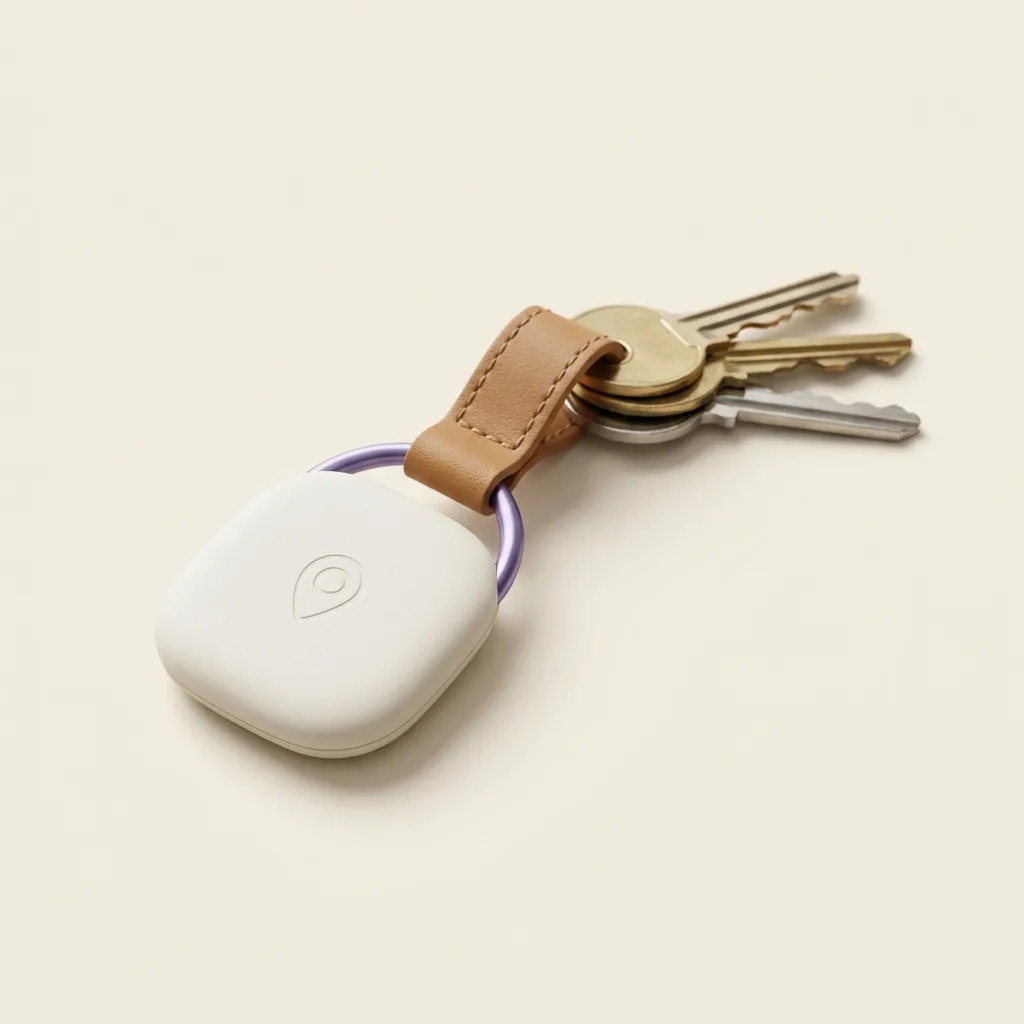
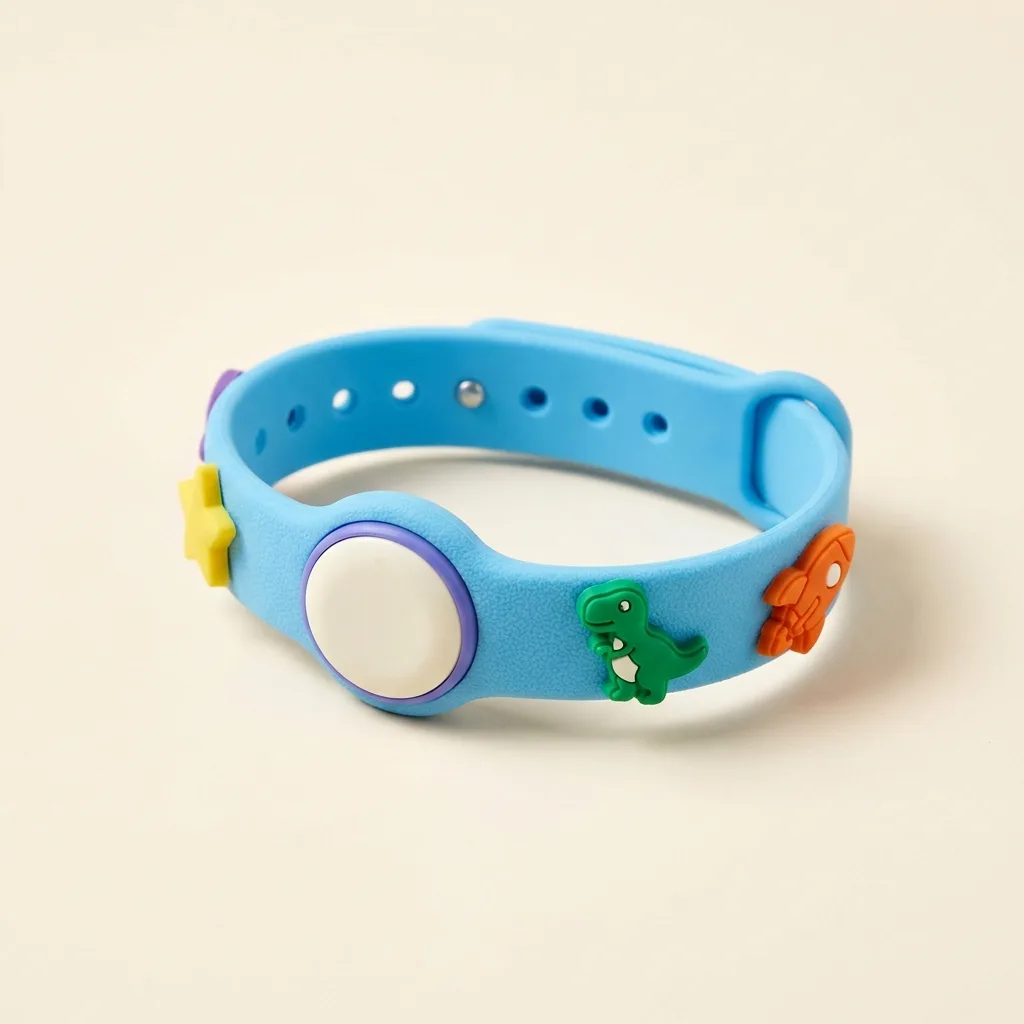
- A wearable like the Be Closer Band or a geofenced phone alert can send this automatically, so nobody has to remember.
How do you set door and stranger rules without scaring them?
This is the part parents most often get wrong, usually by accident, a serious, hushed tone turns a simple rule into something that sounds like it's protecting against something terrifying, which makes kids either anxious or secretly thrilled by the drama, neither of which is the goal.
Say it plainly instead: "We don't open the door when you're home alone, and that's not a scary rule, it's a boring one, like not answering unknown numbers. It's just what we do." The tone matters as much as the content. A rule delivered calmly gets followed calmly.
- Don't open the door to anyone, expected or not, deliveries and visitors wait until a parent's home.
- Don't confirm to anyone at the door, by phone, or online that they're home alone.
- If someone knocks and won't leave, or a call feels wrong, that's the moment to call a parent or the who-to-call ladder, not something to handle solo.
Be Closer shows your whole family on one private map, free to start.
Consent-first, never sold, and gentle on your battery. iOS and Android.
So what's the actual biggest risk, and how do you plan for it?
Boredom. Not strangers, not the door, long stretches of unstructured time with nothing specific to do, which is when curiosity finds the stove, the sibling squabble, or the screen time nobody agreed to. The fix isn't more rules; it's a plan for what to actually do.
A plans list beats a rules list
- Homework first, in a specific spot, for a specific amount of time.
- One approved screen activity, with a clear stop time rather than an open-ended 'a bit of TV'.
- A snack that requires no appliance more complicated than a microwave, at least for the first few weeks.
- A sibling-specific plan if there's more than one child home, who's in charge of what, and what to do if they disagree.
This is worth revisiting the same way you'd revisit daily check-in rituals, not as a one-time conversation, but as something you tweak every few weeks as your child gets more capable and, frankly, more bored of the same snack.
Who do they call if something feels off?
A clear ladder removes the moment of hesitation that makes small problems feel bigger than they are.
| Situation | Who to call | What happens |
|---|---|---|
| Minor question, 'can I have a second snack?' | Parent, by text | Answered when convenient, no urgency |
| Something feels wrong but isn't an emergency | Parent, by call | Parent talks it through or heads home |
| Genuine emergency | Emergency services, then a parent | Immediate response, parent notified right after |
| Parent unreachable | Second trusted adult on the list | Backup contact steps in |
Print this and stick it somewhere visible, the fridge, the inside of a cupboard door, rather than assuming a nine-year-old will remember four phone numbers under stress. They won't, and that's fine; that's what the card is for.
How do you run a first-week trial properly?
Treat the first week as data collection, not a done deal. Pick a short daily window, 30 to 45 minutes to start, and debrief for two minutes each evening: what went fine, what felt long, what they'd change.
- 1Day 1–2: short window, arrival alert required, parent reachable and expecting a check-in.
- 2Day 3–4: same window, less prompting from you, see what they do without a reminder text.
- 3Day 5: slightly longer window if the first four days went smoothly.
- 4End of week: honest conversation about whether to extend the arrangement, adjust the routine, or scale back and try again in a month.
A trial week isn't about proving they can do it. It's about finding the one thing that would have gone wrong, while the stakes are still small enough that it doesn't matter.
Frequently asked questions

Marta writes our Kids & Teens guides. Mother of two, professional over-preparer, firm believer that independence is a skill you practice, together first, then alone. She has road-tested every checklist in her own hallway at 7:40am.
Our guides are written by Be Closer's editorial voices and reviewed by the team behind the app. Questions? support@becloser.com
Published · Updated