 Kids & Teens
Family code words: the tiny system that makes pickups safer
Pick one word your child could never forget and would never say by accident, tell only the adults who might collect them, and teach a single rule: if someone says I sent them, they must know the word. Practise it three times in the car, lightly, then leave it alone. It costs five minutes and it removes the guesswork from the one situation that's genuinely confusing for a child.
Ours is "pineapple lighthouse". It was chosen by a six-year-old on the way home from swimming, it is completely ridiculous, and that is exactly why it has survived four years without ever being written down.
A code word is one of the few safety habits that's genuinely quick to set up and genuinely useful. It isn't about strangers in vans, that framing frightens children and misses the actual problem. The real problem is much more ordinary: the day the plan changes. You're stuck at work, a friend's dad offers to take your child home, and your child has no way to know whether that's fine or not.
A code word gives them a way to know. That's the whole thing.
What is a family code word for?
It answers one question, instantly: is this adult really here on my parent's behalf? Children are surprisingly good at handling this if they've been given a rule. Without one, they fall back on politeness, which is the wrong instinct in exactly the moment you'd want them to be a bit awkward.
There are two situations worth setting it up for:
- An unexpected pickup. Somebody your child half-recognises says "your mum asked me to take you home". If they know the word, they're safe. If they don't, your child says "I'll wait, thanks" and goes back to the office or a known adult.
- Your child needs an exit. A sleepover that's gone wrong, a party they want to leave, a situation they can't explain on the phone with people listening. If they text or say the word to you, you call and say you need them home, no questions in front of anybody.
That second use is the one families forget, and it's the one that keeps earning its place as children get older. A teenager who can send one word instead of explaining themselves will use it. A teenager who has to justify wanting to leave usually won't.
How do you choose a word that actually works?
Three rules, and the third is the one people get wrong.
- 1Memorable, ideally silly. Two unrelated nouns beat one sensible word. "Pineapple lighthouse", "velvet tractor", "biscuit volcano". Children remember absurdity effortlessly and forget sensible things immediately.
- 2Never said by accident. Avoid pet names, favourite foods, football teams, anything that comes up in normal conversation. If the word could appear in a Tuesday, it can't do its job.
- 3Chosen by your child. Let them pick it. Ownership is what keeps it alive four years later; a word assigned by a parent is a word forgotten by half term.
Keeping the word safe
- Tell only the adults who might genuinely collect your child, the other parent, a grandparent, one or two trusted friends.
- Don't write it in a class WhatsApp group, on a form, or on anything that goes in a school bag.
- Don't let your child use it as a joke word with friends. If it spreads, it's finished.
- Change it if it's ever shared widely, and change it the same day rather than meaning to.
- Older children can have a second, separate word purely for the 'get me out of here' text.
Be Closer shows your whole family on one private map, free to start.
Consent-first, never sold, and gentle on your battery. iOS and Android.
How do you practise it without frightening anyone?
Lightly, briefly, in the car. Tone is doing most of the work here, the same information delivered gravely lands as "the world is dangerous", and delivered casually lands as "here's how our family handles a change of plan". Children take their reading of risk directly from you.
The whole practice is three questions, thirty seconds each:
- 1"If Auntie Sam came to school and said I'd sent her, what do you ask her?", the word.
- 2"What if she doesn't know it, but she's really nice about it and says I'm just being silly?", you still don't go. Adults who are genuinely sent by me will not mind being asked.
- 3"Who do you go back to if you're not sure?", the office, the after-school club leader, the named adult at your school gate.
Do that three times over a term, then stop. Over-drilling turns a useful tool into an anxiety, and anxious children hesitate rather than act. Two rehearsals a year keeps it fresh at zero emotional cost.
You're not teaching your child that people are dangerous. You're teaching them that it's fine to be a bit awkward with a grown-up when something doesn't match the plan.
That last sentence is worth saying to them directly. The hardest part for a polite child isn't remembering the word, it's the social cost of doubting an adult out loud. Give them explicit permission and they'll take it.
What's the backup when plans change?
A code word covers the moment of doubt. It doesn't cover the plan itself, and the plan is where most school weeks fall apart, the train is late, the meeting overruns, the phone is dead. Build the fallback once and it holds.
- A default person. One named adult who is always the answer if you can't be reached. Your child should be able to say the name without thinking.
- A default place. School office, after-school club, or a specific shop on the route. Not 'somewhere safe', a named door.
- A default action. Wait there, don't start walking, and stay until a known adult arrives.
- A way to say the word without speaking. Older children can text it. This matters more than it sounds.
Location sharing sits alongside this rather than replacing it. An arrival alert tells you the pickup happened and stops the anxious 'are you there yet' texting; it doesn't tell your child what to do at the gate. Both jobs need doing. If you're setting up Places for the school run, Geofencing, explained like you're a busy parent covers how arrival alerts behave in practice.
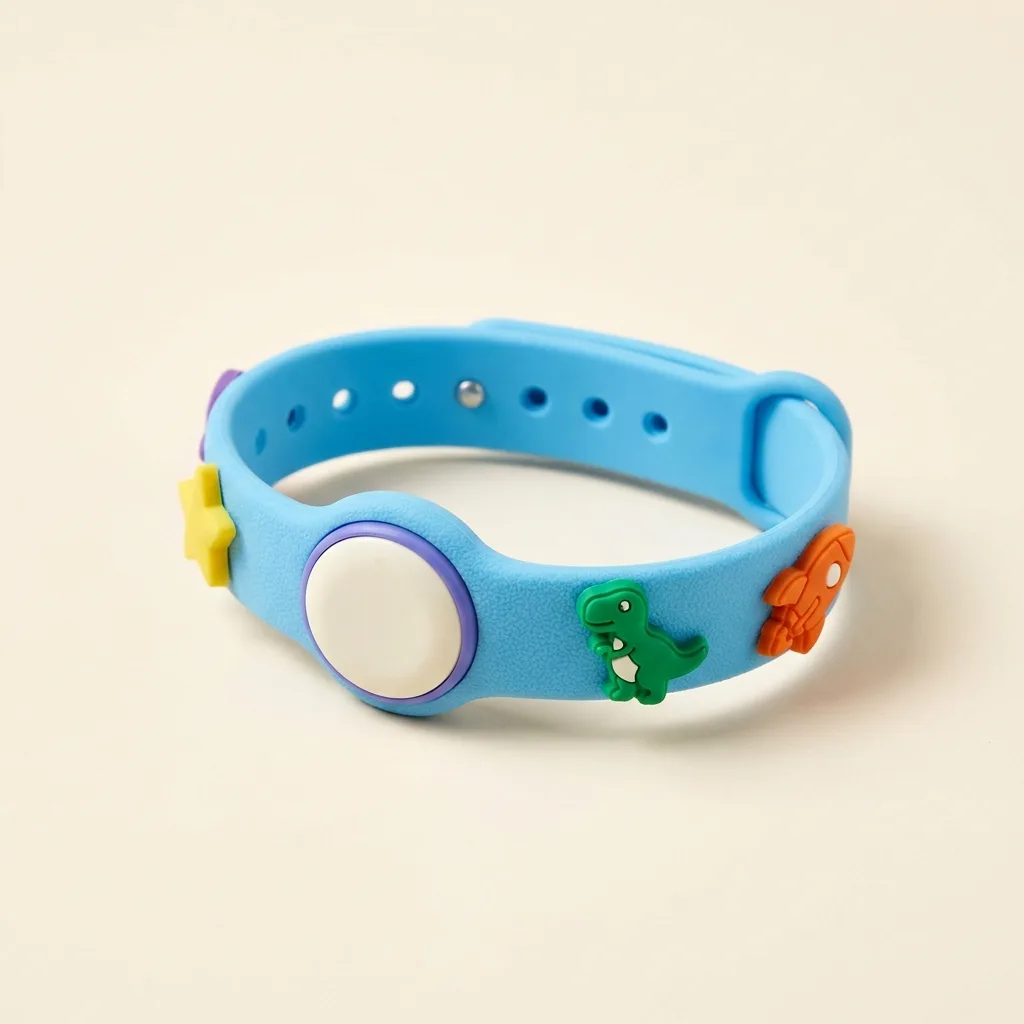
For younger children who don't have a phone, a worn device like the Be Closer Band covers the same gap, you get the arrival alert, they keep the code word for the human part of the problem. And when the walk home is the piece you're working on rather than the pickup, Walking home from the bus stop walks through the progression step by step.
Frequently asked questions
Marta writes our Kids & Teens guides. Mother of two, professional over-preparer, firm believer that independence is a skill you practice, together first, then alone. She has road-tested every checklist in her own hallway at 7:40am.
Our guides are written by Be Closer's editorial voices and reviewed by the team behind the app. Questions? support@becloser.com
Published · Updated