 Kids & Teens
When is a child ready to walk to school alone?
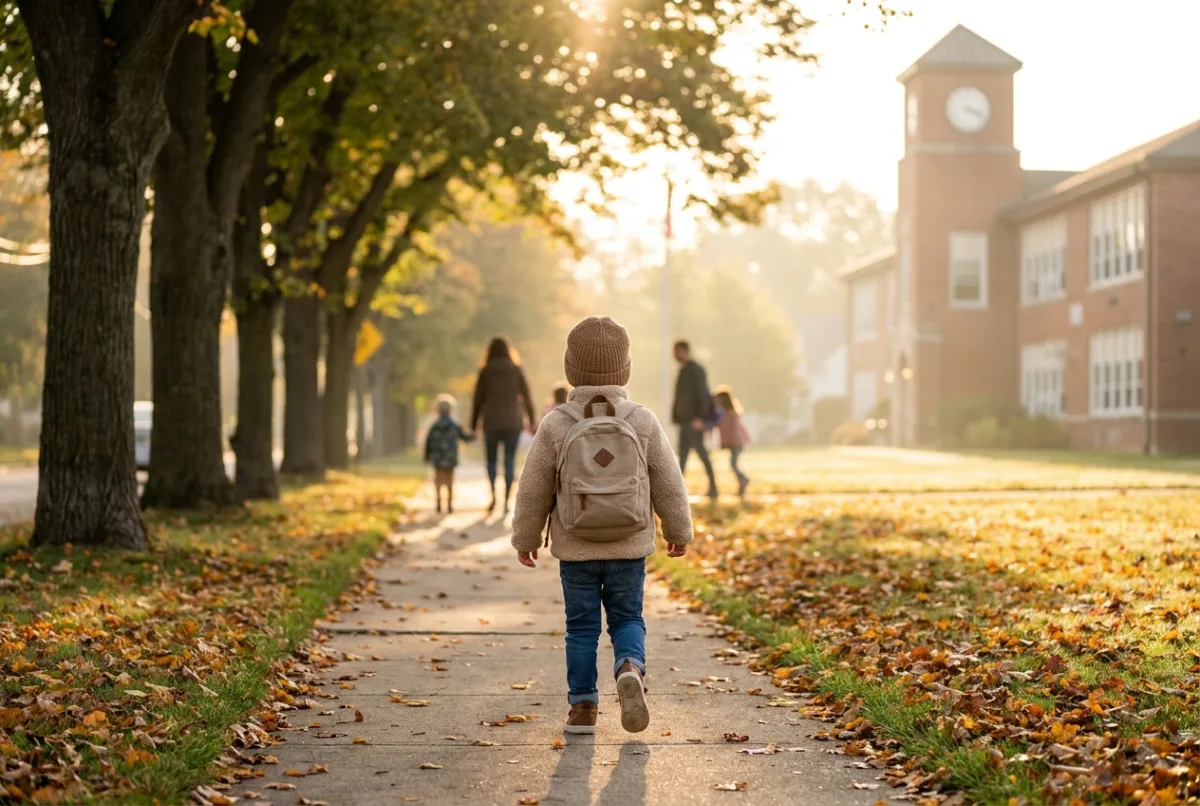
Short answer: readiness depends on the child and the route, not a birthday, but most children can manage a short, familiar walk somewhere between seven and ten if they've practised it in stages. Walk it together, then shadow them, then let them go with a check-in, and use automatic arrival alerts so nobody has to text.
Here is the good news before the caveats: this is something you can practise. There is no legal age in most countries for walking to school alone, and no developmental milestone that flips the switch. What there is instead is a route, a child, and a set of skills, and the honest answer is that some eight-year-olds are ready for a particular walk and some eleven-year-olds aren't.
That's not a cop-out. It's actually good news, because it means readiness is something you can build deliberately over a few weeks rather than something you wait for.
What does 'ready' actually look like?
Forget age for a moment and look at the child in front of you. These are the signals that predict a safe solo walk.
- Road judgement, not just road rules. Plenty of children can recite "look both ways" and still step out behind a parked van. What you want is a child who slows down at kerbs without being told and who hesitates when a situation is ambiguous.
- Route memory. They can describe the walk to you turn by turn, including the bit that's slightly confusing. If they can draw it, even better.
- Distraction resistance. Can they keep walking sensibly while a friend is talking to them? Most incidents on familiar routes happen because attention went somewhere else, not because the child didn't know the way.
- Willingness to ask for help. They know who to approach, a shop, a school, another parent with children, and they'll actually do it rather than freeze.
- Plan B thinking. Ask: "what would you do if the crossing was closed?" A child who improvises sensibly is ready. A child who says "I don't know" needs another few practice runs.
- They want to. A reluctant child pushed into independence learns anxiety, not competence. Wanting to is part of readiness.
Then look at the route itself, which matters at least as much: how many roads to cross, whether there are crossings or a lollipop patrol, how busy the traffic is at that exact time of day, whether the pavement is continuous, and whether other children walk the same way. A quiet ten-minute walk with one supervised crossing is a very different proposition from a five-minute walk across a main road.
The four-stage practice progression
This is the part most families skip, and it's the part that does the work. Spread it over three to six weeks. Don't rush a stage because the term is starting.
Stage 1, Walk it together, narrating
Two weeks of walking the route with your child while you talk through the decisions out loud. "I'm not crossing here because that van blocks the view, we'll walk to the crossing." Narration is what transfers judgement. Silent walking teaches the route but not the thinking.
Stage 2, Let them lead
Same walk, but your child is in charge. They choose when to cross, you follow and say nothing unless there's a genuine risk. Bite your tongue at the near-misses that aren't near-misses. Afterwards, review two things they judged well and one to work on.
Stage 3, Shadow from behind
Hang back thirty or forty metres. Your child walks alone in every sense that matters, but you're there. Most parents find this stage more revealing than the first two, you see what they actually do when they think nobody's watching, which is usually reassuring and occasionally not.
Stage 4, Solo, with an automatic check-in
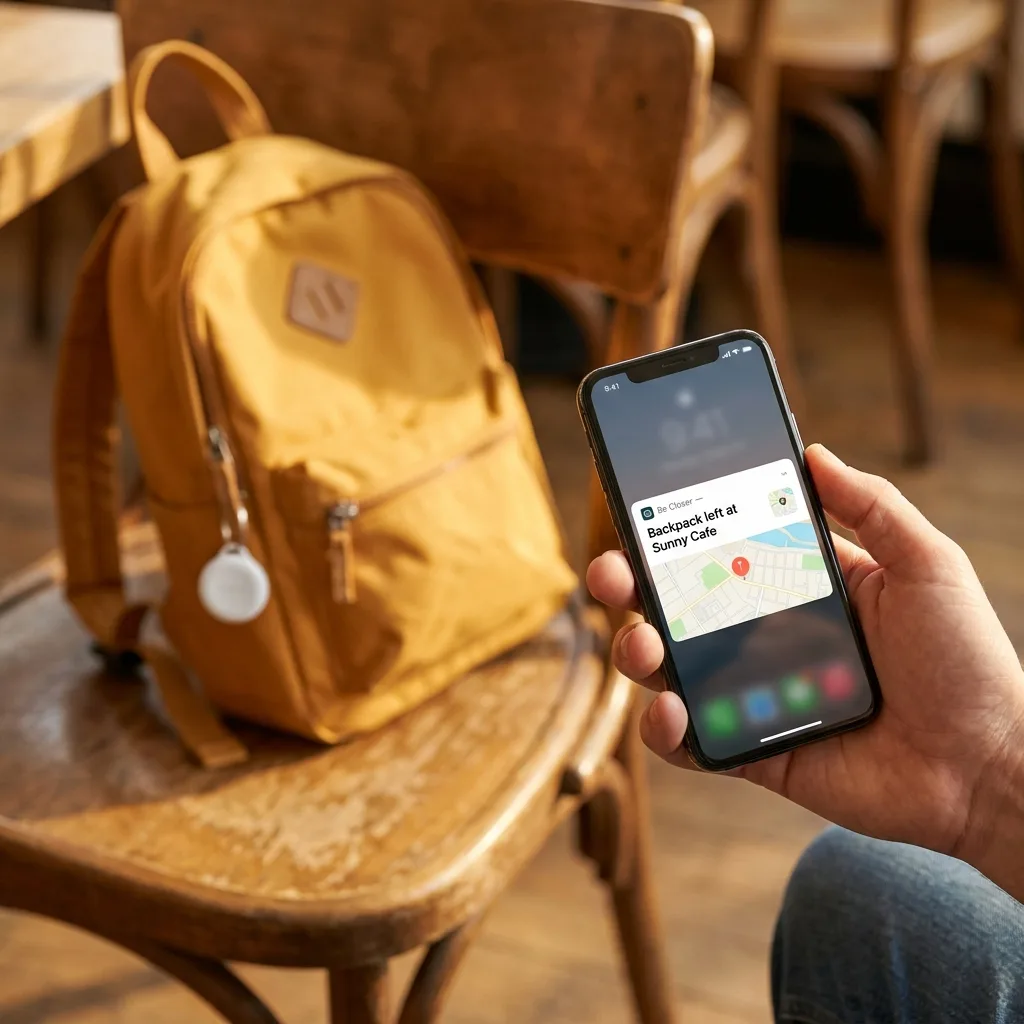
The real thing. The key is that the check-in should be automatic rather than a task your child has to remember. This is exactly what places and arrival alerts are for: save home and school once, and your phone tells you when they arrive. No text required, no phone-out-on-the-pavement moment, and nothing for a distracted nine-year-old to forget.
The readiness checklist
Work through this before the first solo walk. If you can tick everything, you're in good shape.
Before the first solo walk
- They've walked the route with you at the same time of day, in the weather they'll actually face.
- They can name every road they cross and where they cross it.
- They know two safe places to go if something feels wrong.
- They know your phone number from memory, not from a contacts list.
- You've agreed what happens if they're running late, and it's 'tell us', not 'hurry'.
- The school knows they'll be arriving and leaving on foot alone.
- Arrival alerts are set up for home and school, and you've tested them once.
- They've walked it back as well as there. The journey home is the one people forget to practise.
Be Closer shows your whole family on one private map, free to start.
Consent-first, never sold, and gentle on your battery. iOS and Android.
Do they need a phone?
Usually not, and for a child under about ten, a smartphone often adds risk rather than removing it. It's a distraction on a pavement, it's the thing most likely to get lost or taken, and many schools require it to be handed in or switched off anyway.
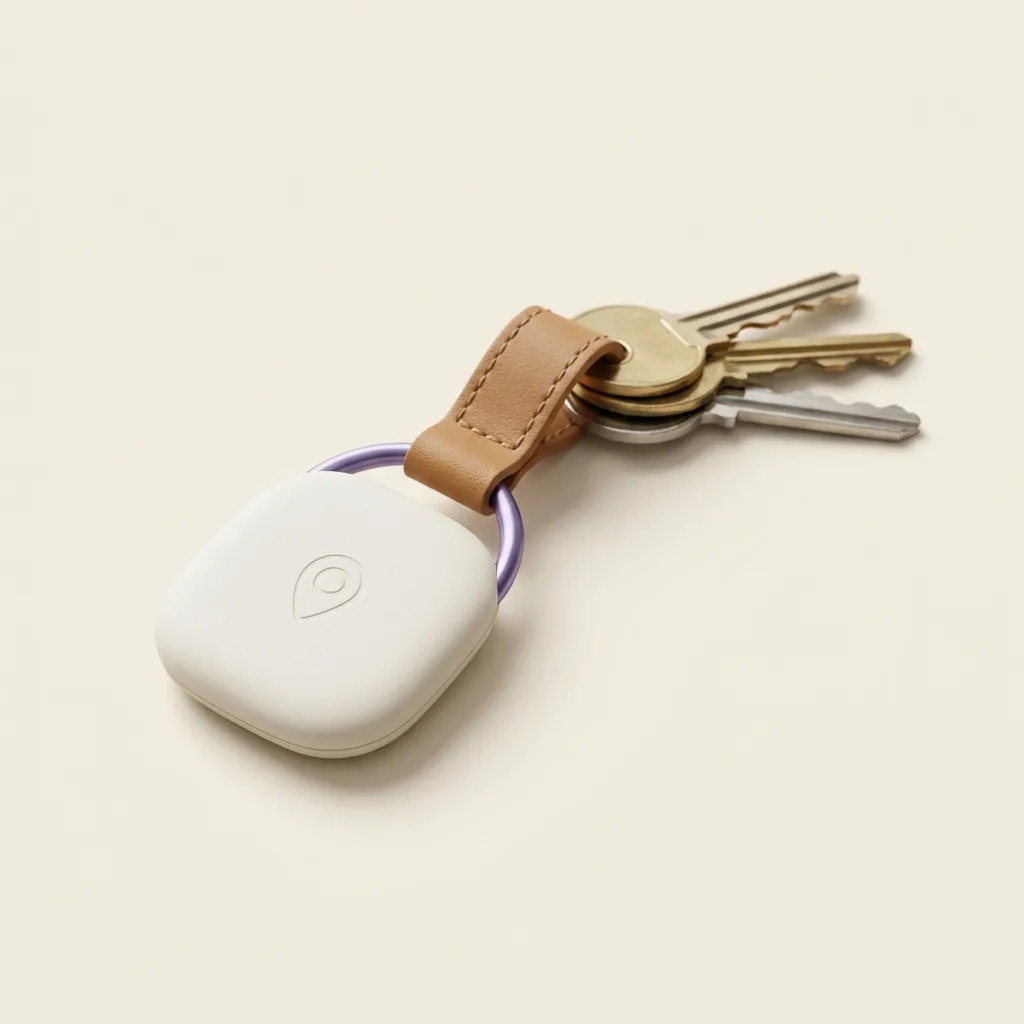
A screen-free wearable or a tag inside the school bag solves the location half of the problem without the screen. It gives you the arrival alert and the last-known location, and it gives your child nothing to fiddle with at a kerb. We compared the realistic options, live GPS wearables, kids' smartwatches, and Bluetooth tags, in GPS bracelet vs. smartwatch vs. AirTag for young kids, including the important difference between a device that knows where it is and one that relies on other people's phones walking past.
How to handle the first week
Expect the first few days to be harder for you than for them. That's normal and it isn't a sign you got it wrong.
- 1Agree the arrival window, not the arrival time. "Between 8:35 and 8:50" gives room for a slow morning without triggering alarm.
- 2Decide in advance what you'll do if the alert is late. Wait five minutes, then call the school, then walk the route. Having the sequence written down stops the spiral.
- 3Don't debrief every day. Ask on day one, then let it become ordinary. Independence that gets interrogated stops feeling like independence.
- 4Resist watching the dot. If you find yourself following the walk live every morning, you've swapped one worry for a more absorbing one. Turn the map off and trust the alert.
And a note about the maps themselves: a dot can sit fifteen or twenty metres off in a street with tall buildings, and it can appear to jump between updates. That's normal GPS behaviour, not a child taking a detour. Knowing this in advance prevents an unnecessary panic on day three.
When to wait a term
There's no prize for being early. Hold off if the route involves a road you wouldn't be comfortable crossing as an adult in the rain, if your child is anxious about it, if they've recently been through a big disruption, or if they consistently struggle to stay attentive on the practice runs.
Waiting a term costs nothing. It also gives you six more weeks of stage-two and stage-three walks, which is the cheapest safety investment available to any family.
Frequently asked questions

Marta writes our Kids & Teens guides. Mother of two, professional over-preparer, firm believer that independence is a skill you practice, together first, then alone. She has road-tested every checklist in her own hallway at 7:40am.
Our guides are written by Be Closer's editorial voices and reviewed by the team behind the app. Questions? support@becloser.com
Published · Updated