 Kids & Teens
Walking home from the bus stop: a confidence plan for the last 400 meters
Don't jump from 'I meet the bus' to 'walk yourself home'. Go in three stages over a few weeks: meet at the stop, then meet halfway, then home alone with an arrival alert. Run two or three what-if drills before stage three, agree exactly what happens at an empty house, and let the alert do the worrying so you don't have to.
It's four hundred metres. You can see most of it from the corner. And yet the first time your child walks it alone you will find something urgent to do near the window, and that's completely normal.
The last stretch home has a particular weight to it, and it's worth naming why: it's the only part of the school day when nobody is responsible for your child. On the bus there's a driver. At school there's a teacher. At home there's you. For those five minutes they're on their own for the first time, and both of you feel it.
The good news is that this is a very trainable five minutes. Here's the progression we used, the drills that made it stick, and the boring house rules that matter more than any of it.
Why does the last stretch feel bigger than it is?
Because it's the handover, and handovers are where the gaps live. Everything either side is supervised, so all of the day's uncertainty concentrates into one short walk. That's a feeling worth respecting rather than dismissing, but it's also worth being clear that the feeling isn't a measurement of danger.
The genuinely risky parts of this walk are mundane, and they're the ones to actually train:
- Roads. Crossings taken at a run, or crossing between parked cars. This is the real risk on the route and deserves most of your attention.
- Getting off at the wrong stop, especially with a substitute driver or a changed route.
- Nobody home when they arrive, with no plan for what to do next.
- Distraction. Headphones, a phone, or a friend walking the other way. Attention is the thing that keeps them safe on a pavement.
None of those are solved by watching a dot move. They're solved by walking the route with your child enough times that the decisions become automatic, which is what the progression below is for.
What does the progression look like?
Three stages, each one held long enough to be boring before you move on. Boring is the signal. If a stage still feels like an event to either of you, stay there another week.
| Stage | What you do | Move on when |
|---|---|---|
| 1. Meet at the stop | You're there as the bus doors open. Walk home together, but let your child lead the route and the crossings. | They choose the crossings correctly without prompting for a full week. |
| 2. Meet halfway | You wait at an agreed point, a postbox, a corner. They walk the first half alone, including the road crossing if there is one. | They arrive at the meeting point calmly, on time, several days running. |
| 3. Home alone with an alert | They walk the whole way. You get an arrival alert instead of standing at the window. | This is the destination. Hold it for a term before adding anything new, like a detour to a friend's house. |
A few practical notes. Do stage two on the half of the route that contains the hardest decision, not the easy half, you want them practising the crossing while you're still nearby. Don't skip a stage because the weather is bad or a week is busy; a rushed stage three usually gets walked back, and walking back is much harder on a child's confidence than going slowly.
And tell them the plan in advance, all three stages. Children put up with a slow progression happily when they can see it leads somewhere. This is the same logic as the wider readiness question in When is a child ready to walk to school alone?, you're building evidence together, not administering a test.
Be Closer shows your whole family on one private map, free to start.
Consent-first, never sold, and gentle on your battery. iOS and Android.
Which what-if drills are worth doing?
Two or three, run in the car or over dinner, in the same light tone you'd use for anything else. You're not preparing them for catastrophe; you're removing the freeze that happens when something isn't in the script.
- 1"The bus goes past your stop." Stay on, tell the driver, get off at the next stop and stay there. Don't walk back along a road you don't know.
- 2"You get home and the door's locked and nobody's in." Go to the named neighbour or the named shop. Don't sit on the step for an hour. This one comes up in real life far more than any other.
- 3"Someone you sort of know offers you a lift." The code word rule applies, no word, no lift, and no need to be polite about it. Family code words covers how to set this up in five minutes.
- 4"Your phone's dead and you're not sure of the way." Ask in a shop, not on the street. Shops don't move and they have adults in them.
Then add one rule that covers everything you didn't think of: if something feels wrong, stop walking and go to the nearest open shop. Children handle 'go somewhere and wait' far better than 'work out what to do'.
You're not trying to script every situation. You're trying to make sure the first response is never 'stand still and panic'.
What are the keys and empty-house rules?
This is the least glamorous part of the whole thing and the part that actually gets used every day. Agree it before stage three, not after the first awkward afternoon.
The empty-house basics
- Keys stay inside the bag, on a clip, never on a lanyard round the neck and never visible on the walk.
- Door gets locked behind them. Say it once a day for the first fortnight until it's automatic.
- One message or one call to you on arrival, or an automatic arrival alert if they don't carry a phone.
- No answering the door to anyone, including deliveries. Nothing that arrives is worth it.
- Nobody comes in without asking you first, this is the rule that saves the most arguments later.
- A named neighbour who is always the fallback, and who knows they're the fallback.
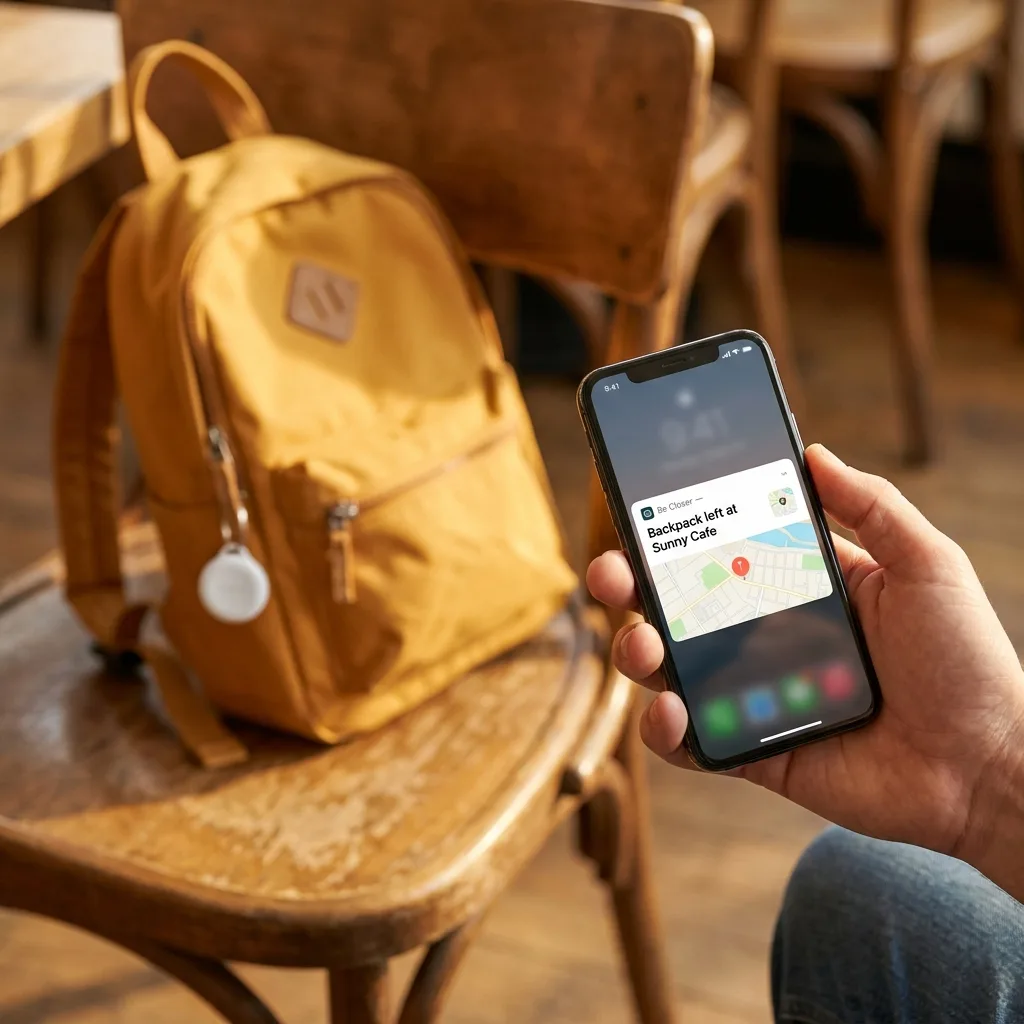
On arrival alerts: they're the reason stage three feels manageable. Setting home as a Place means you get a notification when they arrive rather than watching a map or texting, and the difference in your own stress is significant. There's usually a short delay before the alert fires, which is normal and explained in Geofencing, explained like you're a busy parent, a quiet minute or two is not a reason to phone.
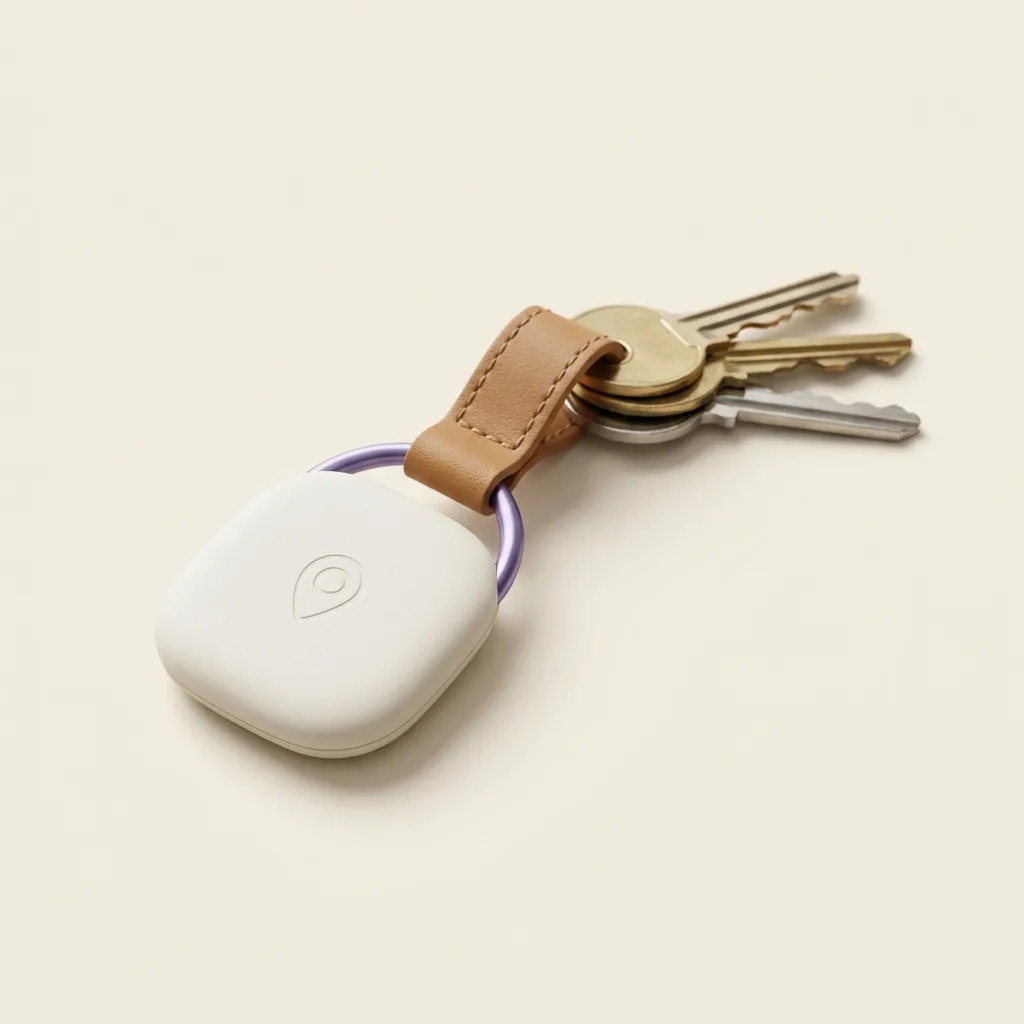
For a child without a phone, this works just as well with a worn device like the Band, or a Tag in a bag that reliably stays with them. And when the map does something odd, the dot at the neighbour's house, the frozen position, read How accurate is phone GPS, really? before you act on it. Almost every alarming map moment is a positioning artefact, not an event.
Last thing, and it's the one I'd keep if I could keep only one: when they get home, ask about the walk for the first week and then stop asking. The point of all this is that the walk becomes unremarkable. Children notice when a thing stays a big deal, and they conclude it must be dangerous.
Frequently asked questions

Marta writes our Kids & Teens guides. Mother of two, professional over-preparer, firm believer that independence is a skill you practice, together first, then alone. She has road-tested every checklist in her own hallway at 7:40am.
Our guides are written by Be Closer's editorial voices and reviewed by the team behind the app. Questions? support@becloser.com
Published · Updated