 Kids & Teens
Is my child ready for a first phone? A checklist that isn't about age
Age is the least useful thing to look at. What matters is whether your child already keeps track of their belongings, tells you when plans change, can put an interesting thing down when asked, and knows the routes they travel. If those four are broadly true, a phone will go fine. If they're not, a screen-free tracker buys you a year of contact without handing over the internet.
Every parent I know has been asked this question at a birthday party, usually by a child holding cake in one hand and a persuasive argument in the other. "Everyone in my class has one." They probably don't. But the question underneath is real, and it deserves a better answer than a number.
Here's the thing that made this easier in our house: a phone isn't a milestone you unlock at a certain age. It's a set of small responsibilities bundled into one expensive object. You can look at each responsibility separately, and most of them are already visible in how your child handles ordinary life, the water bottle that comes home, the message that arrives when practice runs late, the argument that ends without a slammed door.
So this is a checklist, not an age. Read it, be honest, and then decide.
What actually predicts a good first phone?
Four patterns matter far more than birthdays. None of them need to be perfect, you're looking for a general direction of travel, not a spotless record.
- 1They keep track of their things. The jumper comes home. The library book gets returned, eventually. A child who loses a coat a term will lose a phone, and that's fine to say out loud.
- 2They tell you when plans change. This is the big one. A child who already thinks "Mum will be expecting me" has the instinct a phone is meant to support. A child who doesn't will simply have a new way of not telling you.
- 3They can stop. Watch them put down something genuinely absorbing when asked. Not cheerfully, nobody stops cheerfully. Just without a two-hour aftermath.
- 4They know their routes. They can say how they get home, where they'd go if the bus didn't come, and which adults along the way are safe to approach.
If three of those four are broadly true, you're in good shape. If one is shaky, name it and work on it for a term, that's a much more useful conversation than "you're too young", which a child rightly hears as "no reason, just no".
Signals that aren't actually signals
- How old their friends were. Different families, different journeys, different school runs.
- How good they are at games. Fluency with a screen isn't self-regulation on a screen.
- How much they want it. Wanting something intensely is normal at every age and predicts nothing.
- Whether they're 'sensible for their age'. Too vague to act on, use the four patterns above instead.
What if the honest answer is 'not yet'?
This is where most parents get stuck, because the real need underneath the request is usually contact, not internet. You want to know they arrived. They want to feel less alone on the way. A phone solves both, and adds group chats, an app store, a camera, and a small permanent audience, all at once.
You can separate those. A screen-free tracker gives you arrival alerts and a location on a map without giving your child a browser. It's not a compromise so much as a smaller, better-matched tool for the actual problem, and it typically buys a year or two of practice before the full thing.
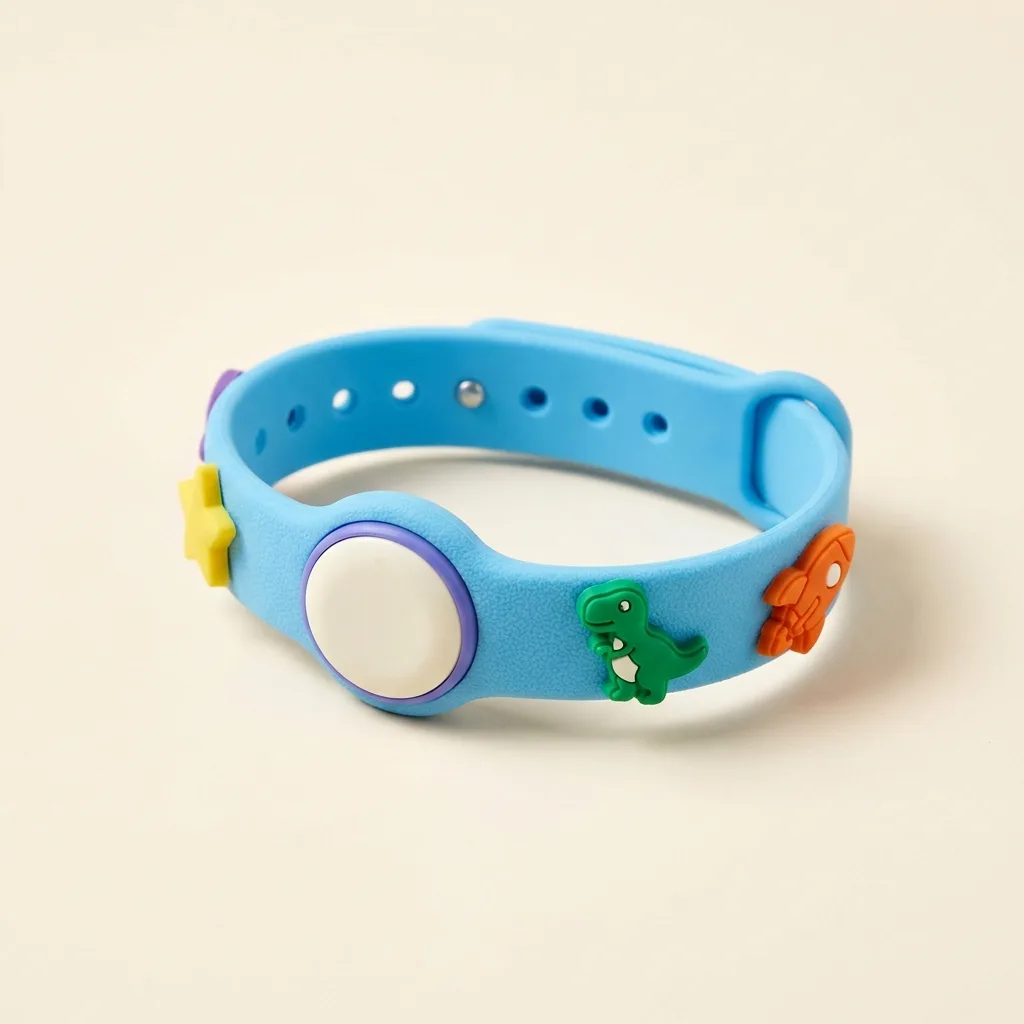
- Something on the wrist or the shoe works for younger children who'd leave a loose object behind. The Be Closer Band is designed to be worn and ignored, which is exactly what you want.
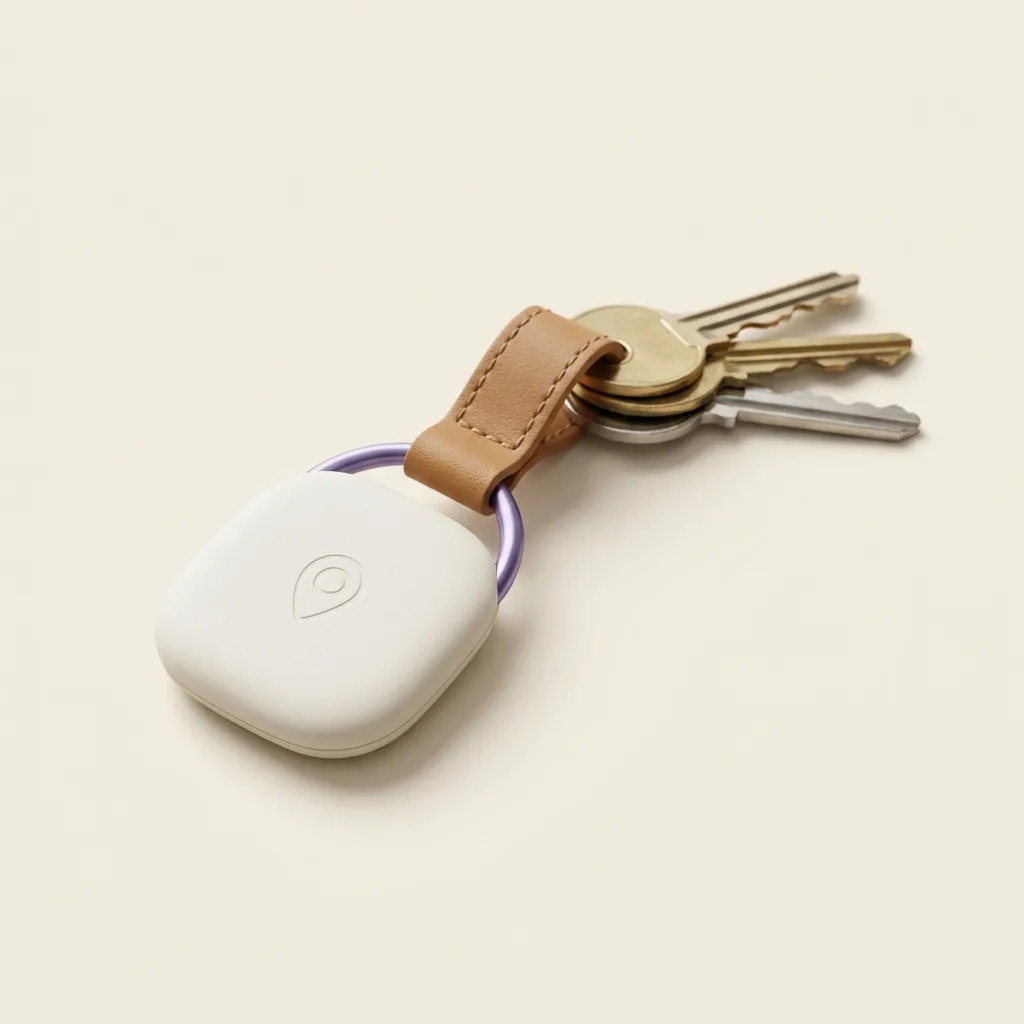
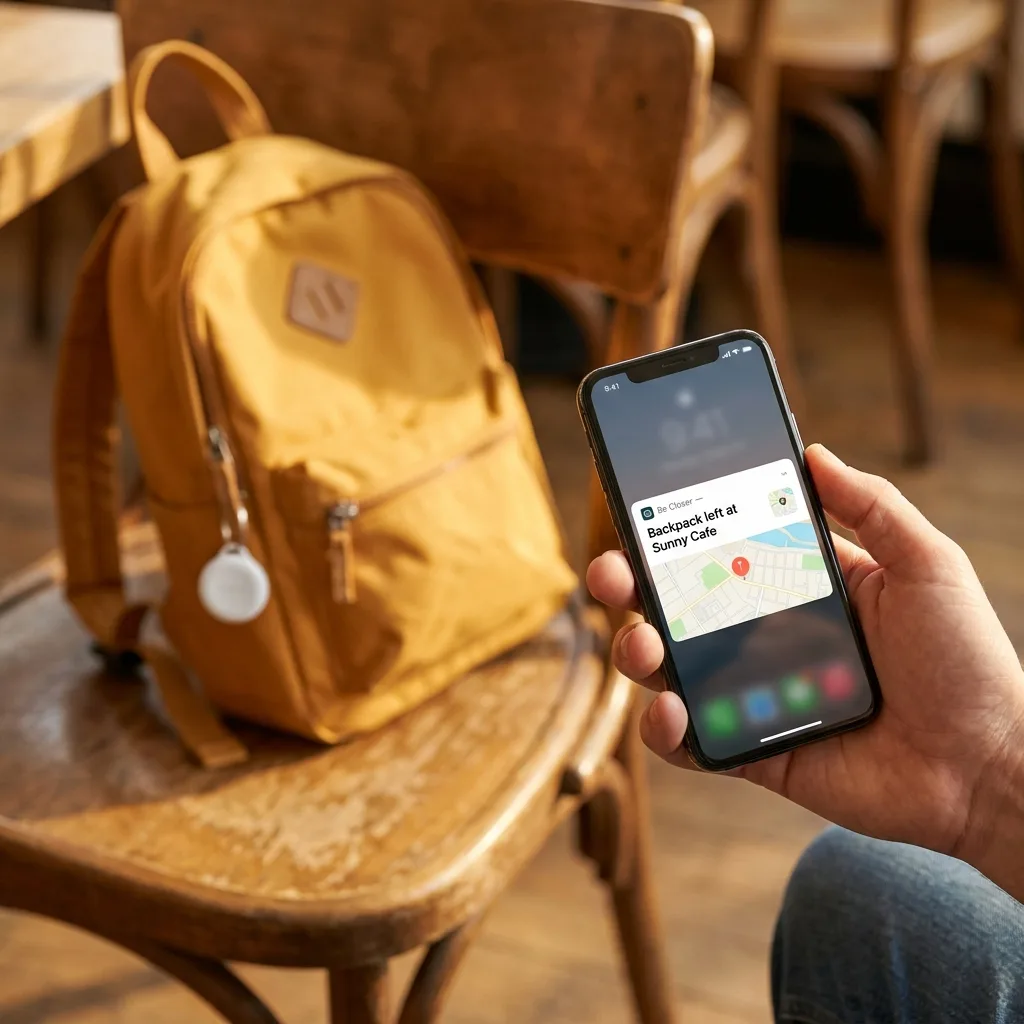
- Something in the bag suits children who are already good at keeping hold of a rucksack, a Tag in the front pocket answers 'did the bag get to school' rather than 'where is my child', which is a distinction worth understanding.
- A basic call-only handset is the middle rung if your child needs to actually speak to you, not just be findable.
If you go this route, be straight about why: "You need a way to reach me, and I need to know you arrived. This does both. A phone comes later and here's what I'll be looking for." Naming the criteria turns a refusal into a plan. It's the same principle we use in When is a child ready to walk to school alone?, readiness is something you build in visible steps, not something you announce.
One caution worth knowing: a tracker in a bag tells you where the bag is. Children put bags down. If your child is the kind who abandons a rucksack at the school gate, choose something worn.
Be Closer shows your whole family on one private map, free to start.
Consent-first, never sold, and gentle on your battery. iOS and Android.
How do you set up the first week?
Do the setup together, in one sitting, before the phone leaves the kitchen table. This is a ritual, not admin. What you're really doing is establishing that this device is a shared object with shared rules, and that's much harder to introduce three weeks later.
- 1Set it up side by side. They hold the phone, you sit next to them. Not the other way round.
- 2Add the important numbers first, before any app: you, the other parent, a grandparent, a neighbour. Show them how to call with the screen locked.
- 3Turn on location sharing both ways. Mutual by default, you can see them, they can see you. This single choice sets the tone for years.
- 4Set up Places for home and school so arrival alerts replace the 'text me when you get there' loop entirely.
- 5Decide charging location together. Ours lives in the hallway overnight. This is easier to agree on day one than on day thirty.
- 6Install nothing else that evening. Let the phone be boring for a day. It sounds trivial; it changes the whole first week.
Then agree what happens when something goes wrong, because it will. A stranger messages them. They see something upsetting. They lose it. The rule in our house is simple and stated in advance: tell me and you're not in trouble for telling me. A child who fears confiscation will hide the problem, and the hidden problem is always the worse one.
Which family rules actually stick?
Short ones you can enforce without a stopwatch. Long charters written on a Sunday evening are abandoned by Wednesday. Three or four rules, applied to everyone in the household including the adults, will outlast anything more elaborate.
| Rule | Why it survives |
|---|---|
| Phones charge outside bedrooms overnight | One place, one time, no negotiation needed each night |
| Answer a call from a parent | Clear, tiny, and the whole point of the phone |
| No new apps without a quick chat | Keeps you in the loop without reading messages |
| Screens down while we eat | Applies to adults too, which is what makes it credible |
| Tell me if something feels wrong, you won't lose the phone | Removes the incentive to hide problems |
Notice what isn't there: reading their messages. Location sharing and message surveillance feel similar to adults and feel completely different to children. One says 'I want to know you're safe'; the other says 'I don't trust what you say'. If you're weighing that line, Should I track my child's location? sets out the reasoning properly.
The goal isn't a child who can't do anything wrong with a phone. It's a child who tells you when something goes wrong with it.
Finally: plan the loosening in advance. Write down what changes at the next birthday, a later charging time, an app you'll stop asking about, a route you stop watching. Children accept rules far more readily when they can see the exit. A phone that gets freer as they get older feels like growing up. A phone with permanent rules feels like a tag.
Frequently asked questions

Marta writes our Kids & Teens guides. Mother of two, professional over-preparer, firm believer that independence is a skill you practice, together first, then alone. She has road-tested every checklist in her own hallway at 7:40am.
Our guides are written by Be Closer's editorial voices and reviewed by the team behind the app. Questions? support@becloser.com
Published · Updated