 Pets
PetsTraveling With Your Dog: A Calm Family Road Trip Guide
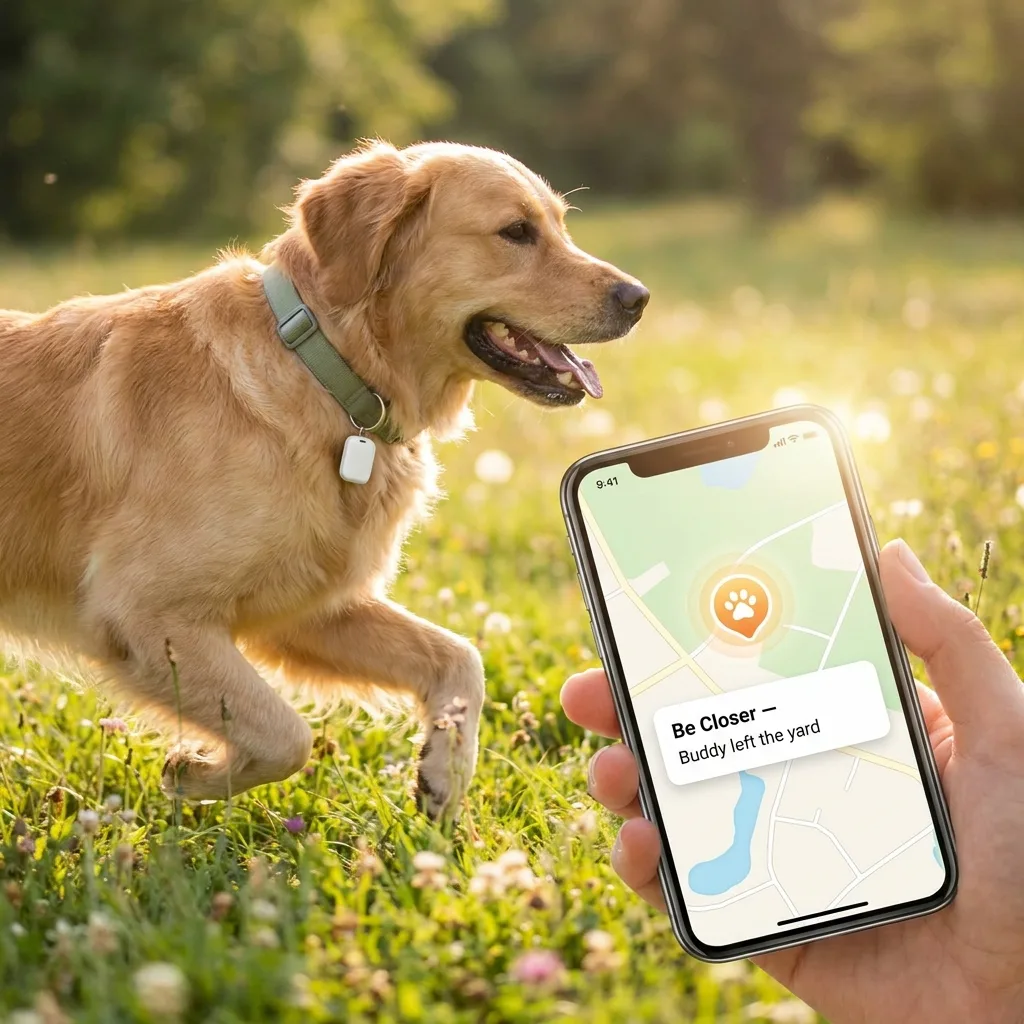
Bring your dog only if they travel comfortably and your destination welcomes them. Pack their routine, secure them safely in the car, and treat every rest stop as the riskiest moment: lead on before any door opens. Keep ID tags and microchip details current, and consider a GPS tracker on the collar for the trip.
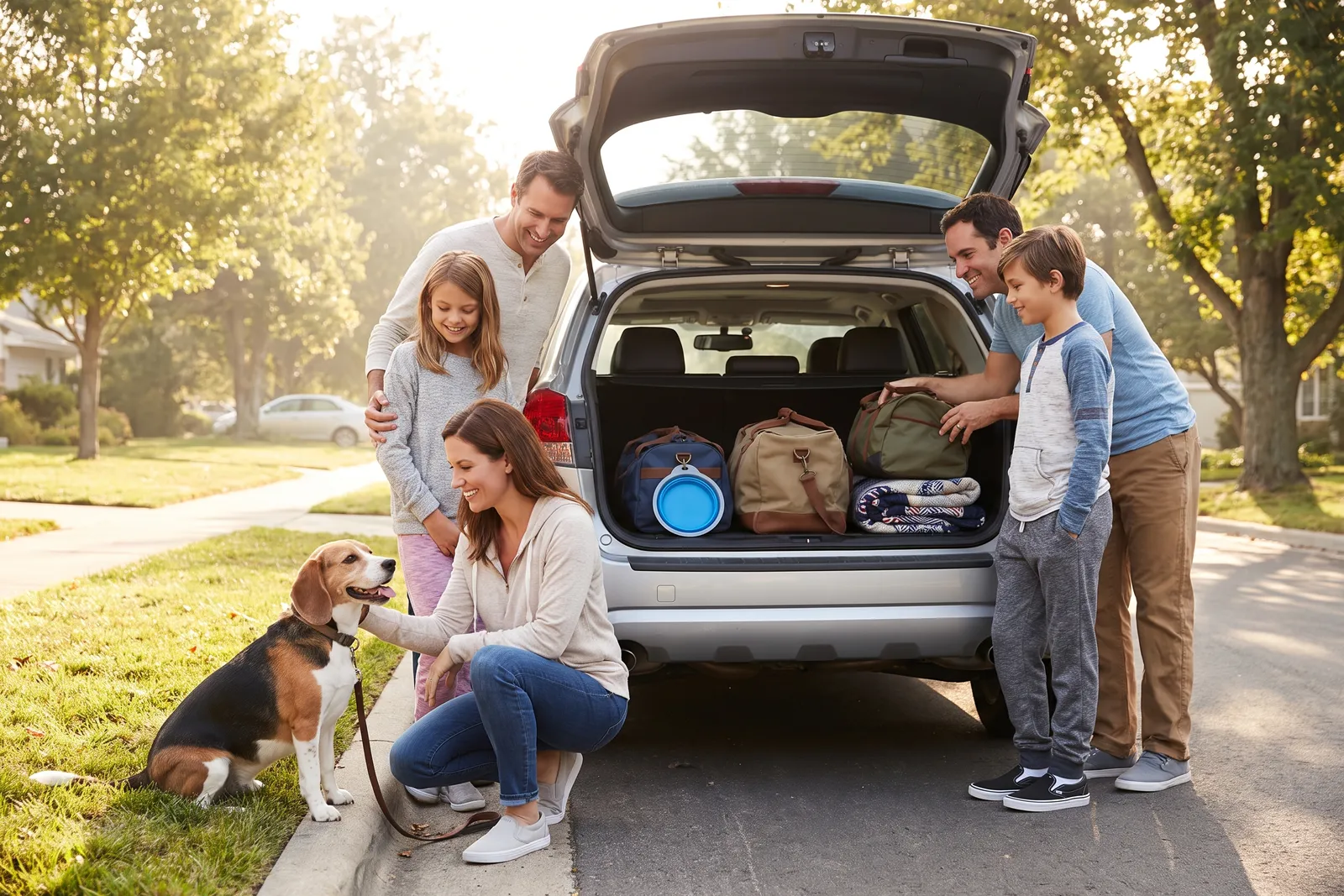
The first time we took Biscuit on a family road trip, I was very proud of my packing. His bed, his bowls, three kinds of treats, a towel for muddy paws. Two hours in, we pulled into a busy service station, and I opened the boot before anyone had clipped on his lead.
He was out in a flash, delighted, heading straight for the car park. My son caught his collar by pure luck. I sat in the driver's seat afterwards shaking, holding a bag of treats I had packed so carefully and a rule I had never thought to make.
Road trips with a dog can be wonderful. They can also be the moment a calm dog becomes a lost one, in a place where nobody knows his name. This guide covers deciding whether to bring them, setting up the car, the rest stop rule that matters most, and settling in when you arrive.
First, should the dog come at all?
Bringing the dog feels like the loving choice, and often it is. But some dogs are genuinely happier at home with a sitter they know. Be honest about your dog and the trip before you decide.
- How do they cope with the car? Short practice drives will show you. Drooling, panting, or trembling suggest you should speak to your vet first.
- Is the destination dog friendly? Check the accommodation, the beaches, the walks, and the places you plan to eat.
- Will they be left alone? A dog alone in an unfamiliar room is more likely to panic, bark, or try to escape.
- What is the weather? Heat is dangerous in cars and on long walks.
- Health and age. Older dogs and those with health conditions may find long journeys hard.
If the answer is that home is better, a trusted sitter or a good boarding kennel is a loving choice, not a failure. If they are coming, read on.
Pack their routine, not just their things
Dogs find change unsettling, and a road trip is nothing but change. The most calming thing you can pack is familiarity: the food they eat at home, the bed that smells of the house, and the rhythm of their day.
The dog travel bag
- Their usual food, plus a few days extra. Sudden switches can upset stomachs.
- Water and a travel bowl. Offer small amounts at every stop.
- A spare lead and collar. Leads break and get left behind.
- Poo bags, towels, and wipes. More than you think.
- Their bed or blanket. It becomes a piece of home anywhere.
- Any medication, with your vet's instructions and the labels intact.
- Vaccination and vet records. Some accommodation and kennels ask for them.
- A recent photo on your phone, in case you ever need to show someone.
Setting up the car
A loose dog in a car is a risk to everyone in it, and a distraction for the driver. Rules on restraining animals in vehicles vary by country, so check your local rules before you set off. Whatever the law says, a secure dog is a calmer dog.
- Choose one restraint. A well-fitted crate, a boot guard, or a crash-tested harness attached to the seatbelt.
- Practise before the trip. A few short drives with their setup, ending somewhere nice like the park.
- Keep them cool. Shade the windows, keep air moving, and never leave them in a parked car.
- No heads out of windows. It looks joyful and is a good way to injure an eye or lose a dog.
- Feed lightly before driving. A smaller meal a few hours ahead helps with travel sickness.
Rest stops: the riskiest moment of the trip
The long stretches of road are rarely where things go wrong. It is the stops. Your dog is stiff, excited, and surrounded by new smells. Doors are opening, children are stretching, and nobody is quite paying attention. A car park beside a busy road is the worst place in the world for a dog to bolt.
Lead on before any door opens. Every stop, every time, no exceptions.
- 1Park away from the entrance and the road, where it is quieter.
- 2Humans stay put for a moment. Nobody opens their door until the dog is sorted.
- 3One adult clips the lead on inside the car. Only then does the dog's door or boot open.
- 4Walk to a grassy area away from traffic. Offer water and a toilet break.
- 5Back in, restrained, then lead off. In reverse order, with the door closed.
Make it a family rule and say it out loud at the first stop. Even small children can learn "lead before door." If your dog has ever slipped away on a walk, when your dog bolts on a walk explains what to do in those first seconds.
Be Closer shows your whole family on one private map, free to start.
Consent-first, never sold, and gentle on your battery. iOS and Android.
Keeping the kids and the dog happy together
Long drives test everyone's patience, and children and dogs can wind each other up in a small space. A little planning keeps the back seat peaceful and makes sure the dog gets some rest too.
- Give the dog a quiet zone. Children should not reach into a crate or lean over the boot guard to play.
- Hand out jobs. One child is in charge of water at stops, another of poo bags. Responsibility turns restlessness into helpfulness.
- Agree a calm voice rule. Shrieking and sudden noises stress dogs in an enclosed car.
- Plan dog-friendly breaks. A proper walk in a park halfway is better for everyone than three rushed stops in car parks.
- Let the dog sleep. A snoozing dog is a happy traveller. Resist waking them for photos.
Children who help care for the dog on a trip tend to watch the doors more carefully, too. When my son is the one holding the lead at every stop, he takes the rule personally, and the rest of us follow his lead.
Arriving somewhere new
Unfamiliar places are where dogs get lost. They do not know the way home, the smells are strange, and they may try to go looking for somewhere that feels right. The first hour after arrival deserves a little ceremony.
- Check the space first. Walk the garden or room for gaps, low fences, and doors that do not latch.
- Lead on for the first exploration. Let them sniff everything, calmly, while attached to you.
- Set up their corner. Bed, bowls, and a familiar toy in a quiet spot.
- Keep to their routine. Meals and walks at the usual times help them settle.
- Watch the doors. New places mean new habits. Remind everyone to close doors behind them.
Moving house brings many of the same challenges, and pets and moving house has more on helping a dog settle in a new place.
ID, microchip, and a tracker for the trip
Before you leave, check that your dog's ID tag has your mobile number on it and that the microchip database has your current details. A microchip is vital, but it only helps once someone finds your dog and takes them to be scanned. It cannot tell you where they are.
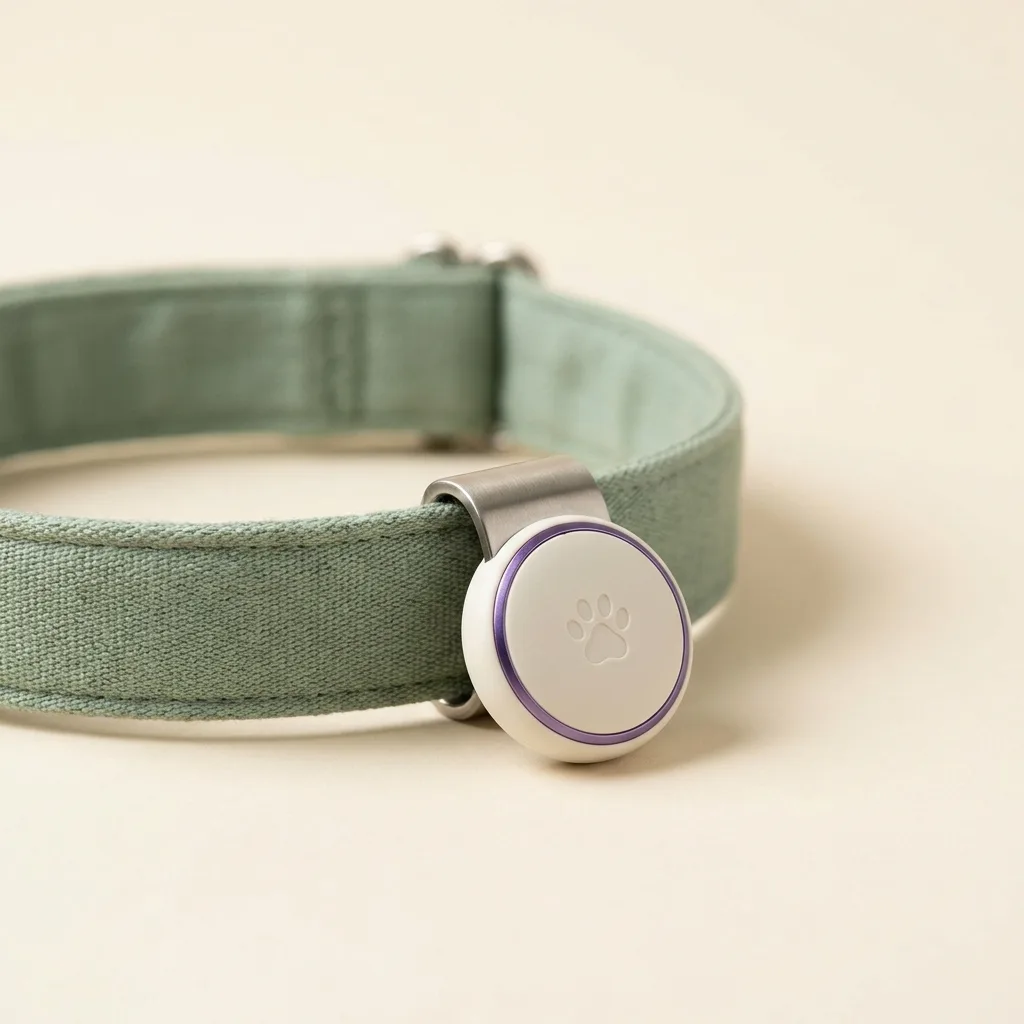
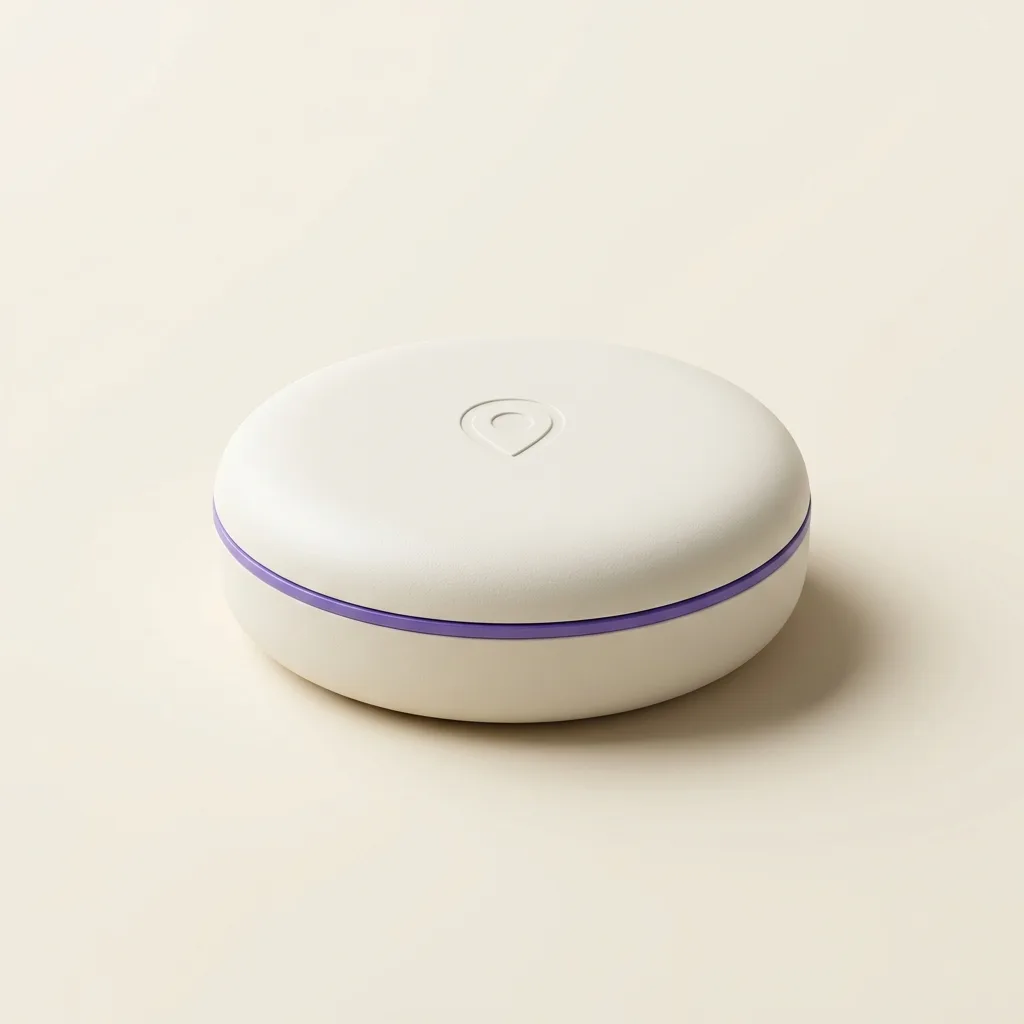
That is where a GPS tracker on the collar earns its place on a trip. With Be Closer's pet tag, your dog appears on your family map, so if they slip away at a rest stop or a holiday cottage, you can head to where they actually are. The difference is explained in pet microchip vs GPS tracker, and most families use both.
The honest limits
- Accuracy varies. Location is up to 95% accurate in good conditions, and less precise indoors, in woods, or among buildings.
- Charge it. A flat tracker cannot help. Top it up the night before you travel.
- It supports, never replaces, good habits. The lead rule stops the escape. The tracker helps if it happens anyway.
The Be Closer app is free to download and holds 4.4 stars across more than 150,000 ratings on the App Store and Google Play. If the worst does happen, lost pet first 24 hours walks through exactly what to do.
The calm version of the trip
Our road trips look different now. Biscuit rides in his harness with his blanket. At every stop, somebody says "lead before door," usually my youngest, with great authority. We arrive, walk the garden, set up his corner, and only then unpack the rest of the car.
A calm trip is mostly a few small habits, repeated. Plan them before you leave, and the whole family, dog included, gets to enjoy the journey.
Frequently asked questions

Priya writes about the family members we care for at every age, parents living alone, dogs that bolt at squirrels, and the quiet worry in between. She writes the way she checks in: gently, and always dignity first.
Our guides are written by Be Closer's editorial voices and reviewed by the team behind the app. Questions? support@becloser.com
Published · Updated