 Pets
PetsMoving House With Pets: Why the First Two Weeks Matter Most
Most pet escapes after a house move happen in the first two weeks, while the new place still smells and sounds like nowhere they recognize as home. Scent anchoring, a slow room-by-room introduction, an updated microchip, and a GPS tracker as backup together cover the gap until the new house genuinely feels like theirs.
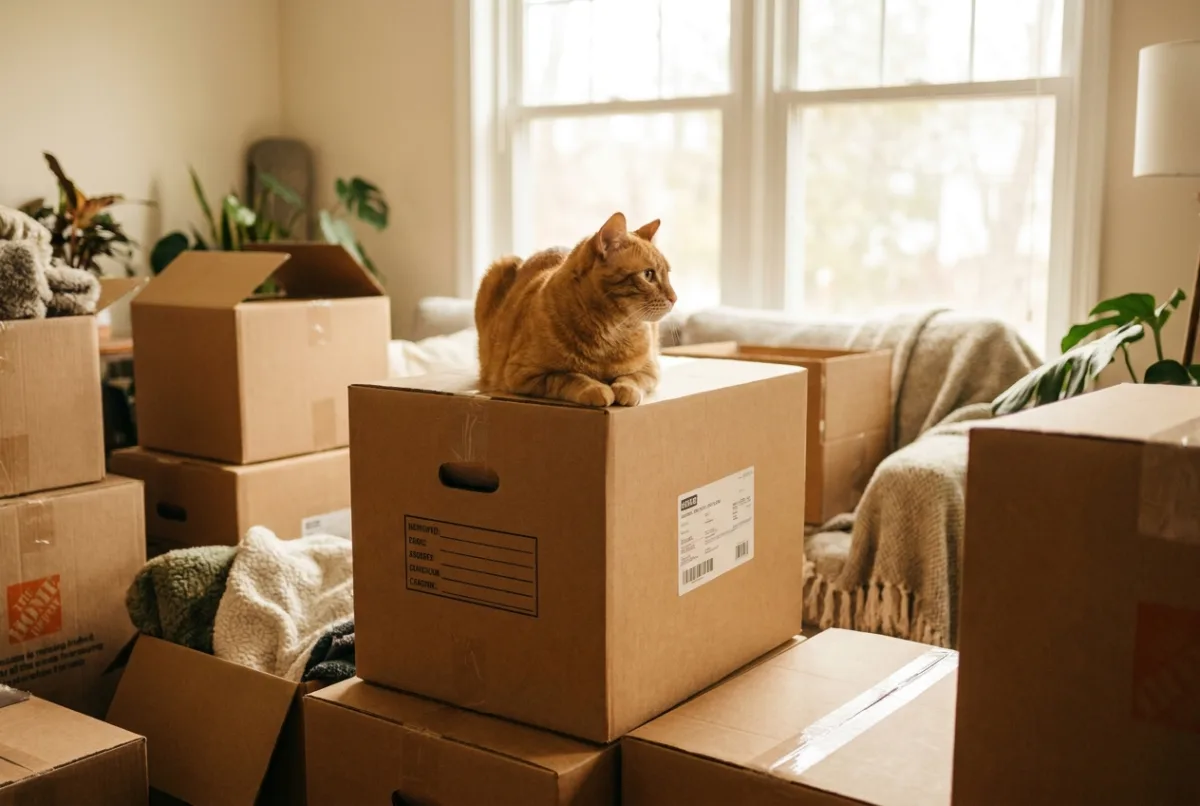
We moved on a Saturday, and by Saturday evening our cat had wedged himself so completely behind the washing machine that it took two of us, a torch, and a genuinely undignified amount of coaxing to get him out. Our dog, usually food-motivated to the point of comedy, wouldn't touch his dinner for two days. Nobody had told me this part. Everyone talks about the boxes and the van and the address change, and almost nobody talks about what a move actually does to an animal who has no idea why their entire world just changed shape overnight.
It turns out this is one of the best-documented risk windows in pet ownership, and one of the least talked about. The first two weeks in a new home are, by a wide margin, when pets are most likely to bolt, not because something goes wrong, exactly, but because a strange house with none of the right smells reads as somewhere to escape from, not somewhere to relax into.
This is what I wish someone had explained to me before that Saturday: why the escape window exists, what actually shrinks it, and what to have in place as a safety net for the days before the new house starts smelling like home.
Why pets bolt from new homes
A new house, to a cat or dog, isn't a change of address, it's a complete loss of the scent map they've used to navigate the world their whole life. Cats in particular orient heavily through scent marking they've built up over months or years, rubbing their face along furniture and doorframes to lay down a chemical sense of "this is mine, this is safe." A new home has none of that yet, which is part of why so many cats spend their first days hiding rather than exploring.
Dogs bolt for slightly different reasons, often stress-driven attempts to get back to the old, familiar place, or simple disorientation the first time a door or gate is left open in a layout they don't yet understand. A dog that has never tried to escape a fenced yard in ten years might slip through an unfamiliar new gate within the first week, purely because the geography hasn't clicked yet and the instinct to search for something familiar is running high.
Why the risk is highest early on
- No scent markers yet, the house doesn't register as "home base."
- Unfamiliar exits, doors, gates, and fence gaps in places the animal hasn't mapped.
- Heightened stress hormones, which are linked to increased escape and hiding behavior in the days after a big change.
- Well-meaning visitors, movers, and open doors during the unpacking chaos itself.
The two-week window, and how to shrink the risk inside it
Most guidance from vets and behaviorists converges on roughly the same window: the first one to two weeks carry meaningfully higher escape and bolting risk than the settled months that follow. That doesn't mean day fifteen is suddenly risk-free, it means the odds shift substantially once a pet has had enough time and enough scent-building to start treating the space as genuinely theirs.
Scent anchoring
- Bring unwashed bedding, blankets, and toys from the old home rather than washing everything fresh for the move, familiar scent is doing real work here.
- Avoid deep-cleaning every surface of the new home with strong-smelling products before the pet arrives, if you can help it; a completely neutral, chemical-smelling space is just as foreign as an unfamiliar one.
- Gently rub a soft cloth along your pet's cheeks and then wipe it at cat height on a few key spots, doorframes, furniture corners, to help transfer their own scent into the new space faster.
Room-by-room introduction
- 1Start with one quiet room set up with familiar bedding, food, water, and a litter box or usual toilet spot, and let your pet settle there fully before opening the rest of the house.
- 2Expand gradually, room by room, over several days rather than giving free run of the whole house on day one.
- 3Keep exterior doors and windows secured while this is happening, especially during the chaos of unpacking, when doors are more likely to be propped open.
- 4Wait until your pet is eating normally, using the litter box or toileting normally, and showing curiosity rather than hiding before considering supervised access to a garden or yard.
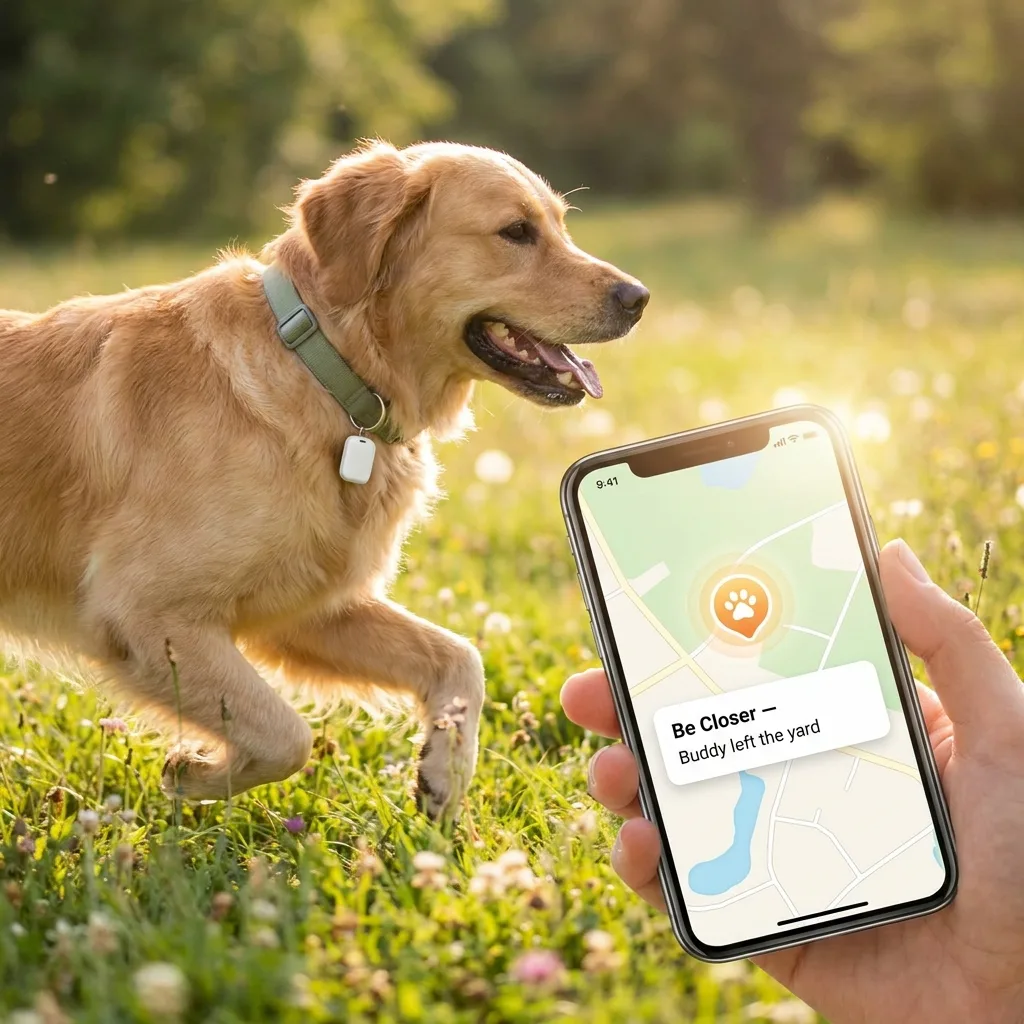
Be Closer shows your whole family on one private map, free to start.
Consent-first, never sold, and gentle on your battery. iOS and Android.
The two things worth doing before moving day, not after
Two practical steps make an outsized difference if the worst happens anyway, and both are far easier to sort out before the move than in a panic afterward.
Update the microchip database
A microchip is only as useful as the contact details attached to it, and an out-of-date address or old phone number is one of the most common reasons a found pet takes far longer to be reunited than it should. Update the registered address and phone number with the microchip database before moving day, not after, it takes a few minutes and it's the single most effective thing standing between a lost pet and a fast reunion.
GPS as the safety net
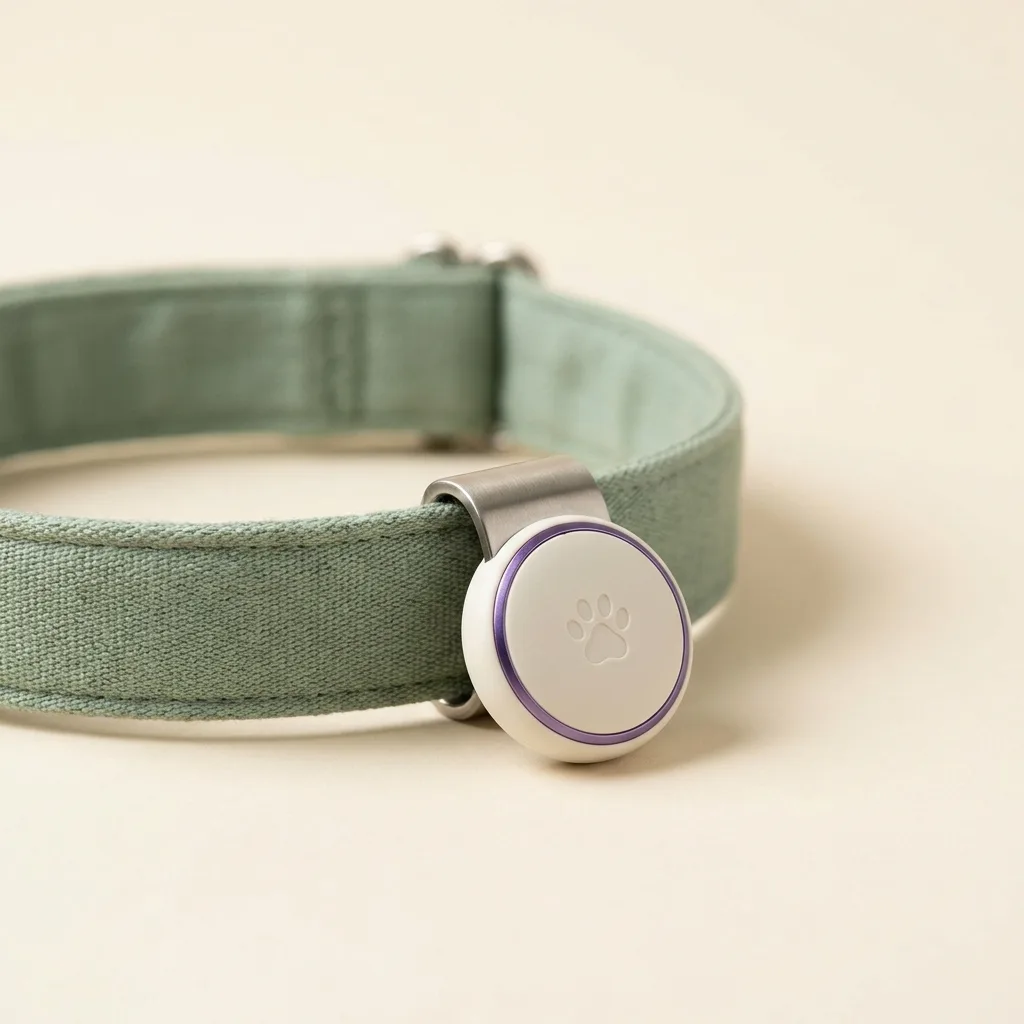
Scent anchoring and a slow introduction reduce the odds of an escape considerably, but they don't take it to zero, moving days are chaotic, doors get left open, and even a well-settled pet can slip out during the unpacking scramble. A lightweight GPS pet tracker on the collar during the moving window means that if a bolt does happen, you're following a location rather than searching blind streets in a neighborhood you barely know yourselves yet.
That last part matters more with a move than almost any other situation: you don't yet know this neighborhood's shortcuts, hiding spots, or busy roads either. A tracker closes the gap between your unfamiliarity with the new area and your pet's instinct to run from it.
What settling in actually looks like
Our cat came out from behind the washing machine on the third day, ate a full meal on the fifth, and by the end of the second week had claimed the windowsill in the front room as decisively as if he'd lived there his whole life. Our dog took about the same length of time to stop pacing by the front door in the evenings, waiting for a walk route that no longer existed.
Neither of them needed anything dramatic from us, just the unwashed blanket, the closed doors for the first week, the microchip update we did the weekend before the move, and a tracker clipped on that we, thankfully, never had to actually use. Two weeks is a small price for that kind of peace of mind, and it passes faster than the boxes in the garage suggest it will.
Frequently asked questions

Priya writes about the family members we care for at every age, parents living alone, dogs that bolt at squirrels, and the quiet worry in between. She writes the way she checks in: gently, and always dignity first.
Our guides are written by Be Closer's editorial voices and reviewed by the team behind the app. Questions? support@becloser.com
Published · Updated