 Kids & Teens
Birthday Party Drop-Offs: When to Stay and When to Go
Most families start dropping off somewhere around age five to seven, but the age on the invitation matters less than whether your child can ask an adult for help, use the toilet alone and cope with a surprise. Give the host parent your number, the allergy facts and your pickup time before you leave, and tell your child exactly who is collecting them and when. Stay for the first one if either of you is unsure, then leave earlier at the next.
The first drop-off party invitation arrived in my daughter's book bag folded into a triangle, slightly damp, with the words parents welcome to leave printed politely at the bottom. I read that line about four times in the hallway. She was five and a half. I had never once left her in a building with people I had met twice at the school gate.
I stayed. Of course I stayed. I stood at the edge of a soft play centre holding a coat and a half drunk cup of tea for ninety minutes, watching her not need me at all, and I drove home slightly embarrassed and slightly relieved. At the next one I left after twenty minutes. By the third I did the handover at the door in under a minute and went to the supermarket like a person with her life in order.
That progression, staying, then hovering, then leaving, is the whole thing. There is no legal age and no correct answer, only a ladder you climb at your child's pace rather than the invitation's. What follows is the version I wish someone had handed me in that hallway: when to stay, what to say to the host, what to teach your child first, and how to make the pickup so predictable that neither of you has to think about it.
The age ladder, roughly
Ages here are a guide, not a rule. Two children the same age can sit on different rungs, and the same child can slide back down a rung at a party held somewhere loud and unfamiliar. Read the child, not the birthday cake.
- 1Under 4: you stay. Parties at this age are usually parent inclusive anyway, and the host is not expecting to supervise fifteen toddlers alone.
- 24 to 5: you stay, but at the edges. Sit with the other parents rather than shadowing your child. This is the rehearsal, and the thing being rehearsed is you.
- 35 to 7: the first real drop-offs. Most families start here. Stay for the first fifteen minutes, then leave visibly and say goodbye properly rather than slipping out.
- 47 to 9: drop-off is normal. Handover at the door, confirm the pickup time, go. Stay only if the venue is genuinely new to your child.
- 59 and up: you are a taxi service. The main risks shift from getting lost to going somewhere unplanned afterwards, which is a conversation rather than a supervision problem.
The readiness signs matter far more than the number. Can your child find an adult and say a full sentence to a stranger? Can they manage the toilet without help, including the fiddly button on the party outfit? Can they cope when something goes differently to what was promised, because at some point the pinata will be cancelled and someone else will win the pass the parcel?
Ready to be dropped off when your child can
- Ask a named adult for help rather than waiting quietly to be noticed.
- Say who they came with and roughly when they are being collected.
- Handle the toilet alone, in a building they do not know.
- Manage a disappointment for two minutes without needing you specifically.
- Tell you afterwards what happened, which is how you learn whether the next one is a yes.
If you are already thinking about the wider question of unsupervised time, the same readiness thinking runs through when can my child go to the playground alone. Parties are usually the gentler first step, because there is a known adult in the room the whole time.
The thirty second handover with the host parent
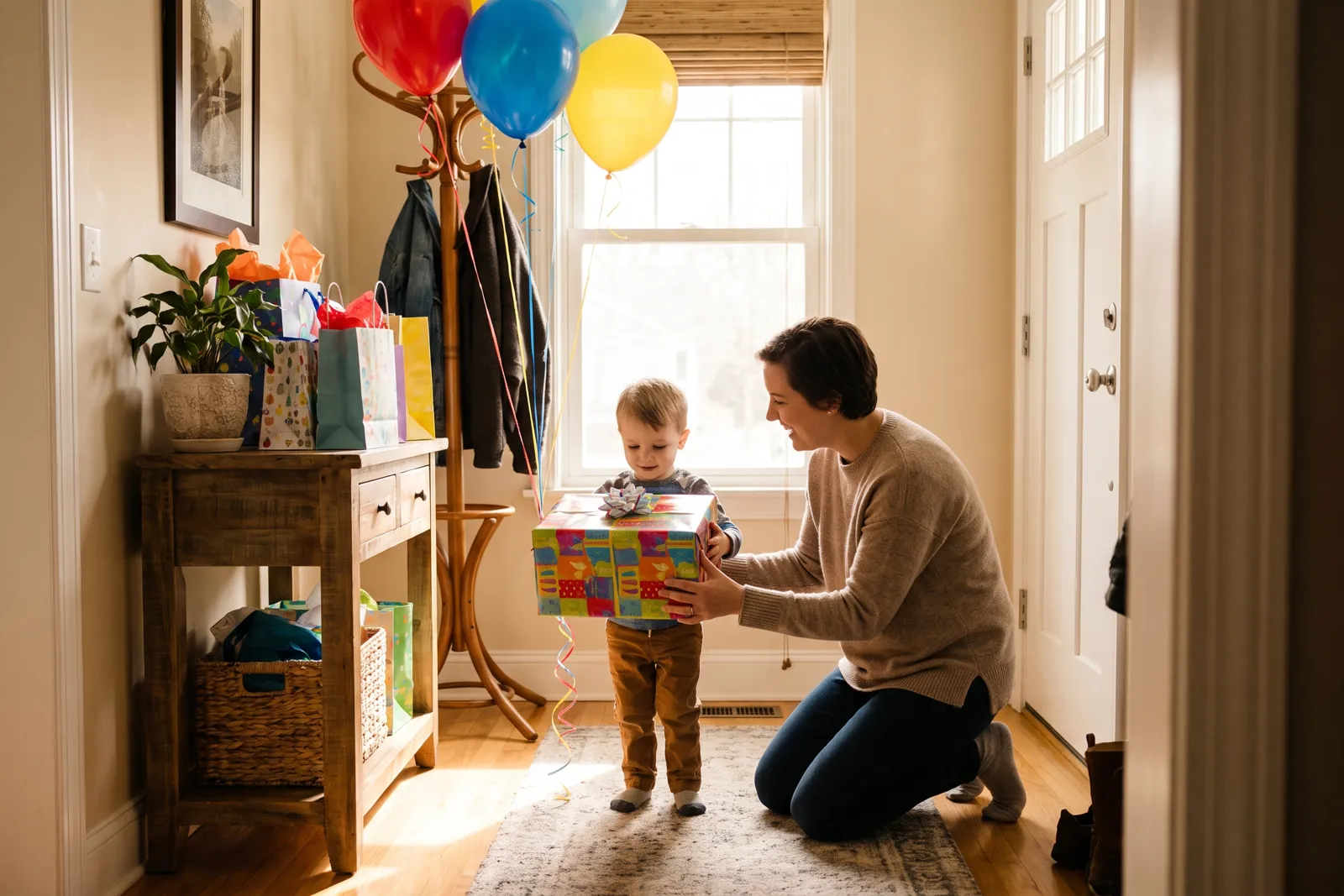
This is the part most of us fluff, because the doorway is chaos and there are eleven children and a dog. Do it anyway, and do it before your child has taken their shoes off, or it will not happen at all.
- Your mobile number, said out loud and typed into their phone in front of you, not written on a bit of paper that will end up under the cake.
- Allergies and medical needs, stated plainly and without softening. Say the word, say what happens, say where the medicine is and who is trained to use it.
- Anything that helps, such as a fear of loud bangs, a hearing aid, or the fact that your child will not eat anything with a sauce on it.
- Your pickup time, agreed rather than assumed, along with who is coming if it is not you.
- Whether you are staying, so the host knows their headcount for food and for supervision.
If your child has an allergy, do not rely on a doorway conversation alone. Send a short message the day before as well, so the information exists in writing before the host is holding a tray of sausage rolls. A message the day before is worth ten explanations in a hallway.
Nobody has ever thought less of a parent for being clear about an allergy. They have absolutely thought less of a parent who was vague about one.
And offer something. Hosting a party is more work than it looks, and the parent who says I can stay and help with the food if you are short is the parent who gets asked back.
What to teach your child before the first drop-off
The car journey there is not the moment for a long briefing. Do this the night before, in about four minutes, at bedtime when they are still listening.
- 1Who is in charge. Name the host parent out loud. My daughter needed the actual name, not the phrase Ava's mum, because at the party there were three mums and she did not know which one was allowed to help her.
- 2Where you will be. Not far, back at a specific time, and coming to the same door you walked in through.
- 3What to do if they need something. Go to the birthday child's parent and say it. Not wait. Not hold it in. Say it.
- 4Where they do not go. Not outside, not to a car, not to another building, not home with a friend, however keen everyone is.
- 5The end of the party plan. Coat, party bag, shoes, wait inside with the host until they see the agreed grown up.
That last one is the rule I would keep if I could only keep one. Children leave buildings with the wrong adult not because anyone is careless but because everyone is busy and the door is open and coats are being handed out. Wait inside until you see your person is a sentence worth repeating until it is boring.
It also helps enormously if your child knows your phone number by heart rather than only knowing where your name sits in a contacts list. That is a fifteen minute job spread over a few school runs, and it is the same knowledge covered in what should my child memorize.
Venue parties and house parties are not the same job
Parents tend to feel calmer about venues because there are staff and lanyards, but the risks are simply different rather than smaller.
- Venue parties are loud, big and easy to get lost in, and the staff do not know which child belongs to which adult. Ask how they handle collection, and whether the party room is separate from the public play area.
- House parties are calmer and better supervised by people who know the children, but the exits are ordinary front doors, gardens back onto roads, and there may be a swimming pool, a trampoline or a very friendly large dog.
- Outdoor parties, at a park or a farm, are the ones to ask the most questions about, because the boundary is a decision rather than a wall.
For house parties with families you do not know well, the questions are the same ones covered in playdates at homes you don't know. Who else will be there, is there water, is there a dog, and is there a gun in the house if that question is relevant where you live. Ask it lightly and ask it anyway.
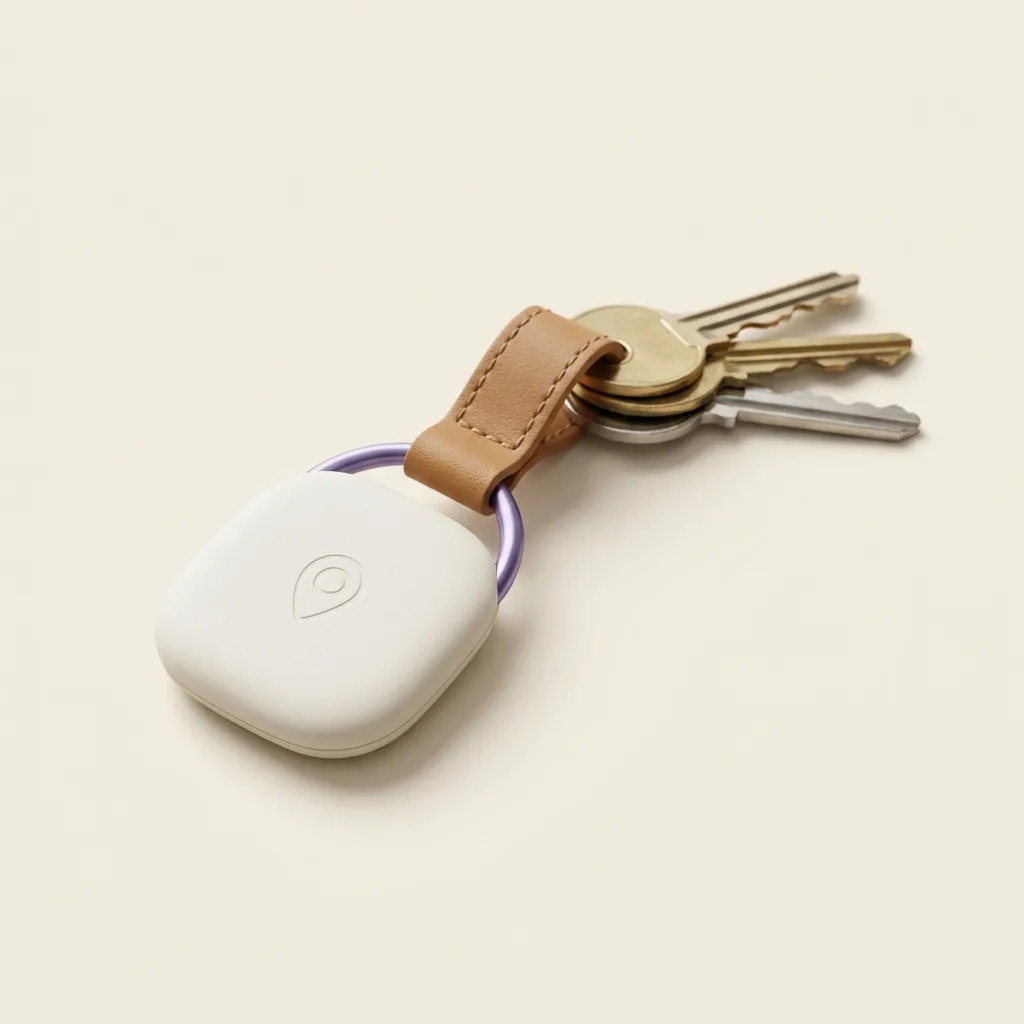
Be Closer shows your whole family on one private map, free to start.
Consent-first, never sold, and gentle on your battery. iOS and Android.
The pickup plan, which is where it usually goes wrong
Nothing about a drop-off party unravels at the drop-off. It unravels at the end, when twelve parents arrive at once, the party bags run out and somebody's shoes have vanished.
Make pickup boring
- Agree a time, not a vague after four.
- Name the adult who is coming, to both the host and your child, ideally the same person who did the drop-off.
- Aim for five minutes early rather than exactly on time, because late is the thing children remember.
- Send a message if you are delayed, to the host and not only to your child.
- Have a code word if a different adult ever has to collect, so a change of plan is verifiable rather than confusing.
That last point is worth setting up properly once and then using for years, and there is a full walkthrough in family code words for safer pickups. It costs one conversation and it removes an entire category of worry.
Where a family app quietly helps a nervous first-timer
I want to be careful here, because a party is a supervised event in a known building and none of this is a supervision tool. What it does is take the edge off the parent, which on a first drop-off is genuinely the thing that needs taking the edge off.
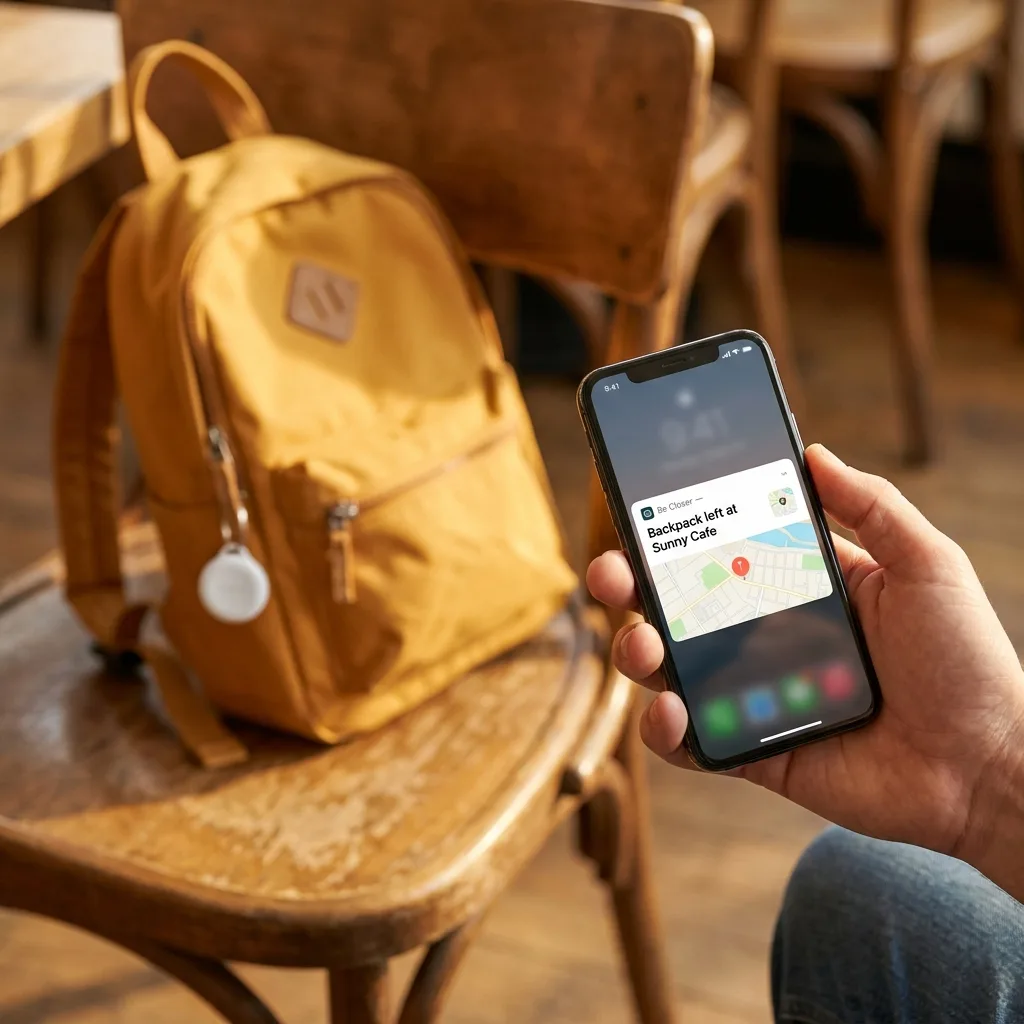
- An arrival alert when your car reaches the venue at pickup time means the host is not stuck wondering, and you are not texting from a car park.
- A shared map between the two adults in your household answers who is doing collection without a phone call, which matters when the party ends mid meeting.
- One place for the plan means the grandparent doing the pickup can see they are the person expected, rather than relying on a message thread from Tuesday.
Be honest about the limits, especially if your child carries a phone. Location is up to 95% accurate in good conditions, and indoor venues with thick walls and no clear sky view are exactly where it is least precise. It will not tell you your child is upset, and it is not a reason to skip the conversation with the host. The Be Closer app is free to download, holds 4.4 stars across more than 150,000 ratings on the App Store and Google Play, and none of that replaces knowing the name of the adult in charge.
And keep it consent-first. If your child is old enough to be at a drop-off party with a phone in their pocket, they are old enough to be told what is shared, with whom, and to see the same map you see. Anything you would not explain out loud to your child does not belong on their phone.
The bit nobody warns you about
The first time you drive away from a party without your child, the car is extremely quiet. You will invent a reason to check your phone at the eleven minute mark. This is normal, it passes, and by the fourth party you will be genuinely delighted by ninety free minutes.
What helped me was leaving properly. A real goodbye at the door, a clear I will be back at four, and then going, rather than lingering at the edge of the room signalling to my child that I was not quite sure about this either. Children read hesitation faster than they read words.
Afterwards, ask the good questions in the car. Not was it fun, which gets a shrug, but who did you sit next to, what was the food, what was the best bit and was there any moment you wished I was there. That last answer is how you decide about the next invitation.
Frequently asked questions

Marta writes our Kids & Teens guides. Mother of two, professional over-preparer, firm believer that independence is a skill you practice, together first, then alone. She has road-tested every checklist in her own hallway at 7:40am.
Our guides are written by Be Closer's editorial voices and reviewed by the team behind the app. Questions? support@becloser.com
Published · Updated