 Kids & Teens
Sleepovers: the modern parent's etiquette for asking without awkwardness
Ask about supervision, overnight plans, screens, pets, water and safe storage of anything dangerous in the home, casually, over text, framed as swapping notes rather than vetting. Agree a code word your child can text for a no-questions pickup, and send them with everything they need plus your number written down somewhere that isn't just their phone.
The first sleepover invitation lands in the family group chat and suddenly you're doing an odd mental calculation: how do you find out enough to feel comfortable without turning a fun Friday night into something that feels like a background check on a family you barely know?
The truthful answer is that most of these questions are completely normal to ask, and most hosting parents expect at least a couple of them. The trick isn't avoiding the questions, it's asking them in a way that sounds like two parents comparing notes rather than one parent interrogating the other.
This guide covers what's actually worth asking, how to phrase it so nobody feels got at, an opt-out plan for your child, and what changes when the sleepover is at your house instead.
What's actually worth asking before you say yes?
Not everything needs a question, most of it can be inferred from how the invitation is worded and how the conversation naturally goes. But a handful of things are worth a direct, friendly ask because they genuinely change your comfort level.
- Who's supervising, and are they around overnight, not because you assume the worst, but because plans change and it's useful to know if a parent is popping out or a teenage sibling is 'in charge' for a stretch.
- What the screen and device rules are at night, some households have no limits after lights-out; worth knowing if that's not your family's approach.
- Whether there are pets, especially if your child has an allergy or a genuine fear that hasn't been mentioned before.
- Whether there's a pool, hot tub or open water nearby, and whether it'll be supervised if the children go near it.
- Safe storage of anything genuinely dangerous in the home, this varies enormously by region and household, but in places where firearms are commonly kept at home, asking about safe storage is a completely reasonable, increasingly normal question, not an accusation.
None of these require a spreadsheet. Two or three, asked warmly, usually covers it.
How do you ask without it feeling like an interrogation?
Tone does almost all the work here. The same question lands completely differently depending on whether it's typed as a formal checklist or dropped casually into a text that also mentions what snacks to send.
Scripts that don't offend
- "Quick one, will you be around all evening, or is anyone else on duty? Just so I know who to call if she needs anything!"
- "Does he have a bedtime for screens there, or is it more of a free-for-all night? Happy either way, just want to prep him."
- "Silly question, but do you have any pets? She's a bit funny around dogs and I want to give her a heads up."
- "We're pretty relaxed about most things, but with a pool/water nearby I always ask, will an adult be keeping an eye if they head out there?"
Notice the pattern: each one gives a reason, keeps it light, and treats the answer as useful information rather than a test the other parent could fail. Most parents will answer in kind, and quite a few will thank you for asking, because they've wondered the same about their own kids' sleepovers and never quite found the words.
What's the safety net if the night stops being fun?
Agree a code word or phrase before your child leaves the house, something they can text that means "come get me, no questions, no explaining in front of anyone." This matters because the actual barrier to a child asking for pickup is rarely fear, it's embarrassment: not wanting to be the one who ruins the sleepover or admits they're homesick.
A code word takes the social cost out of it entirely. "Can you bring my blue jumper" texted at 11pm means come now, and you come, no debrief required until the morning if they don't want one. Make the promise explicit in advance: whatever the reason, you'll come and you won't make them explain it that night.
Be Closer shows your whole family on one private map, free to start.
Consent-first, never sold, and gentle on your battery. iOS and Android.
What should you send with your child?
- 1A charged phone, obviously, plus a charger, half of all late-night pickup dramas start with a dead battery.
- 2Your number written down somewhere physical too, a note in their bag, not just saved in a phone that might run out or get borrowed.
- 3Any medication clearly labelled, with instructions, handed directly to the host parent rather than left in a bag.
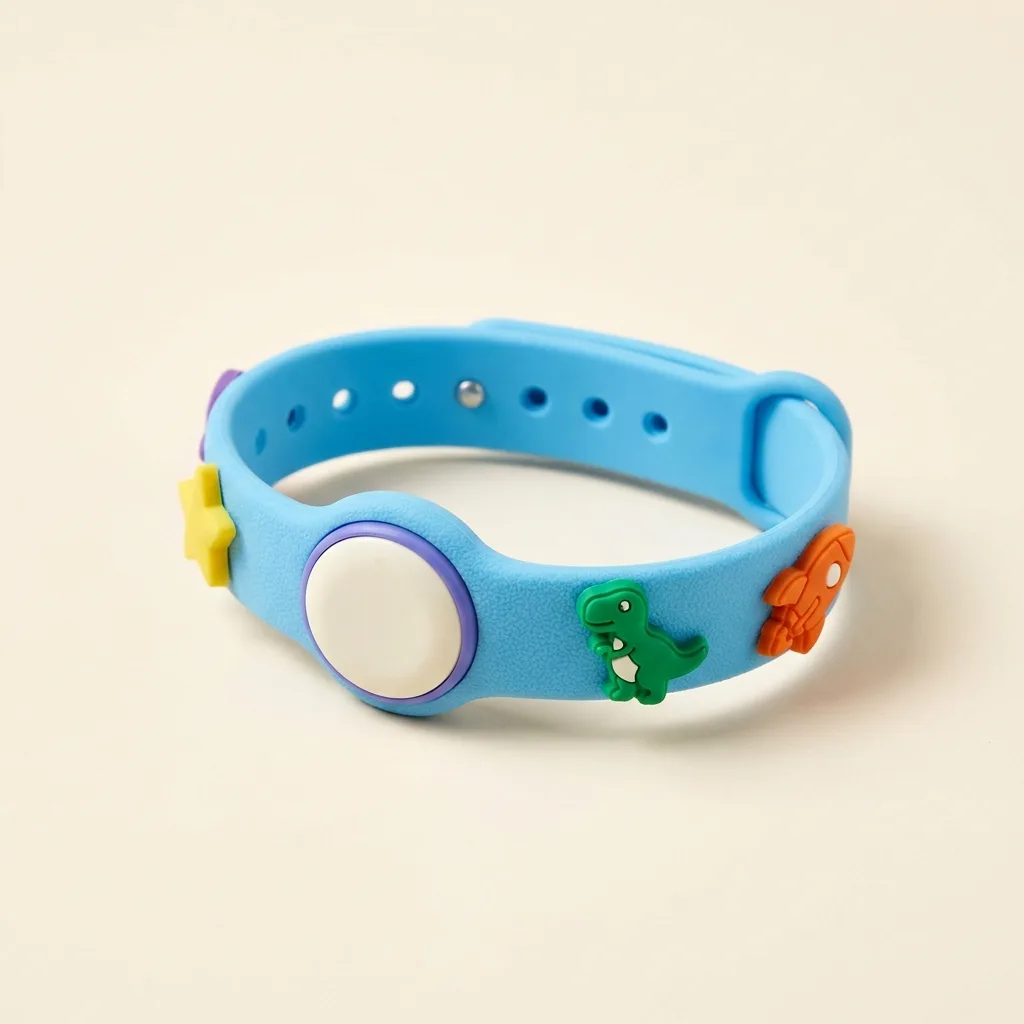
- 4A small tracker if your child has one, like the Be Closer Band, which quietly answers 'are they still where they're supposed to be' without you needing to text and ask.
- 5Anything specific to your child's comfort, a particular pillow, a nightlight, whatever makes an unfamiliar bedroom feel less unfamiliar.
What changes when your house is the one hosting?
Be the parent who volunteers the information before anyone has to ask, it's genuinely appreciated and it sets a norm that this kind of question is normal, not suspicious. A quick message the day before covering supervision, screen rules for the night, and anything relevant about your home (pets, water, storage) saves the other parent from having to raise it and signals that you've already thought about it.
| Situation | What to mention | Why it helps |
|---|---|---|
| You'll be out briefly | Exact window and who's covering | Removes any assumption you'll be gone the whole evening |
| Kids will use devices | Rough cut-off time for screens | Matches expectations to the other family's rules |
| You have a pet | Type and temperament | Lets a parent flag allergies or fears in advance |
| You have a pool or trampoline | Whether it'll be used and supervised | The single most common source of sleepover anxiety for visiting parents |
This is the same spirit as Talking to teens about location sharing, the goal isn't surveillance, it's making sure everyone has the information they need to relax and let the kids actually enjoy the night.
Frequently asked questions

Marta writes our Kids & Teens guides. Mother of two, professional over-preparer, firm believer that independence is a skill you practice, together first, then alone. She has road-tested every checklist in her own hallway at 7:40am.
Our guides are written by Be Closer's editorial voices and reviewed by the team behind the app. Questions? support@becloser.com
Published · Updated