 Kids & Teens
When can my child go to the playground alone? A readiness guide
There is no age that answers this. Readiness is a combination of the playground itself (sightlines, road crossings, how busy it is), your child's road and social skills, and a staged progression that moves from together, to watching from a bench, to nearby at home, to fully solo. Agree boundaries, a return time, and a plan for awkward situations before the first solo trip, and let a worn tracker with place alerts handle the check-ins so nobody is texting every ten minutes.
Every parent I know has been asked this in roughly the same way: from the hallway, shoes already on, in a tone that suggests the answer is obviously yes. "Can I just go to the park? On my own?" And every parent I know has done the same thing I do, which is scan a mental list of everything that could possibly go wrong in a twelve minute window and land on "maybe next year."
Here is the thing that changed how I handle it. There is no age that answers this question. I went looking for one, the way we all do, and what I found instead is that the same child can be ready for one playground and nowhere near ready for another one four streets away. The variable that matters most is not your child's birthday. It is the specific place, the specific route to it, and the specific set of skills your child has actually practised.
So this guide is a three part audit. First the playground, then the child, then the staged progression that gets you from holding hands to waving from the door. It is the process I used with both of mine, and the second time around it took about two weeks rather than two years of dithering.
Audit the playground before you audit your child
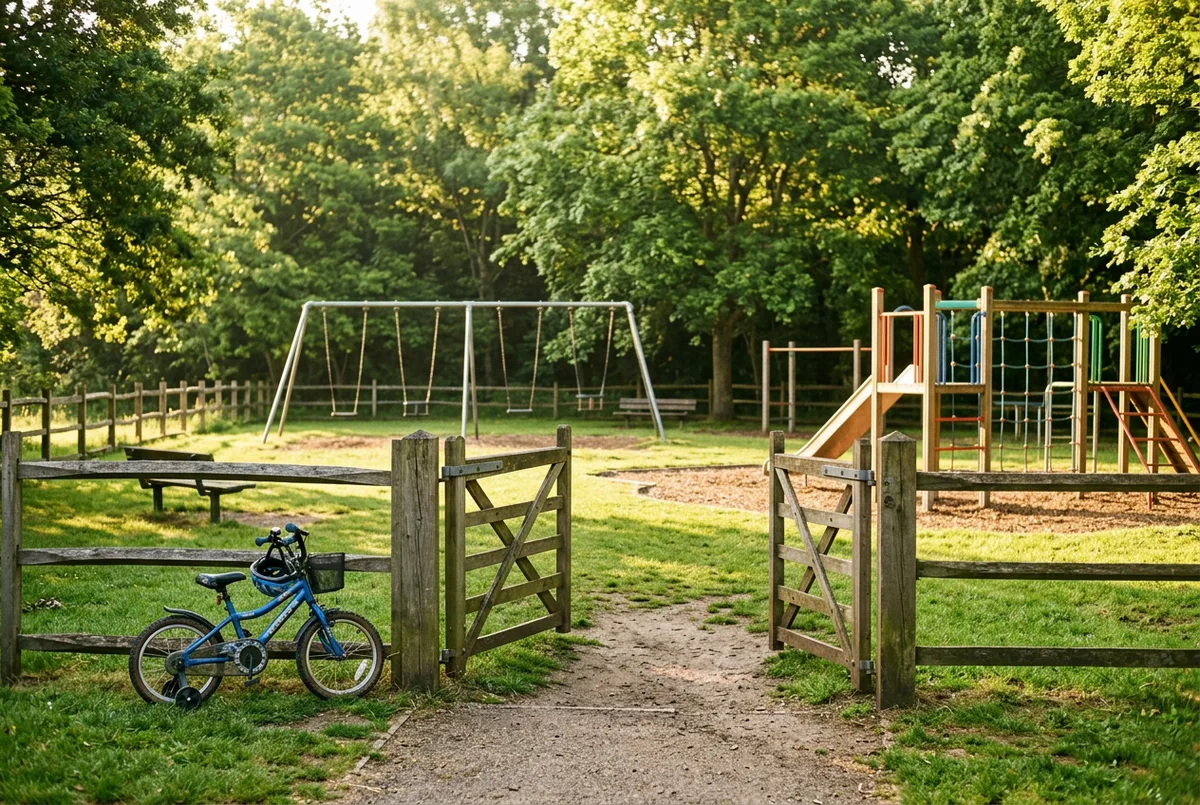
Parents almost always start with the kid. Start with the place instead, because the place either does half the work for you or it quietly adds five new risks. Walk there on a normal weekday afternoon, at the exact time your child would go, and look at it like a stranger would.
- Sightlines from home. Can you see any part of it from a window or the front step? Not essential, but it changes the first few trips enormously.
- Road crossings on the way. Count them. Note which ones have a crossing, a lollipop person, or nothing at all. One unmarked crossing on a fast road is worth more caution than four quiet residential ones.
- How busy it is. An empty playground and a packed one are different risks. Empty means nobody would notice a problem. Packed means more eyes, more noise, and more chance of getting jostled by bigger kids.
- Who else hangs out there. Every playground has a regular crowd at particular hours. Toddlers and grandparents at 10am is a very different environment from teenagers on the climbing frame at 5pm.
- Exits and edges. How many ways out are there? Does one of them open straight onto a road? Is there a fence at all?
- Phone signal and toilets. Both matter more than you would think when the plan involves checking in or waiting fifteen minutes for you to arrive.
Do this once and you will find the answer is often not "is my child ready" but "is this the right playground." The small enclosed one behind the library might be a yes this summer. The big open one across the main road might be a next year problem, and that is a perfectly good answer to give.
Green flags in a playground
- Fenced, with one or two obvious exits rather than open on all sides.
- Reachable without crossing anything faster than a residential street, or with a proper crossing on the one road that matters.
- Reliably has a few other families around at the time your child would go.
- Close enough that you could walk there in under ten minutes if you needed to.
The skills checklist: what your child needs to have practised
Skills, not age. And practised, not explained. There is a real difference between a child who can tell you the road safety rules and a child who has crossed that specific road twenty times with you watching from three steps behind.
- 1Roads. They stop at every kerb without prompting, look properly, and wait rather than dashing when a car slows down. Test this by walking behind them and saying nothing at all.
- 2Route memory. They can lead the whole way there and back without you correcting a turn.
- 3Time. They can read a clock or a watch and understand what "back by quarter past four" actually means in practice.
- 4Speaking up. They can ask an adult for help, out loud, to a person they do not know. This is a skill you rehearse, and it is covered properly in teaching kids about tricky people.
- 5Knowing the basics. Full address and at least one phone number from memory, not just saved in a device. Practise the way we set out in teaching kids their address and phone numbers.
- 6Social handling. They can leave a situation that has gone sour, an older kid hogging the equipment, a game turning mean, without needing you to intervene.
- 7Getting separated. They know exactly what to do if they lose the friend they went with, which is the same plan as if we get separated.
If four or five of those are solid and two are shaky, you do not have a no. You have a to-do list for the next fortnight. Pick the shaky ones and practise them deliberately on the walks you are already doing.
The staged progression, from together to solo
This is the part that makes the difference. Almost nobody goes wrong by moving too slowly. Plenty of us go wrong by jumping from stage one to stage four in a single afternoon because we were busy and it felt fine.
| Stage | What it looks like | What you are checking |
|---|---|---|
| 1. Together | You walk there and back with them, but they lead every step and every crossing. | Route memory and road habits with you as backup only. |
| 2. Bench distance | You sit at the far end of the playground with a book and do not hover. | How they play, who they interact with, whether they check in unprompted. |
| 3. Drop and return | You walk them there, leave, and come back at an agreed time. | Whether they stay inside the boundary and are where they said they would be. |
| 4. Solo, short | They walk there and back alone for twenty minutes, usually with a friend. | The whole thing end to end, on the easiest possible version. |
| 5. Solo, normal | An hour, on their own initiative, with a text or an alert when they arrive. | Nothing. This is the destination. |
Spend at least two or three outings at each stage. The point is not to test them once, it is to make the behaviour boring and automatic. Boring is what you want. A child who has done stage three six times is not excited about stage four, and unexcited children make better decisions.
The stage that surprised me was bench distance. Ten minutes of watching from a distance told me more about my daughter's judgment than a year of walking beside her.
Be Closer shows your whole family on one private map, free to start.
Consent-first, never sold, and gentle on your battery. iOS and Android.
The rules you agree before the first solo trip
Keep this short enough that your child can repeat it back at the door. Four rules that get remembered beat twelve that get nodded at.
- The boundary. Name the exact edges. "The park and the path to it. Not the shop, not the alley, not anyone's house." If plans change, they come home and ask first.
- The time. A specific clock time, not "an hour." Repeat it out loud before they leave.
- Who they are with. Going with a friend is a rule, not a bonus, for the first several trips. Agree that if the friend leaves, they leave too.
- The come home triggers. Anything that feels wrong, anyone hurt, anyone asking them to go somewhere else, and they walk home. No permission needed, no explanation required in the moment.
What to say when an adult approaches
Give them one line and practise it until it is automatic: "No thanks, I'm going to find my grown up." Then they walk toward other people, not away into a quiet corner. The important framing is behaviour based rather than appearance based, because an adult asking a child for help or asking them to come somewhere is the actual warning sign, regardless of how friendly they seem.
What to say when an older kid causes trouble
Older kids taking over equipment, mocking, or getting physical is far more likely than anything sinister, and children find it much harder to handle because there is no clear rule. Give them permission in advance: "You never have to win that argument. Walk away and come home, and I will not be disappointed." Say the second half out loud. A lot of children stay in bad situations because they think leaving means failing.
The doorstep script, thirty seconds before they go
- Where are you going, and where are you not going?
- What time are you back?
- Who are you with, and what happens if they leave?
- What do you do if something feels off?
Handling check-ins without texting every ten minutes
This is where most first solo trips actually fall apart. Not the crossing, not the strangers, but the parent on the sofa sending a fourth message and the child either ignoring it or, worse, learning that independence comes with constant interruption.
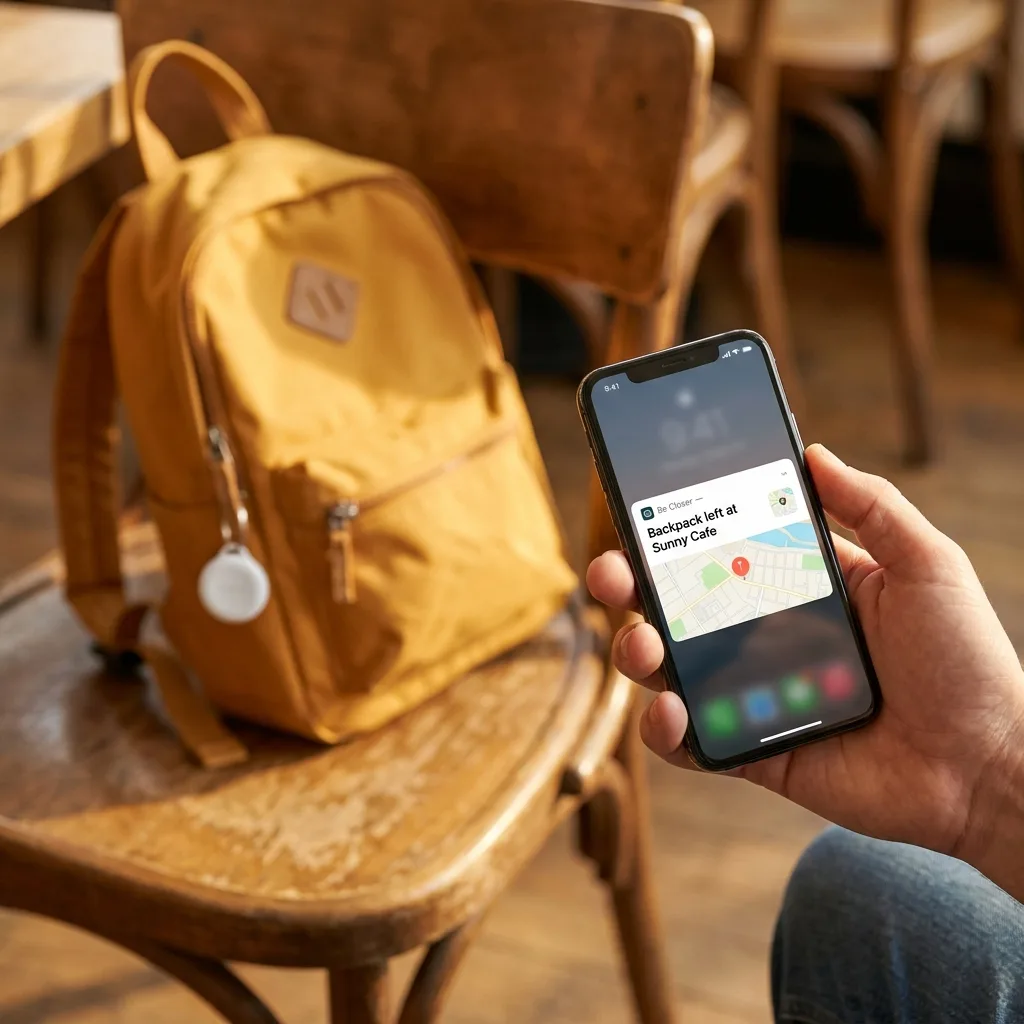
The fix is to decide in advance what information you actually need. In almost every case it is two things: did they get there, and did they leave when they said they would. That is it. You do not need a live dot for forty minutes, and watching one is genuinely worse for your nerves than not watching.
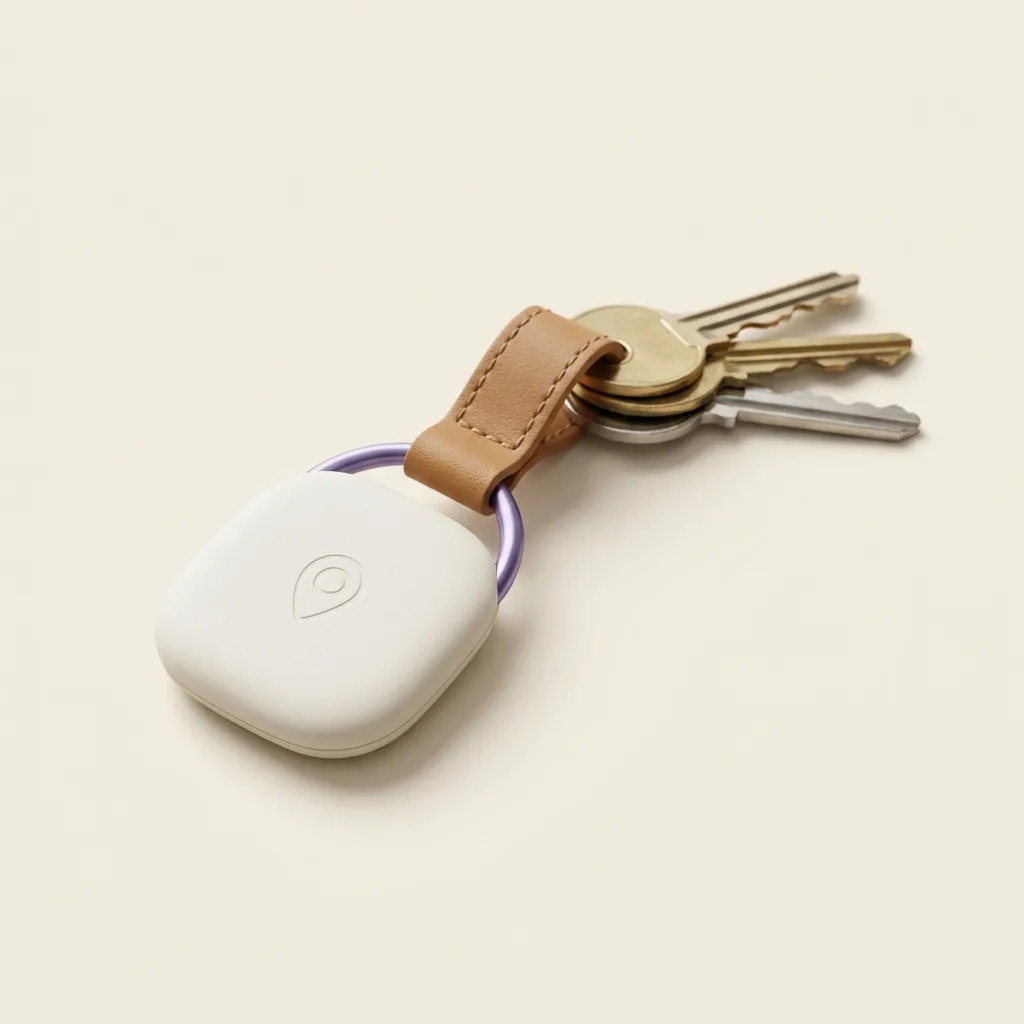
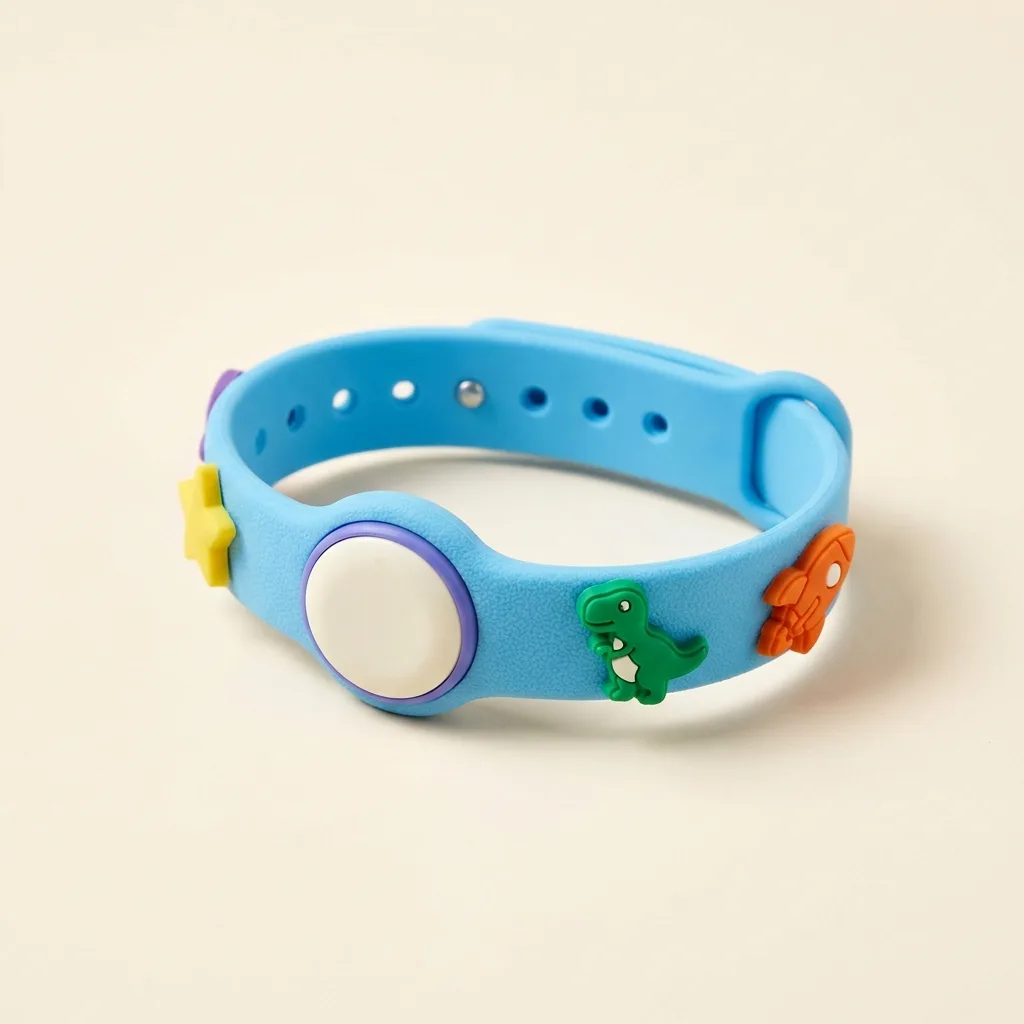
A worn tracker handles both of those without anyone touching a phone. Save the playground as a place, and you get an arrival alert when they get there and a leaving alert when they head home. For playground age children a wrist worn option like the Be Closer Band tends to work better than a phone, because it stays on their arm through a climbing frame, and something like the Tag clipped inside a bag covers the same ground if your child already has a bag they never put down.
- Set place alerts for the playground and for home, then close the app.
- Agree that no news is good news, so you are not messaging and they are not performing check-ins.
- Tell your child exactly what you can see. Secret monitoring is the fastest way to lose the trust that makes the next stage possible.
- Keep the app for logistics, not for supervision. If you find yourself opening it repeatedly, that is a signal you have moved a stage too early, not a signal to watch harder.
Be Closer is free to download, available in 13 languages, and rated 4.4 stars across more than 150,000 ratings on the App Store and Google Play. Location is accurate to up to 95%, which is more than enough to tell you they are at the park rather than halfway down the high street.
When to hold off, and how to say no well
Sometimes the honest answer is not yet. That is fine, as long as you give a reason your child can do something about, and a date to revisit it.
- "Not this park, because of the crossing on Mill Road. The one by the library, yes, starting Saturday."
- "Not on your own yet. With Sam, yes, and we will try on your own in a few weeks."
- "Not until you can tell me our address without thinking. Let us practise this week."
Every one of those is a no that comes with a route to yes. What children find unbearable is a no with no visible path, because it feels arbitrary and it usually is. Naming the specific missing piece turns a disappointment into a task, and most children will go and complete the task within a week if it means the park.
And when the yes finally comes, resist the urge to make it a big emotional moment. Hand them the time, say see you at four, and go and do something with your hands for twenty minutes. Independence lands best when the adults treat it as unremarkable. If the walk to school is next on your list, the same staged approach applies in when can my child walk to school alone.
Frequently asked questions

Marta writes our Kids & Teens guides. Mother of two, professional over-preparer, firm believer that independence is a skill you practice, together first, then alone. She has road-tested every checklist in her own hallway at 7:40am.
Our guides are written by Be Closer's editorial voices and reviewed by the team behind the app. Questions? support@becloser.com
Published · Updated