 Kids & Teens
What Should My Child Memorize? Phone Numbers, Addresses and the Facts That Hold Up
Your child needs four things in their head: one parent's mobile number, the home address said as a full sentence, their own full name and one parent's full name, and a short script for asking a trusted adult for help. Teach it in small repeated bursts on the school run rather than in a sit down lesson, test it playfully and never as an exam, and keep a written card in the bag as the backup. Location sharing is the layer on top of memorized facts, never the replacement for them.
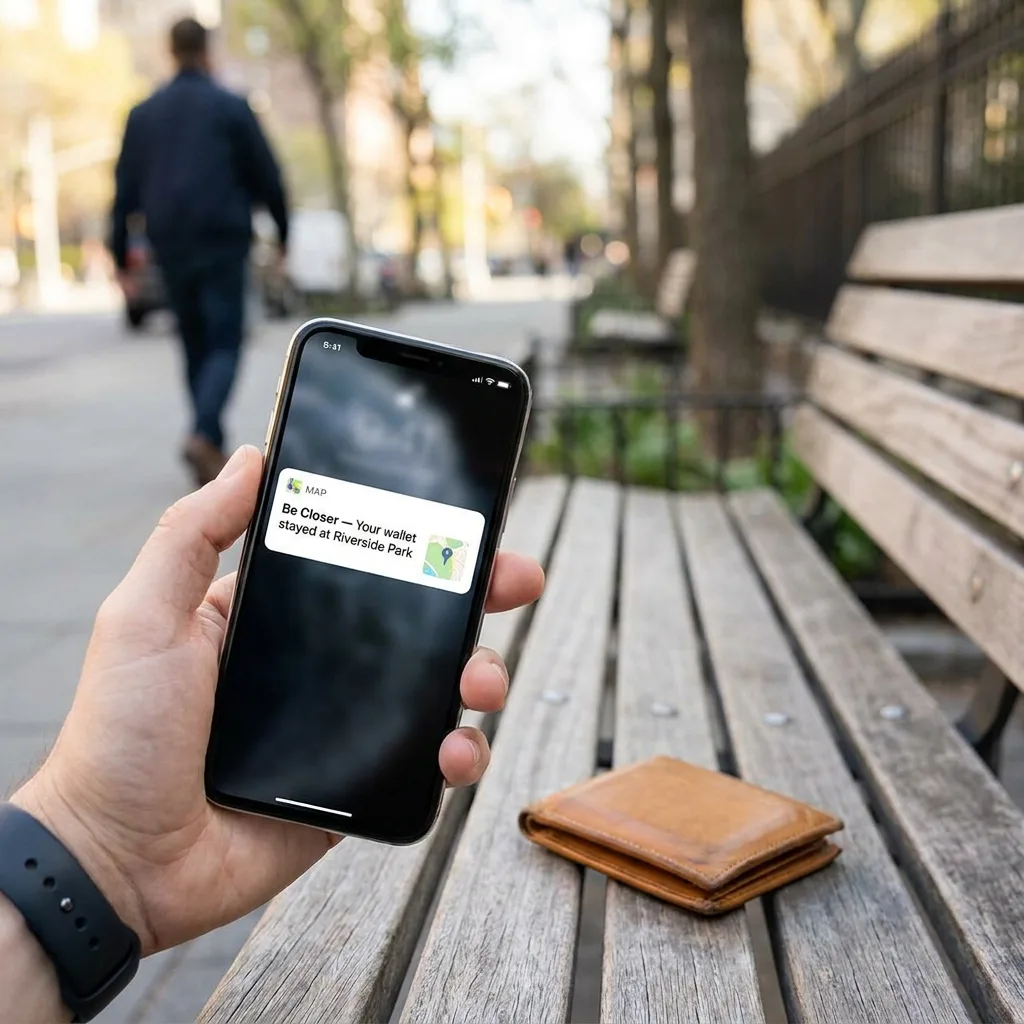
Two summers ago my eldest went to a friend's birthday at a park I had not been to before. Her phone was at four percent when I dropped her off, which I noticed and did nothing about, because I was late and it was a park and there were eleven other children. By the time the party moved to the far gate her phone was a small black brick in a bag, and when a very kind mother offered to ring me, my daughter stood there and realised she did not know my number. Not most of it. Not the first three digits.
She knew my name was Mum. She knew we lived near the roundabout with the flower bed. She is a bright child who had, at that point, spent nine years never once needing to know anything her phone did not know for her.
That evening we started learning four facts, and it took about three weeks of school runs rather than any kind of lesson. What follows is the exact list, why each one earns its place, how to get it into a child's head without turning it into homework, and how to test it in a way that does not frighten anybody. The phone is still the first plan. This is the plan that works when the phone is dead, lost, in someone else's pocket, or at the bottom of a lake, which happened to a boy in her year and is a separate story.
The four facts that actually earn their place
Parents are often given a long list of things a child should know, and long lists do not survive contact with a nine year old. Keep it to four. Each one exists because there is a specific, ordinary situation where an adult standing in front of your child needs it and cannot get it any other way.
- 1One parent's mobile number, cold. Not both, at least not at first. One number learned properly is worth two numbers learned half way. Choose the parent most likely to answer an unknown number in the middle of a working day.
- 2The home address, said as a full sentence. House number, street, town, and postcode if they can manage it. A child who says only Willow Road has given a stranger something almost useless, because most towns have several.
- 3Their own full name and one parent's full name. Children routinely give their first name only, and a parent's name as Mum or Dad. A school office, a shop manager or a police officer cannot look up Mum.
- 4A one line script for asking for help. Roughly: my phone is dead and I need to ring my mum, her number is, and then the number. Having the words ready is what stops a frightened child freezing.
Notice what is not on the list. School numbers, a second parent's number, a grandparent's number and the family email are all nice to have and all belong on a written card rather than in a child's memory. Memory has limited shelf space and it is emptied by adrenaline.
A child under stress does not recall facts, they recall rhythms. Which is why the way you teach this matters more than the list itself.
If your child is younger than about six, cut the list to two: their full name and one parent's full name, plus the street name. If your child is a teenager who has never learned any of this, do not skip it. A sixteen year old at a festival with a flat phone is in the same position as my nine year old at the park, as a teen's first concert with friends sets out.
How to teach it: rhythm, not revision
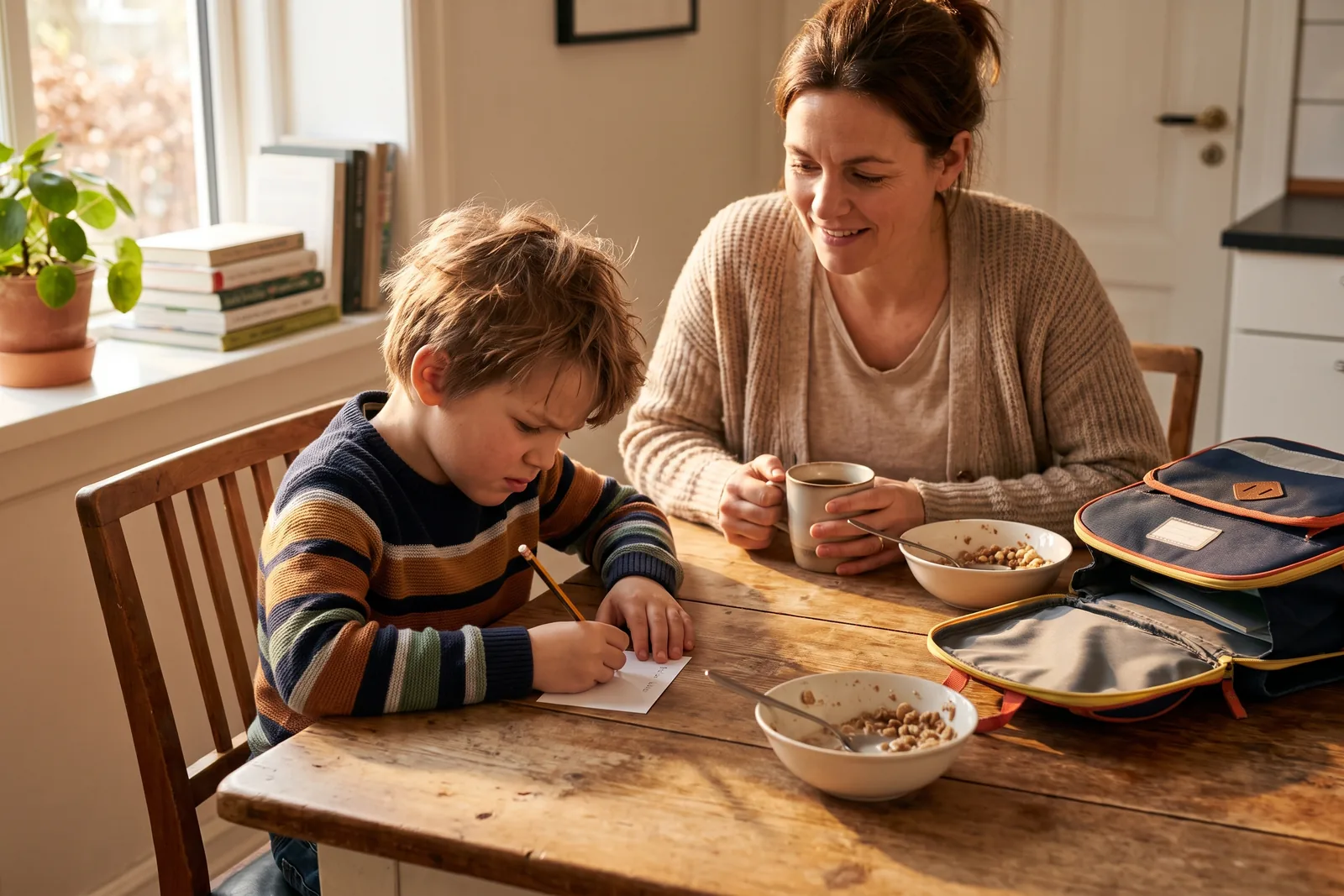
The mistake almost everyone makes, me included, is to sit the child down at the table with a pen and announce that we are going to learn Mummy's phone number now. That framing turns a small thing into a test, and children who feel tested stop enjoying the activity within about four minutes.
Teach it in motion instead. Four or five repetitions a day in the ordinary gaps of family life will beat one long session every time, and it costs you nothing you were not already doing.
- Chunk the number. Break a mobile number into three groups and always say it in the same groups, in the same rhythm. Consistency is what makes it stick, so never rearrange the chunks once you have picked them.
- Sing it if they are young. A number set to a tune your child already knows will lodge in a five year old's head faster than anything else you try, and it survives panic remarkably well.
- Use the walk to school. One repetition at the front door, one at the crossing, one at the school gate. Three a day, five days a week, and most children have it inside a fortnight.
- Say the address as a whole sentence. I live at fourteen Willow Road, Ashford, and then the postcode. Practising it as a sentence rather than as separate facts means it comes out in one piece under pressure.
- Quiz in the car, casually. Whoever answers first gets to pick the next song. Competitive siblings will learn this faster than any parent can teach it.
Expect a plateau in the second week where they get four digits right and then stall. Go back to the chunk they are dropping, practise it alone for a day or two, then rejoin it. Do not add the second parent's number until the first is automatic, because the common failure is a child who produces a hybrid of both.
A three week plan that fits in the school run
- Week one: one parent's mobile number only, three repetitions a day, no address yet.
- Week two: keep the number ticking over once a day, add the address as a full sentence.
- Week three: add both full names and rehearse the asking for help script out loud, with you playing the shop assistant.
- Ongoing: one surprise question a week, kept light, so the facts do not quietly rot over a school holiday.
Testing it without turning it into an exam
There is a genuine tension here. You need to know whether they actually have it, and the act of checking is what makes a child feel judged. The answer is to check in situations that are obviously low stakes, and to react to a wrong answer with a shrug rather than a correction.
My rule at home is that a wrong answer costs nothing and a right answer gets a small, genuine reaction. Not a party, just a that is exactly right, well done. Children will chase that far longer than they will avoid a telling off.
- Ask cold, at odd moments. In the supermarket queue, halfway through cooking, at bath time. The point is to test recall without a run up, because real life never gives a run up.
- Have someone else ask. A grandparent or a family friend asking is a much better test than you asking, because your child has heard your voice say the number a hundred times and may be reading the rhythm off you.
- Rehearse the whole scene once. You play a shop assistant, they walk up and deliver the script. Do it once, laugh about it, and leave it. Repeatedly rehearsing scary scenarios does more harm than good.
- Never test in front of an audience. A child asked to perform their address in front of relatives at a birthday will get it wrong and then associate the whole thing with embarrassment.
One thing I would push back on is testing children with staged strangers or scenarios designed to catch them out. What you learn is not worth what it costs in trust.
Be Closer shows your whole family on one private map, free to start.
Consent-first, never sold, and gentle on your battery. iOS and Android.
The written card in the bag, and what goes on it
Memorized facts are the primary system. The card is the redundancy, and it is also the place for everything that did not make the list of four. Ours lives in the small zip pocket of the school bag, and there is a second one in the coat that gets worn most, because bags get left in cloakrooms.
Write it by hand or print it small, then laminate it or cover it with clear tape so it survives a leaking water bottle. Keep it to the size of a bank card so there is no excuse about it not fitting anywhere.
- Child's full name.
- Two parent or carer names with mobile numbers, clearly labelled with who is who.
- Home address in full, including postcode.
- One out of area contact, a grandparent or an aunt, for the situation where local phones are all engaged.
- Any medical information an adult would need in the first five minutes, kept to one short line.
What does not go on the card: the child's school name and their home address together, if you can avoid it, and anything that reads like an invitation. A card is found by a helpful adult ninety nine times out of a hundred, and you are writing for that adult. There is a fuller version of this with a printable layout in teaching kids their address and phone numbers.
Coins taped inside the card still help, although fewer payphones exist every year. The modern equivalent is a rehearsed sentence for asking an adult to make one call. If flat batteries are a theme in your house, what to do when your child's phone dies covers the habits that prevent most of these afternoons.
Where location sharing fits, which is on top and not instead
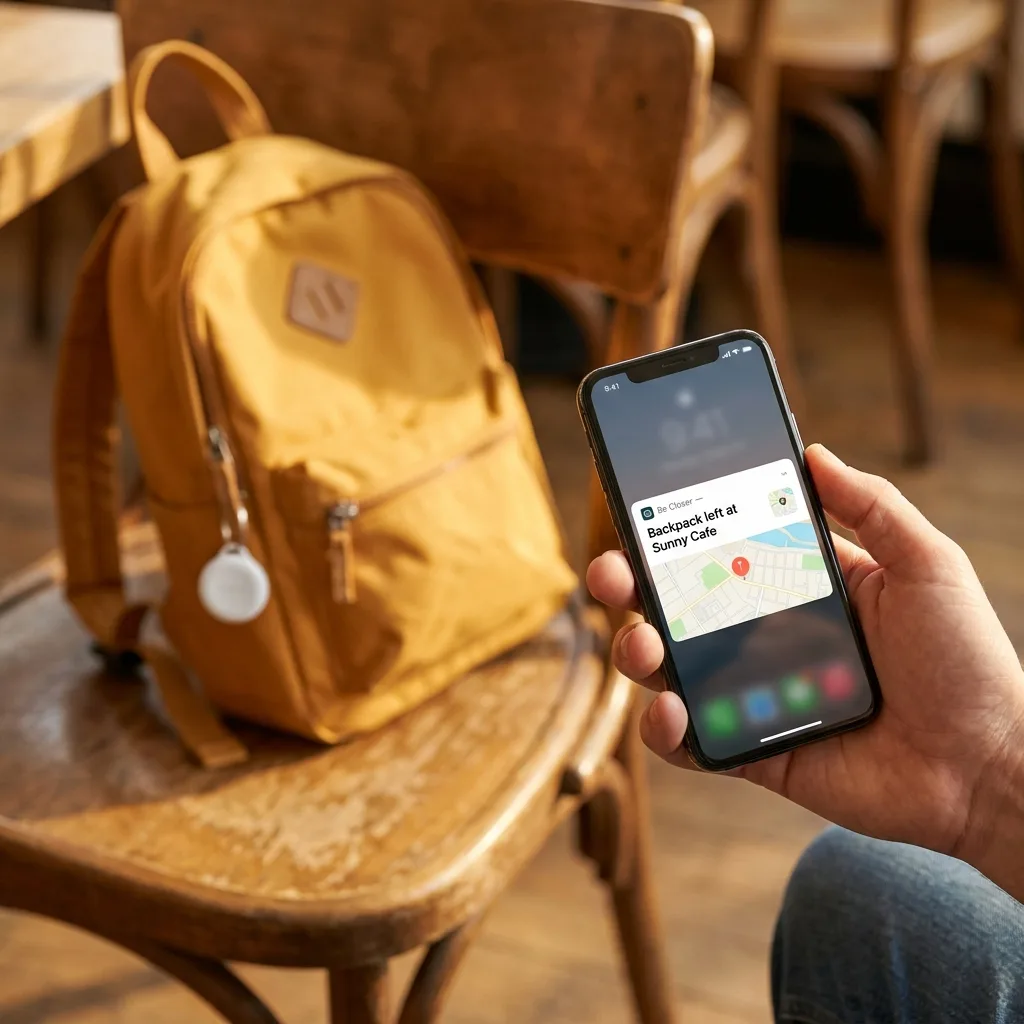
I use a family location app and I recommend one. I also think the version of family safety where a parent's confidence rests entirely on a blue dot is fragile, and every parent who has watched that dot freeze at the school gate for forty minutes knows exactly why.
Location sharing answers where, and only when the phone is alive. Memorized facts answer who and how to reach them, and they work at zero percent battery. They are not competing systems, they are two layers, and the order matters: teach the facts first, then add the app.
- A shared location tells you the phone is at the leisure centre. It does not tell a stranger standing next to your child how to reach you.
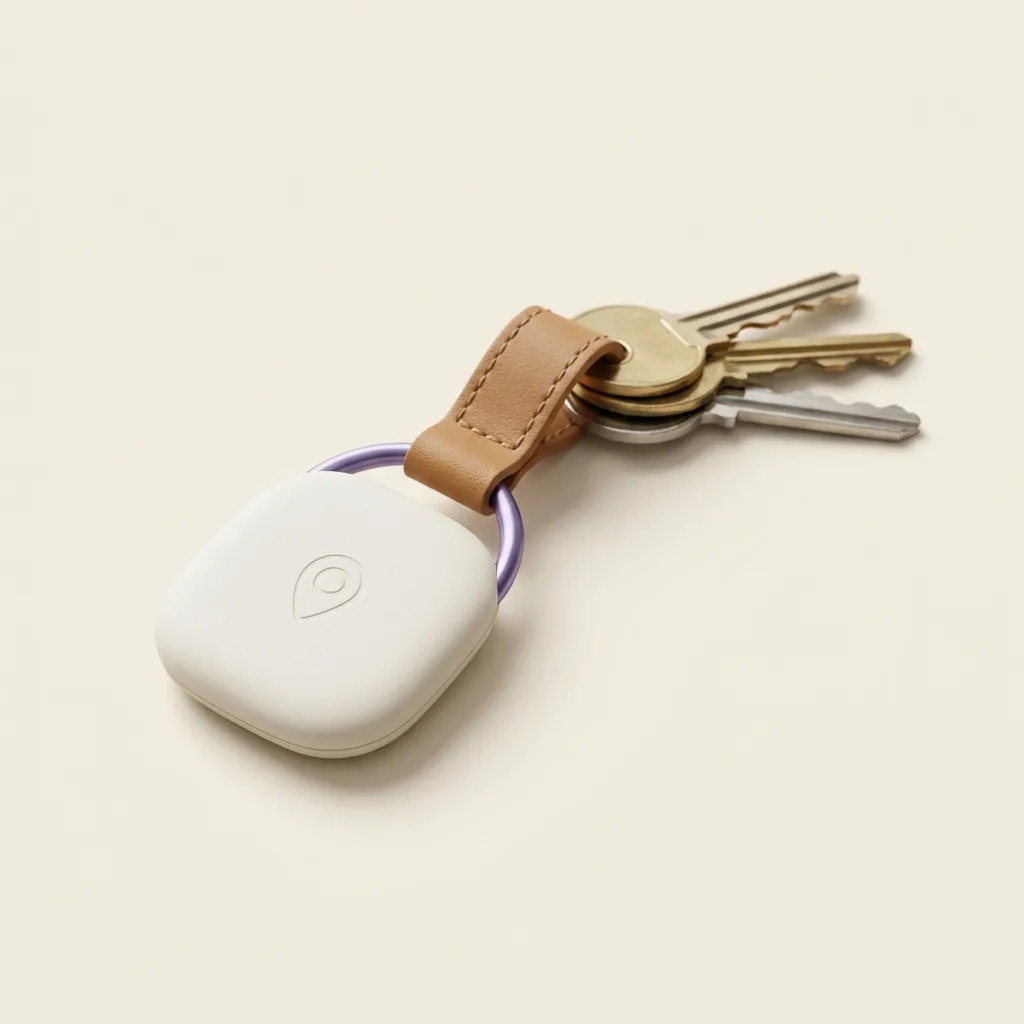
- A tracker in a bag, like our Tag, finds the bag. That is genuinely useful and it is not the same as finding a child, which is worth being honest with yourself about.
- Battery is the weak point in every location setup, which is why what to do when your child's phone dies matters more than any settings screen.
- Accuracy has limits. Our own app is honest about up to 95 percent accuracy in good conditions, and dense city centres and multi storey car parks are not good conditions. How accurate is phone GPS explains why.
Set it up with your child rather than on your child. Let them see your location as well as you seeing theirs, explain in one sentence why it exists, and show them how the whole thing works including how to tell you if they want it changed. Something a child helped switch on feels completely different from something they discovered.
Be Closer is free to download, has 13 languages and sits at 4.4 stars across more than 150,000 ratings on the App Store and Google Play, and none of that is the point of this article. The point is that my daughter can now recite my number at speed while doing something else, which cost us three weeks of walking to school and is the single most useful thing we have ever taught her about safety.
Frequently asked questions
Marta writes our Kids & Teens guides. Mother of two, professional over-preparer, firm believer that independence is a skill you practice, together first, then alone. She has road-tested every checklist in her own hallway at 7:40am.
Our guides are written by Be Closer's editorial voices and reviewed by the team behind the app. Questions? support@becloser.com
Published · Updated