 Kids & Teens
When your child's phone dies: the no-panic plan to practice now
Build a plan that works without a phone: two memorised numbers, one fixed meeting point per regular place, and permission to ask a staffed counter for help. Rehearse it once a term so it is muscle memory rather than a lecture. Then treat a flat battery as a logistics problem to solve, not a crime to punish, because fear of your reaction is what turns a small delay into a long one.
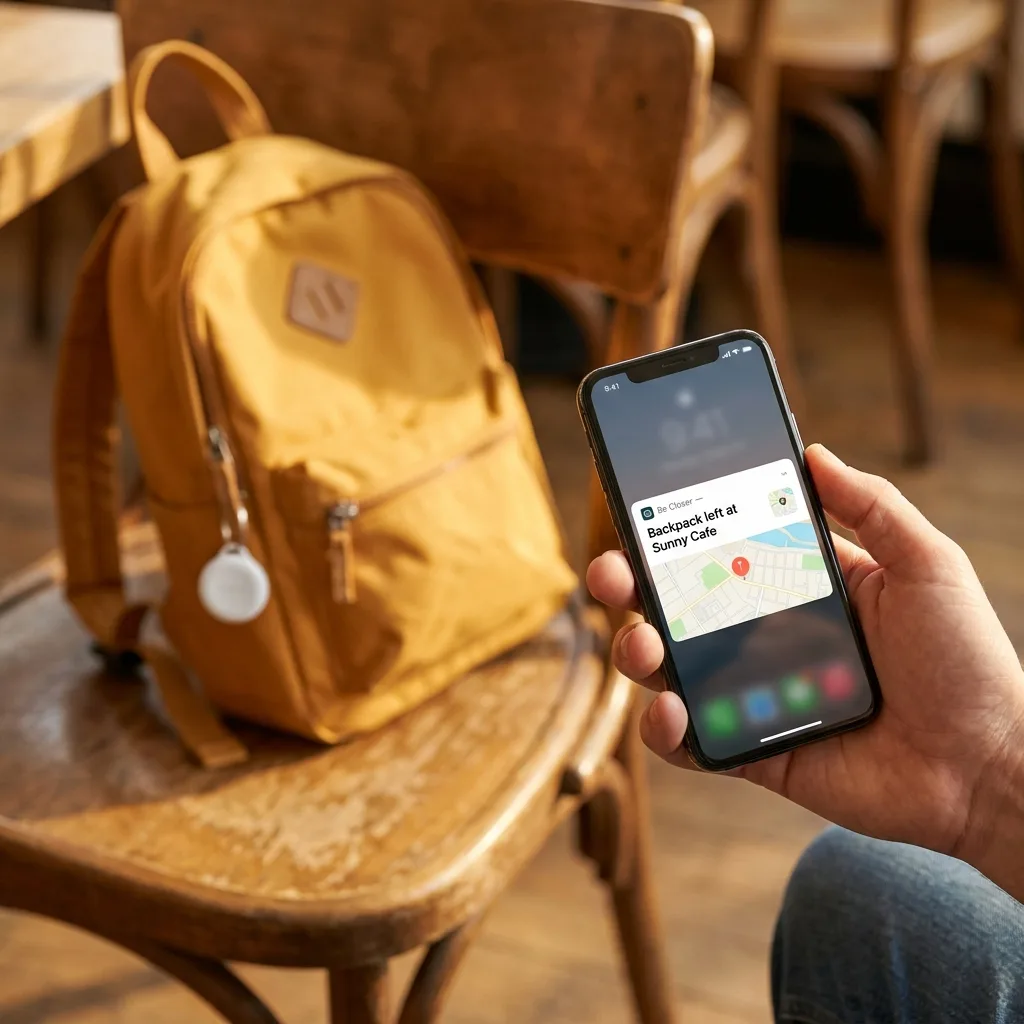
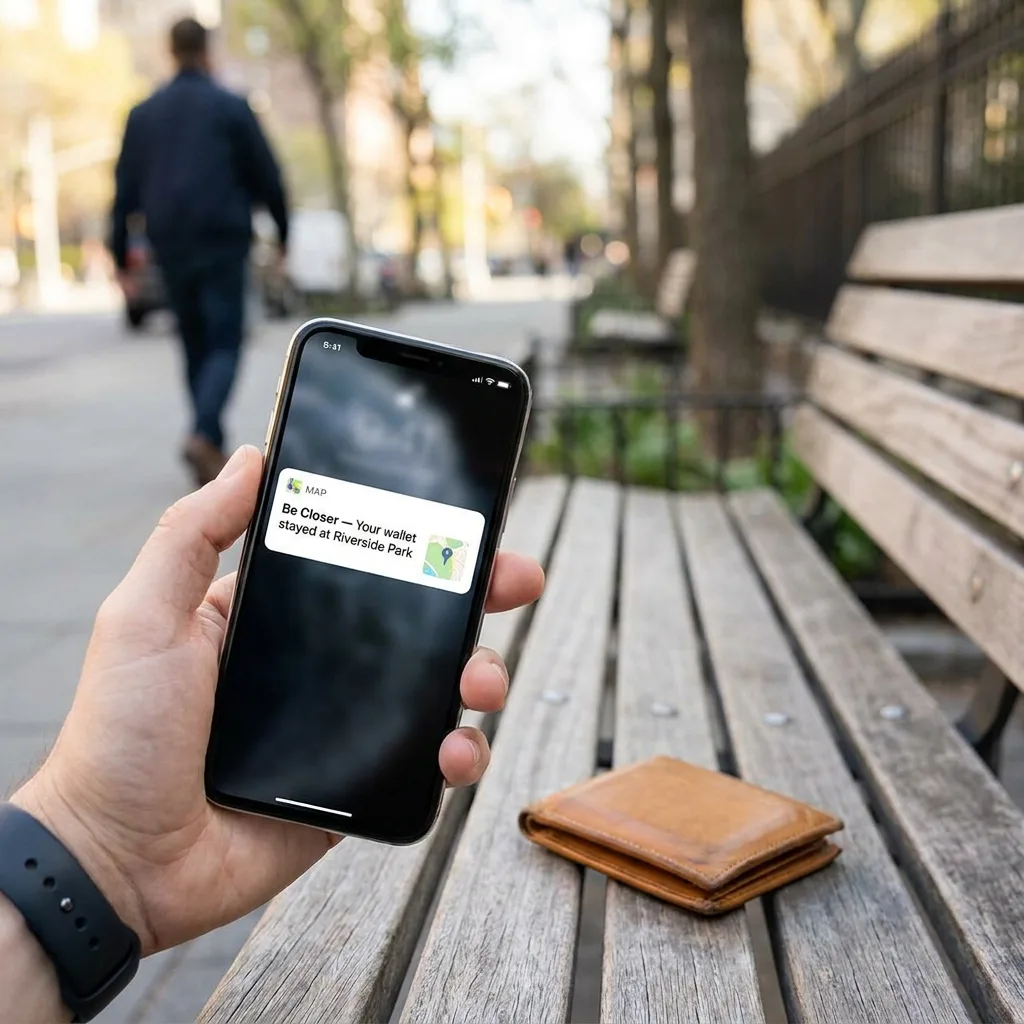
It happens at 4:40pm on a Thursday. You glance at the map, the little circle that has been reassuring you all afternoon has gone grey, and the last update says twenty three minutes ago outside a shopping centre. Your stomach does a thing. You ring. It goes straight to voicemail, which is the sound a flat battery makes.
Nine times out of ten, the answer is a boy standing outside a phone shop wondering why the free charging point has a queue. But the twenty minutes before you know that are horrible, and they are entirely preventable, because a dead phone is a logistics problem and logistics problems can be rehearsed.
The trick is to build a plan that does not depend on the very thing that has failed. That means information stored in a head rather than a contacts list, places agreed in advance rather than negotiated in the moment, and a child who knows they are allowed to ask an adult behind a counter for help. Fifteen minutes of practice buys you back all of those grey circle afternoons.
Two numbers, memorised, out loud
Every child needs two phone numbers they can say from memory while standing in a noisy place feeling slightly stupid. Not saved. Memorised. Ours took a week of chanting them in the car like a bad song, and it is the single most useful thing on this list.
The memorised set
- Number one: the parent most likely to answer during the day, not the one who is technically in charge.
- Number two: a backup adult who lives locally. A grandparent, an aunt, the neighbour you trust with a spare key.
- Your home address, said fully, including the postcode. Children who have always been driven often cannot do this.
- The emergency number for your country, and a clear sense of when it is the right call and when it is not.
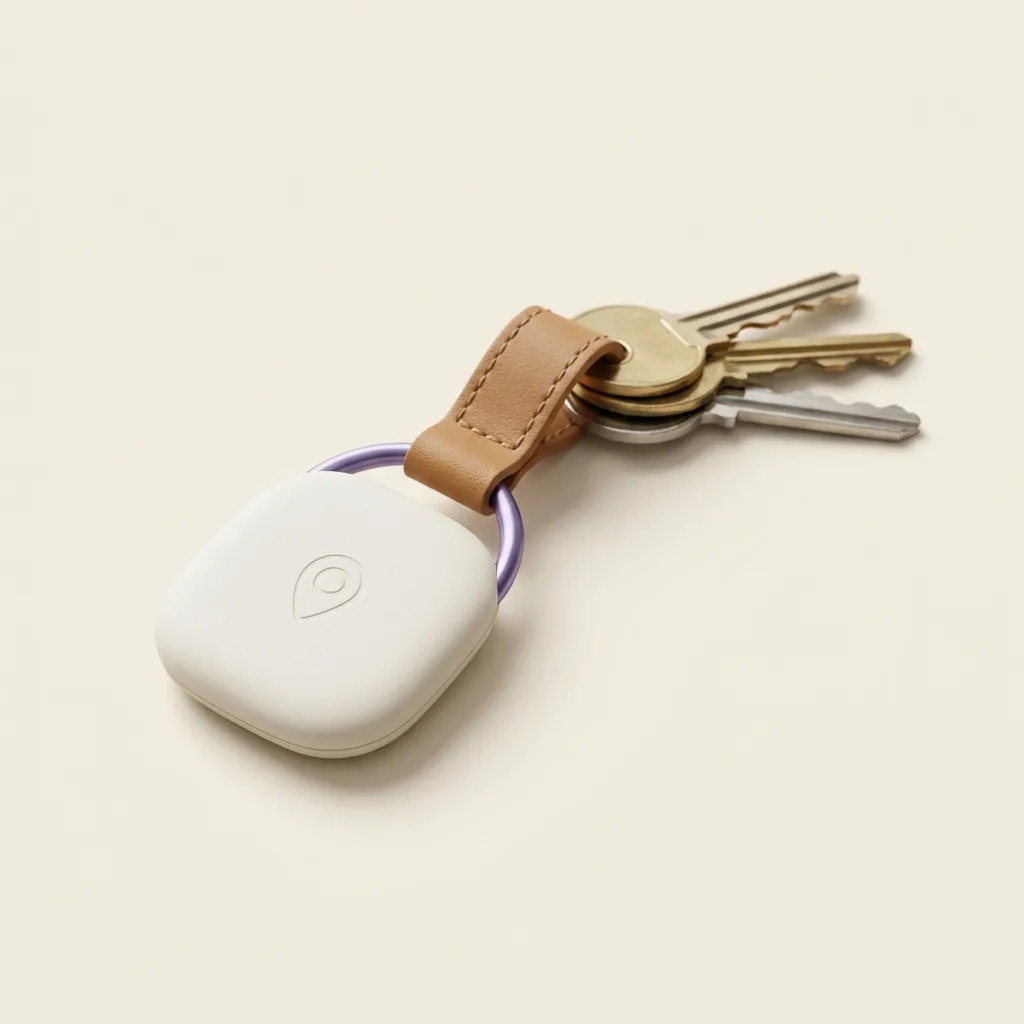
Write the same details on a card for the school bag as a backup to the backup. A physical card in a zipped pocket has a battery life of several years. If your child carries a Be Closer Card, that is the same idea with a way for a finder to reach you attached.
Test it the annoying way
Ask for the number at random moments: in a supermarket queue, halfway through a film, on the way out of the door. If it comes out smoothly under mild pressure, it will come out at 4:40pm on a Thursday.
One fixed meeting point per regular place
The whole point of a meeting point is that nobody has to communicate to use it. It is the answer to "we cannot reach each other, now what", and it only works if it was decided before anyone needed it.
- 1Choose one spot per place your child goes regularly: the school, the sports centre, the shopping centre, the station.
- 2Make it indoors, staffed and lit where possible. The information desk beats the car park. The library counter beats the bench outside.
- 3Make it specific. Not "the entrance", which has three of them, but "the desk next to the lifts on the ground floor".
- 4Agree the waiting rule: stay there, stay put, and wait for an adult from the list rather than walking to find one.
- 5Say it out loud together at each place the next time you are there. Standing in the actual spot does more than any conversation at home.
A meeting point is a promise you made in advance so that neither of you has to be clever in the moment.
This pairs neatly with the pickup habits we cover in family code words for safer pickups, because the child who knows where to wait also needs to know who is allowed to collect them.
Asking a staffed counter for help
This is the skill children most need and are least likely to have. We spend years teaching them not to bother adults and then expect them to walk up to a stranger and explain a problem. Give them a script and permission, in that order.
The script
"Excuse me, I work here is what I am looking for. My phone has died and I need to call my mum. Her number is 0 double 7 ..." Keep it that simple. The key move is choosing someone behind a counter, in a uniform, at a till, or a parent with young children, rather than the nearest passing adult who offers.
- Staff first. A person with a name badge is accountable to an employer and easy to find again.
- Ask, do not accept. The rule is that your child chooses who to ask, rather than going with whoever approaches them.
- Never accept a lift, even from someone genuinely trying to help. Waiting at the counter is always the better plan.
- Stay inside the shop or the building while the call is made and until an agreed adult arrives.
If a phone goes missing rather than flat, the sequence is different and time matters more. We set that out in what to do in the first hour after a lost or stolen phone.
Be Closer shows your whole family on one private map, free to start.
Consent-first, never sold, and gentle on your battery. iOS and Android.
Battery habits that prevent the whole thing
Prevention here is genuinely easy, it is just unglamorous. Three habits cover almost every flat battery we have had in this house.
The three habits
- Charge in the kitchen, not the bedroom. A phone that charges overnight in a shared room starts every day full and sleeps better in a different room from your teenager.
- The 40% rule. If it is under 40% when they leave a place with power, plug it in for ten minutes before moving on. Sports halls and libraries have sockets.
- A cheap power bank in the bag, charged on Sunday with everything else. Ours lives in the same pocket as the bus pass so it is never a decision.
The once a term rehearsal
Habits fade, so we run the whole thing once a term and it takes about ten minutes. I ask for both numbers and the postcode from memory, we name the meeting point at each regular place, and we run the counter script out loud with me playing a bored shop assistant, which my kids find unreasonably funny. Then I check the power bank still holds a charge, because a flat power bank in a bag is worse than no power bank at all, as it removes the worry without removing the risk.
Do it at the start of term, when routines change anyway. New timetable, new bus, new sports hall, new meeting point. Ten minutes then saves the grey circle afternoon in November.
Battery worry is also the most common reason families avoid location sharing altogether. Worth knowing: Be Closer is built to run quietly in the background rather than pinging constantly, which is what drains a phone. Accuracy runs up to 95% depending on the handset and the conditions, and the app is free to download.
If you are still deciding whether a phone is the right call at all, is my child ready for a first phone walks through the readiness questions rather than the age ones.
Why punishing a dead battery backfires
Here is the thing we all know and forget in the moment. If your child expects a row about the battery, they will spend their energy on managing you instead of solving the problem. They will avoid the phone call. They will walk home rather than wait somewhere staffed. They will decide, entirely rationally, that a delay is cheaper than a telling off.
So we made a rule in our house and said it out loud: nobody is ever in trouble for making contact. Not for a flat battery, not for a missed bus, not for being somewhere they should not be. The call always makes things better. Consequences, if any, are a separate conversation the next day, when everyone is home and fed.
What to do instead
- 1Solve first. Where are you, what do you need, who is coming. Nothing else until they are home.
- 2Debrief later, and short. "What would make that not happen again?" Let them answer. Their answer sticks better than yours.
- 3Fix the system, not the child. A power bank in the bag solves more flat batteries than any amount of disappointment.
- 4Name what went right. They waited in the right place, they asked a staff member, they remembered your number. Say so.
One more thing worth practising: the walk home itself, if that is the fallback. Doing it once together, in the same light and with the same bags, turns an intimidating unknown into a route. Walking home from the bus stop covers the way we test that.
The plan takes an afternoon to build and a few minutes each term to keep alive. And then, one Thursday, the circle on the map goes grey, and eleven minutes later a call comes from an unknown number, and a slightly embarrassed voice tells you they are at the information desk. Which is the whole point.
Frequently asked questions

Marta writes our Kids & Teens guides. Mother of two, professional over-preparer, firm believer that independence is a skill you practice, together first, then alone. She has road-tested every checklist in her own hallway at 7:40am.
Our guides are written by Be Closer's editorial voices and reviewed by the team behind the app. Questions? support@becloser.com
Published · Updated