 Driving
Teen Drivers and Passengers: First-Year Rules That Stick
Passengers are one of the biggest controllable risks in a teen's first driving year, because friends change attention, speed, and decision making in ways the driver does not notice. Stage it: a period of solo and family only driving first, then one agreed passenger, then more, each stage earned with clean driving rather than a birthday. Write the rules down with your teen, check what your local licensing rules already require, and give them ready made sentences for the hard moment when three friends want a lift.
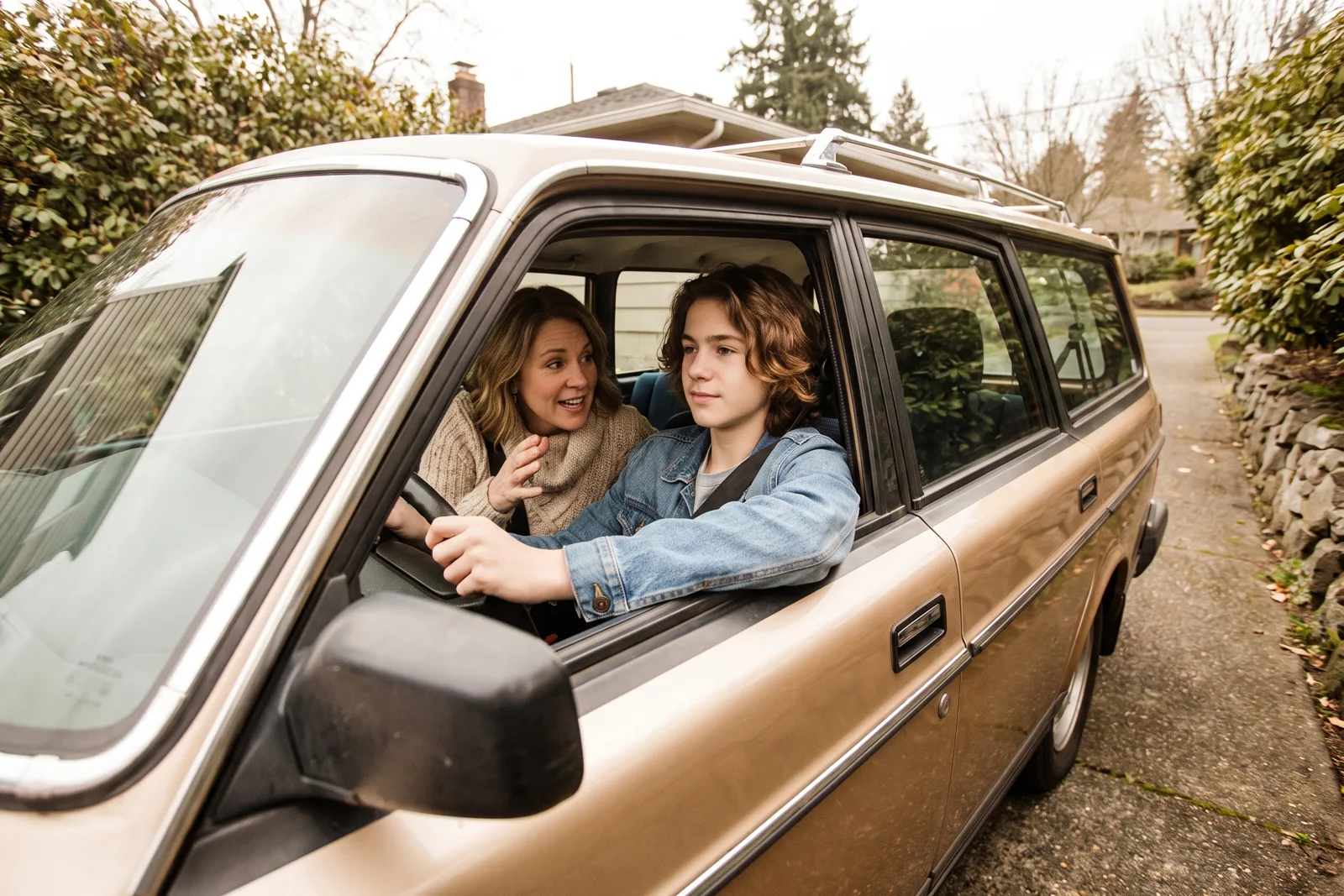
Watch a new driver reverse out of a driveway alone, and then watch the same driver do it with two friends in the back seat. Same car, same driveway, different driver. The radio is on now, someone is telling a story, and the careful three stage mirror check from last week has become one quick glance.
None of that is delinquency. It is what attention does under social load, and adults are not immune to it either, we are just running on twenty years of automated habits that a sixteen year old does not have yet. A new driver is spending most of their attention on the mechanics of driving. Passengers spend it for them.
Many licensing systems already restrict passengers for new drivers, and those rules vary a lot by country and state, so check yours first and treat it as the floor. What follows is the family layer on top: a staged plan for the first year, the agreement that makes it feel fair rather than arbitrary, and the scripts that get your teen out of the worst version of the moment, which is three friends standing by the car asking for a ride.
Why passengers change the drive
It is worth being precise about the mechanism, because your teen will ask, and because the honest answer is more convincing than a vague be careful. Passengers change a new driver's car in three specific ways.
- Attention gets divided. Conversation, music choices, and someone showing a phone screen all draw from the same pool of attention that scanning the road uses. Experienced drivers have spare capacity. New drivers are already spending all of it.
- The audience changes decisions. With friends watching, yellow lights get run instead of waited out, gaps in traffic get taken instead of declined, and speed drifts up to match the mood of the car.
- The car gets louder exactly when it should not. The moments that need full attention, merging, rain, an unfamiliar junction at night, are the same moments a carful of friends is at its most distracting.
A rule to keep: the newer the driver, the quieter the car. That single sentence carries most of this guide, and it is one your teen can actually repeat.
Night amplifies everything above, which is why passenger limits and night rules belong in the same conversation. If you have not set the night side yet, teen night driving rules pairs with this guide.
The staged plan for year one
Stages work better than a single ban, because a ban with no path out reads as forever and gets negotiated weekly. A ladder with clear rungs reads as a plan, and your teen can see themselves climbing it. Adjust the timings to your local rules and your actual teen, the shape is what matters.
- 1Stage one: solo and family only. The first months of licensed driving, no peer passengers at all. Siblings and parents fine. This is where the driving habits become automatic, which is the whole point.
- 2Stage two: one agreed passenger, daytime, known routes. One named friend, not a rotating cast, on routes your teen already drives well. One passenger is a different job to three, and daytime is a different job to night.
- 3Stage three: more passengers, still with limits. After sustained clean driving, open it up gradually, keeping night and long unfamiliar trips as the last things to relax.
- 4Any stage: instant step back after a red flag. A ticket, a scare they tell you about, or a broken rule moves things down a rung for a while. Down a rung, not back to zero, so honesty stays worth it.
Progression is earned by driving, not by birthdays. A fixed date says wait long enough and you get it regardless. Earned stages say show me boring, uneventful driving and the next rung arrives early. You want your teen optimizing for boring driving.
The goal of year one is not zero passengers. It is a driver whose habits are strong enough that passengers stop mattering.
The same staged logic applies to being a passenger. Your teen riding with another sixteen year old driver who has a full car is the same risk seen from a different seat, and it belongs in the same agreement, with the same no questions asked promise: if a ride ever feels wrong, they call, you collect, nobody gets a lecture that night.
Write it down, together
An agreement made out loud in the kitchen is remembered differently by everyone in it within a week. Ten minutes and one page fixes that, and the act of writing it with your teen rather than for them is most of what makes it hold.
What goes on the one page
- The current stage and what it allows. Who can be in the car, when, and on what kinds of trips.
- What earns the next stage. A period of clean driving, defined plainly.
- What moves it back a rung. Named in advance, so a consequence is a rule firing rather than a parent's mood.
- The phone rule. The driver's phone rides in a mount or a pocket, silent, every trip. The passenger rule is that a friend handles music and messages, or nobody does. Distracted driving family phone rules has the fuller version.
- Your side of the deal. Rides or fuel money when they decline a risky situation, the no lecture collection promise, and the same phone standards from you at the wheel.
That last line matters more than it looks. A teen who watches you glance at messages in traffic learns that the rules are for new drivers rather than for drivers, and the whole page quietly loses its authority. If the first solo drives are still ahead of you, teens first solo drive protocol covers the groundwork this agreement builds on.
Be Closer shows your whole family on one private map, free to start.
Consent-first, never sold, and gentle on your battery. iOS and Android.
Scripts for the hard moment
The passenger rule does not fail in the kitchen. It fails in a parking lot at 3:40pm with three friends standing by the car, because what you are asking your teen to do in that moment is socially expensive, and they need words that cost less.
- Blame the system, not the choice. I'm still on the one passenger stage, my parents check, I can take one of you. Rules imposed from outside are socially free in a way that personal choices are not.
- Blame the data. My parents get driving alerts on the family app, if the car is full and it flags anything I lose the car. True in many families, face saving in all of them.
- Offer the alternative. I can come back for the second trip, or meet you there. Turning no into a logistics answer keeps it friendly.
- The standing rule for their own rides. If the car you are in feels wrong, get out at the next normal stop and call. We come, no questions that night.
Practice these once, out loud, even though it feels silly. A sentence that has been said before is available under pressure in a way a sentence merely agreed to is not. This is the same reason family code words for safer pickups work: the words are ready before the moment needs them.
Where the app helps, and where it should stay out of it
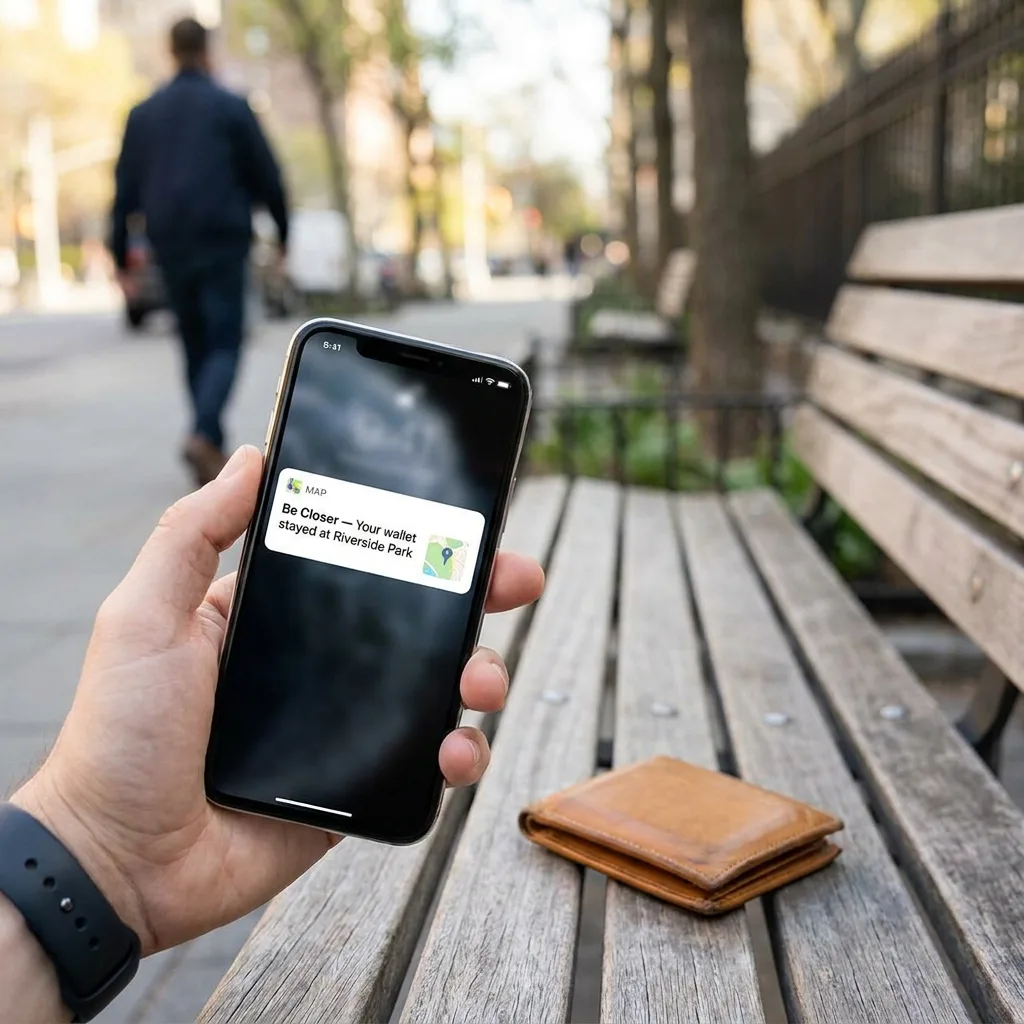
Location sharing has a real but narrow role in a teen's first driving year, and it works best when everyone is clear about what it is for. The map answers arrived safely without a text to a driver, which is the one message you never want to send. Arrival alerts from school, practice, and home mean your teen drives without a phone conversation hanging over the trip, and the same alert spares them the where are you call.
Be honest about the limits, because your teen will spot dishonesty instantly. A dot on a map is up to 95% accurate in good conditions and says nothing about who is in the car, how it is being driven, or why the car stopped. The Be Closer app is free to download and holds 4.4 stars across more than 150,000 ratings on the App Store and Google Play, and none of that substitutes for the agreement on the kitchen wall. Driving features that notice hard braking or speed are conversation starters for the next stage decision, not a surveillance verdict, and how those work is covered honestly in how driving safety alerts work.
Keep it mutual and keep it boring. Your teen sees your dot exactly as you see theirs, the sharing was agreed at the start of the driving year rather than imposed after a scare, and nobody narrates the map at the dinner table. The app's job is fewer texts to a moving car. The agreement's job is everything else.
Frequently asked questions

Daniel covers privacy, consent and the technology under the hood. A dad who reads the settings screens so you don't have to, he believes the best family tech is the kind you can explain to your kid in one sentence, and that nothing should ever be tracked in secret.
Our guides are written by Be Closer's editorial voices and reviewed by the team behind the app. Questions? support@becloser.com
Published · Updated