 Kids & Teens
When Your Child Forgets Their Phone at Home: A No-Panic Plan
A forgotten phone is usually an inconvenience, not an emergency. Decide whether the day's plans actually depend on it, fall back on the family's standing meeting plan if they do, only contact the school office for real changes, and build the habit at home with a launch pad and a checklist rather than a lecture.
I found it on the bathroom windowsill at 8:15, buzzing with a group chat about a forgotten PE kit. My son was already at the bus stop. My first instinct was to grab my keys and race after him. My second, slightly calmer instinct was to put the kettle on and think.
A forgotten phone feels big because we have quietly built so much around it: pickups, check-ins, the after-school plan. But children managed perfectly well for a long time without one, and a single phoneless day is a good test of whether your family's plans can survive without it.
This guide is different from what to do when a phone runs out of battery, which we cover in [when your child's phone dies](/guides/when-your-childs-phone-dies). Here the phone is safe and sound on your counter. The question is how the day goes without it, and how to make it happen less often.
First, decide if today actually needs the phone
Before anyone drives across town, run through the day. Most of the time the honest answer is that nothing important depends on the phone at all.
- 1Is there any change to the usual plan today? A different pickup, a club, a friend's house.
- 2Does anything need them to message you? "Text me when practice finishes" is the usual culprit.
- 3Do they need it for school itself? Some schools use apps for homework or bus passes. Many do not allow phones in class at all.
- 4Is anyone relying on reaching them? A grandparent collecting, or a carpool.
If the answer to all four is no, leave the phone where it is. They will survive, and you will have learned something useful about how much the day really depends on it.
Fall back on the standing plan
Every family benefits from a default plan that does not need a phone: the place you meet if something changes, the adult they go to, the time you will be there. Ours is written on a card in each child's bag. On a phoneless day, it simply becomes the plan.
Our phoneless-day default
- Pickup is at the usual spot at the usual time. No changes today.
- If I am late, wait inside the school reception, not by the road.
- If plans change, the school office or a named friend's parent is the go-between.
- Home phone number and my mobile number are memorised, and on the card.
If numbers are not memorised yet, a forgotten-phone day is the perfect nudge to start. Our guide to what your child should memorise has a gentle way to practise.
School office etiquette
School offices are busy places, and a steady stream of parents dropping off forgotten phones, lunches, and trainers adds up. A few courtesies go a long way.
- Only call about a real change of plan, like a different pickup or an appointment. A forgotten phone alone is rarely a reason to call.
- Keep the message short and specific: name, class, the change, and who is collecting.
- Check the school's policy on dropping off items. Some schools prefer not to pass phones on during the day.
- Do not ask staff to track your child down just to reassure you. Save that for things that genuinely matter.
The office is there for changes of plan, not changes of mood. Mine included.
How location tools behave when the phone is at home
This catches families out. A location sharing app shows where the phone is, not where the child is. If the phone is on the kitchen counter, the map will cheerfully show your child at home all day, while they are actually in double maths.
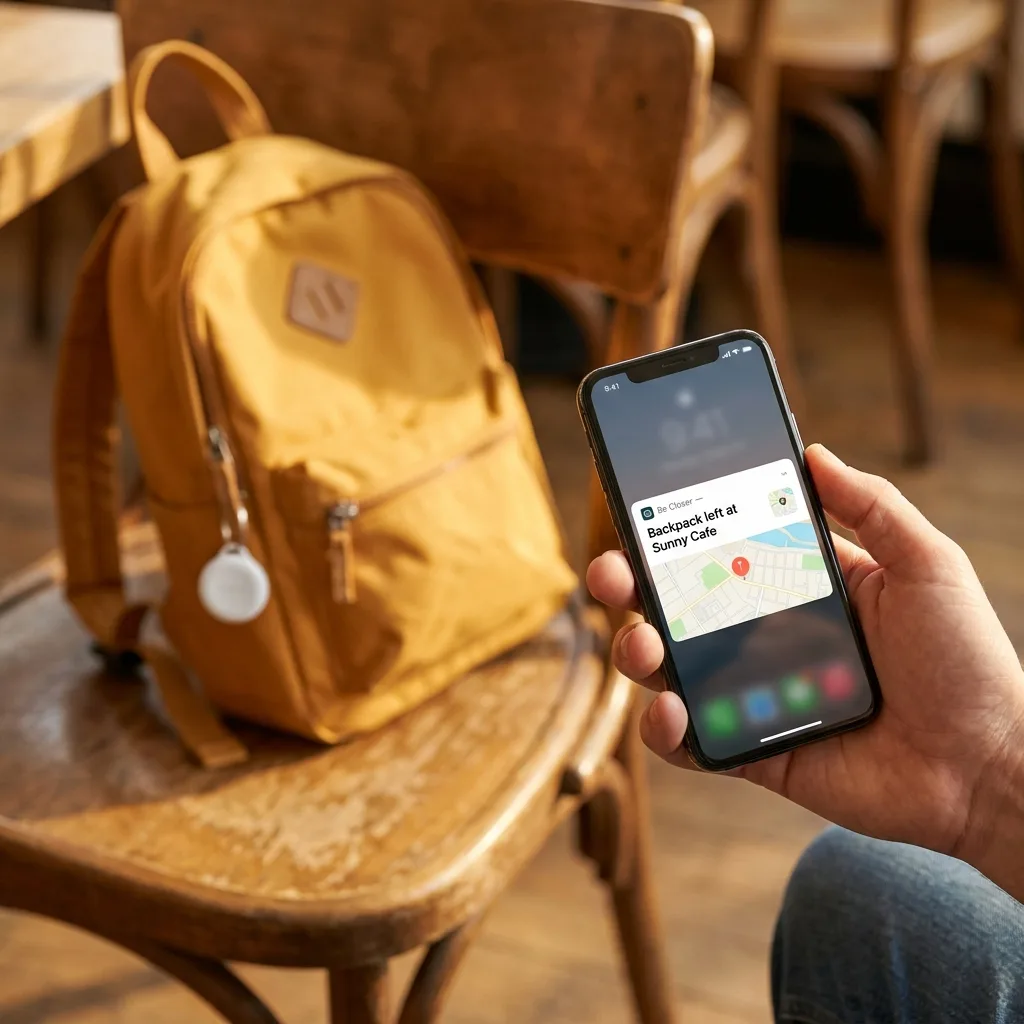
Be Closer works the same way. It can be very accurate, up to 95% accuracy, but only about the device it is running on. On a phoneless day, arrival alerts will not fire and the dot will not move. If the map looks strange, check the counter before you worry.
- Let the rest of the family know the phone is home, so nobody panics at a static dot.
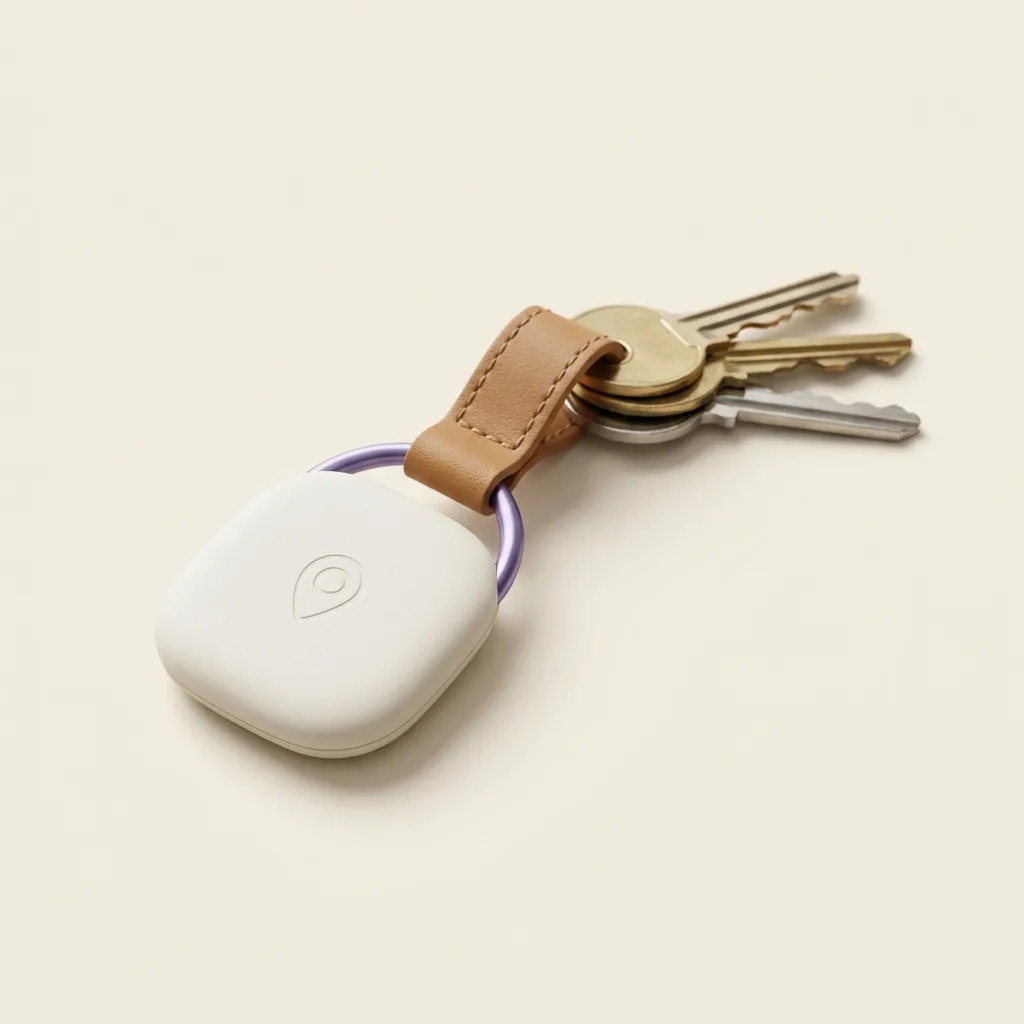
- Consider a small backup for younger kids who often forget, like a wearable or tag that lives on the bag rather than in a pocket, if that suits your family and they agree to it.
- Remember that no tracker replaces the plan. A tag on a bag tells you where the bag is.
Teach the habit without shaming
I used to greet forgetfulness with a sigh and a speech. It did not work. Forgetting is a skill gap, not a character flaw, and children learn systems far better than they learn guilt.
- 1Create a launch pad. One spot by the door where phone, keys, and bag live overnight.
- 2Charge there, not in the bedroom. The phone is already where it needs to be in the morning.
- 3Use a door-check rhyme. Ours is "phone, keys, lunch, please." It is silly, and that is why it works.
- 4Let natural consequences do some teaching. A day without the phone is a gentle lesson on its own.
- 5Notice the good days. "You remembered everything this week" is worth more than any lecture.
Keep your tone in the evening neutral. "Was it annoying not having it?" invites reflection. "How many times do I have to tell you?" invites a slammed door.
Be Closer shows your whole family on one private map, free to start.
Consent-first, never sold, and gentle on your battery. iOS and Android.
A phoneless day for younger children
For younger kids who have only just got a phone, forgetting it can feel much bigger. They may worry about not being able to reach you, or about what happens if plans change. Reassure them at pickup, or better, before it ever happens, that the family plan works with or without the phone.
- Practise the standing plan together on a normal day.
- Make sure they know which adult at school to go to.
- Keep a written card with your number in their bag.
- Remind them that forgetting a phone is not a problem they have to solve alone.
A calm reaction from you on the first phoneless day teaches them more than any rule. If you treat it as no big deal, they will too.
Teens and the forgotten phone
Teenagers are a different story. A forgotten phone can feel like a social catastrophe: missed messages, missed plans, and a day cut off from the group chat. Resist the temptation to rescue them every time. A day without it is not going to hurt, and it can be surprisingly good for them.
What does matter is that they can still reach you if they need to. Make sure they know your number by heart, and that they are comfortable asking a friend or a teacher to borrow a phone for a quick call. For older teens with more complex days, like a part-time job or travelling across town, talk through what they would do without the phone, such as going to a staffed place, calling from a borrowed phone, and sticking to the plan they told you in the morning.
What to say at pickup
The moment they get in the car or walk through the door sets the tone for how they handle it next time. I have learned to keep it simple.
- 1Hand it over without comment. "Found this on the windowsill."
- 2Ask how the day went, not how they managed without it.
- 3Later, if it keeps happening, problem-solve together. "What would help you remember?"
- 4Let them own the fix. A system they choose sticks better than one you impose.
Some of my son's best ideas came from those later chats, including taping a small note to the inside of the front door. It is still there, slightly peeling, and it still works.
When it keeps happening
If the phone is left behind several times a week, look at the whole morning rather than the child. Rushed mornings create forgetting. Moving the bag packing to the evening, getting up ten minutes earlier, or simplifying what goes in the bag often solves more than any reminder. Our piece on morning systems for the school run has more ideas.
It is also worth asking, gently, whether they actually want the phone at school. Some kids are happier without it during the day, and that is a conversation worth having rather than a problem to fix.
The quiet upside
The first time my son forgot his phone, I spent the day half-worried. The fifth time, I realised our plan worked perfectly without it. He came out of school at the usual time, walked to the usual spot, and waved. A good family plan does not need a phone to work. The phone just makes it easier.
Frequently asked questions

Marta writes our Kids & Teens guides. Mother of two, professional over-preparer, firm believer that independence is a skill you practice, together first, then alone. She has road-tested every checklist in her own hallway at 7:40am.
Our guides are written by Be Closer's editorial voices and reviewed by the team behind the app. Questions? support@becloser.com
Published · Updated