 Driving
Lending your teen the family car: a calm pre-drive checklist
Before your licensed teen borrows the car, agree the destination and return time in one sentence, do a two-minute fuel and tire check, mount the phone with Do Not Disturb on, and confirm who is riding along. Add a no-blame pickup promise and use passive location sharing so nobody needs to text a driver.
The first time my son asked to borrow the car on his own, he asked casually, as if it were the salt. I said yes just as casually, then spent the next hour pretending to read while watching the clock.
What helped, eventually, was not more rules. It was a ritual: the same few minutes at the front door every time the keys changed hands. It took the improvisation out of it. He knew what I would ask, I knew what he would say, and we both relaxed.
This is that ritual, written down. The guiding rule is simple: **the handoff is where you do your worrying, so the drive does not have to carry it.**
Before the keys: the one-sentence plan
Ask your teen to say the plan out loud in one sentence: where they are going, who with, and when they will be back. For example: going to Sam's to study, picking up Leo on the way, home by nine.
One sentence is the point. It is short enough to remember, specific enough to be useful, and it sounds like a conversation rather than an interrogation. If the plan does not fit in a sentence, it probably is not settled yet.
Agree the return time as a time, not a mood. Nine o'clock is clear. Not too late is an argument waiting to happen. If you have house rules about driving after dark, our guide to teen night driving rules can help you set them together.
The two-minute car check
Shared cars collect small surprises: an empty tank, a soft tire, a warning light someone meant to mention. A quick look before leaving catches most of them.
- Fuel or charge. Enough for the trip there and back, with a margin. Agree who refills.
- Tires. A walk-around glance for anything obviously low.
- Lights. Headlights and indicators working, especially for evening drives.
- Dashboard. No warning lights on after starting the engine.
- Mirrors and seat. Adjusted for the driver, before the car moves, not at the first junction.
Do it together the first few times, then let your teen own it. Over time it becomes their habit rather than your inspection.
Phone mounted, Do Not Disturb on
This is the step I care about most. The safest phone in a car is one the driver has no reason to touch.
- 1Set navigation before leaving the driveway.
- 2Put the phone in a mount, or out of reach if they do not need directions.
- 3Turn on the phone's driving focus or Do Not Disturb while driving, so messages wait and callers can get an automatic reply.
- 4Choose music or a podcast before moving, not at a red light.
Make it a family rule, not a teen rule. When you drive, you do the same. Our guide to distracted driving family phone rules has a short agreement you can adapt.
Who else is riding along
Passengers change a drive. Friends in the car can be great company and also a real distraction, especially for newer drivers. Rules about passengers for new drivers vary from place to place, so check what applies where you live and agree your own family expectations on top.
Keep it practical. Ask who is coming, and agree that the driver decides the music, the route and when the car moves. A teen who knows they have your backing finds it easier to say: hang on, I am driving.
When plans change
Plans always change. The study session moves, a friend needs a lift home, the film runs late. The goal is not to stop that, it is to make updating you easy and safe.
Our change-of-plan rule
- Pull over and park before touching the phone.
- Send one short message: new place, new time.
- If you are going to be later than agreed, tell us before the agreed time, not after.
- A passenger can send the message instead, while the driver keeps driving.
Notice what this rule does not ask for: messages while moving. A late update sent from a car park is always better than a quick one sent at speed.
Be Closer shows your whole family on one private map, free to start.
Consent-first, never sold, and gentle on your battery. iOS and Android.
The no-blame pickup promise
Say this out loud at least once, and mean it: if you ever feel you should not drive, or should not get in a car with someone, call me and I will come. No questions that night.
Tiredness, bad weather, a friend who has been drinking, a car that feels wrong. Any of these is a reason to stop, and a teen needs to know stopping will not cost them the keys. You can talk it through the next day, calmly. The pickup itself is never the problem.
Calling for a ride is a good decision, not a failure.
Let location sharing replace check-in texts
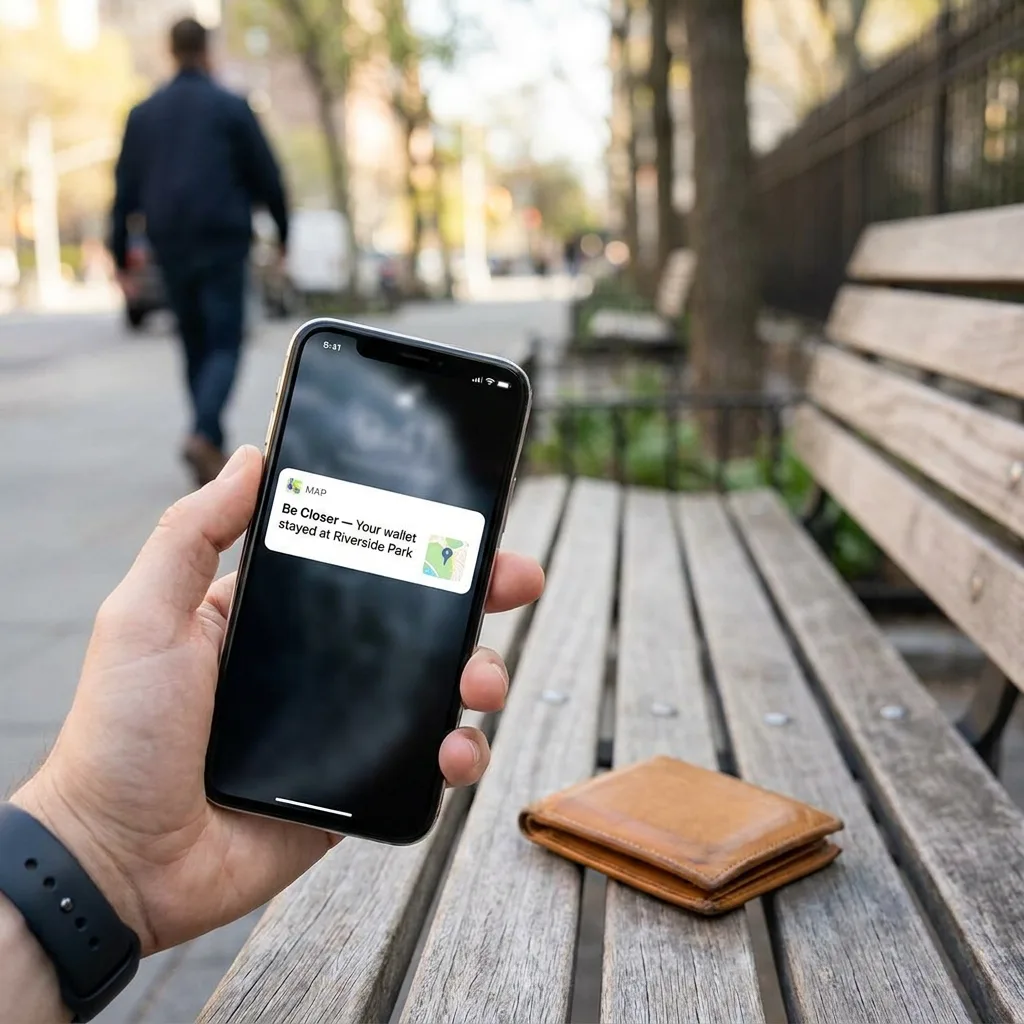
Here is the paradox of a worried parent: the instinct to text where are you is exactly the thing that tempts a driver to look down. Passive location sharing fixes that. Instead of asking, you glance at the family map, and your teen never has to reply from behind the wheel.
With Be Closer, an arrival alert can tell you they reached their friend's house, and another can tell you they are home. It is free to download, reaches up to 95% accuracy in good conditions, and updates arrive in bursts rather than as a live stream, so a dot that pauses for a few minutes is normal. Agree on it together, with consent, so it feels like a shared tool rather than a watchful eye.
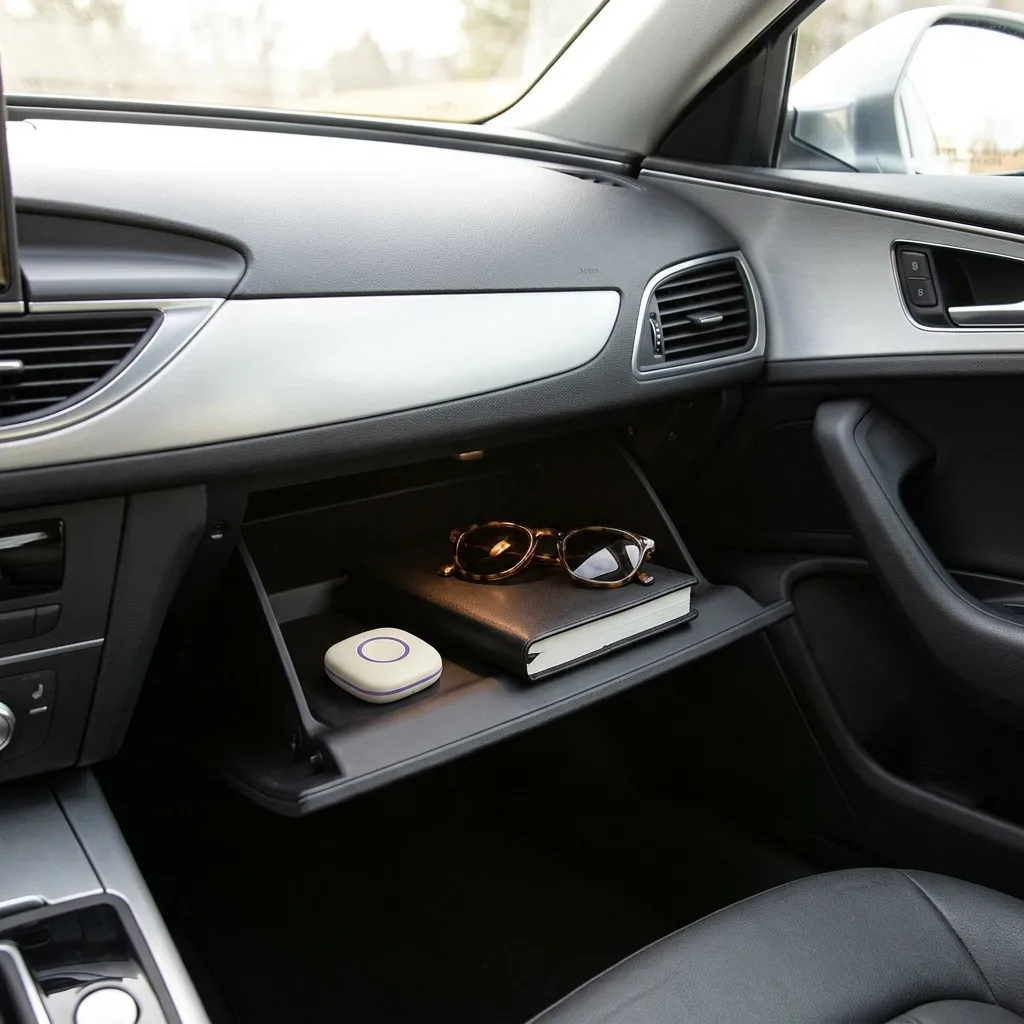
Be honest with yourself about what it can and cannot do. An app cannot prevent a crash. What it can do is remove reasons to touch the phone, for your teen and for you. It also needs a charged phone with location on, so add a charger cable to the glovebox.
What to keep in the car
A small kit in the glovebox or boot turns a stressful moment into a manageable one. None of it is expensive, and most families already own everything on this list.
- A charging cable that fits your teen's phone, so a flat battery never cuts off navigation or a call home.
- The insurance and breakdown details, written on a card as well as stored on a phone.
- A torch, a warm layer and a bottle of water for a breakdown on a cold evening.
- A small amount of cash for fuel or parking if a card does not work.
- A written list of key phone numbers, in case the phone itself is the problem.
If the car does break down, our roadside breakdown plan walks through the first steps: get safe, then get help, then call home. The car can be replaced. The driver cannot.
When you say not tonight
Sometimes the right answer to can I borrow the car is no, or not yet. Heavy rain, ice, a very late finish, an unfamiliar motorway route or a teen who is clearly exhausted are all fair reasons. The way you say it matters as much as the answer.
Give the reason plainly and offer an alternative: I will drive you, or let us look at a lift together, or try again tomorrow in daylight. A no that comes with a reason and a plan feels like care. A no that comes with a sigh feels like distrust, and it makes the next conversation harder.
It also helps to agree some of these limits in advance, on a calm afternoon, rather than at the door when someone is already late. Then the decision belongs to the agreement, not to your mood that evening.
Building trust over time
The first few borrowed drives will feel big. That is fine. If your teen is still early on, extra practice drives together on new routes can build confidence before solo trips, and our first solo drive protocol covers the very first outing.
As the ritual becomes routine, you can shorten it. The one-sentence plan stays. The car check becomes theirs. The pickup promise never expires. Eventually the handoff is ten seconds at the door, and the quiet house afterwards feels a lot less quiet.
It is worth checking in on the ritual itself now and then. Ask your teen which parts feel useful and which feel like box-ticking. You may find they value the pickup promise far more than you realized, or that the car check has quietly become automatic. Keep what works, drop what does not, and let them help write the next version. A routine they helped shape is a routine they will keep when you are not watching. And when they eventually have their own car, the habits come with them, which is the real goal all along.
Frequently asked questions

Daniel covers privacy, consent and the technology under the hood. A dad who reads the settings screens so you don't have to, he believes the best family tech is the kind you can explain to your kid in one sentence, and that nothing should ever be tracked in secret.
Our guides are written by Be Closer's editorial voices and reviewed by the team behind the app. Questions? support@becloser.com
Published · Updated