 Kids & Teens
New neighborhood, new nerves: helping kids find their feet after a move
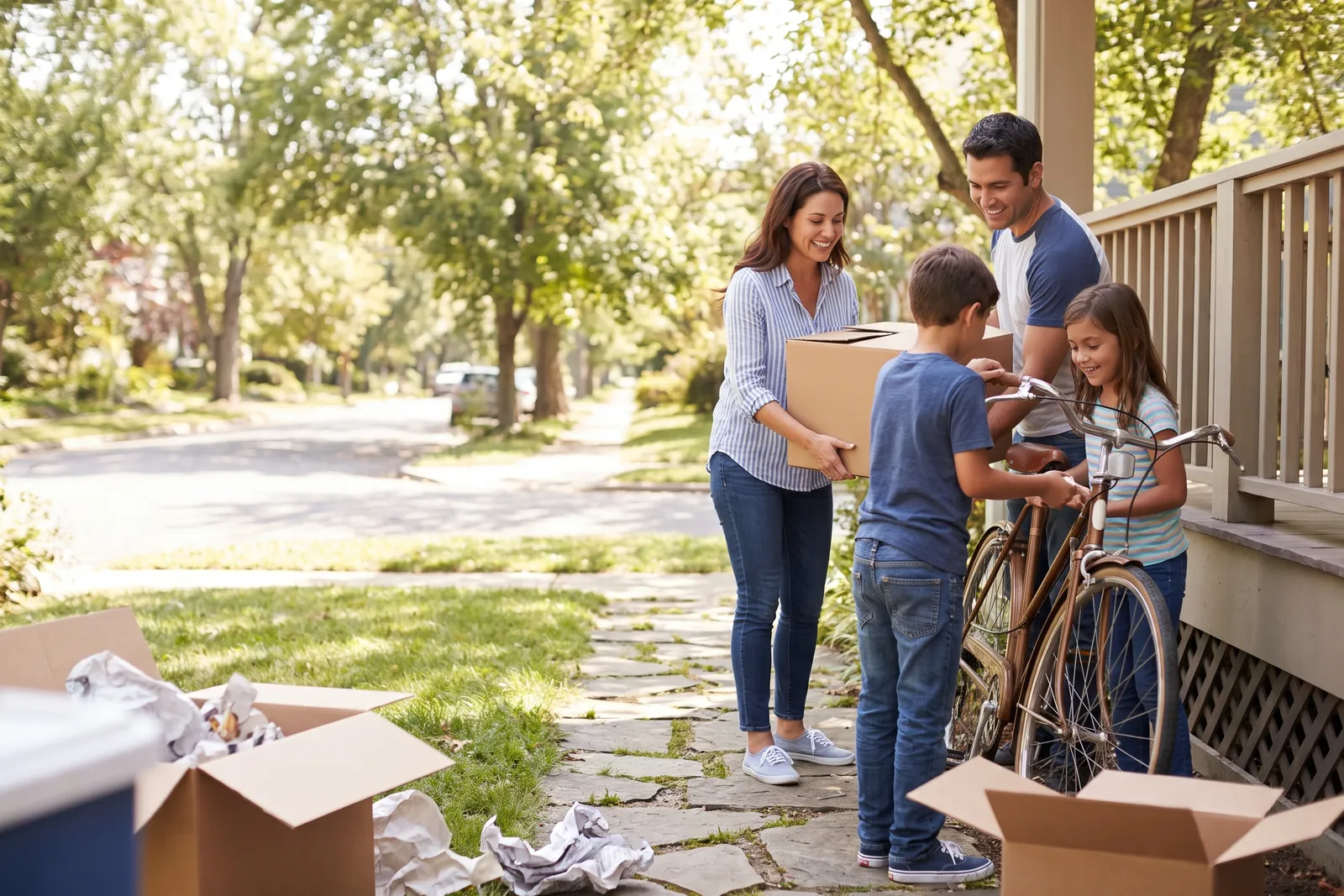
Children lose their entire mental map in a move, which is why a confident nine year old suddenly will not go to the shop alone. Walk the three or four key routes together in the first week, rebuild the memorised address and phone numbers for the new house, and hand back independence one route at a time rather than restoring all of it on day one. Watch for the quiet signs of struggle two or three months in, long after the adults have declared everyone settled.
Three weeks after we moved, my youngest asked me to walk her to the postbox. The postbox is ninety metres away and visible from our front door. In the old house she had been walking to the shop, crossing a road, coming back with milk and change, for the better part of a year. I very nearly said something breezy about her being a big girl. I am extremely glad I did not.
Because she had not gone backwards. She had simply lost the map. Every bit of confidence a child has outdoors is built on knowing things: which corner the noisy dog lives on, which way the school is from the crossing, what the walk home feels like when it starts to get dark. A move deletes all of it in a single afternoon, and we adults barely notice because we are drowning in boxes and broadband appointments.
So this is the plan we used, and the one I now hand to friends who are moving. It is mostly walking around, which sounds too simple to be a plan, but the walking is the whole thing.
What a child actually loses in a move
Name it out loud with them, because children often cannot articulate why they feel small in a new place and will assume it is a personal failing. It is not. It is missing data.
- The route knowledge: which way is home from any given point, and how long each journey takes.
- The landmark set they navigate by, which for kids is rarely street names and almost always shops, trees, postboxes and gates.
- The safe adult list: the neighbour who is always in, the woman in the corner shop who knows their name.
- The social map: who is out on the street after school, and which kids they can knock for.
- The hazard map: the blind corner, the road where cars come fast, the alley that is fine at four and not at seven.
Adults rebuild all five in about a fortnight of ordinary errands, and then assume everyone else has too. Children rebuild them far more slowly, because they travel less and mostly in the back of a car, which teaches you almost nothing about a place.
Your child has not lost their confidence. They have lost their map. Give them the map back and the confidence comes with it.
Week one: walk the four routes that matter
You will be surrounded by boxes and you will not want to do this. Do it anyway, ideally in the first week, because the sooner the map starts forming the less the anxiety sets. Four routes is usually enough.
- 1Home to school, in both directions, at the time of day they will actually do it. Morning traffic is a different place to Sunday afternoon.
- 2Home to the shop, the small everyday one, and go in and buy something so the person behind the counter sees their face.
- 3Home to the park or wherever kids congregate locally.
- 4Home to the bus stop or station, if they will use it, including where you stand and which direction the right bus comes from.
Walk each one at least twice. On the second pass, hand over navigation completely: you follow, they lead, and you say nothing even when they take the long way. Letting them get it slightly wrong while you are next to them is exactly how the route sticks. If the school run will eventually be on a bike or a bus, the readiness questions in is my child ready to bike to school and the first solo bus ride are worth revisiting for the new route, even if they were doing both confidently at the old address.
Name the landmarks together
As you walk, agree on the names. The blue door house. The bench with the wonky leg. The corner with the postbox. These become the shared vocabulary for every conversation about where they are for the next five years, and inventing them together makes the place feel like theirs rather than somewhere they were moved to.
Rebuild the address and numbers layer
This one gets forgotten constantly. Your child has spent years knowing an address by heart, and it is now the wrong one. For a while they will confidently give the old address to anybody who asks, which is a genuine problem if they ever need help.
The new house basics, learned properly
- The full new address, said out loud, including the postcode or equivalent, until it is boring.
- One parent's mobile number memorised, not just saved. Written in a bag as backup, not on the outside of a coat.
- What the front of the house looks like from the street, described in words. Children navigate visually and often cannot say what their own door looks like.
- The nearest crossroads or main road, which is what emergency services and helpful strangers will actually ask for.
Test it in the car a week later, casually, in the middle of another conversation. If the old address comes out, that is not a failure, it is exactly why you are testing. Our full method for this is in teaching kids the address and phone numbers, and after a move it is worth running the whole thing again from scratch rather than assuming a quick correction has landed.
Be Closer shows your whole family on one private map, free to start.
Consent-first, never sold, and gentle on your battery. iOS and Android.
Meeting neighbours and finding the new safe adults
The safe adult list is the hardest layer to rebuild, because it depends on other people and takes months to form naturally. You can speed it up, gently, without knocking on doors with a clipboard.
- Take your child with you when you introduce yourself next door. Two minutes of being seen together is worth a lot later.
- Use the same shop for the first month, at the same time, with your child, until faces are familiar in both directions.
- Identify the always open places on the route: the pharmacy, the cafe, the petrol station. Point them out as somewhere to go in for help if anything ever feels wrong.
- Be honest about the distinction: a safe place is a shop or a building with staff, not a specific stranger. Familiar is not the same as vetted, and children should be told that plainly rather than handed a list of trusted neighbours they barely know.
Meanwhile, the meeting point plan needs updating too. Whatever you agreed at the old house is now geographically meaningless. Redo it for the new area, especially for the school run and the local shops, using the approach in the if we get separated plan.
Give freedoms back one route at a time
The instinct after a settled fortnight is to restore everything at once, because they were doing all of it before and you feel bad about the restriction. Resist that. A child who could do six independent journeys at the old house should get them back one at a time, in order of easiness, over several weeks.
- 1Start with the shortest, dullest route, ideally one with no road crossing at all.
- 2Then the shop errand, with a specific thing to buy so there is a defined task and a defined end.
- 3Then the school route in one direction only, usually the morning, when it is busy and bright.
- 4Then both directions, then the park, then the wider roaming they had before.
Let them set the pace as much as you can. Asking would you rather do it on your own today or shall I come gives you far better information than announcing they are ready. And if they say not yet, take the not yet at face value without disappointment in your voice, because the disappointment is what makes them lie next time.
Set up the new places on the family map
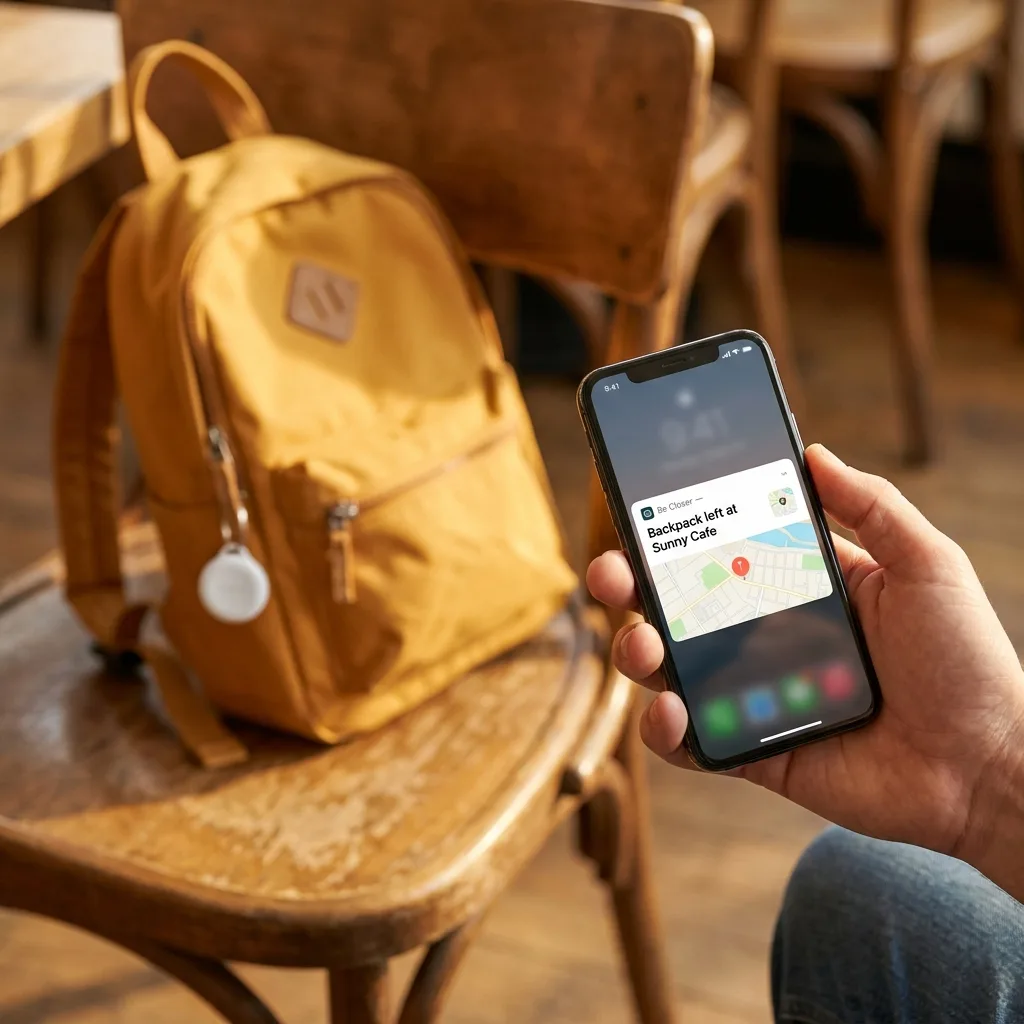
Practically, this is the week to redo your saved places. The old home, the old school and the old grandparents' route are all wrong now and will send you notifications about a house you do not live in. Set up the new home, the new school and any regular destination, and turn on arrival alerts for the routes your child is starting to do alone. Be Closer is free to download, works in 13 languages, and shows the family on one private map with up to 95% accuracy, which is enough to tell you a child has reached the school gate rather than exactly which classroom. If you are new to place alerts, geofencing explained for parents sets out what they are reliably good at.
One caution. In the first weeks it is very tempting to watch the map like a match. It will make you more anxious rather than less, and children can feel it even when nothing is said. Set the arrival alert, then put the phone face down and unpack a box.
The quiet signs, two months later
Here is the thing about moves: the adults declare it a success at about six weeks, roughly when the last box is gone. Children often hit their hardest patch after that, once the novelty is over and the reality that the old friends are not coming back has properly landed.
Worth paying attention to
- They never invite anyone over, months in, and deflect when you suggest it.
- Sudden reluctance about a route they had already mastered at the new house.
- Stomach aches or headaches clustered around school mornings.
- Talking about the old place in a way that has shifted from fond to grieving.
- A child who is fine on the surface and has quietly stopped going out at all after school.
None of these need a dramatic response. They need a walk. Genuinely: the conversation you cannot get out of a child at the kitchen table often falls out of them while walking somewhere side by side with nobody making eye contact. Ask what the worst bit of the new place is, and let them say something unfair about it without defending your decision to move.
Settling is not a moment you arrive at. It is a stack of small, ordinary journeys they have now done enough times to stop thinking about.
It took my daughter about four months. There was no breakthrough conversation. One Tuesday she took herself to the shop without mentioning it, came back with milk and the wrong change, and complained about the queue. That is what settled looks like, and it is worth every one of the boring walks that got her there.
Frequently asked questions
Marta writes our Kids & Teens guides. Mother of two, professional over-preparer, firm believer that independence is a skill you practice, together first, then alone. She has road-tested every checklist in her own hallway at 7:40am.
Our guides are written by Be Closer's editorial voices and reviewed by the team behind the app. Questions? support@becloser.com
Published · Updated