 Kids & Teens
The first solo bus ride: a transit confidence plan
Ride the route three ways first, you lead, they lead, you shadow from a few seats back, before letting them go alone. Teach the wrong-stop drill (get off, stay put, message, wait) so a mistake has a script instead of panic. Carry a paper backup card with the route number and two phone numbers, and switch from 'text me at every stop' to a single arrival alert, which is calmer for everyone involved.
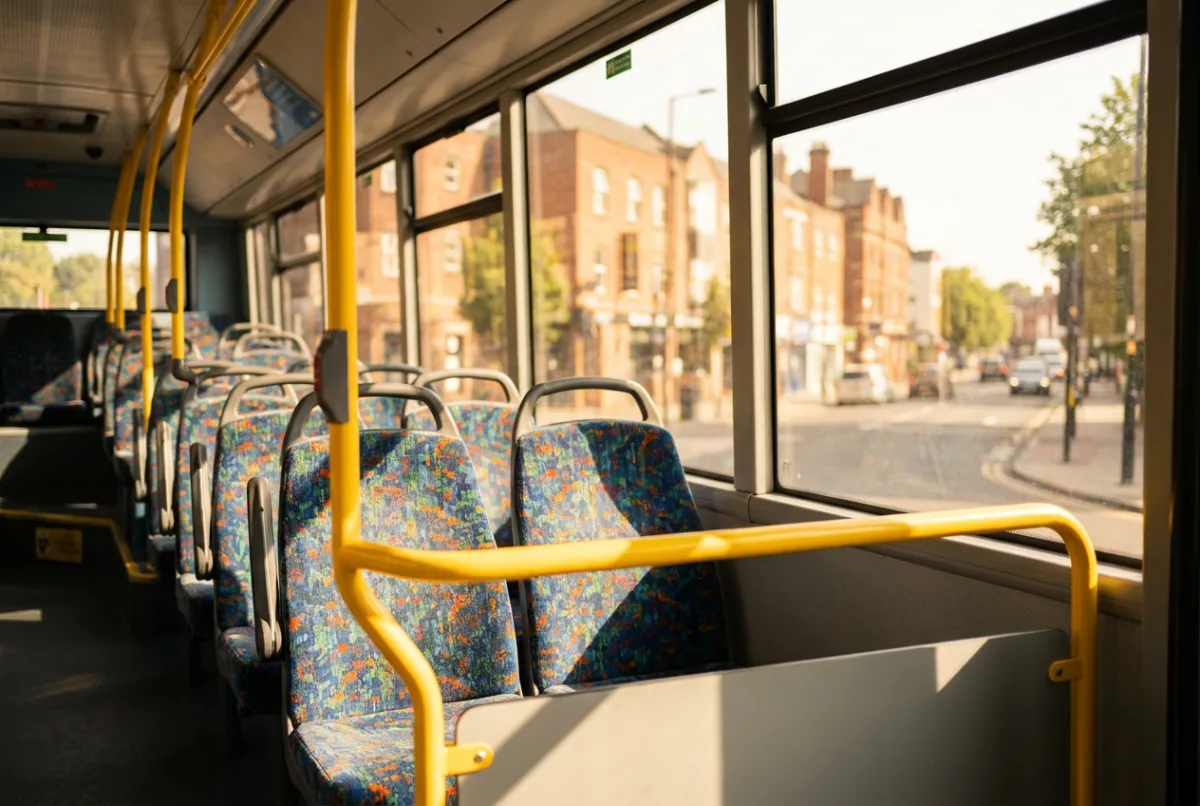
Somewhere between 'I'll drive you' and 'you're an adult who commutes', there's a first solo bus ride, and it tends to arrive with more nerves on your side than theirs. That's usually backwards, because the actual mechanics of riding a bus are simple. What makes parents anxious is everything adjacent to it, the wrong stop, the delayed bus, the moment their phone dies at exactly the wrong time.
So this plan is built around those adjacent moments, not the ride itself. If your child has a clear script for 'the bus is late' and 'I got off at the wrong stop', the actual riding part takes care of itself. Most kids are quietly proud of managing it. The anxiety is almost entirely a parent-side problem, and it's solvable with rehearsal rather than reassurance.
This covers how to practise the route properly, what to do when something goes slightly wrong, a paper backup that doesn't rely on a charged phone, and why arrival alerts beat a running commentary from every stop along the way.
How should you actually rehearse the route?
One trial run doesn't cut it, because on that first ride your child is watching you the whole time, not the route. Do it in three passes instead, each one handing over a little more responsibility, so that by the fourth ride the only thing that's changed is you're not physically there.
- 1You lead. Ride together and narrate out loud, the stop name to watch for, what the driver announcement sounds like, where to pull the cord or press the button.
- 2They lead. Same route, but your child makes every call, when to signal the stop, when to stand, which door to use, while you stay quiet unless it matters.
- 3You shadow. Board separately or sit a few rows back and let them ride it as if you weren't there. This is the pass that actually tells you if they're ready, not the first two.
Do this at the real time of day they'll travel, not a quiet Sunday afternoon. A route at 3:15pm with a packed after-school bus is a genuinely different experience from the same route at 11am, and it's worth knowing that before the first solo trip rather than during it.
What's the wrong-stop drill, and why does it matter more than the route itself?
Every transit plan eventually meets a child who's got off one stop early, or missed their stop and gone one too far. This isn't a failure of the plan, it's the single most predictable thing that can happen, and it's the one worth rehearsing on purpose rather than hoping it never comes up.
The wrong-stop drill
- Get off. Don't try to reboard or chase the bus, that's how a small mistake turns into a bigger one.
- Stay exactly where you are. A stationary child at a known stop is easy to find and easy to redirect.
- Message a parent immediately with what happened and which stop you're at, using the stop name or a nearby landmark.
- Wait. The next bus, or a parent, is coming, there's nothing further to solve alone.
Say this drill out loud enough times that it's boring, the same way you'd want family code words for safer pickups to be boring rather than dramatic. Boring means automatic, and automatic is what you want running in a moment that would otherwise feel like a crisis.
What goes on the paper backup card?
Phones die, get left at a friend's house, or run out of data at the exact moment they'd be useful. A paper card in a pocket or backpack isn't a step backwards, it's the version of the plan that works when the phone one doesn't.
- The route number and the name of the stop where they should get off.
- Two phone numbers, a parent and a second trusted adult, in case one is unreachable.
- Home address, especially useful if a driver or transit staff member needs to help redirect them.
- A single line: 'If I'm at the wrong stop, I'm staying here and calling.'
It costs nothing and takes two minutes to make, and it's the kind of thing you forget about until the one day it matters. Laminate it if you're feeling thorough; a phone case sleeve works just as well.
What if the bus just doesn't show up?
This happens more than route schedules suggest, and it's worth a specific plan rather than leaving your child to improvise. Agree a wait time in advance, ten minutes is a reasonable default, after which they message you rather than continuing to stand there wondering.
- 1Wait the agreed time at the stop, not wandering off to check a different one.
- 2Message a parent: 'Bus hasn't come, I'm at [stop].'
- 3Follow whatever backup you've agreed, a second bus route, walking to a nearby known point, or waiting for a pickup.
- 4If it's cold, dark, or the stop feels unsafe for any reason, that overrides the wait-time rule entirely, get somewhere safer and message from there.
Be Closer shows your whole family on one private map, free to start.
Consent-first, never sold, and gentle on your battery. iOS and Android.
Who counts as a safe adult to ask?
"Ask someone kind-looking" isn't a real instruction, on a bus or anywhere else. Give a specific, ordered list instead: the driver first, since they're a fixed, identifiable adult with a reason to help; transit staff at a station if there is one; failing that, a parent travelling with their own children nearby. This is the same logic covered in more depth in the if-we-get-separated plan, and it's worth teaching once and reusing everywhere.
Should they text you at every stop?
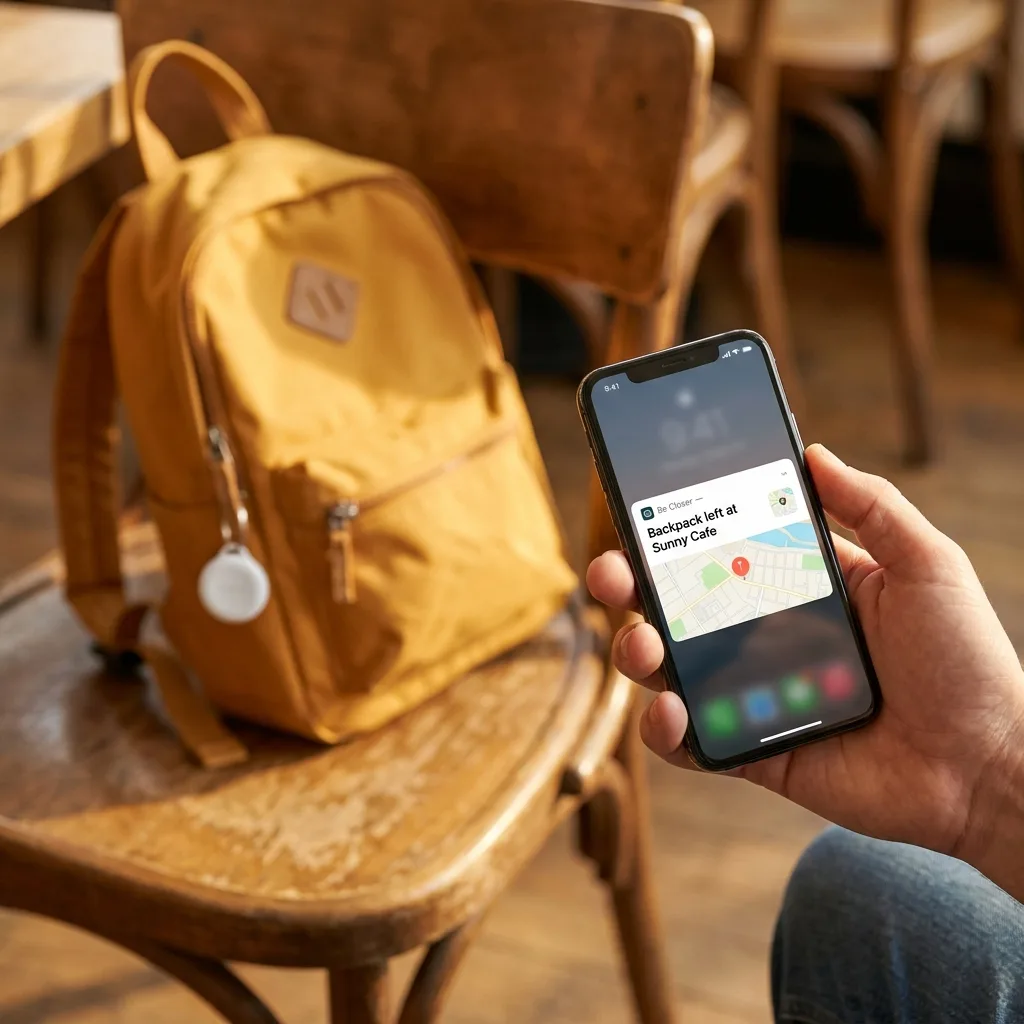
It's tempting to ask for a running commentary, 'just passed the library', 'two stops to go', but this trains a habit of checking a phone constantly on a moving vehicle, which is worse for attention and worse for battery than it sounds. A single arrival alert does the job better: one message, or one automatic notification, when they actually get where they're going.
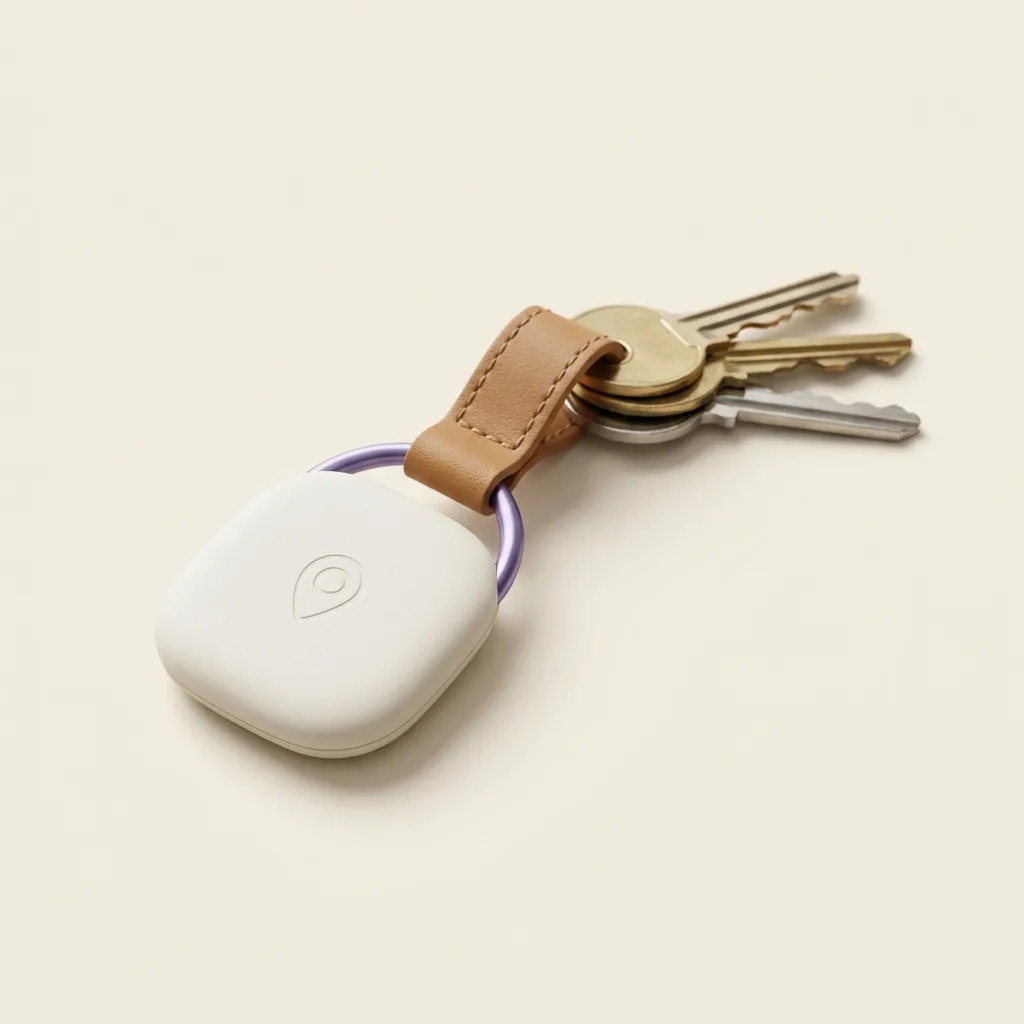
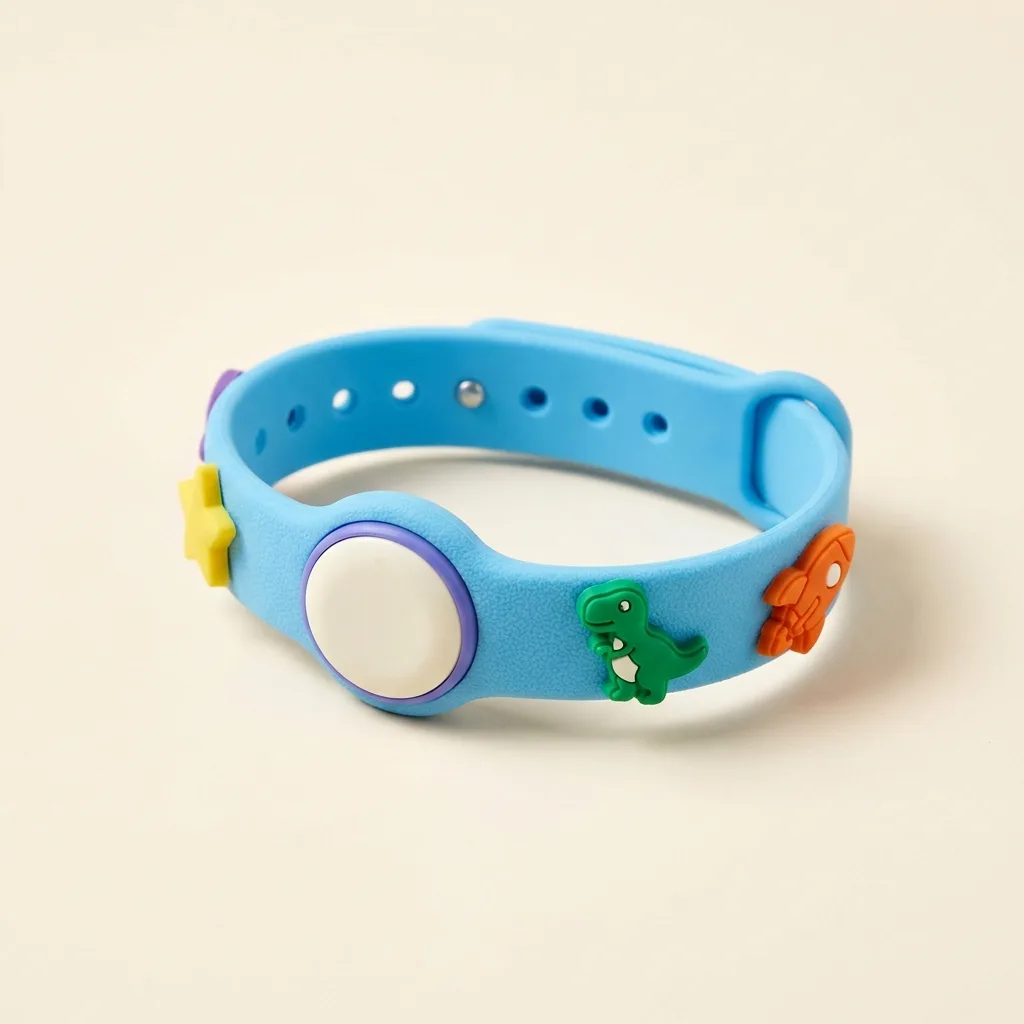
A wearable location device like the Be Closer Band or Tag can send that arrival alert automatically, without your child needing to remember to send anything at all, which matters on the days they're tired, distracted, or simply forget. It also solves the quieter problem of why location sharing drains battery, since a dedicated device isn't competing with the rest of their phone's apps for power on the one day it matters most.
How do you know they're actually ready?
Readiness checklist
- Can name the correct stop and route number without prompting.
- Has ridden the shadow pass calmly, without needing you to intervene.
- Can recite the wrong-stop drill from memory, not just recognise it when you say it.
- Knows the ordered list of who to ask if something goes wrong.
- Carries the paper backup card and knows what's on it.
- Has a working phone or wearable with an arrival alert set up.
| Stage | What you do | What they do |
|---|---|---|
| 1. You lead | Ride together, narrate every decision | Watch and listen |
| 2. They lead | Ride together, stay quiet unless needed | Make every call themselves |
| 3. You shadow | Sit apart or board separately | Ride it as if alone |
| 4. Solo with alert | Wait for the arrival notification | Ride independently |
The goal isn't a child who's never anxious about the bus. It's a child who knows exactly what to do about it if something goes slightly wrong, which, eventually, it will.
Frequently asked questions

Marta writes our Kids & Teens guides. Mother of two, professional over-preparer, firm believer that independence is a skill you practice, together first, then alone. She has road-tested every checklist in her own hallway at 7:40am.
Our guides are written by Be Closer's editorial voices and reviewed by the team behind the app. Questions? support@becloser.com
Published · Updated