 Kids & Teens
Ready to bike to school? The route decides, not the age
The road decides this, not a birthday. Walk or drive the route slowly and audit its crossings, driveways and visibility before you think about your child's skills at all. Then run a shadow-ride progression over several weeks, riding behind, then alongside, then a street ahead, before letting them go solo, and be honest if the route itself simply isn't safe enough yet.
"Can I bike to school?" is one of those questions that arrives with total confidence and zero warning, usually the week after a friend started doing it. And the honest answer isn't a number of years, it's a specific, physical thing: is *this route*, the one your child would actually ride, safe enough for the skills your child actually has right now?
That reframing matters because two ten-year-olds on two different streets are facing completely different risks. One might cross a quiet cul-de-sac and a single zebra crossing. The other might cross a dual carriageway slip road with poor sightlines. Age tells you nothing here. The route tells you almost everything.
So this is a route-first way of deciding, with a skills checklist, a week-by-week way to build confidence safely, and, because it needs saying, an honest section on when the right answer is simply not yet, or not this way.
How do you audit the route itself?
Walk or drive it slowly, at the actual time of day your child would ride, ideally more than once. A road looks completely different at 8:10am with school-run traffic than it does on a quiet Sunday afternoon, which is exactly when most of us scope these things out by accident.
- Crossings, how many, are they controlled (lights, zebra) or just a judgement call, and is visibility good in both directions?
- Driveways and junctions, a route with frequent driveways means frequent moments a car could reverse out without seeing a small cyclist.
- Parked-car visibility, streets lined with parked cars hide children from drivers and drivers from children; this is one of the biggest hidden risks on an otherwise 'quiet' route.
- Left and right turns, turning across traffic is a genuinely advanced skill; count how many turns the route actually requires.
- Weather and dark mornings, a route that's fine in June daylight may be a different proposition in November at 7:45am.
Score the route honestly rather than optimistically. If you find yourself saying "it's fine as long as they're careful" about more than one hazard, that's usually the route telling you something.
What skills actually matter, separate from the route?
Once the route itself passes muster, the question becomes whether your child's bike-handling is solid enough that road hazards don't demand their full concentration just to stay upright.
The skills checklist
- Can signal with one hand while keeping the bike steady in a straight line.
- Can look back over their shoulder to check for traffic without swerving.
- Can brake smoothly and stop fully in wet conditions, not just dry.
- Can start from a stationary position at a junction without wobbling into the road.
- Knows to walk the bike across a crossing rather than ride through it, if that's your local convention.
- Can maintain a straight line at a slow, controlled speed near parked cars.
None of these are things you can assess from a driveway in five minutes. They need to be watched, ideally in a quiet car park or empty street first, under no time pressure and with no school bell involved.
What does the shadow-ride progression look like?
Don't jump from 'never done this route' to 'goes alone'. Build it over a few weeks in stages you can actually observe, so you're making a decision based on evidence rather than hope.
- 1Week one, you ride behind. Say nothing unless it matters. Watch how they handle every junction and crossing on the checklist above.
- 2Week two, you ride alongside, talking through decisions out loud as they come up, so their reasoning becomes visible to you.
- 3Week three, you ride a street ahead or a short distance behind, close enough to intervene, far enough that they're making calls themselves.
- 4Week four, you drive or walk the route separately and meet them at school, checking in on timing rather than watching directly.
- 5Only then, solo, with an agreed arrival check so you know they made it without needing to ask.
If any week goes badly, that's useful information, not a failure, go back a stage and try again in a fortnight rather than pushing through on a schedule.
Be Closer shows your whole family on one private map, free to start.
Consent-first, never sold, and gentle on your battery. iOS and Android.
What does a good morning routine look like once they're riding solo?
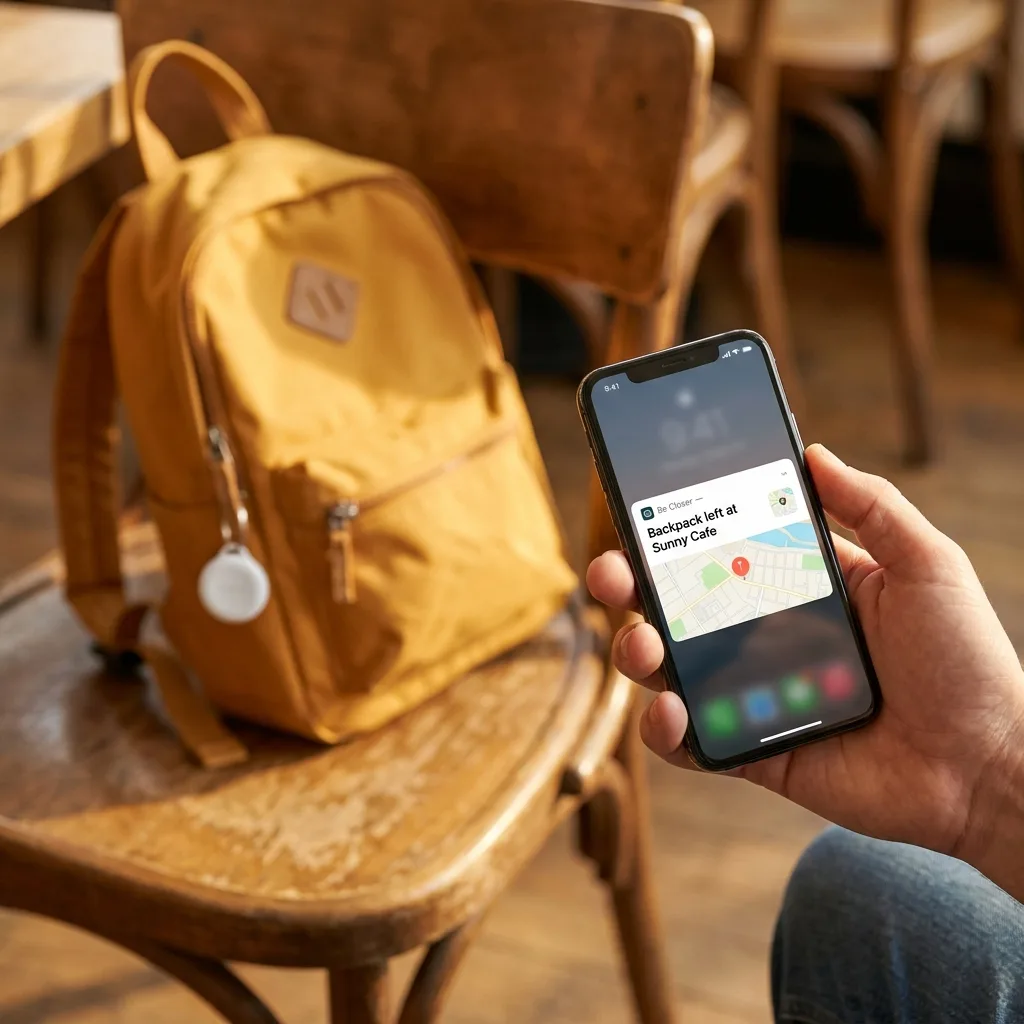
The routine matters almost as much as the riding itself, because a rushed morning is when corners get cut, literally, sometimes. Helmet on before the bike leaves the garage, not halfway down the drive. Lights checked in winter. And an arrival alert so you're not standing in the kitchen doing mental arithmetic about how long the ride should take.
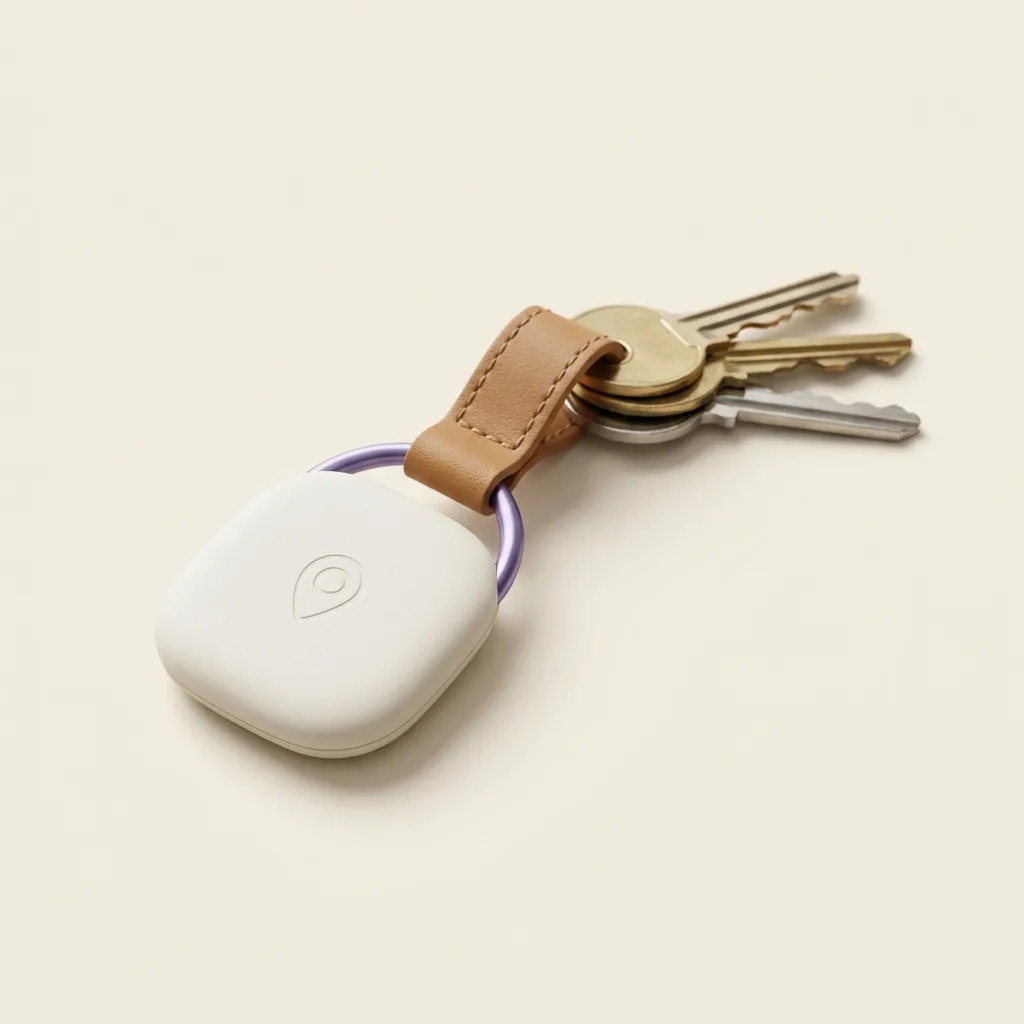
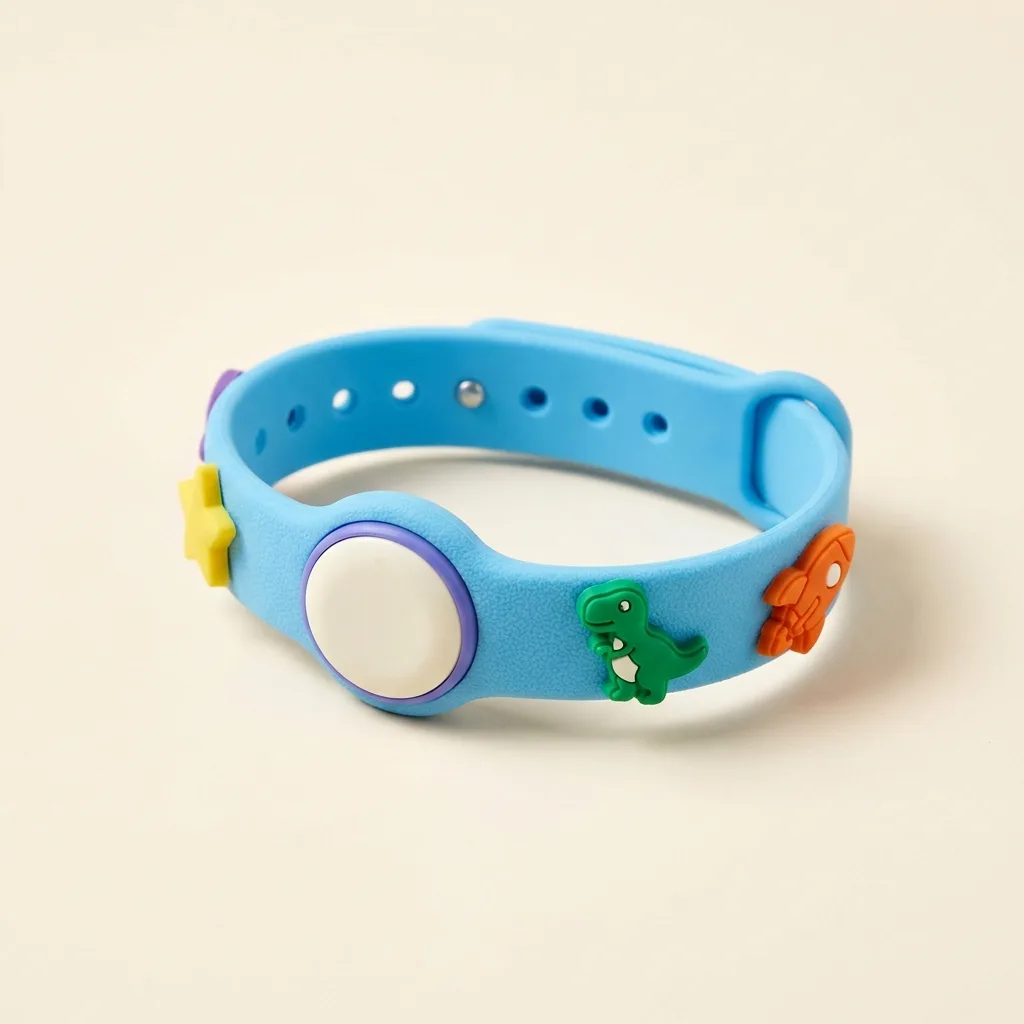
A tracker worn on the wrist or clipped to the bag, like the Be Closer Band or a Tag tucked into a pannier, turns 'text me when you get there' into something that happens automatically, which matters a lot on the mornings everyone's running four minutes late and nobody remembers to send anything.
When is the honest answer 'not this route'?
This is the section nobody wants to write, including us, but it's the most useful one. Some routes are genuinely not appropriate for an unaccompanied child cyclist regardless of skill, a dual carriageway crossing with fast traffic and poor sightlines doesn't become safer because your child's braking is excellent.
If that's your route, the answer isn't a flat no forever. It's usually one of: ride together until they're older, find a slightly longer but safer alternate route, or drive/walk the dangerous stretch and ride the rest. None of these are a failure, they're just matching the plan to the actual road, which is the whole point of this guide.
This is the same logic as When can my child walk to school alone?, readiness is a property of a specific journey, built up in visible stages, not a milestone that arrives with a birthday.
Frequently asked questions
Marta writes our Kids & Teens guides. Mother of two, professional over-preparer, firm believer that independence is a skill you practice, together first, then alone. She has road-tested every checklist in her own hallway at 7:40am.
Our guides are written by Be Closer's editorial voices and reviewed by the team behind the app. Questions? support@becloser.com
Published · Updated