 Kids & Teens
Your Teen's First Date: A Parent's Guide
Keep the talk short, warm and practical: who, where, how they get there and back, and when they will check in. Agree on any location sharing together as a two-way arrangement, give them a no-questions-asked way out, and save the bigger conversation for a relaxed debrief afterward.
My eldest told me about her first date while staring very hard at the toaster. It was a cinema trip, it was on Saturday, and she would like me to please not make it weird. I nodded, said "sounds fun," and then went into the garden to have a small private moment.
First dates are a big step for teens and, honestly, for parents too. You want to keep them safe. They want to feel grown up. Those two goals are not enemies. With a bit of planning, you can have both.
**The trick is to be practical, brief and kind.** Here is the approach that worked in our house, without a single dramatic speech.
Set expectations without the embarrassment
Your teen is already nervous. A long talk at the door will make it worse, and they will remember the cringe more than the content. Have the useful conversation a day or two before, somewhere casual, and keep it short.
- Lead with interest, not interrogation. "What are you two planning?" opens more than "Who is this person?"
- Share your few non-negotiables plainly, such as being home by an agreed time and keeping their phone charged.
- Say the important thing once: they never have to do anything they don't want to, and they can always leave.
- Then stop. Silence after a short talk is more powerful than a long one.
Say less, mean it more, and let them see you trust them.
If you are not sure your teen is ready to date at all, that is a valid conversation too. Readiness depends on maturity, the relationship, and your family's values. You can say "not yet" and explain why, while keeping the door open.
Logistics and transport
The practical details are where parents can help the most without hovering. Ask the logistics questions as a teammate, not a detective. You are helping them plan a good evening.
Questions to sort out together
- Where exactly are they going, and is it a public place?
- How are they getting there and back? Who is driving?
- What time does it end, and what time are they home?
- Do they have money for food, a ticket or a ride home?
- Is their phone charged, and do they have a small battery pack?
For a first date, a public place and a parent-arranged ride home is a sensible combination. If the date is driving, that is a separate conversation about who they ride with and when. Our guides on teen night driving rules and setting a teen curfew can help you agree on times that feel fair.
Check-in agreements that feel fair
Check-ins work best when your teen helps design them. Ask: "What would feel reasonable to you?" You may be surprised how sensible the answer is.
- 1A quick message on arrival, like "here" or a thumbs-up.
- 2A message if plans change, such as moving from the cinema to a café.
- 3A message when they're heading home.
That is usually enough. Resist the urge to text during the date. A buzzing phone from Mum mid-film is the fastest way to make a teen stop checking in at all.
The no-questions-asked exit
- Agree that your teen can call or text for a pickup at any time.
- Promise you will come without a lecture in the car.
- Pick a code word or emoji that means "come get me now."
- Keep the promise, every time. Talk about it later, calmly, if needed.
This exit plan is the single most valuable thing you can give them. A teen who knows they can leave without trouble is a teen who will actually leave when something feels off.
Location sharing as a mutual agreement
Many families already share locations day to day. A first date can raise the question of whether that should change, stay the same or be paused. The answer should come from a conversation, not a secret setting.
Frame it as a two-way arrangement. You share your location too. Everyone knows who can see what. The point is that if plans change or something goes wrong, the family can find each other quickly. It is not about watching every move.
- Agree before the date whether sharing stays on, and why.
- Promise not to comment on every location update.
- Use it to help with pickups, not to check up on them.
- Talk openly about how to pause it, and when that is okay.
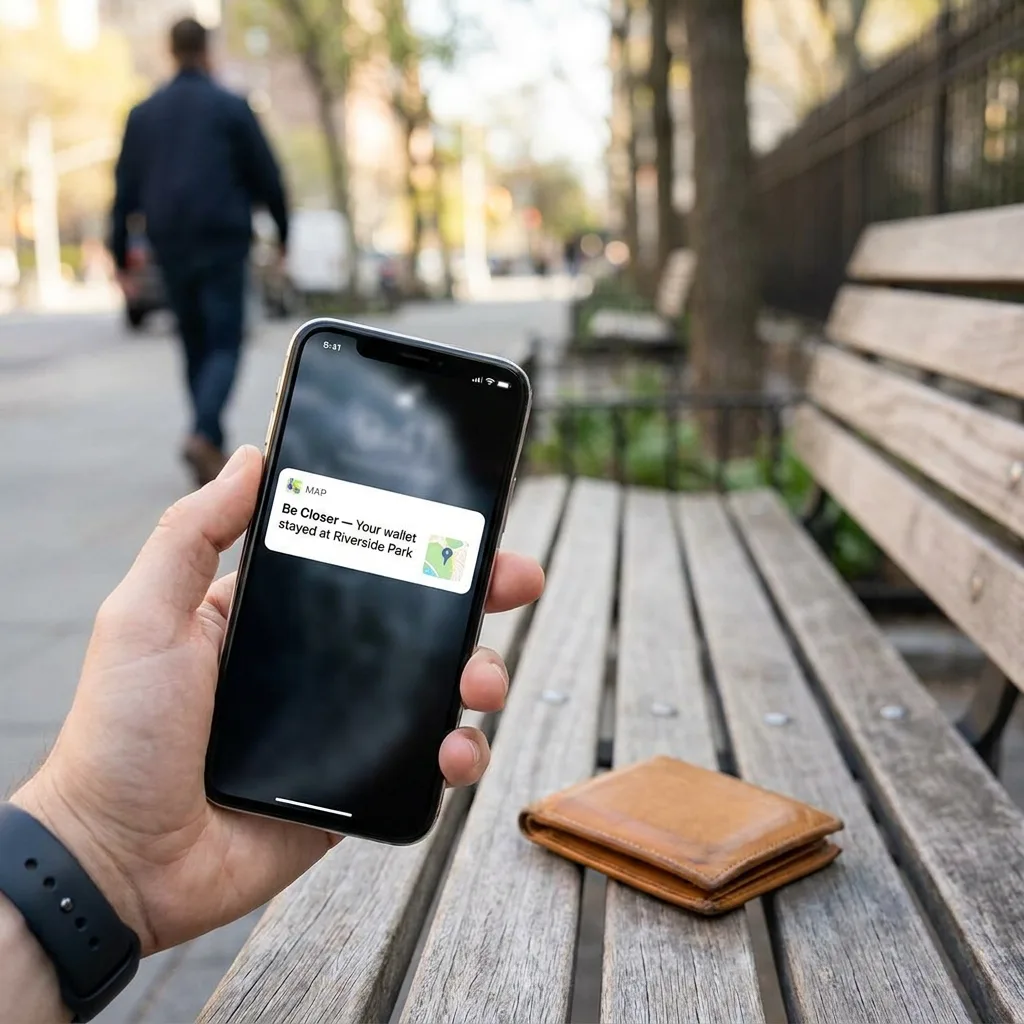
Some families prefer temporary sharing for evenings out, which switches off automatically afterward. Our guide on how to share your location temporarily explains how that works. BeCloser, which is free to download and has more than 10 million downloads, is one app families use for this kind of shared, agreed visibility.
If location sharing ever feels like spying to your teen, listen. Adjust the arrangement together. Trust built now will matter a great deal over the next few years.
Be Closer shows your whole family on one private map, free to start.
Consent-first, never sold, and gentle on your battery. iOS and Android.
Talk about respect and consent, simply
This is the conversation many parents dread, and it does not need to be awkward or long. A first date is a natural moment to remind your teen of something you have probably said before in other contexts: everyone gets to decide what feels okay for them, and everyone gets to change their mind.
Keep it grounded in respect, and make it apply both ways. Your teen deserves to be treated kindly, and so does their date. If you frame it as a lecture about danger, they will tune out. If you frame it as how good people treat each other, they are more likely to listen.
- Asking is normal and respectful. Assuming is not.
- "No" or "I'd rather not" ends the question, no persuading.
- Pressure, guilt trips or teasing are red flags, whoever is doing them.
- Feeling uncomfortable is enough reason to leave, no explanation needed.
- They can always talk to you, or another trusted adult, about anything that happened.
It also helps to talk about the digital side. Some dating pressure happens by phone, through messages or requests for photos. Remind your teen that the same respect rules apply online, that they never have to send anything they don't want to, and that anything shared can travel further than intended. If a message ever makes them uneasy, they can show you without fear of losing their phone.
Finally, reassure them that a first date does not have to be perfect. Awkward silences, nerves and spilled drinks are all part of it. Many great stories start with something slightly embarrassing. Letting them know you will not tease them about any of it makes it far easier for them to tell you how it really went.
Respect goes both ways, and so does the right to say no.
When the date is with someone you don't know
Sometimes your teen's date is a classmate you have known since nursery. Sometimes it is someone from another school, a club or a friend of a friend. That is not automatically a problem, but it is a good reason to be a little more involved in the planning.
- Ask how they met and how long they have known each other.
- Suggest a busy public place for the first meeting.
- Make sure a friend also knows where they are going.
- Offer to drop them off and pick them up, at least the first time.
If the two only know each other online, take extra care. A first meeting with someone known only online should be in a public place, during the day, with a parent or friend nearby. Explain that this is not about distrust of your teen. It is about the simple fact that people online are not always who they say they are.
The debrief afterward
When they get home, keep it light. "Did you have a good time?" is plenty for the doorway. Save the real chat for later, maybe the next morning over breakfast or on a drive.
- Ask what was fun before asking anything else.
- Notice how they seem, more than what they say.
- Thank them for checking in, and mean it.
- If anything felt uncomfortable, listen first and stay calm.
Your reaction to the small stories decides whether you hear the big ones. If you tease, overreact or lecture now, they will share less next time. If you stay curious and warm, you become the person they come to when it really counts.
Your first date checklist
- Short, kind talk a day or two before.
- Where, who, transport and home time agreed.
- Phone charged, money for the ride home.
- Check-ins planned together.
- No-questions-asked pickup promised.
- Location sharing agreed openly, both ways.
- A relaxed debrief, without teasing.
Frequently asked questions

Marta writes our Kids & Teens guides. Mother of two, professional over-preparer, firm believer that independence is a skill you practice, together first, then alone. She has road-tested every checklist in her own hallway at 7:40am.
Our guides are written by Be Closer's editorial voices and reviewed by the team behind the app. Questions? support@becloser.com
Published · Updated