 Kids & Teens
Rainy-Day Pickup Plans: When Weather Scrambles Your After-School Routine
Agree a standing bad-weather plan before the first storm: where your child waits indoors near staff, who picks up if you are delayed, and what to do if pickup is late. Keep simple rain gear in the backpack, and make it a firm rule that kids never try a new route home just because of the weather.
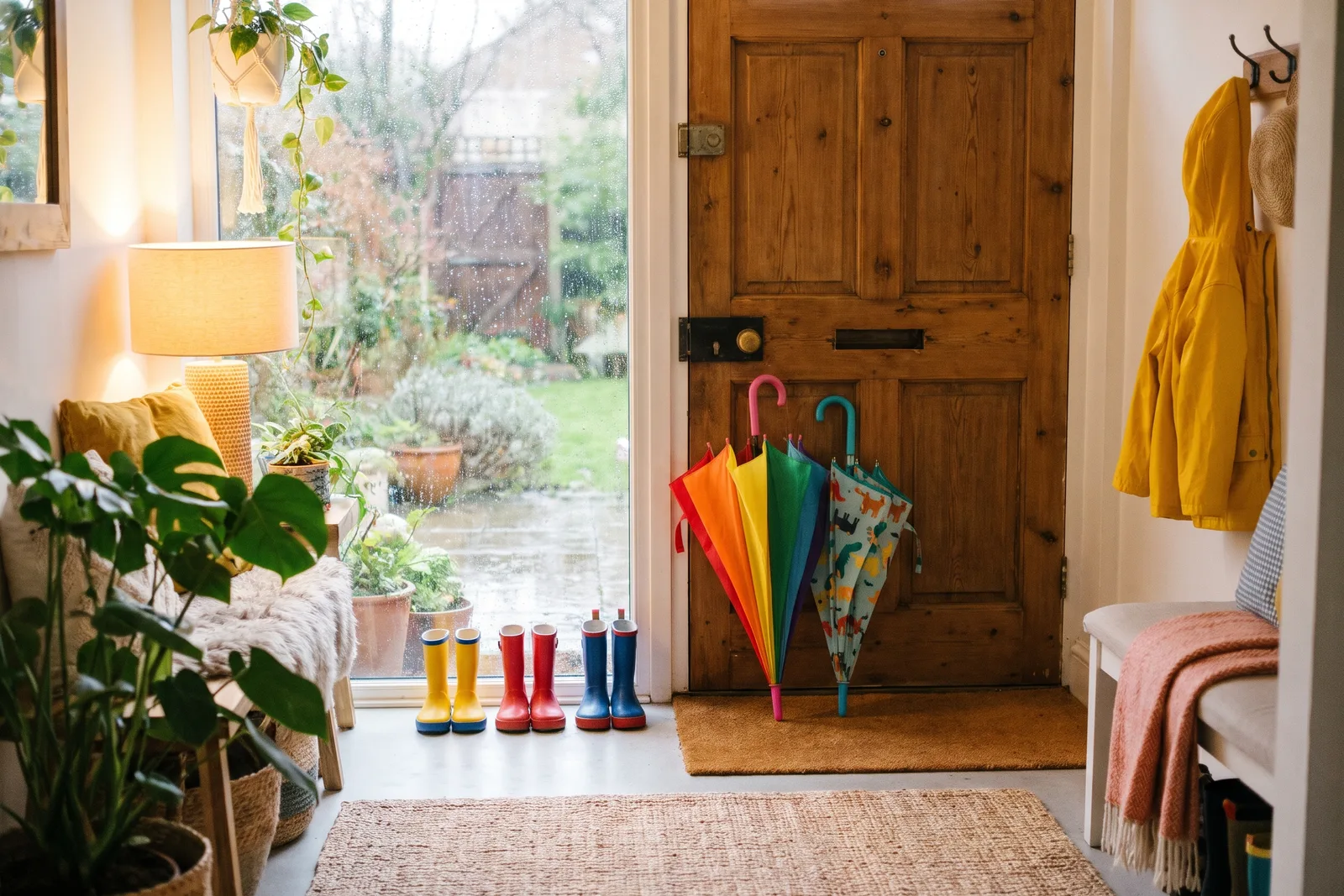
Every parent knows the rainy pickup. The traffic crawls, the car line wraps around the block, and the usual spot by the gate is a puddle. Your child is standing somewhere, possibly without a coat, wondering whether to wait, walk or hop in with a friend. You are three cars from the corner and your phone is buzzing.
Good weather routines rarely survive bad weather. The pickup spot changes, the timing slips, and kids start improvising. Most of the time it works out. Sometimes it ends with a child walking an unfamiliar route in the rain while you circle the school looking for them.
The answer is a **standing rainy-day plan**, agreed calmly on a dry evening and repeated until everyone knows it. Here is how we built ours, as a checklist you can adapt.
Agree the plan before the first storm
The worst time to make a weather plan is during the weather. Sit down at the start of the season, or this weekend, and answer a few questions together.
- 1Where exactly does your child wait when it is raining?
- 2Does pickup time change, or does the person picking up just arrive when they can?
- 3Who is the backup if the main driver is stuck?
- 4How will your child let you know they are in the waiting spot?
- 5What should they do if nobody has arrived after a set amount of time?
Write the answers down and share them with everyone involved, including grandparents, carpool families and older siblings. A plan that only lives in one parent's head is not much of a plan. If you already have a regular routine, such as the one in our after-school activities pickup plan, treat the rainy-day version as an add-on.
Where to wait: inside and near staff
On a dry day, waiting by the gate is fine. In heavy rain, kids drift toward any shelter they can find: a bus shelter, a shop doorway, a friend's car. That is understandable, but it is also how children end up somewhere you did not expect.
Pick one indoor or covered spot where staff are present. Many schools have a lobby, office or covered area used for late pickups. Check your school's policy, because some have a specific bad-weather procedure and others ask families to arrange their own. Then make it the rule.
A good rainy-day waiting spot
- Is indoors or properly covered.
- Has a teacher or staff member nearby.
- Can be seen from where the car pulls up, or is close to it.
- Is the same every time, so nobody has to guess.
Tell your child that the waiting spot does not change because a friend is leaving or the rain eases. Staying put is what lets you find them.
Carpool fallbacks
Rain is the day carpools wobble. One car is late, another parent offers to take everyone, and suddenly children are split across three vehicles. Agree the rules in advance with the other families, building on whatever you set up in our guide to setting up a school carpool.
- Kids only ride with adults already on the agreed list.
- If one driver is delayed, kids wait at the indoor spot rather than piling into another car.
- Any change is confirmed by message to every parent involved, not passed along by the kids.
- Each car has enough proper seats and boosters for the children it takes.
Kind offers of a ride are lovely, and on a stormy day they are tempting. Your child still follows the family rule: ask a parent first and wait for a clear yes. A short delay to confirm is worth avoiding a car that nobody at home knows about.
When pickup is late
Bad weather and late pickups go together. Give your child a simple sequence so the waiting does not turn into worrying.
- 1Wait in the agreed spot and send a quick message saying where you are.
- 2If nobody has arrived after the agreed time, tell a staff member that your ride is late.
- 3Call a parent. If there is no answer, call the backup adult.
- 4Keep waiting with staff. Do not leave with someone not on the list, and do not set off walking.
On your side, send a message as soon as you know you will be late, even if it is only a few minutes. A child who knows you are stuck in traffic waits calmly. A child who hears nothing starts making plans. If your child's phone has died, the backpack card with key numbers matters even more; our guide on what to do when your child's phone dies covers that.
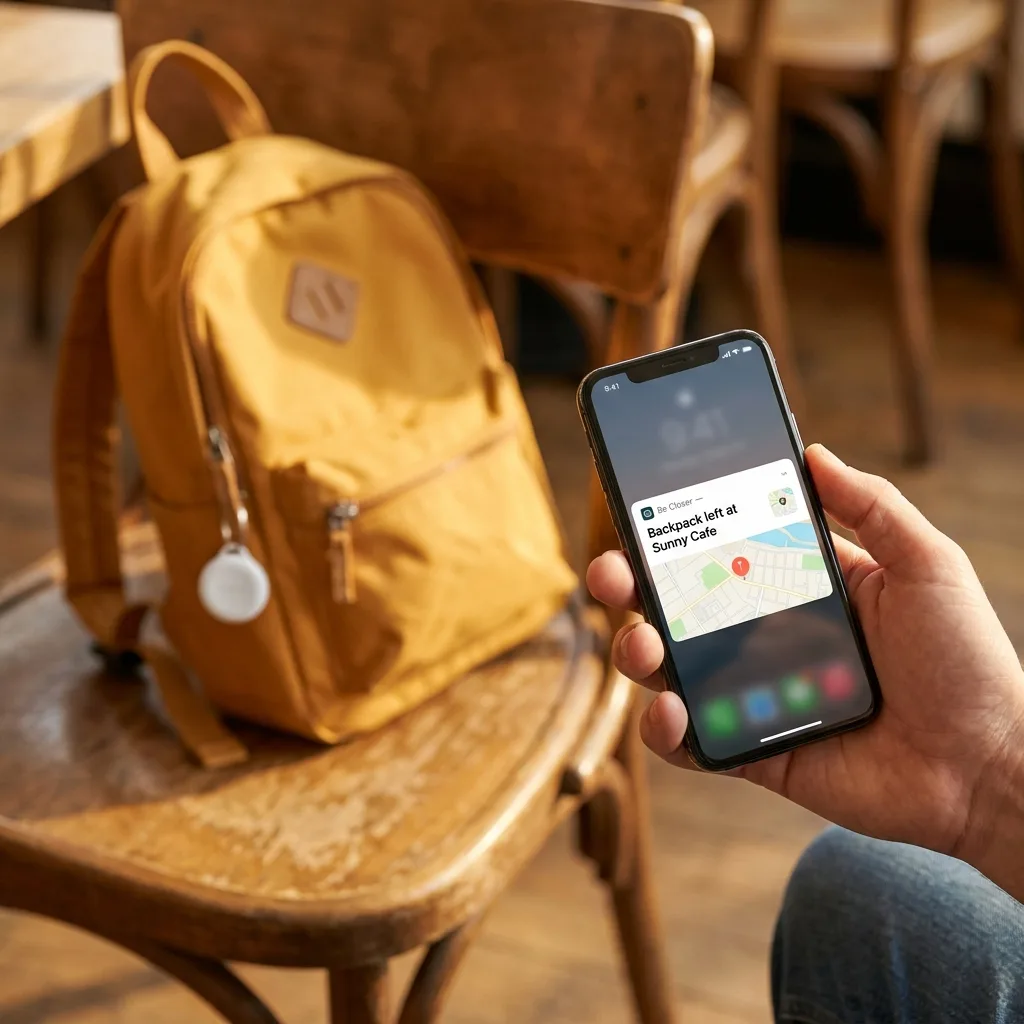
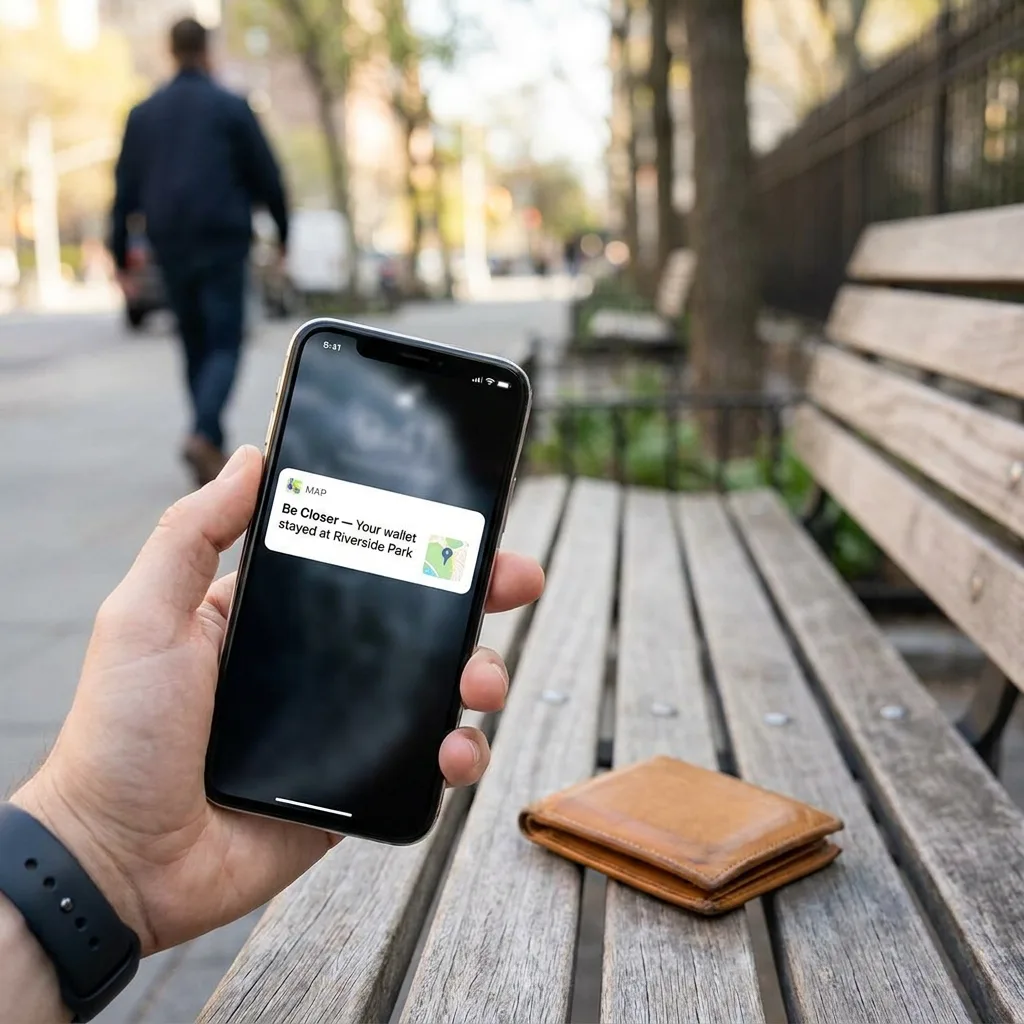
If your family shares locations, a quick glance can confirm your child is still at school while you sit in traffic. Rain and buildings can make the location less exact, so treat it as reassurance alongside their message, not instead of it.
Be Closer shows your whole family on one private map, free to start.
Consent-first, never sold, and gentle on your battery. iOS and Android.
Gear that lives in the backpack
Forecasts change and mornings are rushed. Rather than relying on remembering, keep a small bad-weather kit in the backpack all season.
Our rainy-day backpack kit
- A compact rain jacket or poncho that folds small.
- A spare pair of socks in a zip bag.
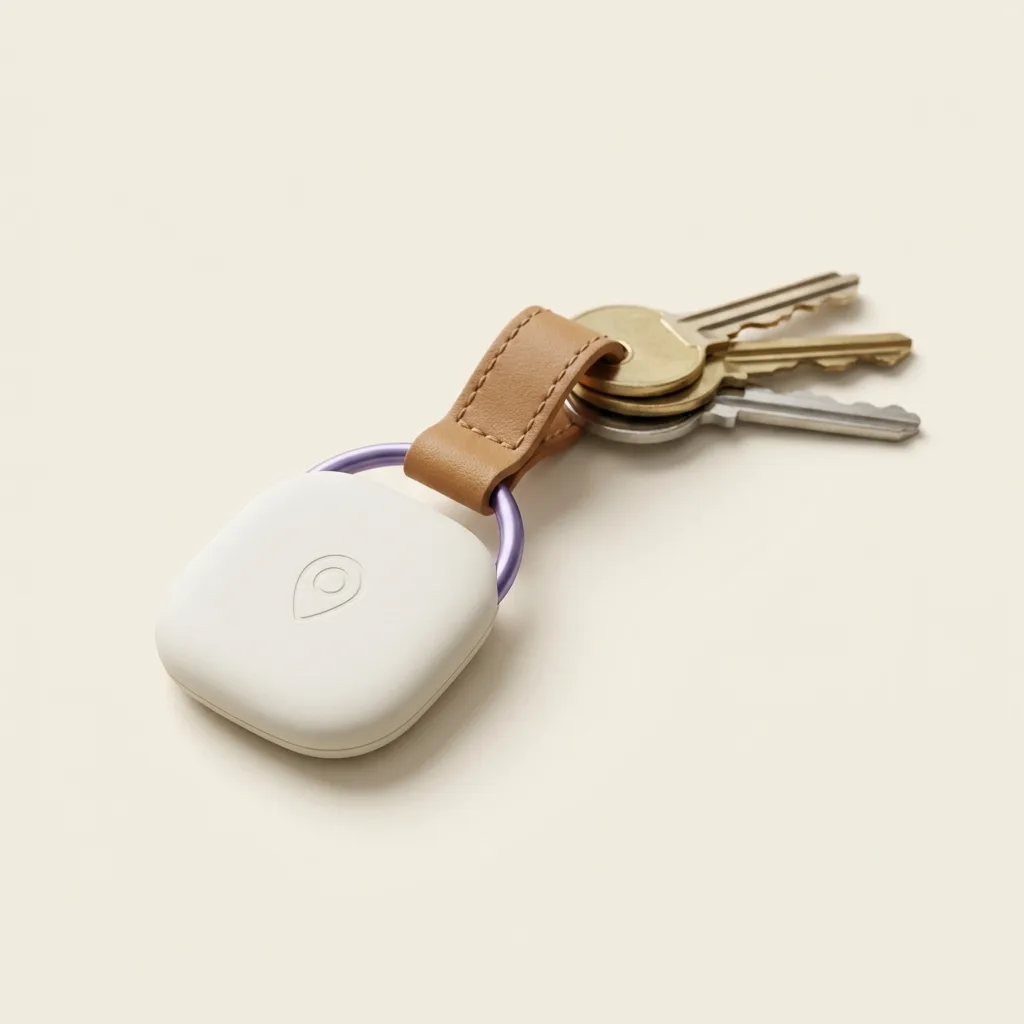
- A small, bright item like a reflective tag for dark, wet afternoons.
- A card with key phone numbers and the waiting-spot rule.
- A charged phone or watch if your child carries one, with a small power bank for older kids.
Keep it light. A heavy backpack gets emptied at the first chance. Check the kit every few weeks, because the spare socks always seem to disappear.
Why freelancing a new route in the rain goes wrong
Children who walk home normally may try a shortcut in the rain to get home faster, or accept a lift partway and walk the rest. It feels sensible to them. In practice, it is one of the riskier choices a child can make in bad weather.
- Drivers see less in rain, especially in the late afternoon dark.
- Unfamiliar routes have crossings and corners your child has not practiced.
- Umbrellas and hoods narrow what a child can see and hear.
- If something goes wrong, nobody knows which way they went.
In bad weather, the familiar route or the waiting spot. Never a new idea.
Make that rule explicit. If the regular walk feels too unpleasant, the answer is to wait inside and call, not to improvise. Our guide on walking to school in the dark has more on visibility and route habits for the darker months.
Talking through the plan with your child
A plan only works if your child understands it well enough to follow it while cold, wet and tired. Rather than announcing the rules, walk through a rainy afternoon together. Ask them to describe what they would do from the final bell onwards. Where do they go? Who do they message? What do they say if a friend's parent offers a lift? You will quickly spot the gaps.
Younger children often do best with a physical walk-through. On a dry day, visit the waiting spot together and say hello to the staff who are usually there. Older kids may prefer a quick chat in the car, but it still helps to hear them explain the plan in their own words. If they cannot, it is not their fault. It just means the plan needs to be simpler.
- Keep it short. Three or four steps are easier to remember than a long list.
- Use the same words every time. "Wait inside, message us, stay with staff" becomes automatic.
- Invite their ideas. Kids notice things adults miss, like which door is unlocked after school.
- Revisit it after the first storm. Ask what worked and what felt confusing, then adjust.
Involve anyone else who might pick up, too. A grandparent who has never seen the waiting spot may head straight to the gate. A short message with the plan, or a photo of the spot, saves a lot of confusion on the day itself.
Finally, remember that weather is not the only thing that scrambles a routine. Early dismissals, school events and sudden closures all follow the same pattern. A child who knows the rainy-day plan already understands the basic idea: when things change, stay put somewhere safe, tell a parent and wait for a clear plan.
Your rainy-day checklist
- 1Choose one indoor waiting spot near staff and check it fits your school's policy.
- 2Agree the backup adult and add them to the school's authorized list if required.
- 3Confirm carpool rules with the other families.
- 4Pack the backpack kit and the numbers card.
- 5Practice the late-pickup sequence out loud.
- 6Repeat the no-new-routes rule at the start of the season.
Once the plan is in place, rainy days become ordinary again. You will still sit in the slow car line, but you will know exactly where your child is standing, and so will they.
Frequently asked questions

Marta writes our Kids & Teens guides. Mother of two, professional over-preparer, firm believer that independence is a skill you practice, together first, then alone. She has road-tested every checklist in her own hallway at 7:40am.
Our guides are written by Be Closer's editorial voices and reviewed by the team behind the app. Questions? support@becloser.com
Published · Updated