 Kids & Teens
The school carpool that actually works: rules, rotas, and zero guesswork
A carpool works when three things are written down: who drives on which day, what the confirmation ritual is, and what happens when a driver cannot make it. Agree seat and booster rules before the first run, keep the group chat to logistics only, and use a shared family map with arrival alerts so nobody has to ask whether the kids got there.
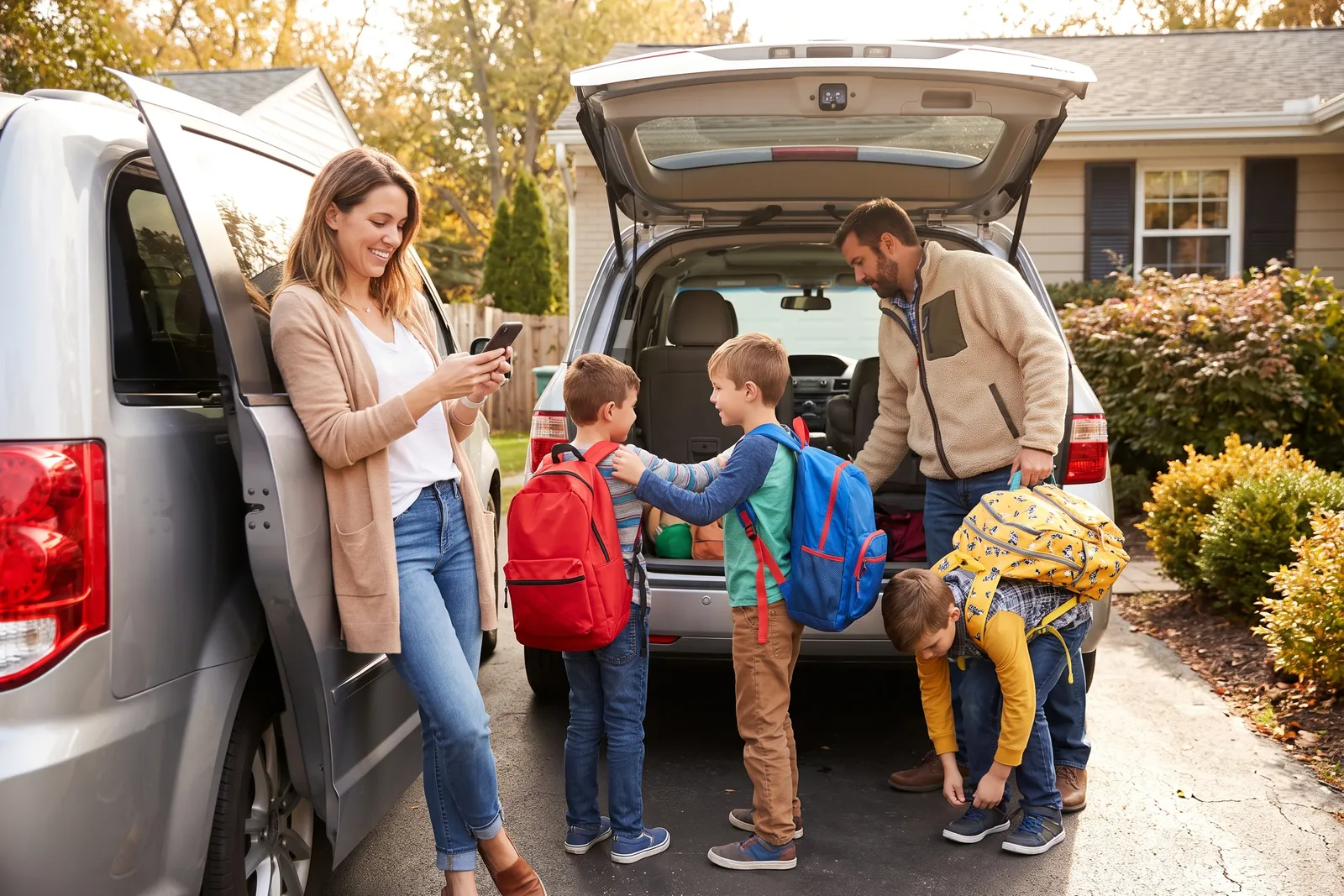
Our carpool started the way most of them do. Two mums in a school car park, both slightly late, both saying some version of "this is ridiculous, we live four streets apart". By the following Monday we had a plan. By the following Thursday we had a small crisis, because neither of us had said out loud who was doing the Friday pickup.
That is the whole thing, really. Carpools do not fail because parents are unreliable. They fail because the obvious parts were never said out loud, and everyone assumed the other person had it. Then one child stands outside a music room for twenty minutes, and the goodwill takes a month to recover.
So here is the version I wish someone had handed me: how to choose the families, how to build a rota you can actually read at 7am, and the small rituals that mean nobody ever has to send the message that starts "sorry, quick question".
Choosing the families
The temptation is to build the carpool around geography. Same street, same school, done. Geography matters, but it is the second most important thing. The first is whether your standards match, because you are handing over your child for twenty minutes twice a day and you will not be there to see how it goes.
You do not need a formal interview. You need one honest coffee before anything is scheduled, and a few questions that sound like conversation but tell you everything.
- How do you handle it when you are running late? (The answer you want is "I message", not "I drive faster".)
- Who else might ever be behind the wheel? A partner, a grandparent, an au pair? Names, so nobody is a stranger to your child.
- What are your rules on phones in the car, front seats, and snacks?
- What time do you actually leave the house, honestly, not aspirationally?
- Are you comfortable being told if something bothers me, and telling me the same?
That last question is the one that keeps carpools alive. Small irritations are inevitable. The music is too loud, someone keeps arriving eight minutes late, a child is allowed sweets that another family avoids. A group that can say these things kindly in week two never has to blow up in week nine.
Keep the group small on purpose
- Three or four families is the sweet spot
- Five gets you a rota nobody can hold in their head
- Every extra family multiplies the number of possible last minute changes
- You can always add one later, and it is far easier than removing one
Building the rota
A rota should be boring, visible, and repeat forever. The single biggest mistake is designing something clever. Alternating fortnights, split morning and afternoon duties, one family who does two half days: it all works on paper and collapses the first time somebody has a dentist appointment.
- 1Assign whole days, not journeys. The family who drives in the morning drives home too. Fewer moving parts, fewer gaps.
- 2Fix the days for the whole term. Monday is always the Osei family, Tuesday always the Kellys, and so on. Nobody should ever have to check whose week it is.
- 3Leave Friday flexible if your group is three families. Rotate it, or let whoever has the lightest week claim it.
- 4Write the rota once and pin it in the group chat. A photo of a handwritten grid is fine. It does not need an app.
- 5Review it at half term, not before. Give it long enough to settle.
Put the addresses and the pickup order on the same pinned note, with the exact time you leave each door. Not "around eight", but 07:52. Precision here is a kindness. It means a child who is ready at 07:50 is never anxious, and a parent who is running behind knows exactly how behind they are.
A rota is not a schedule. It is a promise that nobody has to make a decision at seven in the morning.
Seats, boosters, and the rules you agree once
This is the part parents feel awkward raising, and it is the part that most deserves five clear minutes. Child seat and booster requirements vary by country and by the size of the child, so check what applies where you live rather than copying another family's setup. What matters for the carpool is that every child has the correct seat in every car they ride in, on every single day of the rota.
In practice there are three workable approaches. Each family buys a spare booster that lives permanently in the carpool cars. Boosters travel with the child and are moved at the door. Or the group standardises on one lightweight model so any seat fits any car in seconds. Pick one and stick to it, because the failure mode is always the same: a booster left in the wrong boot on a rainy Tuesday.
- Agree who sits in front, if anyone, and make it a rule rather than a daily negotiation
- Agree the phone rule for kids in the car, so no child is the odd one out
- Agree on snacks and allergies in writing, once, with the actual allergens named
- Share the driver's mobile number with every child old enough to have a phone
- Confirm that every driver's insurance covers carrying other people's children, since terms differ
If your children are also walking part of the route, or being dropped a street away to ease traffic, the same clarity applies to that last stretch. Our piece on walking home from the bus stop covers how to practise the final few hundred metres so it feels ordinary rather than new.
The confirmation ritual
Every reliable carpool I know has one small ritual that stops all the guessing. Ours is a single message in the group at 8pm the night before, sent by tomorrow's driver: "Driving tomorrow, leaving mine at 07:52, three kids." That is it. No reply needed unless something has changed.
The reason this works is that it inverts the burden. Instead of four parents each wondering whether it is on, one parent confirms and the others can stop thinking. If the 8pm message does not arrive, anyone can nudge, and nobody feels rude doing it because the ritual is the ritual.
The four line group chat convention
- Night before, driver posts: driving, departure time, number of kids
- Morning, only post if something changed
- Arrival confirmations are automatic, not typed by hand
- Everything social, funny or non urgent goes in a different chat
That fourth line saves more carpools than any of the others. The moment the logistics chat fills with photos and jokes, the important message about a changed pickup gets buried, and someone misses it. Keep one thread sacred.
Be Closer shows your whole family on one private map, free to start.
Consent-first, never sold, and gentle on your battery. iOS and Android.
Removing the did they get there question
The most common carpool message in the world is a parent typing "got them?" and a driver replying from a car park with one thumb. It is harmless once. Across a term it is hundreds of small interruptions, and it always seems to happen when the driver should be concentrating on the road.
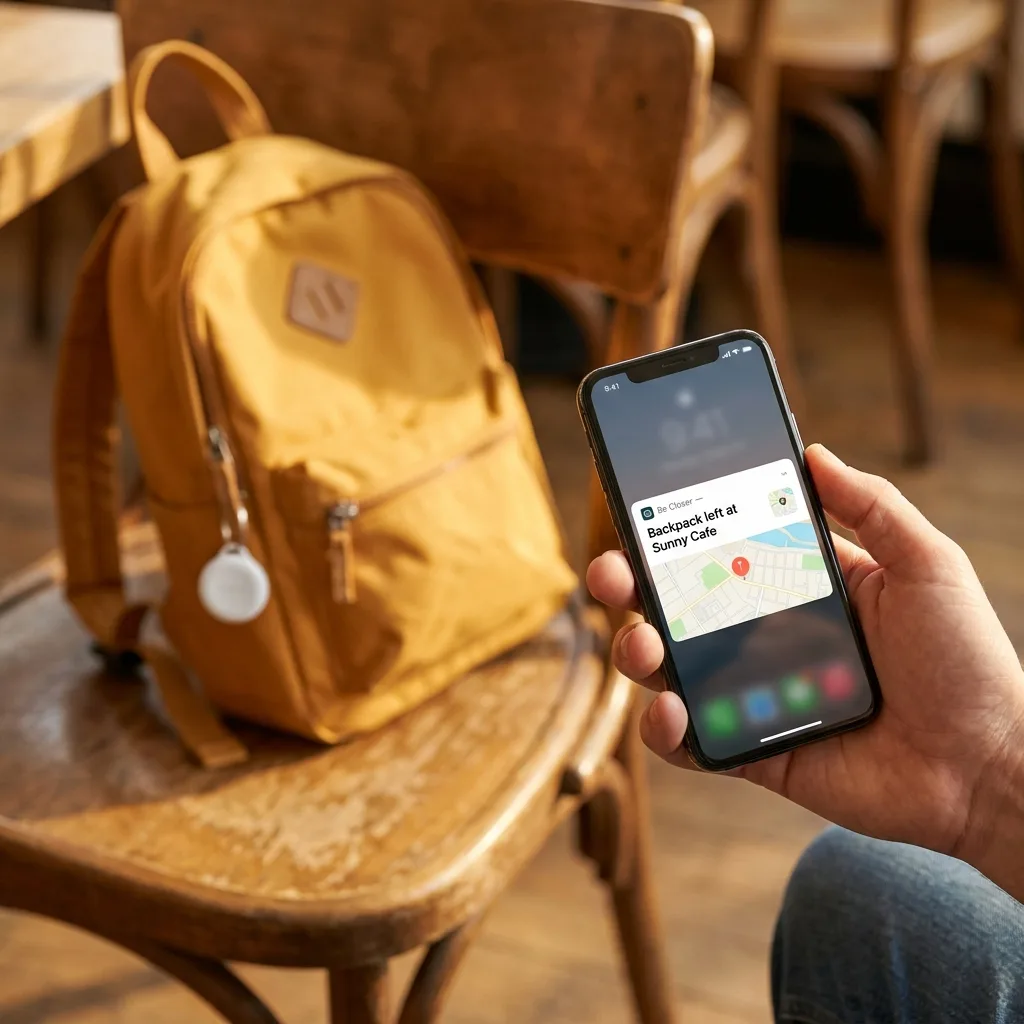
This is where a shared family map earns its place. If your child is in a Be Closer circle and you set arrival alerts for school and home, you get a quiet notification when they arrive and nothing when everything is normal. The driver does not have to text anything. You do not have to ask. The information arrives on its own, and the group chat stays empty, which is exactly what you want a group chat to be.
Two things to be clear about, because I would want them said to me. Location is only ever as good as the phone in the pocket, and accuracy in the real world depends on buildings, weather and battery. The app is rated 4.4 stars from more than 150,000 ratings across the App Store and Google Play and is free to download, but no app knows anything if the handset is flat in a bag. Charge is the whole game, and our guide on when your child's phone dies is worth ten minutes of your evening.
The second thing is consent. Tell your child what the alerts do, in plain words, before you switch them on. "I get a ping when you reach school and when you get home. That is all I see, and it means I stop texting the driver." Children accept systems they understand and resent ones they discover. If you also carpool with other families, be explicit that you are tracking your own child's arrival, not anyone else's.
When a driver drops out
Somebody will be ill. Somebody's car will be in the garage. This is not a failure of the carpool, it is Tuesday, and the only question is whether you decided in advance what happens.
- 1The driver who cannot go posts in the chat as early as they know, even at 6am, and does not apologise at length.
- 2The next day's driver takes it, and their day shifts forward. No swapping favours, no debt to remember.
- 3If nobody can cover, each family reverts to their own school run for that day. Say this out loud at the start so it never feels like letting people down.
- 4Never arrange a replacement driver the other families have not met. A carpool that quietly expands its driver list is no longer the thing everyone agreed to.
For anything unexpected in the middle of a run, a family code word is worth more than a long conversation. We use one for changed pickups of any kind, including carpool days, and it has diffused several confusing afternoons. Family code words explains how to choose one that a child will actually remember under pressure.
Knowing when to end it
Carpools have natural lifespans. Children change schools, timetables split, one family moves, a teenager decides they would rather cycle. Ending one is not a rupture unless you let it become one.
The signals that it is time are quite consistent: the confirmation message has stopped happening, more than one child is regularly unhappy about the arrangement, or you find yourself checking the rota with a small feeling of dread. Any of those means the arrangement has stopped saving you anything.
Say it at half term, warmly, and in full. "This has been brilliant and it has run its course for us, we are going to go back to our own run after the break." Then actually finish the term you promised. The families in your carpool are the same families you will see at every school event for the next decade, and a clean ending is worth more than a slightly longer arrangement.
A carpool is a favour you exchange, not a contract you serve. Leave it the way you would want someone to leave yours.
Frequently asked questions

Marta writes our Kids & Teens guides. Mother of two, professional over-preparer, firm believer that independence is a skill you practice, together first, then alone. She has road-tested every checklist in her own hallway at 7:40am.
Our guides are written by Be Closer's editorial voices and reviewed by the team behind the app. Questions? support@becloser.com
Published · Updated