 Pets
Preparing your dog for a new baby: a calm, month-by-month approach
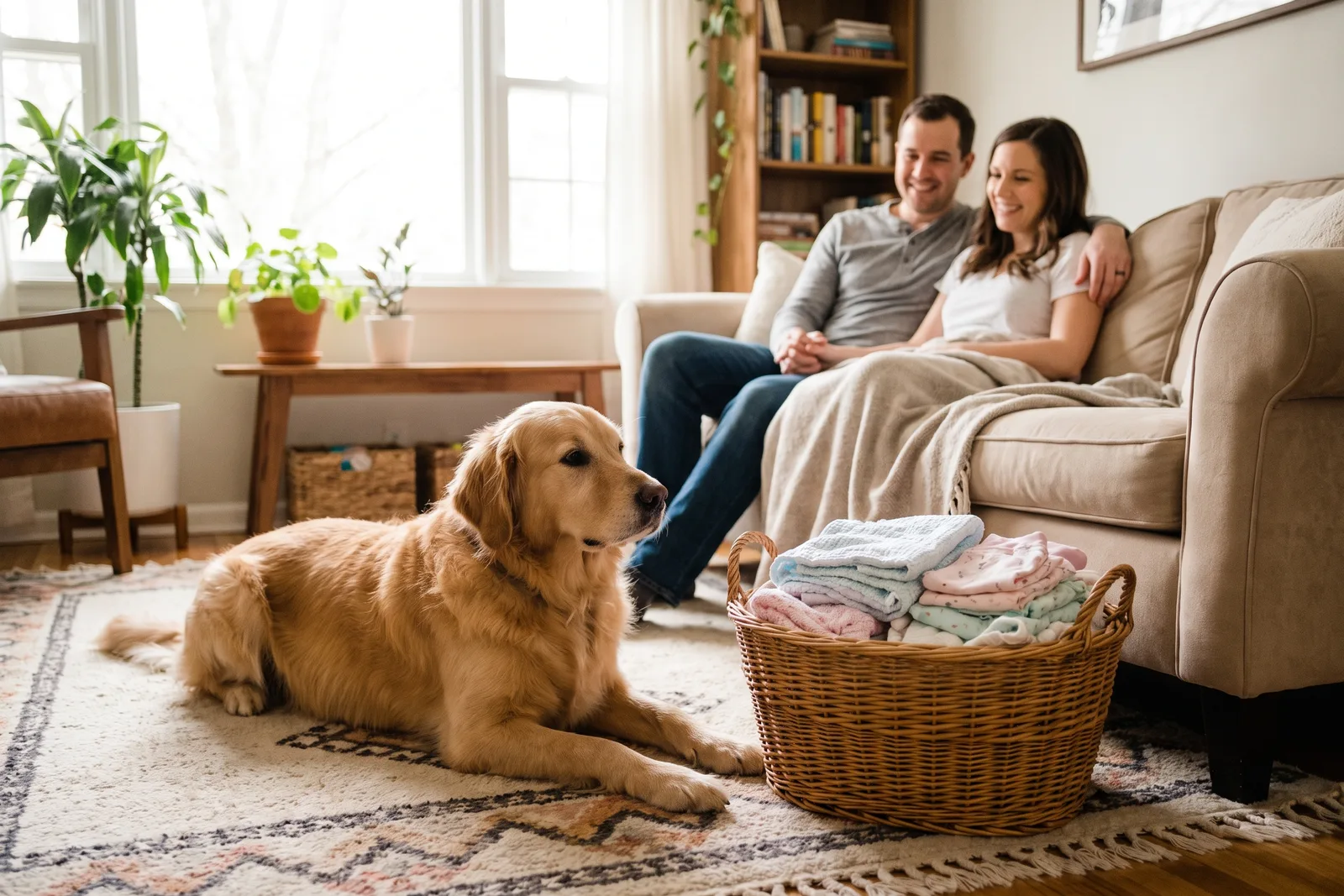
Start preparing your dog months before the baby arrives by shifting routines gradually, introducing baby sounds and smells, and teaching calm behaviour around a nursery boundary. Plan a quiet first meeting, keep walks going with help when life gets busy, and never leave your dog and baby together unsupervised, however gentle your dog is.
When my neighbour Clara was seven months pregnant, I would see her on the pavement every morning with Biscuit, her golden retriever, both moving a little slower than they used to. One day she stopped by my gate and said, half laughing, half worried, "He has no idea what's coming, does he?"
He did not, of course. But over the next two months Clara quietly taught him. The pram appeared in the hallway weeks early. Baby lotion went on her hands before cuddles. The nursery door gained a gate, and Biscuit learned to lie just outside it with a chew. By the time the baby came home, most of the big changes were already old news.
That is the heart of it, and it is far simpler than it sounds. You do not need a professional programme or expensive equipment, just a few months, a little patience and a household that agrees on the plan. **Dogs cope best with change that arrives slowly and predictably.** Your job over the coming months is to spread the upheaval thin, so the baby is just one more new thing, not a hundred at once.
Months before: shift routines gradually
Think honestly about how your dog's day will look once the baby arrives. Walk times may change. Someone else might do the morning outing. The sofa may become a feeding spot. Start moving towards that new routine now, a little at a time, so your dog does not link every change to the baby.
- Adjust walk and meal times gradually towards what will be realistic with a newborn.
- Share the care. If a partner, friend or walker will help later, let them start now.
- Practise short periods of calm alone time, with a chew or puzzle toy, so less attention is not a shock.
- Brush up on basics like sit, down, stay and leave it, using rewards.
- Book a vet check so any aches or health issues are dealt with before life gets busy.
Reliable responses matter more than ever with a baby in your arms. If coming when called is shaky, our guide on teaching your dog reliable recall is a good place to start.
Sounds and smells, introduced kindly
Babies are loud, unpredictable and smell completely new. You can take the surprise out of all three before the birth.
- 1Play recordings of baby crying and cooing at a very low volume while your dog eats or plays.
- 2Slowly raise the volume over days and weeks, stopping if your dog seems uneasy.
- 3Use the baby lotions, wipes and washing powder you plan to use, so those smells become familiar.
- 4Set up the pram, bouncer and car seat early, and let your dog sniff them calmly, then reward.
- 5Walk with the empty pram so your dog gets used to walking beside it on a loose lead.
Watch for signs of stress
- Lip licking, yawning or turning away.
- Tucked tail, flattened ears or whale eye (the whites of the eyes showing).
- Stiff body, freezing or growling.
- Pacing or struggling to settle.
If you see these, go back a step and go more slowly. A growl is information, not bad behaviour. Never punish it; it is your dog telling you they need more space. If worries persist, a qualified, reward-based trainer or behaviourist can help.
Nursery boundaries
Decide now where your dog will and will not go once the baby arrives. Many families choose to keep the nursery off limits, using a baby gate so the dog can still see and hear what is happening.
- Fit gates weeks in advance and reward your dog for settling calmly on their side.
- Give your dog a comfortable bed nearby with a chew, so the boundary feels like a good place to be.
- Teach a cue like "go to your bed" for moments when you need your hands free.
- Keep a quiet retreat for your dog somewhere the baby will not be, a space that is only theirs.
Every dog needs a place in the house where nobody small can follow.
The first meeting
Before the baby comes home, ask someone to bring a blanket or hat the baby has worn so your dog can sniff it calmly. When you arrive, greet your dog first without the baby in your arms. They have missed you, and a happy reunion lets off steam.
- 1Have one adult hold the baby while another has your dog on a lead.
- 2Let your dog approach calmly and sniff from a little distance, rewarding gentle behaviour.
- 3Keep the first meeting short. A few seconds of calm curiosity is a great success.
- 4Give your dog attention when the baby is present, so the baby predicts good things.
Do not force closeness. Some dogs are fascinated, others are wary. Both are normal. Let your dog choose the distance and build from there over the following weeks.
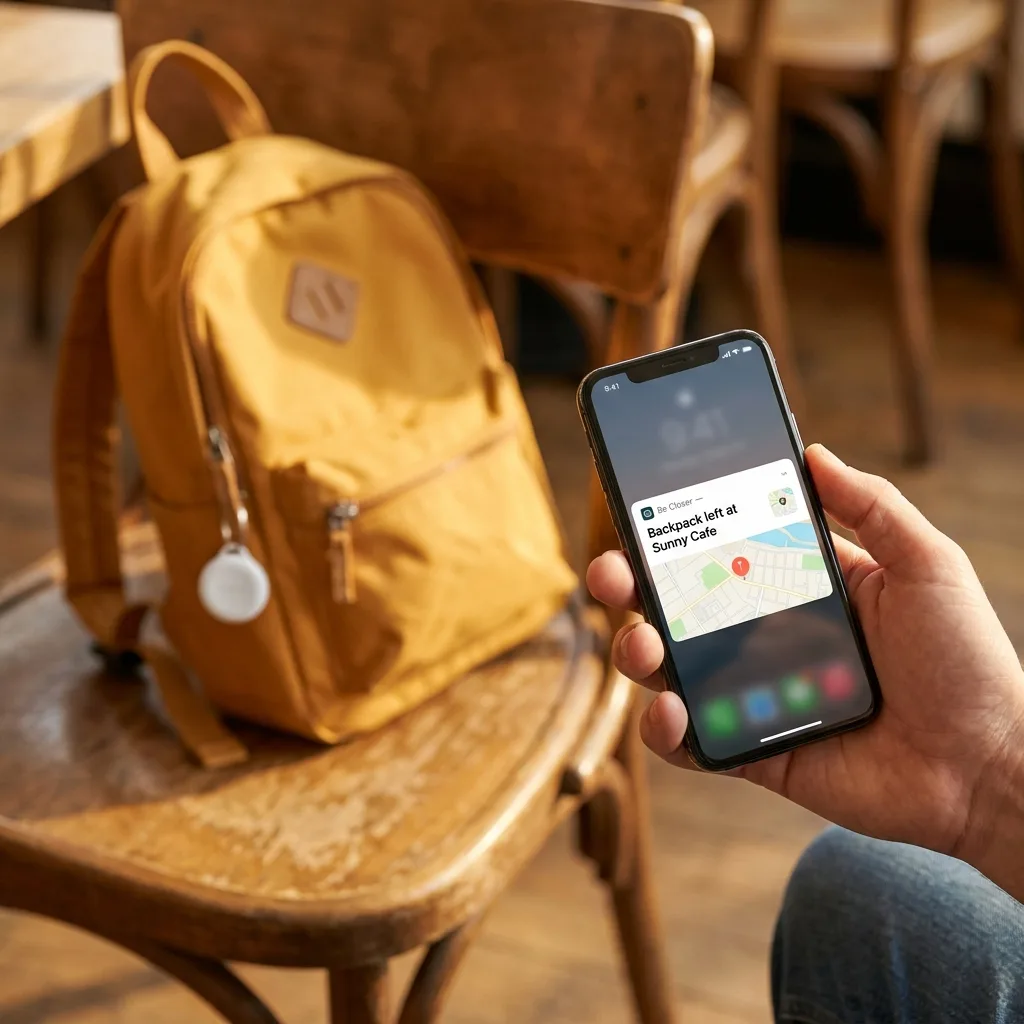
Be Closer shows your whole family on one private map, free to start.
Consent-first, never sold, and gentle on your battery. iOS and Android.
Keeping walks going when life gets busy
The newborn weeks are a blur, and the dog's walk is often the first thing to slip. Yet a well exercised dog is a calmer dog, and a calmer dog makes the whole house easier.
- Line up help in advance: a friend, neighbour or professional walker for the first weeks.
- Use enrichment on tired days, like scatter feeding, sniff mats and puzzle toys.
- Practise walking with the pram or a baby carrier once you feel ready.
- Keep a lead, poo bags and treats by the door so a short walk takes no planning.
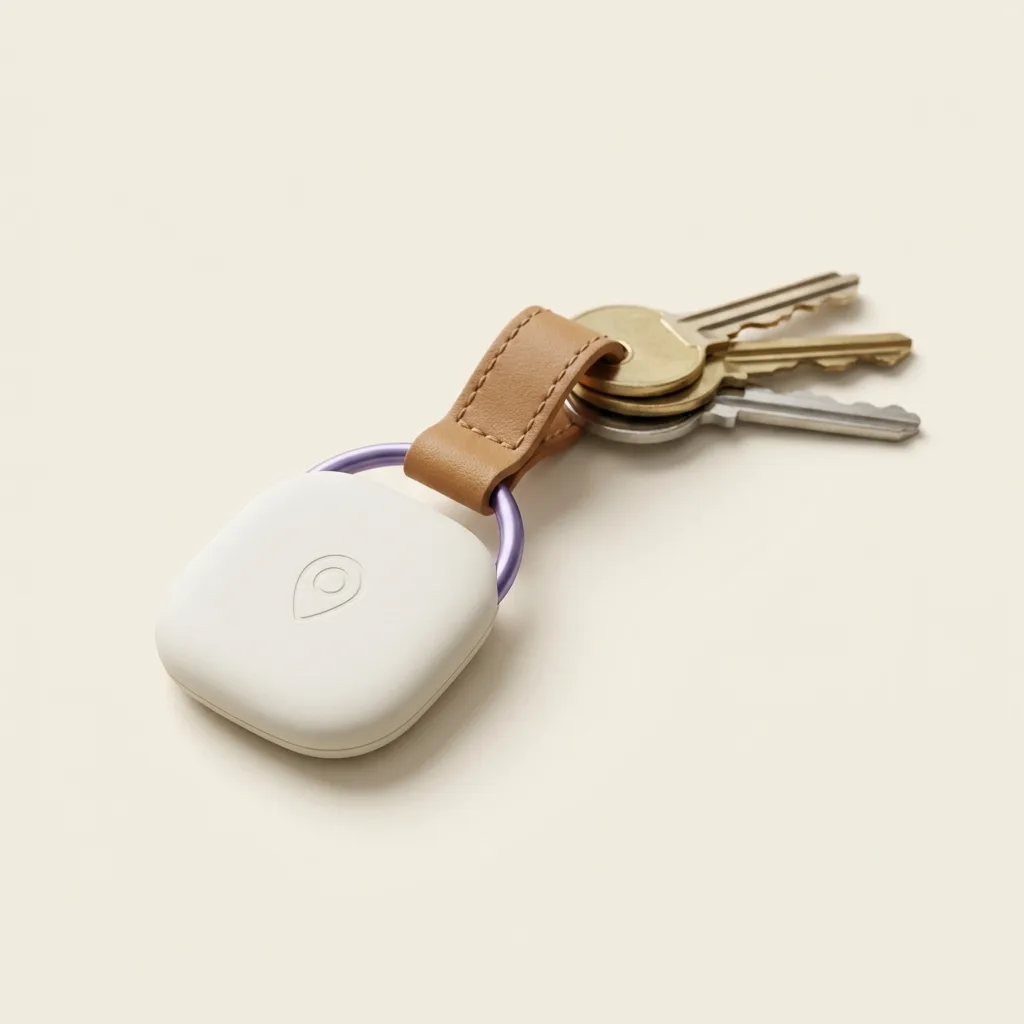
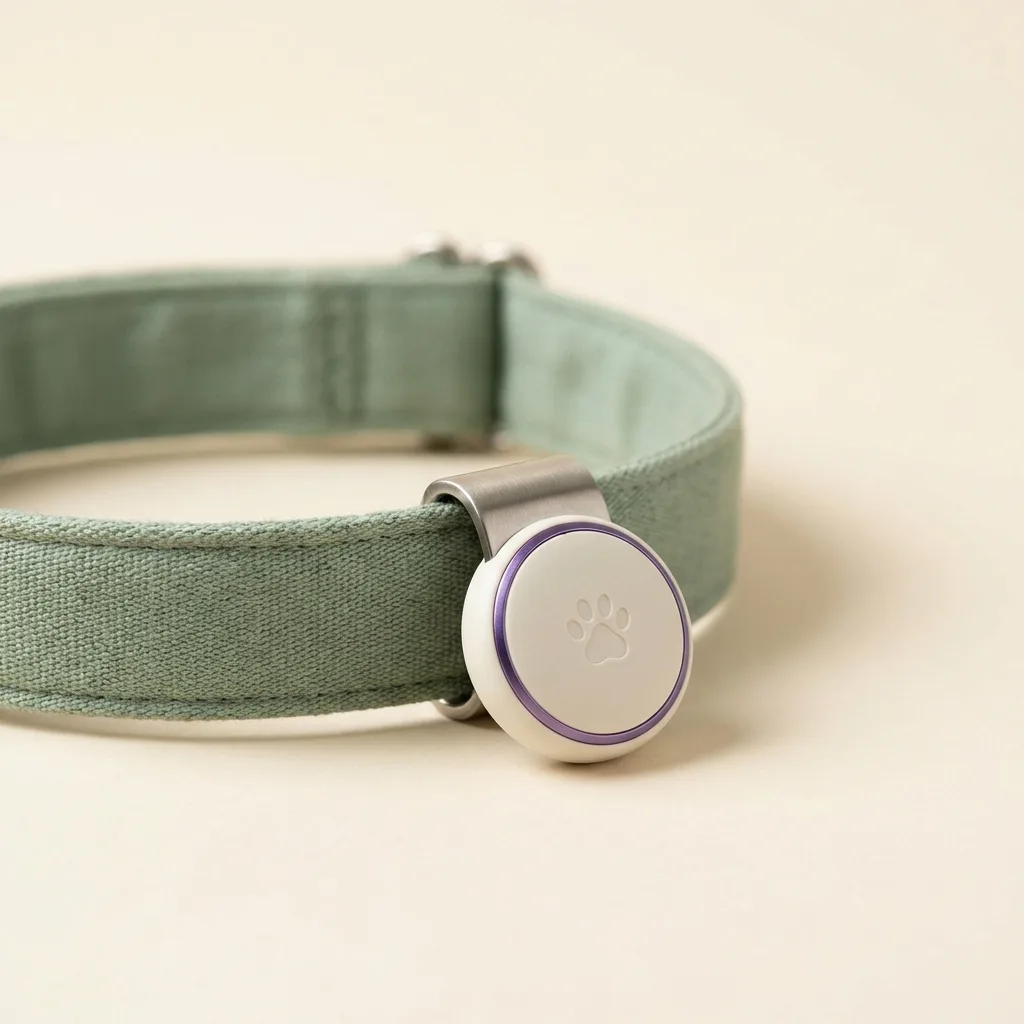
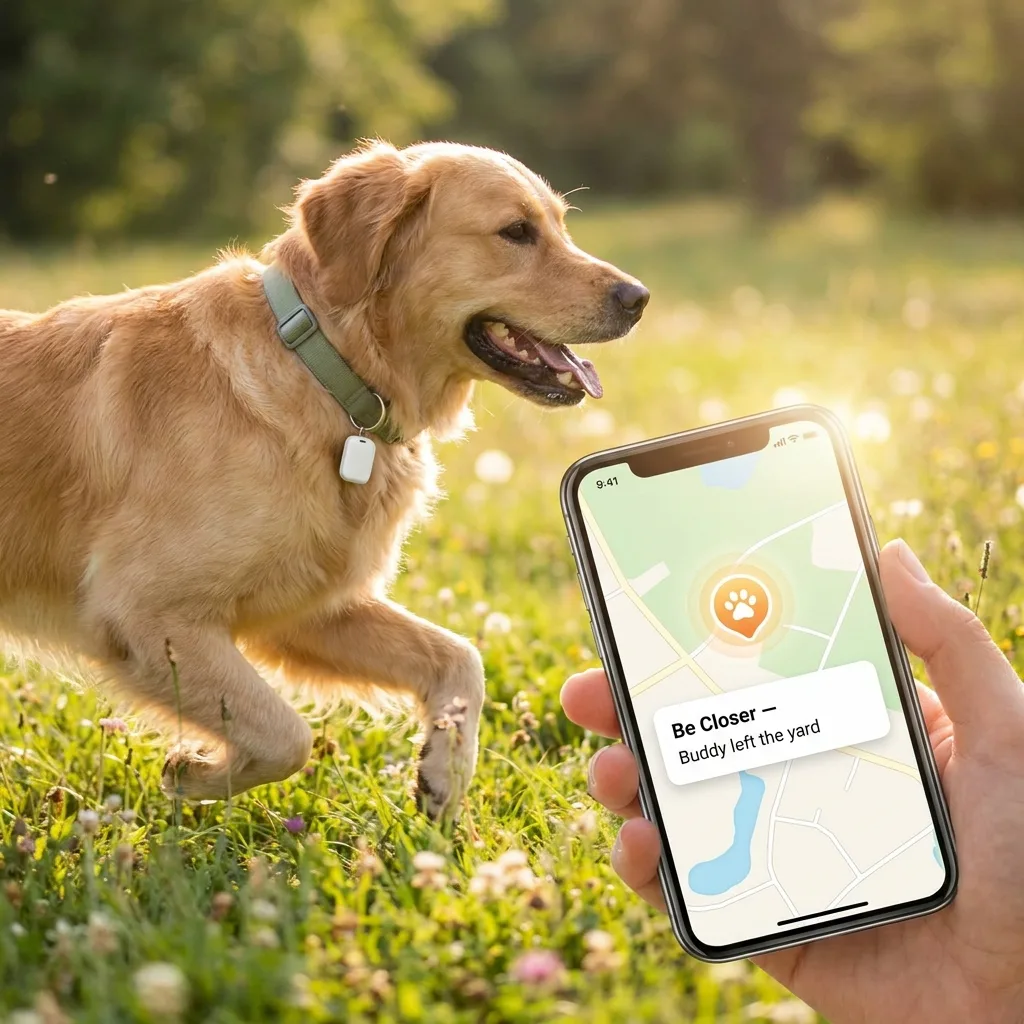
Busy households also mean open doors, visitors and distracted adults, which is when dogs slip out. Make sure your dog's ID tag and microchip details are up to date. Some families add a GPS tracker to the collar for peace of mind; Be Closer, a free family app, can show a tracker alongside family members on the same map, though no tracker replaces a secure gate. Our guide on what to do when your dog bolts on a walk is worth reading before the busy weeks begin.
Preparing the rest of the household
Your dog is not the only one who needs a plan. Everyone who will be around in the early weeks, from grandparents to the friend who pops in with dinner, should know the house rules before the baby arrives.
- Agree on the same cues. If one person says "off" and another says "down", your dog will be confused.
- Share the supervision rule clearly, especially with visitors who are used to a relaxed dog.
- Ask visitors to greet the dog calmly before they rush to the baby, so the dog does not feel pushed aside.
- Keep a note by the door with feeding times and the walker's number for anyone helping out.
- Decide who handles the dog during a busy moment, like a feed or a nappy change, so nobody is juggling both.
Older children in the house can help too, with jobs that suit their age, like filling the water bowl or scattering treats in the garden. It keeps the dog feeling part of the family at a time when the attention naturally shifts.
If you have recently adopted, or your dog is still settling in, give yourself more time and support. Our guide on bringing home a rescue dog covers the patience a newer dog may need. A dog who already feels secure has far more room to welcome someone new.
Never unsupervised, however gentle
This is the one rule with no exceptions. Never leave your dog and baby together without an adult actively watching, not even for a moment, not even with the sweetest dog you have ever known. Babies move and cry in ways that can startle any animal, and the safest dog is one who never has to manage a baby alone.
Simple supervision habits
- If you leave the room, take the baby or the dog with you.
- Use gates and closed doors when you cannot watch closely.
- Never let a baby crawl towards a dog who is eating, sleeping or chewing.
- As your child grows, teach them to let the dog come to them, and to leave a resting dog alone.
Clara's daughter is a toddler now. Biscuit still lies outside the nursery door at nap time, and the toddler still is not allowed to climb on him, though she tries. They are, in Clara's words, "best friends with rules." That is exactly the goal. If you are earlier in the journey and still weighing up a dog at all, our guide on whether your family is ready for a dog is a thoughtful starting point.
Frequently asked questions

Priya writes about the family members we care for at every age, parents living alone, dogs that bolt at squirrels, and the quiet worry in between. She writes the way she checks in: gently, and always dignity first.
Our guides are written by Be Closer's editorial voices and reviewed by the team behind the app. Questions? support@becloser.com
Published · Updated