 Privacy & Trust
Location history: how long should an app remember where you've been?
Location history is genuinely useful for spotting patterns and confirming things after the fact, but indefinite storage of it is a liability, not a feature, sitting quietly as a breach risk and a source of arguments nobody needs. My rule: keep as little history as the job in front of you actually needs. Ask any app how long it keeps data, whether you can export it, and whether deletion is real or just hidden from view.
Location history sounds like an unambiguous good, more data, more insight, more reassurance. In practice it behaves more like a pile of receipts: useful to have on hand for a week, mildly interesting for a month, and eventually just a growing record of exactly where your family has been, sitting somewhere you don't fully control.
The question worth asking isn't “should this app keep history at all”, some history is genuinely useful, but “how much, for how long, and who decides when it's gone.” Most families never ask, because the setting is buried three menus deep and defaults to “forever” without anyone choosing that on purpose.
This is a practical guide to thinking about retention: what history is actually for, why unlimited retention creates more problems than it solves, and a short list of questions worth putting to any app before you trust it with a family's movements, including the ones covered generally in [Family location apps and your data](/guides/family-location-apps-and-your-data).
What is location history actually for?
Stripped of the marketing language, location history earns its place for a handful of concrete jobs, not a vague sense of “knowing everything.”
- Spotting patterns. Confirming that a teenager consistently leaves for school on time, or that an aging parent's daily walk has quietly stopped happening, is something you can only see over days or weeks, not from a single live dot.
- Reassurance after the fact. "Was she actually at practice like she said?" is a fair question to be able to answer quietly and without confrontation, not by demanding an explanation in the moment.
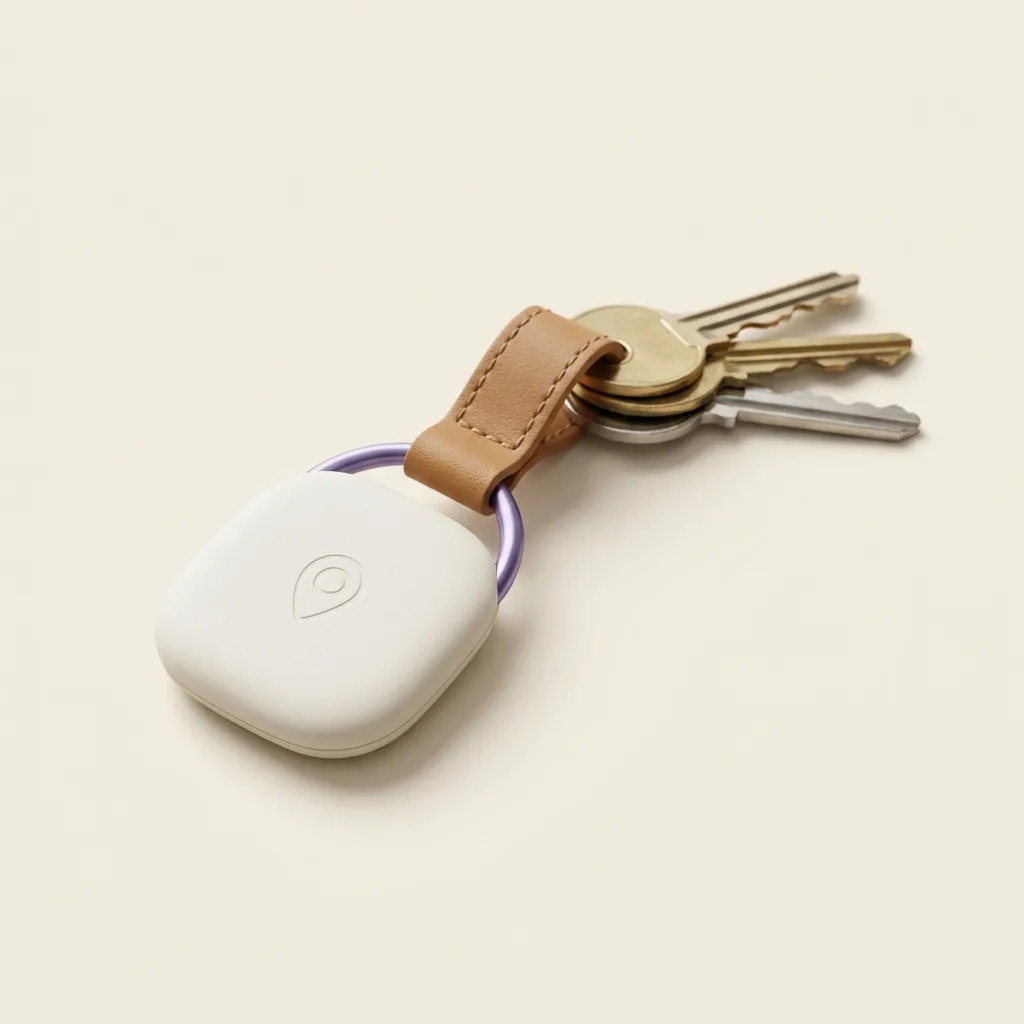
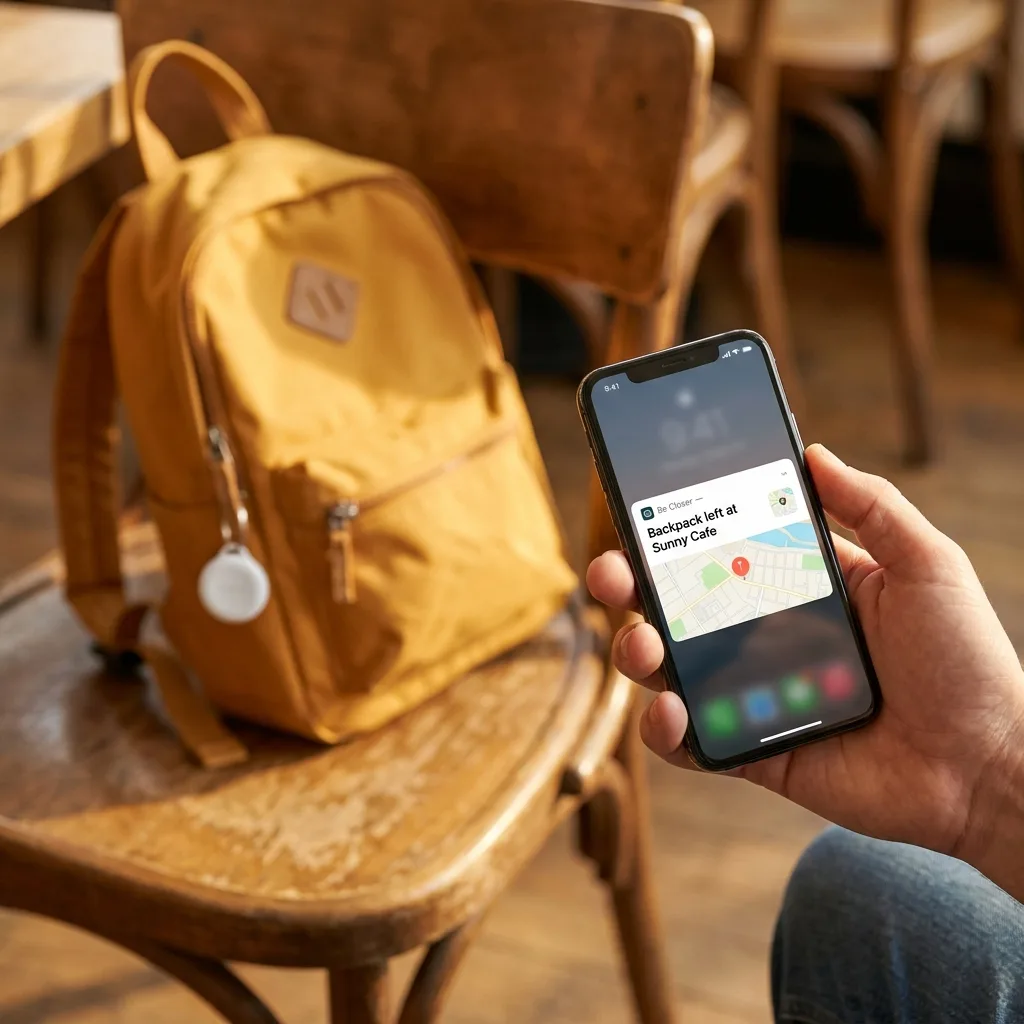
- Finding lost things. A trail of where a phone, tag, or bag has been recently is often the fastest way to retrace steps and recover something misplaced, the same principle behind lost or stolen phone: the first hour.
- Resolving a specific dispute. Confirming a pickup time, an arrival, or a route taken, when memory alone isn't reliable enough.
Notice that none of these jobs require years of history. Patterns show up in weeks. Reassurance is about recent days. Lost-item recovery is about the last few hours. The honest use cases for location history all have a natural, fairly short shelf life, which is exactly why indefinite retention doesn't actually serve any of them better than a bounded window does.
Why is keeping everything forever a liability rather than a feature?
It's tempting to think of a long history as pure upside, more data can only help, right? In practice, data you're not actively using isn't sitting there as a benefit. It's sitting there as exposure, on three separate fronts.
It's a bigger target
Every account, database, or company can be breached, and the amount of damage a breach does is roughly proportional to how much history it exposes. A week of location data leaking is uncomfortable. Three years of everywhere your family has ever been, home, school, work, a therapist's office, a place of worship, is a genuinely different order of harm, and it's avoidable simply by not keeping it that long in the first place.
It can be compelled
Data that exists can be subpoenaed, requested, or handed over under legal process, by a court, in a divorce or custody dispute, or in a request a company has to comply with regardless of whether it wants to. A company can only produce history that it actually retains. Short retention windows aren't about hiding wrongdoing; they're about not accumulating a record with no natural end date.
It can quietly damage trust
A parent scrolling back through six months of a teenager's location history looking for a specific pattern isn't reassurance, it's surveillance with a search bar, and it tends to surface exactly the kind of relationship-corroding argument covered in Talking to teens about location sharing. Bounding how far back anyone can scroll isn't a technical limitation to work around, it's a reasonable boundary that keeps location sharing feeling like safety rather than monitoring.
What questions should you actually ask an app about retention?
Ask before you trust an app with your family's past locations
- How long is location history kept by default, and can that window be shortened?
- Can you export your own history in a usable format, and does exporting also delete it from their servers?
- When you delete a data point, is it actually gone, or just hidden from the interface while retained on a backend?
- Is historical data used for anything beyond showing it back to you, advertising, analytics, or training other systems?
- What happens to history if you cancel or downgrade the account? Deleted, or quietly retained?
- Is there a difference in retention for children's data versus adult accounts, and is that disclosed anywhere?
An app that answers these clearly and quickly is telling you something good about how it was built. An app that can't answer, or answers with marketing language instead of a number of days, is telling you something too.
Be Closer shows your whole family on one private map, free to start.
Consent-first, never sold, and gentle on your battery. iOS and Android.
What's the actual rule of thumb?
Keep as little history as the job in front of you actually needs.
That's the whole rule, and it scales down to specifics easily enough. If the job is “did they arrive safely today,” you need hours, not weeks. If the job is “has this pattern changed over the last month,” you need weeks, not years. If the job is “find a lost tag,” you need the last known trail, not a full history. Almost nothing a family actually does with location data requires multi-year retention, that duration mostly exists because deleting data is more work than not deleting it, not because anyone specifically needs it.
How do different retention windows actually compare?
| Retention window | What it genuinely buys you | What it costs you |
|---|---|---|
| 24–48 hours | Recent trail for lost items, same-day reassurance | No pattern-spotting over time |
| 1–2 weeks | Enough to confirm a routine, resolve most disputes | Limited longer-term trend visibility |
| 1–3 months | Seasonal or monthly patterns become visible | Meaningfully larger exposure if breached |
| Indefinite / years | Marginal extra insight, rarely used in practice | Largest liability, least justifiable if questioned |
For most families, something in the one-to-eight-week range covers every legitimate use without accumulating years of sensitive movement data nobody is actually looking at.
How do you negotiate retention comfort levels within a family?
This isn't purely a technical setting, it's a conversation, and it goes better as one. A teenager who feels like every location they've ever visited is sitting in an app forever, reviewable at a parent's leisure, has a legitimate objection, not just an attitude problem. A shorter retention window for a teenager specifically, say, two weeks instead of two months, is a reasonable middle ground that preserves the safety function (was she where she said she'd be, recently) without functioning as a permanent surveillance archive.
The same logic runs the other way for aging parents living alone: a longer retention window can be a genuinely useful early-warning tool for spotting a slow decline in routine, and that's worth naming openly rather than defaulting to it silently. The point isn't that one retention length is correct for everyone in a household, it's that the length should be a decision someone actually made, for a stated reason, rather than whatever a settings menu shipped with by default.
Frequently asked questions

Daniel covers privacy, consent and the technology under the hood. A dad who reads the settings screens so you don't have to, he believes the best family tech is the kind you can explain to your kid in one sentence, and that nothing should ever be tracked in secret.
Our guides are written by Be Closer's editorial voices and reviewed by the team behind the app. Questions? support@becloser.com
Published · Updated