 Kids & Teens
Kids' Smartwatches at School: Rules, Etiquette, and What Works
Check your school's policy before buying, because some schools ban smartwatches, some allow them on silent, and some only allow them in bags. Teach simple etiquette (no checking in lessons, no calls at school, school mode on), and for younger children consider a simple locator watch or tag, which often helps most at the after-school handover.
We bought my daughter a smartwatch the week before she started a new school. It had games, messages, a camera, and a very cheerful unicorn watch face. On day three it came home in an envelope with a polite note from her teacher.
She had not done anything dreadful. The watch had buzzed during reading time, she had looked at it, then the child next to her had looked at it, and then half the table had wanted a turn with the unicorn. The school's rule was clear. We just had not read it.
Kids' smartwatches can be genuinely useful, especially for the walk home and the after-school pickup. But **a watch that works at home can cause real friction at school,** so it helps to think it through before the box is opened.
This guide is the checklist I now share with friends before they buy: how to find out what the school allows, what to teach your child at the kitchen counter, when a simpler device is the better choice, and where a watch or tracker genuinely earns its place in the day. None of it needs to be complicated, and most of it takes one short conversation.
Schools differ, so check before you buy
There is no single rule for smartwatches at school. Policies vary between countries, districts, and even neighbouring schools, and they change over time. Broadly, you will usually find one of these approaches.
- Not allowed at all. Watches with messaging or calling are treated like phones and stay at home.
- Allowed on silent or in school mode. The watch can be worn, but notifications must be off during the day.
- Allowed in bags only. The watch comes to school but lives in the backpack until the final bell.
- Allowed with conditions. For example, no cameras, or only simple watches without messaging.
Read the policy, or ask the school office, before you buy. It is far easier to choose the right device than to argue about the wrong one. And if the rules are unclear, a short, friendly email to the class teacher usually gets a clear answer.
Questions to ask the school
If the written policy does not answer everything, a short list of questions saves a lot of guesswork later. Most schools are happy to explain, especially at the start of the year when many families are asking the same things.
- Can children wear a watch with messaging or calling, or only a plain one?
- Does the watch need to be on silent, in school mode, or in the bag?
- What happens if a watch disrupts a lesson, and how is it returned?
- Are there extra rules for trips, sports days, or swimming?
- How should parents contact a child during the day if something changes?
The last question matters most. Knowing the right route for an urgent message, usually the school office, means you will not be tempted to message the watch directly. Clear routes make for calmer days, for everyone.
What teachers tell me
I asked a few teacher friends what they wished parents knew about smartwatches. The answers were remarkably consistent, and none of them were anti-technology.
I do not mind a watch that tells the time. I mind a watch that buzzes, lights up, and takes the whole table's attention for five minutes.
Their main worries were distraction, messages from home during lessons, and children using cameras in places they should not. Several said the same thing about parents: a message from a worried parent at 11am is often more disruptive than any game. If something is urgent, the school office is still the right route.
Classroom etiquette to teach at home
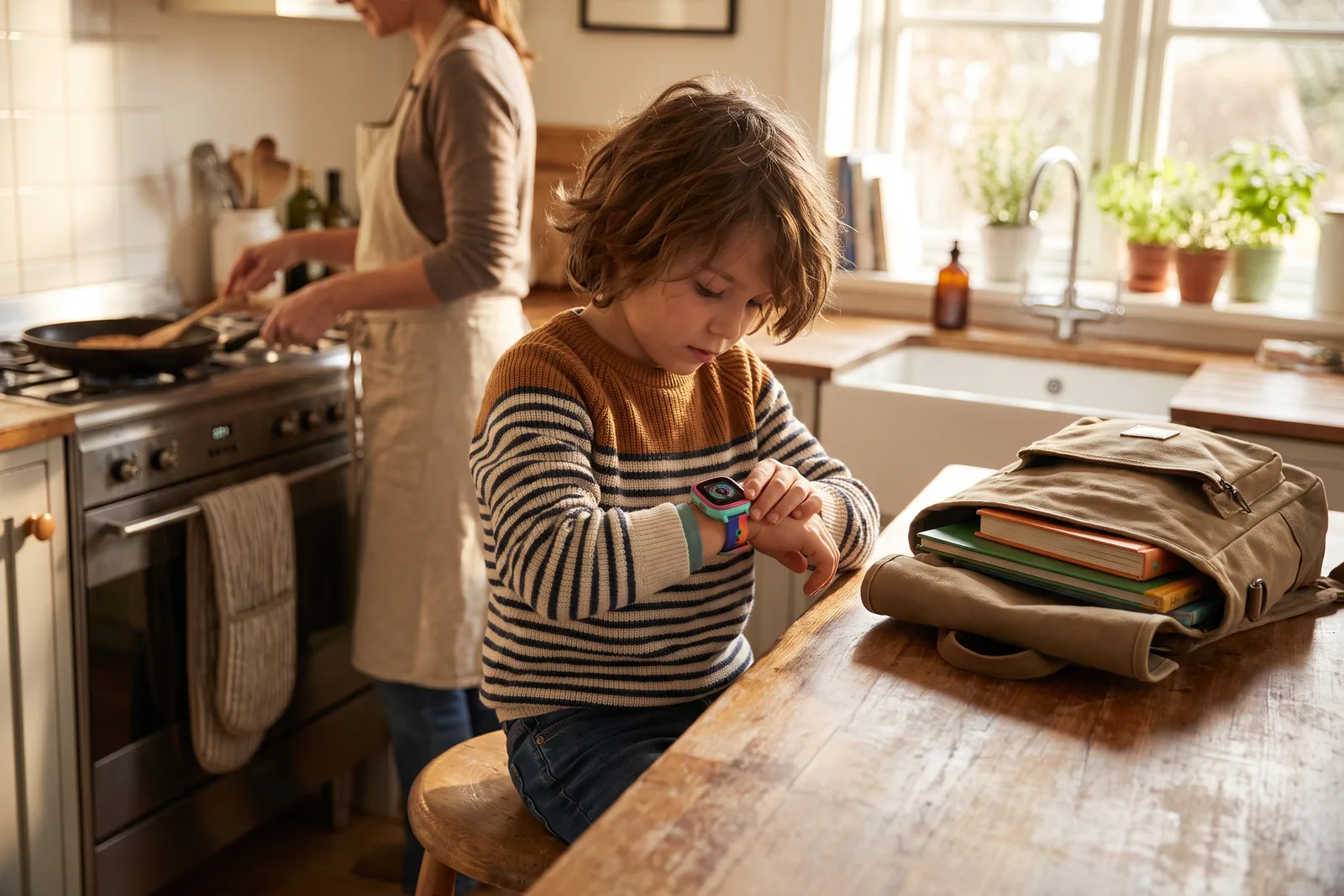
Even where watches are allowed, a few simple habits make the difference between a useful tool and a daily battle. We practised these at the kitchen counter before school started.
Smartwatch school rules
- Turn on school mode or do not disturb before you walk through the gate.
- Do not check the watch during lessons, even if it buzzes.
- No calls or messages at school, except in a real emergency and with a teacher's knowledge.
- No photos or videos of other children, ever.
- If a teacher asks you to put it away, do it straight away and tell us later.
- Keep it charged at home, not at school.
The last rule sounds small, but a flat watch at 3pm is useless for exactly the moment you bought it for. We charge ours overnight alongside the rest of the family's devices.
Parents have etiquette too
Resist the urge to message during the school day. It is hard, especially in the first weeks, but it puts your child in an awkward position and trains them to check. Save the messages for the walk home.
Be Closer shows your whole family on one private map, free to start.
Consent-first, never sold, and gentle on your battery. iOS and Android.
Why simpler often wins for younger kids
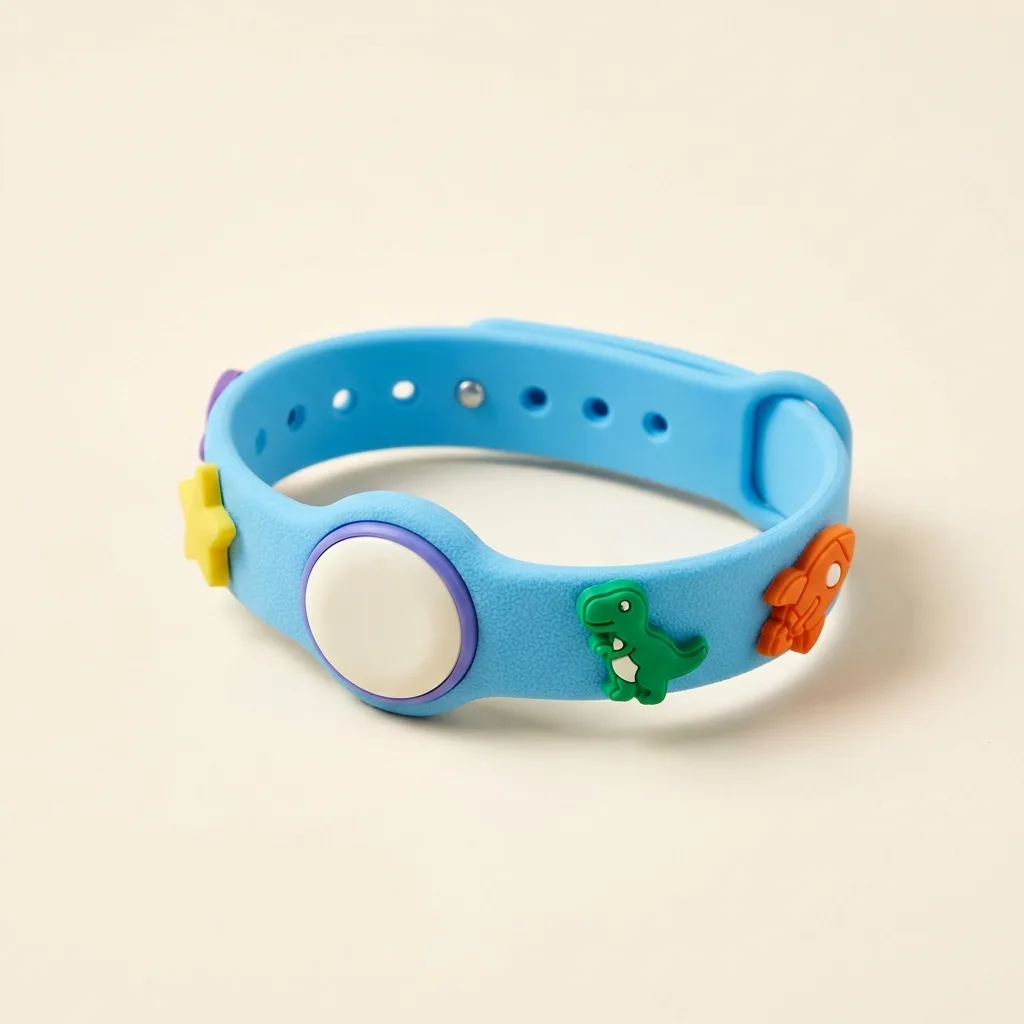
For younger children, I have come round to the view that a simple locator watch or tag often beats a full smartwatch at school. Fewer features means fewer distractions, fewer confiscations, and fewer things to argue about.
A basic locator can sit quietly in a bag or on a wrist without games, cameras, or messages. It does the job you actually care about, which is helping you know your child got where they were going. If you are weighing up the options, this comparison of GPS bracelets, smartwatches, and tags goes through the trade-offs in detail.
| Option | Good for | Watch out for |
|---|---|---|
| Full smartwatch | Older kids who need calls and messages | Distraction, school bans, charging |
| Simple locator watch | Younger kids, walks to and from school | Fewer ways to talk to you |
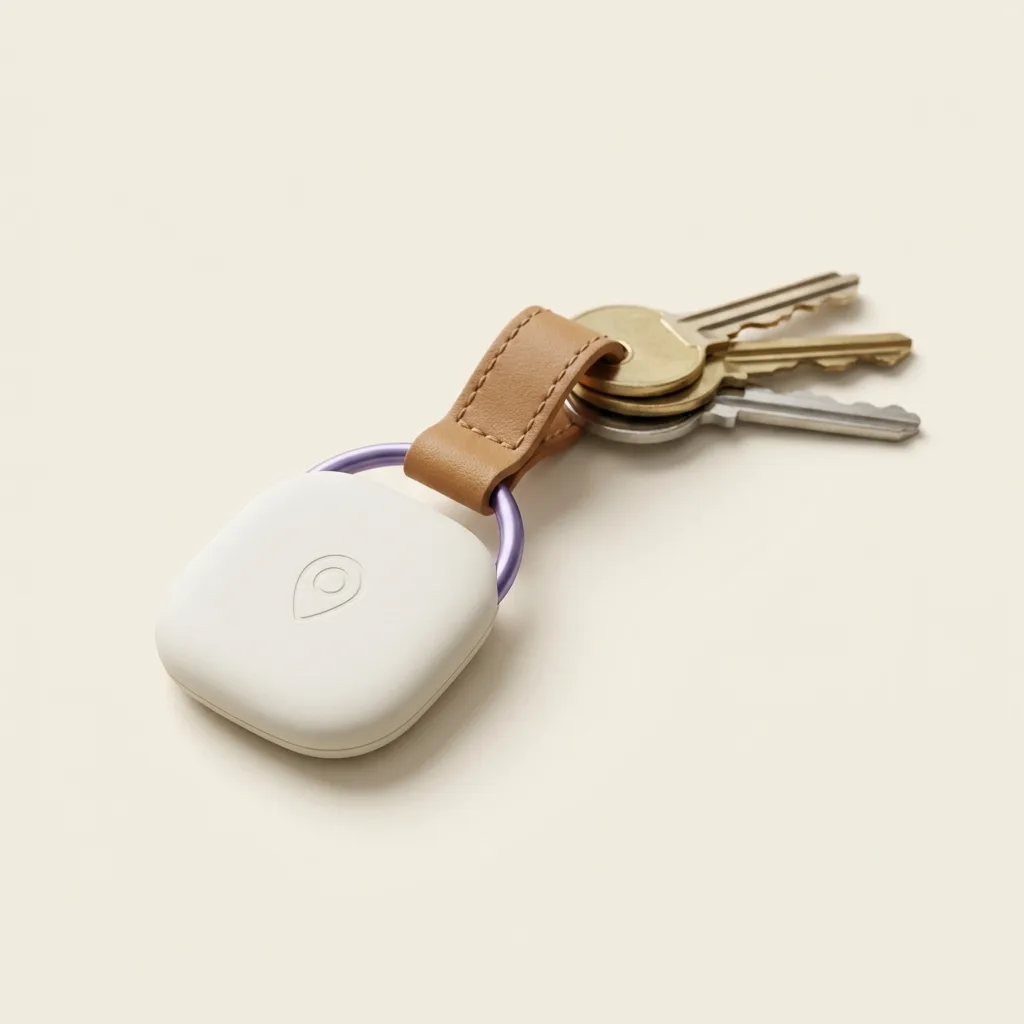
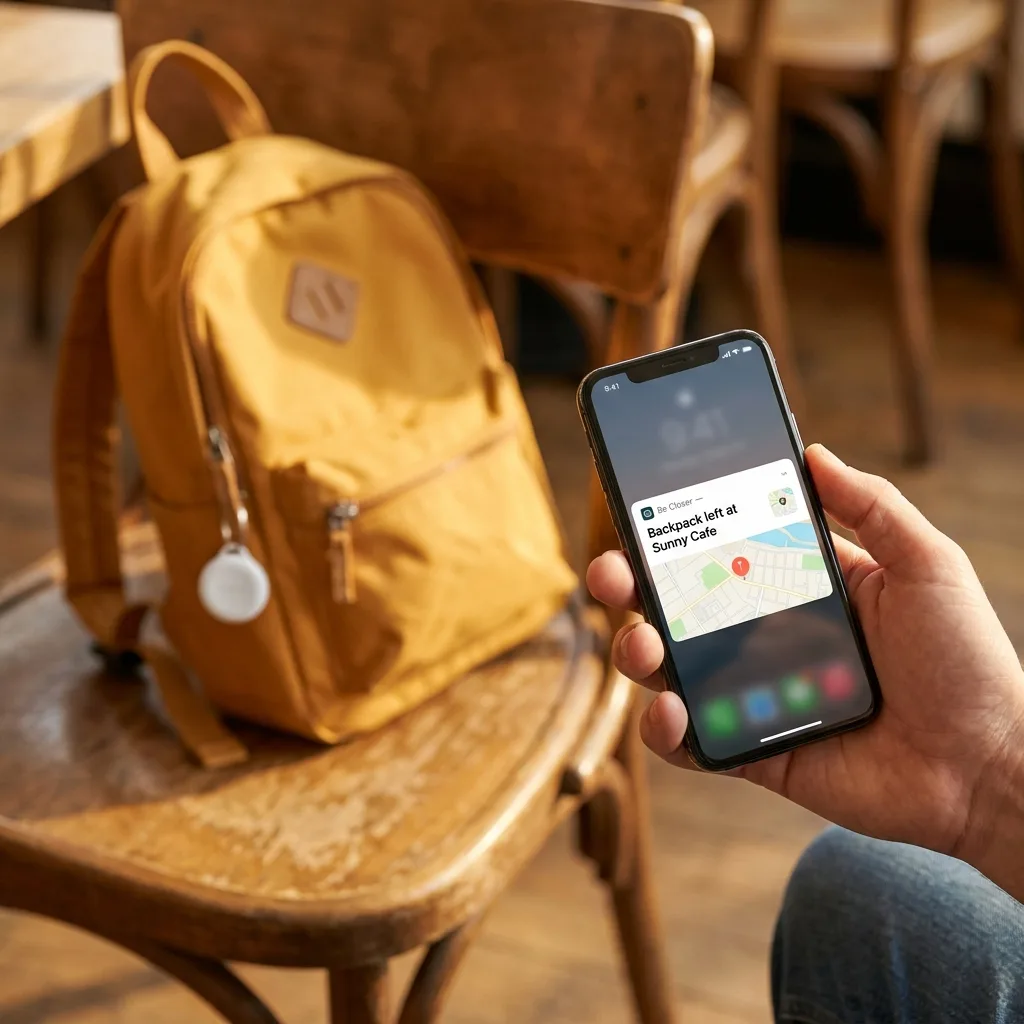
| Tag in the bag | Kids whose schools ban wearables | Only as useful as the bag is close |
If your main goal is being reachable without a screen, our guide to screen-free reachability has more ideas that work well alongside, or instead of, a watch.
Where a watch genuinely helps: the handover
The school day itself is the school's job. Where a watch or tracker really earns its place is at the edges: the walk to school, the after-school club, and above all the handover moment when your child is supposed to be collected or head home.
- 1An arrival alert when your child reaches school tells you they got there, without a message.
- 2At pickup, you can see whether they have left the gate if you are running late.
- 3If a club finishes early or a friend's parent is collecting, you can quietly confirm they arrived.
- 4On the walk home, a simple arrival alert replaces the "are you home yet" message.
Be Closer, free to download and used by families in 13 languages, can send these kinds of arrival alerts from a phone or a paired device. Be honest with your child about what it does, and share your own location too, so it feels like teamwork.
Honest limits
- Location updates arrive in bursts, not a live stream, so a short delay is normal.
- A flat watch or tag shows nothing. Charge it every night.
- Indoors, location can be less precise. Accuracy can reach up to 95% in good conditions, not in every building.
- It tells you where, not how. A conversation at home still matters most.
Trips, clubs, and the days that are different
Ordinary school days are easy once the routine is set. It is the unusual days that catch families out: a school trip, a sports fixture at another school, a club that finishes at a different time, or a swimming lesson where watches must come off.
Before a different day
- Check whether the watch is allowed on the trip, and whether it must stay in a bag.
- Ask your child where they will put it during swimming or PE, so it does not get lost.
- Charge it the night before, because trips often run late.
- Agree who is collecting and when, so your child knows what to expect.
School trips are a good example of where a watch can help at the edges. You might not need anything during the day itself, but knowing when the coach is back near school makes the pickup far less stressful. Our field trip prep guide covers the rest of the packing list.
If your child loses the watch, and at some point they probably will, try not to make it a disaster. A calm "let's retrace your steps" works better than a lecture. The goal is a child who tells you straight away, not one who hides it for fear of trouble.
Packing it into the morning routine
Our morning checklist now has one extra line: watch on, school mode on. It sits next to lunchbox and reading book. For the rest of the bag, this school bag essentials guide covers what else is worth packing.
And yes, the unicorn watch face survived. It just stays dark between 8:30 and 3:15 now, and my daughter has decided that makes it feel more grown up. Rules that are clear and shared tend to stick, even for a seven year old.
Frequently asked questions

Marta writes our Kids & Teens guides. Mother of two, professional over-preparer, firm believer that independence is a skill you practice, together first, then alone. She has road-tested every checklist in her own hallway at 7:40am.
Our guides are written by Be Closer's editorial voices and reviewed by the team behind the app. Questions? support@becloser.com
Published · Updated