 Kids & Teens
Theme park day with kids: the plan that beats holding hands all day
Take a photo of each child in the clothes they are wearing before you leave the car park, agree one meeting point per zone, and teach the rule that whoever is lost stays put while everyone else moves. Younger children wear a wristband with a phone number on it, tweens get a defined zone and a check-in time. A family map app helps you find each other quickly, but in a dense crowd treat it as a rough direction rather than an exact pin.
We lost my son for eleven minutes at a theme park when he was six. Eleven minutes. I know the number because I looked at my phone roughly four hundred times. He had stopped to watch a man making balloon animals, we had walked on, and the crowd closed behind us like water. He was found standing exactly where a member of staff had told him to stand, eating a bag of crisps, entirely unbothered, and I have never been so pleased to see someone chewing.
What I learned that day was not that I should have held his hand harder. Nobody holds three hands through ten hours of noise, queues and heat. What I learned is that the whole thing turns on one question: what does each person do in the first two minutes after they notice they are alone. If everybody knows the answer, a separation is a story you tell at dinner. If nobody knows, it is the worst hour of your year.
So this is the plan we use now. It takes about ten minutes to set up in the car park and it works for a mixed age group, which is the hard case: a small one who needs holding, a middle one who wants to run, and a tween who would rather be anywhere than seen with you.
The ten minutes before you go through the gate
Everything that makes the day easy happens before you buy the first overpriced slushie. Do it in the car park, while everyone is still listening, because nobody listens once they can hear the rides.
The car park checklist
- Take a photo of each child on your phone, today, in today's clothes. If you ever need to describe them, you will be describing them badly under stress. The photo does it for you.
- Dress them bright and matching if you can get away with it. One family colour is not naff, it is a search shortcut across a hundred metres of queue.
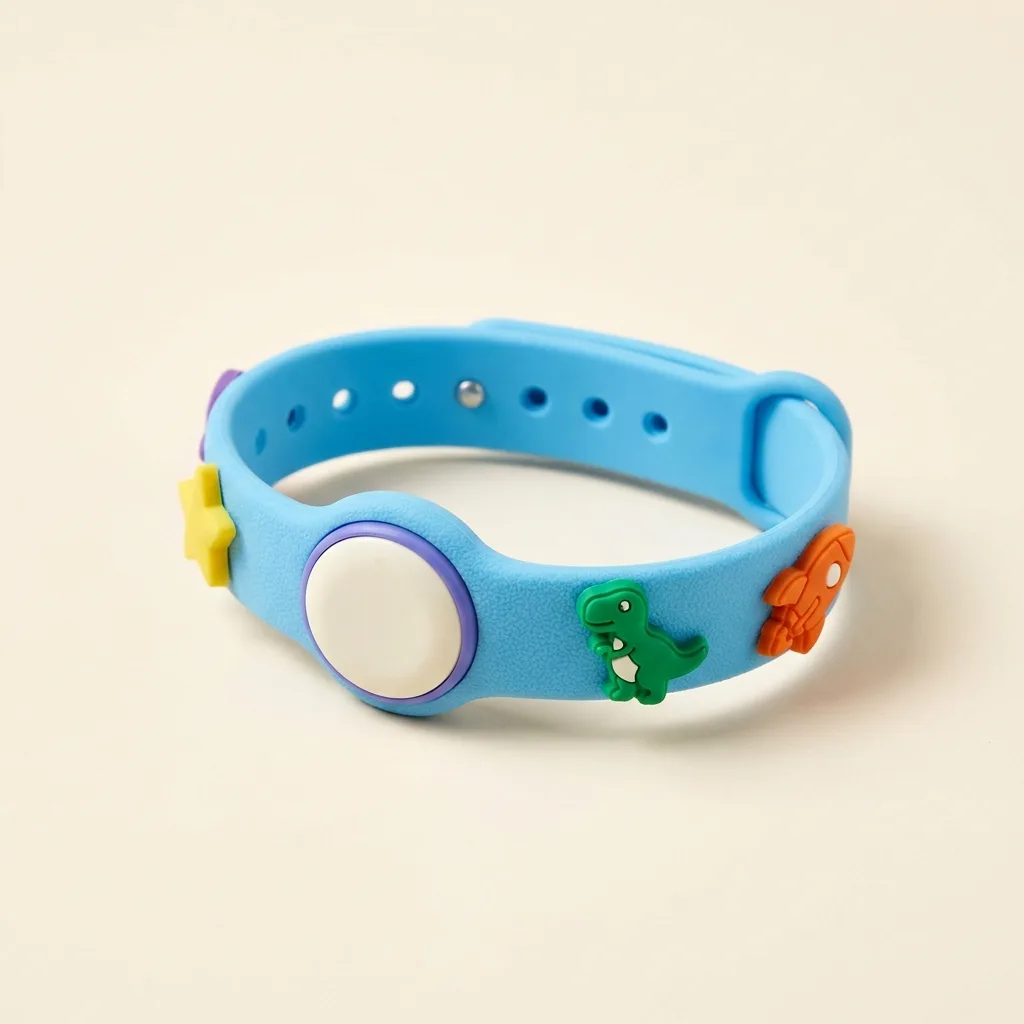
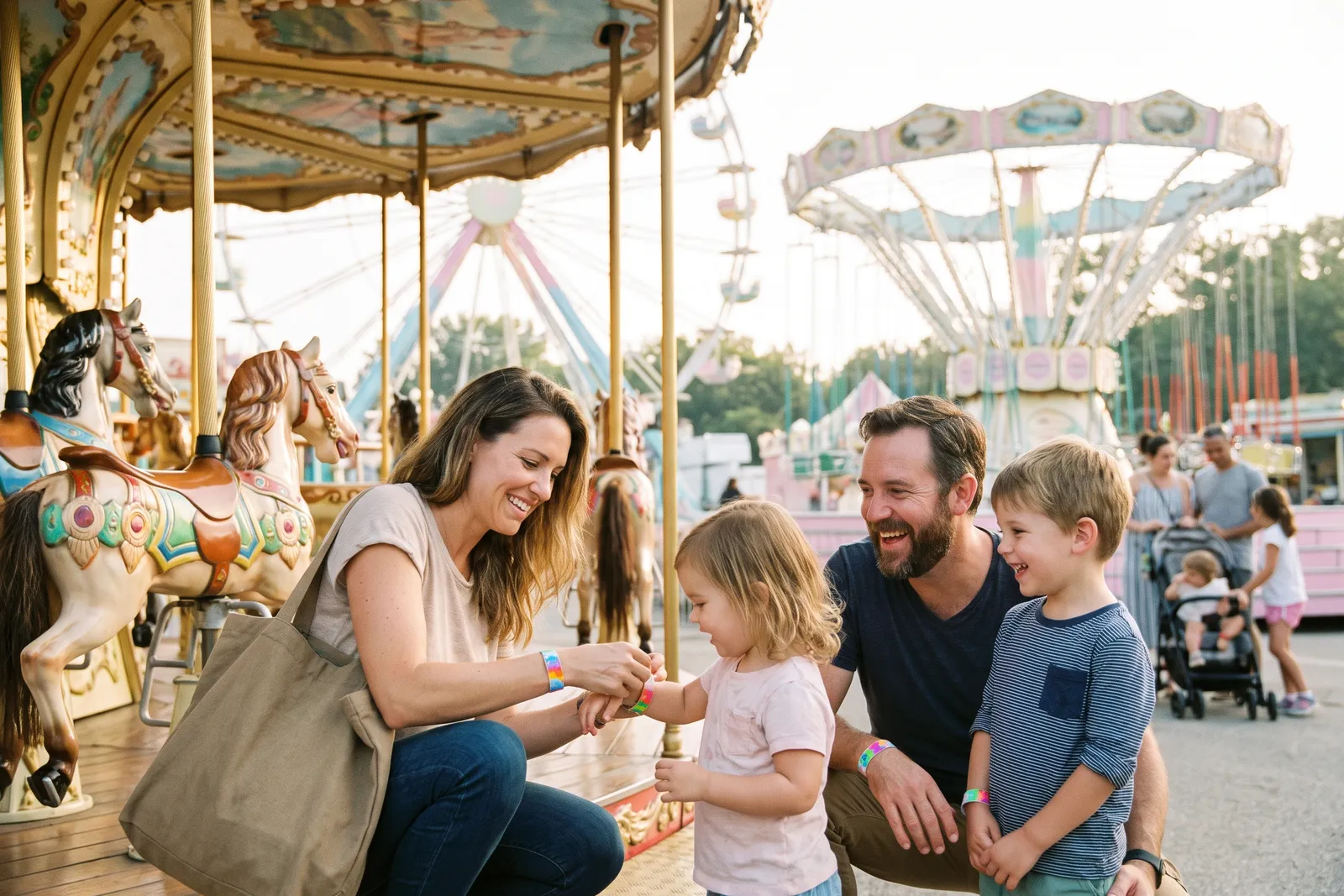
- Write your mobile number on a wristband for younger children, or on the inside of a wrist in pen. Not their name. A stranger who can read a name can use it.
- Agree the first meeting point out loud, and make each child say it back to you.
- Check phones and watches are charged and location sharing is on for the day, including yours.
The wristband deserves a note. Put a number that will actually be answered, which is often not the parent who is holding the pushchair. If two adults are in the group, use the one whose hands are freest. And skip the child's full name: a first name is plenty for staff, and less useful to anyone else.
One meeting point per zone, not one for the whole park
A single meeting point at the main entrance sounds tidy and fails completely, because at 3pm your children are eight hundred metres and two lands away from it, and a lost child will not cross a park alone. Instead, as you walk into each area, point at one obvious thing and say the same sentence: if you cannot see us, come here and wait. The carousel. The big fountain. The wooden pirate ship. Physically point at it. Make the youngest one repeat it.
This is the same logic behind our broader if we get separated plan, which is worth reading before any big crowded day out. A theme park is just that plan in a louder outfit.
The rule that does the most work: stay where you are
Two people moving through a crowd looking for each other can circle for half an hour. One person standing still gets found. So the family rule is blunt and easy to remember: whoever is lost stays put, everybody else searches.
Children instinctively do the opposite. They walk in the direction they last saw you, which is usually the direction of the crowd flow, which is why the gap widens so fast. Practise the phrase in the car on the way: if I look up and I cannot see you, I stop walking. Not I find you. I stop walking.
A child who stands still is not lost for very long. A child who searches for you can stay lost all afternoon.
Who to ask for help, in order
- 1A member of staff in uniform. Ride operators, sweepers, anyone with a name badge and a lanyard. They do this several times a day and there is a procedure for it.
- 2Someone behind a till or a counter. They cannot walk off, which is the quality you want in a helper.
- 3A parent with children, if there is no staff member in sight. Not a random adult standing alone, and never an adult who approaches them first offering to help find you.
Teach them to lead with the useful sentence: I am on my own and I cannot find my family. Then the phone number. If your child can recite a mobile number from memory, the whole thing collapses into a two minute problem, which is exactly why we bang on about teaching kids the address and phone numbers. At a theme park it is the single most valuable thing in their head.
Letting tweens roam without spending the day worrying
By eleven or twelve, following you around a theme park in a group is genuinely miserable for them, and the whole day sours. The answer is not the whole park, and it is not nothing. It is a zone and a time.
- Name the boundary in landmarks, not in metres. This land, between the log flume and the food court, is where you can be.
- Set a check-in time, not a check-in frequency. Meet at the fountain at 1:30. A time is a thing they can plan around, a vague hourly text is a thing they forget.
- Agree what a missed check-in means before it happens: you go to the meeting point and wait ten minutes, and if nobody comes, you go to a staff member.
- Give them a job. Holding the group's queue times or booking the next ride slot makes a tween far more likely to stay reachable.
If this is the first time you have let them roam anywhere, the readiness questions are the same as the ones in when can kids go to the mall alone. Where ages come up, rules vary by region and some parks set their own minimum for unaccompanied children, so check the park's own policy before you plan around it.
Be Closer shows your whole family on one private map, free to start.
Consent-first, never sold, and gentle on your battery. iOS and Android.
What a family map app really does in a crowd
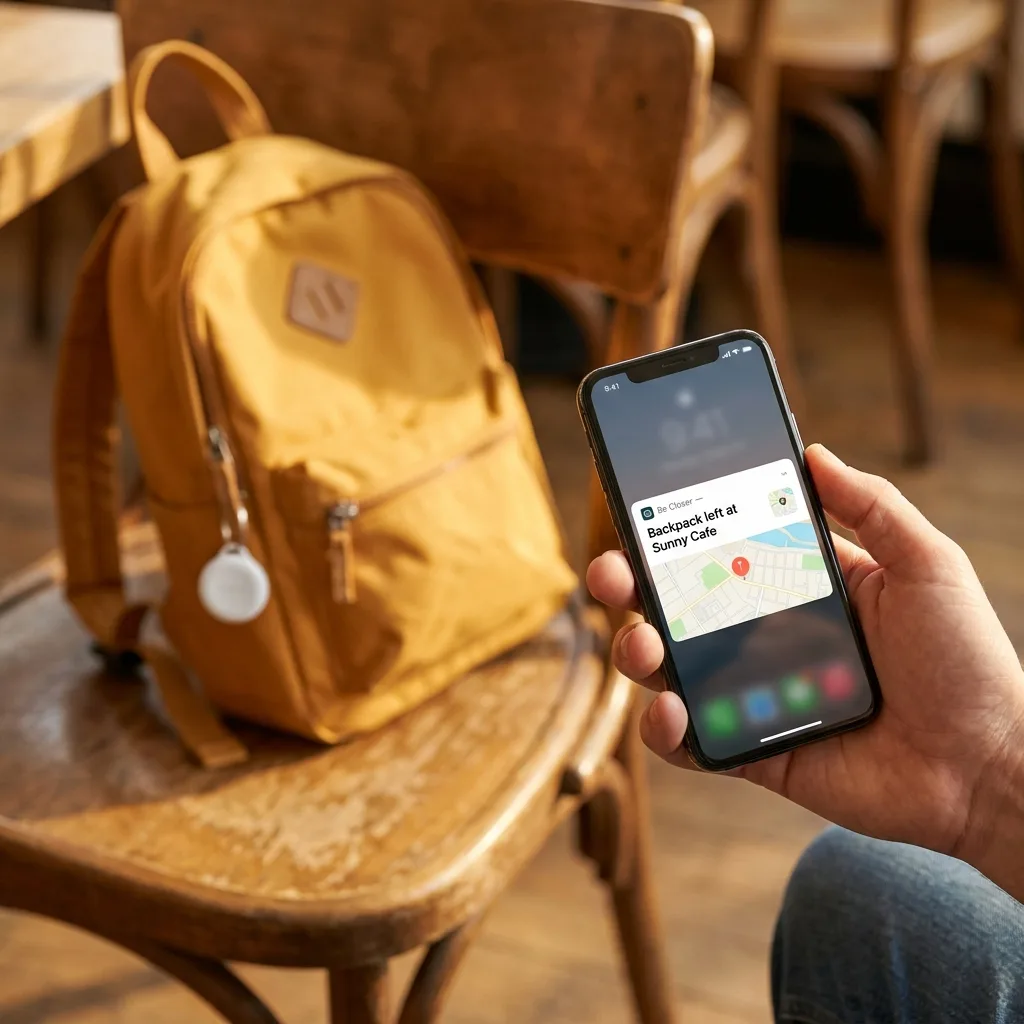
Be Closer is free to download, works across iOS and Android in 13 languages, and shows everyone in the family on one private map with up to 95% accuracy. On a normal high street that is precise enough to say which shop somebody is in. Inside a theme park, be more sceptical than that, and knowing why will save you a lot of frustration.
Why the pin bounces near the rides
Location on a phone is mostly a blend of satellite signal and nearby wifi. Theme parks are hostile to both. Big steel structures block and reflect satellite signals, so the phone gets confused echoes. Tens of thousands of phones saturate the mobile network. Queue lines run under canopies and through tunnels. The practical result is that a pin can sit forty metres off, or lag behind by a couple of minutes, or park itself confidently on the roller coaster next door.
How to use the map well on a park day
- Treat the pin as a direction and a zone, not a spot. It tells you they are near the log flume, not which bench.
- Refresh and wait ten seconds before you start walking. The first read is often the stalest one.
- Combine it with the meeting point. Head for the zone the map shows, then check that zone's landmark first.
- Watch battery. A phone that dies at 4pm is worse than no phone, because you will keep checking it. Bring a power bank and start the day at 100%.
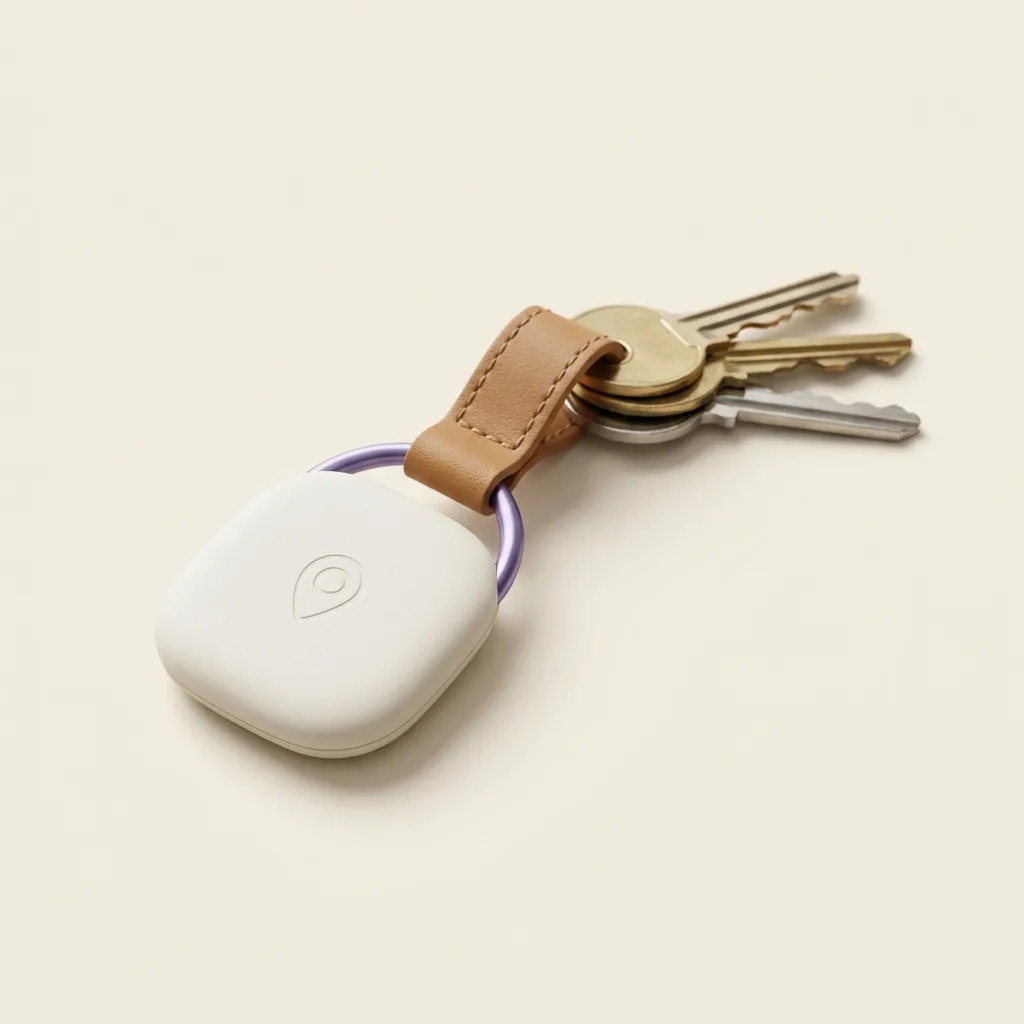
- For a child too young for a phone, a wearable tracker like a watch or a tag in a pocket does the same job with less to lose and less to charge.
One more thing worth setting up the night before: a place alert on the park entrance, so you get a quiet ping when a roaming tween comes back through the gate area. If you have not used those before, geofencing explained for parents covers what they are good at and where they misfire.
The middle of the day, when everything actually goes wrong
Separations do not happen at 9am. They happen at 2:30pm, when everyone is hot, hungry and slightly cross, and the adults have stopped counting heads because the day has been fine so far. Build two small habits into the afternoon and most of the risk disappears.
- 1Count heads at every transition. Leaving a ride, leaving a queue, standing up from a table. Out loud, every time. It feels silly for about an hour and then it is automatic.
- 2Eat before anyone is starving. Half the wandering off I have witnessed was a child following the smell of doughnuts at the exact moment their blood sugar hit the floor.
Also decide in advance who is on whom. In a group of adults, everyone assumes someone else is watching the small one, and that assumption is where children slip through. Say it plainly at the gate: I have got these two, you have got that one, and we swap after lunch.
The debrief on the drive home
This is the bit almost everybody skips, and it is the bit that makes next time easier. Somewhere on the motorway, when they are pleasantly wrecked and staring out of the window, ask three questions.
- What would you have done if you had looked up and we were gone? Listen to the whole answer without correcting it. You are auditing the plan, not the child.
- Did anything feel confusing today? Younger children often name the thing you never thought of, like not being able to see over the crowd.
- What do you want to be in charge of next time? This is how a tween gets a bigger zone next year without a negotiation.
If something did go wrong, keep the tone completely flat. A child who gets told off for getting lost is a child who will hide it next time, or worse, will try to fix it alone. Praise the standing still. Praise the asking. Then quietly change whatever part of the plan let you down.
You are not trying to have a day where nothing goes wrong. You are trying to have a family where the wrong thing takes four minutes to fix.
My son is fourteen now. He roams the whole park with a friend and a meeting time, and he still, without being asked, tells me which land he is heading to. Eleven minutes of terror when he was six turned into a habit that costs him nothing. That is roughly the whole point.
Frequently asked questions
Marta writes our Kids & Teens guides. Mother of two, professional over-preparer, firm believer that independence is a skill you practice, together first, then alone. She has road-tested every checklist in her own hallway at 7:40am.
Our guides are written by Be Closer's editorial voices and reviewed by the team behind the app. Questions? support@becloser.com
Published · Updated