 Kids & Teens
Your child's first solo errand: milk, money, and a big confidence win
Pick a short, familiar, single item errand at a quiet time, walk the route together twice, rehearse the shop interaction out loud, and send them with slightly more money than they need plus a plan for what to do if the item is not there. Set an arrival alert at the shop rather than asking them to text, and debrief with one open question instead of five closed ones.
The first solo errand is one of my favourite parenting milestones, and I think it is badly underrated. It is small, it is cheap, it takes twelve minutes, and a child comes home from it walking about two inches taller than when they left. Something about handling money in front of an adult stranger and coming back with the right thing does more for confidence than a term of being told they are capable.
It is also completely manageable to set up well, which is not true of most independence milestones. There is one route, one destination, one transaction, and a clear end point. Compare that to a whole afternoon at the park and you can see why I usually suggest the errand first, even for children who have not done much on their own yet.
Here is the version I have landed on: how to choose the errand, how to rehearse it, what to do about money, what to say about the awkward bits, and how to talk about it afterwards without accidentally turning a triumph into a debrief they dread.
Choosing the right first errand
The first one should be almost too easy. You are not testing capability, you are building a memory of success that the next five errands stand on. Aim for something your child could describe to a friend in one sentence.
- One item, not a list. A loaf of bread. A carton of milk. Not "whatever looks good for dinner."
- A shop you both know. Ideally one where you have been in together dozens of times and the staff are used to seeing children.
- A short, familiar route. Under ten minutes, with the fewest possible road crossings, and none across anything fast.
- A quiet time of day. Mid morning at the weekend beats 5:30pm on a Friday, when the queue is long and everyone is impatient.
- A low stakes item. If they come back with the wrong thing, it should be funny rather than a problem for dinner.
The readiness signals are broadly the same as for any first solo trip: reliable road habits without prompting, route memory, and the ability to speak to an adult they do not know. If your child has already managed something like walking home from the bus stop, the errand is a small step rather than a leap.
Rehearsing it together, twice
Do the whole thing together at least twice before the solo run, and on the second time say nothing at all. Your child leads, pays, and brings the change back. You are a silent passenger. This is the single most useful thing on this list and it takes twenty minutes total.
- 1Walk the route with your child in front, letting them choose every turn and stop at every kerb without a prompt.
- 2In the shop, they find the item. Resist pointing. Let them look up and down the wrong aisle first.
- 3They queue, they hand over the money, they take the change, they say thank you. You stand back near the door.
- 4On the way home, ask them to tell you what they would do if the shop was shut, or the bread was gone.
- 5Repeat the whole thing on a different day, and this time do not speak unless something is genuinely unsafe.
The silent run is where you find out what your child actually knows. Mine paid with a note and walked off without the change, and we both learned something useful for the price of two pounds.
Money, and the what if decisions
Money is the part children worry about most, and it is the part parents tend to under prepare. Send them with a bit more than the item costs, and be explicit about what happens to the extra. Then walk through the two or three situations where they will have to make a judgment call on their own.
| Situation | What you agree in advance |
|---|---|
| The item is not there | Come home without it. Do not go to a different shop, and do not spend the money on something else. |
| It costs more than you gave them | Put it back and come home. Nobody is cross. You will sort it out later. |
| They are given the wrong change | Say "excuse me, I think that is not right," once. If it goes nowhere, take what they have and come home. |
| The shop is shut | Turn around and come straight home. Do not wait outside to see if it opens. |
| Someone they do not know talks to them | Polite, brief, keep moving. Any adult asking them to go somewhere means walk home now. |
Say all of that out loud in one go before they leave, and then say the thing underneath it: coming home without the item is always a correct answer. Children take enormous risks trying not to disappoint us, and this one sentence removes most of that pressure.
What goes in the bag
- A little more money than the item costs, in a zipped pocket or a small purse rather than loose in a hand.
- A written note of what they are buying, useful even if they can read it perfectly well from memory.
- A tote or backpack, so their hands are free for the walk home.
- Whatever they normally wear or carry for check-ins, already charged.
Be Closer shows your whole family on one private map, free to start.
Consent-first, never sold, and gentle on your battery. iOS and Android.
Scripting the shop interaction
Plenty of children can walk a mile safely and still freeze at a counter. Talking to an adult stranger while other people wait behind them is genuinely hard, and it is worth rehearsing as its own skill, out loud, at the kitchen table.
- Asking for help: "Excuse me, where is the bread please?" Practise it until it comes out without a run up.
- At the till: "Hi. Just this please." Then hand over the money, wait, take the change, say thanks.
- If they cannot find something: ask once, and if that does not work, come home. Wandering the shop for ten minutes is the failure mode to avoid.
- If an adult is unkind or impatient: it is fine to leave without buying anything. Nothing is worth standing there feeling terrible.
Worth being clear about who is safe to ask, too. Shop staff behind a counter, in a uniform or a badge, are exactly the right people to approach. That distinction between behaviour and appearance matters more than the old stranger rules, and it is worth covering properly with the approach in teaching kids about tricky people.
The check-in plan, and why arrival alerts beat "text me"
"Text me when you get there" sounds reasonable and works badly. It puts the job of reassuring you on a child who is already concentrating on a road, a shopping list, and a stranger at a till. Then when the text does not arrive at minute nine, you are the one spiralling, and the first thing your child sees on the way out of the shop is three missed calls.
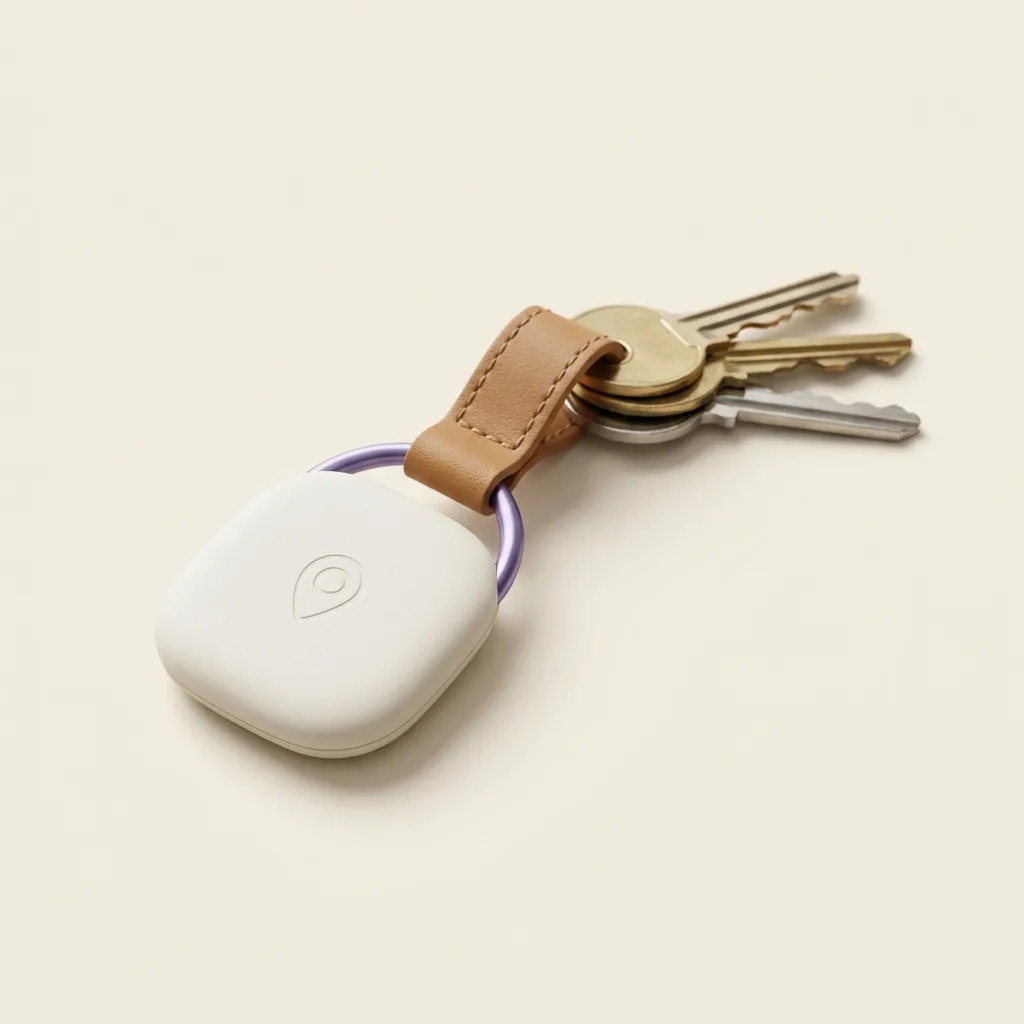
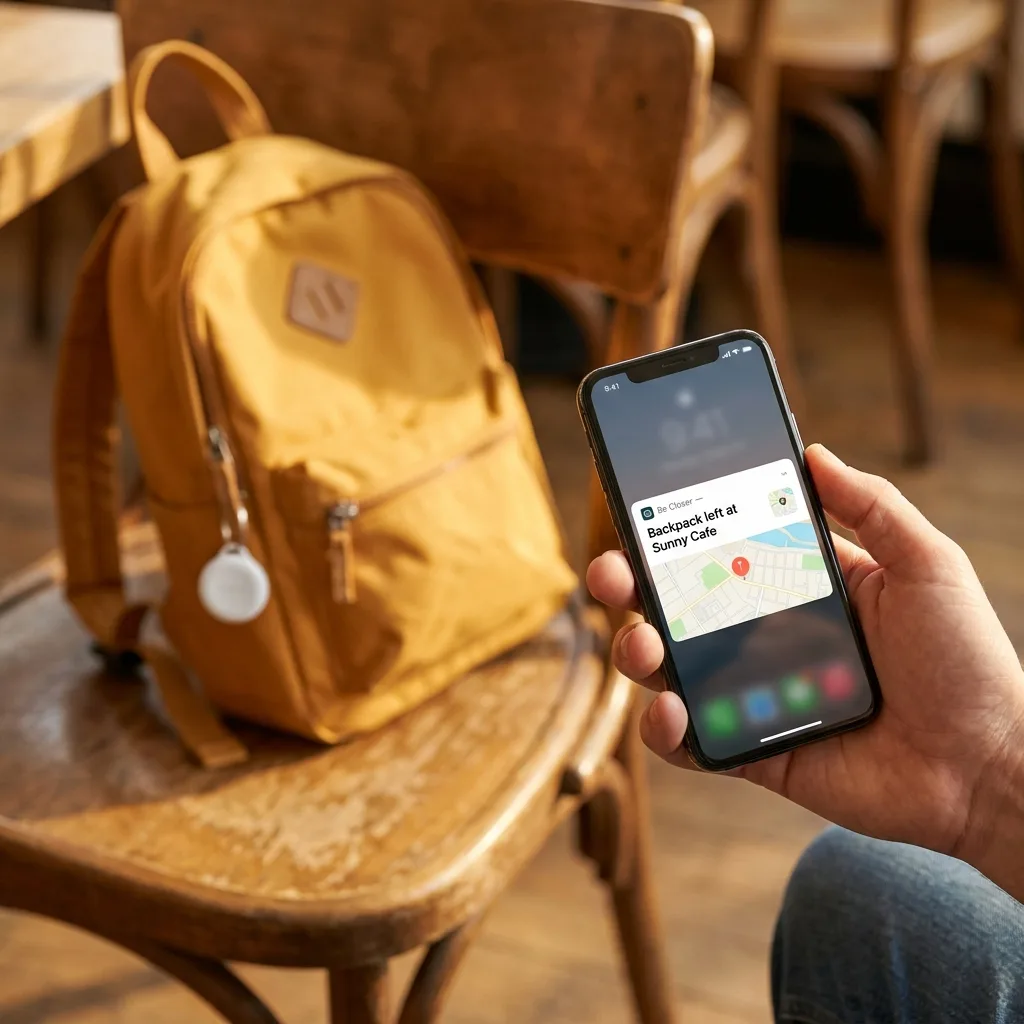
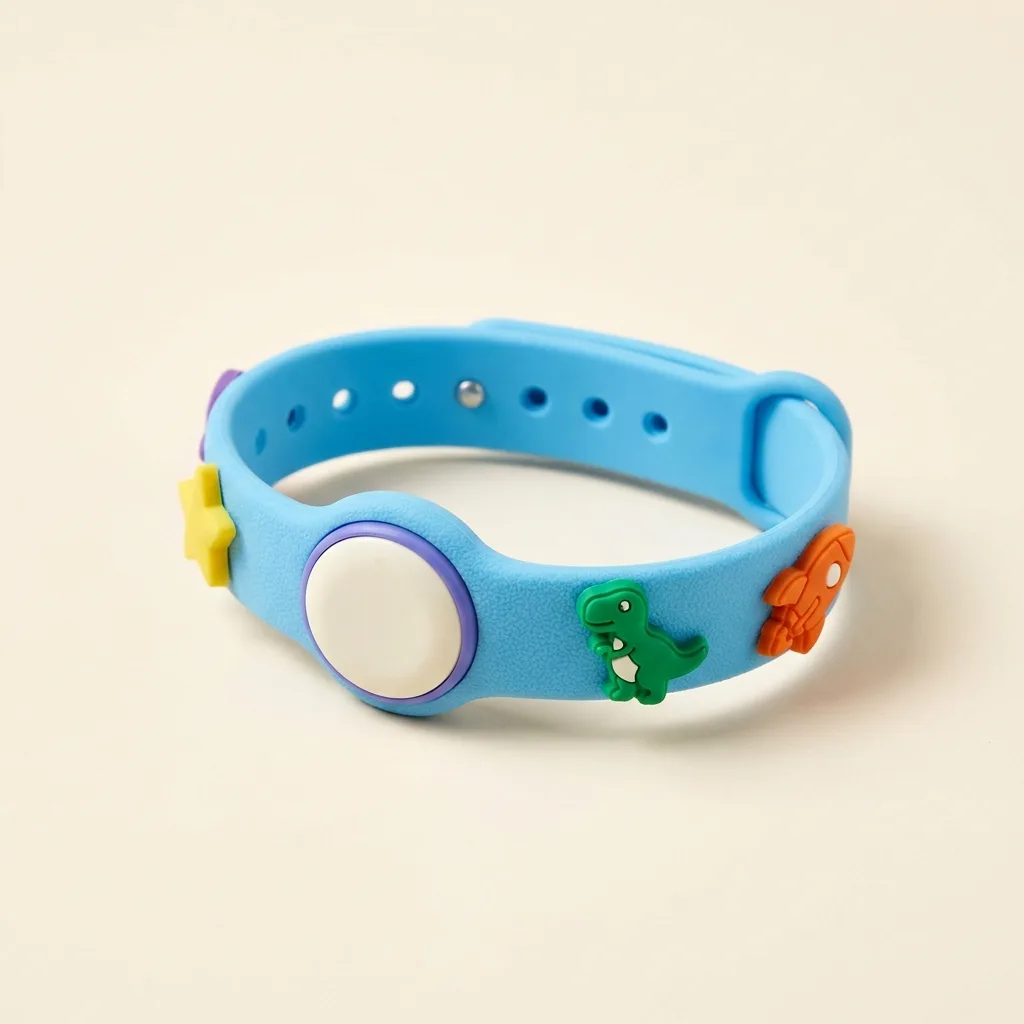
Save the shop as a place and let the arrival happen by itself. You get a notification when they get there and another when they get home, and neither of those requires your child to remember anything. The whole point of the errand is that they are managing it. A worn device suits this age better than a phone, so the Be Closer Band on a wrist or the Tag zipped into the tote both work well, and neither can be left on a shelf next to the bread.
- Set place alerts for home and for the shop, then put your phone face down.
- Agree a rough time window, "back within twenty minutes," so you both know what normal looks like.
- Tell your child exactly what the alerts show you. This should never be something they find out later.
- Do not call unless the window has clearly passed. One phone call at minute twelve undoes a lot of the confidence you are trying to build.
Be Closer is free to download and works in 13 languages, with location accurate up to 95%, which is comfortably enough to tell whether someone is at the shop or on the way back.
The debrief, and scaling up
When they come through the door, you will want to ask fifteen questions. Ask one. "How was it?" Then be quiet for longer than feels natural. Most children tell you the whole story unprompted within about forty seconds, and the version they volunteer is far more useful than the version you extract.
- Lead with interest, not inspection. "Who was on the till?" beats "did you look both ways?"
- If something went wrong, thank them for telling you before you say anything else. Whatever you do at that moment sets the price of honesty for the next five years.
- Do not check the change like an audit. If it is short, ask about it tomorrow, casually.
- Say the confidence bit out loud once: "You did that on your own." Then let it go.
Scaling up over the next few months
- 1One item, familiar shop, quiet time. The version in this guide.
- 2Two or three items, same shop, so they have to hold a small list in their head.
- 3A busier time of day, when there is a queue and more going on.
- 4A different shop on a slightly longer route, with one new road crossing.
- 5An errand with a decision in it, such as picking whichever fruit looks best within a budget.
Each step should feel unremarkable by the time you take the next one. If a stage still gives you a jolt, stay there another few weeks. And when they are handling errands comfortably, the same confidence tends to carry straight into other independence, including things like a first solo bus ride, which is really just an errand with a timetable attached.
Frequently asked questions

Marta writes our Kids & Teens guides. Mother of two, professional over-preparer, firm believer that independence is a skill you practice, together first, then alone. She has road-tested every checklist in her own hallway at 7:40am.
Our guides are written by Be Closer's editorial voices and reviewed by the team behind the app. Questions? support@becloser.com
Published · Updated