 Kids & Teens
When the Oldest Is in Charge: Ground Rules for Siblings Home Alone Together
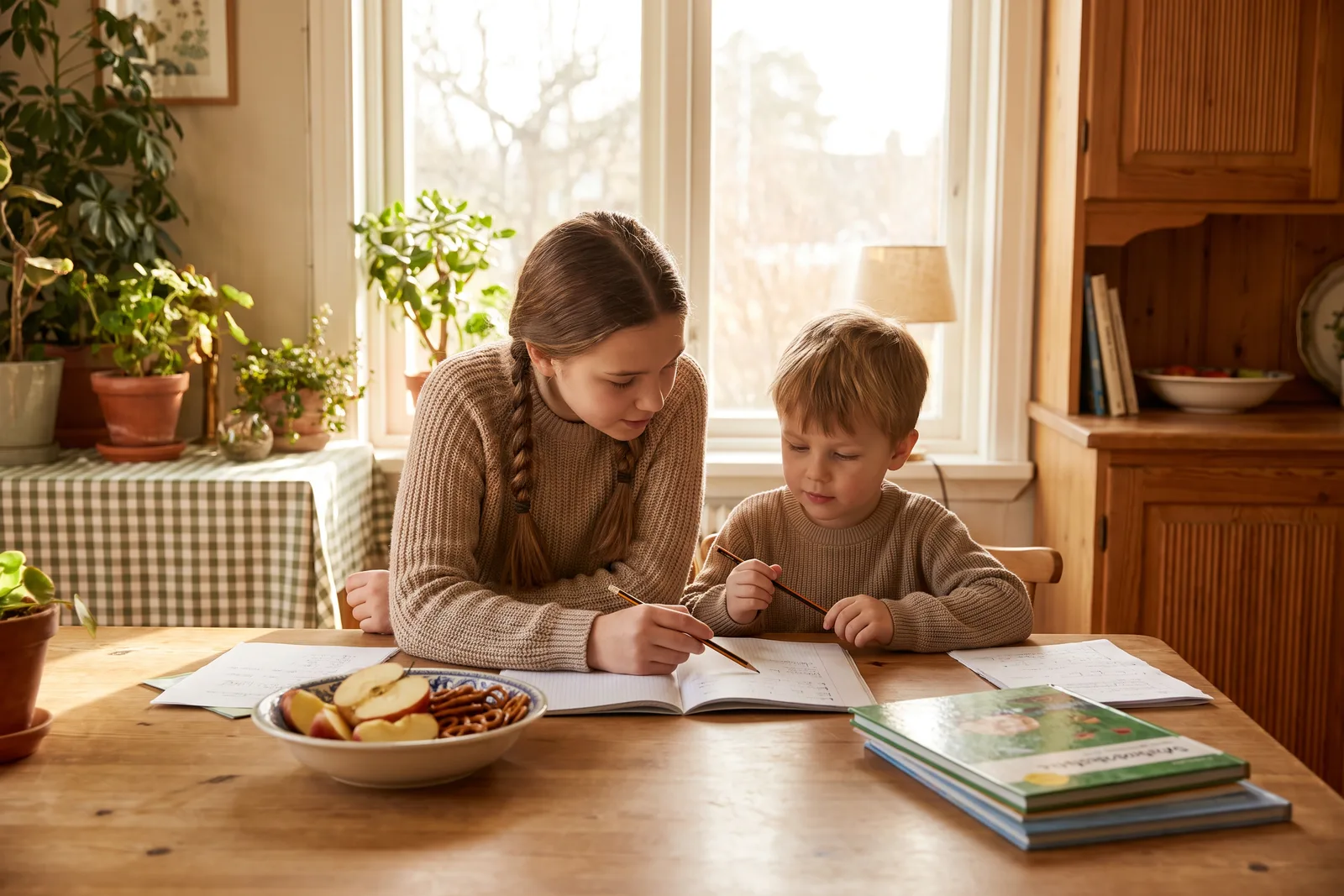
Put your oldest in charge only when they already handle being home alone well and the younger child will genuinely cooperate. Write down a short set of rules that apply to both kids, spell out what the one in charge can and cannot decide, and agree a check-in rhythm. Make it clear that calling a parent is always fine and that 911 is for real emergencies.
The first afternoon I left my two at home together, I sat in the car outside the grocery store reading the same message three times. "All good. She is eating crackers. I am not." That was it. Nobody had set anything on fire, and nobody had locked anybody out. It still felt like a very long hour, and I learned a lot from the questions both kids asked me that evening.
Leaving siblings home together is different from leaving one child home alone. You are not only asking your oldest to look after themselves. You are asking them to manage someone else, and you are asking the younger one to accept that. Both parts need preparation, and the second part is the one most families skip.
This guide is a practical, parent-to-parent checklist. It will not tell you a magic age, because there is not one, and rules on leaving children unsupervised **vary by where you live**. Check your local guidance first. What follows is how to make the arrangement fair, clear and calm once you have decided it fits your family.
Readiness signs for the one in charge
Start with the oldest on their own. If they are not yet comfortable and capable when home alone, adding a sibling only raises the difficulty. Our guide on when a child can stay home alone covers that first step. Being in charge of someone else is the next rung, not a shortcut.
- They follow house rules when you are not watching, not only when you are.
- They stay calm when small things go wrong, like a spill or a lost charger.
- They can explain what they would do in a few what-if situations without guessing.
- They actually want the job. A reluctant babysitter tends to become a resentful one.
- They can be firm with a sibling without being harsh, and they know when to stop arguing and call you.
Then look at the younger child honestly. Will they listen to their brother or sister? Do they have big feelings that tend to spill over at 4 p.m.? A capable oldest can still struggle with a sibling who refuses to cooperate. If the younger one needs a lot of hands-on care, the arrangement is probably not ready yet, whatever the oldest's maturity. For a broader look, read when siblings can babysit.
Fair rules that apply to both kids
The quickest way to sink this arrangement is to make it feel like the oldest is the boss and the youngest is the prisoner. Rules work better when most of them apply to everyone, including the one in charge. That way the oldest is enforcing family rules, not personal preferences.
Our house rules when the kids are home together
- Snacks from the snack shelf only. No cooking.
- Screens after homework, with the same time limit for both.
- Nobody opens the door to anyone.
- Nobody leaves the house or yard without asking a parent first.
- No friends over unless a parent has said yes in advance.
- If you are hurt, scared or unsure, call a parent.
Write the list down and stick it somewhere visible, like the fridge. When an argument starts, the oldest can point at the list instead of saying "because I said so". That small shift takes a lot of heat out of sibling disagreements.
What the one in charge can and cannot decide
Kids put in charge often feel they must solve everything. Relieve them of that. Be specific about the decisions that are theirs and the ones that always go to a parent.
- They can decide: which snack from the shelf, the order of homework and screen time, when to call you about a squabble, and when to give a sibling some space in another room.
- They cannot decide: to let anyone in, to leave the house, to invite friends, to use the stove or oven, to give medicine, or to change a rule you set.
Also agree what the oldest is not responsible for. They are not expected to make a sibling do homework perfectly or to punish anyone. If the younger child breaks a rule, the oldest's job is to tell you, not to enforce consequences. That keeps their relationship as siblings intact, which matters more than one quiet afternoon.
Snacks, screens, the door and the stove
These four topics cause most of the problems, so give each one a clear answer.
- 1Snacks. Set out a shelf or basket of ready-to-eat options. Cold food only removes most of the risk. If anyone has an allergy, make sure both kids know which foods are off limits and where any prescribed medicine is kept, and talk to your doctor about what is appropriate for a child to do.
- 2Screens. Same limit for both, with homework first. Agree what happens if the time runs over, so the oldest is not left negotiating with a younger sibling mid-episode.
- 3The door. Nobody answers it, including for deliveries and familiar neighbors. Our guide on whether kids should answer the door when home alone has scripts for practicing this.
- 4The stove. Off limits for both. Microwaves are a family decision, but many parents keep even that for when an adult is home in the early weeks.
If a rule causes an argument every day, the rule is unclear, not the kids.
Be Closer shows your whole family on one private map, free to start.
Consent-first, never sold, and gentle on your battery. iOS and Android.
A check-in rhythm that does not feel like surveillance
Agree check-ins in advance so nobody is sending anxious messages every ten minutes. A simple rhythm works well: one message when they are both home and the door is locked, one halfway through, and one if anything changes. You can also call at a set time if hearing their voices helps you relax.
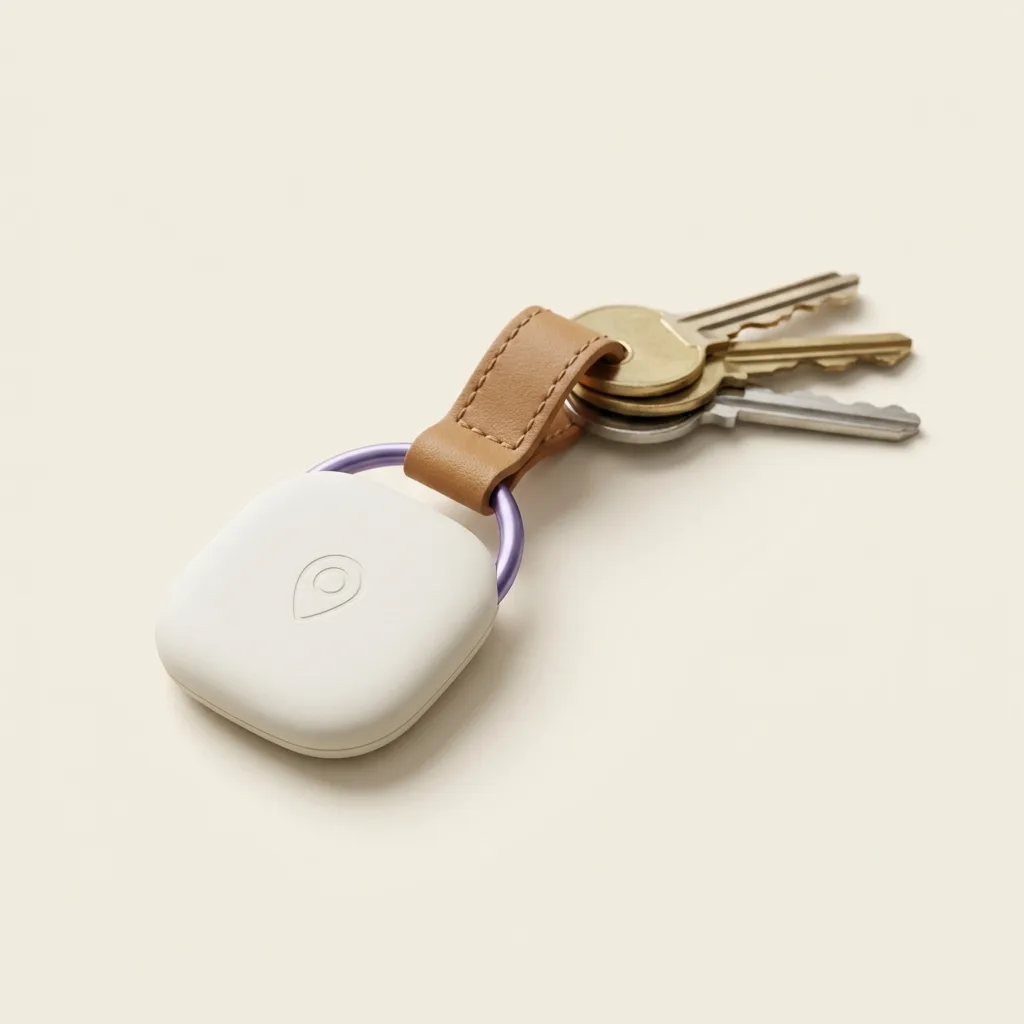
If your family uses location sharing, it can confirm that both kids arrived home without anyone needing to text. That is a useful reassurance, not a replacement for the check-in. Kids still need to practice telling you what is happening, because a dot on a map cannot tell you that the younger one is upset or that the power went out.
Keep the first few afternoons short, perhaps an hour, and build up. After each one, ask both children what went well and what was hard. You will learn more from the younger child's answer than you expect.
When to call a parent and when to call 911
Kids worry about calling for the wrong reason. Make the rule simple: calling a parent is always allowed. Nobody gets in trouble for a call that turns out to be nothing.
Call a parent when
- Someone is hurt, even a little.
- Someone knocks or rings and will not leave.
- A sibling refuses to follow the rules.
- Something breaks, leaks, beeps or smells strange.
- You feel worried and are not sure why.
Then explain 911, or your local emergency number, separately. It is for when someone is badly hurt or cannot breathe, when there is a fire or smoke, or when someone is trying to get into the house. Practice saying the home address out loud. In an emergency, the rule is to call for help first and a parent second. Also name one backup adult nearby, such as a neighbor, who can come over if you cannot be reached quickly.
Should you pay the older sibling?
Families land on different answers here, and any of them can work if you are clear about it. Some parents treat looking after a sibling as part of being in a family, like setting the table. Others pay a small amount, especially when it means the oldest gives up time with friends or activities.
- Paying can make the role feel respected and teaches that care is real work. Keep it modest and tied to the rules being followed.
- Not paying can work well for short, occasional stretches. Recognize the effort in other ways, like a later bedtime or choosing the weekend film.
- Either way, avoid letting the younger child feel like a job. Present it as the oldest helping the family, not supervising a problem.
Whatever you choose, check in regularly about whether the oldest still wants the role. Teenagers' schedules change quickly, and a child who loved being in charge in September may resent it by spring. Having an easy way out keeps the arrangement healthy.
Your first-week checklist
- 1Check your local guidance on leaving children unsupervised.
- 2Talk with each child separately, then together.
- 3Write the house rules and post them where both kids can see.
- 4Practice the door, the phone call and the emergency number out loud.
- 5Set the check-in times and name a backup adult.
- 6Start with a short stretch and debrief with both kids afterwards.
The goal is not a perfectly quiet house. It is two kids who know the rules, know their roles and know they can reach you. Get that right, and the crackers message becomes the most boring and wonderful text of your week.
Frequently asked questions

Marta writes our Kids & Teens guides. Mother of two, professional over-preparer, firm believer that independence is a skill you practice, together first, then alone. She has road-tested every checklist in her own hallway at 7:40am.
Our guides are written by Be Closer's editorial voices and reviewed by the team behind the app. Questions? support@becloser.com
Published · Updated