 Kids & Teens
When After-School Plans Change: Teaching Kids to Ask First, Then Go
Teach one simple rule: when after-school plans change, ask a parent first and wait for a clear yes before going. Give kids short scripts, agree what counts as a yes, and decide in advance what to do when nobody replies. Location sharing can ease worry, but it supports the ask rather than replacing it.
The school day ends, and suddenly there is a new plan. A friend's mom offers a ride. Practice is cancelled. Someone is going to the park and everyone else is going too. Your child makes a quick decision in a crowded hallway, and you find out an hour later when they are not where you expected.
In my experience, and in the stories other parents tell me, this is where most after-school mix-ups happen. Not on regular days, but on days when the plan shifts at the last minute. Kids are not being sneaky. They are doing what seems sensible in the moment, without realizing nobody at home knows.
The fix is one short rule our family repeats until it is boring: **ask first, then go**. This guide covers how to teach it, what to say, and what to do when the asking does not go smoothly.
Why plan changes cause the most confusion
Regular routines are rehearsed. Everyone knows the bus, the pickup spot and the time. A change skips the rehearsal. The child has to make a decision quickly, often while friends are waiting, and the adults involved may each assume someone else told the parent.
- Another parent assumes you already agreed.
- Your child assumes the other parent will tell you.
- A text is sent, but nobody waits for the reply.
- Your phone is on silent in a meeting and nobody has a backup plan.
Each of those gaps is small. Together, they produce the worried phone calls that every parent knows. A clear rule closes most of them at once. It also pairs well with a solid regular routine, like the one in our guide to coordinating after-school pickups for working parents.
The ask-first-then-go rule
The rule is short on purpose, so kids can remember it under pressure:
If the plan changes, ask a parent first. Wait for a yes. Then go.
It applies to every change: a different ride, a different place, a later time, a stop on the way home. It applies even when the new plan sounds harmless, like walking to a friend's house two streets away. The point is not that the new plan is dangerous. The point is that someone at home always knows where you are going and has agreed.
Explain the reason, not just the rule. Kids follow rules better when they understand them. Ours is simple: if something went wrong, we would need to know where to look first.
Scripts kids can actually use
Kids often know the rule but freeze when a friend or adult is waiting. Give them words to say both to you and to the people around them.
Scripts to practice at home
- To you: "Plan change. Sam's mom offered a ride to their house. Can I go? Back by 6."
- To a friend: "Sounds fun, I just have to check with my mom first."
- To another adult: "Thank you. I need to ask my dad before I can come."
- If waiting feels awkward: "Go ahead, I will catch up if they say yes."
Notice that the message to you contains who, where and until when. Practice that format so it becomes automatic. It saves several back-and-forth texts and gives you everything you need to say yes or no quickly.
Also make it easy for your child to use you as the reason. "My parents are strict about this" is a perfectly good line. Some families pair this with a private code word, as in our guide to family code words for safer pickups, so a child can signal they would rather not go without explaining in front of friends.
What counts as a yes
Be precise here, because kids are very good at interpreting silence as permission.
- A yes is a clear reply from a parent or agreed adult: a message, a call, or a voice note.
- Not a yes: no reply, a thumbs-up on a different message, or "your mom probably will not mind".
- Not a yes: another parent saying they will tell you.
- Not a yes: "I sent a text" without waiting for an answer.
Hold up your end too. Reply as quickly as you reasonably can, and when you say no, keep it brief and kind. If every request turns into a long debate, kids learn that asking is not worth it.
When nobody replies
This is the part most families forget to plan. Parents miss messages all the time. Kids need a default that does not depend on reaching you.
- 1Try the second parent or the agreed backup adult.
- 2If there is still no reply, stick with the original plan.
- 3If the original plan is no longer possible, for example practice was cancelled, wait in a safe, supervised place such as the school office and keep trying.
- 4Never accept the new plan just because time is passing.
The original plan is the safe default because it is the one you know about. If your child is stuck at school because pickup fell through, our guide on what to do when your child misses the school bus covers the next steps.
Be Closer shows your whole family on one private map, free to start.
Consent-first, never sold, and gentle on your battery. iOS and Android.
Choosing backup adults
A backup adult is someone who can say yes or no when you are unreachable, and who can come and help if needed. Pick one or two people your child knows well and trusts, such as a grandparent, a neighbor or a close family friend.
- Ask them first, and explain exactly what you are asking them to decide.
- Save their number in your child's phone and on a card in the backpack.
- Tell the school who they are, following your school's policy for authorized adults.
- Agree with them how they will let you know what they decided.
Backup adults should not be making exciting new plans on your behalf. Their role is a steady second voice, usually saying "stick to the original plan" or "wait at the office, I am coming".
How location sharing helps, and where it stops
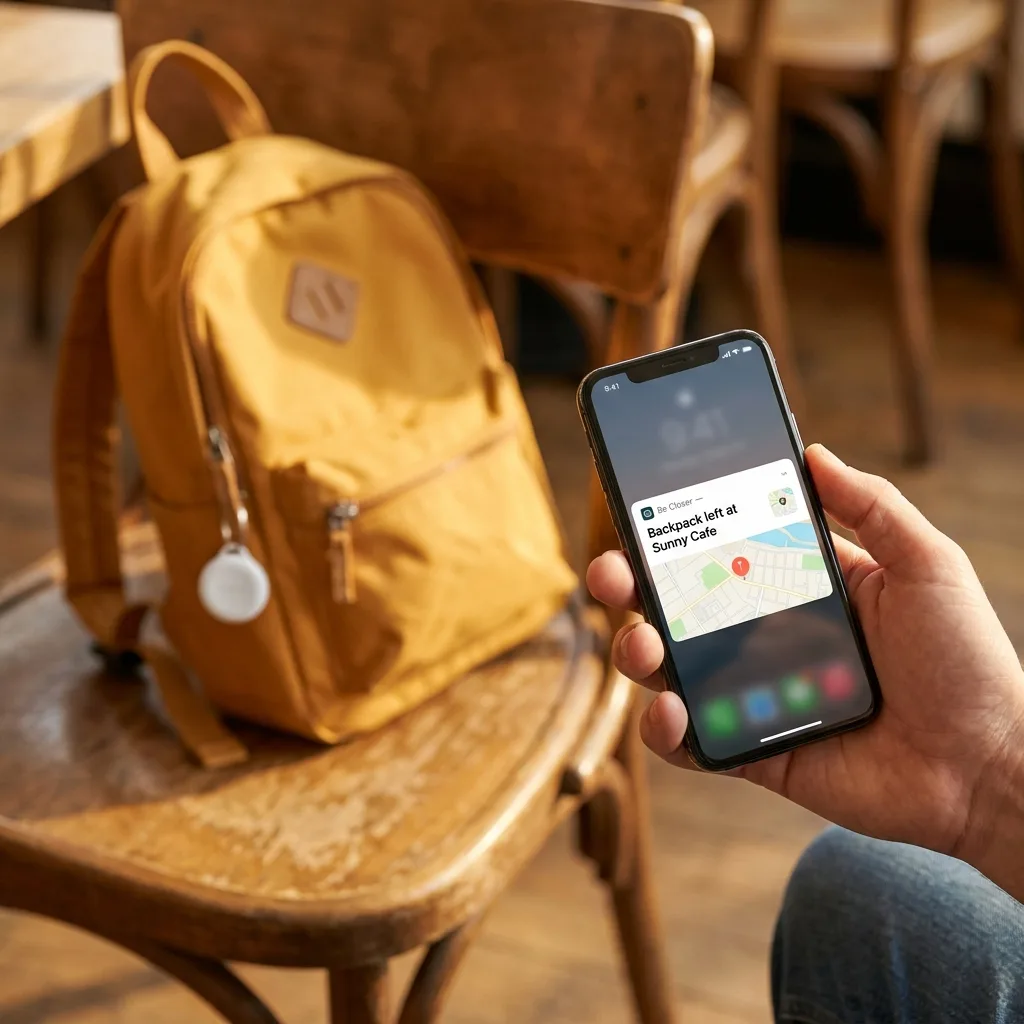
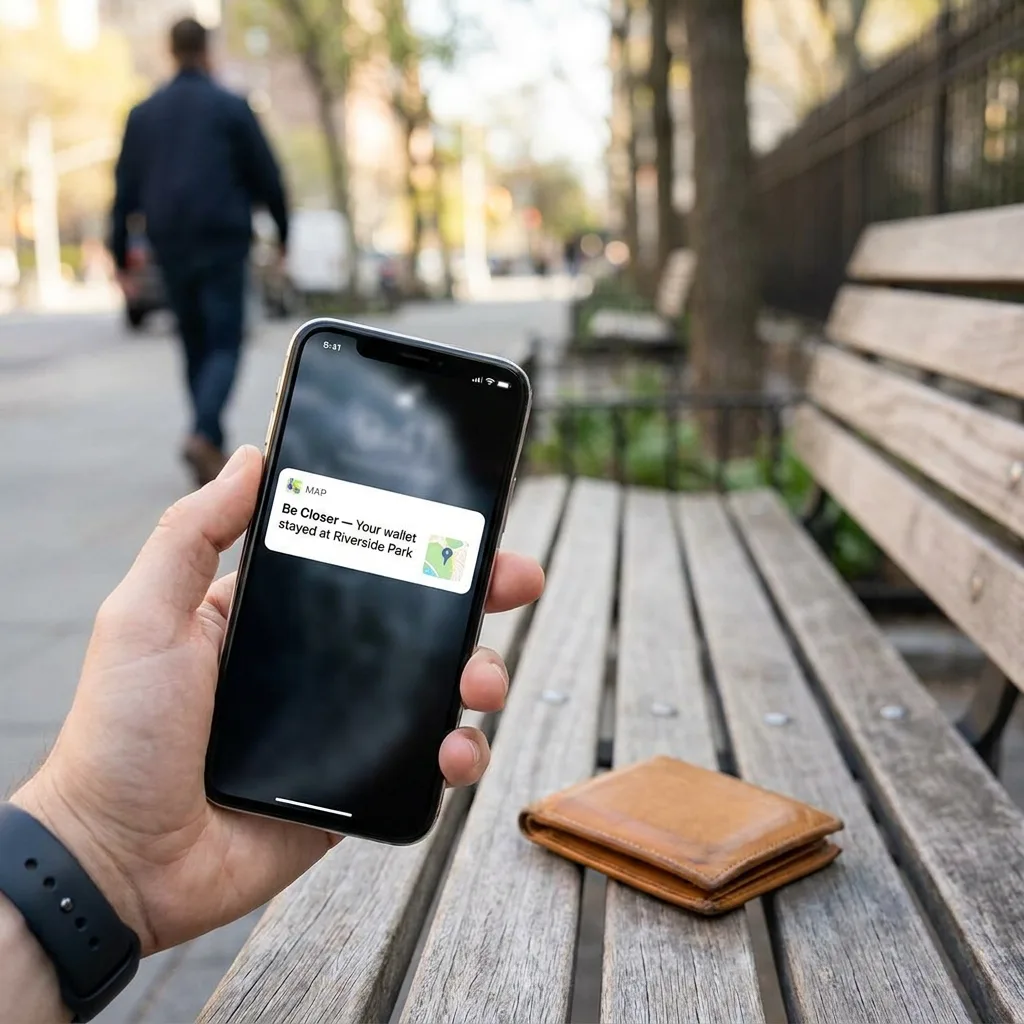
If your family shares locations, the worst moment of a plan change gets easier. When a message arrives late, you can see that your child is at the friend's house they mentioned rather than imagining every other possibility. That removes a lot of panic for parents.
But location sharing does not replace the ask. A map shows where your child is, not whether you agreed, who is with them or when they are coming home. A child who thinks "my parents can see me anyway" has skipped the step that matters. We talk about this openly at home: the app helps us stay calm, the ask keeps us all on the same page.
Location is also not always exact. Indoors or in busy areas the dot can wander. Use it as reassurance, and rely on your child's message for the details.
Handling the moments the rule gets tested
Every family rule gets tested, usually on a busy Friday. Your child will one day go first and ask later, or forget entirely. How you respond in that moment decides whether they keep asking in the future. If the reaction is a huge argument, the lesson they learn may be to hide changes rather than share them.
Start with relief that they are safe, then talk about what happened once everyone is calm. Ask what made it hard to check in. Was a friend rushing them? Was their phone low? Did they assume you would say yes? Their answer usually points to something you can fix together, like a better script or a charged phone.
- Separate the plan from the process. The new plan may have been perfectly fine. The issue is that nobody at home knew.
- Keep consequences small and related. For example, the next plan change needs a call rather than a text for a week.
- Notice improvement. When they ask first next time, say so. Kids repeat what gets noticed.
Also look at your own part honestly. If you were unreachable for an hour, or if your replies tend to arrive late, the rule may be asking for something your schedule cannot support. Adding a reliable backup adult often solves more than any lecture would.
Making the rule stick
- 1Practice with pretend scenarios at dinner: "Practice is cancelled and Mia's dad offers a ride. What do you do?"
- 2Praise the ask itself, even when the answer is no.
- 3Say yes often when the plan is reasonable, so asking feels worthwhile.
- 4If the rule is broken, talk about what happened calmly before deciding on consequences.
- 5Review the rule at the start of each school year and when routines change.
Over time, asking first becomes a habit kids carry into the teen years, when the plans and distances get bigger. That is the real payoff. You are not just preventing one confusing afternoon. You are building a family where telling each other where you are is normal.
Frequently asked questions

Marta writes our Kids & Teens guides. Mother of two, professional over-preparer, firm believer that independence is a skill you practice, together first, then alone. She has road-tested every checklist in her own hallway at 7:40am.
Our guides are written by Be Closer's editorial voices and reviewed by the team behind the app. Questions? support@becloser.com
Published · Updated