 Kids & Teens
Summer Camp Drop-Off: A Checklist for the Drive Home Tears (Yours)
Most overnight camps restrict or fully ban phones, and that's by design, it's part of what makes camp work. Pack the practical basics, agree on realistic contact expectations before you leave (usually letters or one scheduled call, not daily texts), and treat the drive home as your moment to feel your feelings, not theirs. Be Closer is genuinely useful on the travel days getting to and from camp, not for checking in once they're inside the gates.
Drop-off day has a very specific emotional shape. You spent the last two weeks assembling name-labelled socks and a duffel bag that weighs more than your child does, and now you're standing in a gravel parking lot watching them climb onto a bus with kids they've never met, and, this is the part nobody warns you about, they look completely fine. Genuinely thrilled, actually. You are the one who needs a minute in the car.
That's normal, and it's worth saying out loud before we get into the practical stuff: the tears at drop-off are almost always yours, and that's not a sign anything is wrong. It's a sign you've done your job well enough that they're ready to go do something without you.
This is a checklist for getting through the actual logistics of drop-off, the packing, the paperwork, the realistic conversation about contact, plus an honest section on what most camps do and don't allow when it comes to phones, because that's usually where the anxiety concentrates hardest.
What do most camps actually allow when it comes to phones?
Here's the part worth hearing plainly: the majority of overnight camps, and plenty of day camps too, either ban phones outright or lock them away for the duration of the stay. This isn't an oversight or a policy you can politely negotiate around, it's usually the entire point. Camps are built around unplugged time, bunk bonding, and activities that don't work well with a screen in someone's pocket, and most camp directors will tell you the no-phone rule is one of the things parents thank them for by the end of the summer.
So if you're picturing a location tracker or a quick check-in text as your backup plan for camp-week anxiety, it's worth resetting that expectation now, at drop-off, rather than discovering it on day two when a text goes unanswered for the first time.
Before you leave the parking lot, confirm
- Whether phones are banned entirely, held by staff, or allowed at limited times.
- How the camp handles genuine emergencies, usually a front-office number, not your child's cell.
- What contact is actually offered: letters, a midweek postcard system, one scheduled call, a photo update service.
- Who to call if you haven't heard anything and start to worry, get this number before you drive off, not three days in.
So where does something like Be Closer actually fit in?
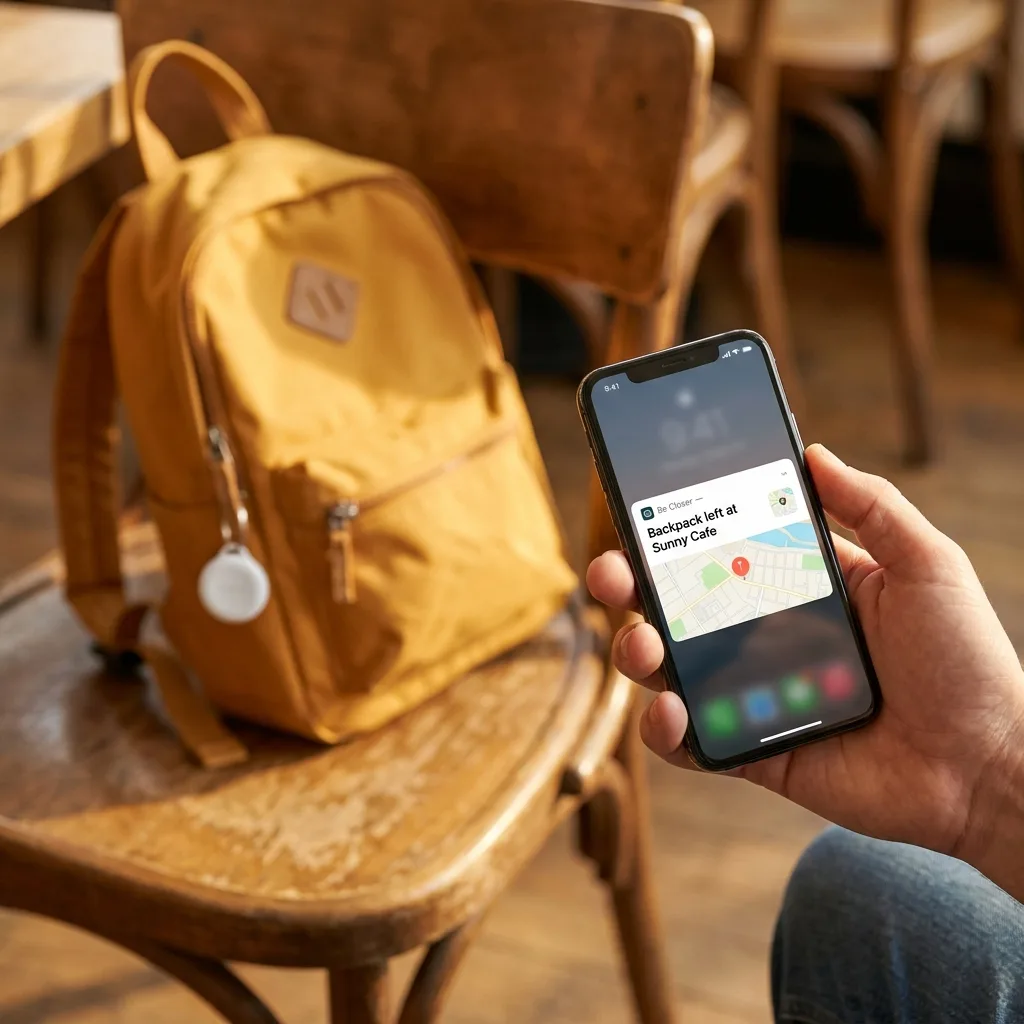
Honestly? Not inside camp. If the phone is locked in a bin in the camp office for two weeks, no app on earth is going to help you see where your child is, and pretending otherwise would just be selling you something that doesn't work. Be Closer's actual usefulness here is on the days at either end, the drive to camp, the bus ride there, the pickup day at the other end, where a quick arrival alert tells you they've reached the campsite safely, or that the bus carrying forty overtired kids home has actually left on schedule.
That's a smaller job than 'peace of mind for two weeks', and it's worth being honest about the size of it. The travel days are genuinely where a location share earns its keep. The camp days in between are where you have to trust the counsellors, the structure, and the fact that kids are remarkably good at surviving two weeks without a screen, even when it doesn't feel that way from the parking lot.
What should actually be in the duffel bag?
Every camp sends a packing list, and every packing list is slightly different, but there's a core set of things that get forgotten with predictable regularity. Use this as a final pass, not a replacement for the camp's own list.
- Name labels on literally everything, including the inside of shoes and the underside of water bottles, lost-and-found bins at camp are a genuine spectacle.
- A stamped, pre-addressed envelope or two if letters are the contact method, so writing home only takes them thirty seconds.
- Any medication in its original packaging with clear dosing instructions handed directly to the camp nurse, not packed loose in the duffel.
- A cheap, waterproof watch, useful for schedule-following when there's no phone to check the time on.
- A small comfort item that won't get mocked in a bunk, a photo, a worn t-shirt, something low-key rather than a stuffed animal if they're at the age where that matters to them.
- A printed copy of the camp's contact number for you, kept somewhere in your own bag, not just saved in your phone.
Be Closer shows your whole family on one private map, free to start.
Consent-first, never sold, and gentle on your battery. iOS and Android.
What's a realistic conversation to have about contact before you leave?
This conversation works best a few days before drop-off, not in the parking lot with the bus already idling. The goal is to set expectations low enough that silence doesn't feel like a bad sign.
- 1Ask the camp directly what contact actually looks like, don't assume, since it varies wildly between a strict two-week blackout and a daily photo upload service.
- 2Tell your child plainly: 'You probably won't have your phone, and that's fine, write when you can, and we'll see you on pickup day.'
- 3Agree on who else is allowed to write or hear from home, grandparents love a camp letter, and it takes some of the contact pressure off you.
- 4If the camp offers a photo service, resist the urge to scan every single upload for your child's face at 11pm. It's a nice extra, not a wellness check.
No news is, genuinely, good news at camp. Camps are required to call you if something's actually wrong. Silence means they're too busy having a good time to write, which is uncomfortable to sit with but is exactly what you hoped would happen when you signed them up.
How do you handle the no-device week without spiraling?
This is genuinely more about managing yourself than managing your child, so it's worth planning for on purpose rather than white-knuckling it.
- Fill the gap deliberately, book something for yourself during the exact window they'd normally be texting you after school.
- Put the camp's office number somewhere visible, not buried in your contacts, so a genuine worry has an obvious next step instead of a spiral.
- Skip the parent forums that thrive on worst-case speculation the week of camp, they're rarely useful and reliably unpleasant.
- Remind yourself that a counsellor watching twelve kids for two weeks notices far more than you'd expect, precisely because there's no phone competing for anyone's attention.
What about pickup day?
Pickup day logistics deserve their own small plan, especially if a bus is involved rather than a direct handover. Confirm the expected arrival window in advance, and if you're relying on a bus, an arrival alert the moment it's genuinely moving again is a small, practical comfort, nothing more dramatic than that, but useful all the same, in much the same way it helps on the first solo bus ride.
And brace yourself: they'll come off that bus sunburnt, slightly feral, full of inside jokes about people you've never heard of, and completely unbothered that they didn't have their phone for two weeks. That's the whole point of camp working.
Frequently asked questions

Marta writes our Kids & Teens guides. Mother of two, professional over-preparer, firm believer that independence is a skill you practice, together first, then alone. She has road-tested every checklist in her own hallway at 7:40am.
Our guides are written by Be Closer's editorial voices and reviewed by the team behind the app. Questions? support@becloser.com
Published · Updated