 Driving
Night Driving Rules for New Teen Drivers: An Agreement That Holds After Dark
Night driving deserves its own written agreement for a new driver: passenger limits, the phone in Do Not Disturb, agreed routes, a plan for tiredness, and a no-questions pickup promise. ETA sharing and a car tracker can replace the "text me when you arrive" message. Location tools cannot supervise driving moment to moment, and graduated licensing rules vary by state and country, so check yours.
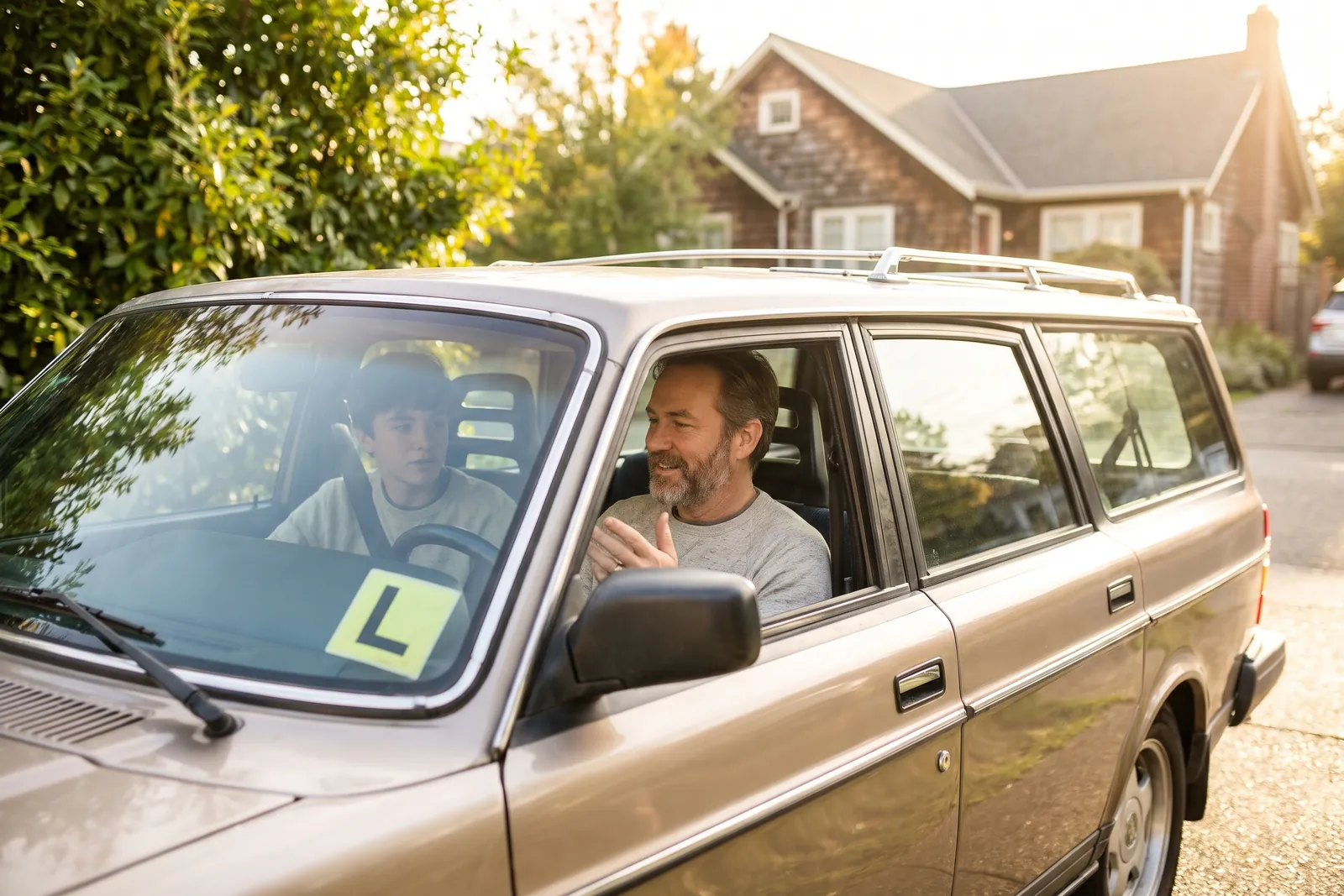
Most new drivers learn in daylight. They practise on familiar roads, in good weather, with a parent in the passenger seat. Then the clocks change, the evenings draw in, and suddenly the drive home from practice or a friend's house happens in the dark. It is a different task, and it deserves a different agreement.
We are not going to quote figures or tell you a legal curfew. Graduated licensing rules, including any night restrictions, **vary by state and country**, and they change. Check the rules where you live before you write anything down. What we can offer is a practical structure: a short written night driving agreement, and an honest account of where location tools help and where they do not.
The tone matters as much as the rules. A night agreement works when it reads like a plan two people made together, not a list of punishments waiting to happen.
Why night is harder for a new driver
Road safety bodies consistently describe night as a period when new-driver risk concentrates. The reasons are not mysterious. Visibility drops, so hazards appear later. Glare from oncoming headlights is tiring. Pedestrians and cyclists are harder to see. People are more likely to be tired, and evening trips are more likely to involve friends in the car, which adds distraction.
None of this means a new driver should never drive at night. It means night driving is a skill that needs to be built gradually, in the same way you built highway confidence or bad weather confidence. Our guide to driving in bad weather follows the same step by step approach.
Daylight teaches the car. Night teaches judgement.
Build night experience together first
Do several night drives together before the first solo one. Choose routes your teen already knows in daylight, so the only new variable is the dark. Talk through what changes: using dipped and full beam, reading road signs later, judging speed on unlit roads, and handling glare without staring into it.
- Start with short, familiar, well-lit routes.
- Add an unlit road once they are comfortable, at a quiet time.
- Include at least one drive in rain after dark, if your climate allows.
- Let them choose when they feel ready to try a route alone.
The written night driving agreement
Write the agreement down. A shared note on both phones is enough. Written rules remove the "I thought you said" argument, and they make it easier to loosen the agreement later because you can see exactly what you are changing.
Our night driving agreement
- Passengers: an agreed limit, starting low, and always within local rules.
- Phone: Do Not Disturb while driving turns on before the car moves.
- Routes: agreed in advance for regular trips, with a message if the plan changes.
- Tired: if you feel sleepy, pull over somewhere safe and call. No debate.
- Pickup: a no-questions-asked ride home, any time, from anywhere.
- Review: we look at this together after the first month.
Passenger limits deserve particular care. Friends in the car are a well known source of distraction for new drivers, and at night the effect is stronger because the driver has less spare attention. Our guide to teen passengers in the first year covers how to raise the limit gradually.
The phone rule, in one sentence
The phone goes into Do Not Disturb before the car moves, and it stays there until the car stops. This is the rule we would hold most firmly. Both iPhone and Android offer driving focus modes that silence notifications and can send an automatic reply. Set it up together so your teen knows exactly what friends will see.
Apply the rule to yourself as well. A parent who reads messages at red lights is teaching a lesson that no written agreement can undo. Our guide on Do Not Disturb while driving explains the settings on each platform.
Tiredness and the no-questions pickup
If you are tired, stop, and calling home is never the wrong answer. Tiredness is the risk teens most often underestimate, partly because they do not want to admit it and partly because they do not want to cancel plans. Make it explicitly acceptable to leave the car parked somewhere safe and get a lift.
The no-questions pickup is the backbone of the whole agreement. It means that if your teen calls at any hour because they are tired, uneasy, or riding with someone who should not be driving, you collect them, and the questions wait until the next day, if they come at all. A teen who trusts that promise will use it. A teen who expects a lecture will try to manage alone.
- 1Say the promise out loud and write it in the agreement.
- 2Agree a short code word they can text if they cannot talk freely.
- 3Keep the promise the first time it is tested, however late it is.
Be Closer shows your whole family on one private map, free to start.
Consent-first, never sold, and gentle on your battery. iOS and Android.
Replacing "text me when you arrive"
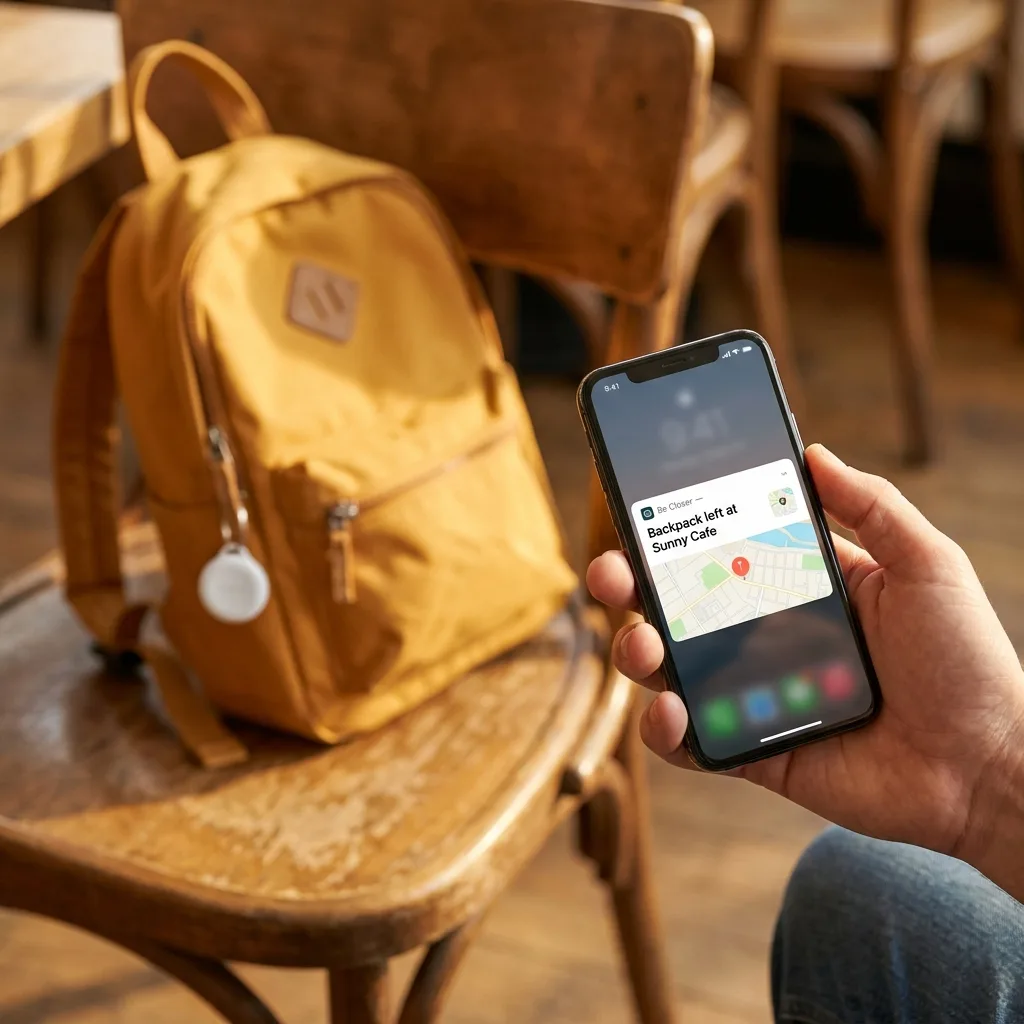
The "text me when you arrive" rule has a hidden flaw: it encourages a teen to reach for the phone at the end of a drive, sometimes before the car has fully stopped. Let the phone tell you instead. Sharing an ETA at the start of the trip, or setting an arrival alert for the destination, gives you the same reassurance without asking the driver to type anything.
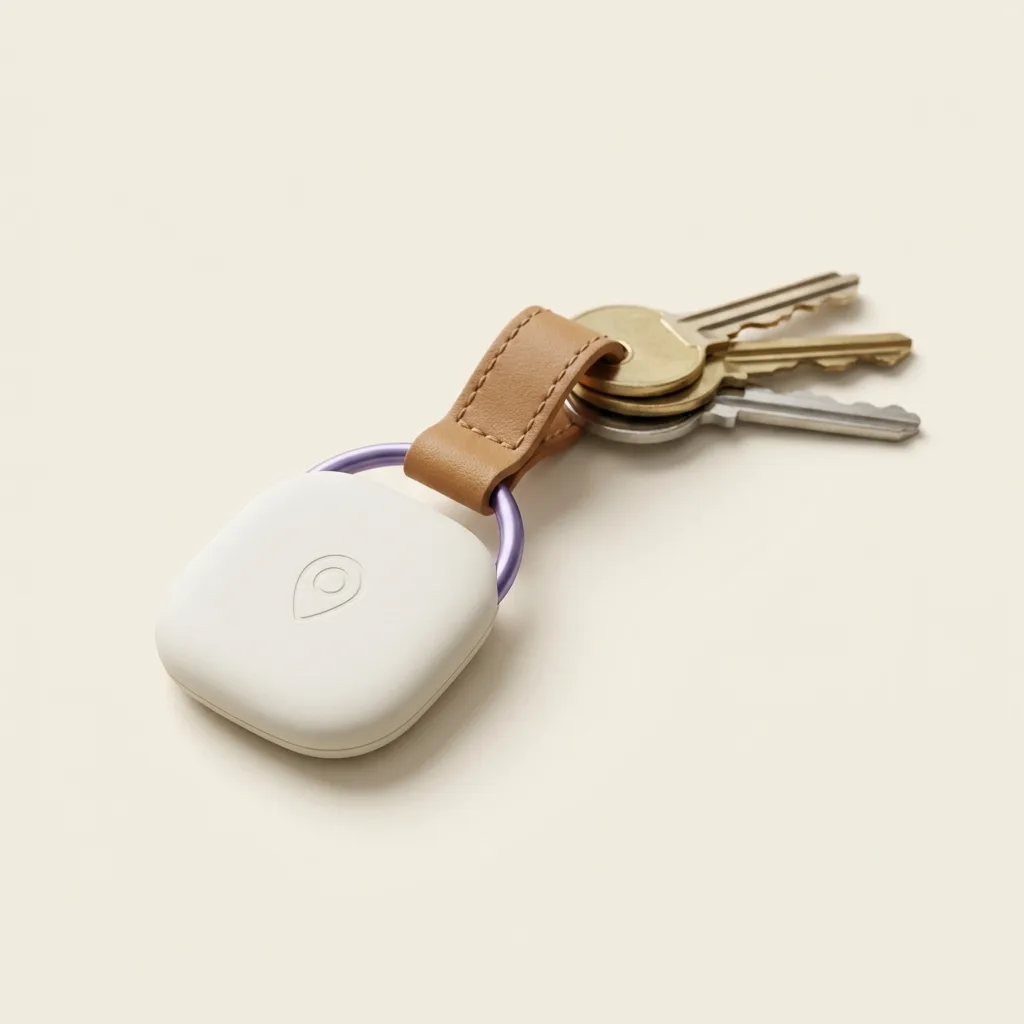
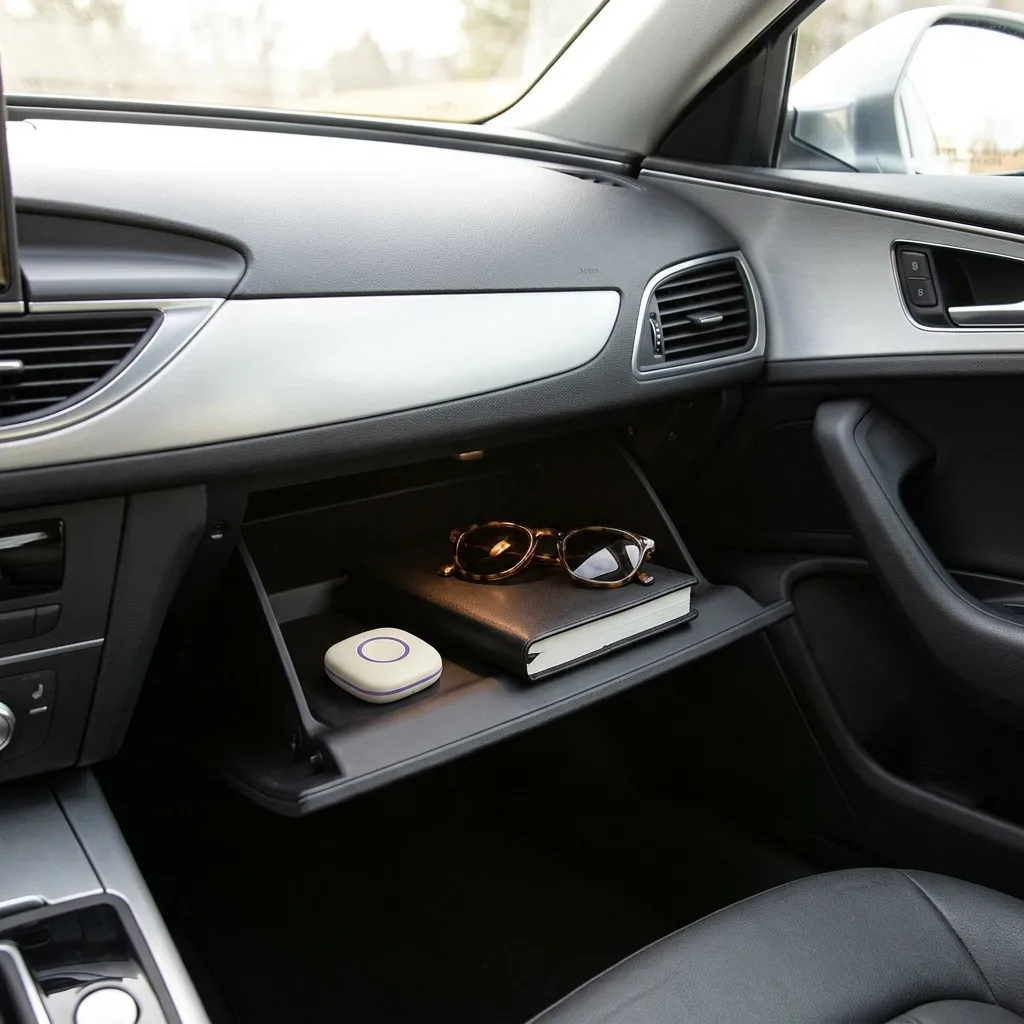
A small car tracker kept in the glove box adds another layer. It reports the car's position even if the phone battery dies or the phone is left at a friend's house, which is useful for both safety and the ordinary question of where the family car is parked. Pair it with the phone's ETA sharing and the arrival message becomes unnecessary.
- Share a live ETA for longer or unfamiliar night trips.
- Set arrival alerts for regular destinations such as work or a friend's house.
- Keep the car tracker charged and check it occasionally together.
Agreeing routes without turning them into a cage
Agreed routes are about predictability, not control. For regular night trips, such as home from work, sport or a friend's house, choose a route together that is well lit, familiar and avoids the trickiest junctions. The point is that if something goes wrong, both of you know roughly where the car should be, and your teen is driving a road they already understand in the dark.
Plans change, and that is fine. A friend needs dropping off, a road is closed, or the group decides to get food. The agreement should say what happens then: a quick message before setting off on the new route, sent while parked, not while moving. That keeps the phone rule intact and stops a detour from turning into a row later.
- Pick one main route and one backup for each regular night trip.
- Prefer main roads with lighting over quicker unlit shortcuts.
- Message any change before driving, never during.
- Revisit the routes once your teen has more night experience.
It also helps to talk about what to do if something unexpected happens on the route, such as a breakdown, a minor bump or a road that feels wrong. Knowing in advance whether to call you first, pull into a petrol station, or stay in the locked car takes the guesswork out of a stressful moment in the dark.
What location tools cannot do
We want to be honest about the limits. Location tools do not supervise driving moment to moment. They cannot see whether your teen is concentrating, whether the music is too loud, or whether a passenger is distracting them. A dot on a map is an estimate of position, updated at intervals, and it can lag or jump, particularly in areas with weak signal.
Some apps offer driving summaries, but treat any such feature as a conversation starter rather than a verdict. The agreement, the practice drives, and the trust that the pickup promise is real do far more for night safety than any map. Technology covers the journey's start and end. Judgement covers the miles in between.
Loosening the agreement over time
Plan from the start for the agreement to relax. After a month of calm night drives, raise the passenger limit by one, or extend the agreed routes. After a season, perhaps drop the route rule for familiar trips. Each step should be earned and discussed, not granted on the spot because a friend is waiting outside.
Equally, be clear about what resets the agreement. A broken phone rule or an unexplained detour is a reason to talk and perhaps step back for a while, not a reason for anger. The point is to keep the conversation going, because a teen who keeps talking to you about driving is a teen who will keep calling when it matters.
Frequently asked questions

Daniel covers privacy, consent and the technology under the hood. A dad who reads the settings screens so you don't have to, he believes the best family tech is the kind you can explain to your kid in one sentence, and that nothing should ever be tracked in secret.
Our guides are written by Be Closer's editorial voices and reviewed by the team behind the app. Questions? support@becloser.com
Published · Updated