 Kids & Teens
Two homes, one team: helping kids move smoothly between households
Kids move between two homes best when the transition is a ritual rather than an event, when the essentials are duplicated at both addresses so the bag stays light, and when both households read from one shared calendar. A single family circle that both parents join, set up openly with the child, keeps handovers calm and means nobody has to ask where anyone is.
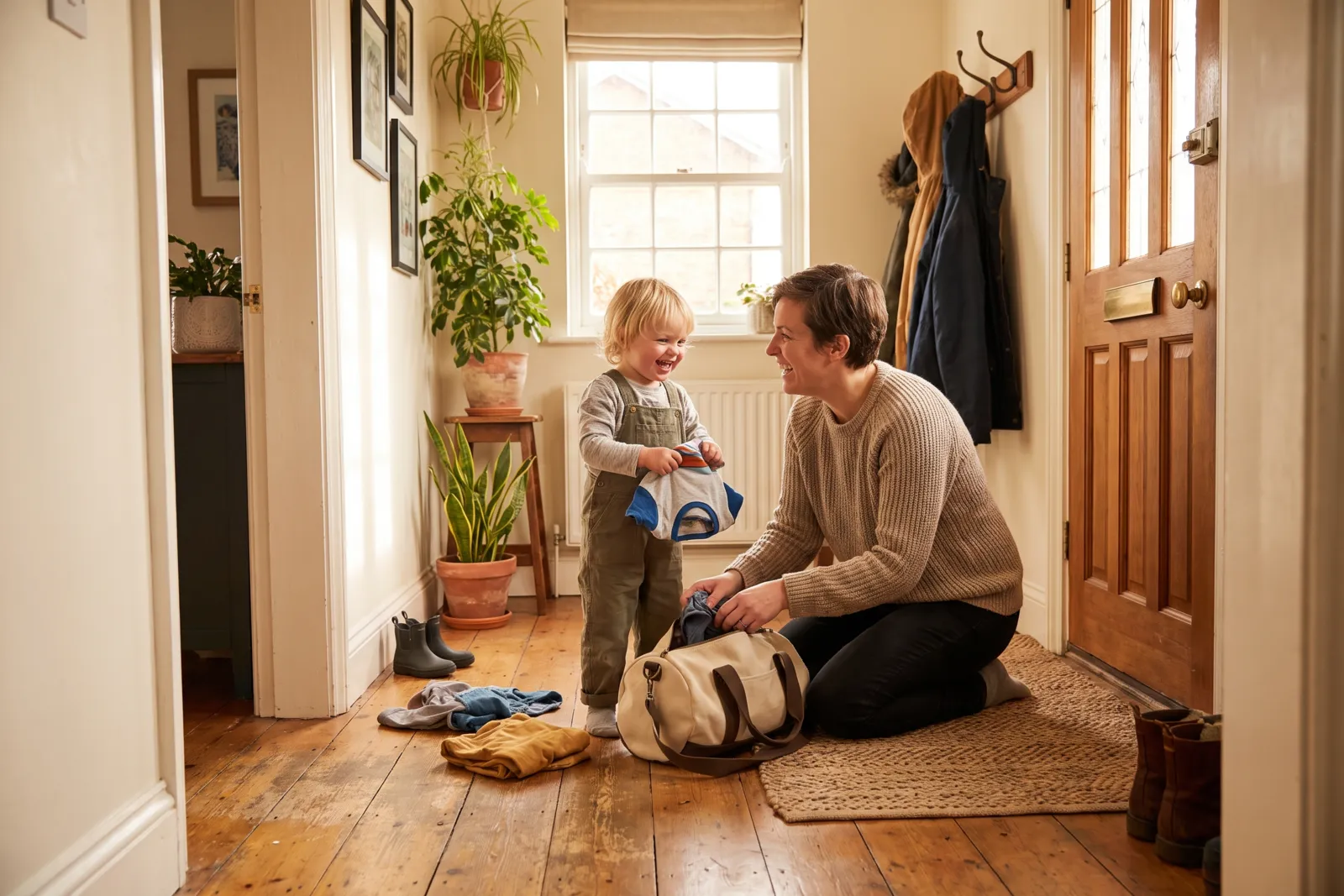
A friend once described her son's Sunday evening as "packing up his whole personality into a duffel bag". She was joking, and she was not. He was nine, he moved between two homes each week, and the part he found hardest was never the second house. It was the twenty minutes in between.
Plenty of children grow up across two households, whether that is two parents in separate homes, weeks with grandparents, or a family spread across addresses for work. It can work beautifully. What makes the difference is rarely the big stuff and almost always the logistics, because logistics are what a child experiences directly.
So this is a practical piece, deliberately. No advice about arrangements, no opinions about anyone's family. Just the systems that make transition days feel ordinary, which is the highest compliment a child can pay them.
Make the transition a ritual, not an event
The hardest part of moving between homes is almost never either home. It is the handover itself, which tends to attract every unspoken feeling in the vicinity and then hand them to the child to carry.
The fix is repetition. A ritual that happens the same way every time gives a child something to lean on, and it removes the need to read the adults' mood to work out what kind of day this is going to be.
- Same time, same place, as often as it can be managed
- A short, warm goodbye rather than a long one, because long goodbyes make the leaving bigger
- Something small and fixed at the other end: a favourite meal, a walk, twenty minutes of nothing before questions start
- No debriefing on arrival. Ask about the week tomorrow, not in the doorway.
- Adults keep their conversation to logistics in front of the child, always
That last point does more work than everything else combined. Children read tone with terrifying accuracy, and a handover that is calm and slightly boring teaches them that both places are safe.
Predictable is the goal. A child who knows exactly how the next hour will go has nothing left to worry about.
The duffel that never forgets the charger
Every family doing this has a version of the same story: the forgotten charger, the abandoned trainers, the school project left on the wrong kitchen table. The child is the one who feels it, and they usually blame themselves.
Write the list once. Laminate it or photograph it, stick it on the inside of the bag, and let the child do the packing from it as soon as they are old enough. Ownership matters here, and a list turns packing from a memory test into a task anybody can complete.
The transition bag list
- Phone and charger, or better, a charger that lives permanently at each home
- School bag, including anything due on the first day back
- Sports kit for the specific days it is needed
- Medication, in its box, with the dose written on it
- The comfort item, whatever it is, and no comment about age
- One outfit that is theirs and not duplicated, because favourites matter
- Headphones, book, or whatever makes the journey pleasant
Then aim to shrink that list every term. The goal is a bag that could be forgotten entirely and the week would still work.
Duplicate the boring things
The single highest value change most families make is buying second copies of unglamorous items. A toothbrush, pyjamas, school shoes, a phone charger, a hairbrush, chargers again because they vanish, and enough basic clothing that laundry never becomes a negotiation between two houses.
It costs money up front and it buys back something significant: the child stops feeling like a visitor. A drawer that is theirs, already full, says you live here in a way that no conversation does.
- 1Start with chargers and toiletries. Cheapest items, biggest daily friction.
- 2Add school essentials next: PE kit, a spare water bottle, basic stationery.
- 3Then bedding and pyjamas, so nothing has to be washed and returned on a schedule.
- 4Let the child choose their own duplicates where possible. Agency is the point, not just the object.
- 5Keep one thing that always travels, deliberately. A single item that belongs to them everywhere is grounding.
If one of the homes is new, the settling in period has its own rhythm and it takes longer than adults expect. Our guide on helping kids settle after moving house applies almost word for word to a second home.
Be Closer shows your whole family on one private map, free to start.
Consent-first, never sold, and gentle on your battery. iOS and Android.
One calendar, read by everyone
Two households, two calendars and one child is a design that generates missed dentist appointments. The fix is unromantic: one shared calendar that both homes can see and edit, holding everything that involves the child.
- Which home the child is at, marked as an all day entry
- School events, parents evenings, non uniform days, term dates
- Clubs, matches, lessons, with the address and the finish time
- Medical and dental appointments, with who is taking them
- Birthdays, parties and the deadline for replying to the invitation
Two conventions make it work. Whoever hears about something first adds it, immediately, even if the details are incomplete. And the calendar is the source of truth, which means if it is not on there, nobody is expected to know about it. That single rule ends an entire genre of argument.
Once the child is old enough, give them access too. A twelve year old who can check their own week is a twelve year old who has stopped feeling like luggage.
One family circle, joined by both homes
Location sharing across two households is either a relief or a source of friction, and which one it becomes is decided entirely by how it is set up.
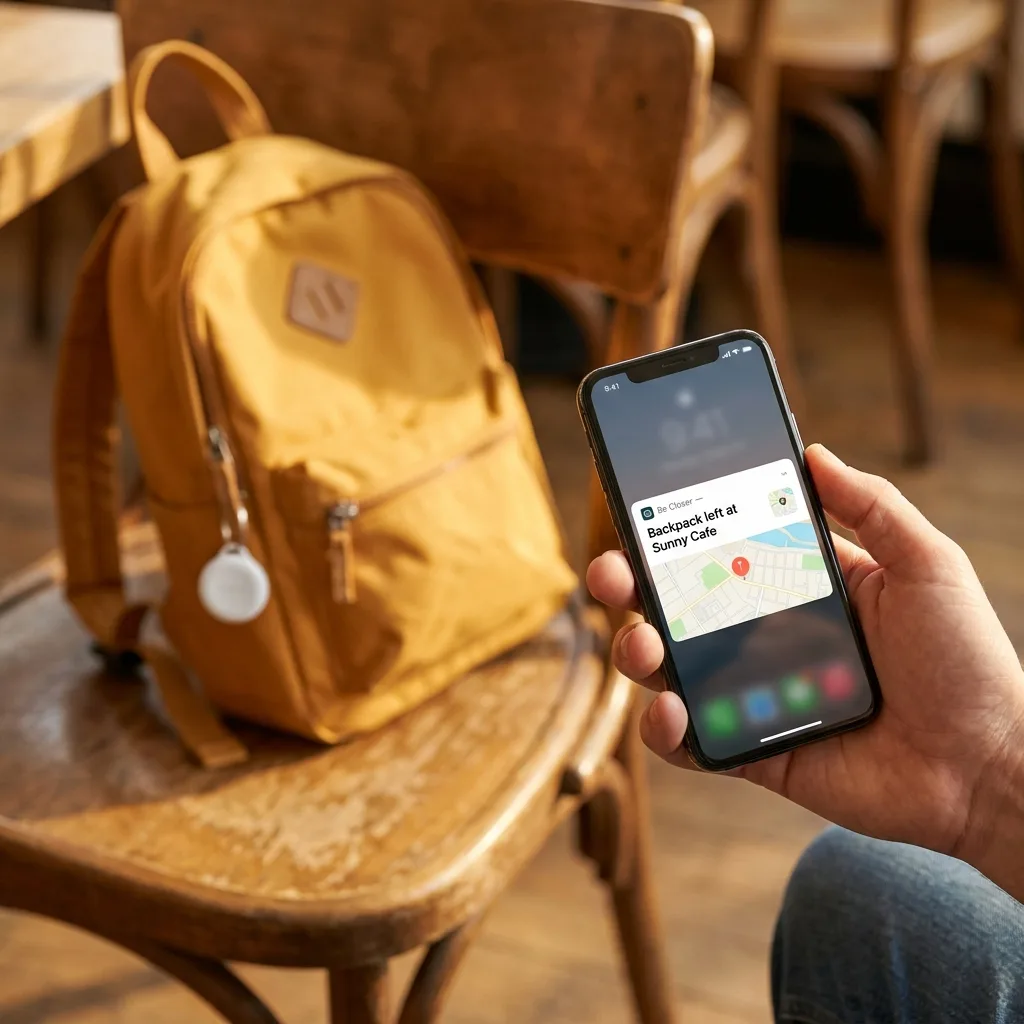
The version that works is one circle, joined openly by the adults in both homes and by the child, agreed in a conversation the child is part of. Arrival alerts for school and for each home mean nobody has to send a message asking whether the handover happened. It just shows as done, quietly, and the day carries on.
The version that causes trouble is two separate arrangements set up privately, or an app used to check on another adult rather than to coordinate a child. If either household feels monitored, the whole thing sours, and the child ends up in the middle of it, which is precisely what all of this is supposed to prevent.
Setting it up so it stays consent first
- Explain it to the child before switching anything on, and let them ask questions
- Say plainly who can see what, and make it the same for everyone in the circle
- Use arrival alerts rather than watching a moving dot
- Agree it is for coordination, not for checking up on an adult
- Revisit it as the child gets older, and be willing to loosen it
Be Closer is free to download and works across 13 languages, which matters if one household speaks a different language day to day. Be straightforward about the limits as well: location depends on a charged phone and a decent signal, so it supplements the calendar and the plan rather than replacing them. The conversation in talking to your teen about location sharing is worth reading before you set anything up, because the framing there works just as well across two homes.
Keeping the child at the centre
Everything above is logistics, and logistics are only useful because they leave room for the part that matters. A child moving between homes should still get to be a child with opinions, friendships, and some say over their own week.
- Ask what they would change about transition day, then actually change one thing
- Protect friendships across both addresses. A friend who can visit either home is worth a lot of driving.
- Let them have things at each house that the other house knows nothing about. Privacy is normal.
- Do not use them as a messenger between adults, ever, even for something small
- Notice out loud when they handle something well. This is genuinely a lot to manage.
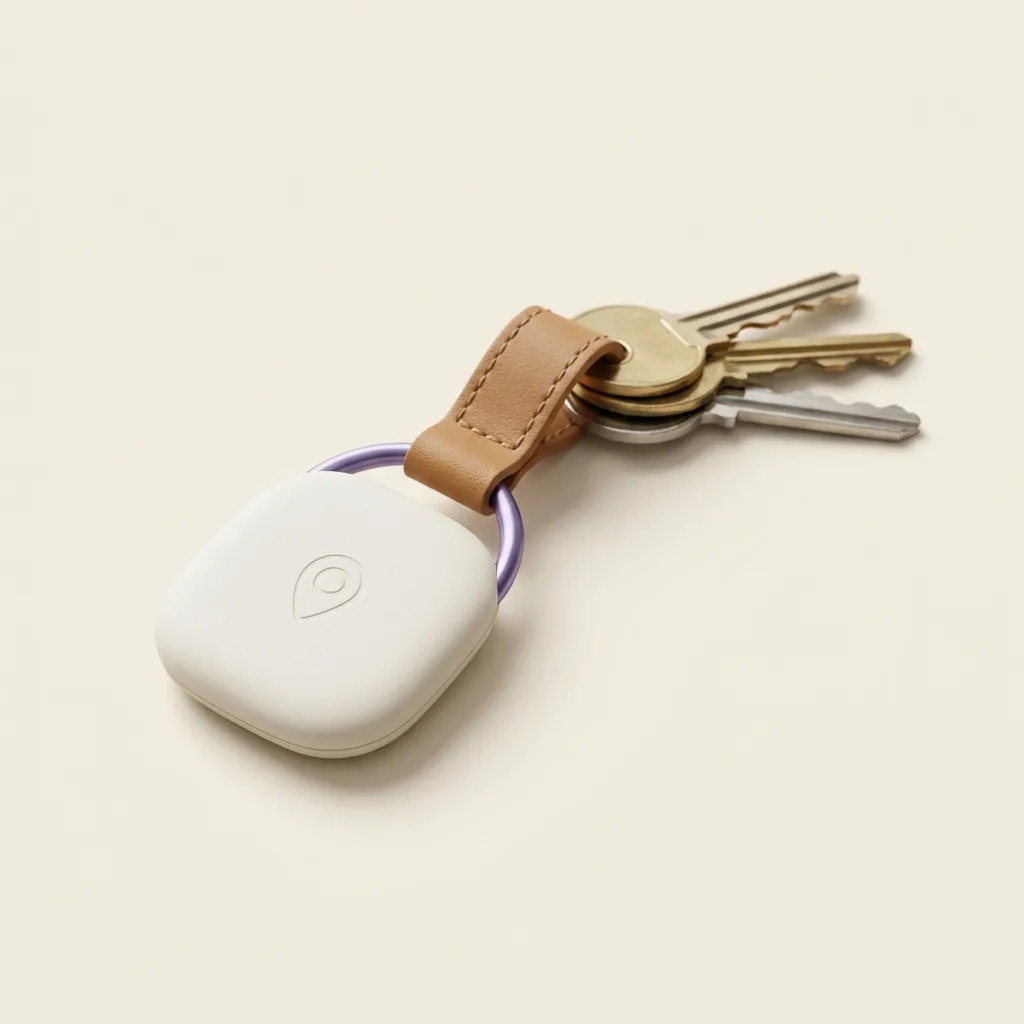
Keys deserve their own mention, because a child with a key to both homes is a child who belongs to both. If that is a step you are considering, your child's first house key covers the practicalities of doing it well.
The families I know who have made this work best all say a version of the same thing. They stopped trying to make the two homes identical and made them both reliable instead. Different meals, different bedtimes, different houses, same certainty about what happens next. Children can hold two of almost anything as long as neither one wobbles.
You are not building one household in two places. You are building two places a child can relax in.
Frequently asked questions

Marta writes our Kids & Teens guides. Mother of two, professional over-preparer, firm believer that independence is a skill you practice, together first, then alone. She has road-tested every checklist in her own hallway at 7:40am.
Our guides are written by Be Closer's editorial voices and reviewed by the team behind the app. Questions? support@becloser.com
Published · Updated