 Aging Parents
The blue bowl problem: keys, wallets, and the small slips we don't talk about
Losing keys or a wallet now and then is ordinary, not decline, but a real 'home' for the things that go missing, plus a small tracker as backup, saves everyone a lot of frantic mornings. Notice patterns rather than incidents, and if the pattern shifts meaningfully, mention it gently to a doctor rather than diagnosing it yourself.
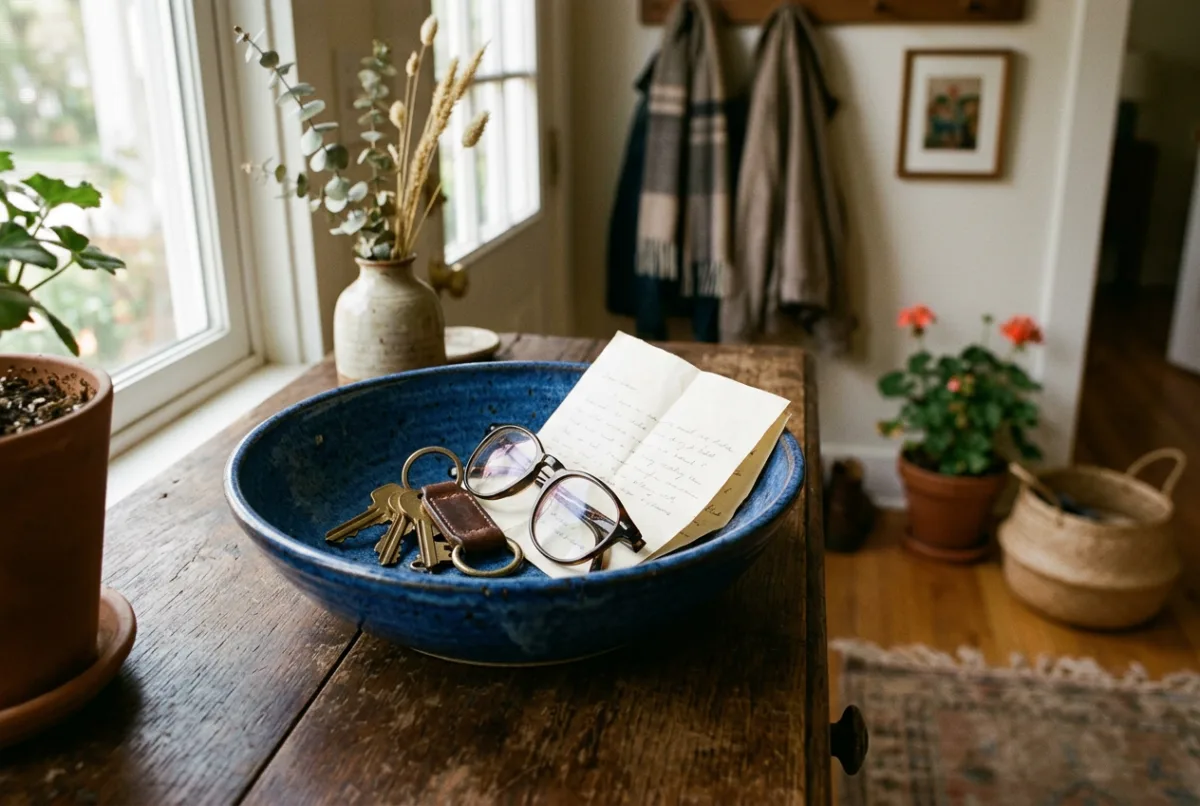
There is a blue bowl by my father's front door. It has been there since before I was born, chipped along one edge from a house move in the nineties, and its entire job is to hold his keys. It has done this job, with mixed success, for thirty years.
I say mixed success because the bowl only works if the keys make it into the bowl, and my father is a man who has spent thirty years being extremely confident that he will remember where he put them without any bowl's help. Some evenings they land in the bowl. Some evenings they land on the arm of the sofa, in his coat pocket, or, memorably, once, in the fridge, next to the butter, for reasons none of us has ever managed to reconstruct.
This isn't a story about decline. It's a story about how ordinary these slips are at any age, and how the households that handle them best don't treat them as symptoms to be monitored, they treat them as a design problem. Where does this thing live. What backs it up when the design fails. Who gets to know, and how much.
Is losing keys a sign of something serious?
Almost always, no. Misplacing keys, forgetting where the glasses went, or losing a thread mid-sentence happens to distracted twenty-year-olds and sharp eighty-year-olds alike. The mind is doing six things at once and the sixth one, apparently, is remembering which pocket the wallet went in. A single slip tells you nothing.
What's worth paying attention to isn't the incident, it's the pattern, and even then, patterns are something to notice with warmth, not something to build a case file around. Is this happening more often than it used to for this particular person? Is it paired with other changes, like getting turned around on a familiar route, or repeating a question shortly after it's been answered? One lost key means nothing. A cluster of new, unfamiliar confusion is worth a gentle conversation with a GP, not because you're diagnosing anything, but because a doctor is the right person to look at a pattern properly, and most causes of that kind of change are manageable once named.
The mistake I see families make is skipping straight past the ordinary explanation. Keys go missing because homes have too many surfaces and not enough habits. That's fixable this week, with nothing more medical than a bowl.
What does 'one home for everything' actually mean?
The principle is almost insultingly simple: every object that tends to wander gets exactly one place it lives when it's not in use, and that place is by the door, not in a drawer. Keys, wallet, glasses, hearing aid case, whatever the recurring cast of characters is in your parent's particular drama. The blue bowl works about seventy percent of the time in our house, which sounds unimpressive until you compare it to the zero percent success rate of 'just remember'.
- Pick the busiest doorway, not the tidiest surface. The place your parent actually passes through, even if it's less photogenic than the hall table.
- Make the container obvious, not decorative. A bowl, a hook, a tray, something that stands out from its surroundings by colour or shape, so it registers on the way past even when attention is elsewhere.
- Build the habit around an existing action, like putting keys down at the exact moment coats come off, rather than as a separate task to remember.
- Say it out loud for a while. "Keys in the bowl" repeated cheerfully for a few weeks does more than any lecture about memory.
None of this needs to be framed as help for a struggling person. It's just good household design, the same as labelling the fuse box or keeping spare bulbs in one drawer. Everyone's house runs better with a system; this is simply a system that happens to matter more as we get older.
What's the backup for when the system fails?
Systems fail. That's not a criticism of anyone's discipline, it's just what happens with objects and human attention over enough repetitions. The useful question isn't how to make the system perfect, it's what happens on the mornings it isn't.
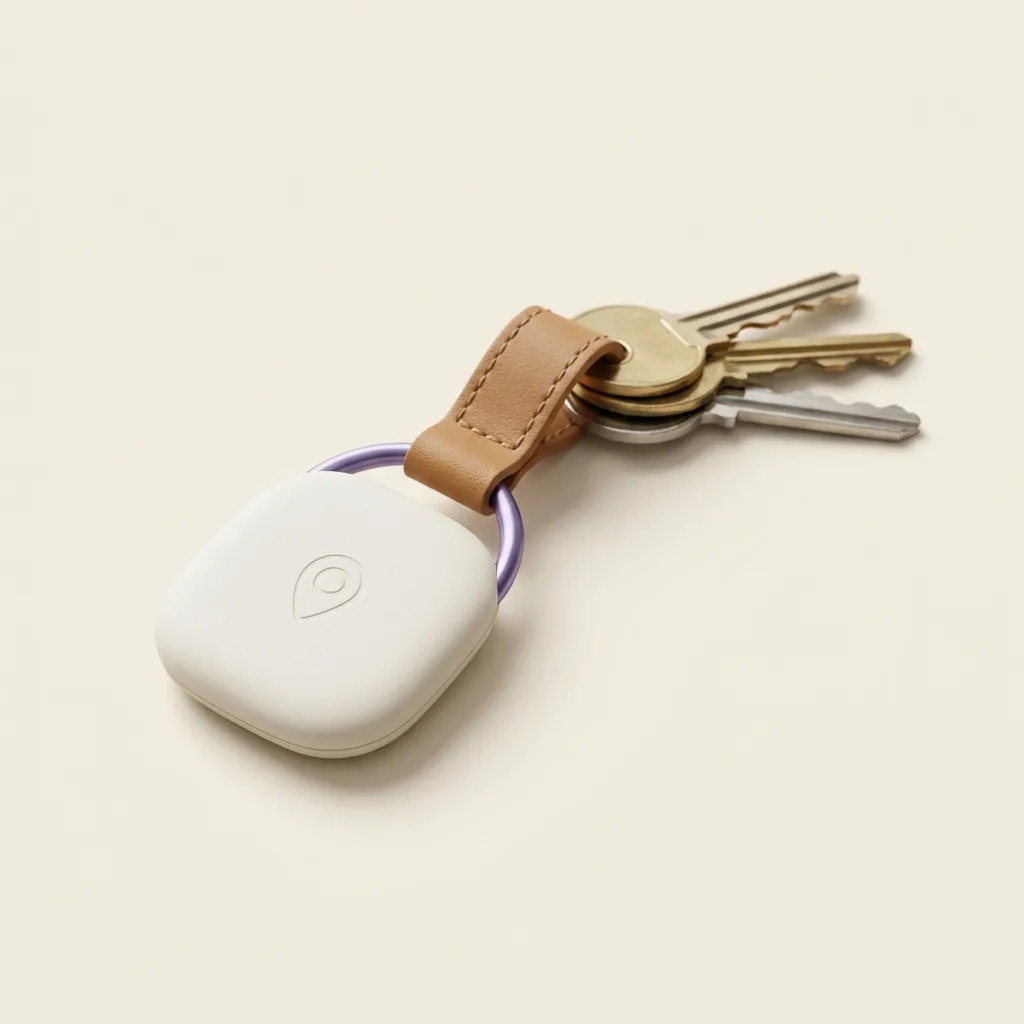
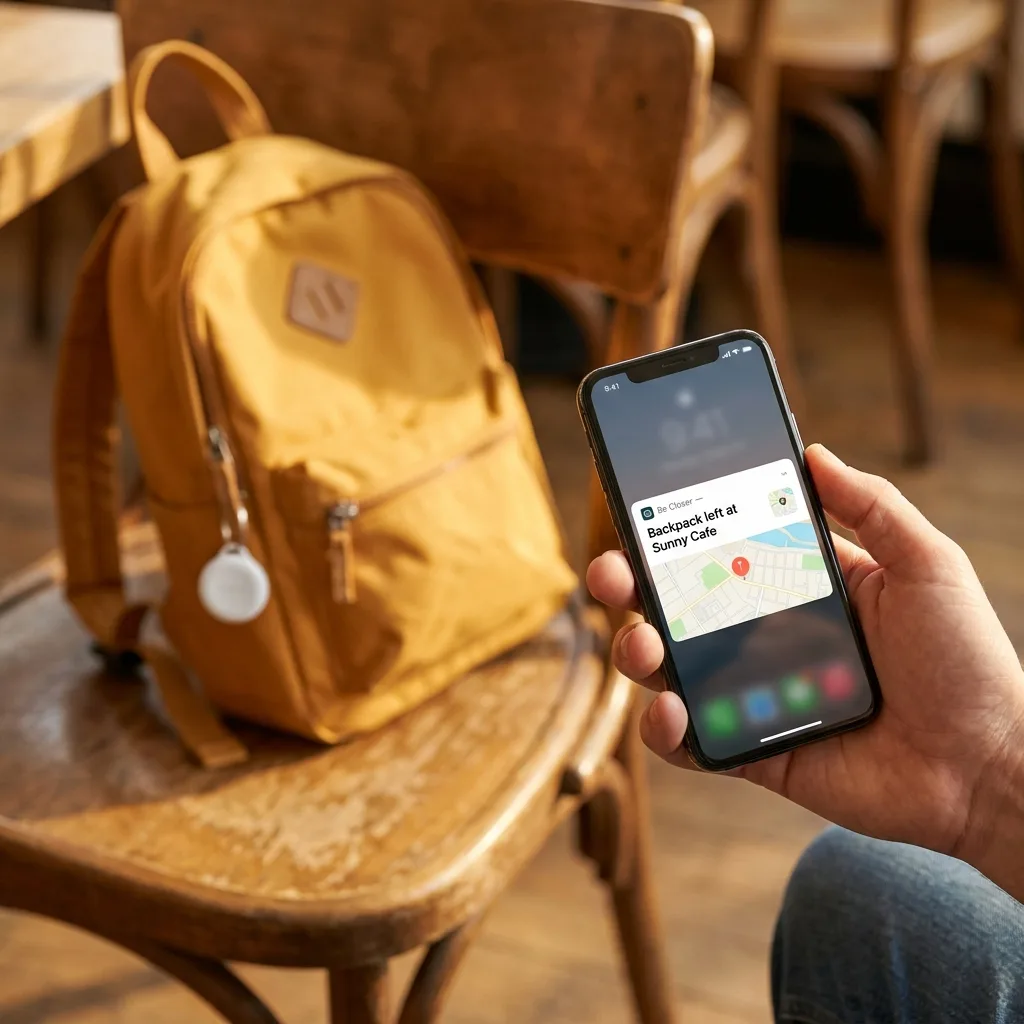
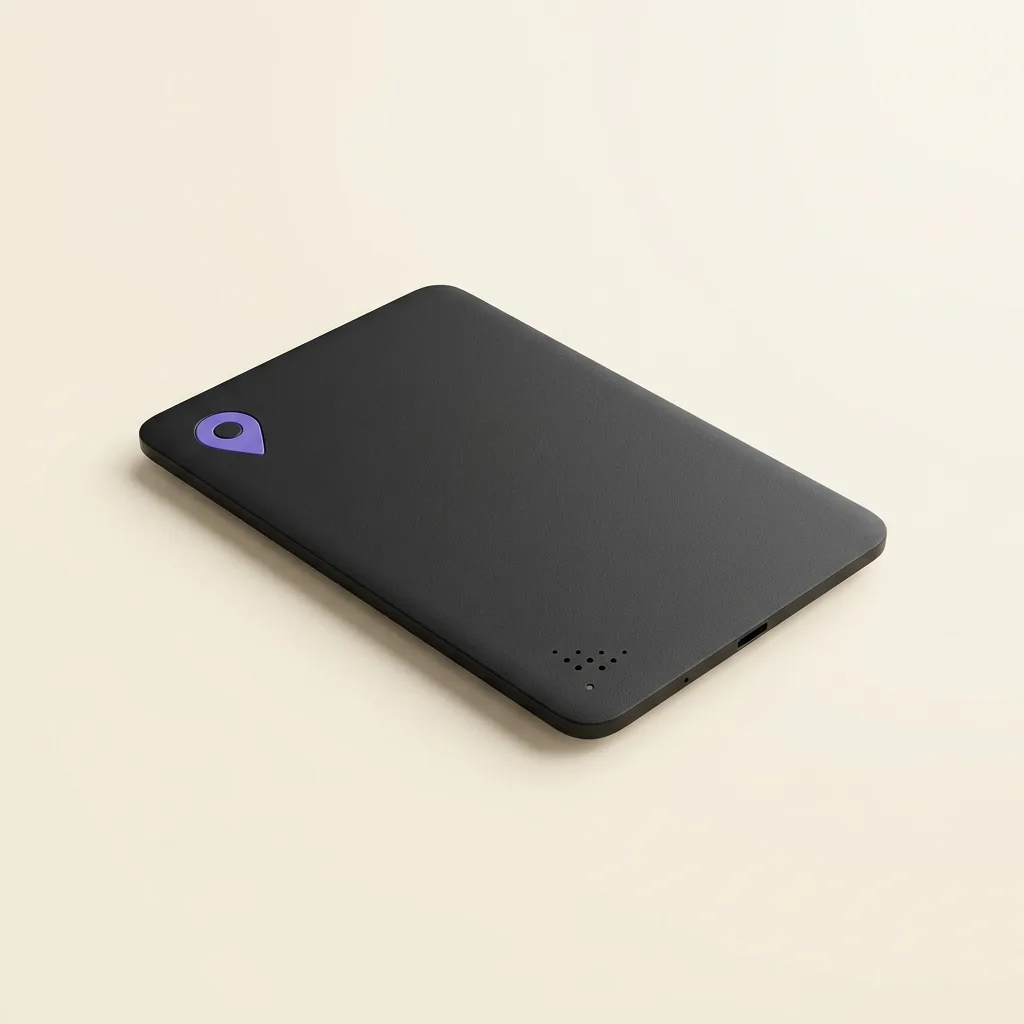
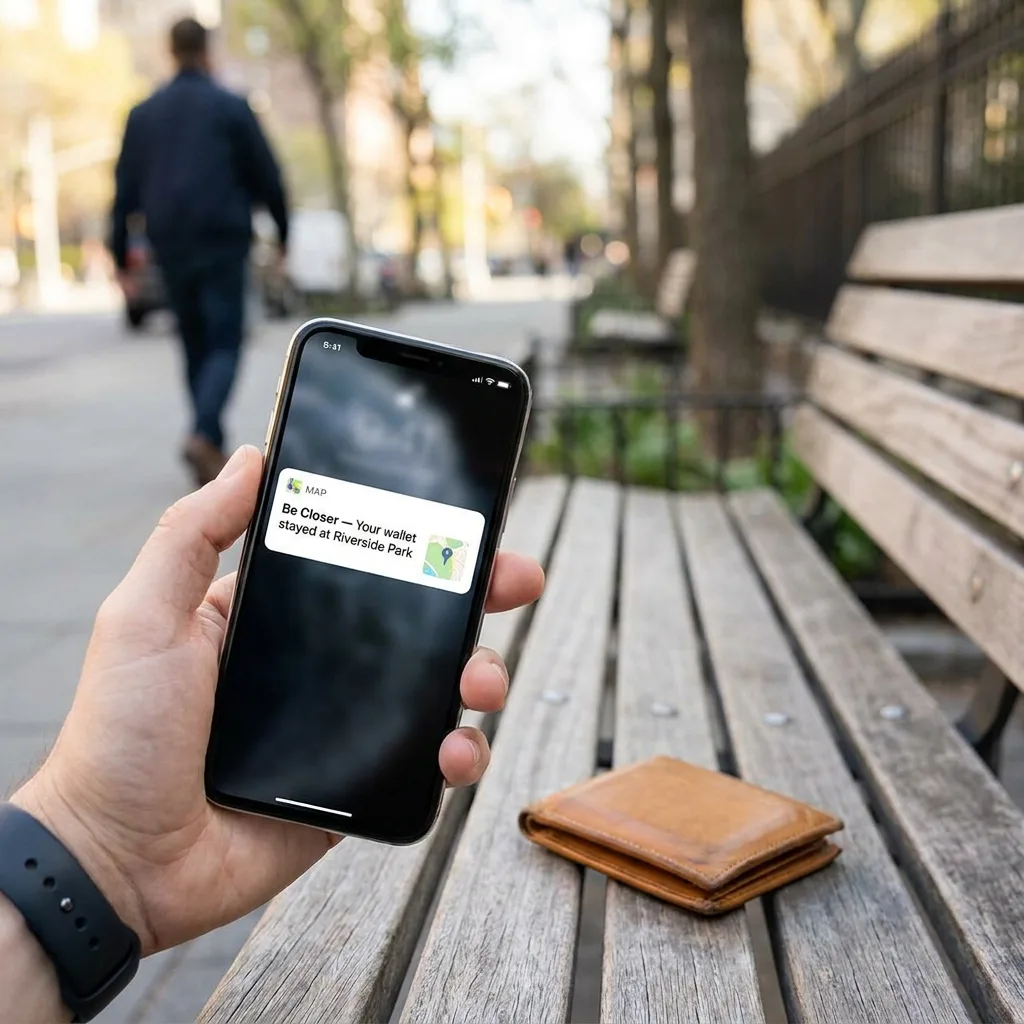
This is where a small tracker earns a quiet place in the blue bowl itself, rather than the phone or the drama. A slim card-shaped tag tucked into a wallet, or a small tag clipped to a keyring, doesn't change any habits or ask anyone to do anything differently. It just means that when the keys genuinely aren't in the bowl, in the coat, or in the fridge, there's a way to narrow the search from 'the whole house' to 'the study, second shelf' in about thirty seconds, using an app rather than an hour of increasingly tense searching.
What a tracker is for here, and what it isn't
- It's for finding a specific, named object: keys, wallet, a handbag. Not for watching a person's movements through the day.
- It works best kept where the object usually lives, so it doesn't become one more thing to remember to carry.
- It should be something your parent knows about and agreed to, not a surprise found weeks later in a drawer.
- A Be Closer Card fits neatly into a wallet; a Tag suits a keyring, handbag, or coat zip.
The distinction matters because the same technology that finds a lost wallet can, deployed differently, feel like surveillance of a person. Keep the conversation and the object focused on things, not on tracking a life, and it tends to land as help rather than monitoring. For the broader picture of a safety setup that respects this line, see Aging parents living alone: a safety setup that respects their independence.
Be Closer shows your whole family on one private map, free to start.
Consent-first, never sold, and gentle on your battery. iOS and Android.
How do you bring this up without it sounding like an accusation?
The words matter less than the tone, but the words still matter. "You keep losing your keys" sounds like evidence being read into a record. "I keep losing my keys too, actually, should we just get a bowl by the door and a little tracker so neither of us has to think about it" sounds like a shared, faintly funny household improvement, because it usually is one.
My father agreed to the tracker only after I put one on my own keys first and complained, entirely honestly, about how often I lose mine on a Tuesday. Shared vulnerability does more work than concern ever will. Nobody wants to be the subject of a safety initiative. Everyone will happily join in on a system that's framed as useful for the whole family, including the person proposing it.
He still thinks the tracker is really for me. I've stopped correcting him. It works either way.
What if the slips start to look different?
There's a category of change worth noticing separately from the ordinary run of misplaced objects: getting lost on a walk that's been taken a thousand times, forgetting an appointment that was written down and mentioned that morning, or a new difficulty following a conversation that used to be easy. These aren't things to solve with a bowl.
This is not a diagnosis and I'm not qualified to give one, and neither, probably, are you. What's useful is simply keeping a loose, unofficial note of what changed and when, so that if a conversation with a GP does become the right next step, you're bringing observations rather than alarm. "He's been getting turned around on the walk to the shops the last few weeks, which is new" is a genuinely useful sentence for a doctor. Panic isn't.
| Situation | Reasonable response |
|---|---|
| Keys or wallet go missing occasionally | A home for the object, plus a tracker as backup |
| A new, unfamiliar route confusion | Note it, mention it to a GP without urgency |
| Repeated questions in the same conversation | Note frequency, raise gently at next check-up |
| A sudden, sharp change over days | Contact a doctor promptly, not next month |
Frequently asked questions

Priya writes about the family members we care for at every age, parents living alone, dogs that bolt at squirrels, and the quiet worry in between. She writes the way she checks in: gently, and always dignity first.
Our guides are written by Be Closer's editorial voices and reviewed by the team behind the app. Questions? support@becloser.com
Published · Updated