 Privacy & Trust
Location History Explained: Who Actually Sees It
Location history is a stored trail of where a device has been, and it is separate from live sharing. In a family app only the people in your circle can see it, for as long as the app keeps it, and everyone in the circle should know it exists. Agree who sees what and how long it is kept before anyone turns it on.
Almost every question I get about location sharing is really a question about history. People are broadly comfortable with a live dot on a map, because a live dot is a fact about right now. A list of everywhere you went last Thursday feels like a different thing entirely, and it is reasonable to feel that.
The confusing part is that the two get bundled together in conversation, and often in the same settings screen. So families end up agreeing to one and quietly receiving the other, which is exactly the sequence that damages trust later.
This guide separates them. What history actually is, who can see it, how long it lasts, what it is genuinely useful for, and the short set of rules I would want agreed in my own house before anyone switched it on.
Live location and location history are two different things
Live location answers one question: where is this device now. It is a single point, it updates, and it replaces itself. When you close the map, there is nothing left to read.
Location history answers a different question: where has this device been. It is a stored sequence of points with times attached. The moment a point is saved rather than replaced, you are in history territory, and the rules you want around it are different.
- Live sharing. Now only. Useful for meeting up, checking a drive is going fine, finding each other in a crowd.
- Recent trail. The last day or two of movement. Useful for retracing steps and for working out where a phone was left.
- Longer history. Weeks or months of places and times. Useful rarely, and worth thinking about carefully.
If you want the mechanics of how a phone works out its position in the first place, how your phone knows where it is covers that without the jargon. This guide is about what happens to those positions afterwards.
Who can see it
In a consent based family app, the answer is short: the people in the circle, and nobody else. Membership is visible, everyone can see who is in the group, and there is no version where a person is in the map without appearing in the list. That visibility is the whole design, not a feature.
That still leaves questions worth asking about any app you use, including ours. Who inside the circle can see history rather than just live position. Whether a person can see their own history. Whether leaving the circle removes what was stored. Whether history is on by default or something you choose.
The four questions to ask about any location app
- Who in my circle sees history, not just live location?
- Can I see exactly what other people see about me? If the answer is no, that is the answer.
- How long is it kept, and can I delete it?
- What happens when someone leaves the group?
Be Closer is free to download, is used in 13 languages, and holds 4.4 stars across more than 150,000 ratings on the App Store and Google Play with over 10M downloads. None of that is the reason to trust it with history. The reason is that everyone in the circle can see the same membership list and the same settings, so nothing about the arrangement is a surprise to the person being seen.
How long history is kept
Retention is the number people forget to check. An app that keeps two days of movement and an app that keeps two years are doing very different things with the same word. We wrote a separate piece on the question because it comes up so often: how long location history is kept.
My own view is simple. Keep the shortest history that does the job you actually need. For most families that job is retracing a lost phone or a lost afternoon, which needs a day or two, not a season. Longer retention is not sinister, it is just rarely useful and it grows the amount of information sitting around about people you love.
If you cannot name the situation where you would open last month's trail, you do not need last month's trail.
What it is genuinely good for
There are real uses, and pretending otherwise makes the whole conversation dishonest. A recent trail is the fastest way to find a phone that was put down somewhere in a long day. It settles the question of whether a delivery driver actually reached the door. It shows an older parent's usual route when a walk takes longer than expected, which is reassurance rather than surveillance.
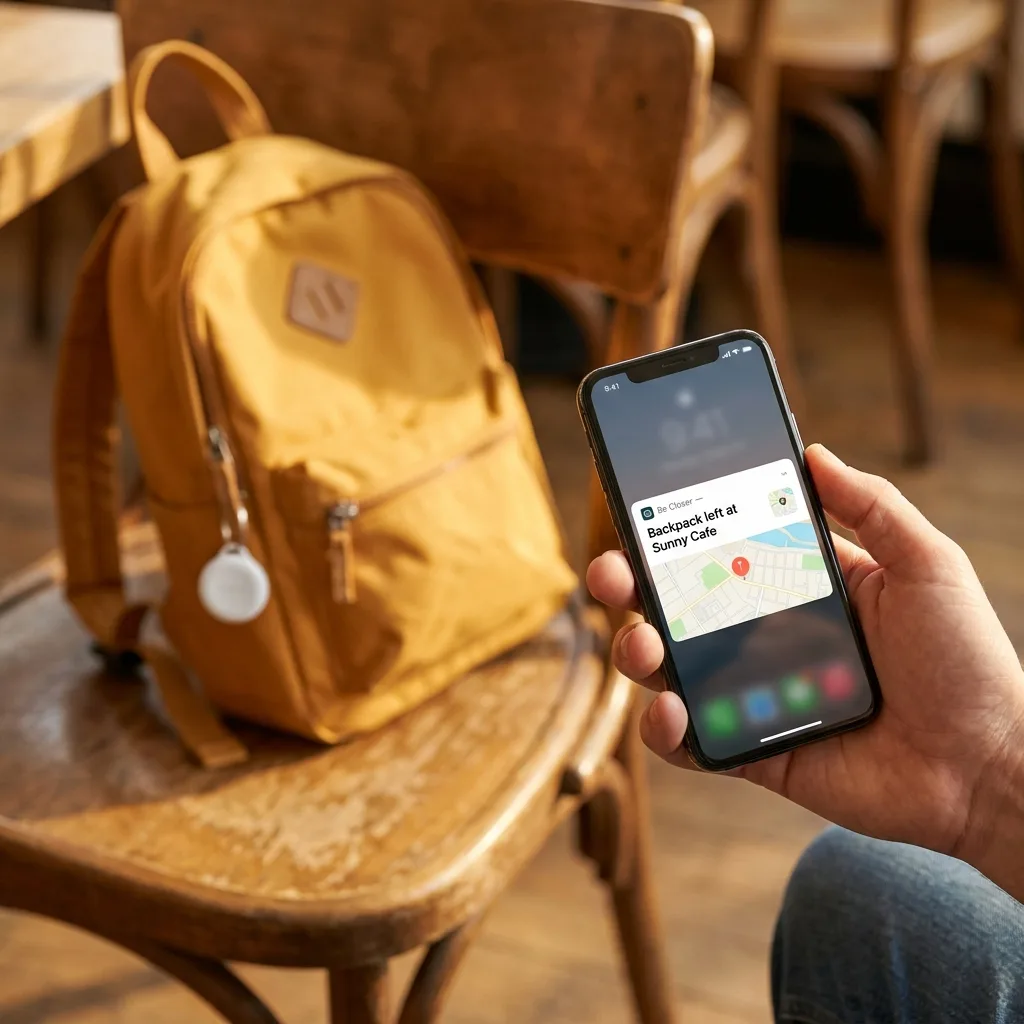
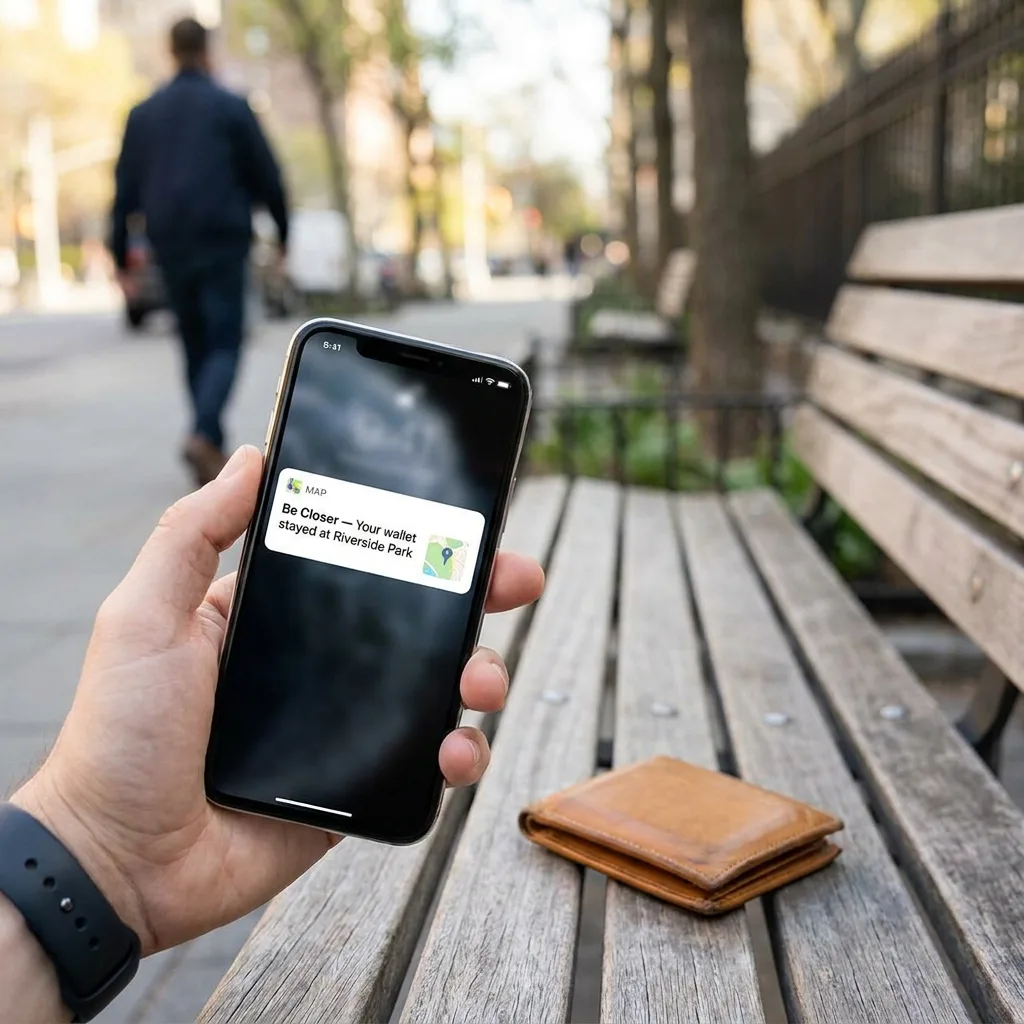
- 1Retracing a lost phone or bag. Look at the last known points, work backwards, ring the venue.
- 2Confirming an arrival after the fact. Did the drop off happen, did the shift start, was the appointment reached.
- 3Understanding a delay. Not to interrogate, but to know whether to worry or to put the dinner back twenty minutes.
Notice what is missing from that list. Checking up on an adult, testing a teenager's story, or building a picture of somebody's week are not uses, they are habits, and they cost more than they return. If the arrangement is starting to feel like monitoring, talking to teens about location sharing is a better next step than a longer history setting.
Be Closer shows your whole family on one private map, free to start.
Consent-first, never sold, and gentle on your battery. iOS and Android.
The rules I would agree first
History works when it is boring, mutual and short. Every family I have spoken to that fell out over a map fell out because one of those three was missing. Write the rules down once, in plain words, and revisit them when circumstances change.
One sentence rules that hold up
- Everyone in the circle can see the circle. No hidden members, ever.
- Whatever I can see about you, you can see about me.
- We keep the shortest history that is actually useful.
- We look at history for a reason, not as a routine.
- Anyone can ask to change this and we will talk about it.
That last line does more work than the other four combined. A rule that can be reviewed is a rule people keep. If you like this format, one sentence privacy rules for families has more of them, and how to pause location sharing covers the practical side of stepping out for an afternoon without it becoming an incident.
Two honest limits to state out loud while you are at it. History is only as complete as the phone's connection and battery allowed, so gaps are normal rather than suspicious. And a stored point tells you where a device was, not what a person was doing. Treat the map as one input, and the conversation as the actual source of truth.
Gaps, dead zones and why a trail is never complete
A stored trail looks authoritative, which is exactly why it deserves a warning label. It is built from whatever the phone managed to record and send, and both halves fail regularly in ordinary life.
- No signal. A basement, a lift, a rural road or a thick building will stop updates reaching anyone.
- Low battery. Phones reduce background activity as they get low, and a flat phone records nothing at all.
- A phone in a bag indoors. Position gets vaguer, and points can drift by a street.
- Airplane mode. Location may still be worked out on the device, but nothing leaves it until data comes back.
So a straight line across a park is usually two points joined by a guess, not a walk. A missing hour is usually a tunnel or a battery, not a mystery. The map shows where a device reported from, not where a person was, and holding that distinction lightly prevents an enormous amount of unnecessary upset.
This is also why accuracy claims need reading carefully. Up to 95% accuracy describes good conditions with a clear view of the sky. Indoors, underground or in a dense city street, expect less, and expect it to be worst exactly when someone is somewhere unusual.
Setting it up so nobody feels ambushed
The mechanics take a few minutes. The conversation is the part that determines whether this is fine in six months, so do that first and do it with everyone present rather than announcing the result afterwards.
- 1Open it together. Everyone holds their own phone. Nobody sets up an account for somebody else who is out.
- 2Show what you can see. Open your own profile as the others see it, so the arrangement is demonstrated rather than described.
- 3Decide history separately from live sharing. They are different questions and deserve different answers.
- 4Agree retention. The shortest setting that does the job you named.
- 5Put a review date in the calendar. Three months is plenty. A setting that gets reviewed is a setting people accept.
If someone in the family is reluctant, that is useful information rather than an obstacle. Ask what specifically bothers them. Nine times out of ten it is history rather than live position, and the answer is simply to keep live sharing and leave the trail short. A smaller arrangement everyone agreed to beats a complete one that half the household resents.
Nothing here should be a surprise to the person it describes. That single sentence is the test I apply to every location feature we build, and it is a good test for any app you are considering, ours included.
Frequently asked questions

Daniel covers privacy, consent and the technology under the hood. A dad who reads the settings screens so you don't have to, he believes the best family tech is the kind you can explain to your kid in one sentence, and that nothing should ever be tracked in secret.
Our guides are written by Be Closer's editorial voices and reviewed by the team behind the app. Questions? support@becloser.com
Published · Updated