 Aging Parents
Grandparents Taking the Grandkids Out: A Day-Trip Plan Both Generations Love
Choose an outing around both generations' comfort, then agree on health needs, rest, food, transport and pickup before leaving. Use optional shared arrival check-ins rather than repeated messages, and make photos and treats part of the same conversation. Keep the day flexible and debrief with appreciation, not an inspection.
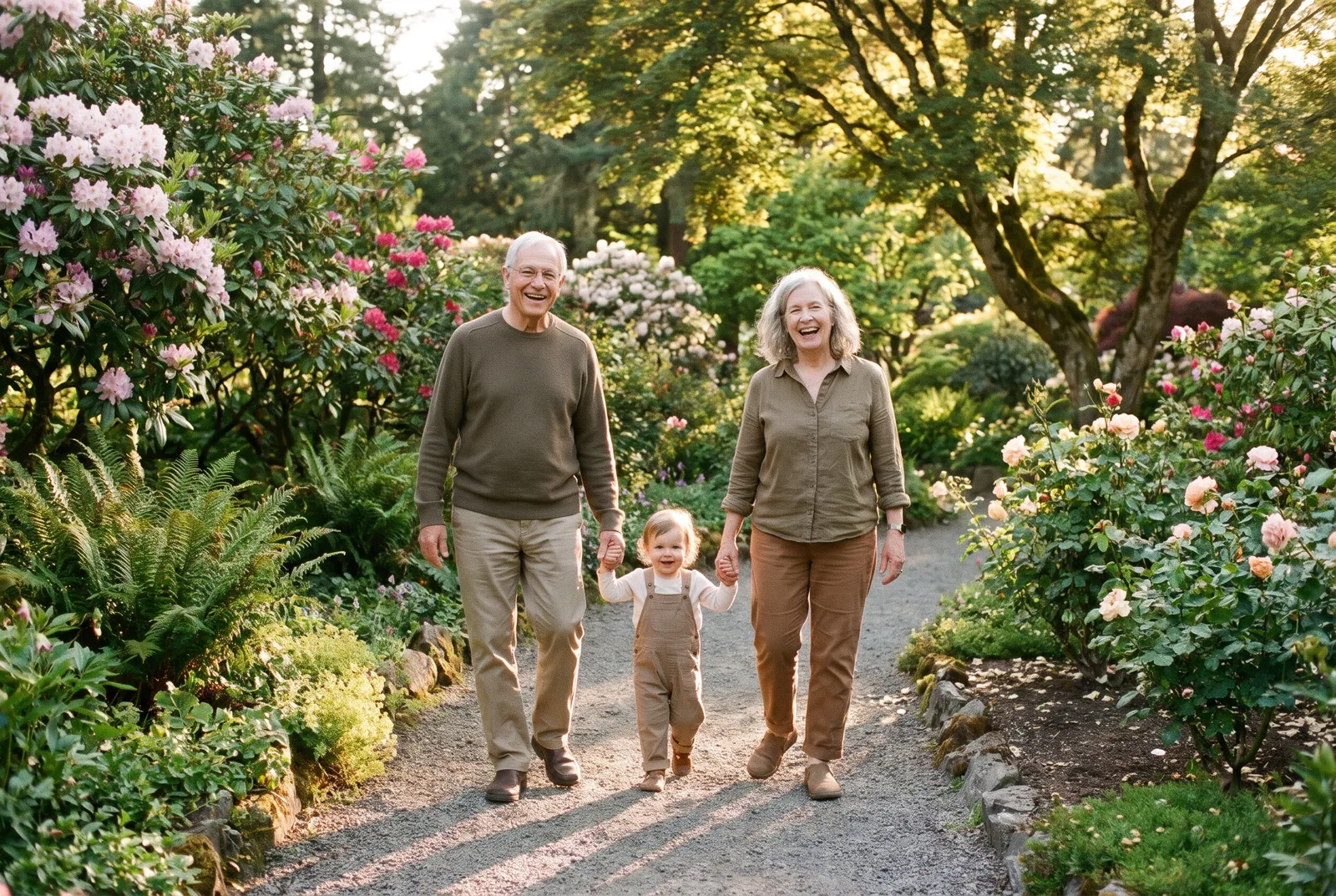
Imagine a grandparent setting a little bag beside the door: tissues, a snack, perhaps a folded drawing a grandchild made on the last visit. The outing might be a garden, a library or a favorite bench near the pond. To the child, it is a day with someone who notices different things. To the grandparent, it may be a welcome chance to give rather than receive help.
A good plan protects that pleasure. It does not turn grandparents into temporary employees or children into a list of risks. It gives both generations enough practical support to relax into each other's company, while parents know the ordinary details have been discussed.
Build the day around the people, not the destination. An ambitious excursion that exhausts everyone is less successful than a short visit with time for a story, a snack and a comfortable journey home.
Choose an outing that fits this particular pair
Start by asking what the grandparent and child would enjoy together. One child wants to look at insects; another wants someone to listen while they choose books. A grandparent may love walking but find a crowded indoor attraction tiring. Preferences matter as much as distance. Offer a small choice of destinations rather than presenting a fully booked day as a surprise.
Check practical details before committing: seating, toilets, shade or indoor shelter, accessible paths, transport and the distance from arrival to the activity itself. A place described as nearby may still involve a long walk from the parking area. Confirm current venue information instead of assuming that a familiar destination has the same facilities it had on the last visit.
Ask about the day's energy without making it a test of capability. “Would a shorter garden visit feel nicer than the whole afternoon?” is easier to answer than “Are you sure you can manage?” Give the child permission to have a quieter day too. Neither generation should need to prove endurance to earn time together.
Have a handoff conversation, not a briefing
Leave time to talk before coats go on. The parent can share the child's current needs, and the grandparent can explain how they would like the day to run. Cover allergies, medicines, food, nap windows, toileting, comfort items, contact numbers and pickup time. Avoid passing medical instructions through the child or assuming last month's routine still applies.
For medication, provide clear instructions consistent with the child's current care plan, including storage and what to do if a dose is missed or a problem arises. Do not ask a grandparent to improvise dosing. Where an allergy or other health need requires an action plan, review it together and make sure the necessary supplies are available and understood.
Grandparents have needs too, but their private health information is not automatically everybody's business. Ask whether there are breaks, meal times or practical supports they want included. If they manage their own medicines, respect that ownership. Offer help carrying or remembering an item only if they want it, rather than announcing a medication schedule to the whole family.
- Confirm the destination and who is responsible for each journey.
- Agree the pickup time, meeting place and contact person.
- Review the child's current care needs and emergency instructions.
- Name a comfortable alternative if either person wants to come home early.
For families who share care regularly, a kind grandparent handoff offers a useful starting point. The goal is a conversation everyone can remember, not a document that nobody has time to read.
Give the day a gentle rhythm
Plan one main activity and leave space around it. The journey, a toilet stop and a snack can fill more of the day than expected. Decide where the first rest will happen before anyone is tired. A bench with something interesting to watch is not wasted time; it may become the part the child remembers most clearly.
Keep the pace conversational. A child can pause to inspect a leaf while a grandparent rests, or both can sit and draw what they have seen. Carry water and appropriate food, and check the weather before leaving. Choose clothing and footwear for the actual route, not the photograph you hope to take. Make adjustments when conditions change.
Talk about how to ask for a break. “Let's find somewhere to sit” is enough; nobody needs to apologize or explain their body. The grandparent can model this for the child without making a lesson of it. If tiredness, discomfort or illness changes the day, shorten the plan. A calm return is a good outcome, not an unsuccessful outing.
Where there are crowds, agree a simple separation plan suited to the child and venue. Show the child an identifiable place or staff member to ask for help, and keep necessary contact information accessible. Avoid making a frightening speech. It is an ordinary piece of preparation, like deciding where to meet after using the toilets.
Be Closer shows your whole family on one private map, free to start.
Consent-first, never sold, and gentle on your battery. iOS and Android.
Share arrivals without making the outing a live report
A family map can support a simple arrival check-in if everyone agrees to the sharing and understands its limits. Set it up before leaving, confirm the right people can see it, and check the phone's permissions and battery. If the chosen app provides arrival notifications, configure and test them rather than assuming they are already active.
Agree what parents will do with the information. “We'll look for arrival, then leave you to enjoy the morning” feels different from continuous commentary about the route. A map shows an estimate of a device's location, not whether everyone has eaten, whether a child is happy, or whether a grandparent wants help. The outing still belongs to them.
Have an alternative when the map is stale, unavailable or inaccurate. A brief message when safely stopped, or a call at the agreed time, can replace an automated update. Parents should not interpret a missing notification as proof something is wrong. Contact the grandparent calmly when clarification is needed, and follow the agreed emergency plan if there is a genuine urgent concern.
If the grandparent prefers not to share location, use ordinary check-ins. Consent is not a hurdle to talk someone past. The same dignity applies here as in helping an aging parent without taking over. A day together should not be conditional on accepting monitoring.
Agree about photos, treats and small purchases
These little decisions often carry bigger family feelings. Parents may worry about public photos; grandparents may hear restrictions as a lack of trust. Be specific and friendly: which photos may be taken, who may receive them, and whether anything may be posted publicly. Ask the child before taking a picture or sharing one, in a way they can understand.
A private family message group is still a place where images can be copied or forwarded. Agree not to share a child's location, identifying details or photo more widely without permission. There is no need to photograph every stop. Leaving the phone in a bag can make room for the grandparent's attention, which is often the real treat.
For food, separate a family preference from a medical requirement. An allergy plan is not negotiable. A preference about sweets can be discussed with warmth and clarity: perhaps one agreed snack, perhaps something brought from home. Tell the child the plan too so the grandparent does not have to enforce a rule they have only just heard.
Agree a comfortable budget for tickets, snacks or small purchases, without requiring grandparents to buy affection. A postcard, a found leaf or a borrowed book can carry the memory home. If a grandparent would like to offer a special treat, plan it together. The surprise can remain for the child without becoming a disagreement between adults.
Make the journey home and the debrief kind
Confirm transport that suits everyone, including any required child restraints and the grandparent's comfort getting in and out. Local rules and the child's circumstances determine what is appropriate, so check rather than guessing. If public transport is involved, have a return option if the walk to the stop becomes too much or the service changes.
Keep pickup straightforward. Parents can arrive on time, meet at the agreed place and take over bags and coats without launching into questions. Let the child tell the story at their own pace. Ask the grandparent what they enjoyed before asking what needs changing. “Thank you for that time together” is a useful first sentence.
Later, discuss the practical parts privately and kindly. Was the route longer than expected? Would an earlier meal have helped? Was pickup easy? Treat the answers as information for next time, not a score. If a care instruction was missed, address it clearly and proportionately while separating the problem from the person's worth.
For repeated arrangements, coordinating when grandparents watch the kids can help turn one good outing into an easier routine. Keep what worked, change one awkward detail, and invite both generations to choose something they would enjoy again. The best souvenir may simply be wanting another day together.
Frequently asked questions

Priya writes about the family members we care for at every age, parents living alone, dogs that bolt at squirrels, and the quiet worry in between. She writes the way she checks in: gently, and always dignity first.
Our guides are written by Be Closer's editorial voices and reviewed by the team behind the app. Questions? support@becloser.com
Published · Updated