 Privacy & Trust
Does Low Power Mode Affect Location Sharing?
Low power mode on iPhone and battery saver on Android do not turn location sharing off. They reduce how often apps are allowed to run in the background, so the map shows an older position rather than no position at all. If a dot looks frozen, check the timestamp on it before you check anything else.
The question comes up in almost every family I talk to, usually phrased as a complaint. My daughter's dot has not moved in forty minutes, and her phone says low power mode. Is that why? Is she hiding something? Is the app broken?
The short answer is that low power mode is very likely part of it, and that almost nothing is broken. But the longer answer is worth having, because the difference between a stale position and no position is the difference between a calm evening and a bad one.
So here is what battery saver modes actually do, what they do not do, and the small set of checks worth running before you assume something has gone wrong. At the end there is a short family rule set for low battery days, which is the part that actually prevents the panic.
What low power mode is actually for
Low power mode on an iPhone and battery saver on Android are both blunt instruments with the same goal: keep the phone alive until it reaches a charger. They do that by cutting the things that consume power quietly in the background, because those are the things you will not notice missing for a few hours.
The important word there is background. Neither mode is trying to break apps you are actively using. It is trying to stop the twenty apps you are not using from waking up every few minutes to check on things.
- Background app refresh is reduced or paused. Apps get fewer chances to wake up and report anything, including a position.
- Fetch and sync intervals stretch out. Mail, messages and location updates arrive in clumps rather than continuously.
- Some visual and processing extras are trimmed. Screen brightness, refresh rate, animations. None of this affects location, but it is part of why the phone feels different.
- Network behaviour becomes lazier. The phone is less eager to keep radios awake between tasks, which affects how quickly an update reaches the family map.
What is not on that list matters just as much. The location permission itself is untouched. The GPS chip still works. The app is still allowed to know where the phone is. It simply gets asked, and gets to answer, less often.
Low power mode does not close the door. It just means nobody is standing at it to answer as quickly.
Why a stale dot looks exactly like a missing one
This is the real problem, and it is a design problem rather than a technical one. A family map shows a dot. The dot is in a place. Your brain reads that as where they are right now, because that is what maps have always meant.
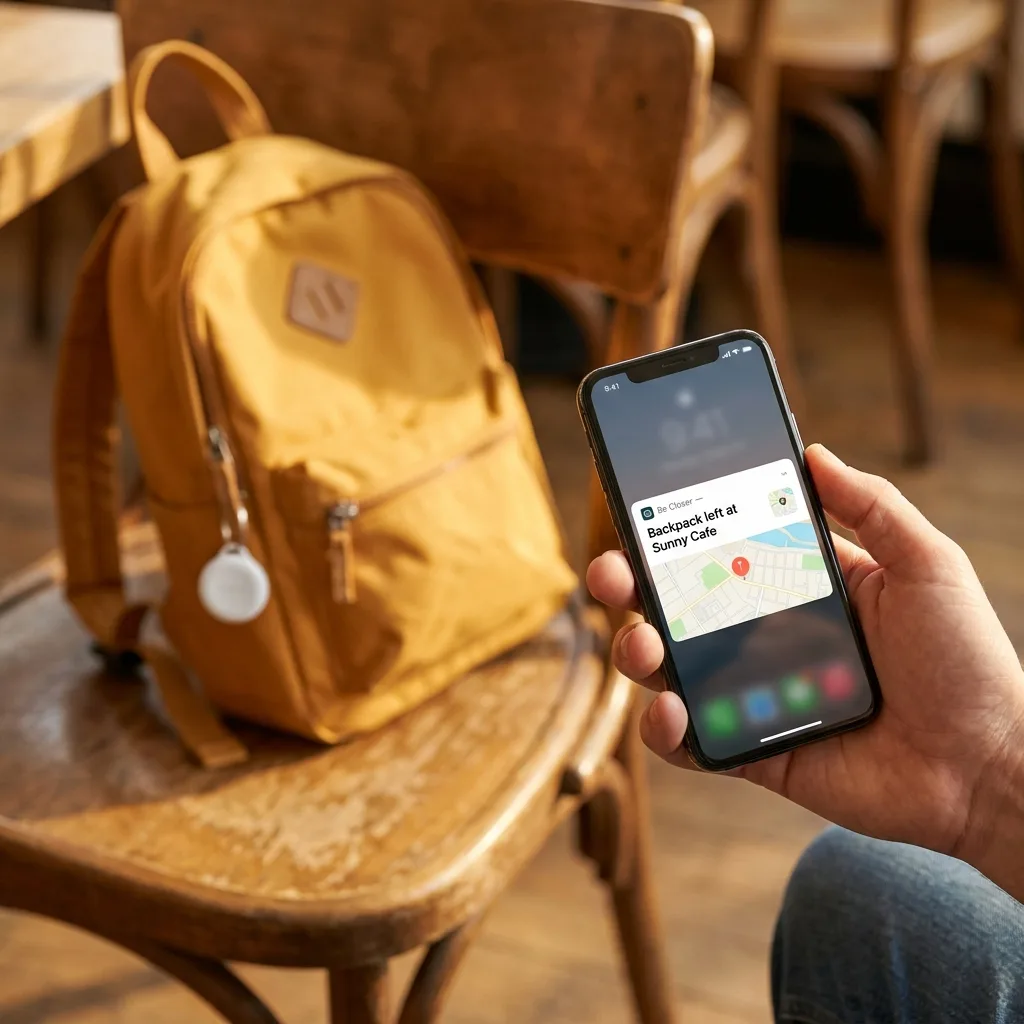
But every dot on every family map is really a claim about a moment in the past. Sometimes that past is eight seconds ago and sometimes it is fifty minutes ago, and the visual difference between those two is a small line of grey text most people never look at.
So the single most useful habit I can give you is this: read the timestamp before you read the position. A dot at the school gate updated two minutes ago tells you something. The same dot last updated at 3.40pm tells you something completely different, and the something is usually a low battery rather than a problem.
Three things that look identical on a map
- A phone in low power mode. Position is real but old, sometimes by half an hour or more.
- A phone with no signal. Position is real but frozen at the moment coverage dropped, in a tunnel, a basement, a lift, a rural stretch of road.
- A phone that is off or flat. Position is the last known one and will not change until it comes back on. We covered the practical side of that in what to do when your child's phone dies.
Notice that only the third one is a genuine gap, and even that one is rarely an emergency. Two of the three resolve themselves the moment the phone gets signal or a charger.
How this differs from location actually being off
Location being off is a different state, and it usually looks different too. When someone turns off location services, revokes an app's permission, or stops sharing deliberately, most family apps say so explicitly. You get wording about sharing being paused or location being unavailable, not a dot sitting quietly in the wrong place.
Quick way to tell them apart
- 1Look for a timestamp. A time means the app still has a position and is just waiting for a fresher one. No timestamp at all usually means no sharing.
- 2Look for explicit wording. Paused, off, or not sharing is a deliberate state. Last seen is a delay.
- 3Check whether other people are updating normally. If the whole family map is stale, the problem is your phone or your connection, not theirs.
- 4Wait ten minutes. Low power mode still lets updates through, just infrequently. A truly disabled share will not budge.
If it does turn out to be a deliberate pause, that is a conversation rather than a fault, and it is a fair one to have. There is a whole separate piece on doing that well in how to pause location sharing without causing panic.
Be Closer shows your whole family on one private map, free to start.
Consent-first, never sold, and gentle on your battery. iOS and Android.
What to check before you assume something is wrong
I run these in order, and I have never needed more than four of them. They take about ninety seconds in total, which is roughly ninety seconds less than the time most of us spend inventing worse explanations.
- 1The timestamp on the dot. Everything starts here. Under ten minutes old is normal behaviour, not a problem.
- 2Your own connection. Switch from wifi to mobile data or back. A surprising share of frozen maps are frozen on the viewer's side.
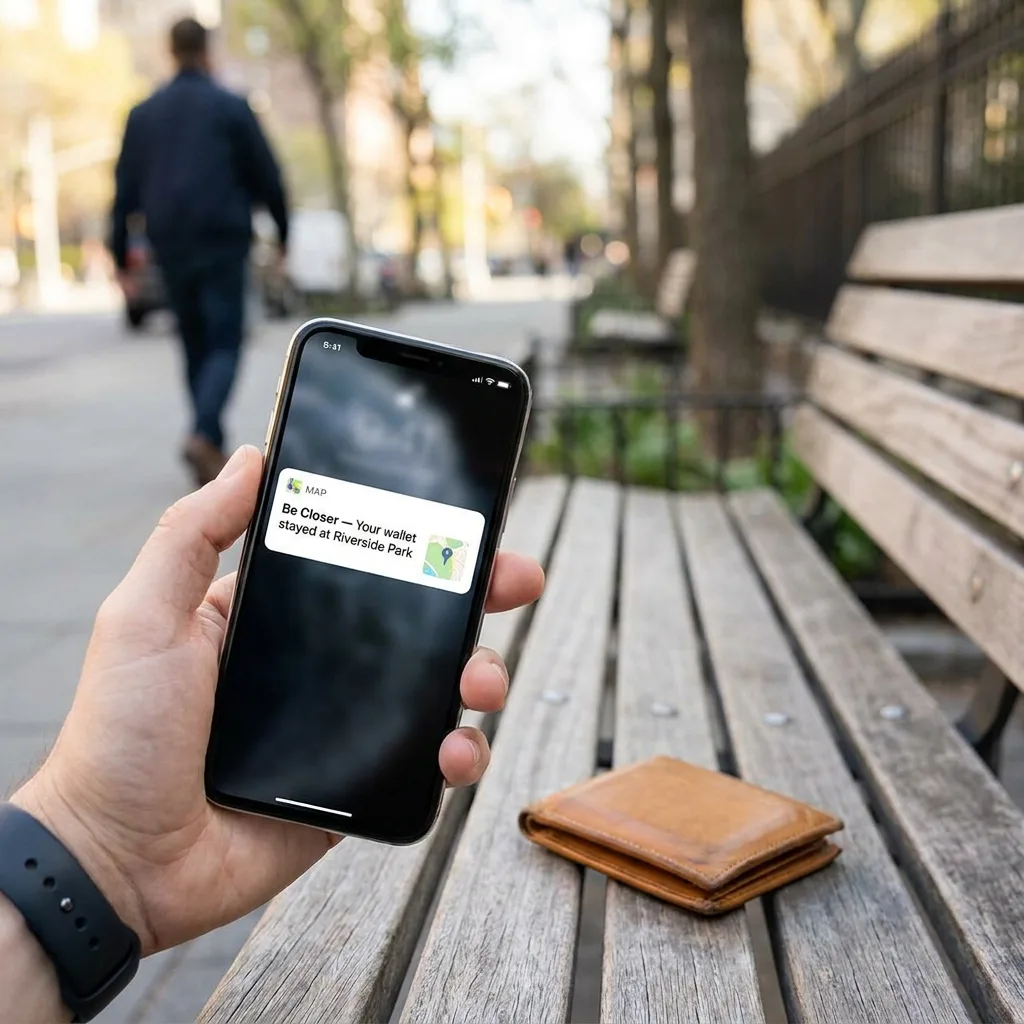
- 3Whether the last known position makes sense. A dot parked at a friend's house or a sports hall is usually exactly where the person is, just reported a while ago.
- 4The battery reading, if the app shows one. A phone at eight percent explains almost every delay you are seeing.
- 5A message. Not an accusation, just a normal message. If they reply, you have better information than any map can give you.
Things that are not the cause, despite the rumours
- Airplane mode is not the same thing. It cuts the radios entirely, which is a much bigger interruption than low power mode.
- Location sharing is not what flattened the battery. Modern sharing is far cheaper than people assume, and we went through the numbers in does location sharing drain battery.
- A wrong position is a separate issue. If the dot is fresh but in the wrong place, that is accuracy rather than power, and why is the location wrong covers it.
A short family rule set for low battery days
Every technical explanation in this article is less useful than four sentences everyone in the house has agreed to. Rules beat features, because rules work when the phone does not.
- 1If you drop below twenty percent, send one message saying so. That single message removes almost all of the uncertainty that follows.
- 2A stale dot is not a missing person. We check the timestamp first and we wait ten minutes before doing anything else.
- 3Low power mode is allowed and expected. Nobody is in trouble for saving their battery, and nobody has to explain it afterwards.
- 4Everyone knows one backup way to reach home. A friend's phone, a landline, a payphone, a shop counter. Agreed once, out loud, so it is not being invented at the worst moment.
The families who stay calm about batteries are not the ones with better phones. They are the ones who decided in advance what a quiet phone means.
Be Closer is free to download, works in 13 languages, and reports up to 95% accuracy when conditions allow. None of that helps a phone at two percent, which is exactly why the rules above exist alongside the app rather than instead of it.
Where to put the effort instead
If low battery days are a regular event in your house, the fix is boring and physical rather than clever. A cable in the school bag, a small power bank for the teenager who is never home before nine, a charger in the car that actually works. Every one of those is more effective than any settings change you can make.
And when you do change settings, keep it minimal. Allow the family app to use location always rather than only while in use, leave background refresh on for that one app if your phone lets you exempt it, and otherwise leave low power mode alone. It is doing its job.
Frequently asked questions

Daniel covers privacy, consent and the technology under the hood. A dad who reads the settings screens so you don't have to, he believes the best family tech is the kind you can explain to your kid in one sentence, and that nothing should ever be tracked in secret.
Our guides are written by Be Closer's editorial voices and reviewed by the team behind the app. Questions? support@becloser.com
Published · Updated