 Pets
Boarding Kennel or Pet Sitter? Choosing Care for Your Dog When You Travel
Choose a kennel or sitter by your dog's needs and the care actually offered, not by which option sounds more homely. Meet the people, inspect the arrangements, try a short stay and leave clear written instructions before travelling. A collar tracker can support a search, but it cannot supervise your dog or replace secure handling.
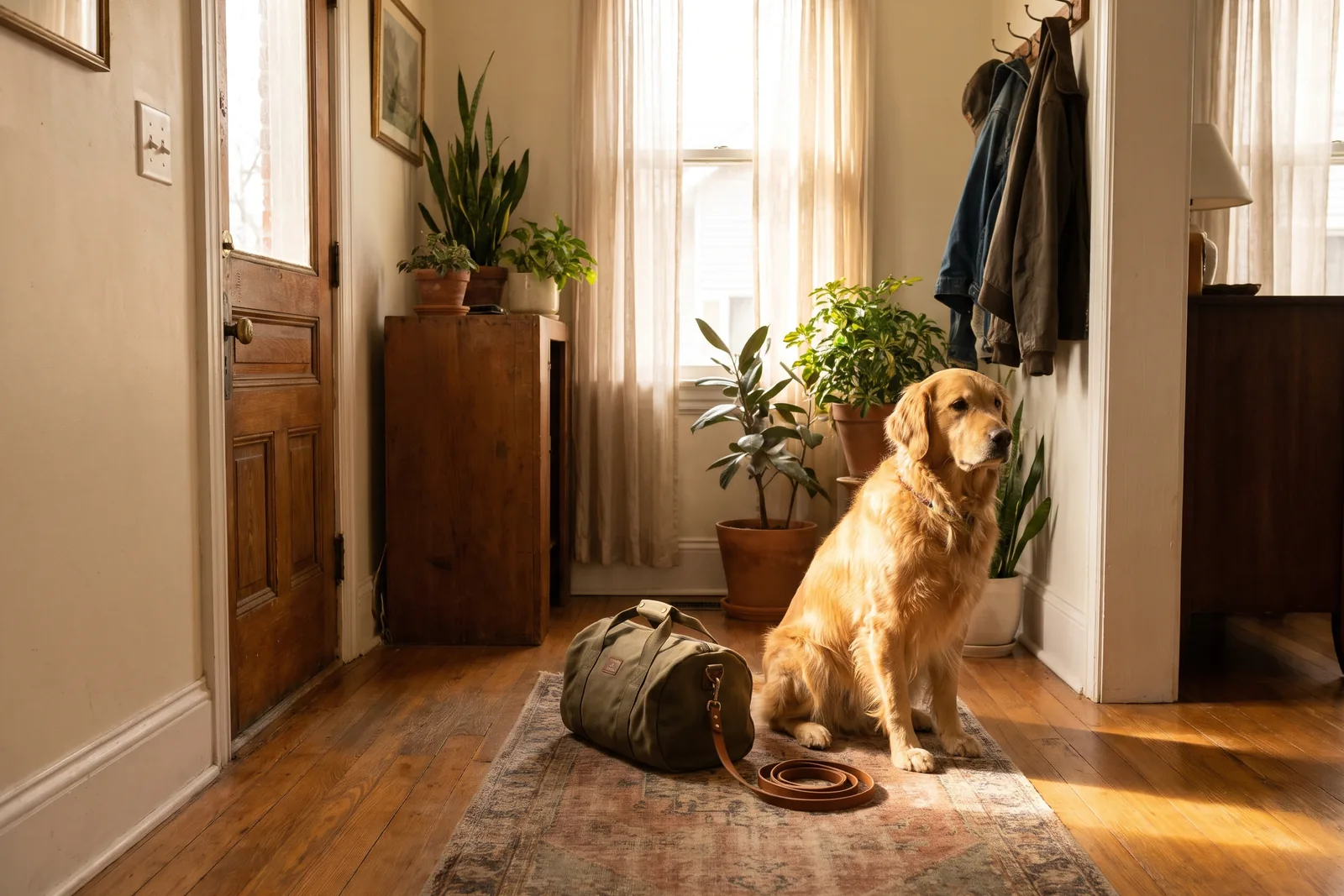
Imagine putting a travel bag beside the door and watching your dog settle next to it. Packing is ordinary for you, but the changes in routine may be noticeable to them. Before we decide where a dog will sleep while we are away, it helps to think about what makes an ordinary day feel comfortable: familiar people, quiet spaces, regular walks or simply not being left alone for long.
I would not begin with "Which is better, a kennel or a sitter?" I would begin with "Who can give this dog the care they need on these particular days?" A well-run kennel may suit one dog beautifully. Another may do better at home with a dependable sitter. Neither label tells the whole story.
The useful comparison is between real arrangements, with names, routines and backup plans attached. Start early enough to meet people and try the setup, especially if your dog has particular health or behaviour needs. Your vet can help with individual health questions; this guide is about choosing and organising care, not prescribing what every dog should tolerate.
Describe your dog before comparing prices
Write a short, honest description of a normal day. Include rest, toilet breaks, meals, walks and the longest periods your dog is usually alone. Note how they respond to unfamiliar dogs, visitors, noise and being handled. Tell a prospective carer about escape attempts or difficulties without softening them into "a little adventurous". A carer can prepare for a known need, not a charming omission.
Ask your vet about any health-related needs that could affect the choice, particularly if treatment or recent changes are involved. A dog who needs a specific routine may require experience and availability that not every provider offers. Also think about your own trip: a short nearby visit and a long journey abroad create different handover and emergency arrangements. The right option must work for the actual dates, not just sound reassuring in theory.
What a kennel can offer, and what to inspect
A kennel can provide an organised setting with dedicated staff and established routines. Some dogs may settle well with that predictability; others may find unfamiliar sounds and nearby dogs difficult. Visit rather than relying only on photographs. Ask to see where your dog would sleep, exercise and spend quiet time, and how dogs are moved between those spaces. Availability and access can vary, so ask what can be inspected before booking.
Notice the answers as much as the surroundings. A thoughtful provider should be able to explain who does what, how concerns are recorded and what happens when a dog does not settle. Ask about licensing or inspection requirements where applicable, and check local rules rather than assuming one badge means the same thing everywhere. Our broader boarding and sitter comparison can help frame the choice alongside your dog's familiar routine.
Ask practical kennel questions
Questions work best when they invite a description. "What happens between the last evening check and the first morning check?" tells you more than "Is someone around?" Ask whether overnight staff are present, on call or neither, and decide whether that arrangement meets your dog's needs. Do not assume round-the-clock supervision from the word boarding.
Confirm what is included in the price and what needs a separate agreement, including individual walks, food, medication support and updates. Ask how they handle a dog who will not eat, becomes distressed or needs veterinary attention. Health requirements and admission policies differ, so get them in writing and discuss relevant questions with your vet before the stay.
- Who is responsible for my dog on each shift, and who covers absence?
- How are unfamiliar dogs separated, introduced or exercised?
- How are gates, doors and handovers secured?
- What is your response if my dog is distressed or unwell?
- What information and belongings should I bring, and what should stay home?
What a sitter can offer, and what home means
A sitter in your home can keep familiar smells, walking routes and sleeping places. That does not automatically mean constant company. Some sitters provide short visits, some stay overnight and some spend much of the day elsewhere. Ask for the actual hours and absences, not just the service name. If your dog cannot comfortably manage the proposed gaps, a familiar house will not fix the mismatch.
Boarding in a sitter's home is another arrangement again. Ask about other animals, household members, visitors, outdoor access and where your dog will sleep. Visit with your dog where practical and discuss introductions carefully. A busy household may suit one dog and overwhelm another. Compare the real environment, not the idea that every private home is quieter or every kennel is impersonal.
Vet the person who will hold the lead
Meet the actual sitter or walker, not only the person taking bookings. Ask about experience relevant to your dog, references you may contact and any insurance or local requirements that apply to their work. Check what happens if another person covers a walk. A substitute you have never met should not be a surprise discovered in a holiday update.
Walk together and show how you use the harness, doors and lead. Watch whether the person listens when you describe a difficulty and whether they handle your dog calmly. Our guide on choosing a dog walker covers useful handling questions. If something feels unclear, ask again before committing. A patient professional should welcome specific instructions rather than treating them as an inconvenience.
Be Closer shows your whole family on one private map, free to start.
Consent-first, never sold, and gentle on your battery. iOS and Android.
Try the arrangement before the big trip
If possible, arrange a short trial that resembles the care you plan to book. For a kennel, that might mean a brief stay or a trial night. For a sitter, it might mean an agreed visit while you are nearby, then a longer period. Follow the provider's process and your vet's advice for individual needs. The aim is to learn, not to force a dog through a test they must pass.
Ask what the carer actually observed: eating, resting, toilet habits, interaction and any difficulties. A single cheerful photograph is pleasant but not a complete account. Discuss changes that might help and whether the provider can accommodate them. If the trial exposes a poor fit, changing the booking is useful information in action, not a failure of your dog or your preparation.
Leave a care sheet that survives a busy morning
Write instructions in plain language and put the most important information first. Include your contact, a reachable backup, veterinary details and how veterinary decisions and costs should be handled. Arrangements for consent or authorisation may vary by practice and location, so confirm them with your vet rather than assuming a note grants every permission. Give the carer enough information to act without hunting through old messages.
Add the ordinary routine: food quantities as you normally provide them, walk preferences, equipment, sleeping habits and anything your dog should avoid. For prescribed treatment, leave the current veterinary instructions and ask whether the carer can follow them. Our pet sitter checklist is a useful companion. Keep the sheet current, especially if a previous trip's instructions no longer describe your dog.
Make secure handling a specific agreement
Explain door routines, gates and the moments when your dog might try to slip out. Ask how the carer will manage deliveries, visitors and transfers to a vehicle. Do not leave these details at "They are usually fine". Agree whether walks will remain on lead, what equipment will be used and whether unfamiliar places or group walks are part of the plan.
Prepare suitable identification and check the contact information associated with any existing microchip through the relevant registration service. Requirements differ by location, so confirm local obligations. Leave a backup contact who can respond while you are travelling. If equipment does not fit securely, fix that before handing over the dog. A tracker is an addition to careful handling, never a reason to relax it.
Use a collar tracker without handing it a job it cannot do
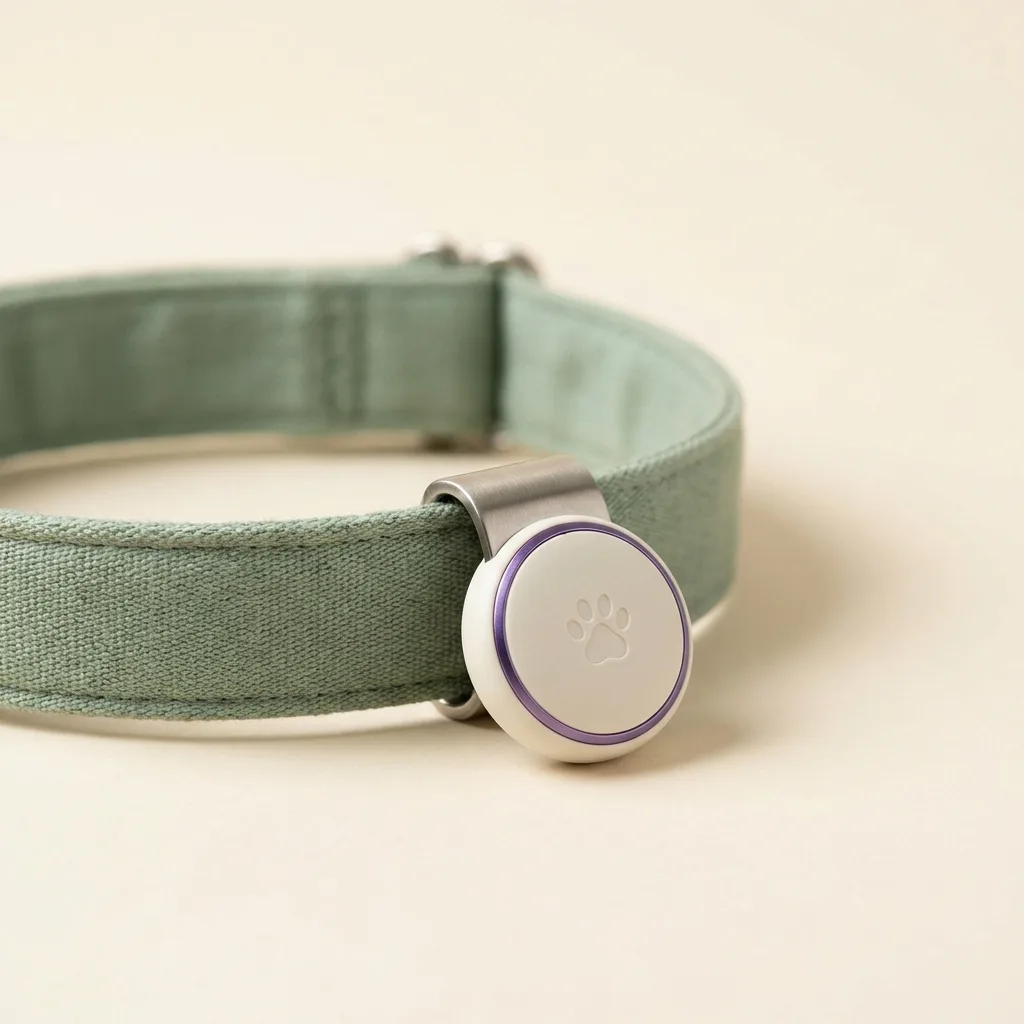
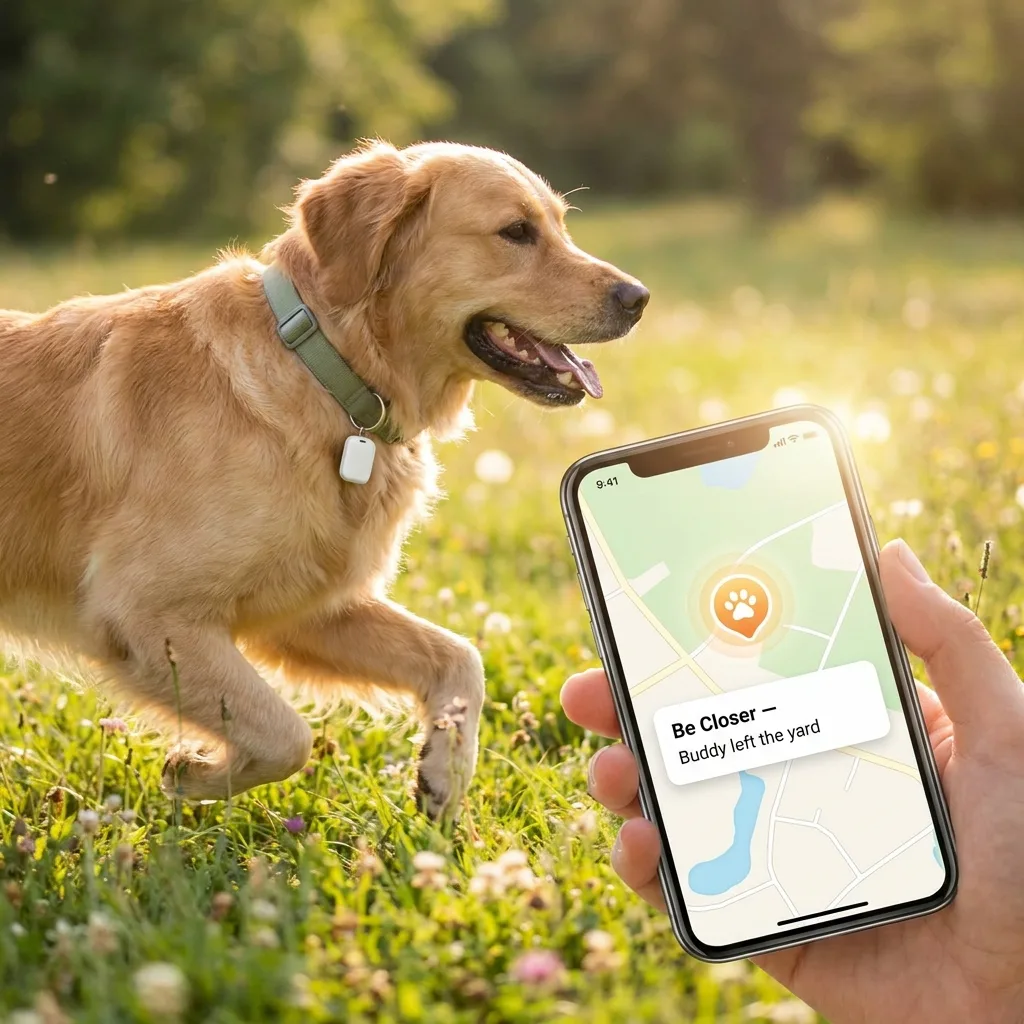
If your dog normally wears a tracker, show the sitter its fit, charging routine and the information you have agreed to share. Check that access works before departure and keep privacy settings limited to the people who need them. Device capabilities differ, and updates may depend on battery, connectivity and the surroundings. Do not assume a location will appear instantly or continuously.
A tracker is not supervision. It cannot keep a gate closed, prevent a dog slipping a harness or prove that a walk was handled well. Discuss a lost-dog plan with the carer, including who calls whom and how to seek local help. Any tag or collar accessory should suit the dog and equipment; avoid adding loose or unsuitable items simply to feel better about leaving.
Agree updates, then make the decision
Choose a realistic update rhythm and explain what should trigger an immediate call. You may appreciate a brief message about meals, rest and walks, but repeated requests can pull attention away from care. Tell the carer when you may be unreachable and who can act then. The absence of a photograph is not automatically a problem; a concerning observation deserves a conversation rather than reassurance from a picture.
Compare the options on the same page: suitable supervision, handling, environment, health support, backup cover, cost and the trial experience. Sometimes the answer is a different provider or a change to the trip. Choose the arrangement that meets your dog's needs and that the carer can honestly deliver. Then hand over calmly, with the care sheet, the right supplies and enough time for the questions that always appear beside the front door.
Frequently asked questions

Priya writes about the family members we care for at every age, parents living alone, dogs that bolt at squirrels, and the quiet worry in between. She writes the way she checks in: gently, and always dignity first.
Our guides are written by Be Closer's editorial voices and reviewed by the team behind the app. Questions? support@becloser.com
Published · Updated