 Aging Parents
After a Fall: Helping Your Parent Get Their Confidence Back
After a fall, the thing most likely to shrink your parent's life is the fear of falling again, not the injury. Rebuild movement in small accompanied stages, walk through the house together and change things with them rather than for them, and ask their doctor about balance, medication, vision and hearing. Keep contact light and predictable so nobody has to hover.
My aunt fell in her hallway on a Tuesday in February. She was not badly hurt. A wrist that ached for a fortnight, a bruise the colour of a plum, an evening in a waiting room with my cousin holding her coat. By March everyone had stopped asking about it. By May she had stopped going to the shop on the corner, and none of us had noticed the connection.
That is the shape of it, again and again. The fall itself is often the least of it. What follows is quieter and much harder to see: a person deciding, without announcing it, that the bus is too much, that the garden can wait, that she will go to the church group next week instead. Each decision is reasonable on its own. Stacked up over three months they add up to a much smaller life.
So this guide is about the weeks after, not the day of. What actually happens to confidence, how to walk through the house without turning it into an inspection, how to rebuild movement when everyone's instinct is to say be careful, and how to stay close enough to know how things are going without standing over anyone.
What actually happens after a fall
Ask someone who has fallen what the worst part was and they rarely say the pain. They say the floor. The strange indignity of being down there, the seconds of working out whether they could get up, the fact that the house they have lived in for thirty years suddenly behaved like a stranger.
What that leaves behind is not simply caution. It is a running commentary. A person who once crossed their own kitchen without a thought now narrates it: mind the mat, hold the counter, wait for the dizziness to pass. That commentary is exhausting, and the easiest way to make it stop is to do less. This is the part families miss, because it never arrives as an announcement. It arrives as a series of small declines to small invitations.
Nobody says I am afraid of falling. They say I did not fancy it today.
There is a physical loop underneath the emotional one. Moving less means less strength in the legs and less practice at balancing, and less practice makes the next wobble more likely. So the avoidance that feels protective is the thing quietly raising the risk. That is worth knowing, because it changes what help looks like. The goal is not to keep your parent still. It is to get them moving again in a way that feels safe enough to repeat.
Signs the fear is doing the damage
- The radius is shrinking. The shop, the bus, the friend two streets over all quietly drop off the list.
- Furniture walking. Moving around the house by hand, from chair back to counter to door frame.
- Cancelling later than usual. Saying yes on Monday and finding a reason on Thursday.
- Reasons that keep changing. The weather, then the knee, then the timing, for the same outing.
- A new stillness in the evening. Sitting down at six and not getting up again until bed.
Walk through the house together, not behind them
Almost every family does a home safety sweep after a fall. Most of them do it wrong, and the wrongness is all in the pronouns. We came round and sorted out the hall. We took up the rugs. We put a light in. Every one of those sentences tells a proud person that decisions about their home now happen without them.
Do it as a walk instead. Start at the front door, move room by room, and ask one question in each: what feels awkward here. Not what is dangerous. Awkward is a question an adult can answer without admitting anything. You will get better information from it too, because your parent knows which floorboard catches and which corner is dark at four in the afternoon, and you do not.
- Floors. Loose rugs and trailing cables are the classic offenders. A rug that has slid for a decade is not a rug, it is a trap with sentimental value, so negotiate rather than confiscate.
- Lighting. Most falls at home happen on ordinary journeys, and the night trip to the bathroom is the one everyone recognises. A lamp within reach of the bed and a low light on the landing change that route completely.
- Stairs. A second rail costs little and helps enormously. Check the top and bottom steps in particular, where the light usually changes.
- Bathroom. A grab rail by the bath or shower, a non slip mat, and something to sit on if standing to wash has become an event.
- Footwear. This is the one nobody raises and it matters more than most rails. Backless slippers and socks on wooden floors undo a lot of careful work.
- Reaching. Anything used daily should live between hip and shoulder height. Chairs used as step ladders belong in a different conversation.
Frame the changes as ordinary household improvements, because that is what they are. A brighter hallway is nicer for everyone. A rail by the stairs is what any sensible house has. You are not fitting out a hospital ward, you are making a home easier to live in, and the language you use decides which of those it feels like. Our safety setup for aging parents living alone walks through the same ground in more detail.
One more thing about consent. If your parent refuses something, note it and move on. You can come back to it in a month, and you will have far more credibility if you did not push the first time. The relationship is the thing that lets you help for the next ten years. A rug is a rug.
Why just be careful is the worst advice
We all say it. It sounds like love and it lands like a warning. Be careful gives a person no plan, nothing to practise and nothing to do differently, and it quietly confirms the fear that they are now the kind of person things happen to.
Replace it with specifics and company. Confidence comes back through repetition, and repetition needs to be small enough to actually happen.
- 1Start indoors. Getting up from a chair without using the arms, standing at the sink for the length of the kettle boiling, walking the hall twice. Boring is the point.
- 2Then the doorstep. To the gate and back with you alongside, at whatever speed they set. Do not chat about the fall while you do it.
- 3Then a real destination. The postbox, the bench at the end of the road, the neighbour's door. A journey with a purpose is worth five laps of the garden.
- 4Then the same trip alone. Agree it in advance, agree roughly how long it will take, and let it happen without a phone call halfway through.
- 5Then put it back in the diary. The point is not walking, it is the club, the shop, the grandchildren on Saturday. Rebuild the calendar, not just the legs.
Two habits help along the way. First, praise the outing rather than the caution, because what you notice is what grows. Second, talk openly about what to do if it happens again. A parent who knows how they would get up, and who is certain someone would come, walks differently from one who has been told to be careful and left alone with the thought.
Be Closer shows your whole family on one private map, free to start.
Consent-first, never sold, and gentle on your battery. iOS and Android.
What is worth asking the doctor
A single trip over a step is usually just that. A pattern, a fall with no obvious cause, or any dizziness is worth a proper conversation with their doctor rather than a family debate at the kitchen table. Go with them if they want you there, and go as someone taking notes rather than someone answering on their behalf.
- A balance and strength review. Many areas can refer to a physiotherapist for exercises aimed exactly at this, and that is worth asking about directly.
- A medication review. Ask whether anything currently prescribed, alone or in combination, is worth revisiting in light of the fall. That is a question for the prescriber, not the internet.
- Eyes and ears. Vision and hearing both feed balance and orientation. A test that is a couple of years overdue is an easy thing to sort out.
- How the fall actually happened. A trip, a slip, a faint, a moment of blankness. These are different stories and the detail matters to a clinician.
- Bone health and any follow up. Worth raising so it is on the record rather than assumed.
Write it down before the appointment
- The date and roughly what happened. Memory blurs fast and versions drift.
- Any near misses since. The wobbles that did not become falls are useful information.
- What has changed at home. Sleep, appetite, energy, mood, how far they are walking.
- Three questions maximum. Appointments are short and the fourth question rarely gets a real answer.
If other things have shifted at the same time, keep an eye on the wider picture rather than the fall alone. Our guide to the signs an aging parent needs more help covers the quieter changes that tend to travel together.
Staying close without hovering
Here is the hard bit. After a fall, family worry goes up sharply and stays up. The natural expression of that worry is more calls, more questions, more asking whether they are alright. From the inside, that lands as a verdict: we have decided you are fragile now.
What lowers the temperature is predictability. A short call at a time you both expect, so nobody sits waiting. A message when you set off to visit. A shared understanding of what happens if nobody can reach them, agreed out loud, so a missed call is a normal event rather than an emergency.
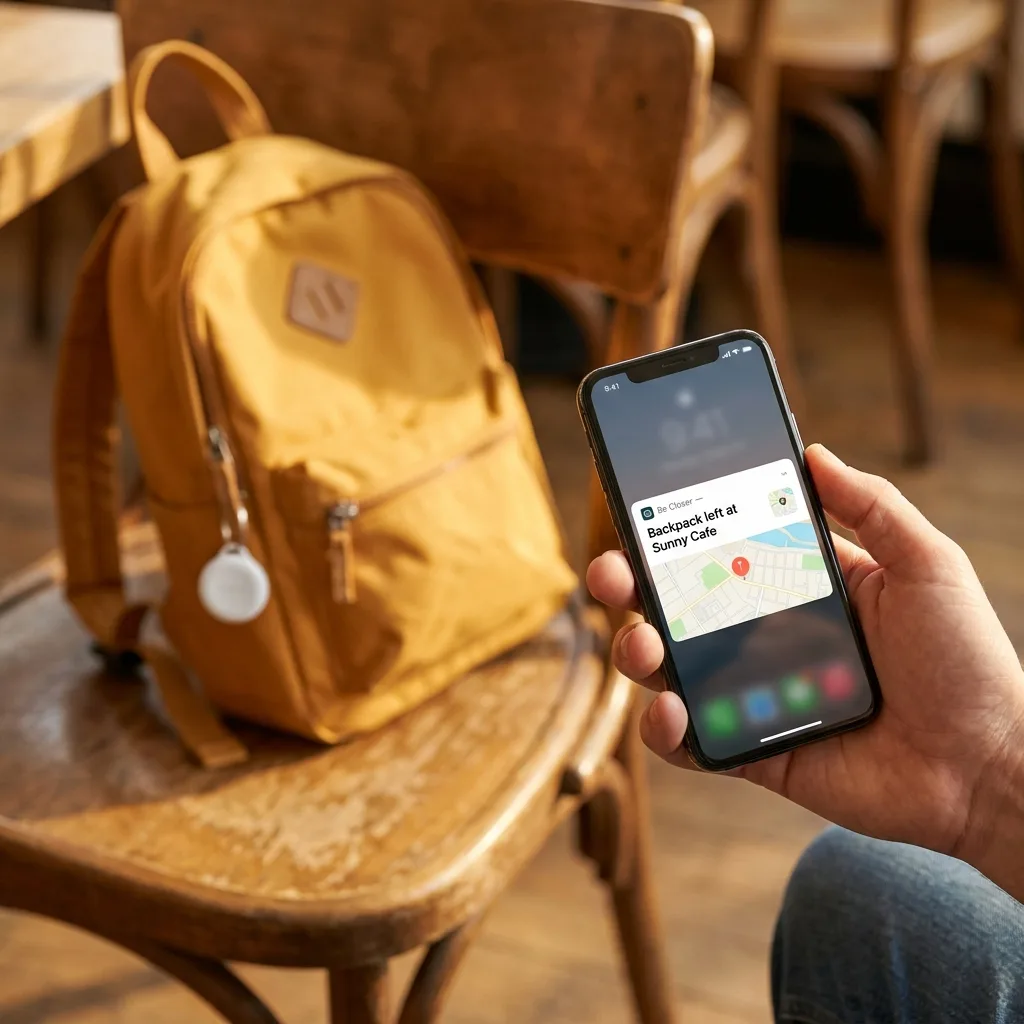
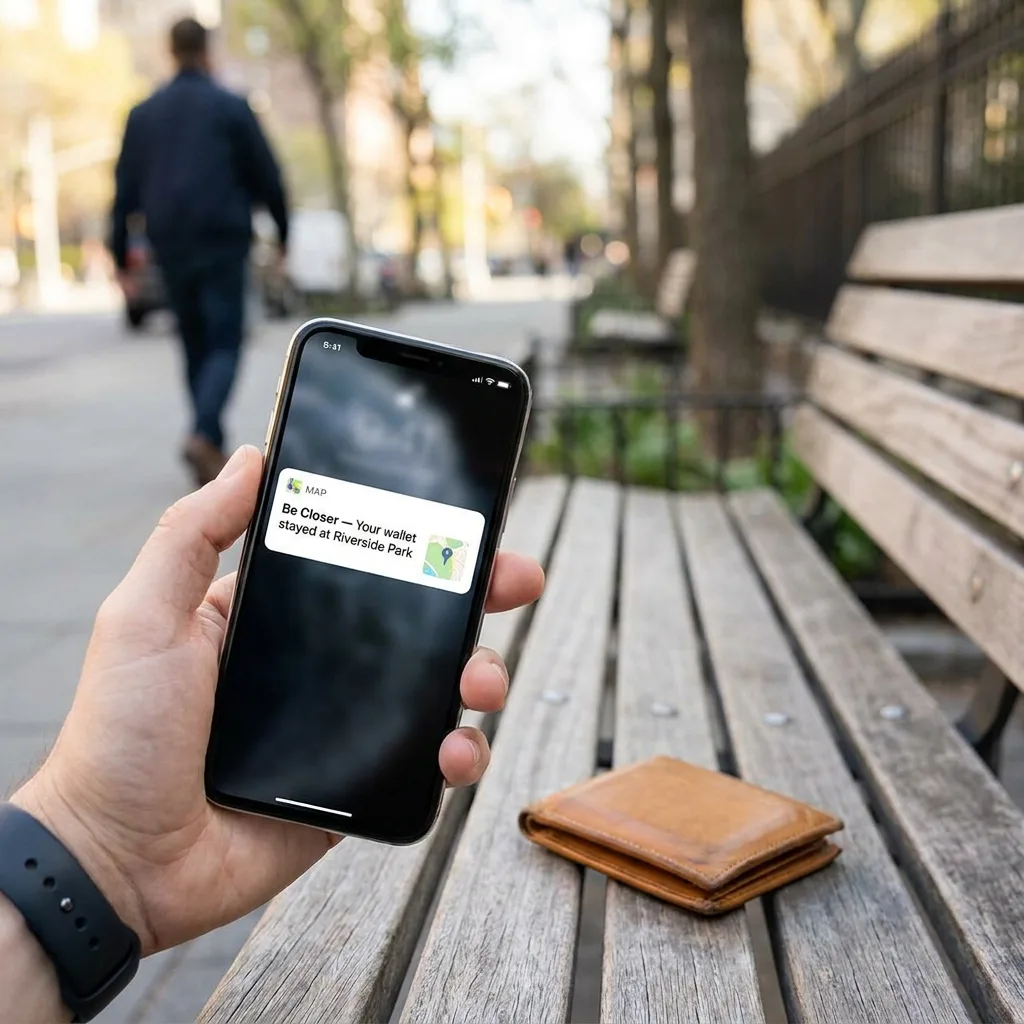
This is where a family app earns its place, and it is a smaller place than most people expect. Being able to see that your father is at the allotment where he said he would be, or that your mother's phone battery is nearly flat before you start imagining the worst, removes a great deal of low grade anxiety on your side without adding a single question on theirs. Be Closer is free to download, works in 13 languages, and holds a 4.4 star rating across more than 150,000 ratings on the App Store and Google Play, which matters mainly because a parent is more likely to accept something that behaves like an ordinary phone app.
Set it up as something mutual. Your parent should be able to see you too. The moment it becomes a one way arrangement it stops being contact and starts being monitoring, and older people read that distinction instantly. The same principle sits behind our dignity checklist for aging parents.
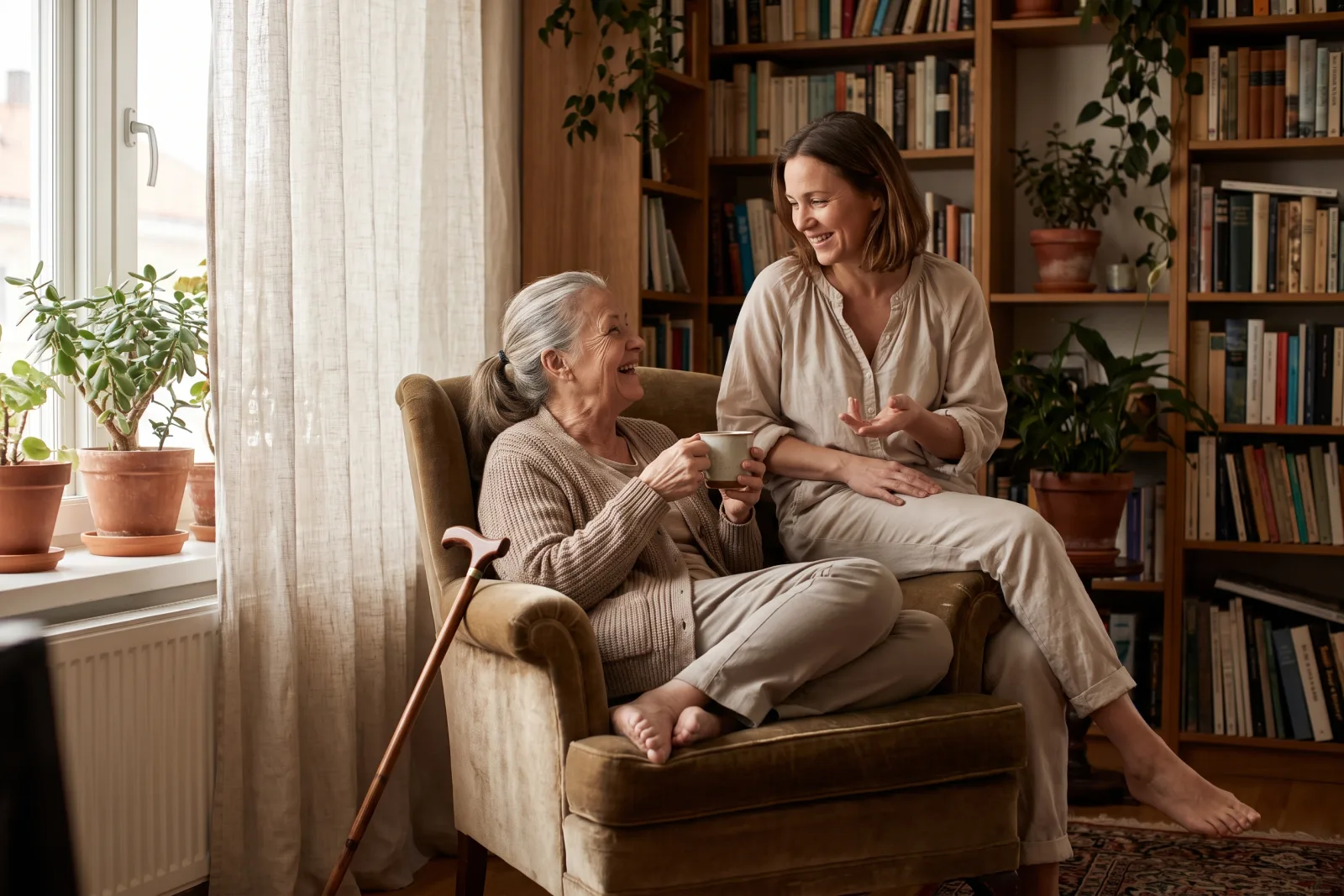
Give it six months. The confidence usually does come back, unevenly, with a bad fortnight in the middle. My aunt walks to the corner shop again. It took a spring of my cousin turning up on Thursdays to walk there with her, saying nothing about falls at all, and buying two things they did not need.
Frequently asked questions

Priya writes about the family members we care for at every age, parents living alone, dogs that bolt at squirrels, and the quiet worry in between. She writes the way she checks in: gently, and always dignity first.
Our guides are written by Be Closer's editorial voices and reviewed by the team behind the app. Questions? support@becloser.com
Published · Updated